Thunderstorm Season Exposes Weak Gates Fast In Georgia Dog Households
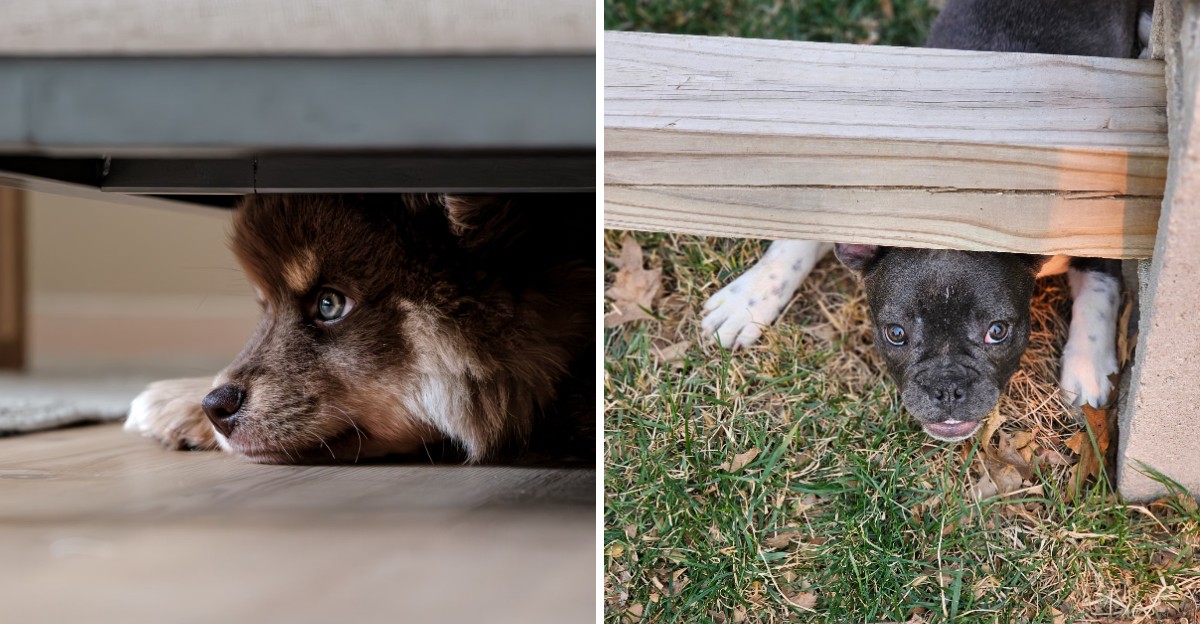
Georgia thunderstorms can turn a familiar backyard into a place your dog suddenly wants to leave. A loose latch, soft ground, or sagging gate may become noticeable when wind and rain arrive.
You can prevent many problems with simple checks before storm clouds gather. Here is how to strengthen your gate routine, recognize trouble, and give your dog a comfortable indoor plan.
1. Check Gate Latches Before the First Big Storm
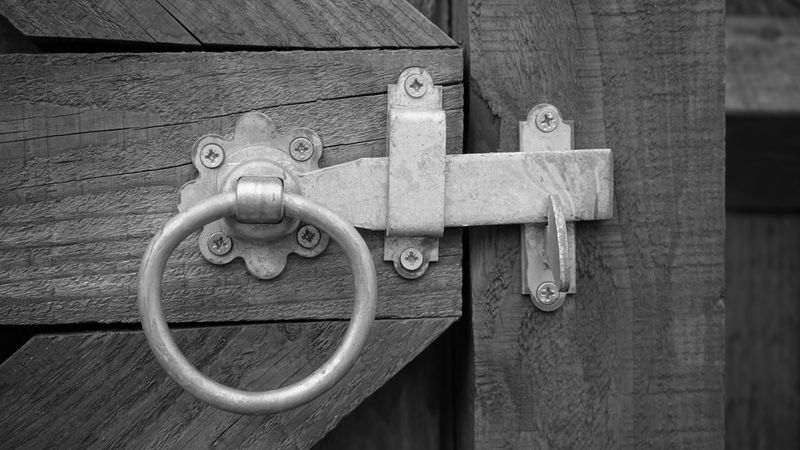
A latch that looks closed may barely catch its keeper. Before storm season, close the gate slowly and watch how the parts meet.
Pull gently without touching the release to confirm the latch holds.
Remove dirt and tighten loose mounting screws using the correct tools. Replace bent or worn pieces rather than trusting a temporary fix.
Choose hardware suited to outdoor use, and follow its installation instructions for reliable operation through changing Georgia weather conditions.
2. Look for Gaps Along the Bottom of the Fence
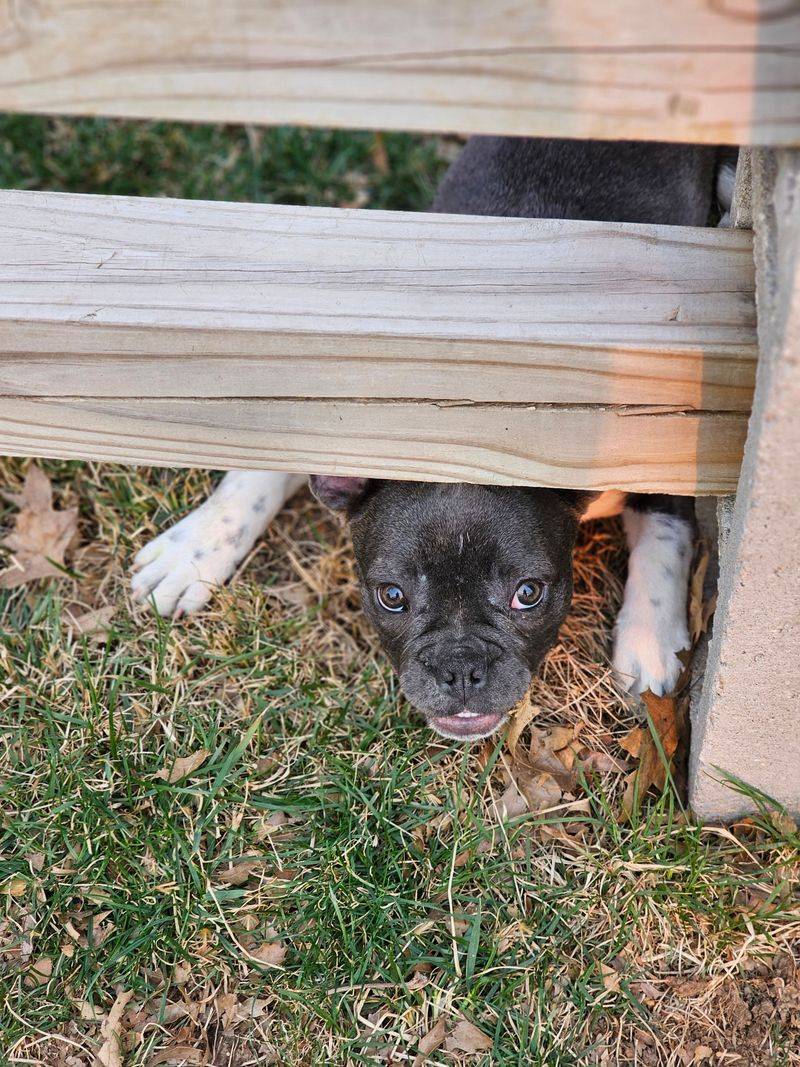
Small openings can hide beneath grass, leaves, and uneven ground. Walk the fence line while your dog stays securely indoors.
Look from ground level where possible, especially near corners and gate edges.
Judge each opening against your dog’s size, including their ability to squeeze or dig. Repair gaps with secure, suitable fencing materials that leave no sharp edges.
Avoid loose objects that can shift, trap paws, or become climbing steps beside the fence during storms.
3. Make Sure Wooden Gates Have Not Started Sagging
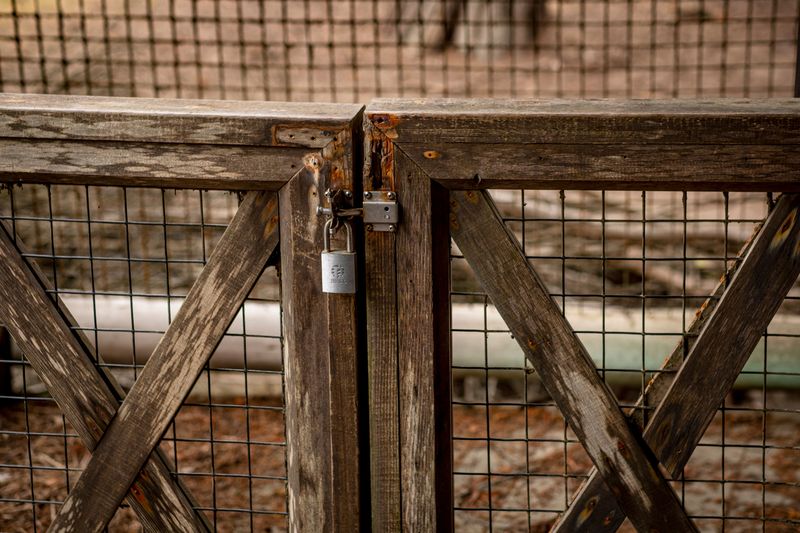
Dragging across the ground is more than a noisy nuisance. A sagging wooden gate may stop lining up with its latch.
Moisture, loose joints, and shifting posts can all contribute to the problem.
Check whether the frame stays square and the supporting post feels firm. Have damaged wood or unstable posts repaired before relying on the gate.
Proper bracing may help, but the right repair depends on the gate’s design and overall condition over time.
4. Test Latches From Both Sides
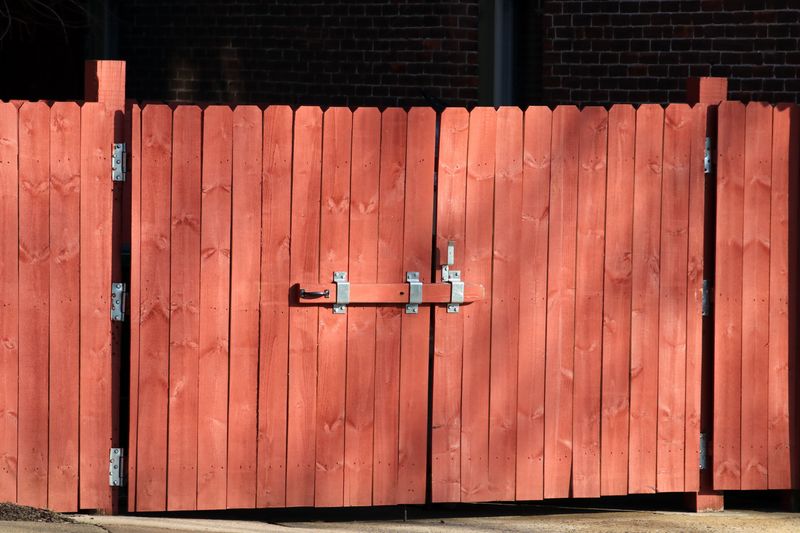
One side of a gate can tell a different story. A latch may catch when pushed inward but release when pressure changes.
With your dog indoors, check normal operation from both directions.
Use gentle hand pressure rather than slamming or forcing the hardware. Confirm that handles, cables, or release strings cannot accidentally hold the latch open.
If results differ between sides, correct the alignment or replace faulty parts before the yard becomes your dog’s space again.
5. Secure Gates Before Letting Dogs Outside
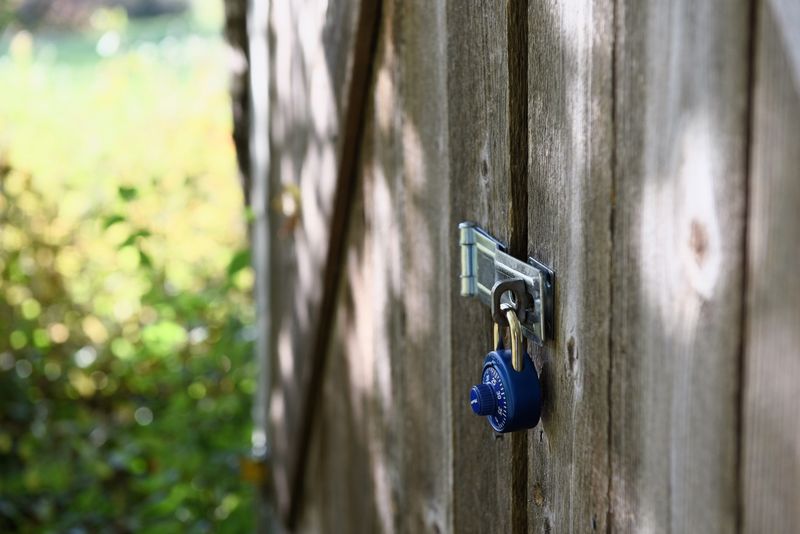
The safest yard check happens before paws reach the grass. Keep your dog inside while you confirm every gate is shut.
Give each latch a gentle pull, including entrances that rarely get used.
After visitors or yard work, repeat the check instead of assuming someone closed everything. Use supervised outdoor breaks when weather allows, and bring dogs inside before thunder arrives.
A familiar routine reduces hurried decisions when clouds build and household activity gets busy.
6. Watch for Washouts After Heavy Georgia Rain
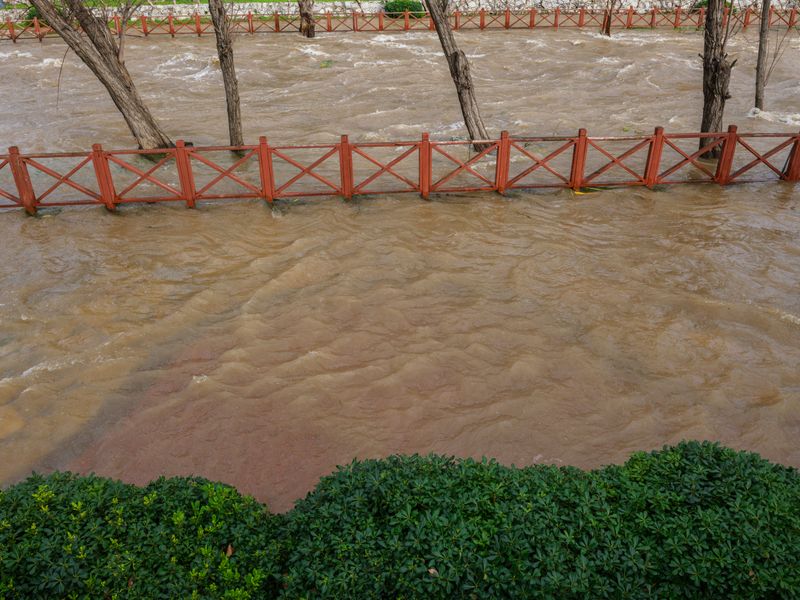
Running water can move soil even beneath a sturdy fence. After heavy Georgia rain, inspect low spots and places where runoff collects.
Fresh channels, exposed roots, or newly visible daylight deserve attention.
Keep your dog away until openings and unstable areas are repaired. Address drainage as well as the missing soil, or another storm may repeat the problem.
For major erosion, ask a qualified contractor about solutions that respect neighboring properties and local drainage rules.
7. Keep Dogs Away From Gates During Thunder
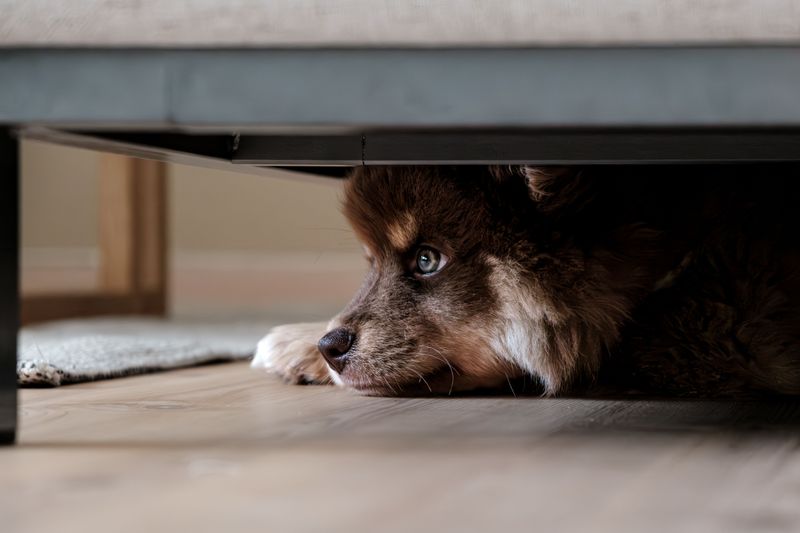
Even a usually relaxed dog may react differently to thunder. Some pace, hide, or search for a way out.
Move outdoor time earlier when possible, and bring your dog inside when thunder begins.
Do not stand near the gate trying to practice storm tolerance. Offer a quiet indoor spot and calm company instead.
Ask your veterinarian about recurring storm distress, especially if your dog scratches exits, pants heavily, or struggles to settle despite familiar comforts.
8. Check Hinges for Rust and Loose Screws
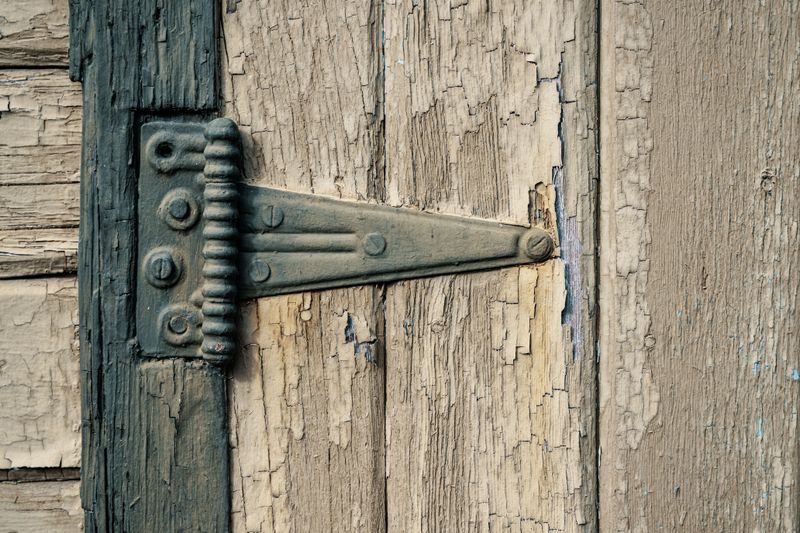
Small hardware problems often show up as a wobble first. Open the gate carefully and watch each hinge while it moves.
Look for loose screws, heavy rust, cracked mounting wood, or unusual movement.
Tighten sound fasteners without stripping the surrounding material. Replace damaged hardware with suitable outdoor parts, following the manufacturer’s guidance.
If screws no longer grip, repair the mounting surface properly rather than adding random fasteners that leave the hinge weak beneath its appearance.
9. Repair Fence Panels That Wind Can Push Loose
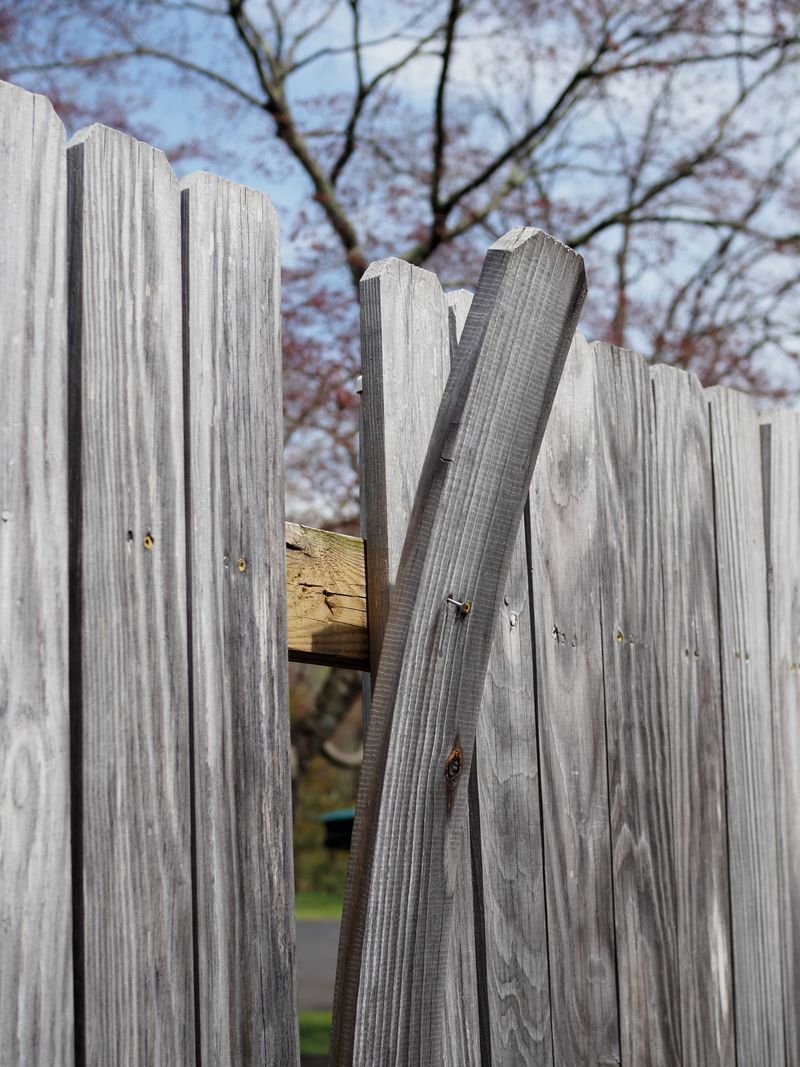
A strong gate cannot make up for a loose neighboring panel. Walk beside the fence and look for leaning sections or missing fasteners.
Apply only gentle pressure to check movement during calm, dry weather.
Keep dogs elsewhere while repairs are underway. Replace broken boards and secure connections using materials appropriate for the fence type.
Widespread leaning or damaged posts may require professional help, especially when the fence also borders a sidewalk, road, or shared property.
10. Keep Driveway Gates Closed Between Trips
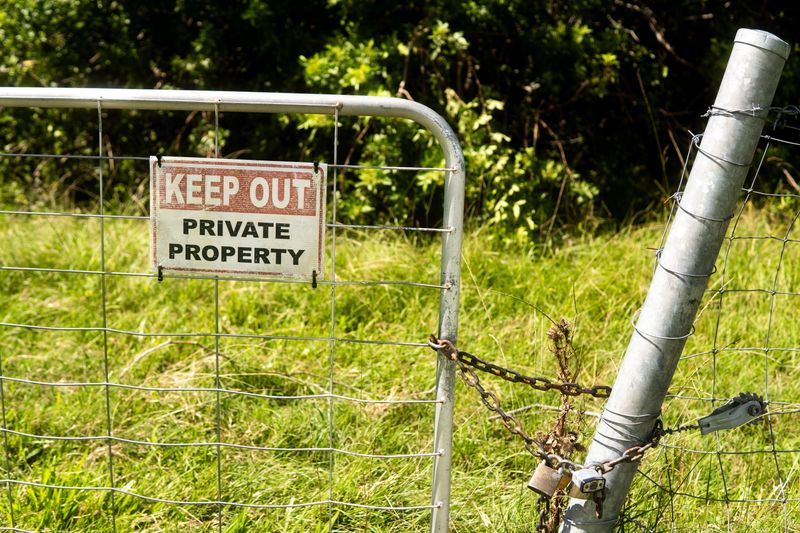
Vehicle entrances create a wide opening during busy household moments. Keep dogs indoors before opening a driveway gate for any vehicle.
Close it completely afterward, rather than leaving it open for another expected trip.
Never let a dog approach moving gate equipment. Maintain automatic systems according to manufacturer instructions, including required safety features.
If an outage affects operation, follow the manual’s release procedure and secure the entrance before allowing dogs back into the yard again.
11. Give Dogs a Secure Indoor Place During Storms
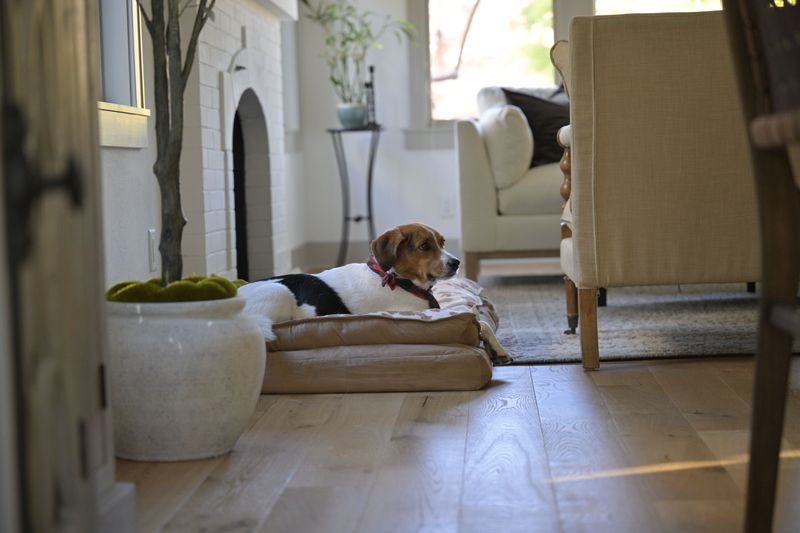
A familiar resting spot gives your dog somewhere predictable to go. Choose an indoor area away from windows and busy exterior doors.
Add bedding, water, and a favorite safe toy before weather worsens.
A crate suits dogs already comfortable using one, but confinement can worsen distress for some. Never force a frightened dog into an unfamiliar setup.
Practice short, pleasant visits during quiet weather so the space feels ordinary when rain begins tapping the roof.
12. Check Gates After Fallen Branches or Debris
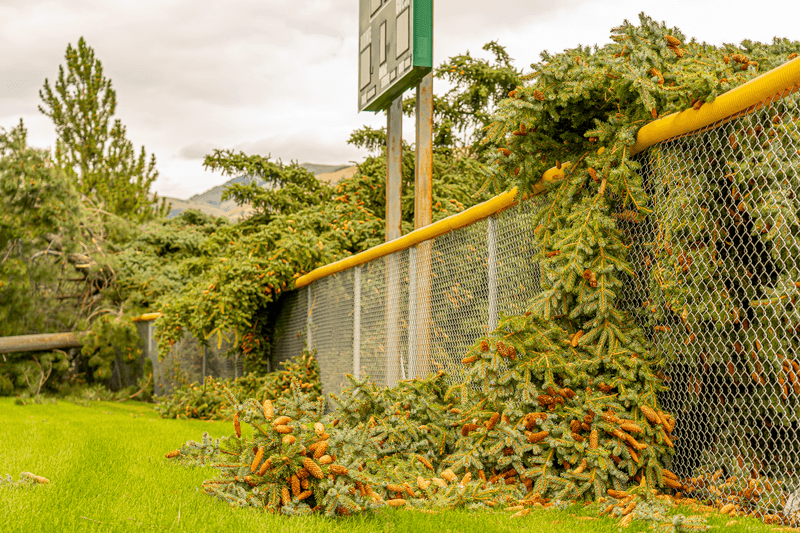
A branch resting against the fence can hide fresh damage. Once conditions are safe, look for cracked boards and blocked latch parts.
Debris may also create a step that helps a dog climb.
Keep pets indoors while you inspect and clear manageable material. Stay away from downed wires and anything touching them, and contact the utility.
Large limbs, hanging branches, or heavy debris call for qualified help rather than a quick attempt to clear access.
13. Do Not Rely on Invisible or Electronic Boundaries
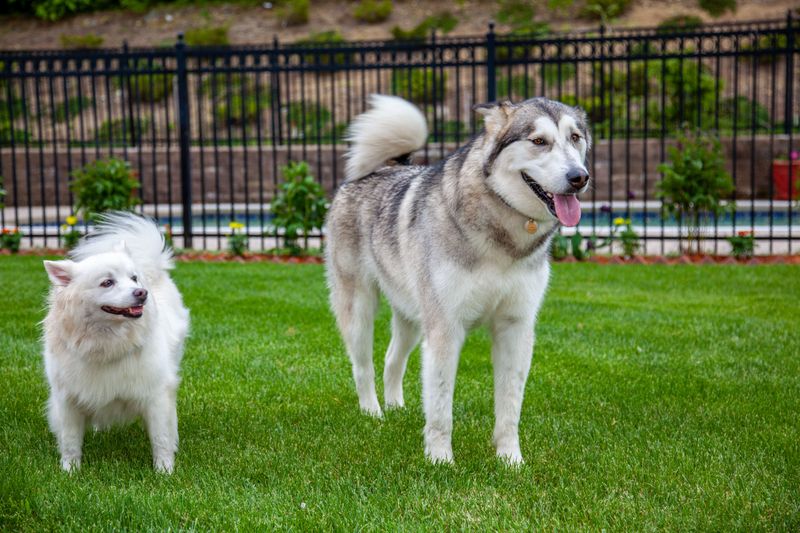
Electronic boundaries do not provide a physical barrier around your dog. A frightened dog may cross them despite the system’s warning.
They also cannot keep other animals or people outside the yard.
Power loss, equipment trouble, and battery issues can add uncertainty during storms. Use secure physical containment and bring dogs indoors when thunder starts.
Check local containment requirements with animal control, since rules vary across Georgia communities and may address fencing or restraint differently.
14. Make Sure Everyone in the Household Checks the Gate
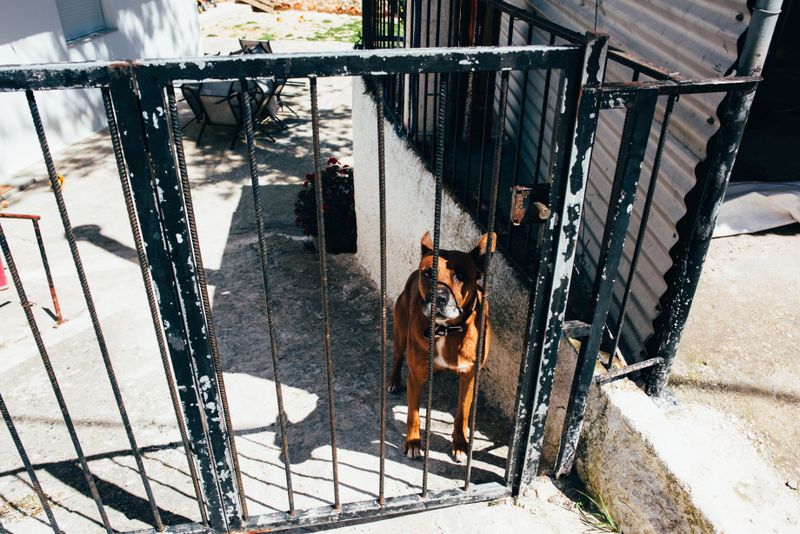
Shared yards work best when everyone follows the same closing habit. Agree that the person using a gate checks its latch afterward.
Explain the routine to visitors, dog walkers, and anyone doing yard work.
A simple reminder near the door can prevent confusion during busy afternoons. Assign one adult to confirm closure before outdoor dog time.
Children can help notice problems, but adults should handle damaged hardware and make the final safety check every time.
15. Keep Identification Current in Case a Dog Escapes
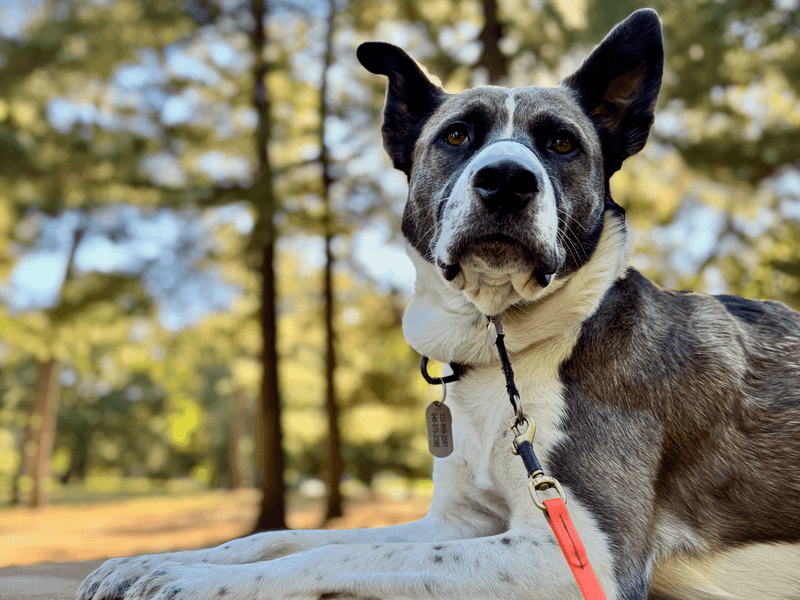
Clear identification supports a faster reunion if a gate fails. Check that your dog’s tag shows a current reachable phone number.
Inspect the collar’s fit and condition, and replace worn attachments before they break.
For microchipped dogs, update contact details with the chip’s registry after any change. A microchip is identification, not a live tracking device.
Keep recent photos handy, and learn which local shelters and animal control offices handle found dogs in your area.
16. Know Where to Take Shelter During Severe Weather
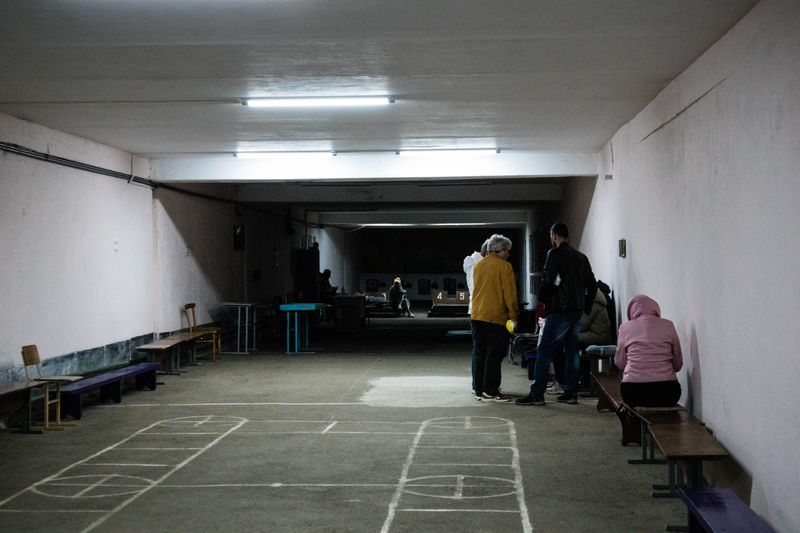
Your shelter plan should include your dog from the start. For tornado warnings, use a basement or small interior room downstairs, away from windows.
Follow official alerts and local instructions for your specific situation.
Store leashes, carriers, water, and basic supplies where you can reach them. Practice moving together without rushing during ordinary weather.
If you may need a public shelter, confirm pet policies beforehand rather than assuming every location accepts household animals during emergencies.
17. Inspect Gates Again When the Storm Passes
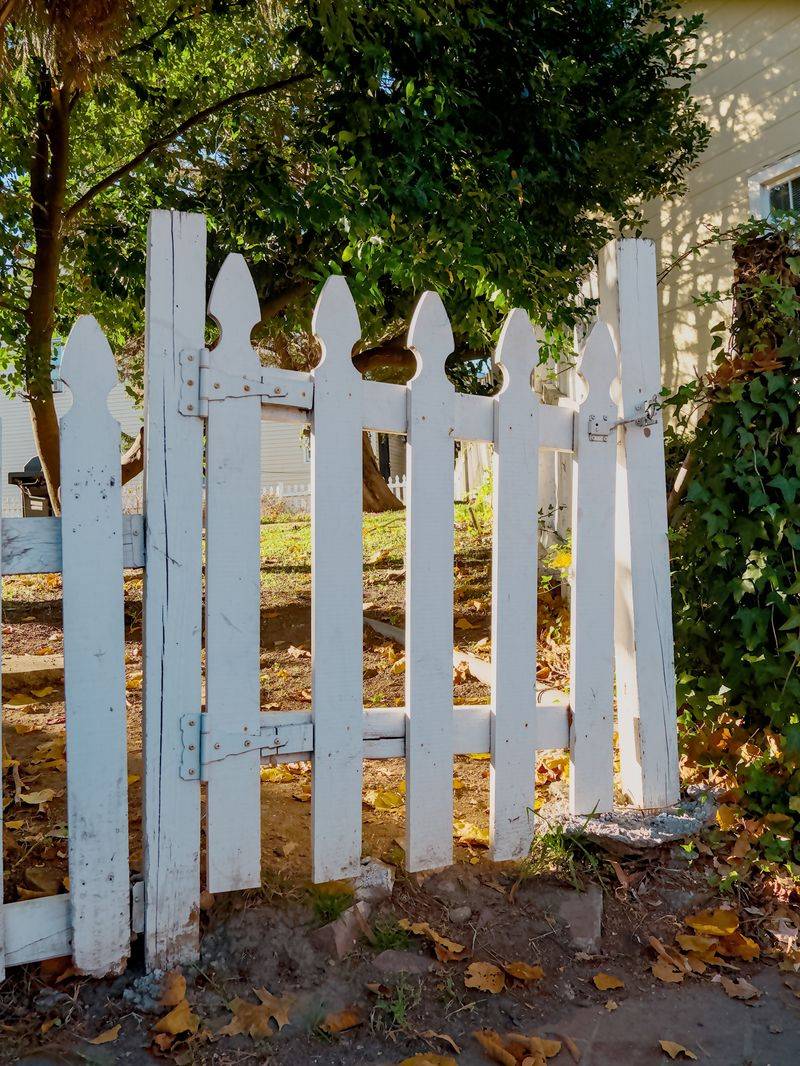
Clearer skies do not automatically mean the yard is ready. Wait at least thirty minutes after the last thunder before going outside.
Then inspect gates, fence lines, and ground conditions while your dog remains indoors.
Check for shifted latches, new gaps, standing water, and debris near exits. Avoid damaged trees and any suspected electrical hazards.
Allow outdoor access only after you have confirmed secure containment and addressed problems that appeared during the storm’s wind or rain.
18. Build a Simple Storm-Season Gate Routine
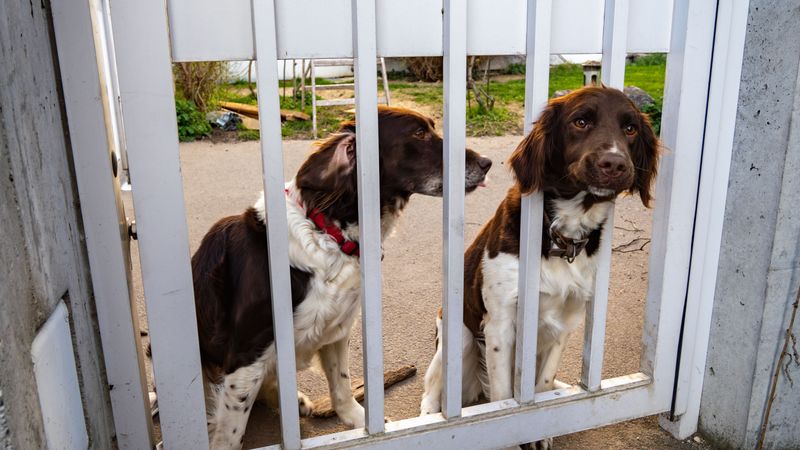
Good preparation works best when it fits everyday life naturally. Pair a quick latch check with your dog’s first outdoor break.
Schedule fuller inspections before storm season and after strong wind or heavy rain.
Keep repair notes, useful phone numbers, and pet records together. Review the indoor shelter plan whenever household routines change.
You do not need a perfect yard, just steady attention and timely repairs. Check the gate, bring dogs inside, and stay weather aware.