17 Massachusetts Trails For Long, Low-Stress Walks With Your Dog
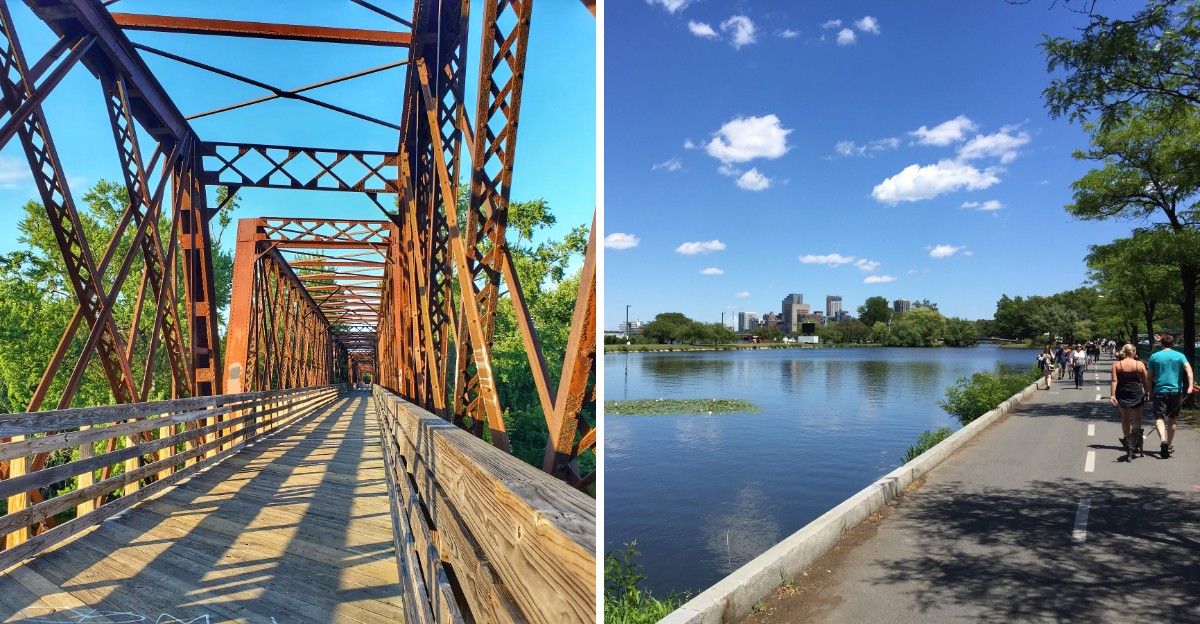
A long walk feels easier when the route leaves room for sniffing, shade breaks, and a comfortable turnaround. Across Massachusetts, old railroad beds, river paths, and broad woodland roads offer that breathing room without a steep climb.
The trick is choosing the right stretch, not chasing the biggest mileage number. Bring water, bags, and a leash, and check official park notices before leaving, since closures and pet rules can change.
1. Ashuwillticook Rail Trail: Reservoir Views Without the Climb
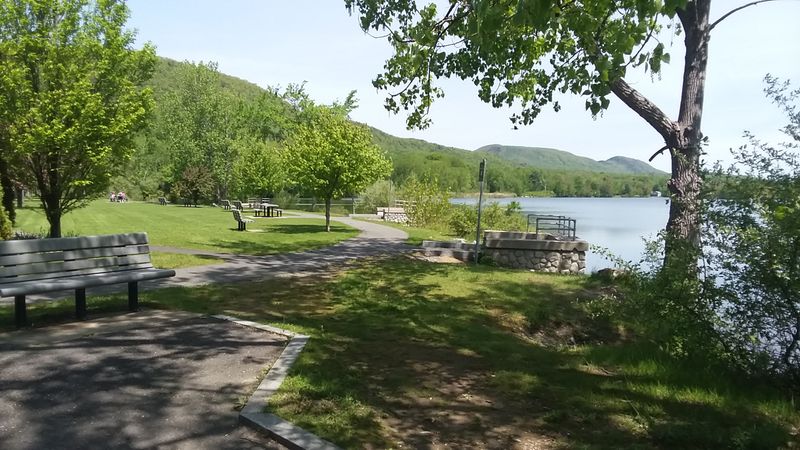
Water views do much of the entertaining along this former railroad route through the Berkshires. The Ashuwillticook Rail Trail passes Cheshire Reservoir, with easy access from Cheshire and Adams.
Its paved surface suits steady walking without tricky footing. Keep your dog leashed, stay right, and leave room for passing bicycles.
Choose a turnaround before starting rather than tackling the whole corridor. Bring drinking water, and pause away from the pavement when your sniff inspector needs extra time.
2. Cape Cod Rail Trail: A Cape Walk Beyond the Beach
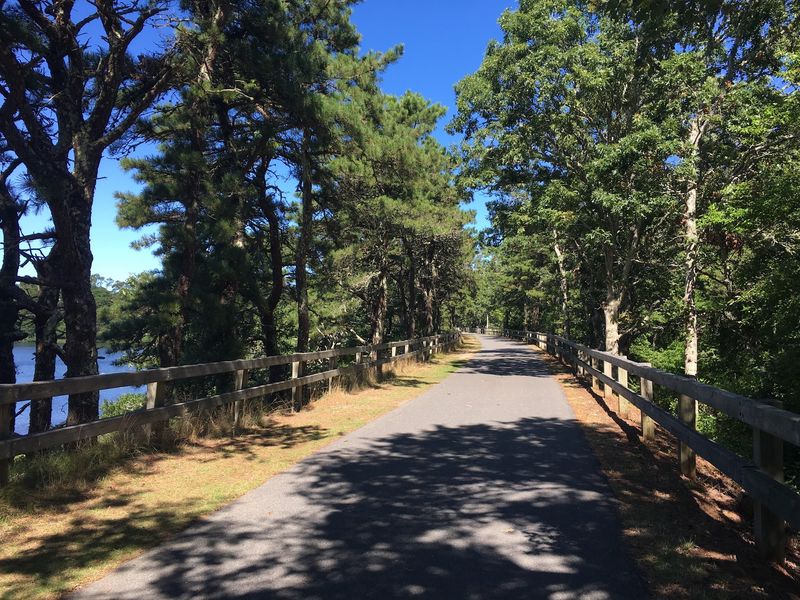
Beach restrictions need not spoil a Cape outing with your dog. The Cape Cod Rail Trail welcomes leashed pets along its paved route through several Cape Cod towns, including Brewster and Eastham.
Start near Nickerson State Park in Brewster for a manageable outing. Expect bicycles, especially during summer weekends, and keep the leash close when riders approach.
Early mornings offer cooler pavement and fewer distractions. Carry water rather than depending on seasonal fountains or nearby businesses being open daily.
3. Norwottuck Rail Trail: Farmland and a River Crossing
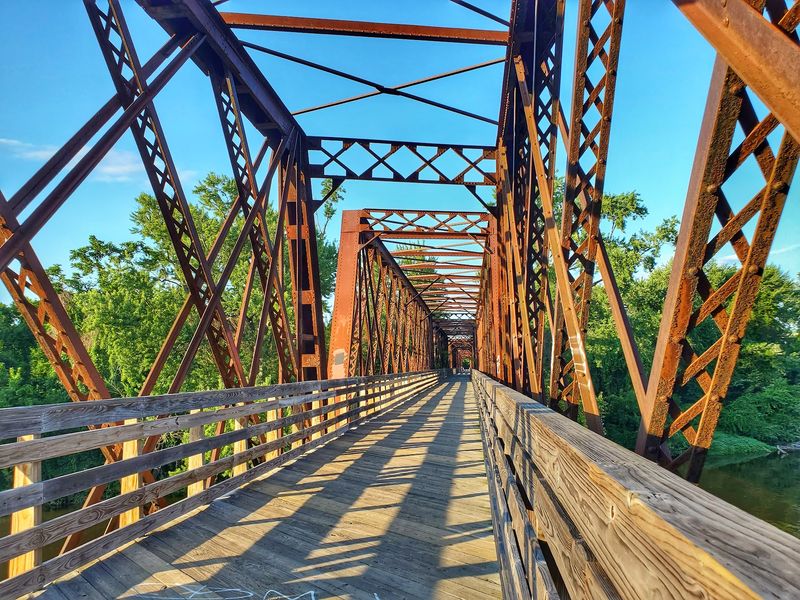
That broad Connecticut River crossing gives an ordinary walk a welcome sense of occasion. Near Northampton, the Norwottuck Rail Trail continues toward Hadley and Amherst through farmland and wetland scenery.
Leashed dogs can join you on the paved corridor. For a quieter experience, choose a weekday and avoid busy access points during peak cycling hours.
Bridges offer little shelter from sunshine or wind. Pack water, check the forecast, and pick a turnaround that matches your dog’s comfortable pace.
4. Nashua River Rail Trail: Settle Into a Shaded Rhythm
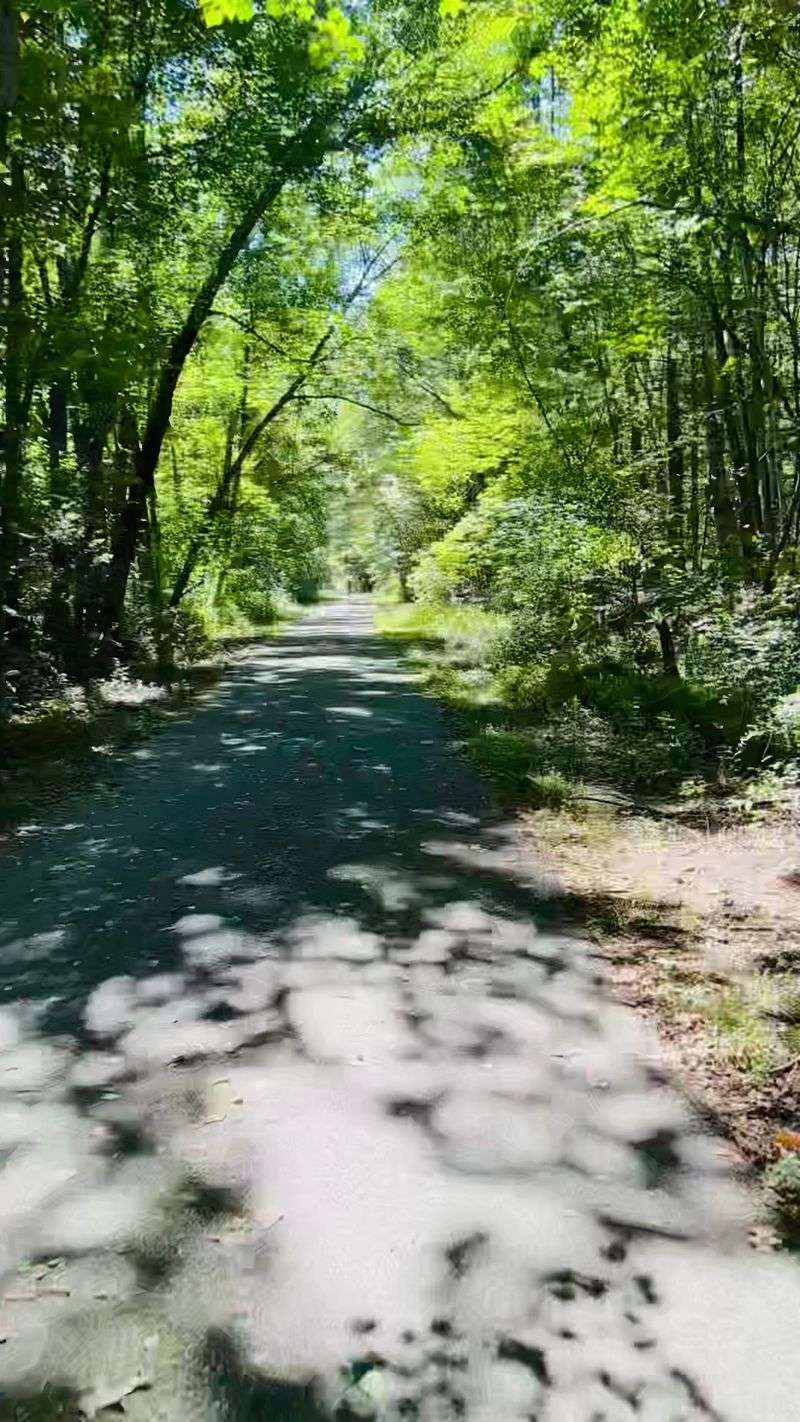
A leafy corridor makes it easy to settle into a steady rhythm. The Nashua River Rail Trail links Ayer, Groton, Dunstable, and Nashua, with long paved stretches for leashed dogs.
Begin in Groton if woodland scenery sounds appealing. An out-and-back plan lets you add distance without figuring out connecting trails.
Watch for cyclists and horses, and step aside when needed. Wetland edges can attract mosquitoes, so bring suitable protection and check your dog for ticks afterward at home.
5. Canalside Rail Trail: A Short Route Worth Savoring
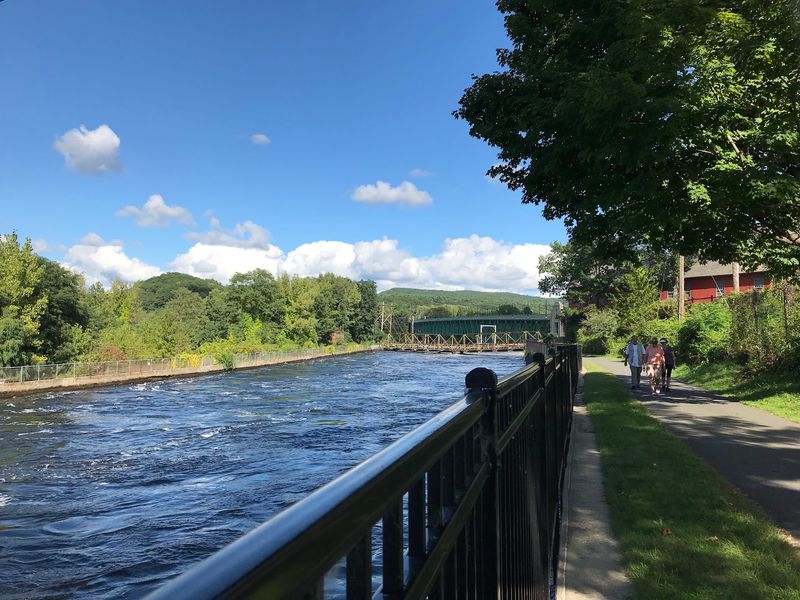
Old canal scenery gives this shorter route plenty of character. The Canalside Rail Trail connects the Turners Falls area of Montague with Deerfield, following a paved corridor near the Connecticut River.
Leashed dogs are welcome, and an out-and-back walk stretches the mileage without complicated navigation. Allow time to enjoy the historic surroundings.
Some stretches feel open and sunny, so choose cooler hours during summer. Keep your dog away from water edges, and yield politely at narrow passing spots.
6. Twin Cities Rail Trail: An Easy Urban Leg Stretch
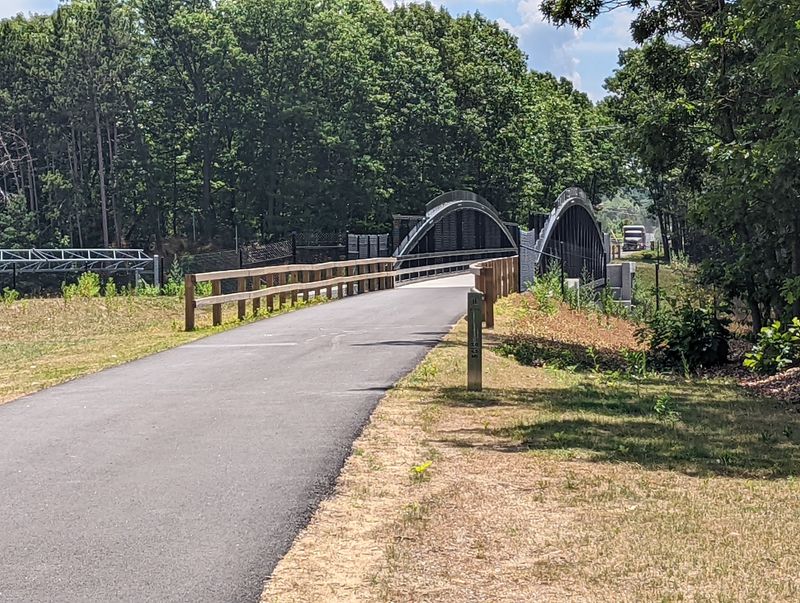
City walking gets simpler when there is a dedicated path beneath your feet. The Twin Cities Rail Trail links Fitchburg and Leominster, giving leashed dogs a paved corridor for steady exercise.
Plan around street crossings rather than expecting an uninterrupted woodland stroll. Pause before each crossing, gather the leash, and wait for a clear opening.
A weekday morning can feel calmer than busier afternoon hours. Carry waste bags, offer water breaks, and choose your turnaround before enthusiasm outruns energy.
7. Mass Central Rail Trail: Choose Your Stretch First
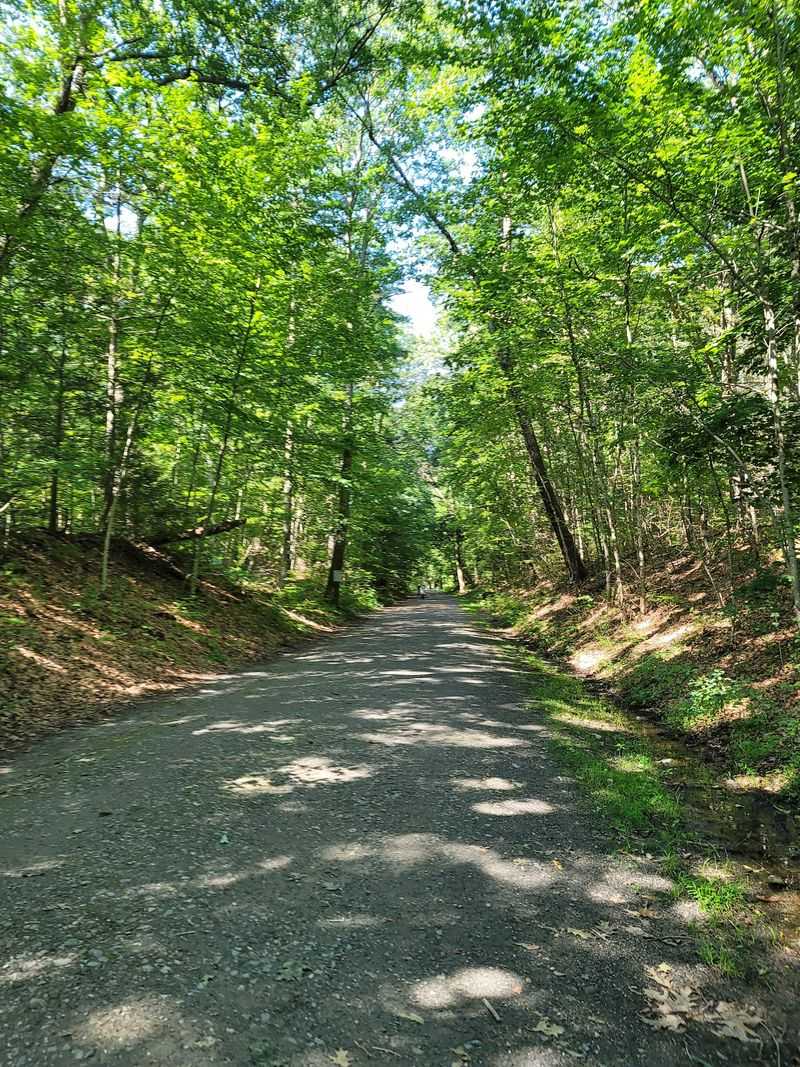
One name covers many separate outings, so a little planning pays off. The Mass Central Rail Trail includes a section in West Boylston where leashed dogs are allowed on the paved trail up to the I-190 overpass.
Access beyond that point is restricted because the surrounding watershed property does not allow dogs.
Expect a stone dust surface rather than pavement on this stretch. Check the local trail map because completed sections do not form one continuous route.
After rain, puddles may slow your pace. Pick a firm, dry day and leave time for relaxed sniffing beside the path.
8. Lower Neponset River Trail: Marsh Views Within the City
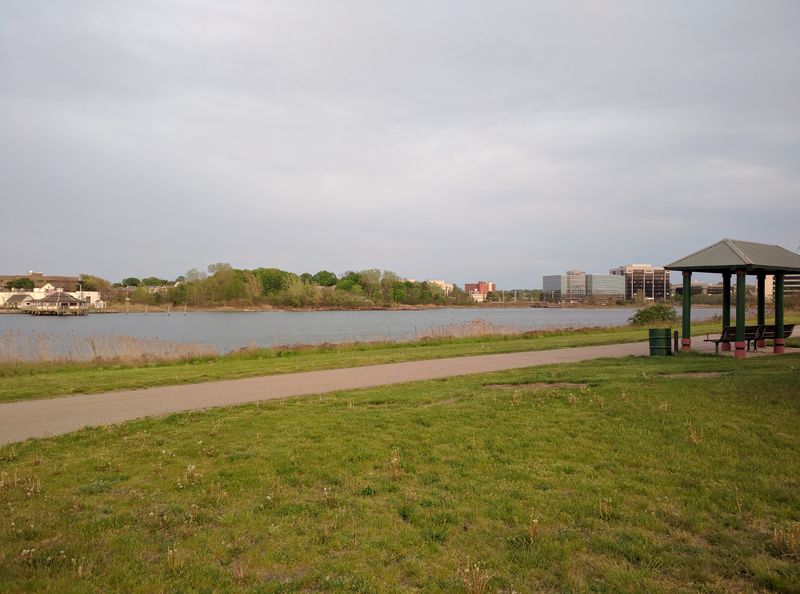
Salt marsh grasses soften the city along this riverside greenway. The Lower Neponset River Trail runs through Boston and Milton, with convenient access at Pope John Paul II Park in Dorchester.
Leashed dogs can share the paved route with walkers and cyclists. Open stretches offer broad views but limited shade, especially around midday.
Start early when summer pavement heats quickly. Keep your dog clear of marsh vegetation, and use the park’s connecting paths to adjust your walking distance.
9. Charles River Reservation Paths: Build Your Own River Loop
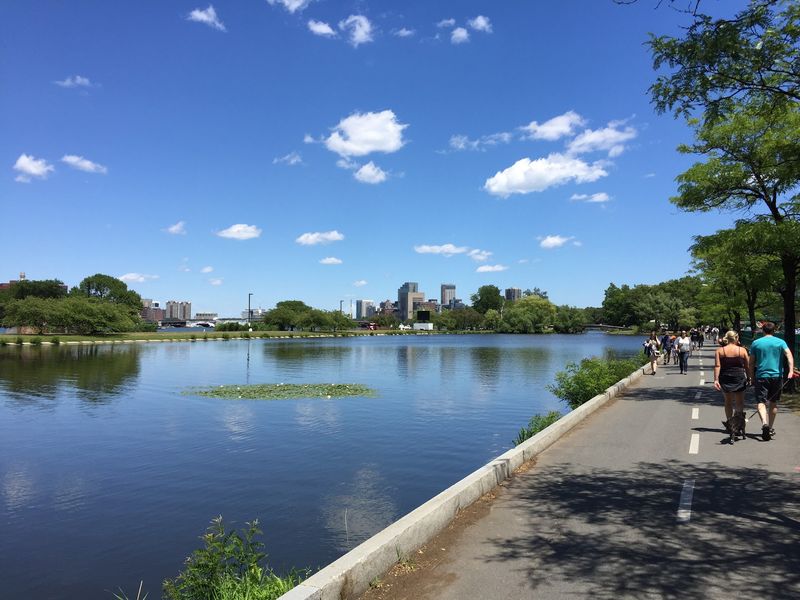
Bridge choices let you shape a river walk around your dog’s energy. Along the Charles River Reservation, paths in Cambridge and Watertown provide options for leashed walks beside the water.
Choose nearby bridges to form a loop, checking crossings before setting out. Busy roads and fast bicycles mean some sections need closer attention.
For less bustle, try a weekday outside commuting hours. Bring a bowl, take breaks on the grass where allowed, and keep wildlife watching strictly paws-off.
10. Deer Island HarborWalk: Big Harbor Views
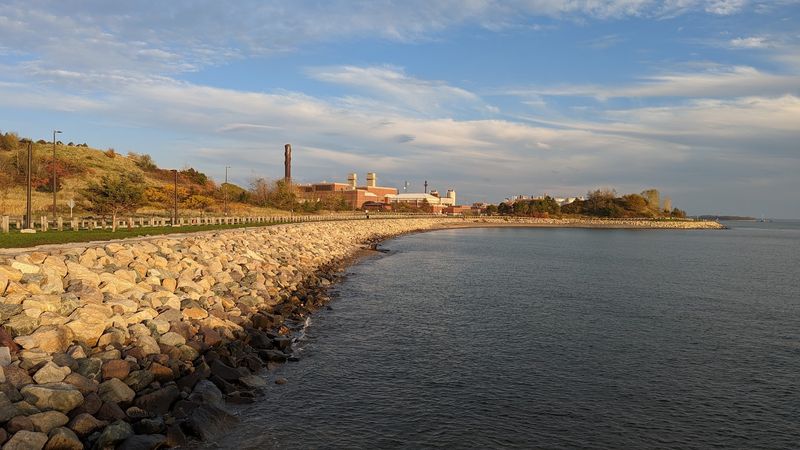
Big skies steal the show on this exposed harbor route. Reached through Winthrop, Deer Island’s paved perimeter path offers roughly 2.6 miles of walking beside Boston Harbor.
Leashed dogs are welcome on public paths around the treatment facility. Expect gentle slopes, passing aircraft, and breezes that can feel stronger than forecasts suggest.
There is little shade, so pack water and choose mild weather. Noise-sensitive dogs may prefer another trail when planes overhead make settling into a rhythm difficult.
11. Breakheart Reservation: Stay Low for an Easier Walk
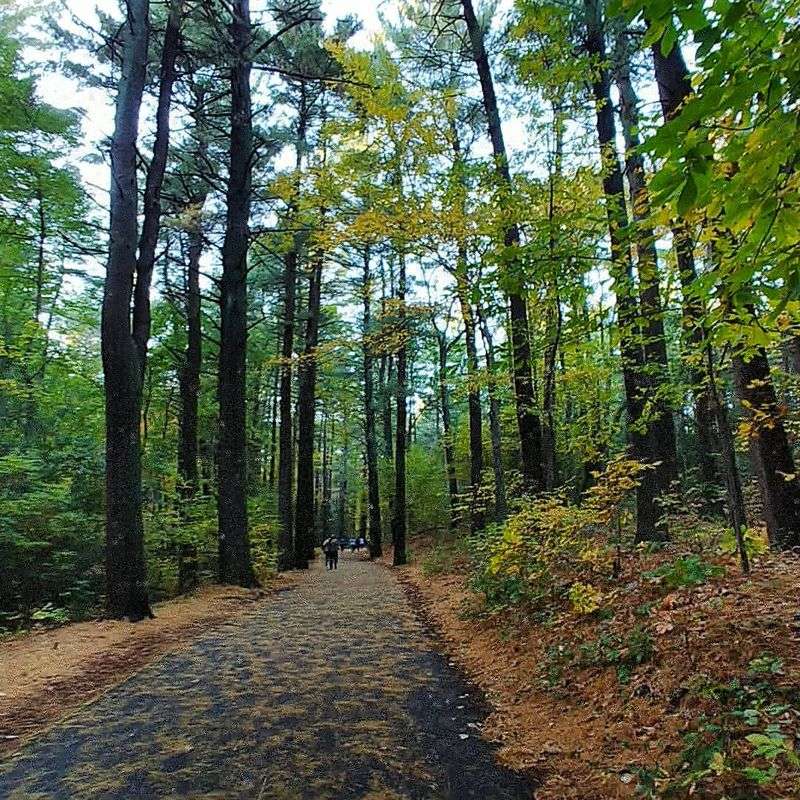
Despite the dramatic name, you can skip the rocky climbs. At Breakheart Reservation in Saugus, broad paved park roads offer easier walking than the rugged hilltop trails.
Keep your dog leashed outside any designated off-leash enclosure. Choose a road-based loop and expect some rolling grades rather than a completely flat outing.
Lake scenery adds variety, but posted swimming areas have pet restrictions. Bring a map, avoid steep side trails, and let comfortable footing guide your route choices today.
12. Callahan State Park: Meadows With Room to Breathe
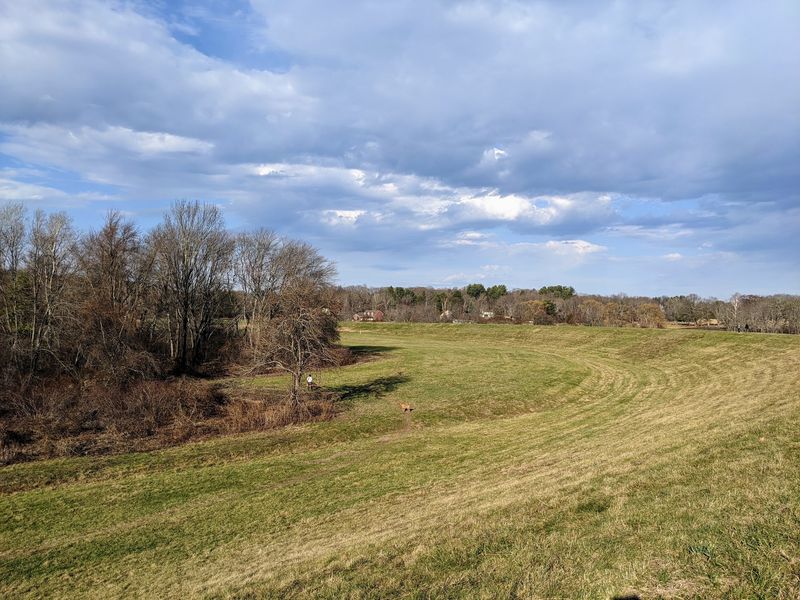
Meadows bring a welcome change from pavement and traffic. Callahan State Park in Framingham offers broad trails through open fields and woods, with room to build a longer walking route.
Dogs are allowed, but leash requirements vary by area. Keep yours leashed for predictability, follow posted rules, and expect encounters with dogs exercising nearby.
Choose the wider paths when footing matters most. Horses also use these trails, so give riders space and avoid letting leashes stretch across intersections.
13. Middlesex Fells Reservation: Favor the Broad Woodland Roads
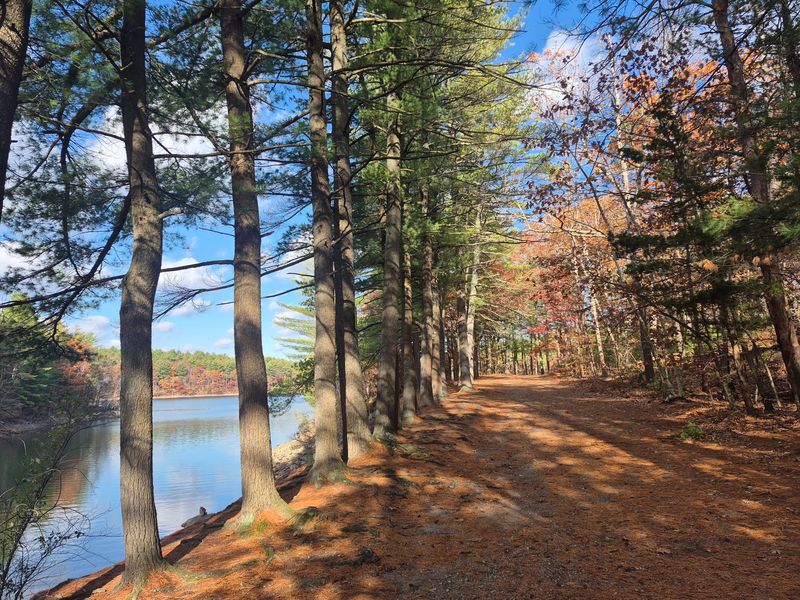
Not every Fells outing needs a rocky summit or a scramble. Middlesex Fells Reservation, spanning communities including Medford and Stoneham, has broad woodland roads alongside its tougher trails.
Use the official map to select easier stretches and avoid routes marked as challenging. Dogs need leashes except within the designated Sheepfold off-leash area.
Stay away from reservoir shorelines where access is restricted. A downloaded map helps at junctions, while sturdy shoes make occasional roots and stones easier to manage.
14. Bradley Palmer State Park: An Estate Walk at Your Pace
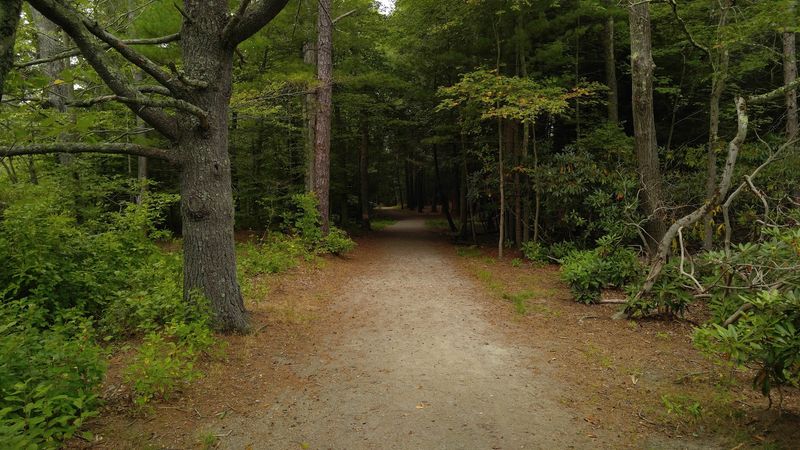
Wide estate roads invite a slower pace and plenty of looking around. Bradley Palmer State Park in Topsfield and Hamilton mixes woods, meadows, and scenery near the Ipswich River.
Leashed dogs can explore permitted trails, while posted recreation areas may have restrictions. Start with a broad carriage road instead of choosing narrow woodland shortcuts.
Equestrians share the park, so step aside calmly for horses. Bring water and a trail map to combine easy segments without accidentally adding unwanted hills.
15. Stony Brook Reservation: Find a Forest Pause in Boston
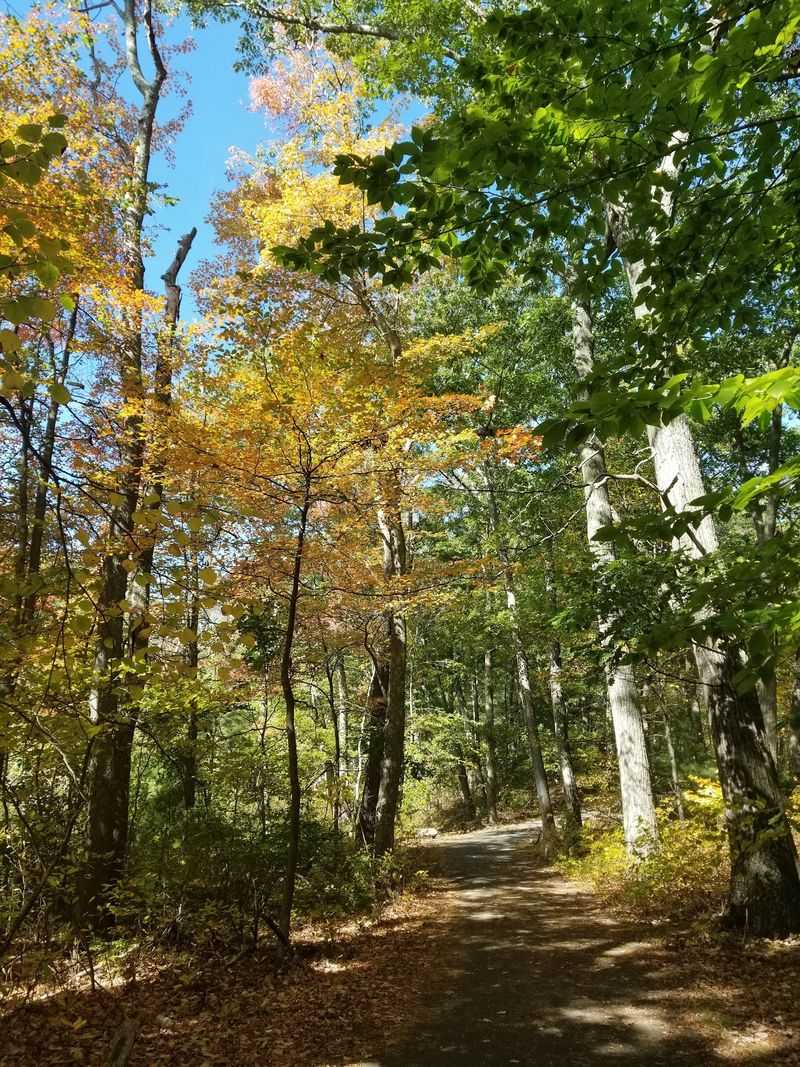
A wooded break can be closer than your dog expects. Stony Brook Reservation in Boston offers forest paths around the Hyde Park area, including routes near Turtle Pond.
Keep your dog leashed and use a map to avoid wandering into recreational facilities. Trail surfaces vary, so choose broader paths if roots make walking uncomfortable.
Road noise may linger near the edges, but trees soften the setting. After rain, allow extra time for muddy patches and choose your turnaround accordingly.
16. Borderland State Park: Pondside Paths and Estate Scenery
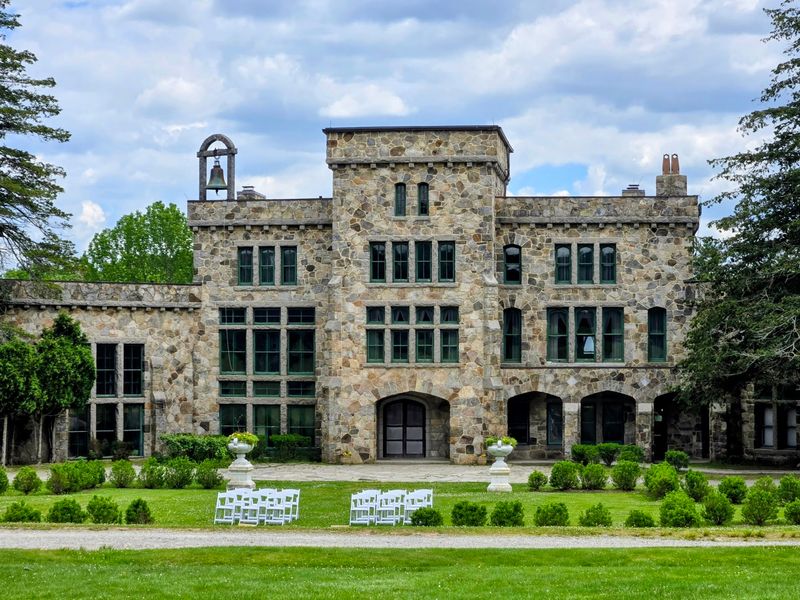
Pond views and old estate roads make mileage feel less like homework. Borderland State Park in Easton and Sharon offers broad paths, woods, and scenery around the historic Ames mansion.
Leashed dogs are welcome on permitted trails. For easier footing, favor carriage roads near the ponds over rocky routes deeper in the park.
Check parking fees and current notices before leaving home. Carry water, give horses room, and use the trail map to build a comfortable pondside walking loop.
17. Maudslay State Park: Finish With Meadows and River Views
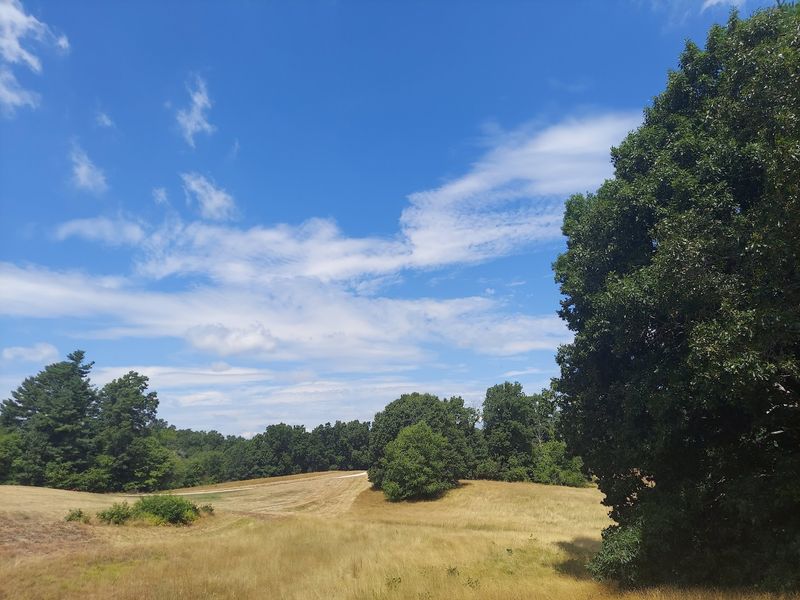
Rolling meadows give the final stop a spacious, unhurried feel. Maudslay State Park in Newburyport welcomes leashed dogs among woodland paths, historic gardens, and views toward the Merrimack River.
Choose broad estate routes for easier walking, remembering that some hills remain. Follow seasonal closure signs, which can protect nesting wildlife and change your route.
Bring water, keep paws out of planted beds, and leave room for quiet pauses. Pick your path, grab the leash, and let the sniffing begin.