17 Indiana Grain-Bin, Barn, And Farmyard Hazards For Rural Dogs
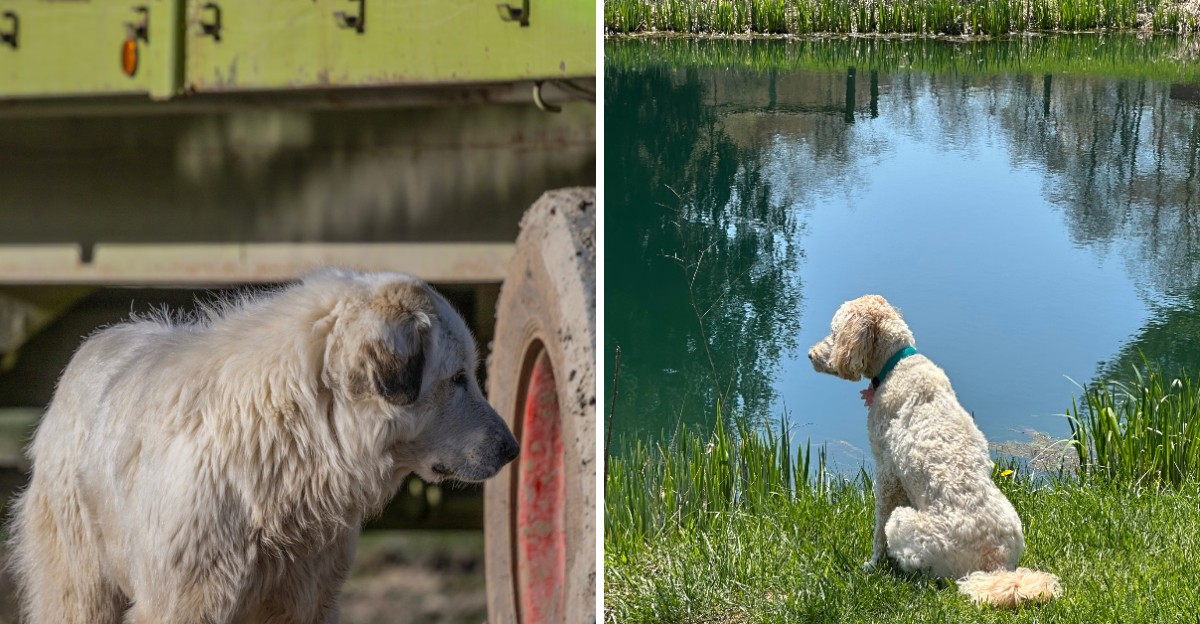
An Indiana farm gives your dog plenty to explore, from busy barns to familiar paths beside the fields. Yet everyday chores can create risks that even a sensible farm dog may not recognize.
A few clear boundaries, regular checks, and good storage habits can make those spaces easier to manage. Here are the hazards worth checking, followed by one practical way to give your dog a safer home base.
1. Grain Bins and Augers Can Be Dangerous for Curious Dogs
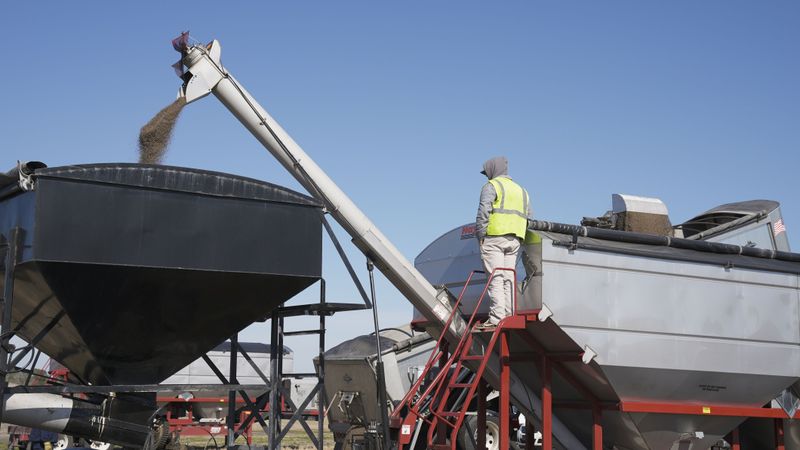
A familiar grain bin can become unsafe as soon as unloading equipment starts running nearby. Moving grain can trap animals, while exposed augers can catch paws, tails, collars, or fur.
Keep dogs outside grain storage and transfer areas, even when the equipment appears completely quiet.
Before starting work, place your dog behind a secure barrier and confirm every gate is latched. Shut down equipment before approaching any blockage.
Never enter stored grain to retrieve a dog; call emergency responders for help.
2. Loose Grain Can Attract Dogs Into Unsafe Areas
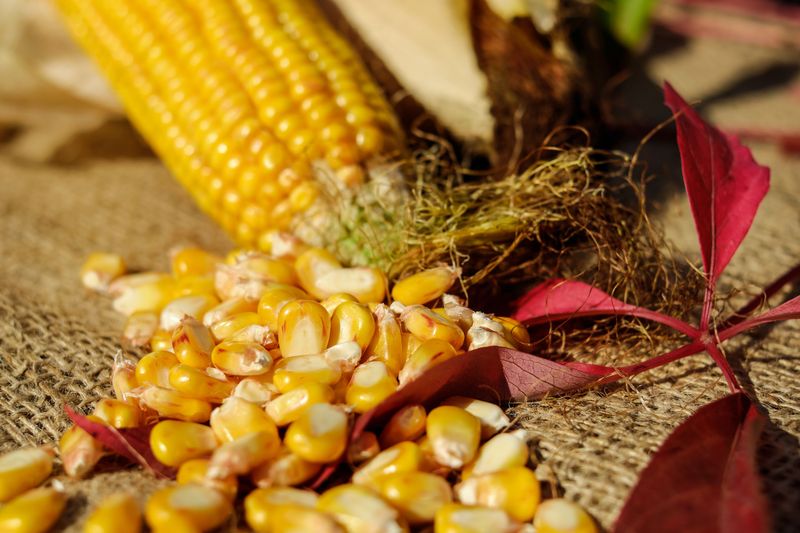
Scattered kernels can turn a routine sniff into an unexpected visit beneath equipment or inside storage buildings. Spilled corn and other grain may also develop mold when damp.
Eating moldy material can cause illness, including tremors that need prompt veterinary attention.
Sweep spills quickly, especially around unloading points and shed entrances. Store collected waste where dogs cannot reach it.
If your dog eats questionable grain, contact your veterinarian rather than waiting for symptoms to appear first.
3. Open Grain Pits Need Secure Covers and Barriers
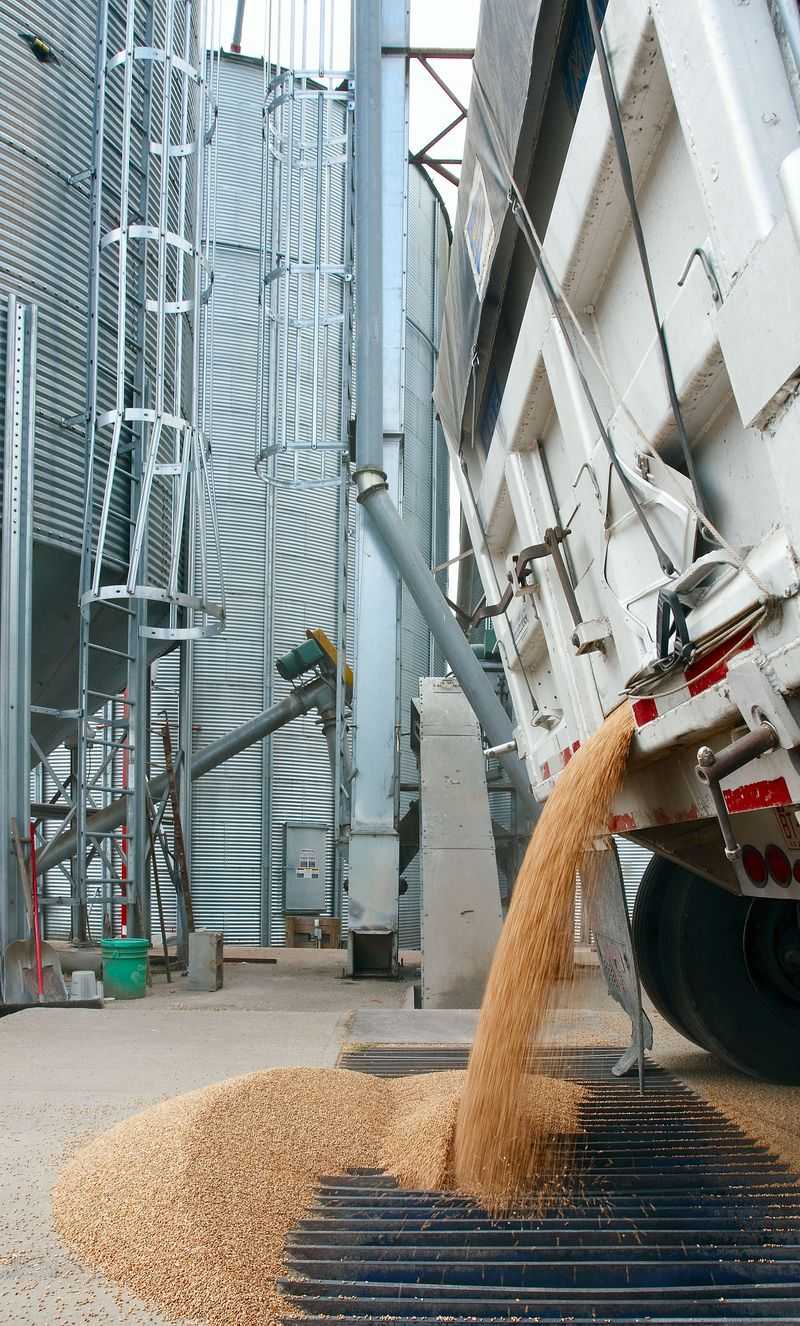
An opening that seems obvious to you may disappear beneath shadows, dust, or scattered straw. Receiving pits can create fall hazards, and unloading areas may contain moving equipment below ground.
A loose board or temporary sheet is not a dependable cover.
Use covers designed for the opening and expected loads, plus barriers that prevent dogs from approaching. Inspect hinges, fasteners, and surrounding gaps regularly.
During deliveries, keep your dog elsewhere until covers and gates are secured.
4. Barn Doors and Heavy Sliding Gates Can Cause Injuries
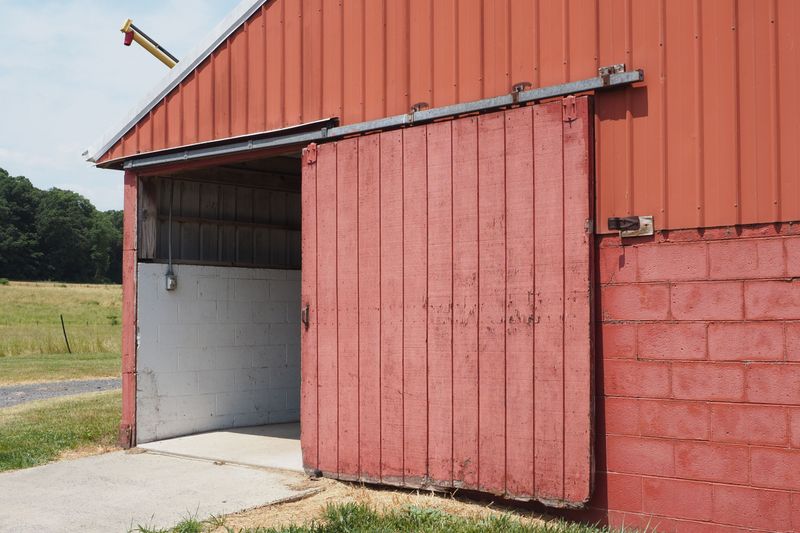
Windy Indiana afternoons can send an unsecured barn door sliding faster than anyone expects nearby. Dogs following their owners may pause directly in a doorway or beside a closing gate.
Heavy panels can pinch paws or strike an animal standing too close.
Check tracks, rollers, stops, and latches as part of regular barn maintenance. Secure doors against unexpected movement.
Teach your dog to wait away from entrances, and check both sides before moving any large panel.
5. Tractors and Farm Machinery Have Blind Spots
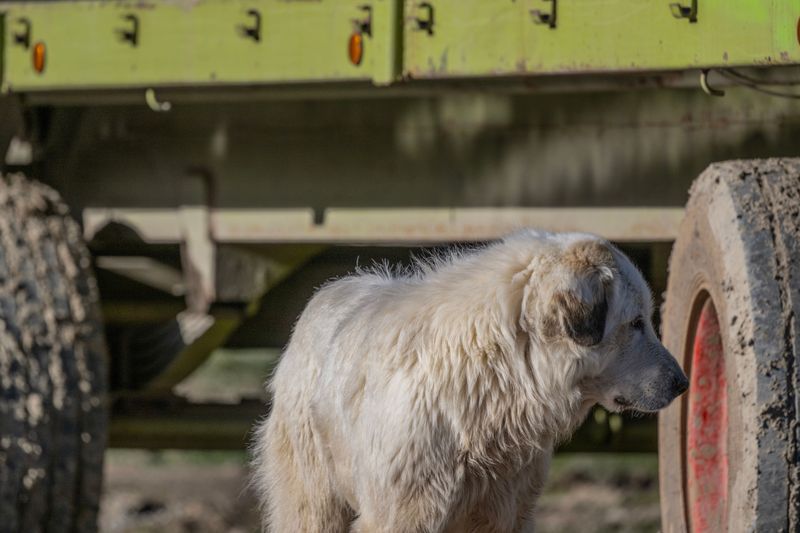
From a tractor cab, a dog beside a tire may be completely out of view. Backup cameras and mirrors help, but they do not replace separating pets from active traffic.
Familiar dogs can still move unexpectedly toward a favorite person.
Make a quick walk around machinery before starting, then confirm your dog is safely contained. Tell visiting drivers where pets stay during deliveries.
Release your dog only after vehicles stop and operators confirm work is finished.
6. Hay Balers and Other Implements Have Moving Parts
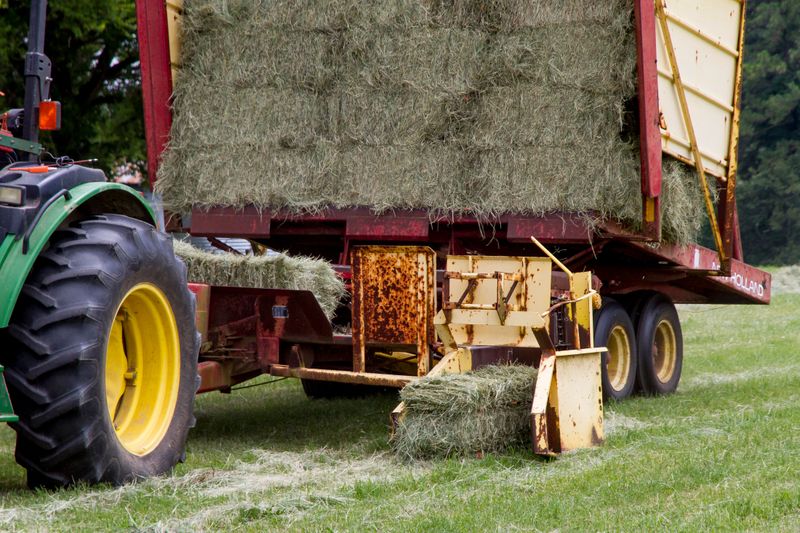
A rustling windrow can tempt a playful dog to follow the baler across a field. Belts, chains, pickup tines, and rotating shafts leave little room for an unexpected visitor.
Protective guards reduce exposure, but they never make nearby play safe.
Keep dogs indoors or securely enclosed during baling and equipment testing. Before maintenance, follow the manufacturer’s shutdown instructions and isolate power sources.
Wait for all movement to stop, and prevent anyone from restarting equipment during repairs.
7. Haylofts and Unprotected Barn Stairs Pose Fall Risks
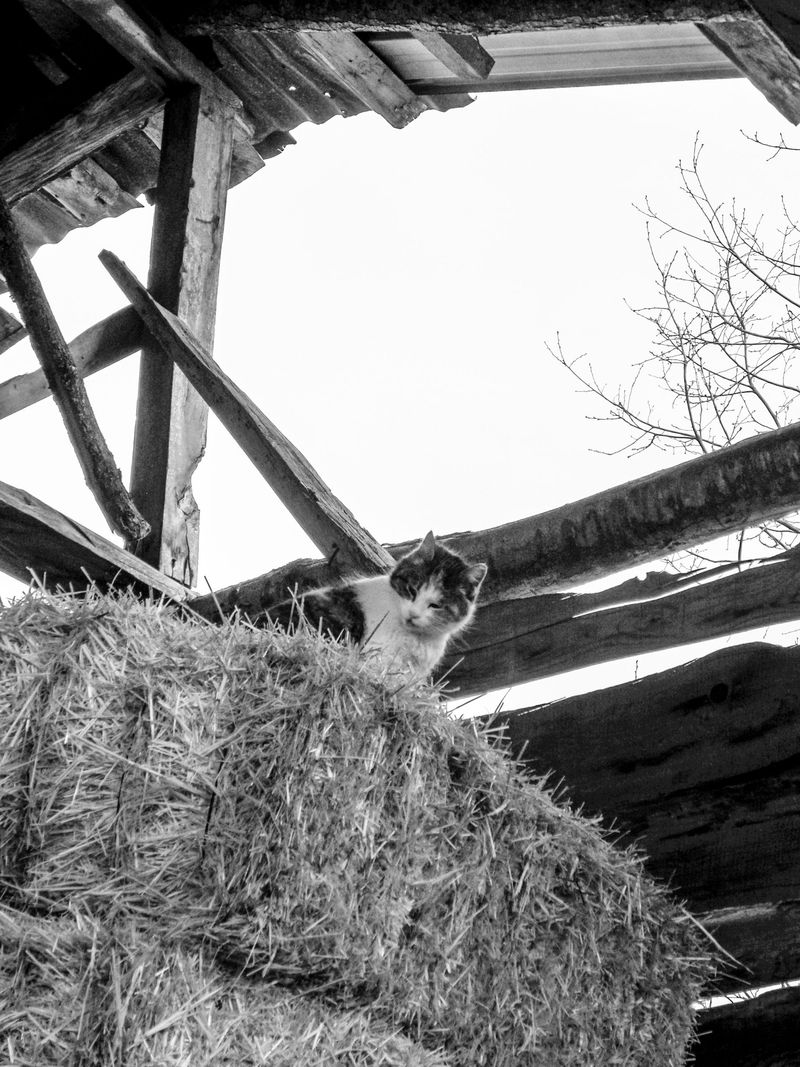
Upstairs smells can be irresistible, especially when barn cats use the loft as their hideaway. Steep steps, missing boards, and open edges may challenge even an agile young dog.
Older dogs may struggle with footing before an owner notices changes.
Block loft stairs with a sturdy gate rather than relying on verbal reminders. Repair damaged flooring and provide adequate lighting downstairs.
Keep games and treats on ground level, where your dog can explore without approaching drops.
8. Unstable Hay Bales Can Shift Without Warning
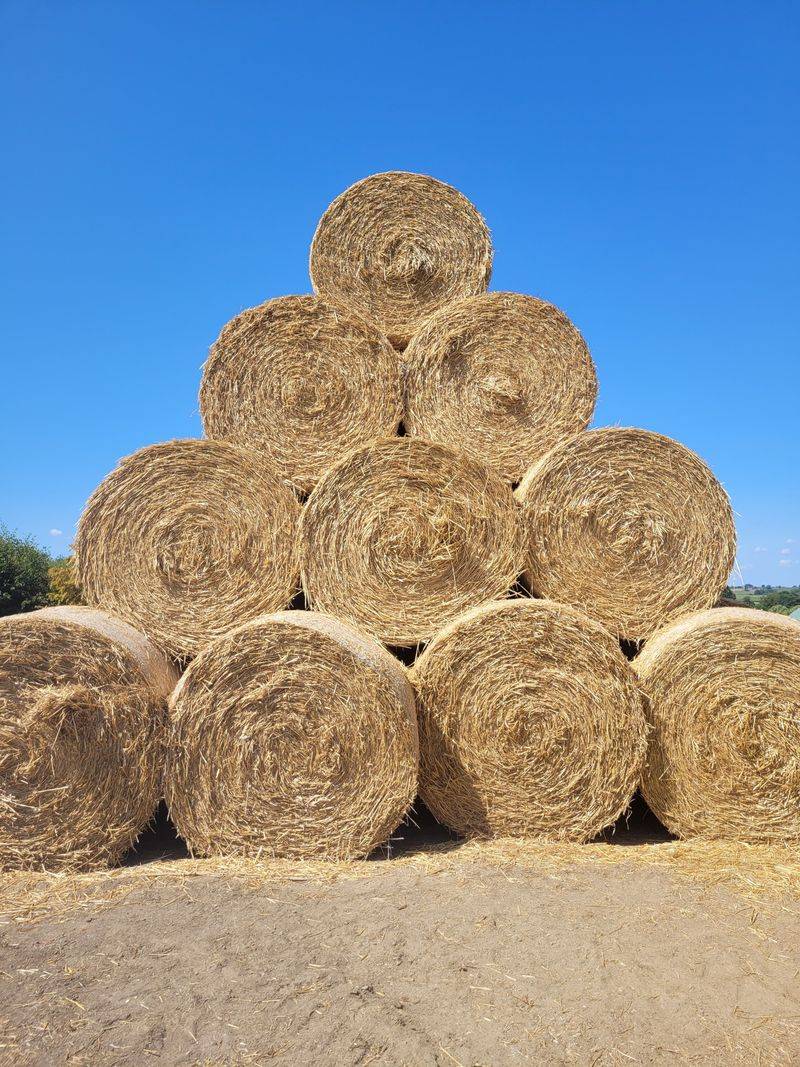
Stacked hay may look like a climbing course to an energetic farm dog on patrol. Yet bales can shift when disturbed, especially near uneven stacks or recently moved loads.
Round bales also need careful placement to prevent rolling into accessible areas.
Keep dogs outside stacking zones and away from loading equipment. Ask whoever handles hay to check stability and limit access beneath stacks.
Avoid tossing toys onto bales, since that teaches dogs to enter unsafe spaces.
9. Barbed Wire and Broken Fencing Can Injure Paws
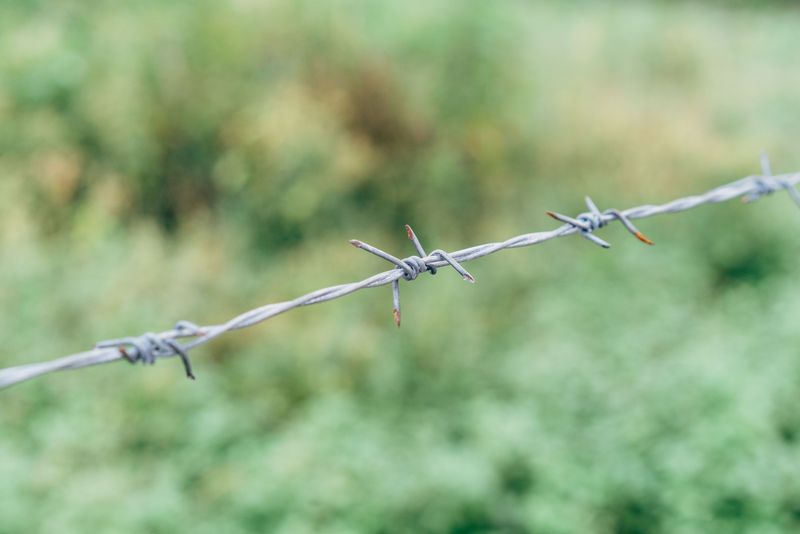
Along a familiar fence line, one loose strand can change a dog’s usual route overnight. Barbs, sharp wire ends, and broken panels may catch skin or snag a collar.
Storm debris and thick weeds can hide damage until paws find it.
Walk boundaries regularly, especially after strong winds or livestock pressure. Choose smooth, well-maintained fencing for your dog’s own enclosure.
For cuts, bleeding, or embedded wire, restrict movement and contact your veterinarian for safe handling advice.
10. Farm Chemicals Need Secure Storage
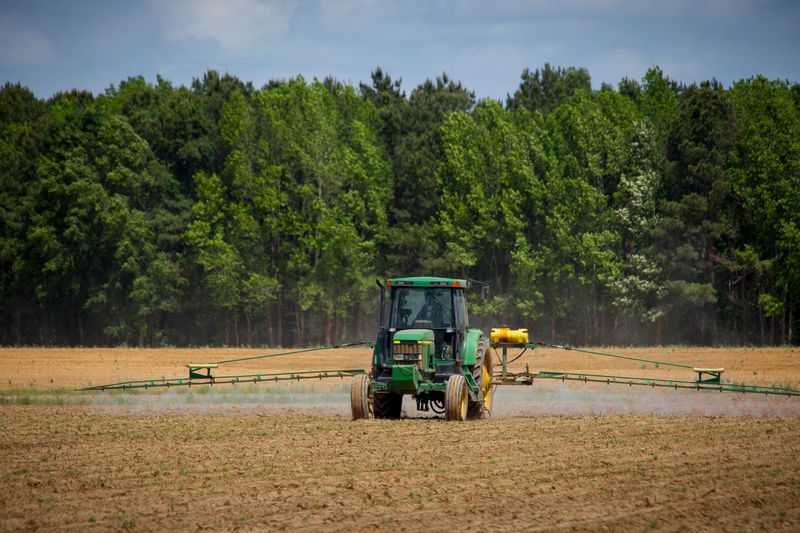
A puddle beneath a sprayer deserves attention before your dog wanders over for a sniff. Pesticides, fertilizers, and cleaning products can cause different problems through swallowing, breathing, or skin contact.
Labels explain required precautions, including restrictions for treated areas.
Lock products in their original containers, away from feed and pet supplies. Follow label directions for storage, cleanup, and reentry.
After suspected exposure, contact your veterinarian promptly and have the product label available to guide next steps.
11. Fuel, Oil, and Antifreeze Should Never Be Left Within Reach
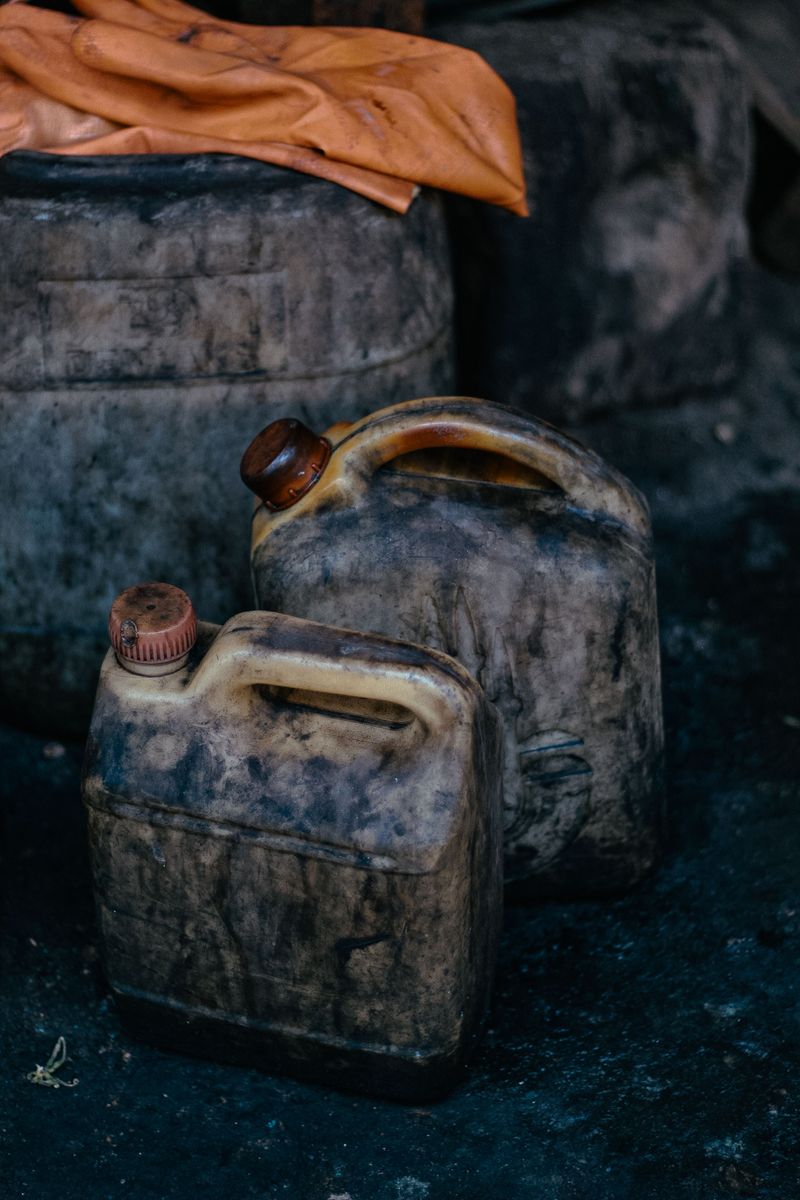
The workshop floor can hold more than muddy footprints after a busy day of repairs. Some automotive fluids are dangerous when swallowed, and antifreeze containing ethylene glycol requires urgent veterinary attention.
Do not assume a small spill is harmless.
Keep containers capped and secured, and inspect parked equipment for leaks. Clean spills using the product’s instructions, then prevent access until cleanup is complete.
If exposure is possible, call your veterinarian immediately instead of waiting for visible signs.
12. Rodent Baits Can Poison Farm Dogs
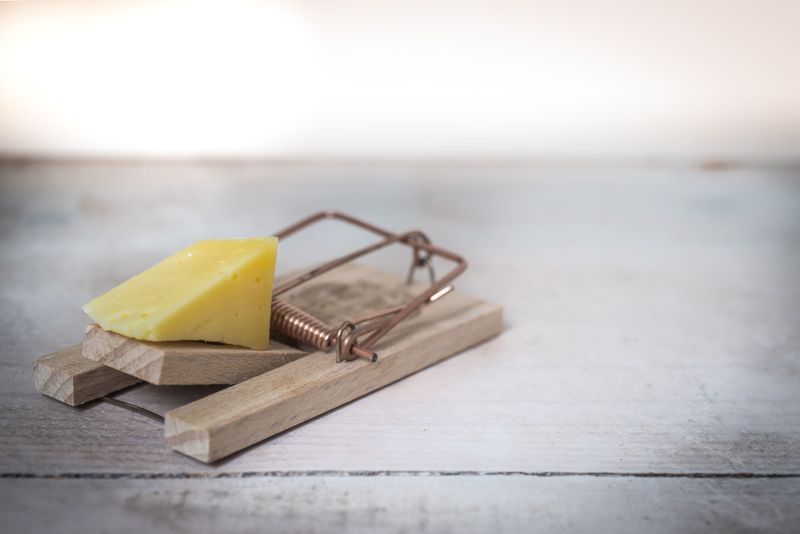
Mouse control becomes a pet safety issue when bait is placed behind a feed bin. Dogs can reach surprisingly tight spaces, and different rodent poisons need different veterinary treatment approaches.
Symptoms may not appear immediately after a dog eats bait.
Use prevention first, including sealed feed, repaired gaps, and reduced clutter. If using bait, follow its label and restrict access carefully.
Suspected exposure needs prompt veterinary advice; bring the packaging and never induce vomiting unless specifically instructed.
13. Feed Rooms May Contain Unsafe Foods and Supplements
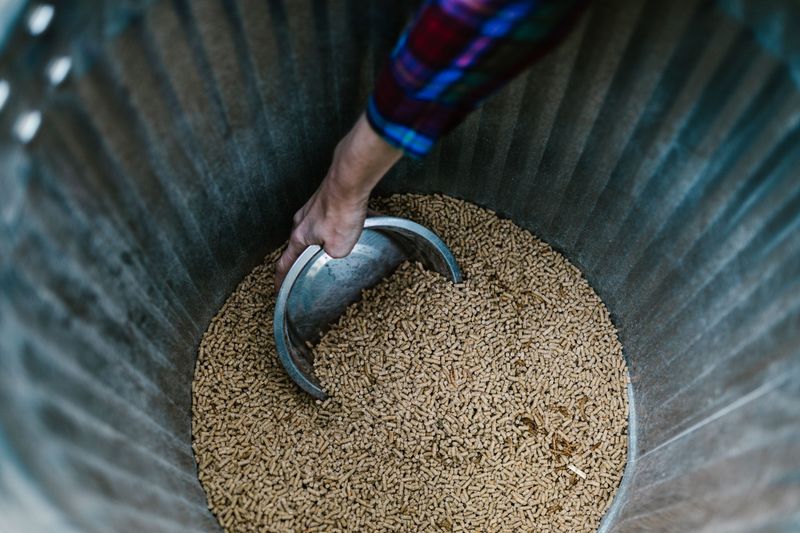
To a hungry dog, an open feed sack may seem like an invitation to snack. Livestock rations are not dog food, and some medicated feeds contain ingredients dangerous to dogs.
Moldy feed and concentrated supplements add other reasons to limit access.
Latch feed room doors and use sturdy containers with secure lids. Sweep dropped pellets before inviting your dog nearby.
If any unfamiliar ration is eaten, save its label and ask your veterinarian what action is needed.
14. Livestock Pens Can Put Dogs in Harm’s Way
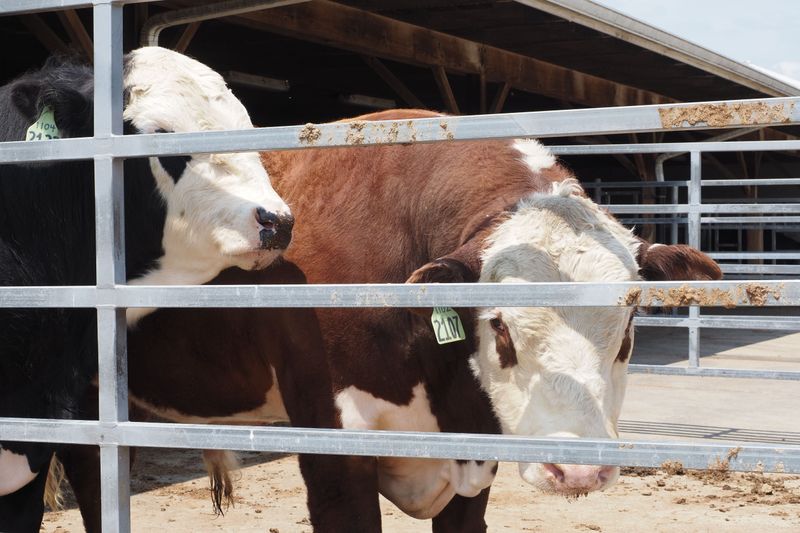
Even calm cattle or horses may react when a dog enters their space without warning. Feeding time, young animals, and crowded gates can increase tension around otherwise familiar livestock.
A friendly approach does not guarantee a welcome response.
Keep companion dogs outside pens, using leashes only from a safe position beyond livestock reach. Working dogs need suitable training and close handling.
Give animals room, avoid corners, and separate your dog before moving stock through gates or alleys.
15. Electric Fences and Exposed Wires Require Caution
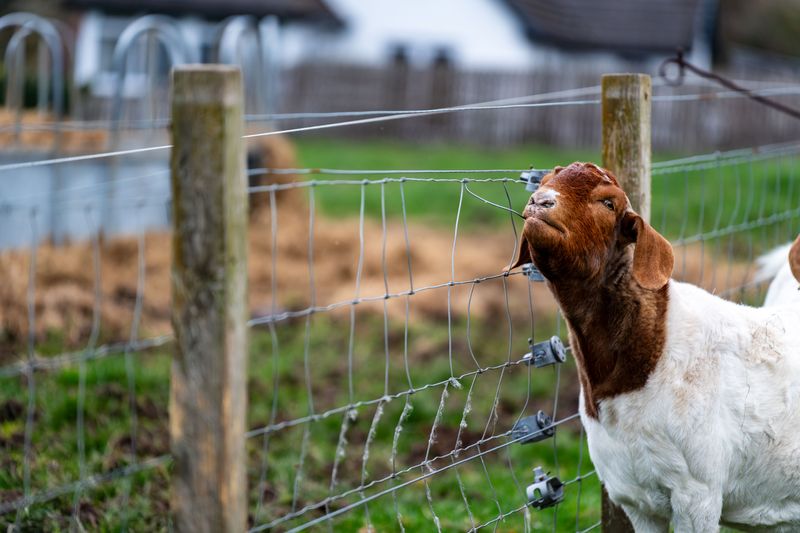
A low fence strand may sit right at nose height for an investigating farm dog. Electric livestock fencing can startle animals, while damaged building wiring creates a separate electrical hazard.
Neither belongs within a dog’s normal play or resting space.
Provide a clearly separated enclosure rather than depending on livestock fencing for dog containment. Inspect cords for chewing and keep connections dry.
Have damaged wiring assessed by a qualified electrician, and disconnect unsafe equipment before approaching it.
16. Farm Ponds, Irrigation Ditches, and Water Troughs Need Supervision
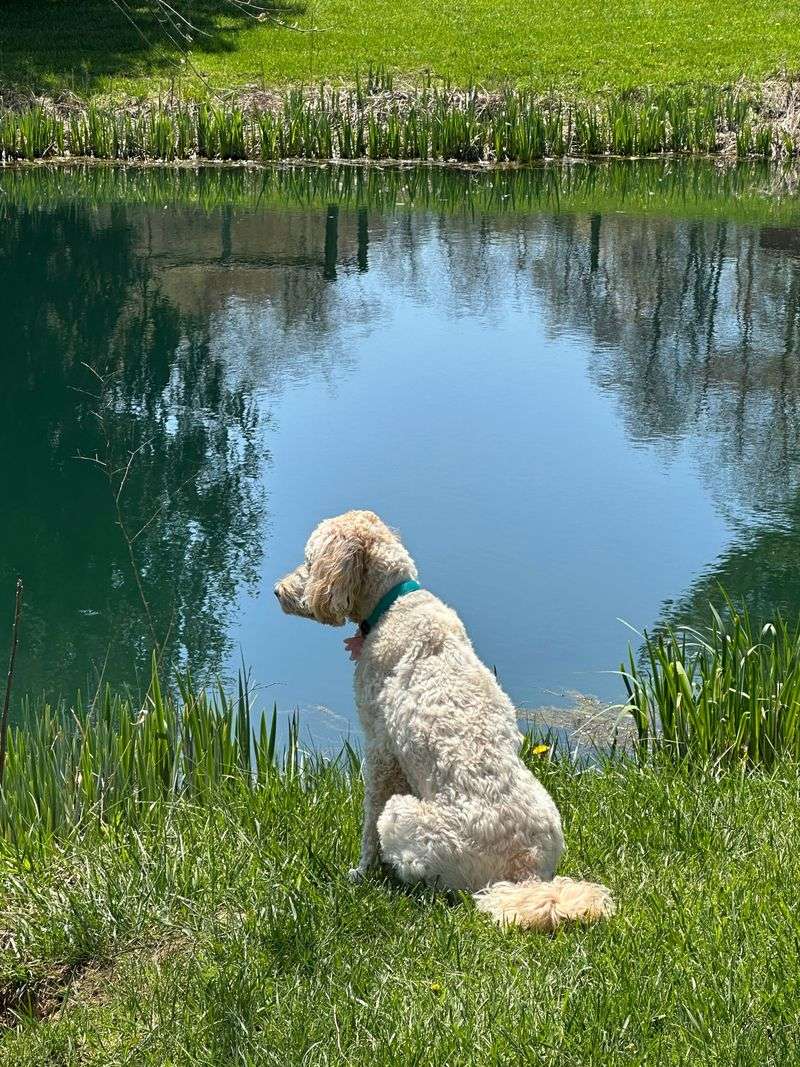
Water offers welcome relief during an Indiana summer, but farm water needs a closer look. Steep banks, slick trough sides, currents, and winter ice can make getting out difficult.
Some blue-green algae can produce toxins, and appearance alone cannot confirm safety.
Offer clean drinking water and supervise every visit near ponds or ditches. Prevent access to suspicious water, especially visible scum.
After possible algae exposure, stop licking, rinse with clean water, and seek urgent veterinary guidance immediately.
17. Keep Dogs Away From Dump Piles and Scrap Metal
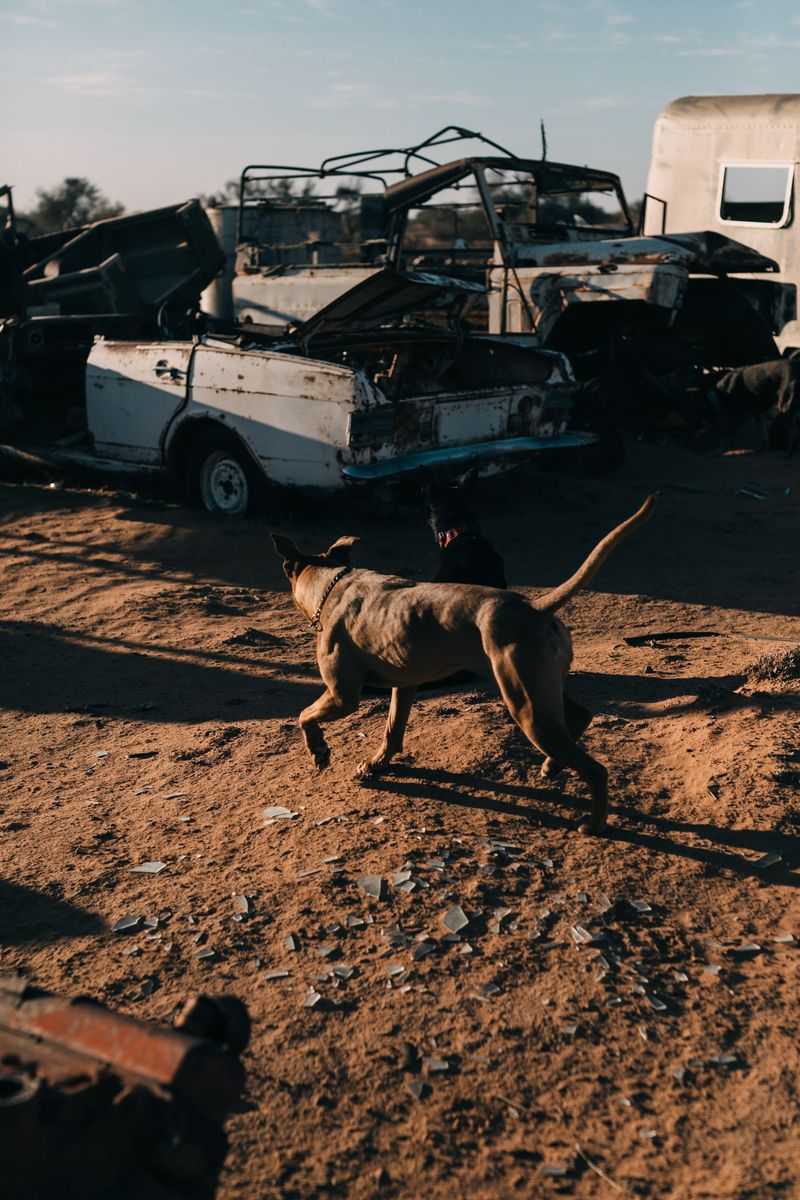
Yesterday’s repair job can leave today’s tempting collection of scraps behind the equipment shed outside. Nails, jagged metal, twine, batteries, and discarded containers each deserve careful storage or proper disposal.
Food waste may attract dogs toward those less obvious hazards.
Fence off scrap areas and collect loose pieces after projects. Keep waste bins closed and dispose of chemicals through appropriate local programs.
If your dog swallows something sharp or develops a limp, seek veterinary advice without delay.