19 Hurricane Boarding Questions Florida Dog Owners Should Answer Before Storm Season
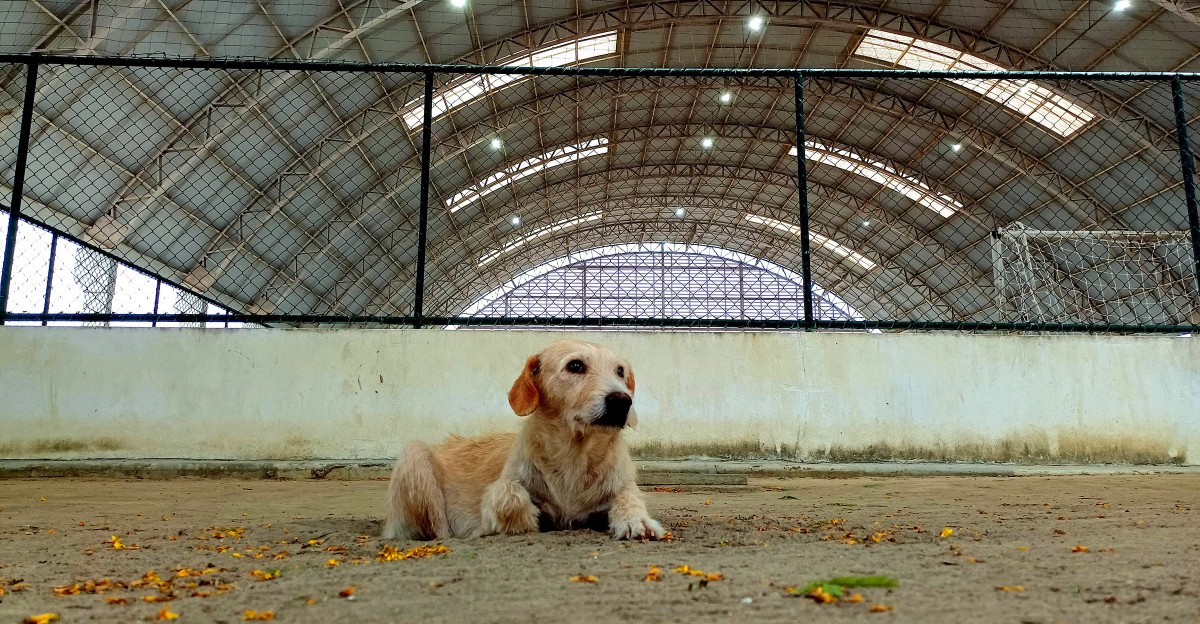
Living in Florida means hurricane season is part of life, and your dog depends on you to plan ahead. Boarding can be a smart choice when a storm heads your way, but not every kennel is ready for rough weather.
A few good questions, asked early, can tell you a lot. Think of this guide as a friendly chat with a neighbor who has been through a few storms and wants your pup safe and calm.
1. How Sturdy Is the Building?
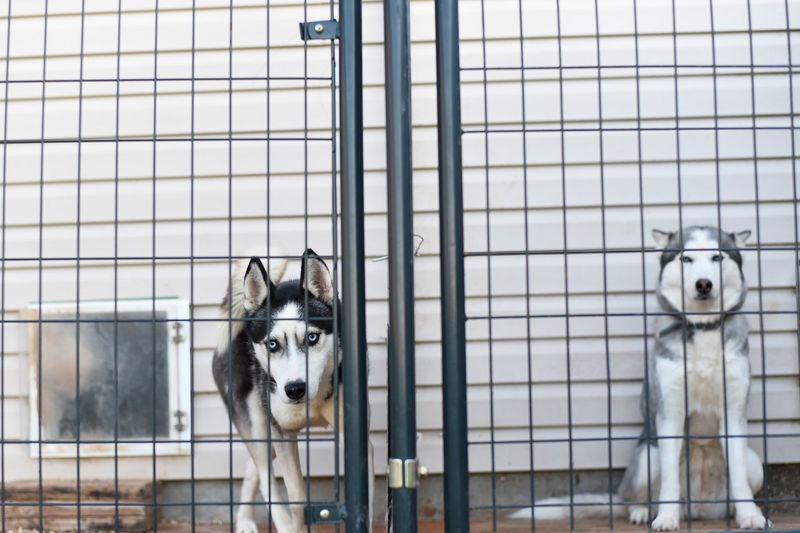
Walls matter more than paint color when a storm arrives. Ask whether the building meets current Florida building code for wind.
Good signs include impact-rated windows and doors, reinforced construction, and electrical systems raised above flood level. Some facilities also use pumps or drainage systems to move water away.
Do not be shy about asking when the building was constructed or upgraded. A confident manager will happily explain the details.
2. Power Plans for Long Outages
Florida heat does not take a break when the lights go out. Air conditioning and fans keep dogs comfortable, so backup power is a big deal.
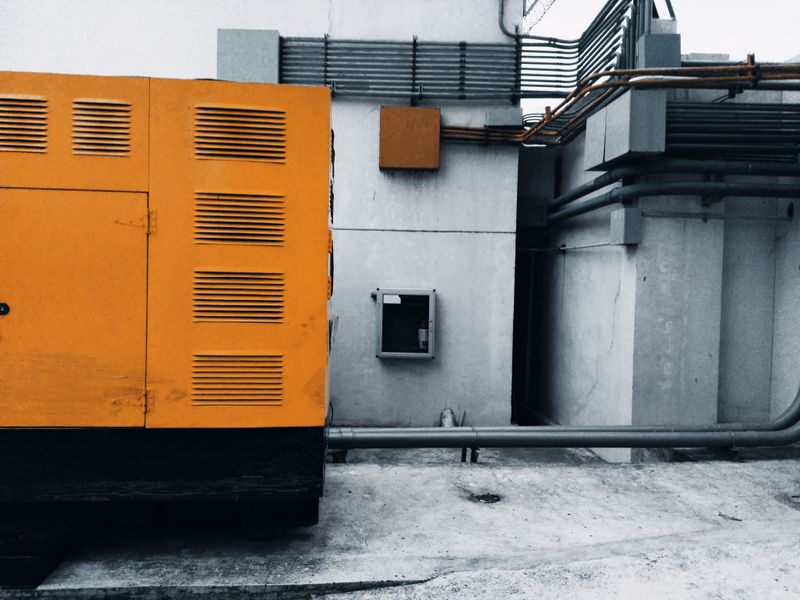
Ask if the facility has generators, how much fuel they store, and how many days they can run. Some places add solar panels with battery banks for extra support.
Also ask what the generator powers. Cooling, lights, and refrigerators for medications should all be covered.
3. Who Stays With the Dogs?
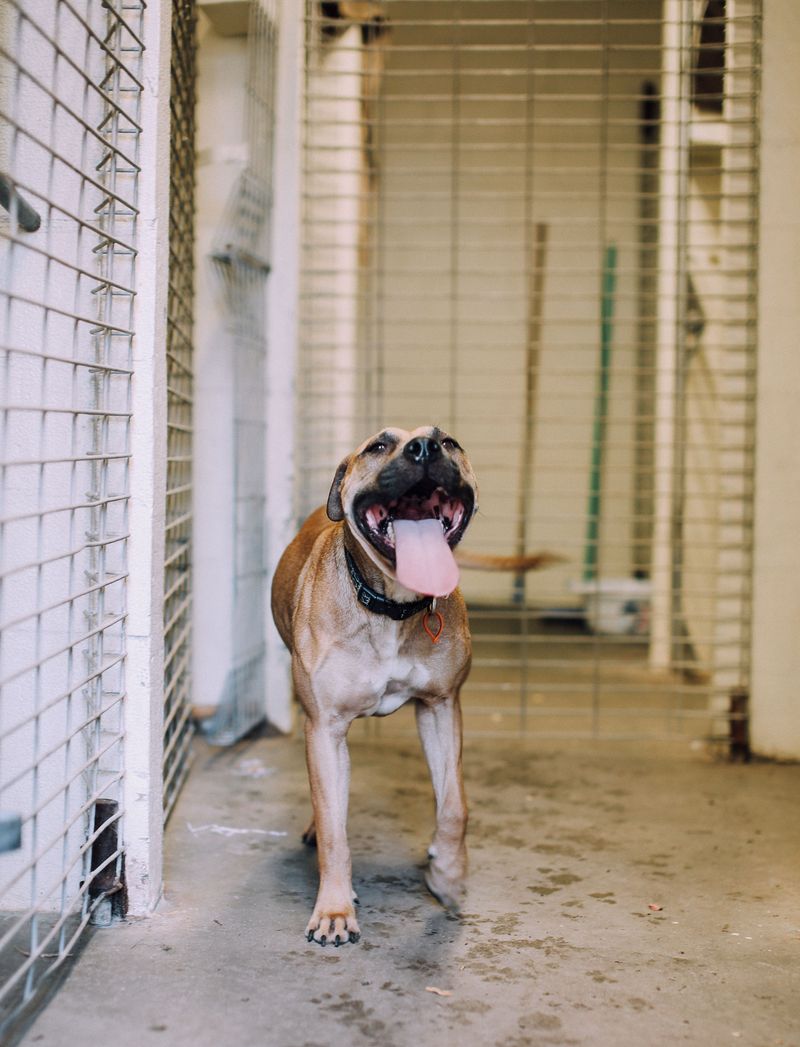
A strong building is only half the story. People make the real difference during a long, noisy night.
Ask whether staff stay onsite around the clock until conditions settle. Some facilities keep vet techs and kennel workers in place throughout the storm.
Be aware that a mandatory evacuation order may require staff to leave. Ask what happens in that case, and whether the plan protects every animal in their care.
4. The Backup Plan If Everyone Must Leave
Every good kennel should be able to answer one question without hesitating: what if we have to go?
A solid plan explains when the decision is made, who makes it, and how owners are told. Many facilities encourage early pickups before any order is issued.
Ask to see the plan in writing. If the answer sounds vague or unsure, that tells you something useful too.
Clear plans bring calm decisions.
5. Knowing the Destination Ahead of Time
During one recent Florida hurricane, a kennel moved its boarded dogs to a sister location farther inland. That kind of setup is reassuring.
Ask where dogs would actually go. Options might include a partner facility, another branch, or a county pet-friendly shelter.
County shelters are run by emergency management and rules vary by county. Get the address of any relocation site, so you know where to find your dog.
6. Safe Rides Out of Harm’s Way
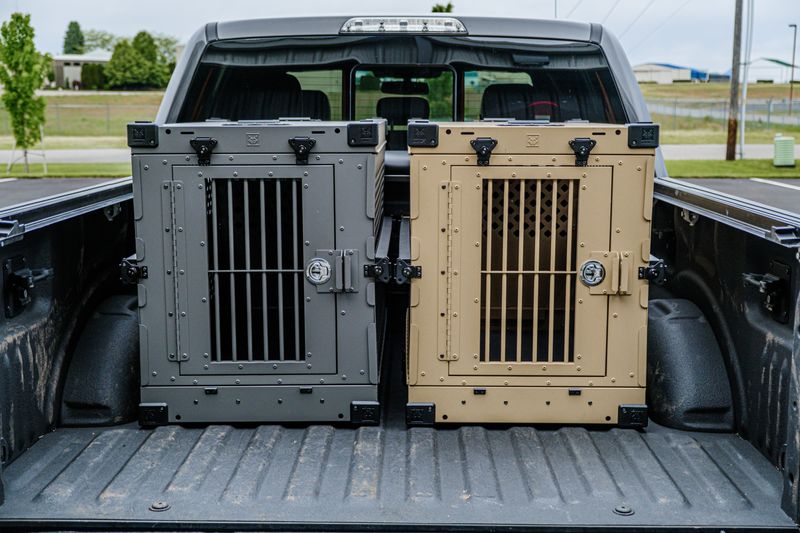
Moving a group of dogs quickly takes skill and the right gear. Ask what vehicles the facility uses and whether they are climate controlled.
Each dog should travel in a secure, well-ventilated crate. Some places ask owners to supply a sturdy carrier, so check ahead.
Fun fact: the federal PETS Act of 2006 requires emergency plans to consider household pets. That law shaped how many shelters handle animals today.
7. Staying Open When the Wind Picks Up
Picture dropping off your dog, only to learn the kennel is closing tomorrow. Policies really do differ from place to place.
Some Florida facilities stay open and staffed through storms. Others are not built for hurricanes and ask owners to pick up pets a day or more before landfall.
Many also reduce capacity and pause daycare as a storm nears.
Ask for the written hurricane policy, so you know exactly where you stand.
8. Staying in Touch When Signals Drop
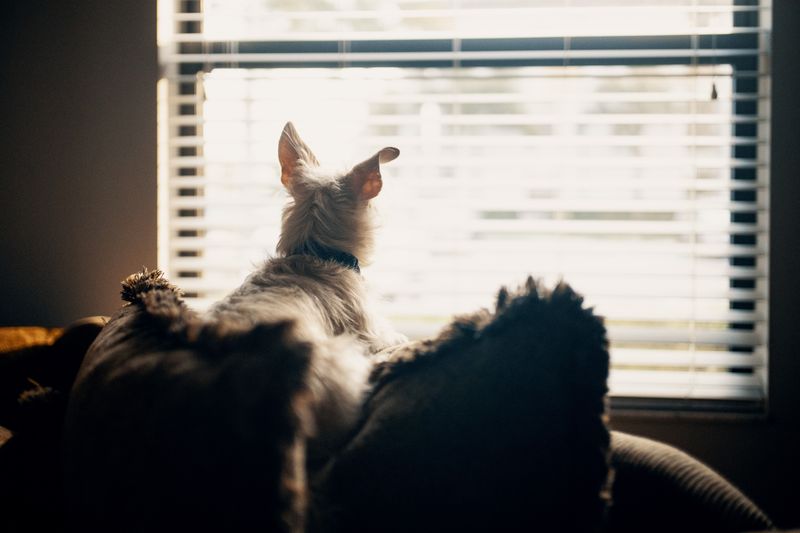
Cell towers and internet often struggle after a big storm. Waiting for news about your dog can feel long.
Ask how the facility shares updates. Calls, texts, emails, and social media posts are common choices.
Find out which one they rely on most.
Give them a backup contact who lives outside the storm area. That person may get through when local lines are jammed.
9. Timing Your Drop-Off Wisely
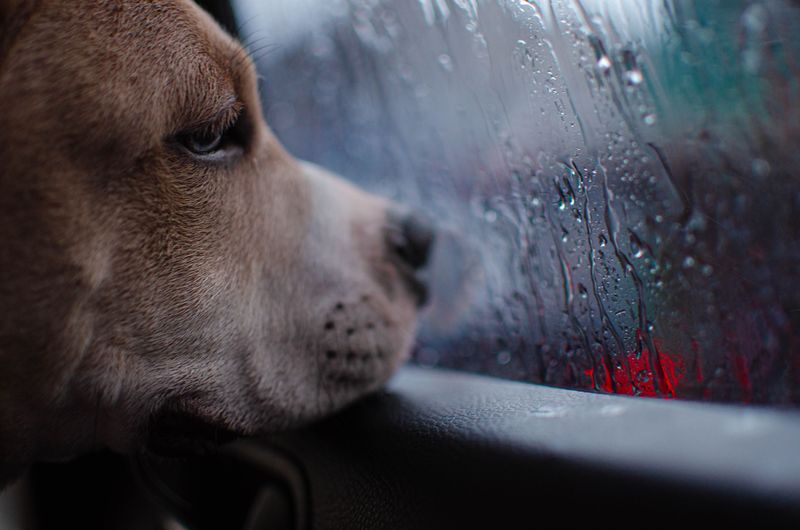
Last-minute plans rarely go smoothly during storm prep. Roads fill up, and kennels fill even faster.
Some facilities stop check-ins once a storm targets Florida. Others set a cutoff, such as one or more days before landfall.
Ask for their exact deadline.
Arriving early also gives your dog time to settle in. The ASPCA suggests making arrangements early and practicing crate time to lower stress.
10. When Roads Stay Closed Longer
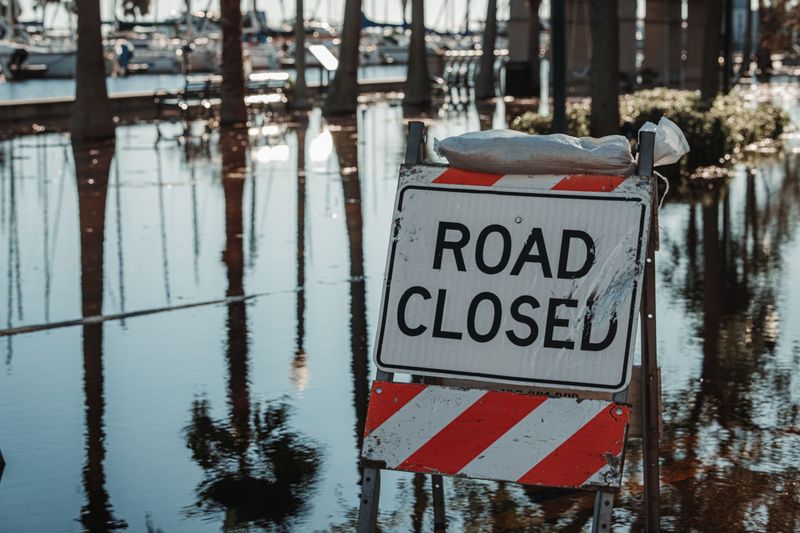
After the wind fades, downed trees and flooding can keep roads closed for days. Your pickup plans may need to wait.
Ask whether the facility will keep your dog safely until travel is possible. Many will, but each has its own rules.
Find out how extended stays are billed and how they confirm pickup times. Knowing this now saves worry later, when you just want your pup home.
11. Paperwork Your Vet Can Help With
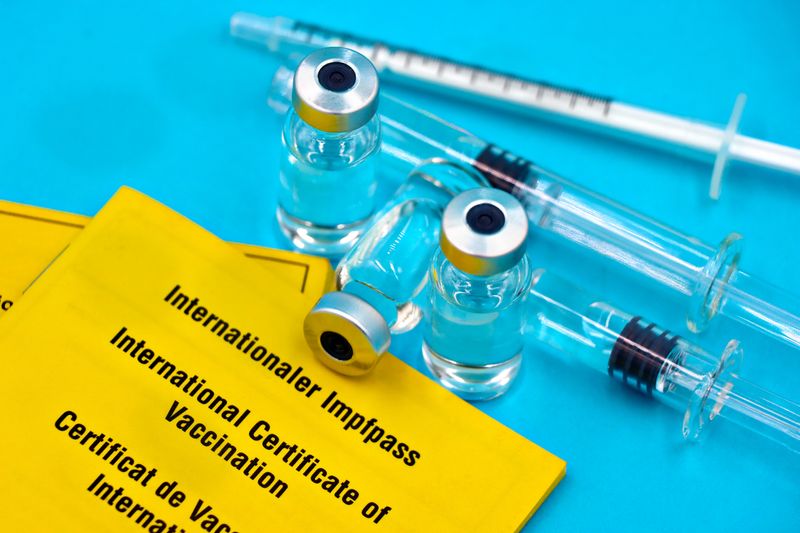
Florida law requires dogs four months and older to have a current rabies vaccine. That one is not optional.
Most kennels also ask for Bordetella and the distemper and parvo combo. Some require canine influenza or leptospirosis too.
Requirements vary by facility.
Ask your vet for printed records and keep digital copies on your phone. Some vaccines need time to work, so plan weeks ahead.
12. Packing a Storm Bag for Your Pup
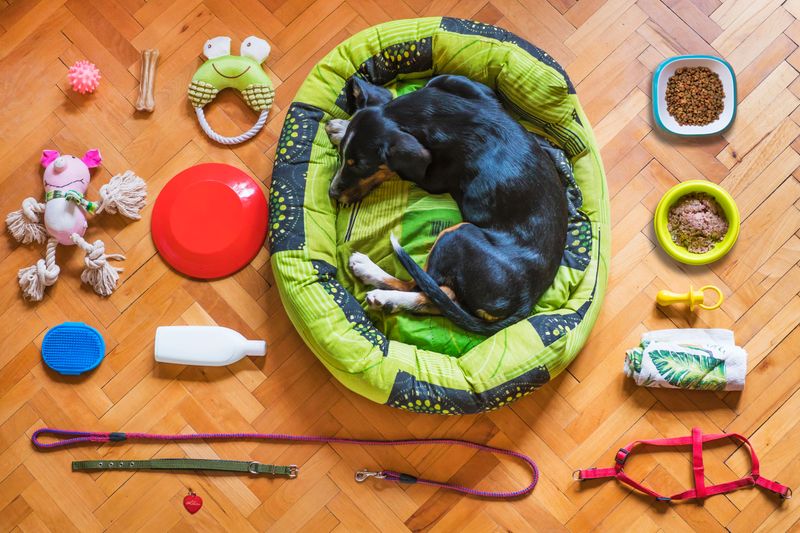
Think of it as a suitcase for your dog. Supply trucks may slow down after a hurricane, so pack extra.
Many experts suggest at least three days of supplies, but a week is safer. Include food in a waterproof container, medications, a leash, and a familiar blanket or toy.
Label everything with your dog’s name and your phone number. Sudden food changes can upset tummies, so stick with the usual brand.
13. Medication Care Under Pressure
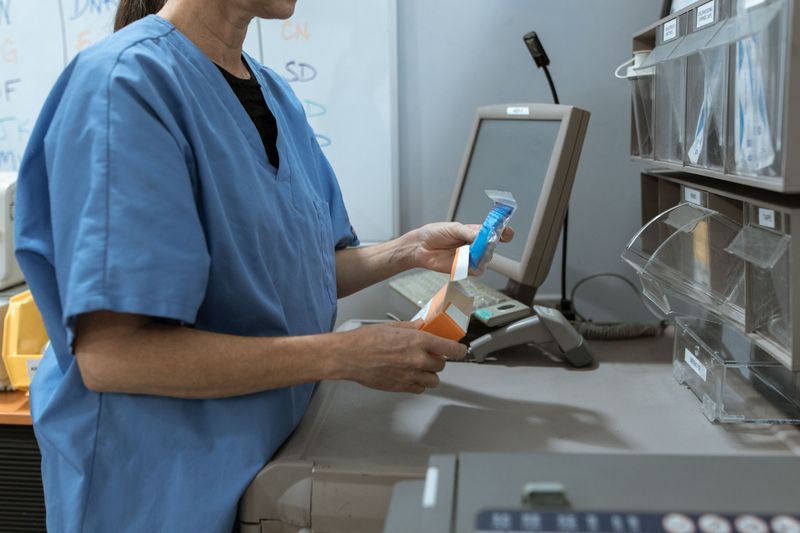
Daily pills do not pause for bad weather. If your dog takes medicine, this question deserves careful attention.
Ask who gives medications and what training they have. Facilities with vet staff may handle injections or complex schedules more easily.
Write clear instructions with doses and times, exactly as your vet prescribed. Send extra medicine in the original labeled containers.
Ask how they track each dose, so nothing gets missed.
14. Medical Help If Something Goes Wrong
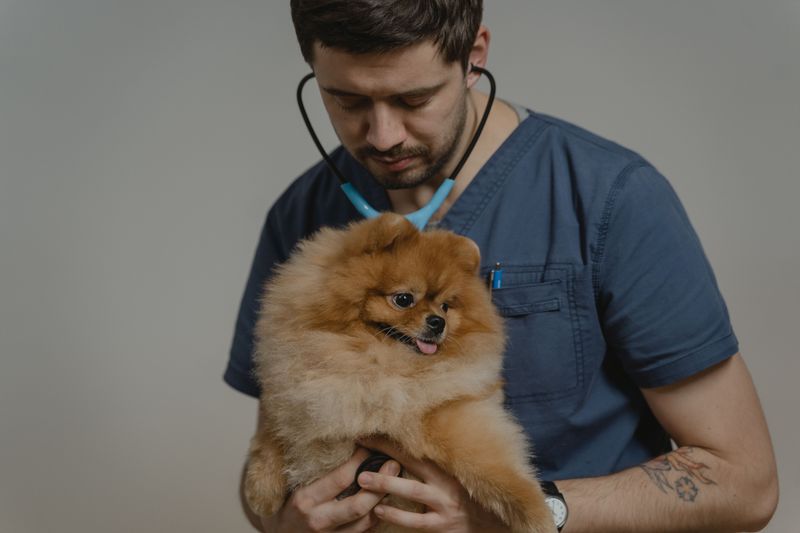
Tummy troubles and small cuts can happen anywhere, even in the calmest kennel. What matters is the response.
Some facilities have an animal hospital onsite. Others partner with nearby clinics or emergency vets.
Ask which one applies and how far away help is.
Leave your vet’s contact details and a signed treatment authorization. Also ask how they reach care if roads are blocked after the storm.
15. Keeping Nerves Calm During the Noise
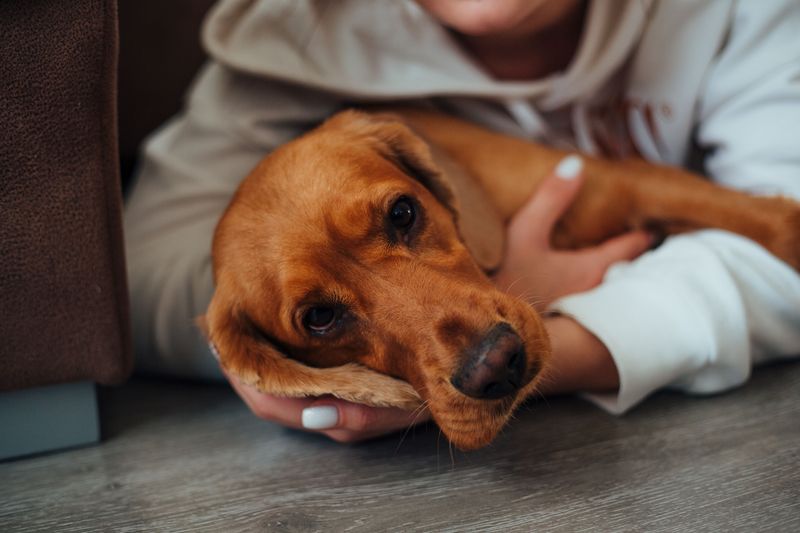
Howling wind and pounding rain can rattle even brave dogs. Many pick up on pressure changes before people notice.
Ask what the staff does for nervous pups. Soft music, quiet rooms, gentle handling, and extra attention can help a lot.
Tell them about your dog’s fears and favorite comforts. If your vet recommends a calming wrap or medication, send it along with clear notes.
16. Potty Breaks Without Going Outside
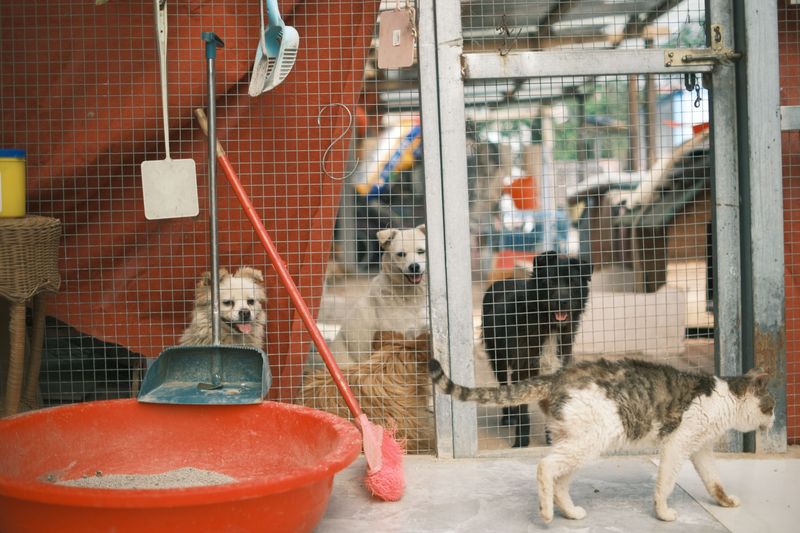
Nobody wants a dog walking outside in tropical storm winds. So how do they handle nature’s call?
Some facilities have indoor parks or turf areas for safe relief breaks. Others wait for calm moments between rain bands.
Ask how often dogs get breaks and where they go. Puppies, seniors, and dogs with medical needs may need extra trips, so mention any special needs at check-in.
17. ID Tags, Microchips, and Contacts
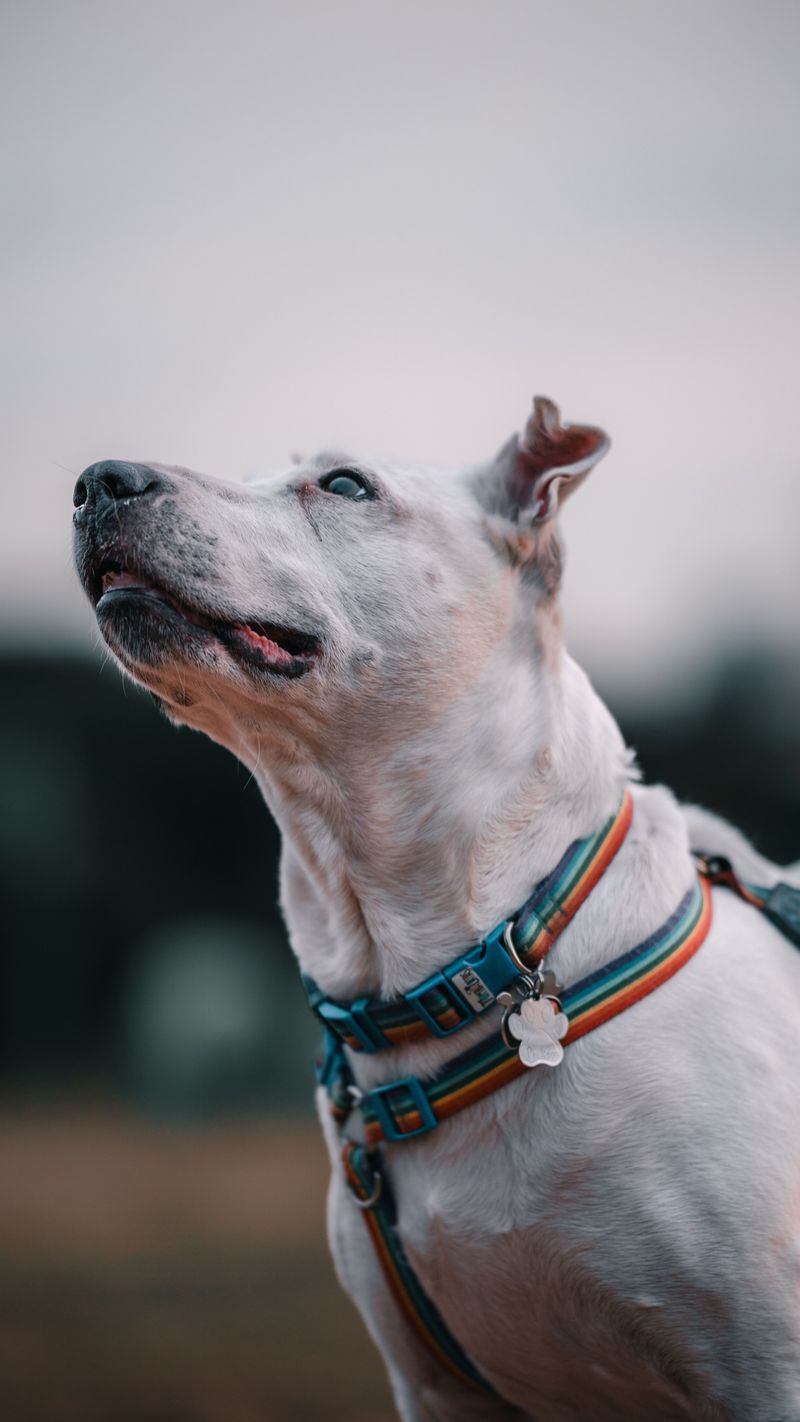
Storms can scatter things, including records. Good identification keeps your dog connected to you.
Make sure your dog wears a collar with current tags. Check that the microchip registry has your latest phone number.
Give the facility at least one emergency contact who can pick up your dog. Add your vet’s information and a recent photo of you with your pup.
That photo can help prove ownership if needed.
18. Surprise Costs Nobody Wants
A storm already strains the budget. Unexpected bills make it worse, so ask about money early.
Some facilities charge extra for emergency boarding or longer stays. Others pass along transport costs if dogs must be relocated.
Daily fees may apply if pets are not picked up before a cutoff.
Request the full fee list in writing. A clear price sheet helps you plan without stress or awkward surprises later.
19. Fine Print on Reservations and Refunds
Plans can change in a single forecast update. That is why booking rules matter so much.
Ask how reservations work as a storm approaches. Some facilities stop taking new bookings or reduce capacity.
Many ask owners to sign a weather release form.
Find out what happens if an evacuation order or closure cancels your stay. Will you get a refund or credit?
Read everything before signing, and keep a copy handy.