15 Orange-Gear And Visibility Tips For Pennsylvania Dogs During Hunting Season
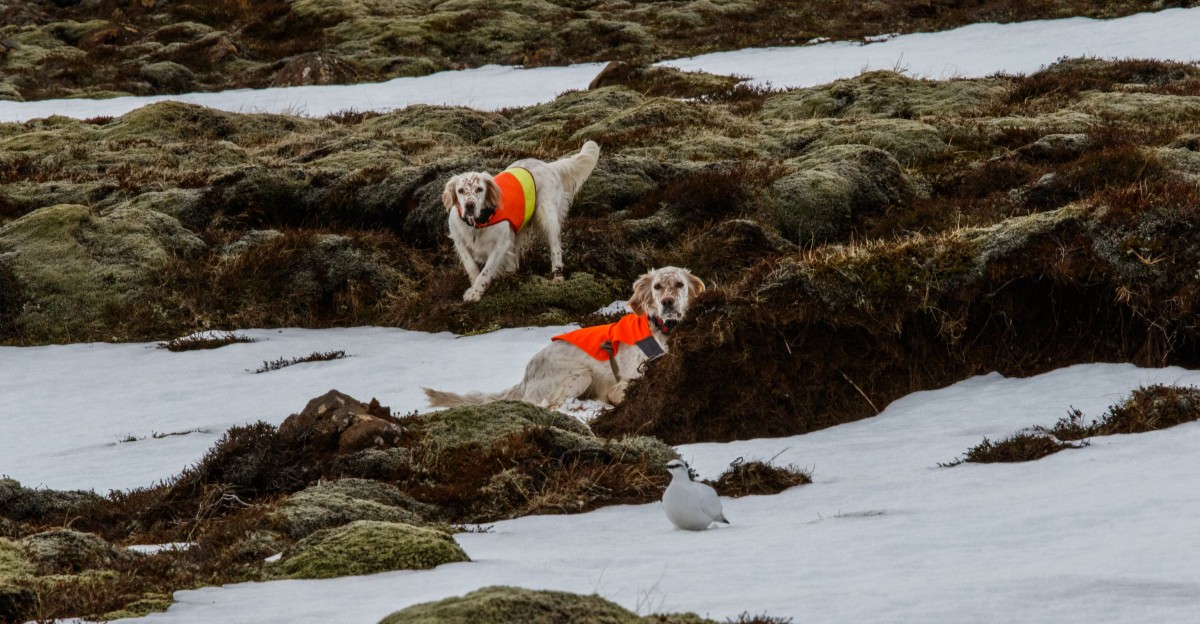
Pennsylvania trails offer plenty of good sniffing, even when hunting seasons overlap with your usual walking routine. A little bright gear helps your dog stand out against brown leaves, bare trees, and brush.
You can make outings easier by pairing that gear with smart route choices and a close leash. Before your next walk, check these practical ways to help others recognize you and your dog.
1. Choose Blaze Orange Gear That Stands Out
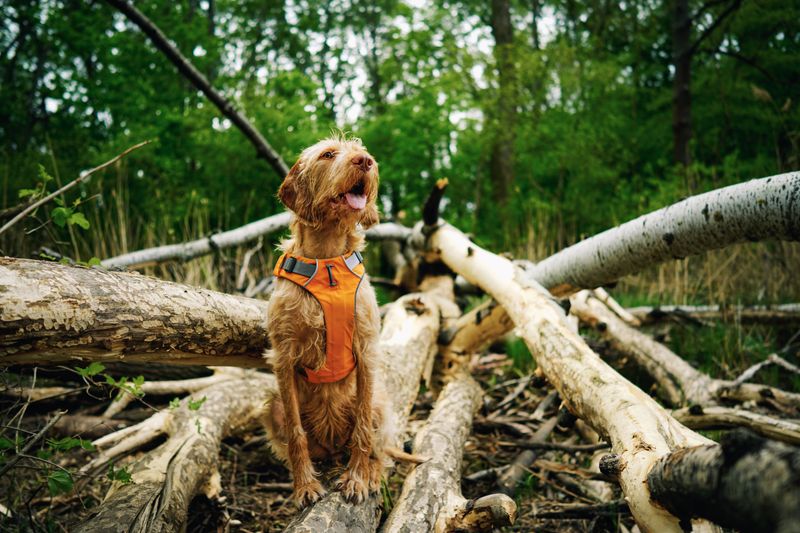
Brown leaves can hide ordinary colors, especially when your dog stops beside a tree. Choose a vest with large panels of fluorescent blaze orange rather than small decorative patches.
A plain, bright surface is easier to notice than a busy woodland pattern.
Look at the gear outdoors before buying, when possible. Orange fashion fabric may lack the brightness you expect.
Remember that visibility gear supports careful walking habits, but never guarantees others will notice your dog.
2. Make Sure Your Dog’s Vest Fits Properly
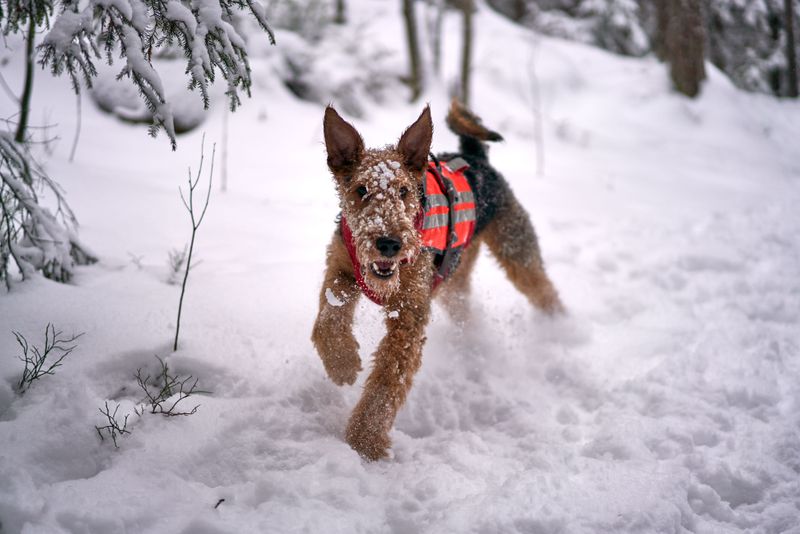
A sliding vest can turn a simple walk into repeated stops for adjustments. Measure your dog’s chest and neck, then follow the maker’s size chart.
Check that straps stay secure without pressing into the skin or limiting movement.
Have your dog walk, sit, and turn while wearing it. Watch for rubbing behind the front legs and loose fabric near the feet.
Recheck the fit over winter layers, and replace gear your growing puppy has already outgrown.
3. Cover More Than Just Your Dog’s Back
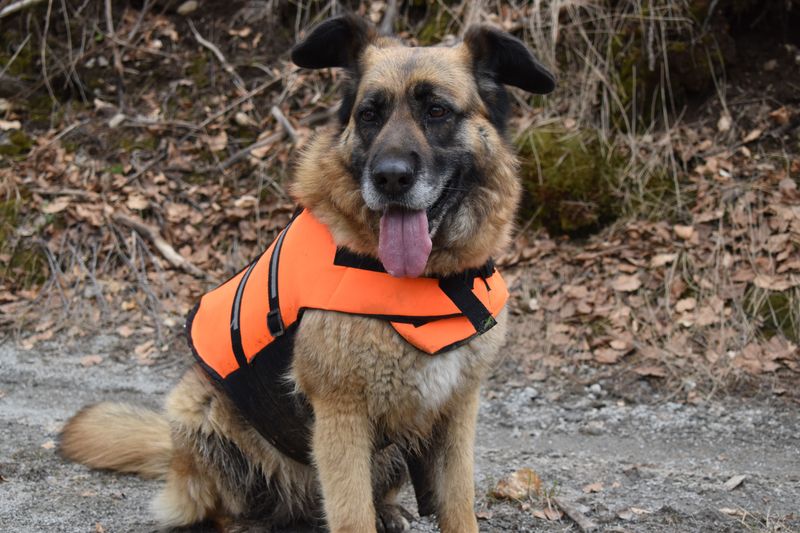
Someone approaching from the side may not see a narrow stripe along your dog’s spine. Pick gear with orange panels visible across both sides and, when practical, the chest.
Keep the face and legs free so movement stays comfortable.
Walk around your dressed dog to check several viewing angles. A bright back alone can disappear when your dog turns toward you.
Broader coverage helps, but avoid bulky layers that trap heat or interfere with normal walking.
4. Add a Bright Orange Leash
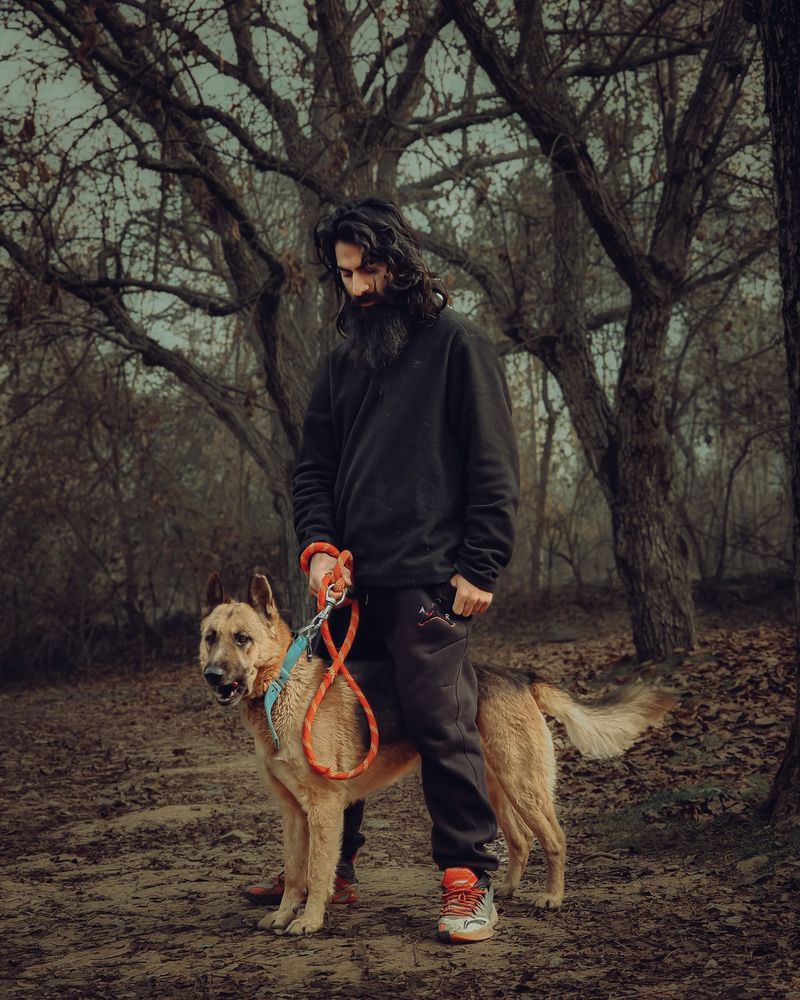
Even your everyday leash can add another useful splash of color. Select a sturdy orange leash with a dependable clip and an easy grip.
Inspect the stitching, handle, and attachment point before heading toward wooded trails.
Keep the leash short enough for control without pulling your dog against your leg. Bright webbing supplements a vest rather than replacing it.
Avoid wrapping extra length around your hand, and keep loose loops from dragging through brush along narrow paths.
5. Use Reflective Strips for Low-Light Walks
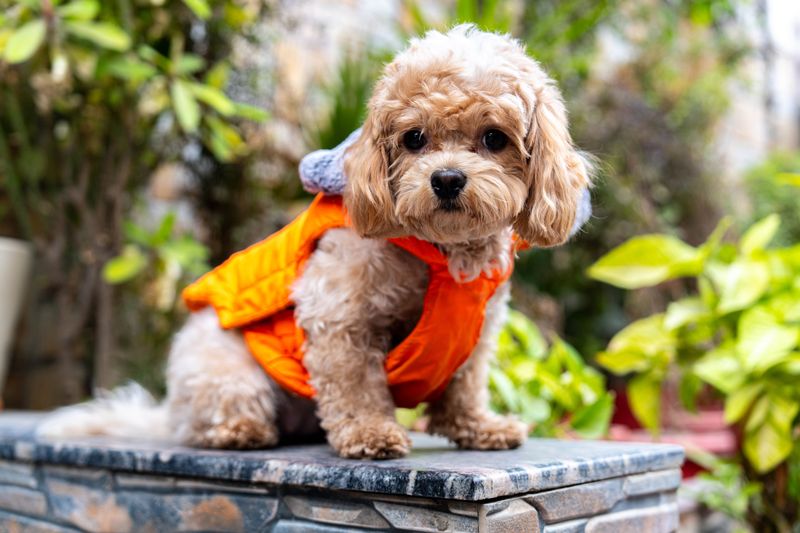
Reflective trim works differently from bright orange fabric: it returns light toward its source. That makes it useful near headlights or a flashlight during dim walks.
Choose strips visible from several directions, not just one small patch.
Test the reflection with a flashlight before relying on older gear. Dirt and wear can reduce its performance.
Reflection needs outside light, so it does not replace an LED or daylight visibility. Whenever possible, schedule woodland walks during full daylight.
6. Attach a Bright Orange Collar or Bandana
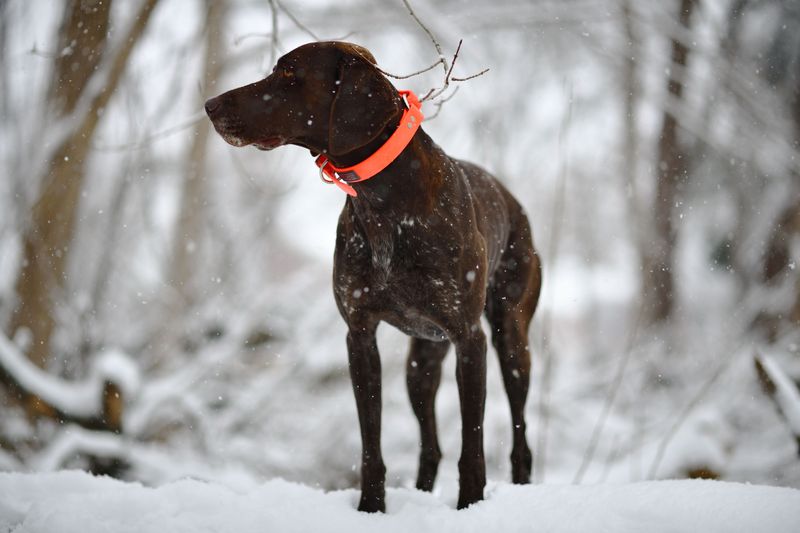
A pop of orange near the neck adds visibility when your dog faces someone. Use a well-fitted collar or a securely attached bandana that cannot trail under the paws.
Keep identification tags readable and attached to dependable gear.
Neckwear is an extra layer, not a substitute for broad vest coverage. Fur, body position, and brush can hide it quickly.
Supervise bandana use, check for snagging, and remove decorative pieces if your dog chews or pulls at them.
7. Choose Gear That Remains Visible Under Thick Coats
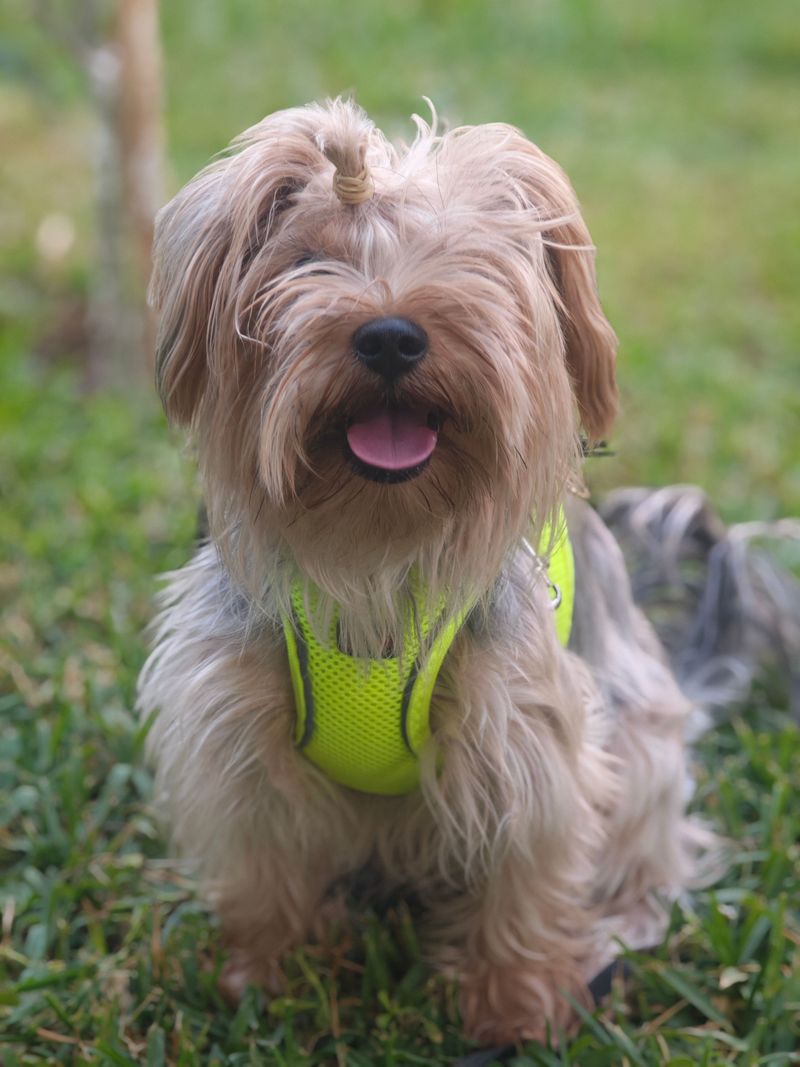
Fluffy necks can swallow a bright collar almost completely. For thick-coated dogs, prioritize a vest with broad panels that sit over the outer coat.
Check the sides and chest after your dog shakes, turns, and lowers its head.
Do not tighten straps simply to flatten fur and expose more orange. Instead, choose a better cut or larger visible panels.
Watch for overheating during active walks, especially in mild weather. Ask your groomer about keeping gear comfortable without unnecessary coat trimming.
8. Check Your Dog’s Visibility From a Distance
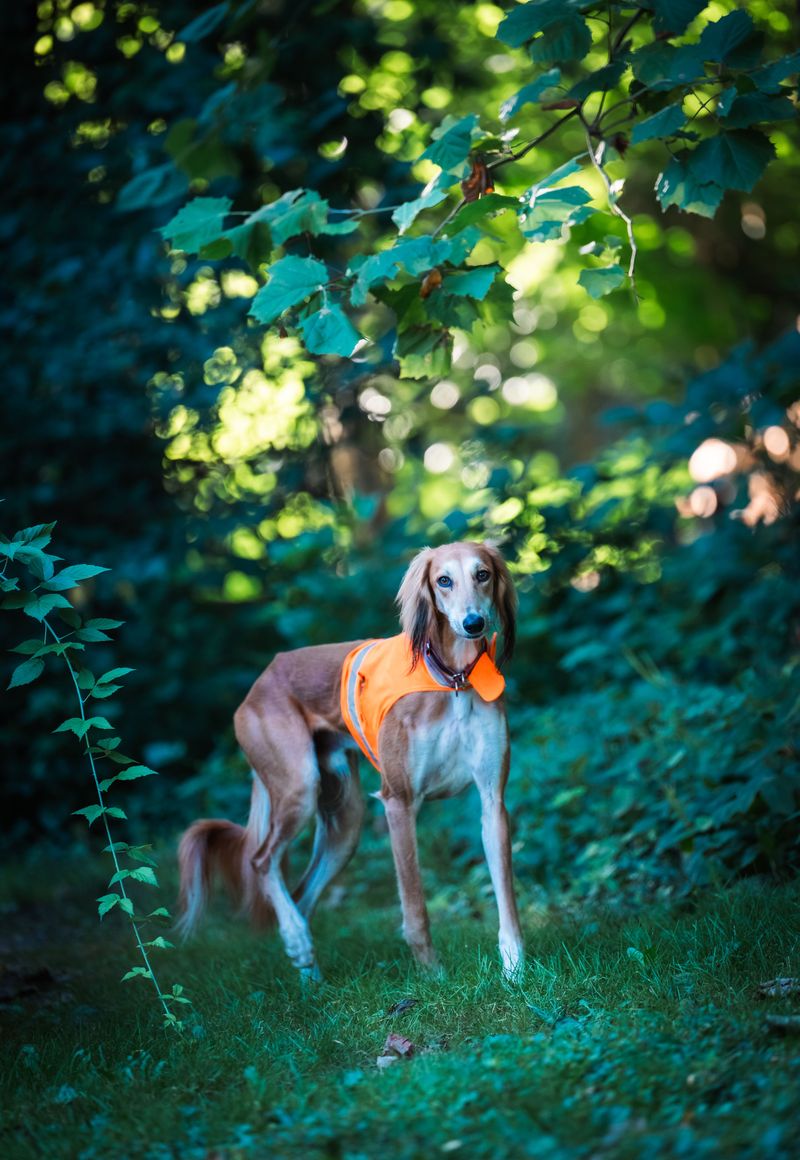
Your kitchen mirror cannot show how gear looks against a wooded hillside. Ask another adult to hold your leashed dog while you step back in a safe area.
Check the orange from the front, rear, and both sides.
Try backgrounds with leaves, shade, and open grass. Keep your dog secured throughout the test, and never enter an active hunting area for photographs.
If the orange disappears behind fur or folds, adjust the fit or choose broader coverage.
9. Keep Orange Gear Clean and in Good Condition
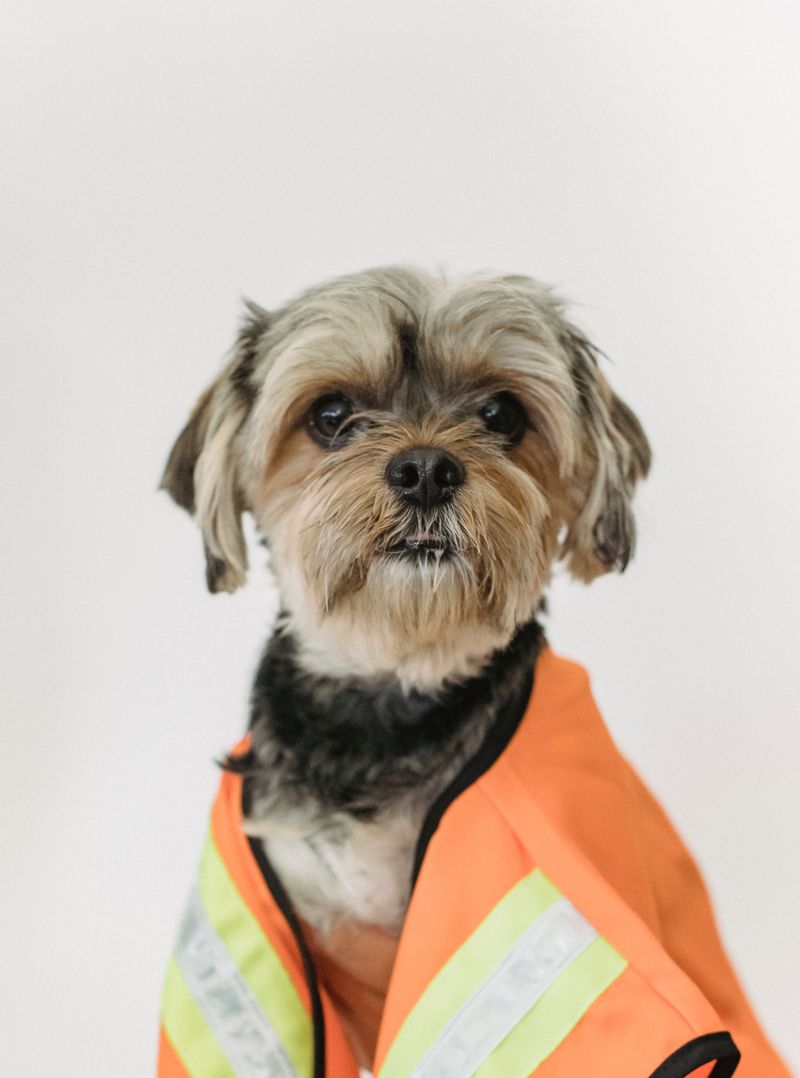
Mud can turn a bright vest into another brown shape along the trail. Wipe off splashes after walks and wash gear according to its care label.
Let everything dry fully before storing it or dressing your dog again.
Check buckles, seams, and reflective sections while you clean. Replace faded fabric, damaged clips, or peeling trim instead of hoping they will last another season.
Keep a spare orange layer ready so laundry day does not leave you without visible gear.
10. Add a Small LED Safety Light
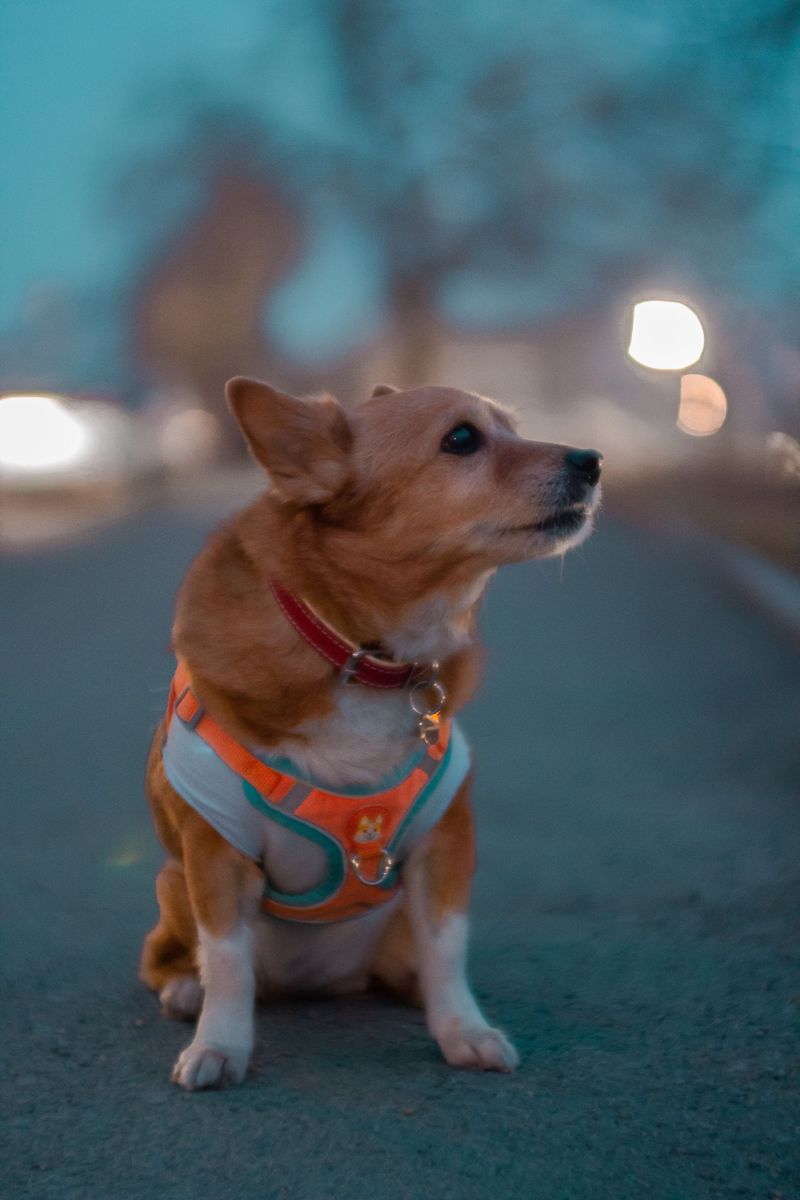
A small light can make your dog’s position easier to follow in dim conditions. Attach a pet-safe LED securely to the harness or collar, following the maker’s directions.
Choose a steady setting if flashing bothers your dog or nearby walkers.
Check the battery before leaving home and keep the light clear of thick fur. Prevent chewing, especially around batteries and small parts.
An LED adds visibility, but it does not make nighttime woodland walks a better choice during hunting season.
11. Keep Your Dog Close on a Regular Leash
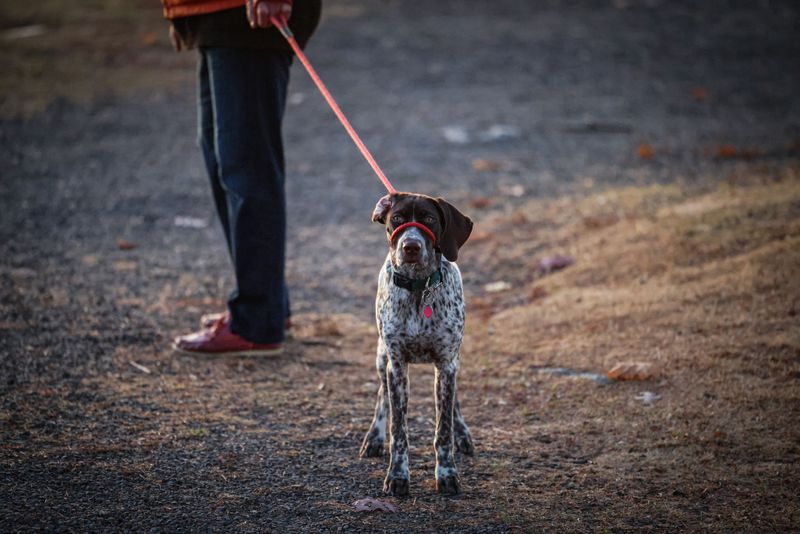
Reliable recall is useful, but it should not replace a leash on these outings. A fixed-length leash helps keep your dog nearby and away from brush.
Choose a manageable length that follows the rules for your walking location.
Long lines and retractable leads can let dogs move beyond clear sightlines. Practice calm passing and reward your dog for checking in beside you.
Pennsylvania dog control requirements and property rules still apply, so confirm the rules before entering unfamiliar land together.
12. Avoid Letting Your Dog Wander Into Tall Grass
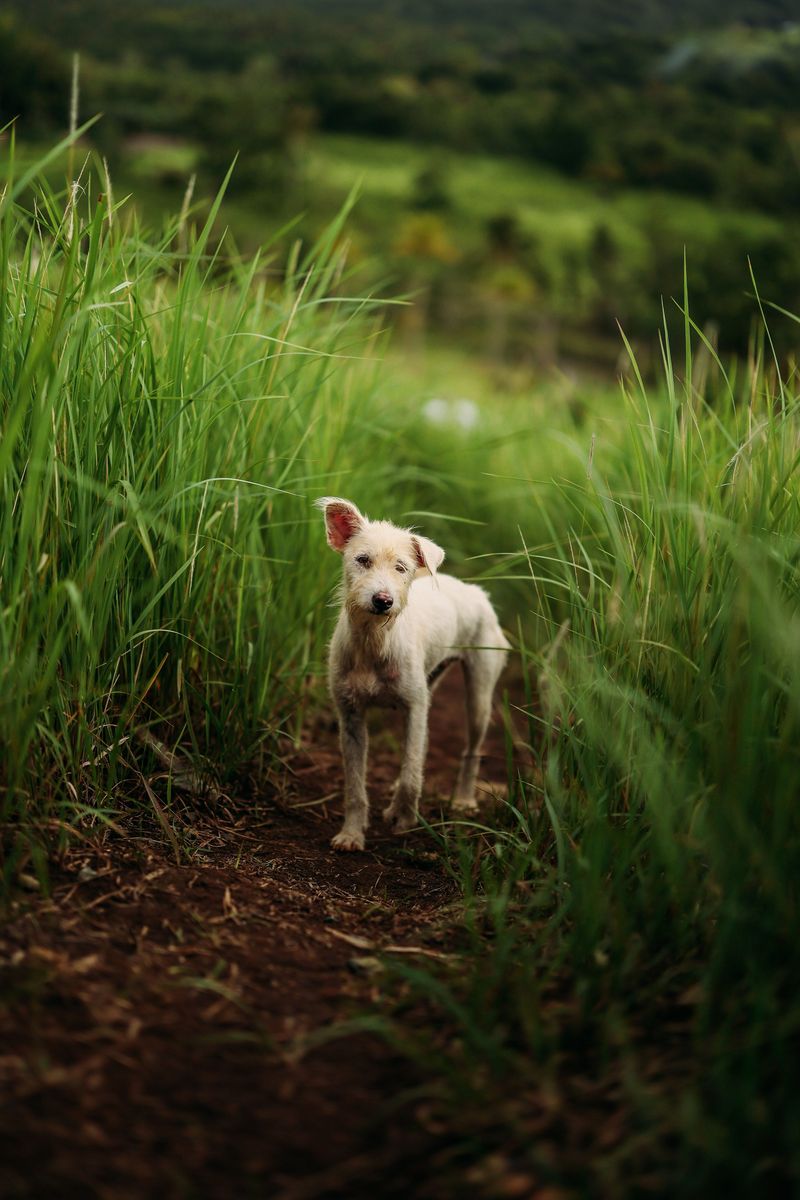
One step off a clear path can hide a small dog behind dry grass. Favor wide trails with open edges and keep sniffing stops where you can see your dog’s whole body.
Orange fabric cannot help much when plants cover it.
Guide your dog away from brush piles, dense shrubs, and field corners. Avoid shortcuts across areas where hunting may be underway.
If vegetation closes around the route, turn back calmly and choose a more open place for your walk.
13. Check Pennsylvania Hunting Seasons Before Planning Walks
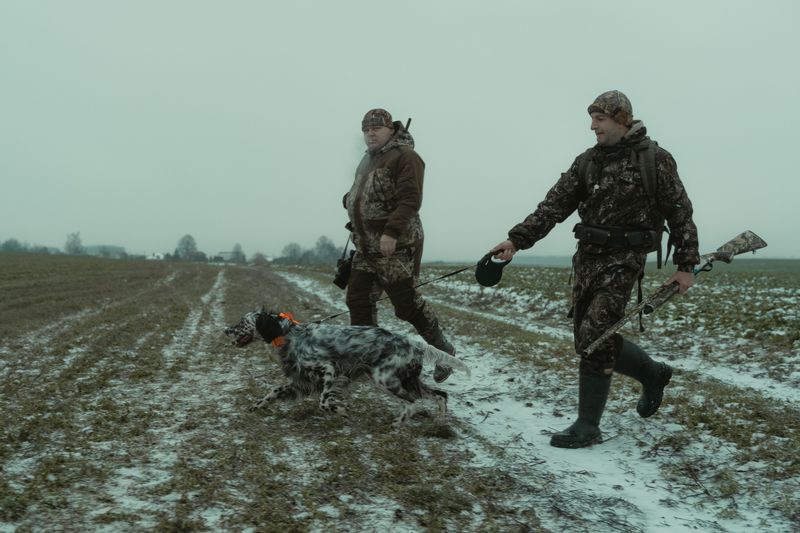
Hunting season is not a single block on Pennsylvania’s calendar. Dates vary by species, location, and hunting method, so check current Pennsylvania Game Commission information.
Review the relevant Wildlife Management Unit and any special rules for your destination.
Do not assume Sundays or familiar off-season months are automatically free of hunting. Rules and dates can change between years.
Check posted notices and contact the land manager when details remain unclear. Save an alternate walking route before leaving home with your dog.
14. Be Extra Careful Around Public Hunting Lands
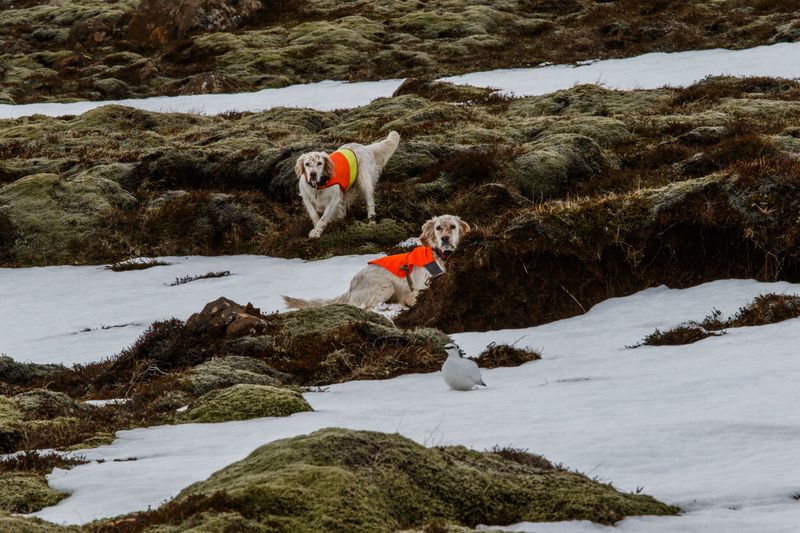
A public trail may cross land where hunting is allowed nearby. Before visiting state game lands, state forests, or parks, check that property’s current access rules.
Dog restrictions, seasonal limits, and orange requirements can differ by location and activity.
Read entrance signs even if you visited recently. Consider a clearly designated alternative where hunting is prohibited, and verify its boundaries.
If you encounter hunters, stay visible, speak politely, and give them space. Choose another route whenever you feel unsure about access.
15. Wear Blaze Orange Yourself, Too
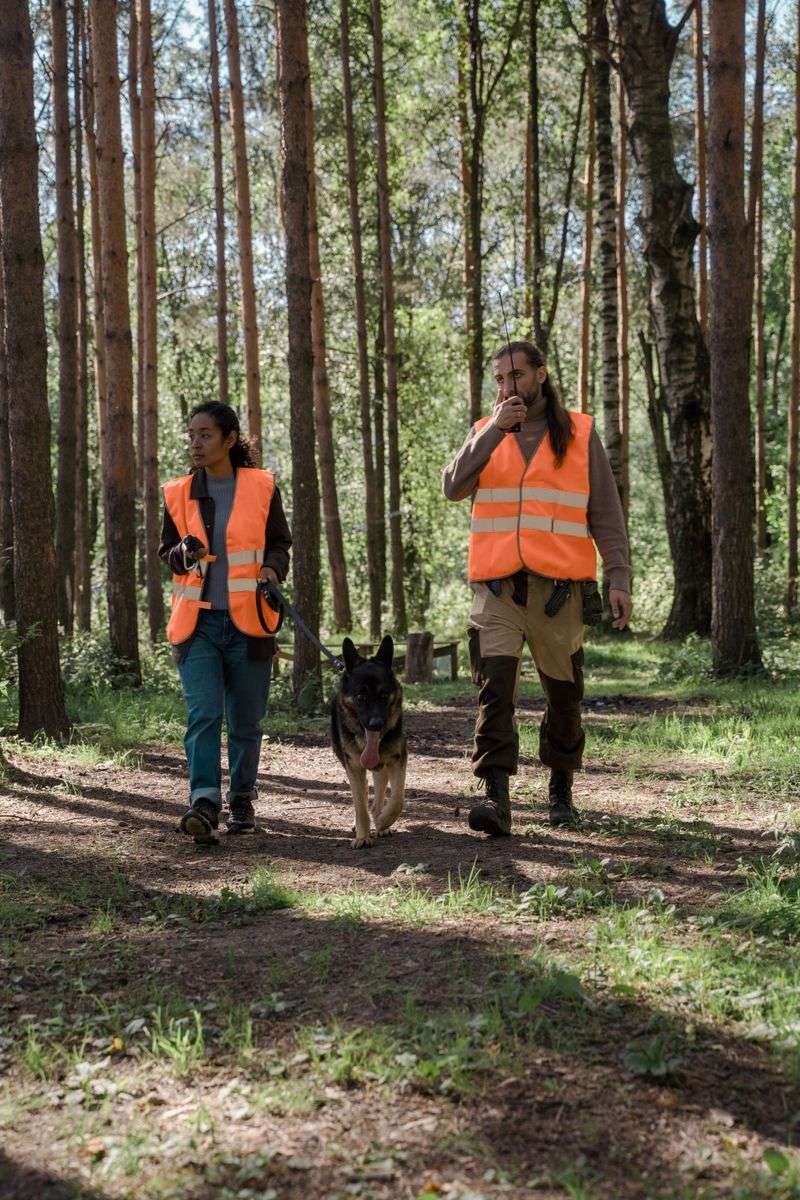
Your own clothing helps others recognize the walking team, not just the dog. Wear a blaze orange hat and an outer layer with visible orange panels.
Keep backpacks and rain shells from covering the brightest parts of your outfit.
Check current Pennsylvania requirements for the specific property, date, and activity. Do not assume a dog’s vest satisfies any rule applying to people.
Before leaving, remember three habits: dress brightly, stay together, and check your route. Simple preparation supports calmer walks together.