15 Sporting Dog Breeds Suited To Massachusetts Woods And Waterfowl Country
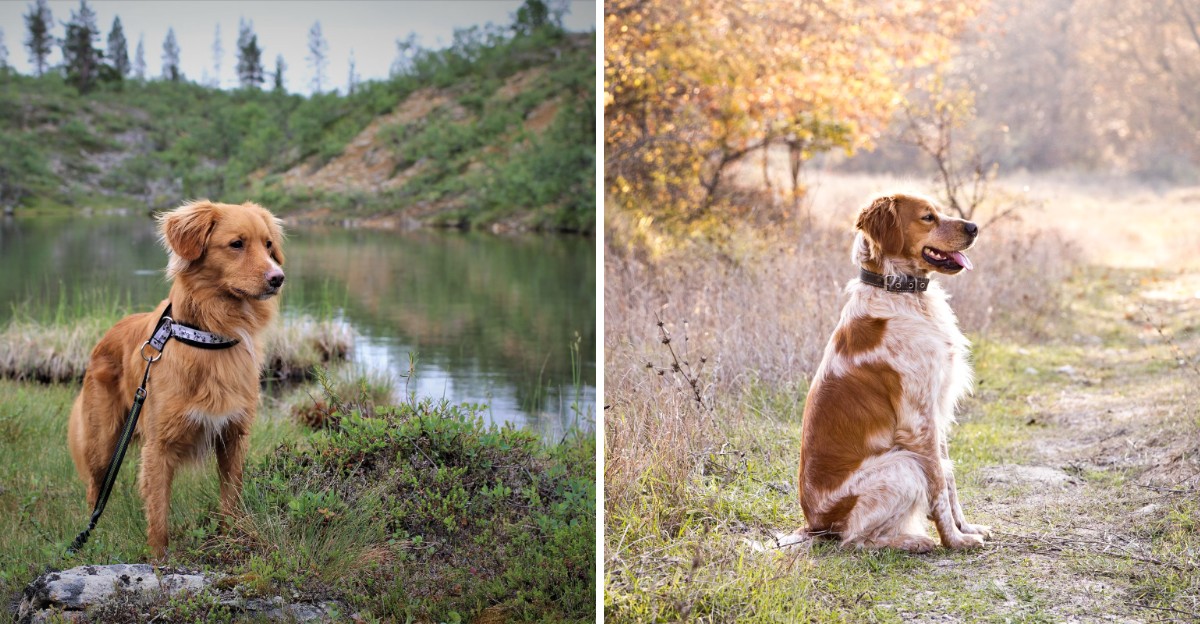
A muddy pond edge and a brushy woodland trail ask very different things of a dog. Massachusetts offers both, often within the same morning, so choosing a sporting breed takes more than admiring its coat.
Water skills, working style, grooming needs, and daily energy all matter. The best match is a dog whose talents fit the landscape and whose needs fit your everyday life.
1. Labrador Retriever: Ready for the Pond
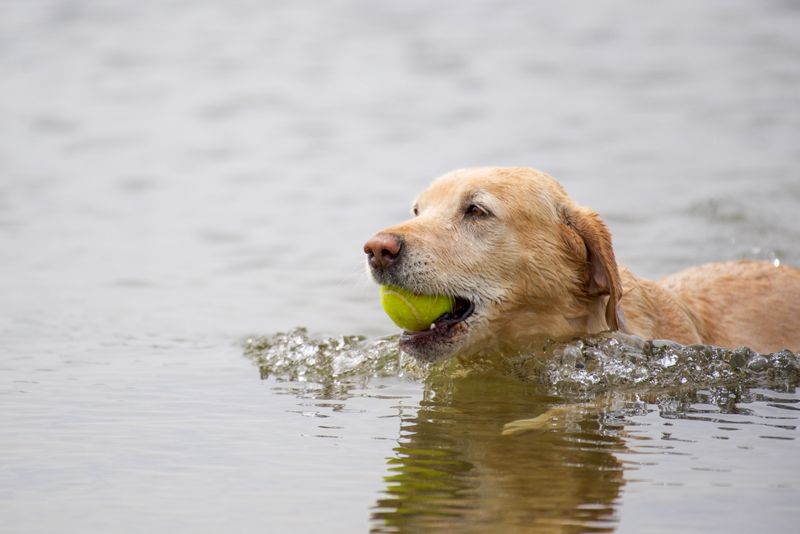
Splash first, think later might be a young Lab’s motto around a Massachusetts pond. Labradors descend from St. John’s water dogs that worked with Newfoundland fishermen, although the modern breed was developed in Britain.
They have dense coats and strong retrieving instincts. Their eager attitude makes reward training especially useful.
Practice recall before exploring shorelines, and build swimming stamina gradually during warm weather. Even enthusiastic swimmers need supervision, safe exits, and breaks.
Choose health tested parents, watch portion sizes, and expect plenty of exercise beyond weekend outings together outside.
2. Chesapeake Bay Retriever: Built for Brisk Conditions
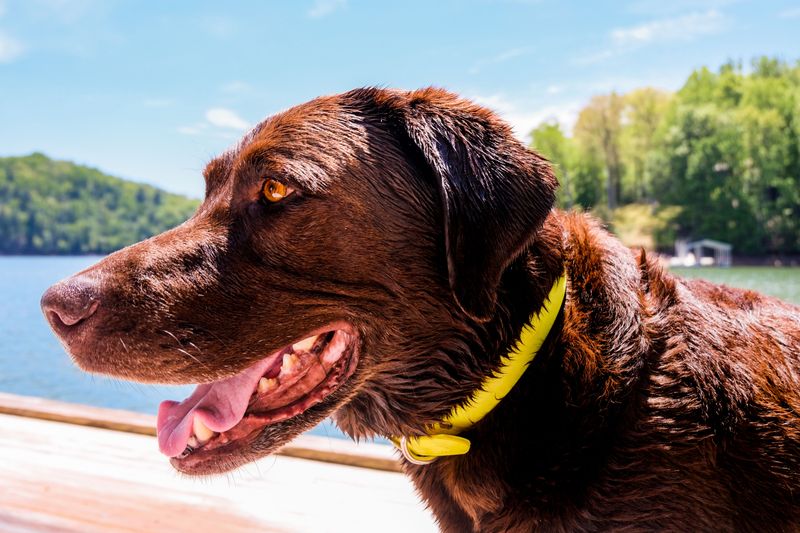
Cold mornings suit a Chesapeake better than they suit many sleepy owners. Developed around Chesapeake Bay, the breed has an oily outer coat and dense undercoat.
Those features help in wet conditions, but never make cold water automatically safe.
Expect an independent thinker who benefits from patient training and early socialization. Brush regularly without stripping natural coat oils through excessive bathing.
For Massachusetts outings, prioritize steady recall, controlled water entries, and warming breaks after swimming.
3. Golden Retriever: Sunshine Along the Shore
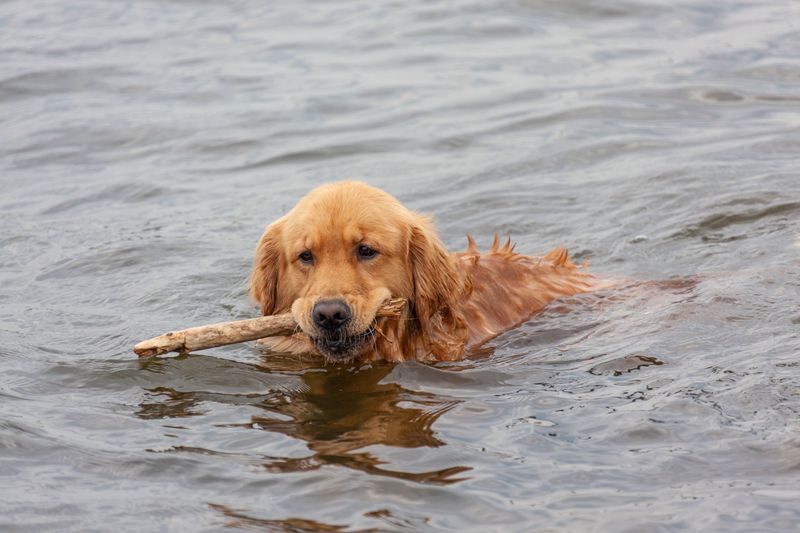
A golden coat catching autumn sunlight is hard to beat beside a woodland pond. Beneath that cheerful look sits a capable retriever developed in Scotland.
Many Goldens enjoy swimming, carrying toys, and working closely with their people.
Long feathering collects burrs, so check ears, legs, and tails after brushy walks. Keep training upbeat while teaching calm greetings and reliable recall.
Ask breeders about recommended health screening, and balance outdoor exercise with quiet practice at home.
4. Boykin Spaniel: Small Package, Busy Schedule
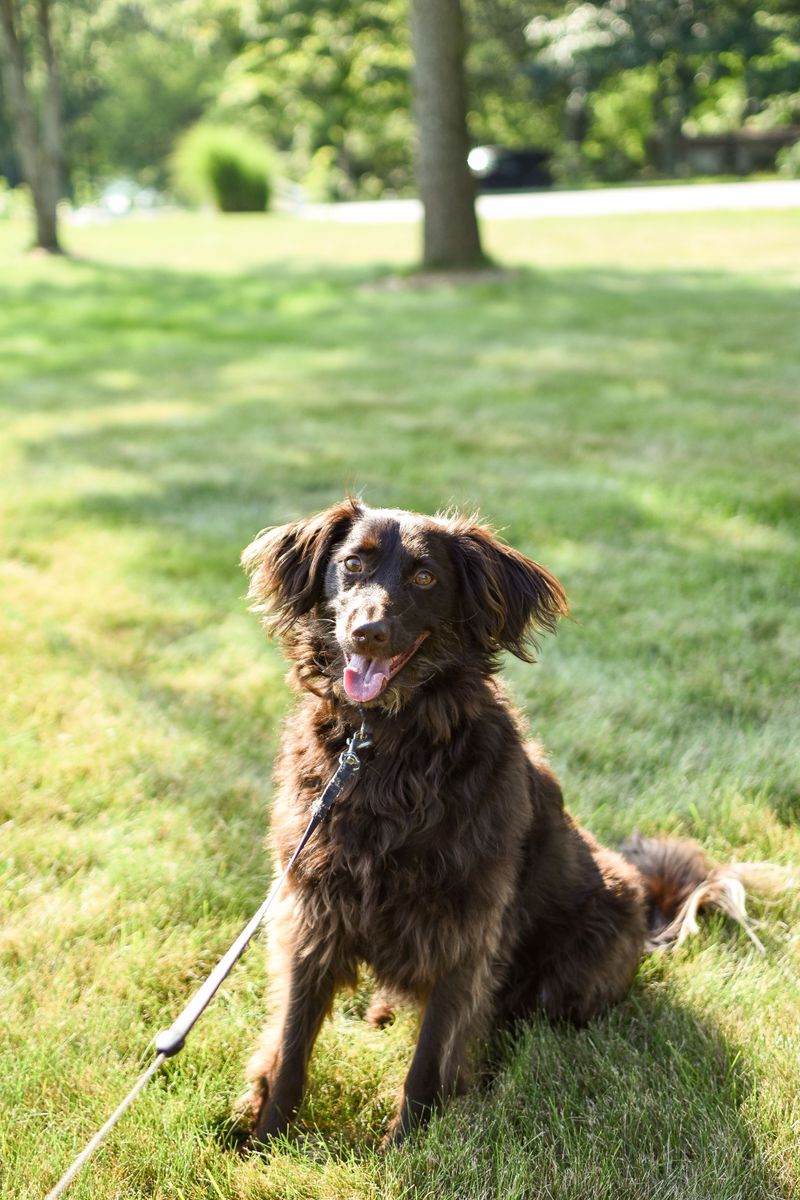
Boat space feels less crowded with a compact Boykin aboard. South Carolina’s state dog was developed for retrieving and flushing game.
Its manageable size appeals to owners who want sporting ability without a particularly large dog.
Do not mistake smaller stature for modest exercise needs, though. Offer daily movement, scent games, and patient lessons around water.
Dry those floppy ears carefully after swims, checking for redness. A fitted flotation vest adds support during boating outings.
5. English Springer Spaniel: Follow That Woodland Scent
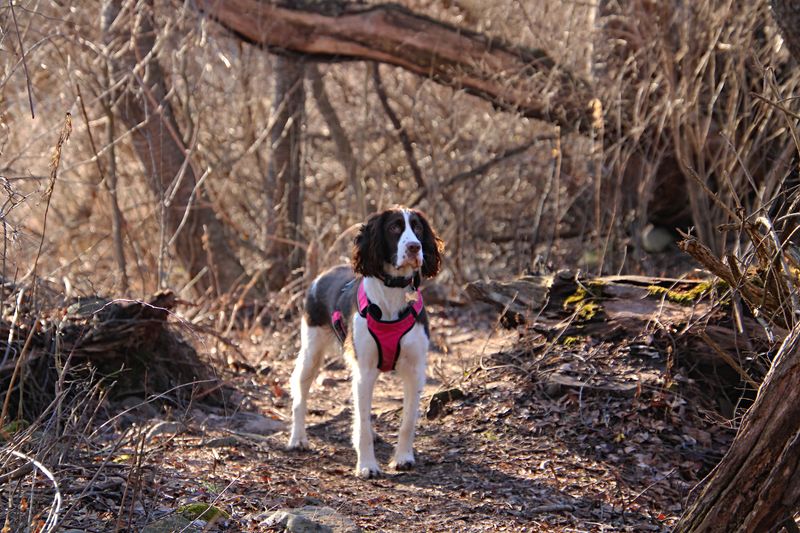
Rustling leaves can turn an ordinary walk into serious spaniel business. Bred to flush birds, Springers often work with lively enthusiasm through woodland cover.
Their close partnership with people makes regular training especially rewarding.
Field lines may bring more drive than some households expect, so discuss temperament with breeders. Practice checking in during walks rather than allowing endless independent searching.
After Massachusetts brush outings, comb feathering and inspect paws, ears, and skin for ticks carefully.
6. American Water Spaniel: A Compact Water Worker
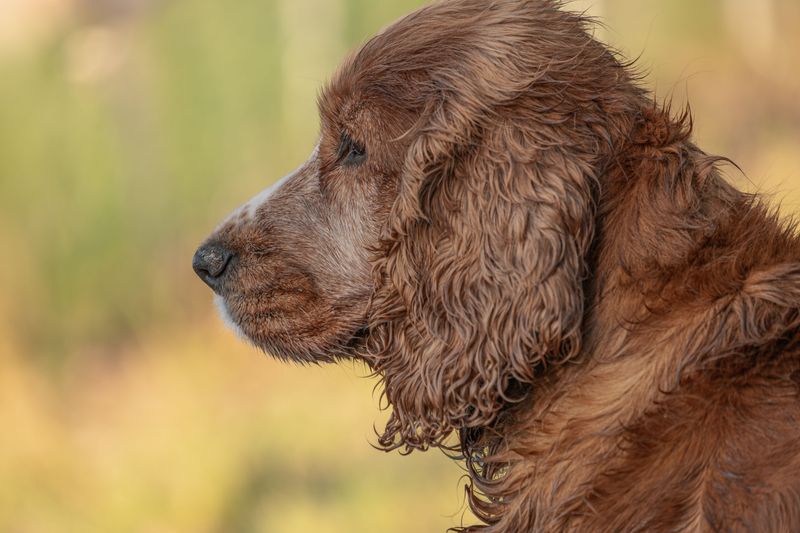
Wisconsin gets credit for this curly coated worker, but Massachusetts offers appealing terrain too. American Water Spaniels were developed for retrieving from boats and working varied cover.
Their smaller build can suit owners seeking a versatile sporting partner.
Some individuals are reserved with strangers, making thoughtful early socialization worthwhile. Provide swimming opportunities only where permitted and conditions are safe.
Maintain the wavy or curly coat regularly, and ask breed specialists about health screening before choosing.
7. Flat-Coated Retriever: The Cheerful Trail Classmate
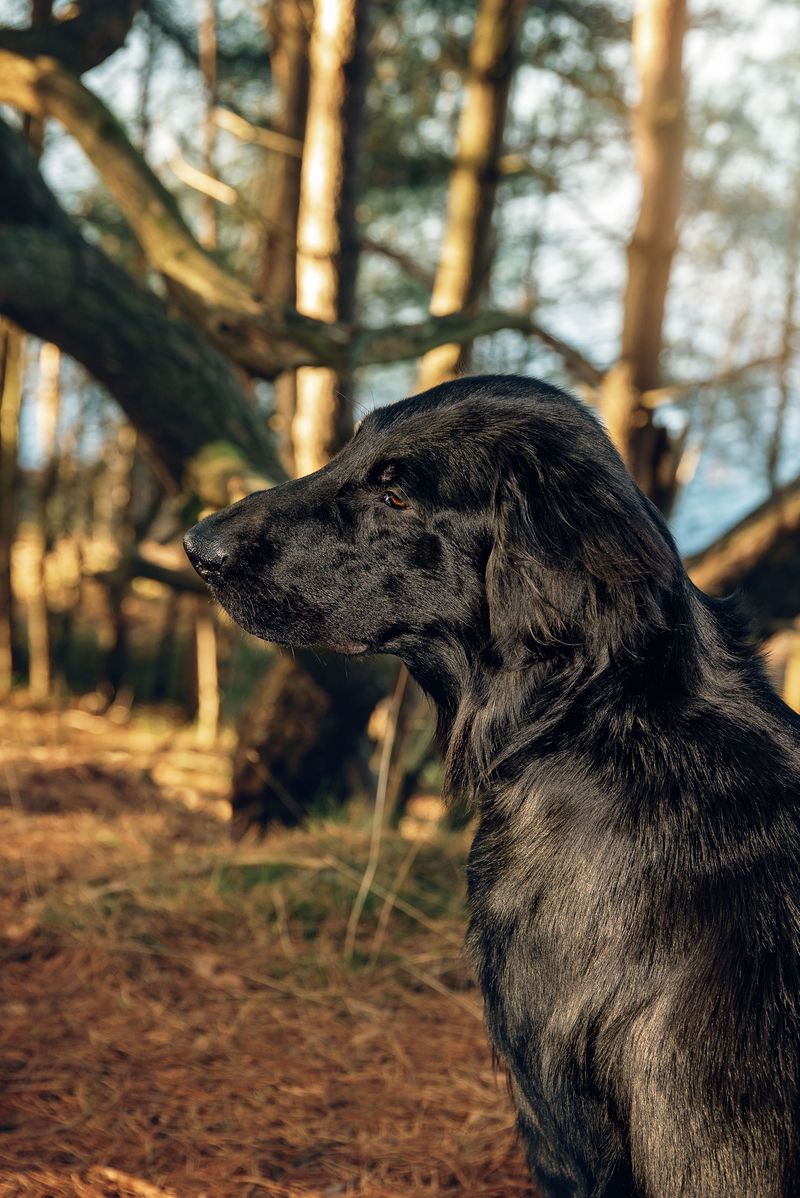
Good luck keeping a straight face around an enthusiastic Flatcoat. Often playful well into adulthood, these retrievers combine sporting ability with a famously youthful outlook.
They generally enjoy retrieving games and plenty of shared activity.
That cheerful energy still needs boundaries, especially near slippery banks and busy trail junctions. Teach waiting, recall, and calm recovery between games.
Discuss the breed’s significant cancer concerns with knowledgeable breeders, alongside routine screening and realistic plans for veterinary care.
8. Nova Scotia Duck Tolling Retriever: Clever by the Water
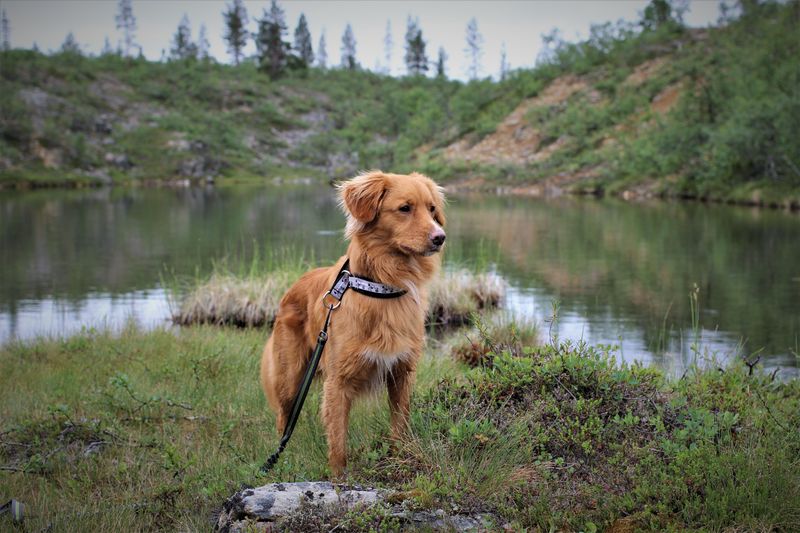
A red coat and quick mind make the Toller hard to overlook. Developed in Nova Scotia, the breed traditionally lured waterfowl within range before retrieving.
Modern owners often channel that energy into training games and dog sports.
Expect more than a miniature Golden Retriever in both personality and daily demands. Tollers can be sensitive, vocal, and selective about strangers.
Keep lessons varied, introduce new settings gradually, and reward quiet settling after woodland or water sessions.
9. German Shorthaired Pointer: Miles of Woodland Energy
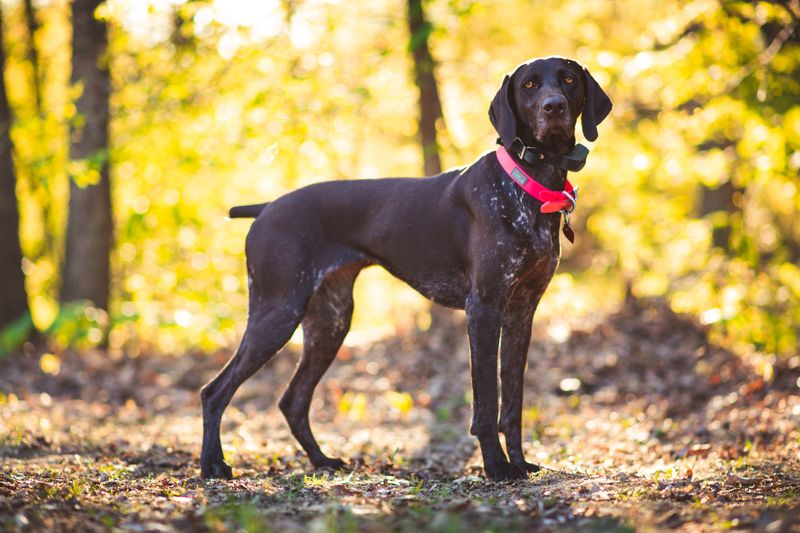
Open your calendar before opening the door for an energetic GSP. German Shorthaired Pointers were developed as versatile sporting dogs, with strong scenting and pointing skills.
Many enjoy water, although individual interest and confidence vary.
Their short coats offer less insulation than those of heavier coated retrievers. Be cautious around chilly Massachusetts ponds and windy shorelines.
Long walks alone may not satisfy them, so add scent work, recall practice, and structured exercise suited to age.
10. German Wirehaired Pointer: Scruffy and Versatile
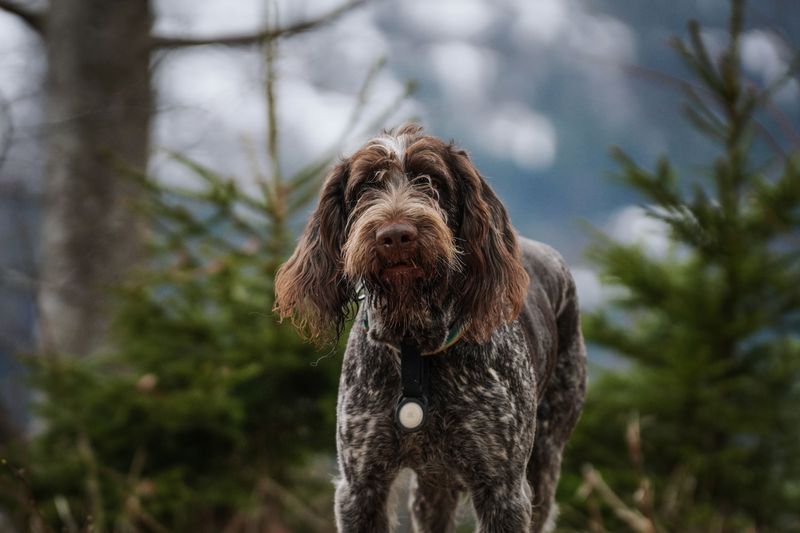
Whiskers give this versatile worker a wonderfully serious woodland expression. Developed for work across land and water, German Wirehaired Pointers combine stamina with a protective coat.
They tend to need purposeful activity rather than occasional leisurely strolls.
Early socialization helps build confidence around unfamiliar people, dogs, and settings. Teach reliable recall before considering freedom near wildlife.
Ask a knowledgeable groomer about maintaining the harsh coat, and check the beard for trapped debris after muddy outings.
11. Brittany: A Bright Choice for Brushy Trails
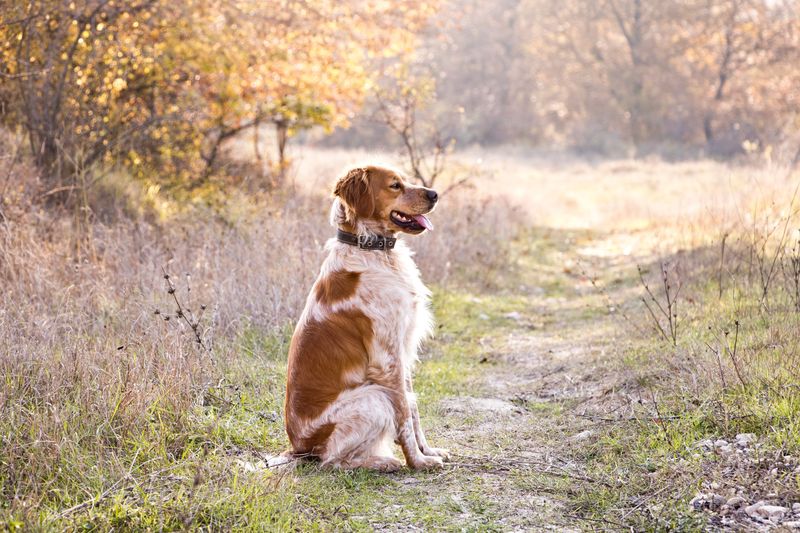
Quick feet and an eager nose make brushy trails especially interesting to a Brittany. Originating in France, this compact pointing breed often shines in upland work.
It generally fits woodland pursuits better than repeated cold water retrieves.
Gentle, consistent training works well with many sensitive individuals. Offer safe running opportunities, scent games, and regular practice returning when called.
Despite the smaller frame, expect substantial energy and choose a dog whose working drive matches your routine.
12. English Cocker Spaniel: Big Enthusiasm, Handy Size
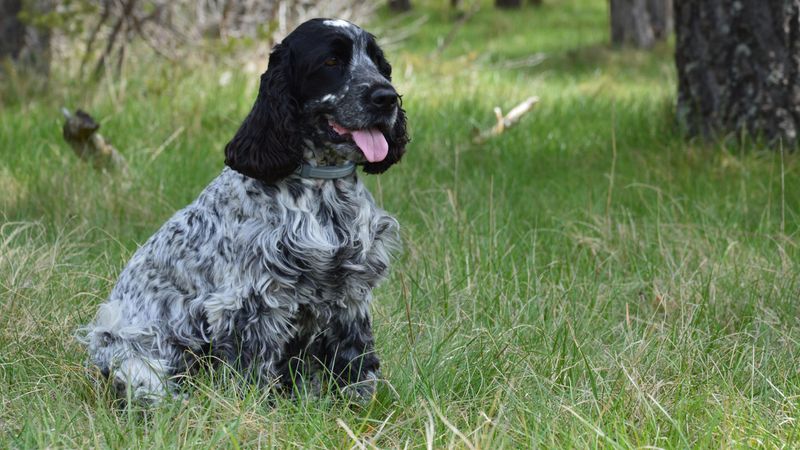
Low branches are no obstacle to a determined little Cocker nose. English Cocker Spaniels were developed to flush game, and working lines can be remarkably energetic.
Their handy size makes them appealing for narrower woodland paths.
Ask whether a breeder focuses on field work or shows, since exercise needs and coats differ. Practice calm handling, especially around ears and feet.
Comb out tangles promptly, and give this busy brain searching games rather than endless ball throwing.
13. Irish Setter: Red Coats Among Autumn Leaves
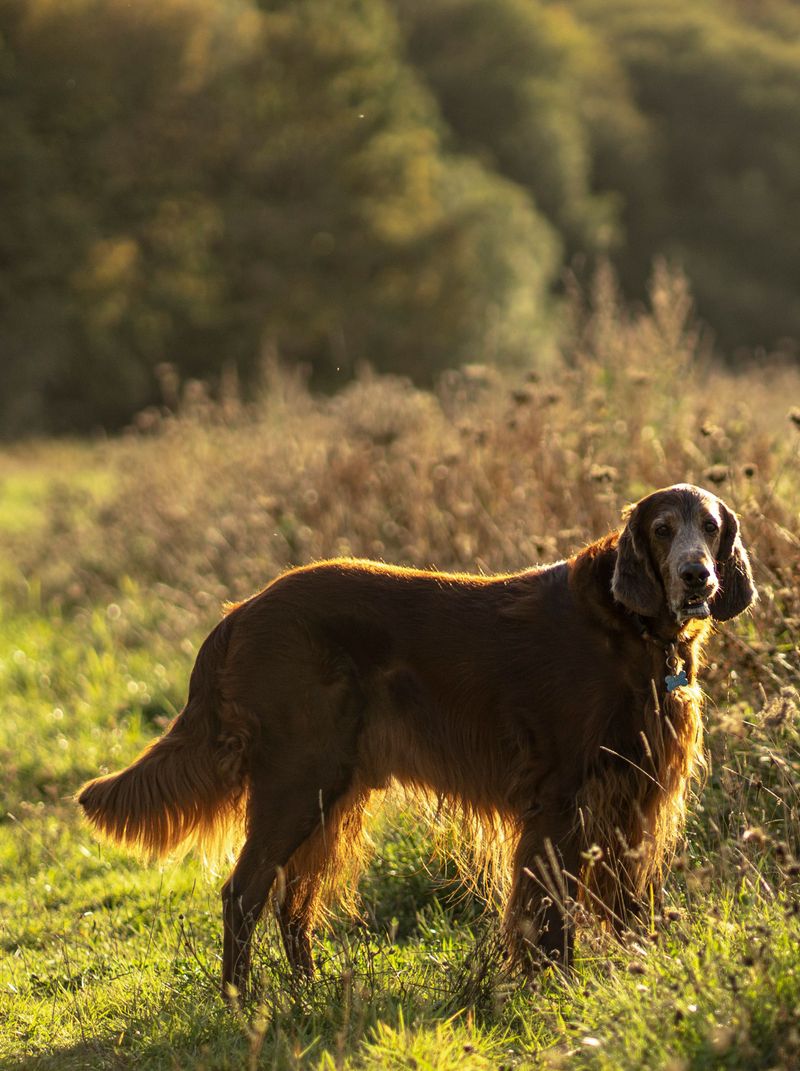
Red feathering against golden leaves creates quite a woodland entrance. Irish Setters bring speed, stamina, and a bird finding background to active households.
Their cheerful style can hide just how much daily activity they require.
Plan generous exercise alongside patient lessons in recall and settling. Broad woodland routes may suit them better than cramped, tangled cover.
Brush feathering after outings, and remember that a beautiful coat does not provide unlimited protection during chilly pond swims.
14. Wirehaired Pointing Griffon: Bearded Trail Company
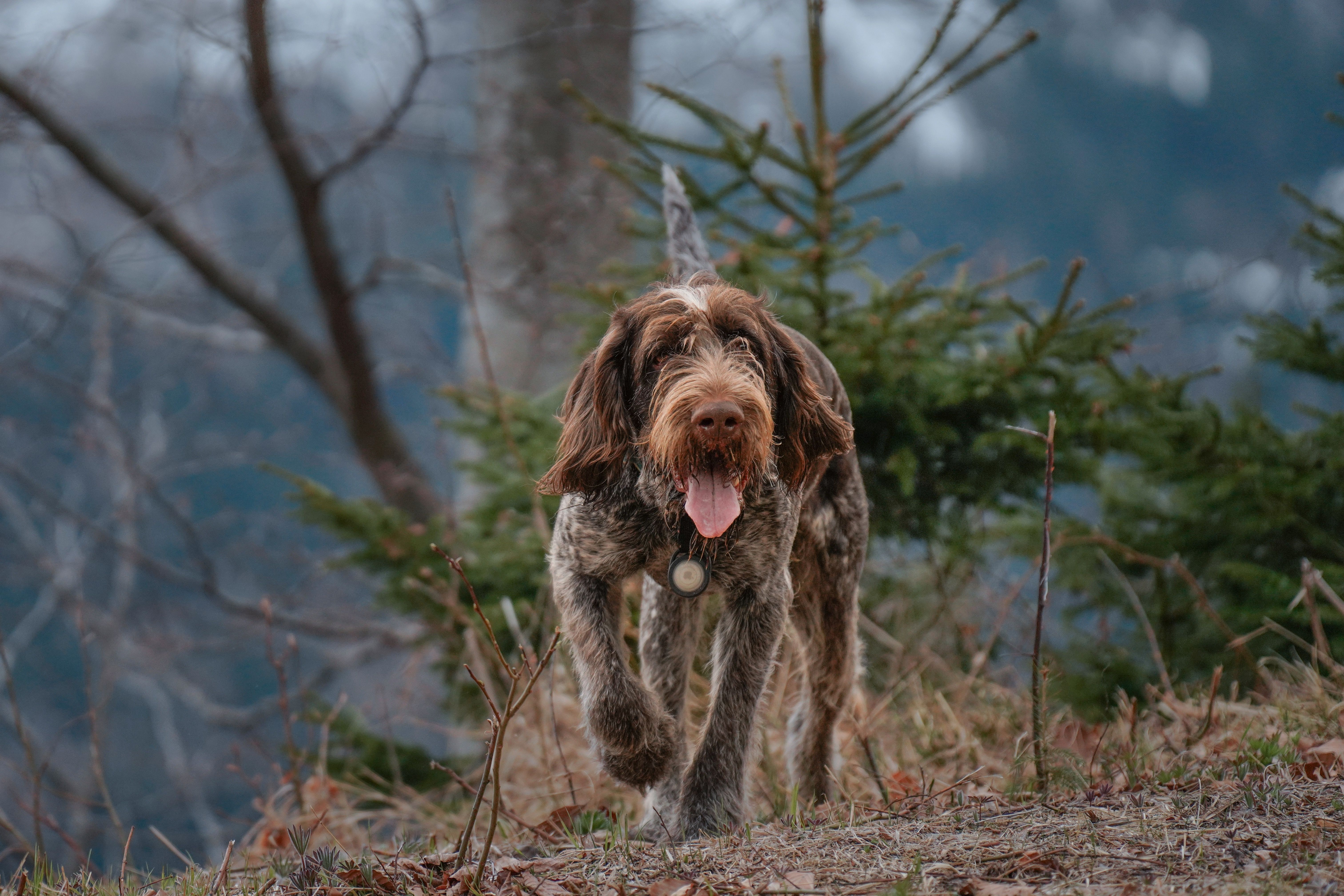
That shaggy beard looks ready to collect half the shoreline. Wirehaired Pointing Griffons were developed as versatile gun dogs for land and water.
Many work closely with their people, which appeals to owners wanting regular teamwork.
Their wiry coats still need care, including appropriate brushing and occasional hand stripping when recommended. Introduce swimming gradually rather than assuming natural confidence.
Daily scent games, field practice, and relaxed household time help meet both physical and social needs.
15. English Setter: A Graceful Woodland Finish
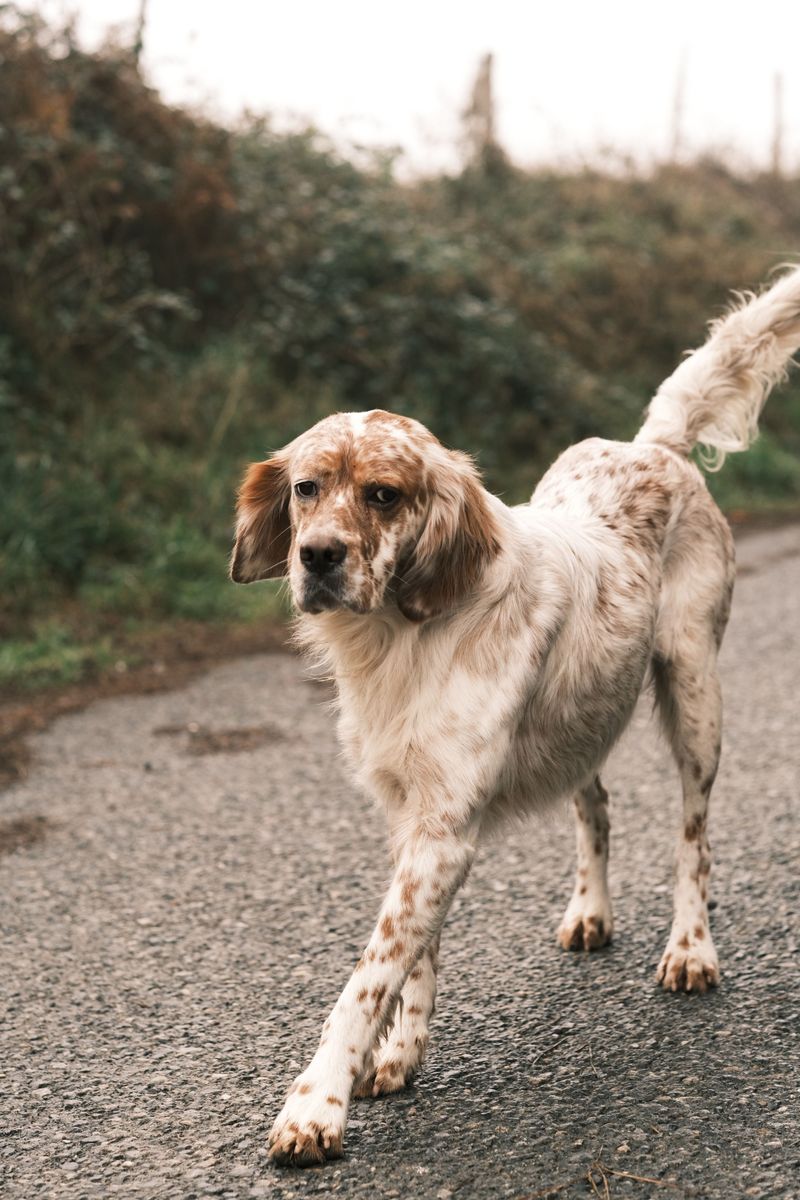
Speckled coats bring a little woodland confetti to the final stretch. English Setters are pointing dogs with a long upland sporting history.
Field bred individuals may range widely, making careful recall training especially valuable.
Choose woodland exploring over demanding cold water work unless the individual proves suited. Comb feathering, check paws, and follow posted leash rules wherever you walk.
Match the dog’s energy to your daily life, then grab the leash and enjoy Massachusetts together.