Local Dog Registration Is Worth Rechecking After An Ohio Move

Moving to a new home in Ohio brings a long list of tasks. Your dog’s license might not be at the top, but it deserves a spot.
Ohio handles dog licenses at the county level, so a move can change the rules you follow. Here is a friendly guide to help you check everything and keep your pup properly registered.
1. Your County Auditor Runs the Show

Picture Ohio as 88 separate licensing offices instead of one big system. Dog licenses here are issued by county auditors, not by the state.
So when you cross a county line, the office in charge of your dog changes too. Your new auditor sets the local process and fee schedule.
A quick search for your new county auditor’s website is the best first step. Most list dog licensing details right on the homepage menu.
2. Fresh Address, Fresh Records

Even a short move across town can leave old details behind. Your dog’s licensing record should always show where you live now.
Animal control officers use that record to find you. An outdated address sends them to the wrong door.
Call or email the auditor’s office soon after you unpack. Many counties let you update contact details online in a few minutes.
Add your current phone number while you are at it.
3. Two Offices May Need a Heads-Up

Moving between Ohio counties often means talking to two auditor offices, not just one. Your new county needs to know your dog lives there now.
Your old county may want an update as well. Rules vary by county, so ask each office what they expect.
Telling both sides keeps records tidy. It also prevents mix-ups, like renewal notices going to your former home.
4. Your Current License Usually Still Counts

Good news first: an existing Ohio dog license is generally honored until it expires. You usually do not need to buy a new one right away.
Still, counties handle transfers a little differently. Some may ask you to register the dog locally within a set time.
A short call to your new auditor clears this up. Ask whether they accept your current license and if any paperwork is needed.
5. Renewal Time Means a New Home Office

Mark your calendar now, and future you will be grateful. Annual and three-year licenses generally must be renewed through your new county when they expire.
That means new forms, new fees, and maybe a new website. The renewal follows your current county’s rules, not your old one’s.
Look up the process before the expiration date arrives. Knowing the steps ahead of time makes renewal quick and painless.
6. Permanent Licenses Need a Quick Check

A permanent license sounds like a set-it-and-forget-it deal. After a move, though, it deserves a little attention.
Permanent records usually live with the county that issued them. Your new county may transfer the record, issue a new tag, or charge a small fee.
Each office handles this its own way. Contact your new auditor and ask exactly how your dog’s permanent status carries over.
7. Arriving From Another State

Welcome to Ohio! If your dog came along from another state, the clock starts soon after you settle in.
Ohio generally expects dogs moving into the state to be registered within 30 days. Your old state’s license does not carry over here.
Plan to register with your county auditor early. Gather rabies records and your dog’s basic details first.
Then the visit or online form goes smoothly.
8. Puppies Grow Into Paperwork

Those tiny paws grow fast, and so does the paperwork. Ohio generally requires registration for dogs older than three months.
If you moved with a young puppy, note when that birthday arrives. It is easy to miss during the busy weeks after a move.
Set a phone reminder for the three-month mark. Getting the license early keeps your new family member covered from the start.
9. Winter Is Licensing Season

Holiday lights go up, and so do license reminders. In Ohio, annual registration normally runs from December 1 through January 31.
That window is when most owners renew for the coming year. Some counties extend the deadline, so local details matter.
After moving, confirm the exact dates with your new auditor. A sticky note on the fridge in late November can save you a headache.
10. Prices Change Across County Lines

Here is a surprise for many movers: the same dog can cost a different amount to license next door. Fees vary between Ohio counties.
Your old price may not match your new one. Each county sets its own schedule within state rules.
Check the fee list on your new auditor’s website before you pay. That way the total at checkout will not catch you off guard.
11. Spay and Neuter Status Can Matter

Some counties reward owners whose dogs are spayed or neutered. In those places, unaltered dogs may cost more to license.
Exceptions sometimes apply. Examples can include young puppies or dogs with a medical reason from a vet.
Policies differ, so read your new county’s rules closely. Keep your vet’s spay or neuter paperwork handy.
You might need it to qualify for the lower rate.
12. Pick the License Length That Fits

Think about your dog’s age and your plans before choosing. Many Ohio counties offer annual, three-year, and permanent licenses.
A yearly license costs less upfront. Longer options can mean fewer renewals and less to remember.
Availability and prices differ by county. Compare what your new auditor offers, then choose what suits your budget.
A young dog may benefit most from a longer option.
13. Online, by Mail, or Face to Face

Some people love clicking through forms at midnight. Others prefer chatting with a friendly clerk.
Ohio counties offer different ways to register. Options may include online forms, mail, the auditor’s office, shelters, or partner stores.
Payment methods vary too. Some places take cards with a small fee, while others prefer checks.
Look up your new county’s choices before heading out.
14. Tags Deserve a Second Look

Tags take a beating during moves, from packing chaos to new backyard adventures. Check that yours is still on the collar and readable.
Ask your new county whether your current tag stays valid. Some counties issue a new tag after a transfer.
If a tag goes missing, auditors usually sell replacements for a small fee. Replace it quickly so your dog is never without identification.
15. Extra Steps for Designated Dogs

Owners of dogs legally designated as dangerous or vicious have more to handle. Ohio sets additional registration rules for these dogs.
After a move, the timeline is short. Owners must notify both the old and new county auditors within 10 days.
Other requirements may apply, such as special registration certificates. Contact your county auditor or animal control directly.
They can confirm every step for your situation.
16. Counting Dogs in a New Town

A house full of wagging tails is a joyful thing. Your new city or township, however, might have its own ideas about how many.
Some Ohio municipalities set limits on dogs per household. Others may require an extra local permit.
These rules are local, not statewide. Check with your city hall or township office before assuming your full crew is fine.
17. Kennel Owners Have Their Own Rules

Running a kennel is a bigger operation than owning a family pet. Ohio treats qualifying kennels separately from regular dog licenses.
Kennel registration has its own forms, fees, and renewal timing. Requirements can vary from county to county.
If you breed or keep dogs for sale, contact your new auditor early. Ask what qualifies as a kennel and what local paperwork applies.
18. Rabies Shots and Local Dog Laws
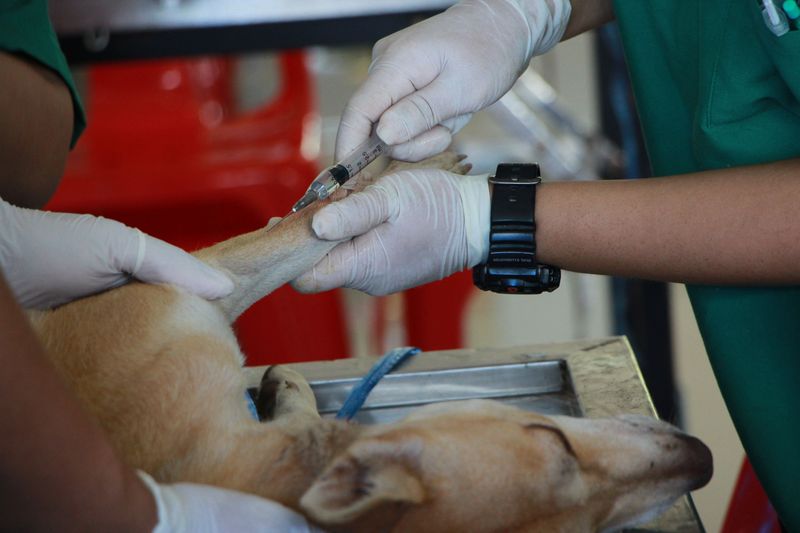
Licensing is only one piece of the puzzle. Rabies vaccination rules and dog-control ordinances can differ by jurisdiction.
Your new town may have its own leash laws or nuisance rules. Local health departments often oversee rabies requirements.
Visit a local vet to confirm your dog’s shots are current. Then read your city’s dog ordinances.
You will settle in feeling confident and well prepared.