14 Working Dog Breeds For Louisiana Horse Properties And Rural Acreage
A loose horse, an open gate, and a steamy Louisiana morning can turn ordinary chores into quite a workout. A capable farm dog can help, but the right match depends on your animals, fencing, and daily routine.
Some dogs thrive on moving livestock, while others prefer watching over the pasture. Knowing that difference can save you plenty of muddy boot miles and help your next farm partner settle into the right job.
1. Australian Cattle Dog: A Compact Chore Partner
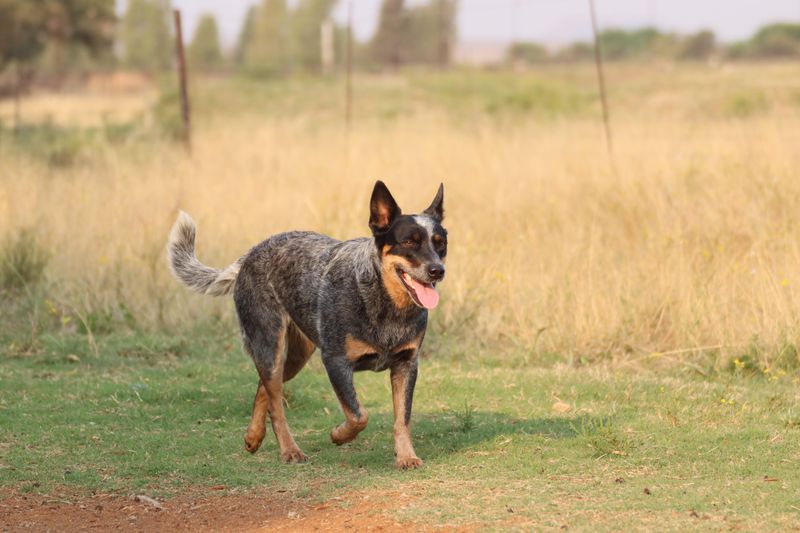
Before breakfast, a busy heelers’ brain may already be planning the next chore. Bred to move cattle, Australian Cattle Dogs bring stamina, sharp thinking, and strong opinions.
Keep early horse introductions behind secure fencing, since heel nipping can trigger a dangerous kick. Reward calm watching instead of chasing.
Schedule training before Louisiana afternoons grow hot. Provide shade, fresh water, and daily puzzle work.
Acreage alone will not keep this clever worker happy or reliably occupied outdoors.
2. Australian Shepherd: The Busy Barnside Learner
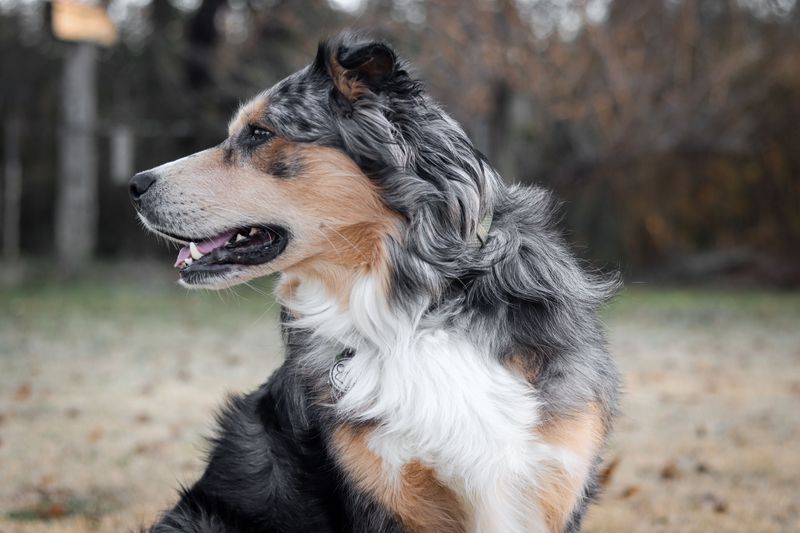
Give a bright ranch dog a routine, and barn chores become a favorite classroom. Australian Shepherds developed as American stock dogs despite their name.
Many enjoy herding, obedience, and learning useful cues like wait and leave it. Practice those skills away from horses first.
Brush the double coat regularly, especially during shedding season. Never shave it simply for summer comfort.
Choose cooler exercise hours, and teach quiet settling while you clean tack or check fences nearby.
3. Border Collie: Precision With Plenty of Homework
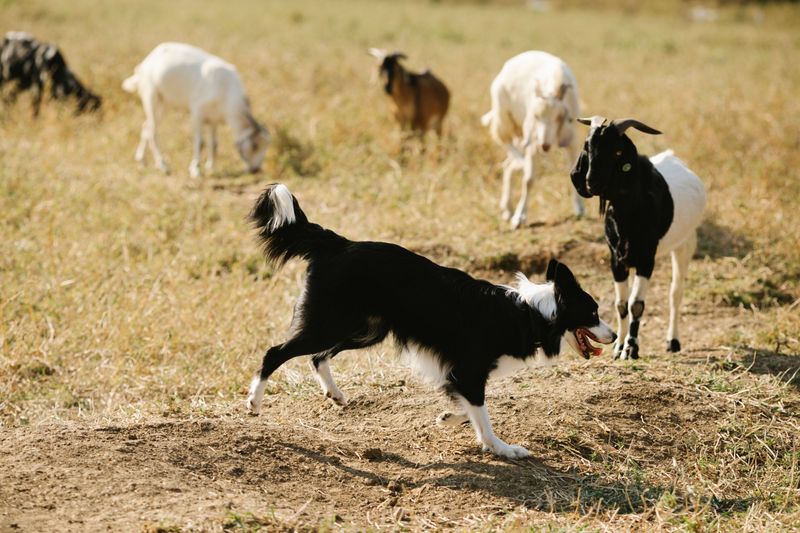
A steady stare can say plenty when livestock starts moving. Border Collies are famous for focused herding and quick learning, especially around sheep.
Horse work requires careful guidance, not an invitation to circle every moving animal. Start with recall, distance control, and a dependable stop.
Ask a skilled stock dog trainer to assess your dog’s instincts. Between lessons, offer scent games and quiet rest.
Constant ball throwing builds fitness without necessarily teaching the calm your barn needs.
4. Catahoula Leopard Dog: Louisiana’s Homegrown Worker
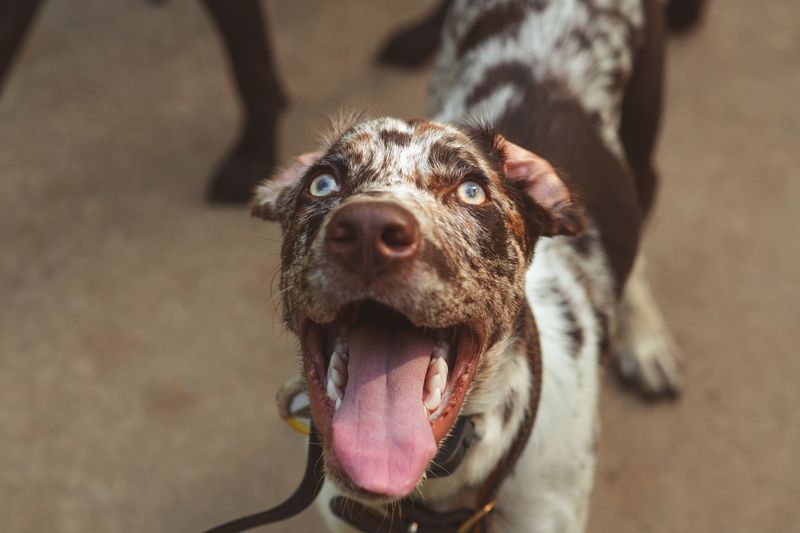
Louisiana has its own state dog, and this capable worker wears that connection proudly. Catahoulas have a long history of handling livestock and hunting.
Their independence suits experienced owners who enjoy patient, consistent training. A colorful coat never tells you whether an individual suits horses.
Arrange controlled introductions and prevent roaming with sturdy fencing. Ask your veterinarian about hearing testing, particularly when choosing puppies.
During muddy months, inspect feet after chores and keep sleeping areas dry daily.
5. Australian Kelpie: Energy With a Useful Outlet
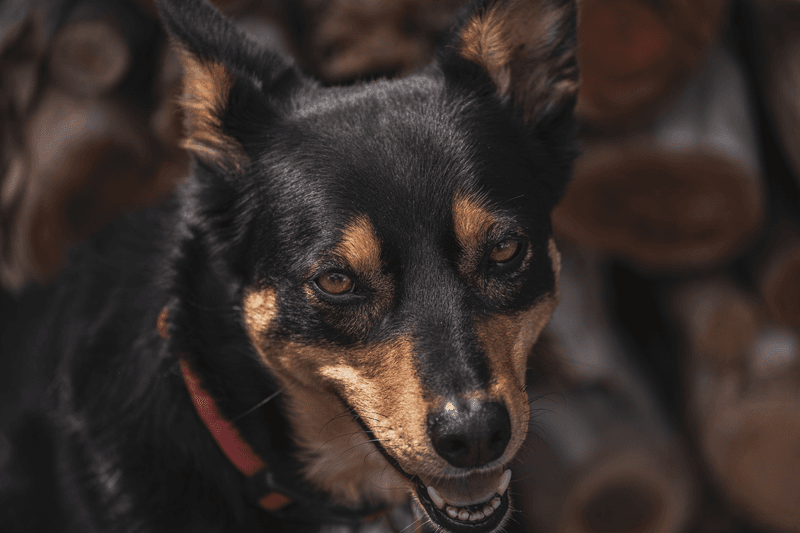
Long legs and bright eyes suggest a dog ready for another assignment. Australian Kelpies were developed for demanding stock work across large Australian properties.
They often need more structured activity than a casual walk provides. Herding lessons, obedience practice, and scent searches can channel that drive.
Do not mistake a short coat for protection against Louisiana heat. Plan breaks before your dog looks tired.
Around horses, teach generous space and reward checking back with you during chores.
6. Belgian Malinois: A Specialist for Experienced Hands
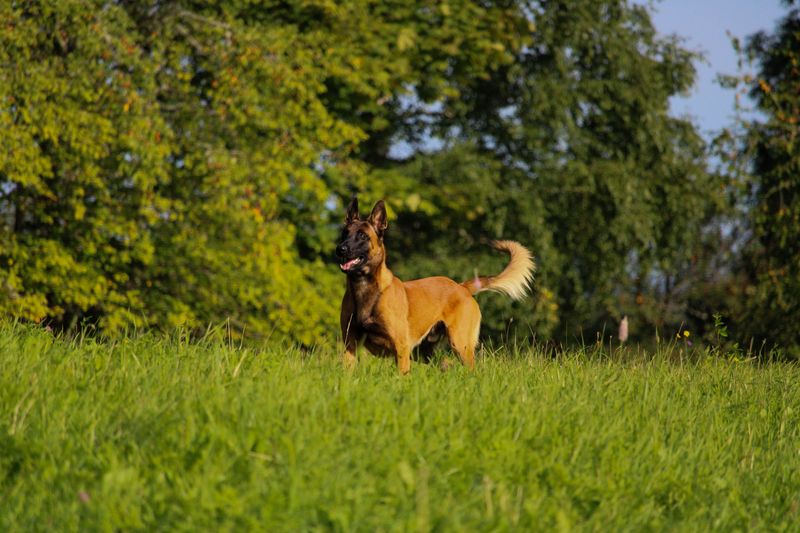
Fast learning sounds wonderful until your dog learns unwanted habits equally quickly. Belgian Malinois need thoughtful handling, clear routines, and substantial mental work.
Although their roots include herding, many modern lines serve demanding professional roles. They are rarely an easy first farm dog.
Choose an individual carefully with qualified guidance. Teach relaxed behavior near stalls before adding distractions.
Secure storage matters too, since curious mouths may investigate equipment. Louisiana summers call for shorter sessions and frequent cooling breaks.
7. German Shepherd: Structure Before Responsibility
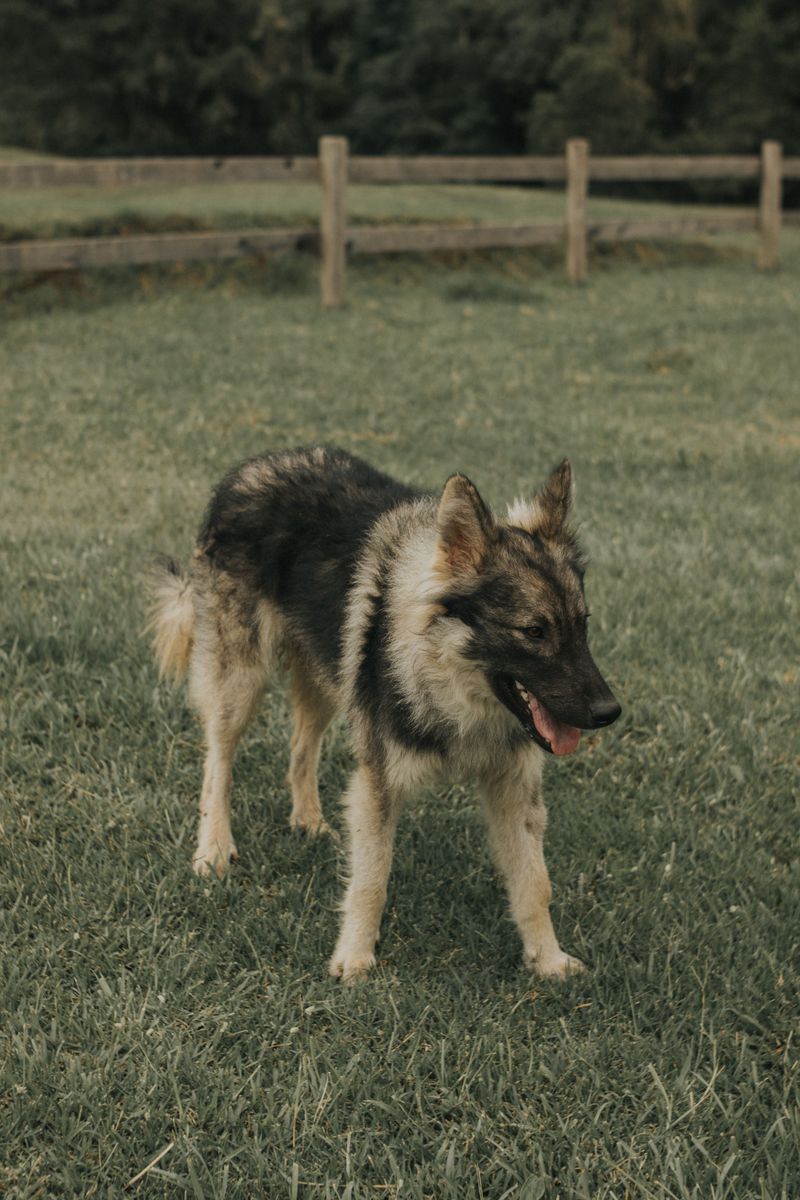
Walking the fence line feels more organized with an attentive partner nearby. German Shepherds can learn many property routines, from recall to waiting outside gates.
Good breeding, sound joints, and a steady temperament matter more than impressive size. Ask about recommended health screening before choosing a puppy.
Introduce visitors and horses through planned, positive experiences. Avoid encouraging suspicion as a shortcut to property security.
Brush regularly, provide cool resting space, and build exercise gradually alongside your veterinarian.
8. Great Pyrenees: A Patient Pasture Watcher
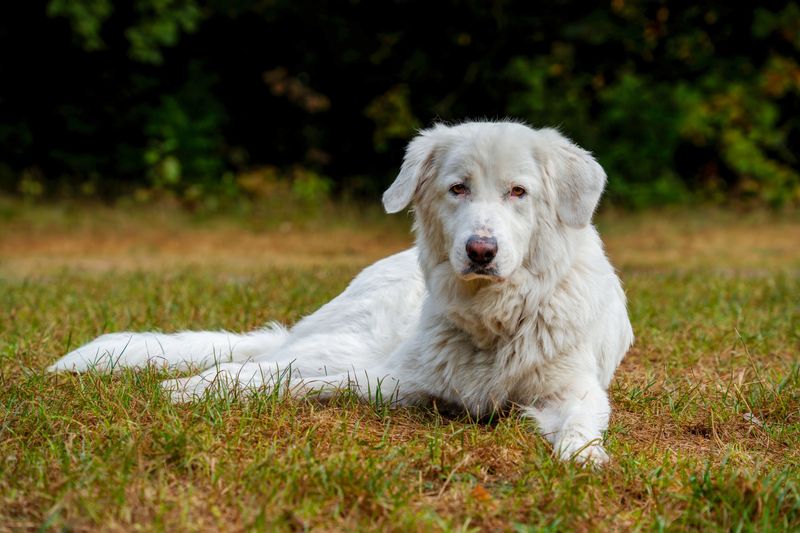
A white shape resting near the flock may still be watching everything. Great Pyrenees were developed to guard livestock, rather than move them.
That distinction matters on horse properties with sheep or goats. Young dogs need careful mentoring before receiving unsupervised livestock access.
Expect barking, independent decisions, and serious fencing needs. Their thick coats demand extra summer planning in Louisiana.
Offer deep shade, plentiful water, and cool indoor access when needed. Never assume guardian instincts replace training.
9. Anatolian Shepherd: Independence Behind Good Fences
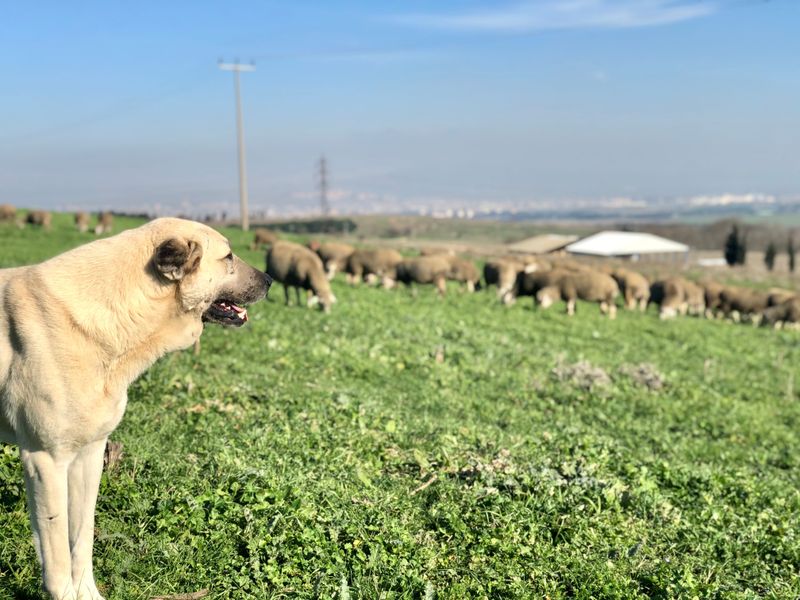
Quiet confidence is often more noticeable than constant motion with this guardian. Anatolian Shepherds come from a long tradition of protecting livestock in Turkey.
They tend to make decisions independently, which can challenge owners expecting instant obedience. Early socialization should include routine visitors and veterinary handling.
Use secure boundaries and separate delivery areas. Size alone does not guarantee safe horse manners.
Supervise introductions, monitor summer comfort, and choose livestock guardian guidance suited to your property’s actual animals.
10. Maremma Sheepdog: A Guardian With Close Ties
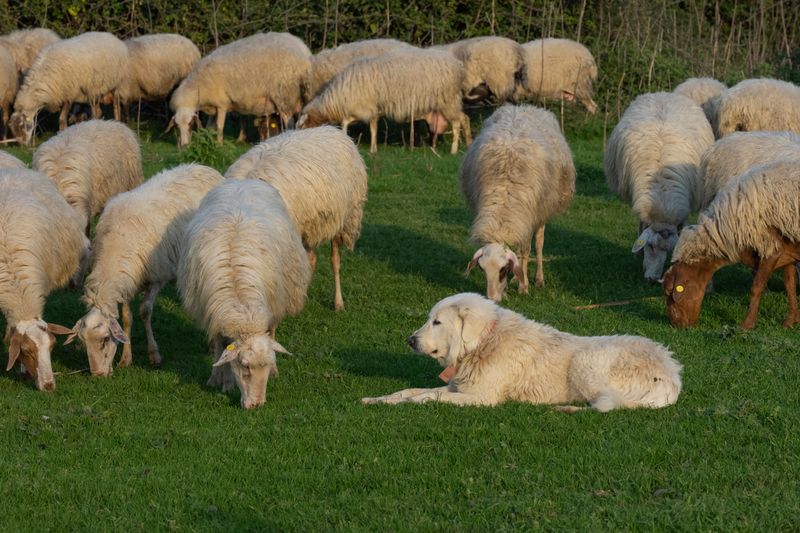
Staying close to livestock can be a job all its own. Maremma Sheepdogs developed in Italy as flock guardians, building strong attachments to their animals.
On mixed acreage, they may suit sheep or goats better than general barn errands. Select dogs from thoughtfully managed working backgrounds.
Puppies still require supervision, patient teaching, and protection from rough livestock encounters. Louisiana humidity makes shade and coat care essential.
Check skin beneath dense fur, and maintain clean, well ventilated resting areas.
11. Black Mouth Cur: A Southern All-Rounder
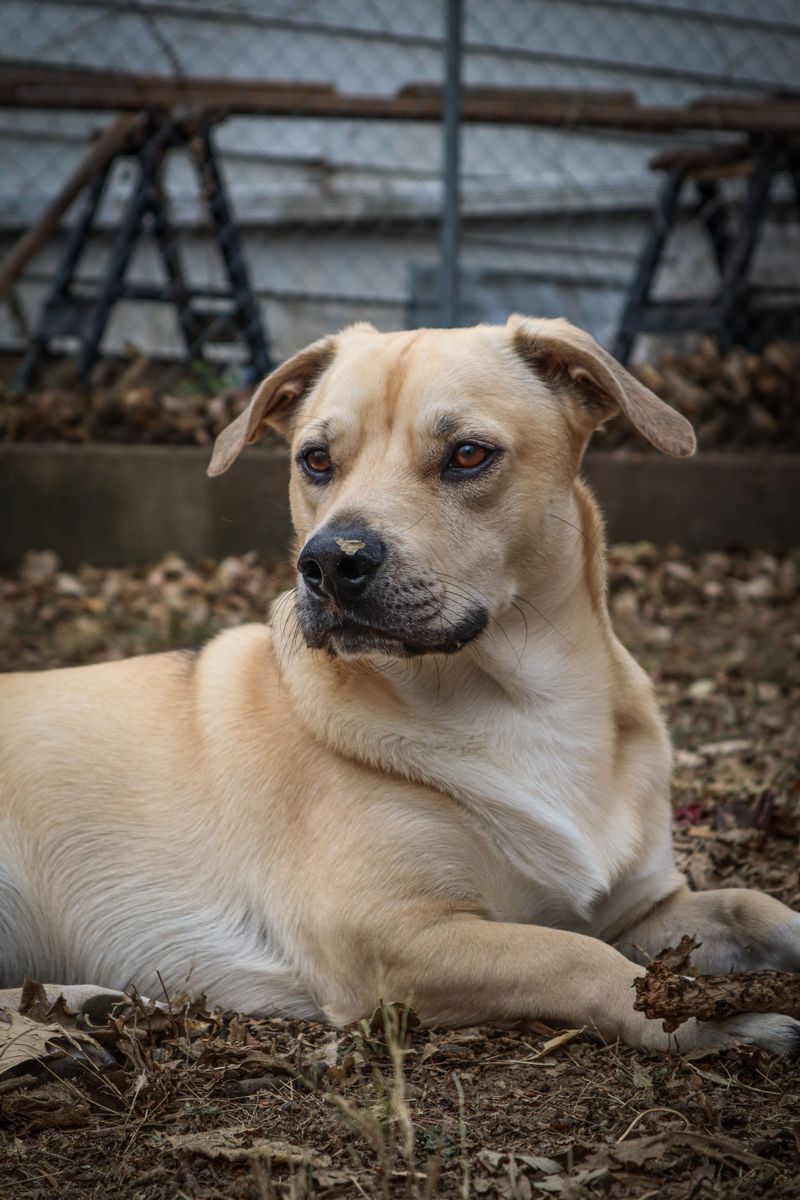
Southern farm life helped shape a versatile dog with plenty of grit. Black Mouth Curs have worked as hunting dogs, stock dogs, and property companions.
Abilities vary between families, so ask what the parents actually do. Hunting interest can complicate life around poultry or smaller animals.
Practice recall inside fencing before offering more freedom. Reward calm horse watching and stop chasing early.
Their short coats simplify brushing, but ticks still deserve attention after trips through tall grass.
12. Dutch Shepherd: Brains That Need Direction
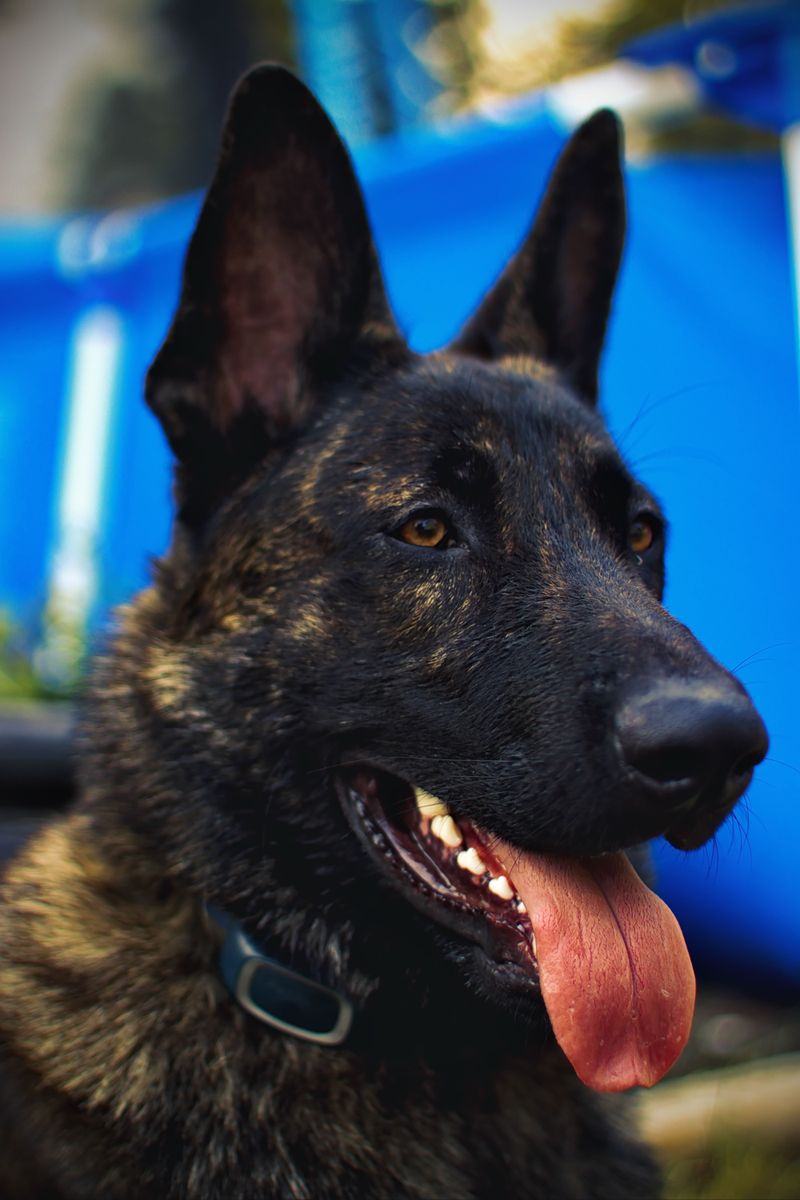
Brindle stripes might catch your eye, but working drive deserves closer attention. Dutch Shepherds began as versatile farm dogs in the Netherlands.
Modern breeding lines vary, with some producing intense dogs for demanding work. Discuss temperament and daily needs honestly with breeders or rescue staff.
Build reliable gate manners before allowing barn access. Nose work and obedience offer useful outlets without involving horses.
During Louisiana summers, trade long midday workouts for brief morning lessons and shaded recovery time.
13. English Shepherd: The Traditional Farm Helper
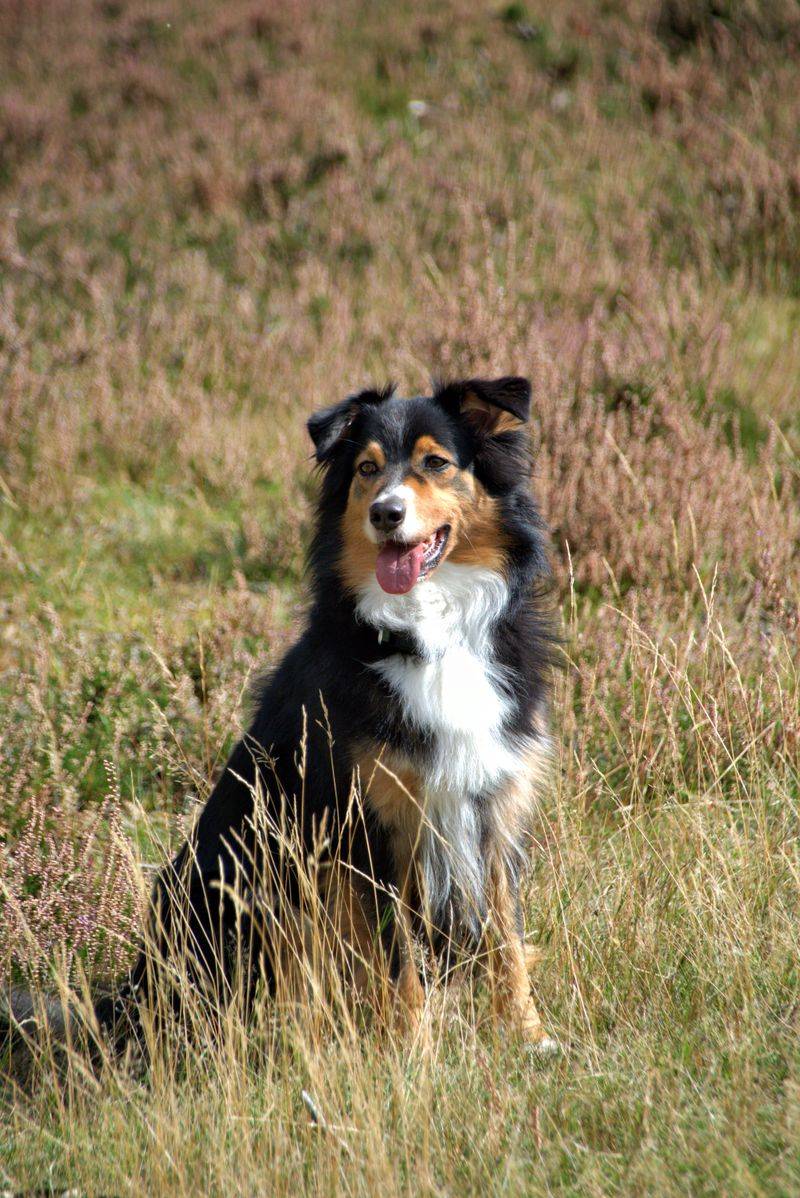
Some farm dogs seem happiest when everyone follows the daily schedule. English Shepherds developed as versatile American farm helpers, including herding and watching property.
Many enjoy staying involved with their people rather than working far away. Still, individual drive and habits vary considerably.
Teach waiting at gates, leaving feed alone, and resting during stall cleaning. Introduce each animal group separately.
Regular brushing helps manage their coats, while daily training gives that busy farm brain a clear assignment.
14. Rottweiler: Steady Strength With Careful Training
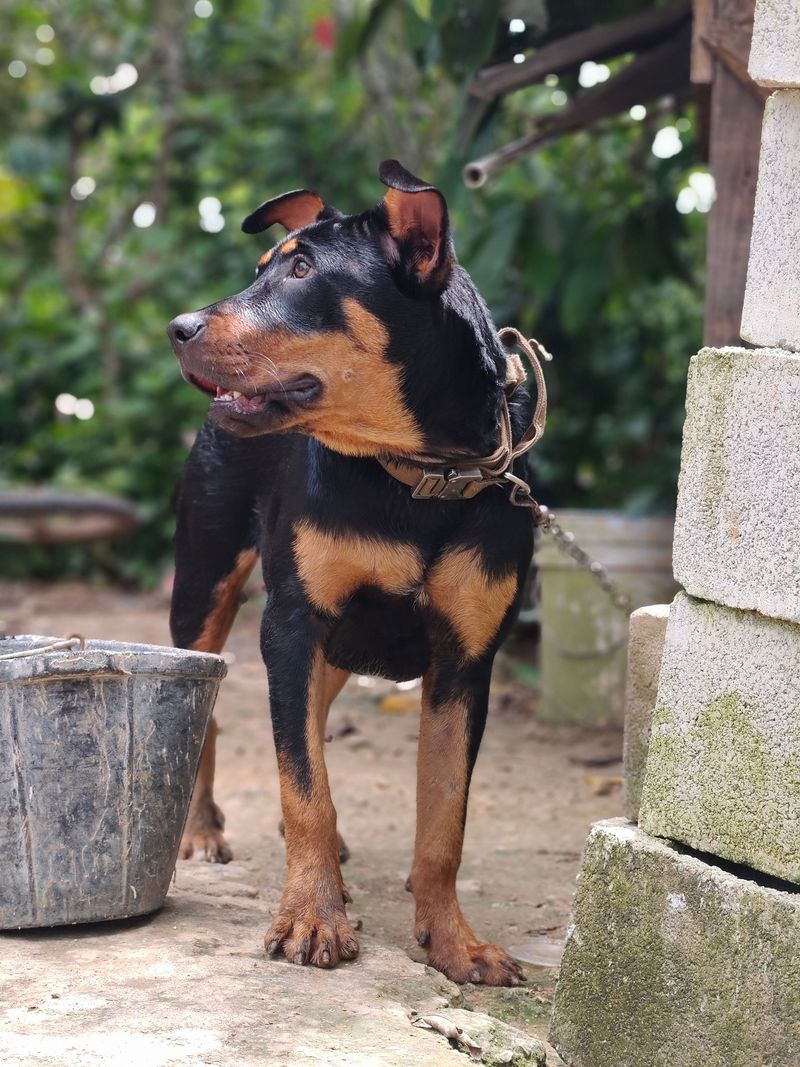
Solid strength works best when paired with patient teaching and good manners. Rottweilers have a history of driving cattle and pulling carts.
Today, suitable individuals can enjoy structured property routines with experienced owners. Prioritize health screening, positive socialization, and controlled introductions around horses.
Keep weight healthy and avoid strenuous activity in Louisiana heat. Ask your veterinarian about yearlong heartworm prevention for every farm dog.
Choose temperament over looks, clip on the leash, and make tomorrow’s chores shared work.