14 North Carolina Home Changes That Make Hot, Humid Months Easier For An Aging Dog
North Carolina summers can turn a favorite sunny room or backyard path into an uncomfortable spot for an older dog. If your companion moves slowly or needs more breaks, a few home updates can make daily routines easier.
Start with cooler resting places, steady footing, and shorter trips outside. Small changes can help your dog stay comfortable while giving you a clear plan for those sticky afternoons.
1. Create Cool Resting Spots Away From Direct Sunlight
Your dog’s favorite sunny corner may feel different once summer settles across North Carolina. Move a supportive bed against an interior wall, away from windows and warm appliances.
Keep another resting spot available so your dog can choose.
Check the area during afternoon hours, when indoor heat often builds. Air conditioning helps control both warmth and moisture.
Ask your veterinarian about comfort needs, especially if your dog has breathing trouble or heart disease already diagnosed.
2. Replace Heavy Rugs With Cooler, Non-Slip Flooring
Slippery floors can make a simple walk to the kitchen feel like hard work. Replace thick, loose rugs with thin, washable runners that stay firmly in place.
Choose textured surfaces rather than polished tile along your dog’s usual routes.
A cooler floor still needs dependable grip for aging joints. Secure edges so paws cannot catch underneath.
Test each change while supervising your dog, and keep familiar pathways clear of cords, baskets, and other household clutter.
3. Add a Cooling Mat to a Favorite Sleeping Area
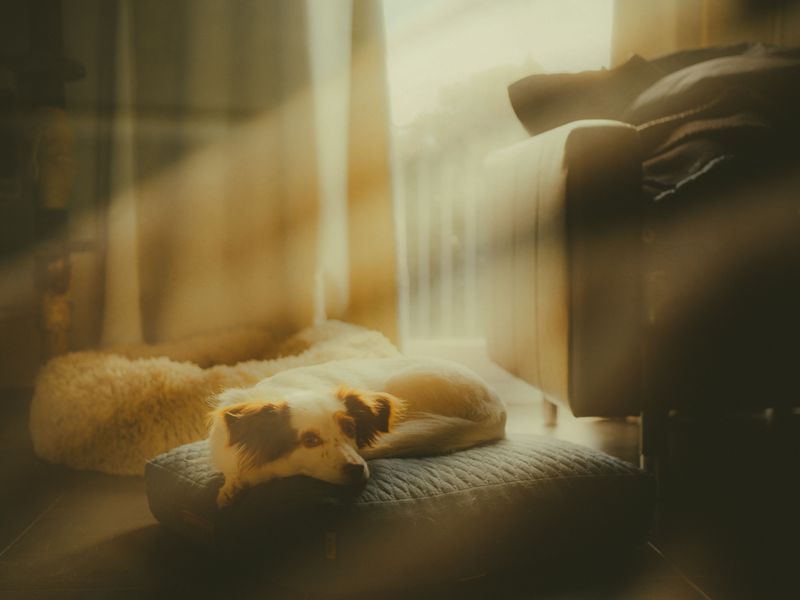
A cooling mat offers another place to stretch out after a brief outdoor trip. Put it beside your dog’s regular bed, allowing an easy choice between surfaces.
Select a pet product with clear care instructions and durable seams.
Supervise early use, especially if your companion chews bedding or scratches before settling. Remove damaged mats promptly and follow the manufacturer’s directions.
Cooling products support comfort, but they never replace air conditioning, drinking water, or veterinary care.
4. Improve Airflow With Ceiling and Portable Fans
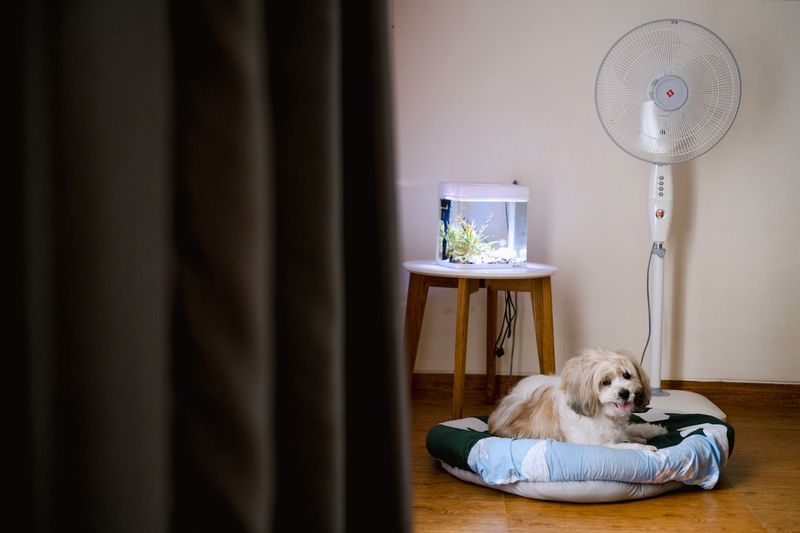
Stuffy corners can linger even when the rest of your house feels comfortable. Use ceiling fans or guarded portable fans to move indoor air more evenly.
Keep cords tucked away and place equipment where curious noses cannot reach blades.
Fans alone do not reliably protect dogs from overheating during humid weather. Maintain air conditioning and check the actual room temperature near your dog’s bed.
Clean dusty vents, and leave space around them for steady airflow.
5. Install Pet-Friendly Ramps Over High Doorway Steps
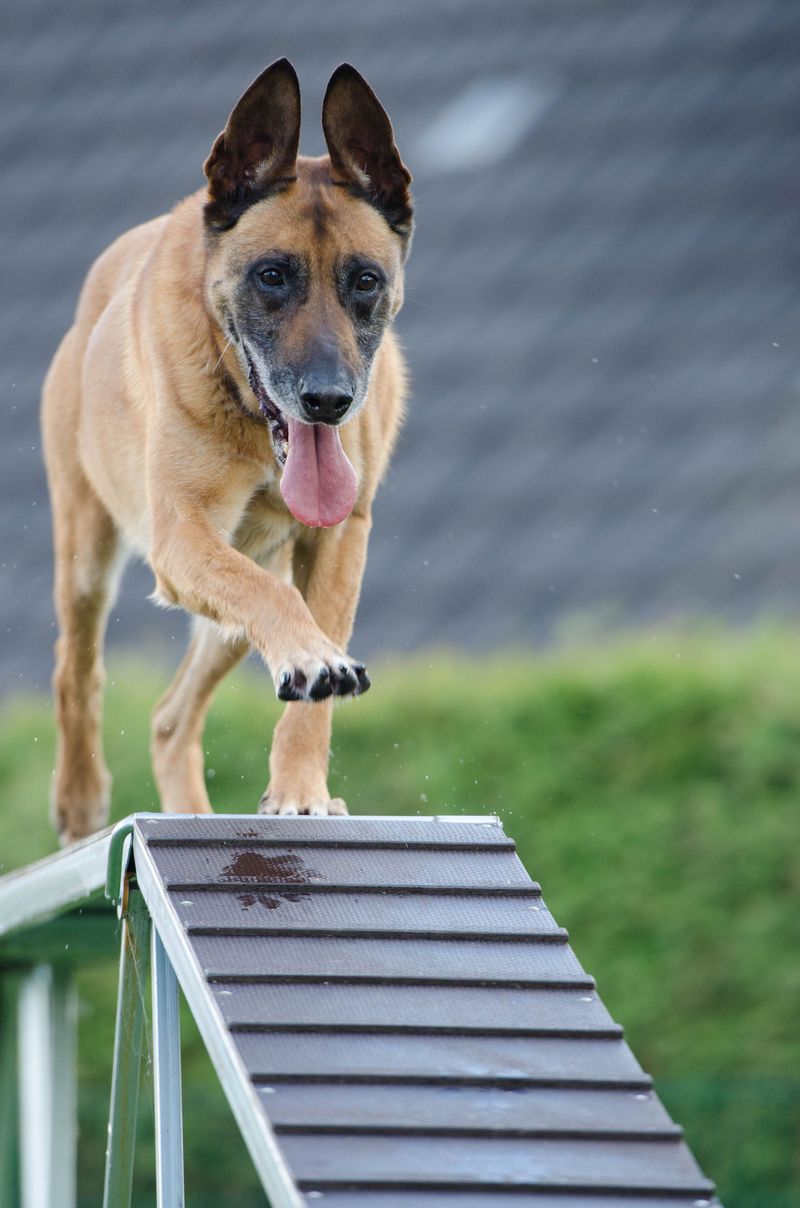
That single backdoor step can become a bigger challenge when joints feel stiff. A sturdy ramp can reduce awkward climbing during frequent summer potty trips.
Choose a gentle slope, secure attachment, and a surface that grips wet paws.
Allow practice indoors or during cooler hours, using encouragement instead of pulling. Add raised edges where appropriate and keep the landing clear.
Ask your veterinarian whether a ramp suits your dog’s balance, strength, and existing mobility problems.
6. Create a Shaded Potty Area Near the House
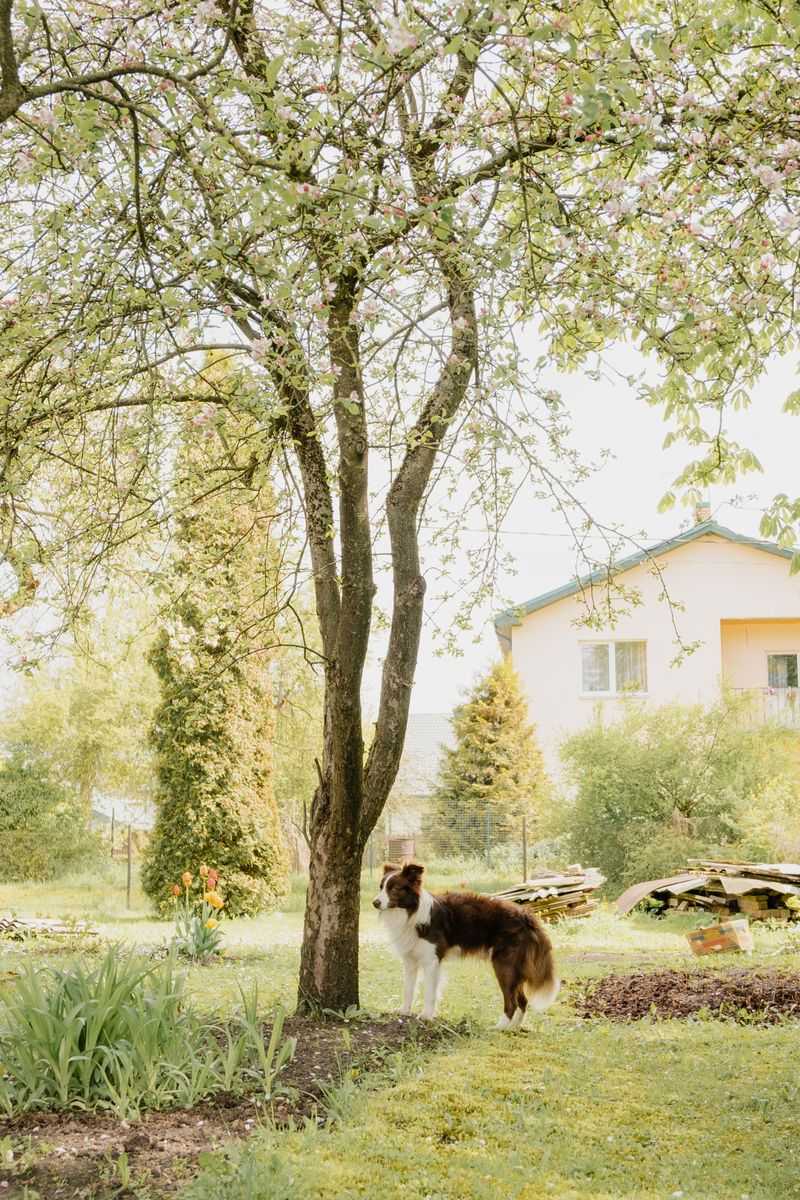
Shorter bathroom trips can make sticky afternoons much easier for an older companion. Set aside a nearby patch with shade and a simple, level approach.
Secure shade sails properly, and remember that tree shade shifts throughout the day.
Remove waste regularly and prevent standing water where mosquitoes can gather. Visit during cooler hours whenever possible, while honoring your dog’s bathroom needs.
Stay nearby, offer water afterward, and return indoors promptly rather than extending outdoor time.
7. Replace Hot Concrete With Cooler Outdoor Surfaces
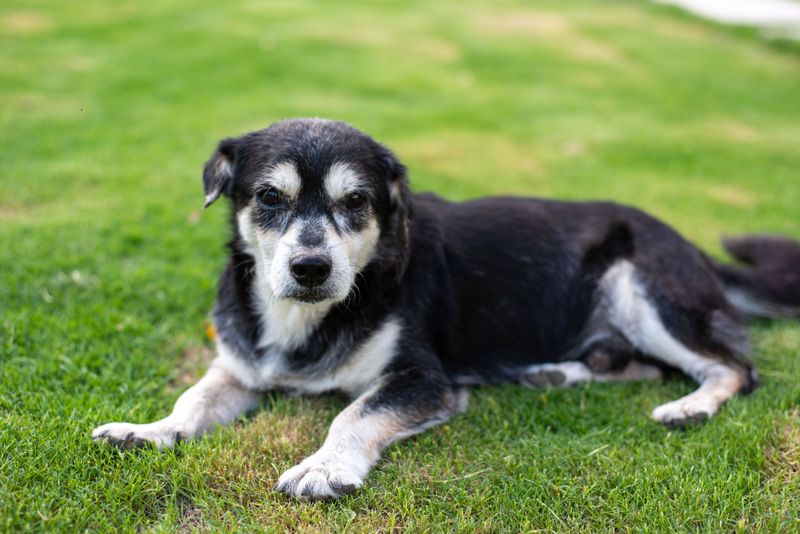
Sunlit concrete can become uncomfortable long before the air feels especially hot. Consider a shaded grass route or another surface that stays cooler under local conditions.
Avoid assuming artificial turf, rubber, or dark decking will remain comfortable in sunshine.
Check the actual surface before every outing, including paths beneath temporary shade. Keep replacement materials level, stable, and easy to clean.
Choose smooth transitions between surfaces so tired paws do not catch on unexpected raised edges.
8. Add a Screened Porch With Reliable Shade
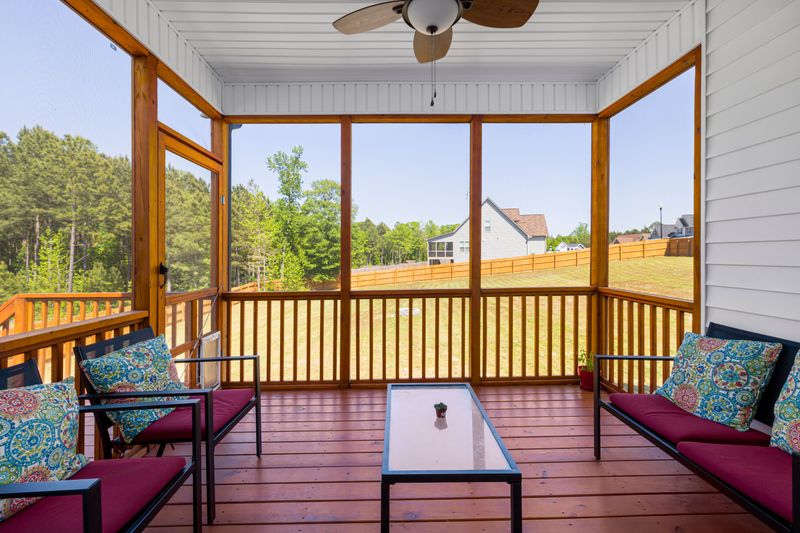
A porch can offer fresh surroundings without a long walk around the yard. Combine secure screening with dependable roof shade and protection from low afternoon sun.
Check local permit requirements before building, since rules vary by location and project.
Screens discourage insects but do not stop heat or every mosquito. Monitor porch conditions, supervise your dog, and maintain veterinarian recommended parasite prevention.
Leave an easy route indoors, because a shaded porch can still become uncomfortable.
9. Improve Window Coverings to Block Afternoon Heat
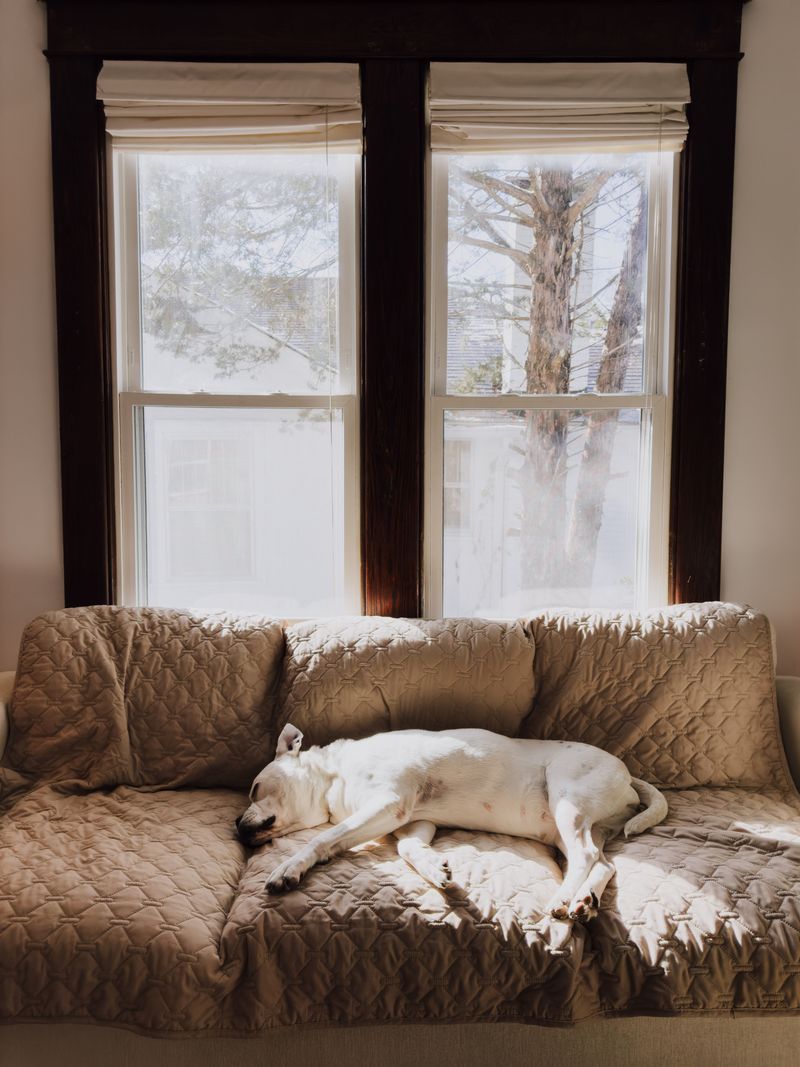
West-facing windows often warm a room just when your dog wants an afternoon nap. Close suitable shades before strong sunshine reaches the glass, rather than waiting for discomfort.
Cellular shades or lined curtains can help reduce incoming heat.
Choose cordless coverings, or secure cords completely beyond your dog’s reach. Keep fabric away from floor vents and walking routes.
Compare temperatures near the bed before and after changes to learn whether your setup makes a difference.
10. Move Food and Water Stations Away From Warm Areas
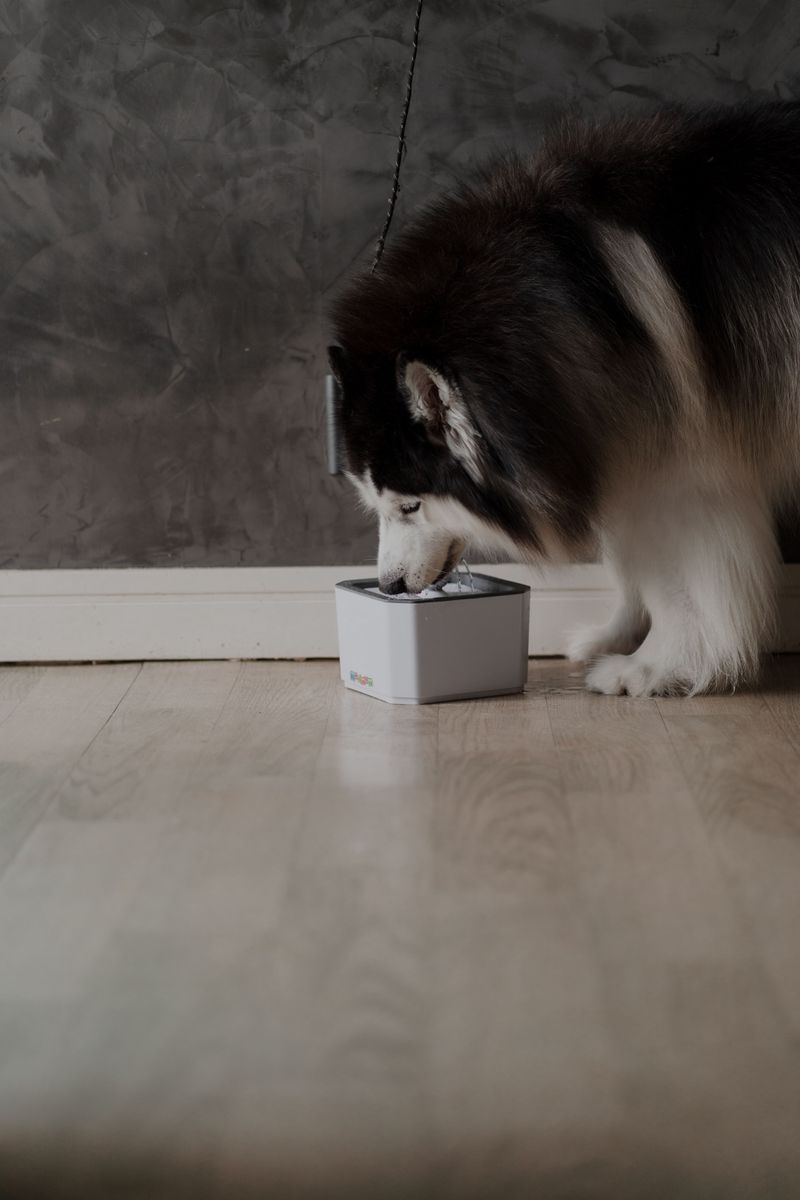
Warm kitchen corners are not ideal places for your dog’s daily drinking station. Move bowls away from ovens, sunny windows, and appliances that release heat.
Provide additional water near resting areas without blocking your companion’s usual walking paths.
Wash bowls daily and refill with fresh water whenever needed. Use a stable base that prevents sliding without creating a tripping edge.
Ask your veterinarian before changing bowl height, especially if swallowing or neck movement seems uncomfortable.
11. Install a Walk-In Shower or Easier Bathing Area
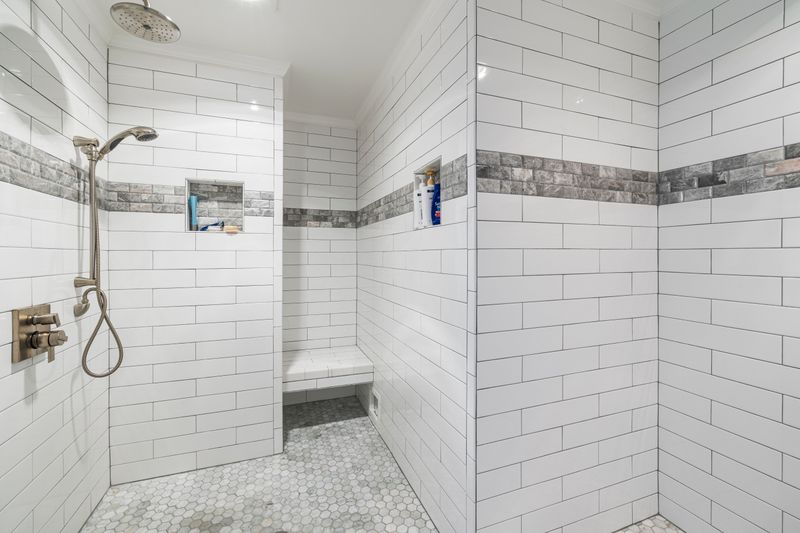
Climbing over a bathtub wall can turn a routine rinse into a struggle. A low entry shower offers easier access for dogs with limited movement.
Add secure footing, a handheld sprayer, and towels within reach before bringing your companion inside.
Use lukewarm water for routine baths and follow veterinary advice about skin care. Dry your dog carefully, including skin folds when present.
Never leave your companion unattended, and avoid lifting without help or proper guidance.
12. Add a Pet Gate to Limit Access to Hot Rooms
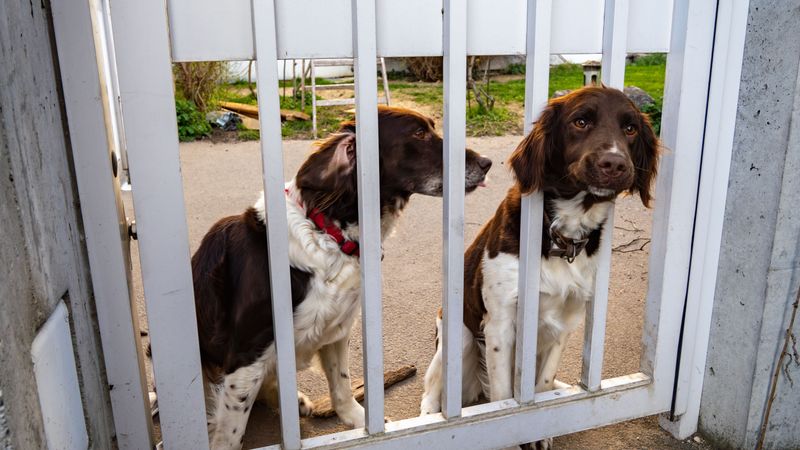
Some dogs still choose the sunroom, even when it feels warmer than nearby spaces. A properly fitted gate can guide your companion toward cooler rooms without constant reminders.
Select sturdy hardware and openings that cannot trap paws or heads.
Keep water, bedding, and family company on the comfortable side of the barrier. Avoid gates your dog might jump, climb, or push over.
For stairways, use equipment specifically designed and installed for that location’s safety needs.
13. Upgrade Laundry and Utility Room Ventilation
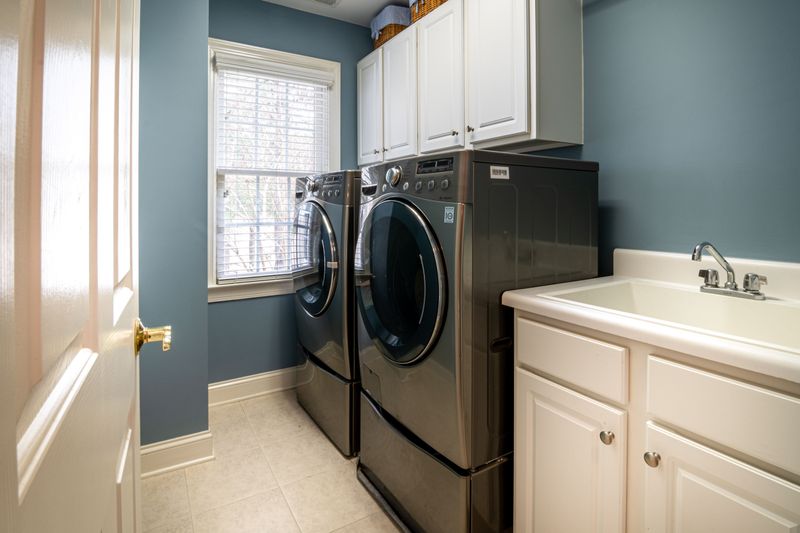
Dryers and other equipment can leave small utility rooms surprisingly warm and damp. Move your dog’s bed elsewhere if laundry days make the space stuffy.
Have dryer exhaust problems checked, and keep vents clear according to appliance instructions.
A humidity monitor can help reveal moisture that deserves attention. Consider professional advice about ventilation or dehumidification rather than opening windows during muggy weather.
Store cleaning products securely, and keep appliance doors closed whenever your dog has access.
14. Create an Easy-to-Reach Indoor Potty Option
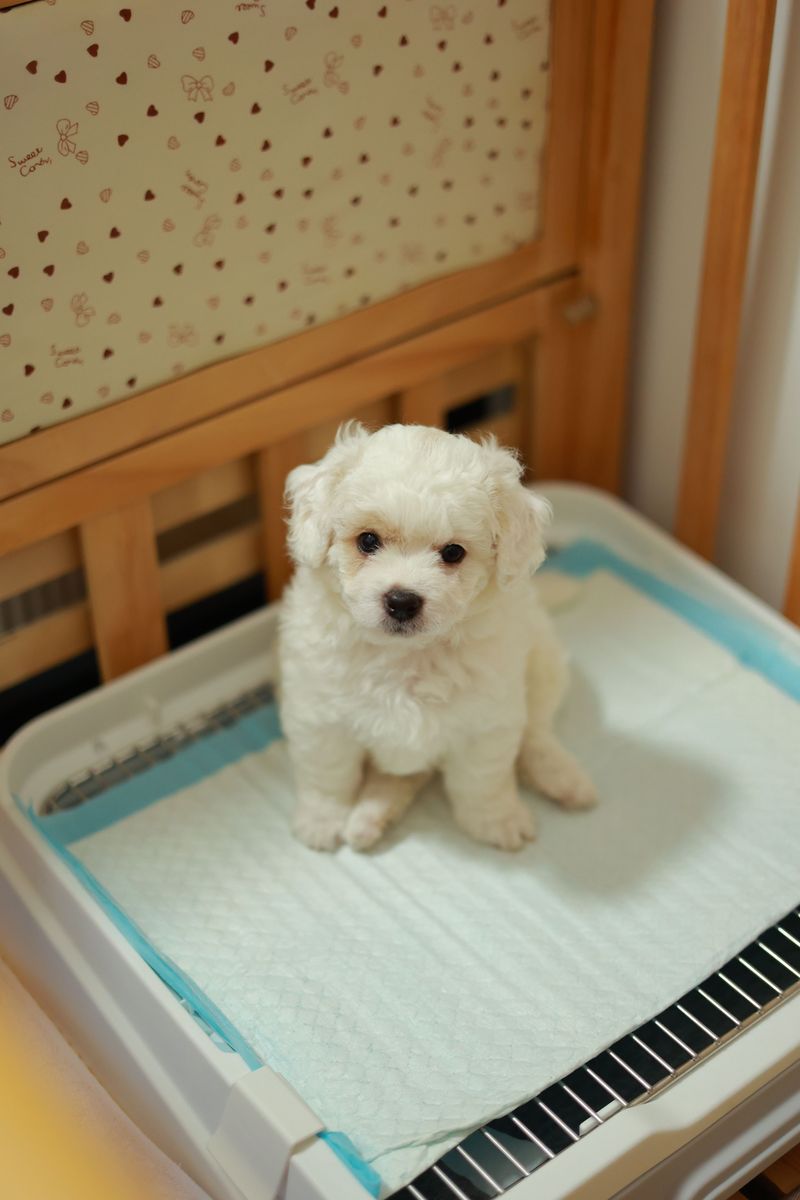
Stormy afternoons or limited mobility sometimes make a nearby backup bathroom especially useful. Place a shallow tray or washable pad in a quiet, accessible indoor spot.
Keep it separate from food and bedding, with stable footing underneath.
Introduce the station patiently and reward success without scolding accidents. Clean promptly, and contact your veterinarian about new accidents or changes in urination.
With cooler spaces and easier routines, your home can support a more comfortable summer together.