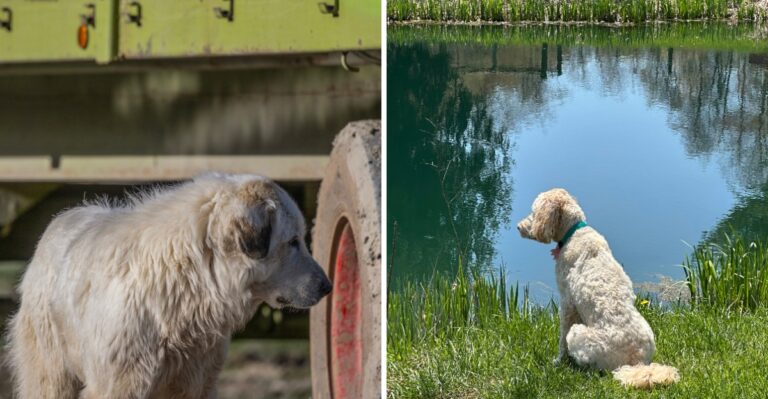
What Georgia Dog Owners Should Know About Armadillos In Rural Yards
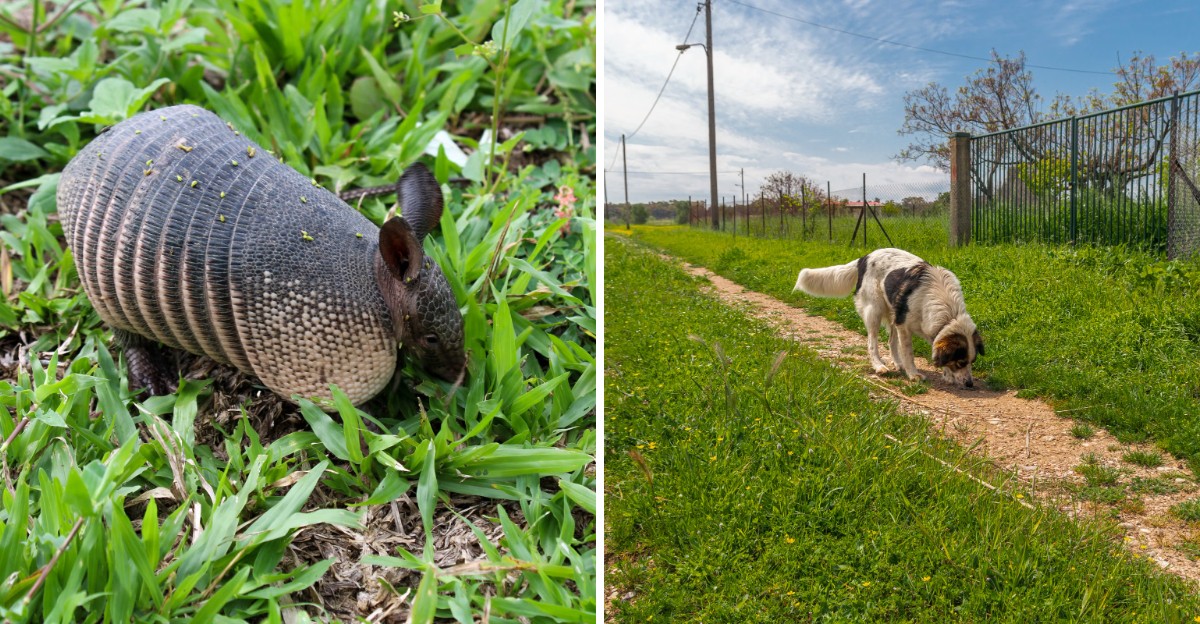
Finding fresh holes beside your porch can make you wonder what visited while your dog was sleeping. Across rural Georgia, armadillos often explore yards for food, especially where the soil stays soft.
Most encounters are manageable when you understand their habits and keep your dog from getting too close. A few practical changes can protect your garden, support safer potty breaks, and help you know when to ask for help.
1. Georgia’s Rural Yards Offer Food and Shelter
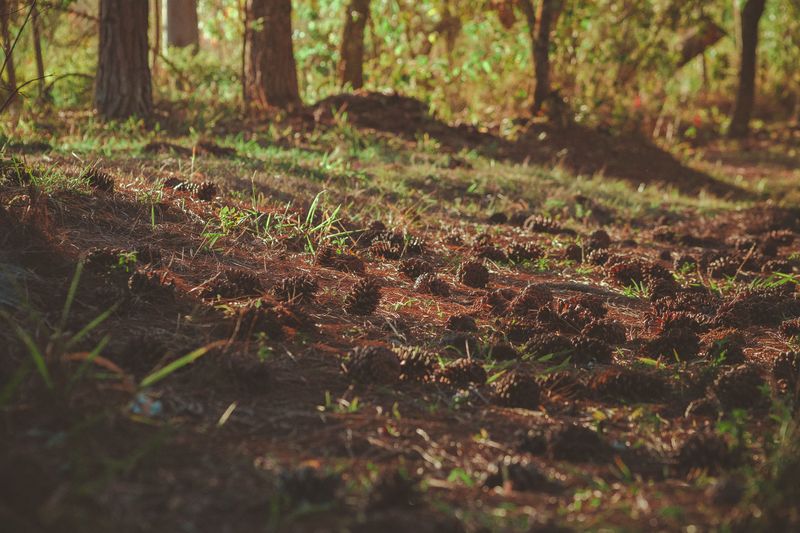
A quiet country yard can offer everything an armadillo needs: food, cover, and soil that yields to digging. Georgia’s warm climate supports these animals, which have expanded across much of the state.
Wooded edges, brush piles, and nearby creeks make rural properties especially inviting. Seeing one does not mean your yard is dirty or poorly kept.
Start by noticing where visitors enter, then plan dog walks away from those spots during their usual visiting times outside.
2. Lawn Holes Usually Mean a Search for Dinner
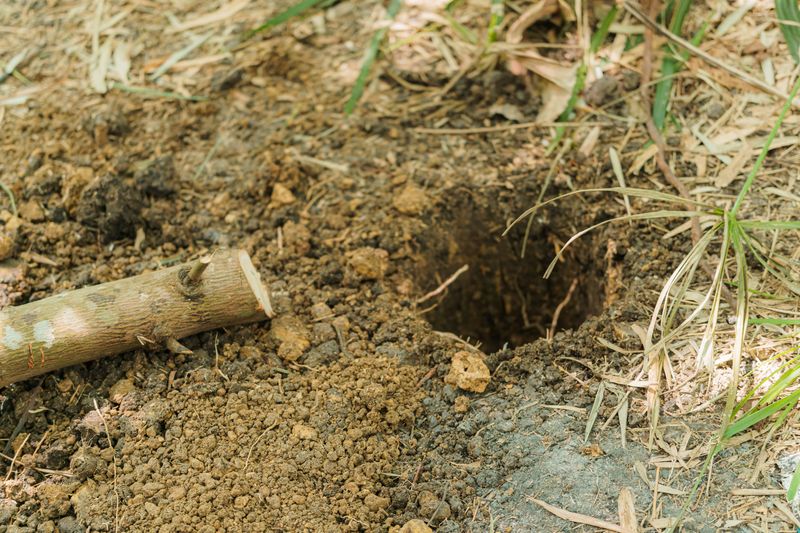
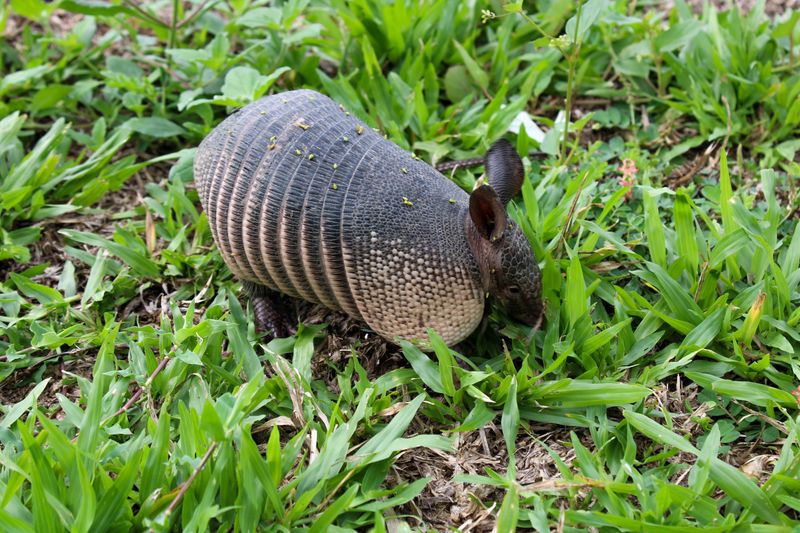
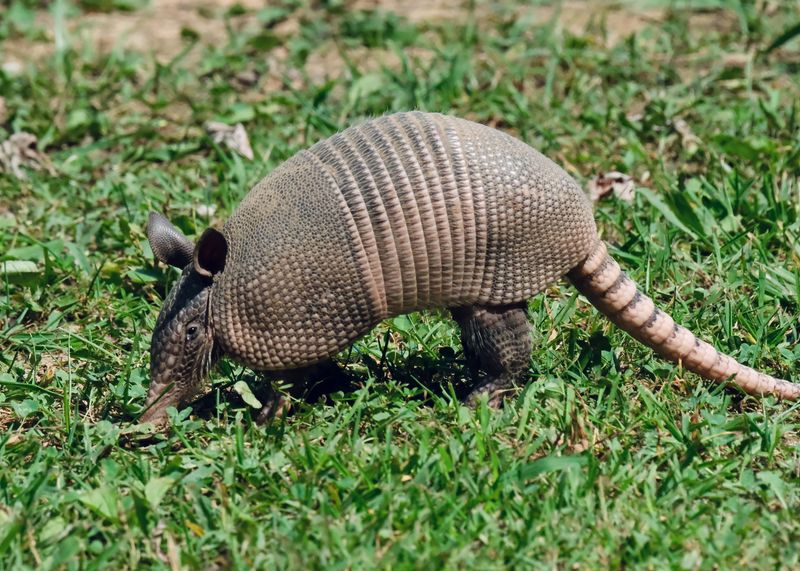
Those scattered divots usually begin with a hungry nose, not a plan to wreck your lawn. Armadillos sniff out small animals underground, then use strong front claws to reach them.
Several shallow holes may appear during one feeding visit. A larger tunnel serves a different purpose, usually shelter.
Keep your dog away while you inspect disturbed ground. Once animal activity stops, level shallow holes so paws and human feet have a more even walking surface again.
3. Most Encounters Stay Peaceful With Some Distance
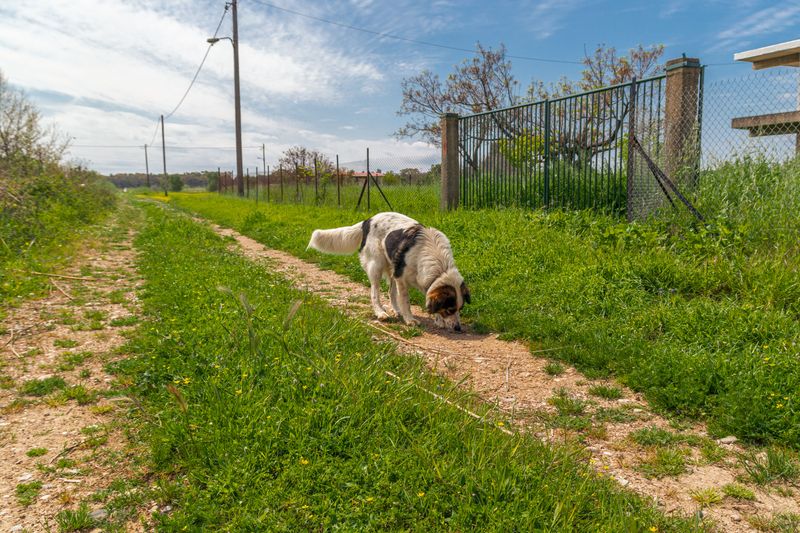
Your dog may see a moving shell as something worth investigating. Armadillos generally avoid confrontation, but cornered animals can scratch or bite while trying to escape.
Their claws and your dog’s excitement make close contact worth preventing. Neither a small dog nor a large dog should investigate one.
Give wildlife an open escape route, and bring pets indoors until the visitor leaves. Distance is usually enough to turn an unexpected meeting into an uneventful backyard moment.
4. Evening Potty Breaks Deserve Extra Attention
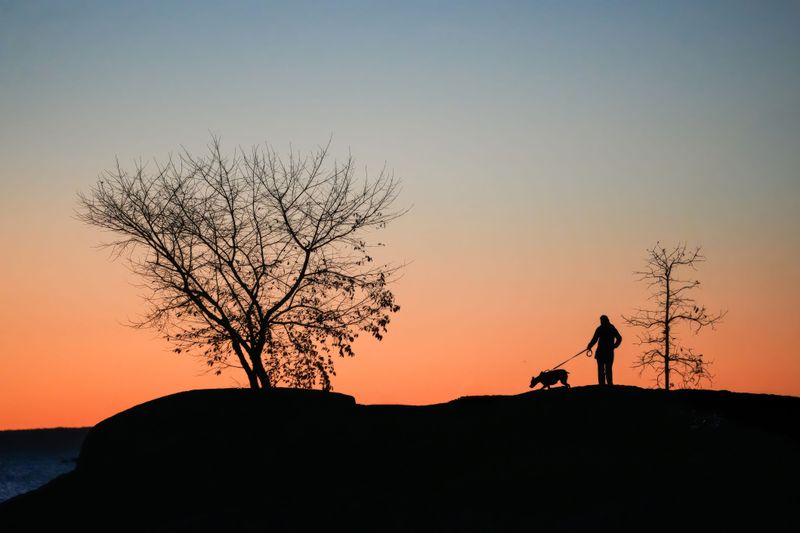
Dusk can bring a change in backyard traffic. During warm weather, armadillos commonly forage at night, around sunset, or near sunrise.
Cooler conditions may bring daytime activity, so daylight does not guarantee an empty yard. Weather and local disturbance also affect their schedules.
Before opening the door, scan the lawn with a flashlight when needed. Use a leash for nighttime potty trips if armadillos visit regularly, especially when your dog enjoys chasing movement near the fence.
5. Daytime Shelter May Be Closer Than You Think
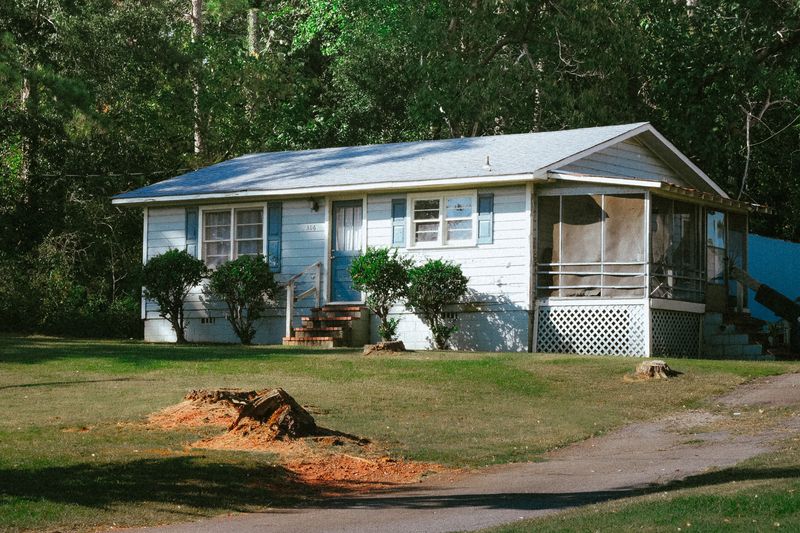
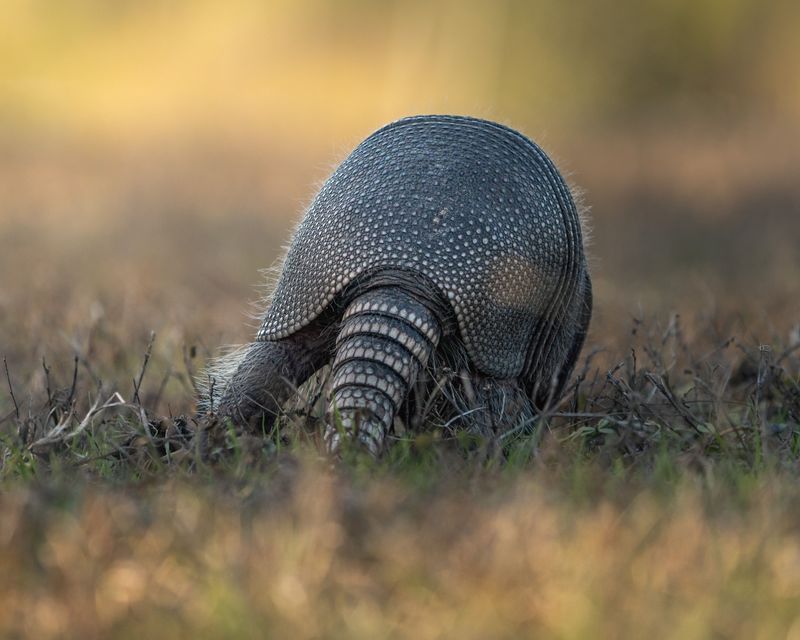
Under a porch can feel like prime real estate to a burrowing animal. Armadillos shelter in underground tunnels, often near roots, brush, banks, or building edges.
A property may contain several burrows, and not every opening is occupied. Avoid reaching inside or letting your dog sniff deeply into entrances.
Check shaded corners during routine yard walks. Never seal a suspected active burrow without expert guidance, because animals could remain inside or seek another exit nearby instead.
6. Hole Shape Offers Clues, Not Proof
Small, cone-shaped pits scattered through grass often point toward armadillo feeding. Many measure only a few inches across, although size varies with soil and prey.
Burrow entrances are much larger, commonly around seven to ten inches wide. Other wildlife can leave similar signs, so holes alone cannot confirm the visitor.
Photograph tracks and digging without disturbing entrances. A motion camera can help identify nighttime guests before you spend money on repairs or choose a control method.
7. Damp Ground Makes Digging Easier
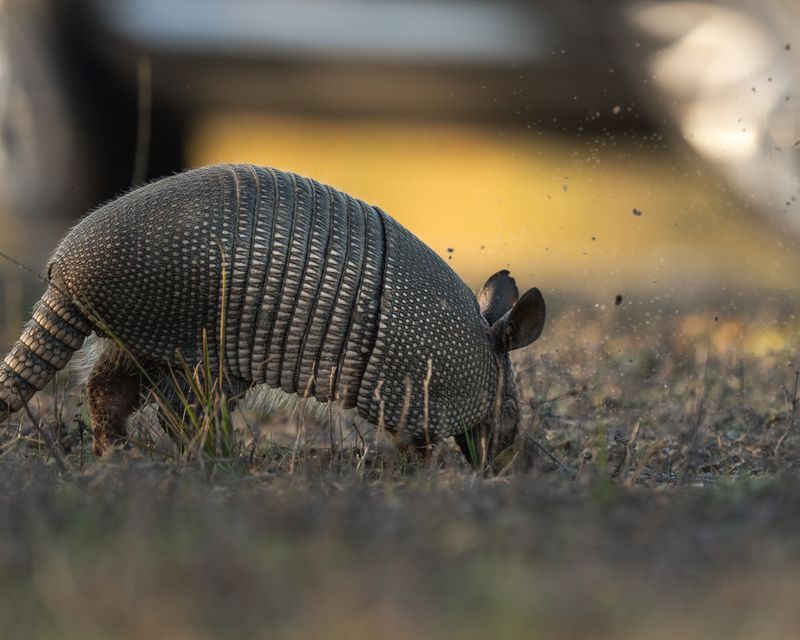
After rain, your lawn may become easier for an armadillo to work. Moist soil is softer, and some underground food becomes easier to reach.
Leaking hoses, overwatering, and damp garden edges can create dependable feeding spots. That does not mean you should let valued plants dry out.
Repair leaks and water according to plant needs rather than a fixed daily habit. Improving drainage also helps reduce muddy areas where dogs might slip or track dirt indoors.
8. The Menu Is Mostly Small Soil Animals
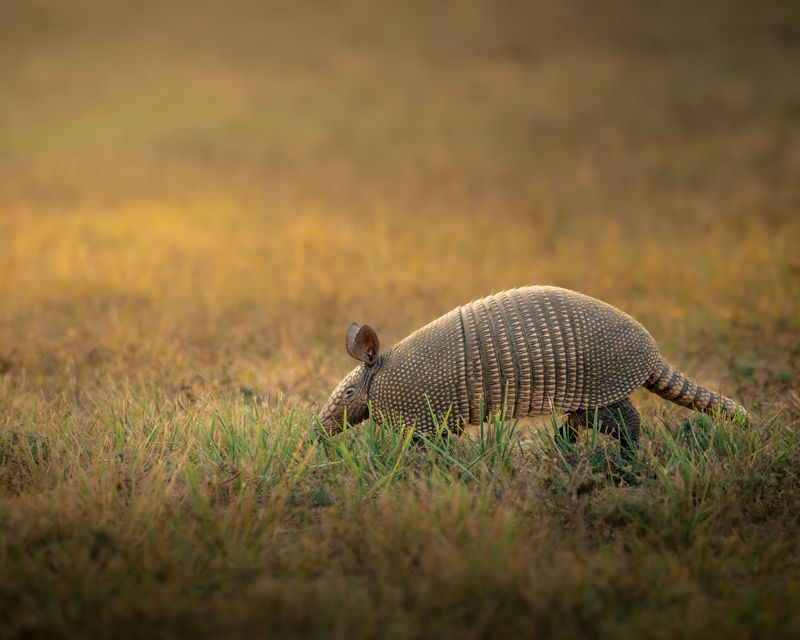
Beetles, larvae, ants, and other small creatures make up much of an armadillo’s diet. Earthworms and additional foods may also appear on the menu.
These animals mainly search by smell, which explains their focused snuffling across a yard. They are not usually visiting to hunt pets.
Do not apply lawn chemicals simply because digging appears. Identify any actual pest problem first, and ask your extension office about treatments that fit your lawn and your dog’s safety.
9. Garden Damage Often Happens Below the Leaves
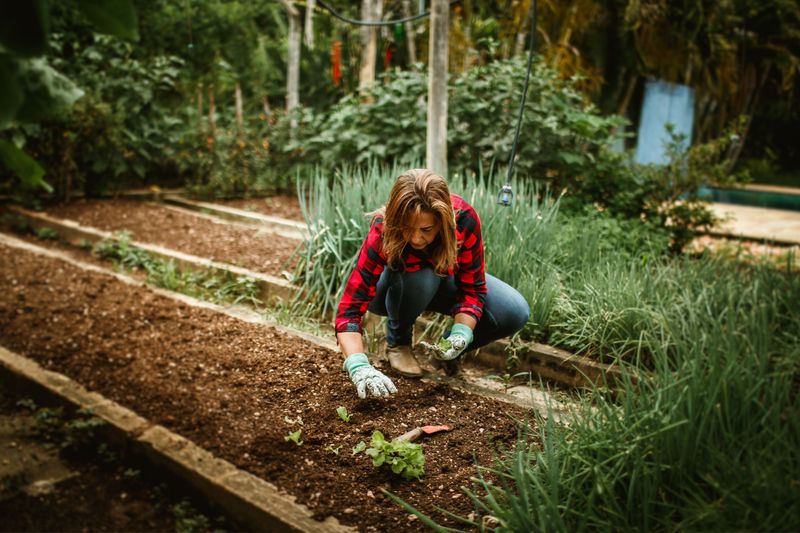
A freshly planted bed offers loose soil that practically invites digging. While searching for food, armadillos can disturb roots, uncover bulbs, and push small plants aside.
Damage usually comes from digging rather than grazing through vegetables like a deer. Raised beds alone may not prevent access.
Protect valuable beds with suitable barriers, and inspect seedlings after nighttime visits. Keep your dog outside damaged beds until you remove exposed stakes, repair edging, and check for uneven ground.
10. Disease Awareness Starts With Avoiding Contact
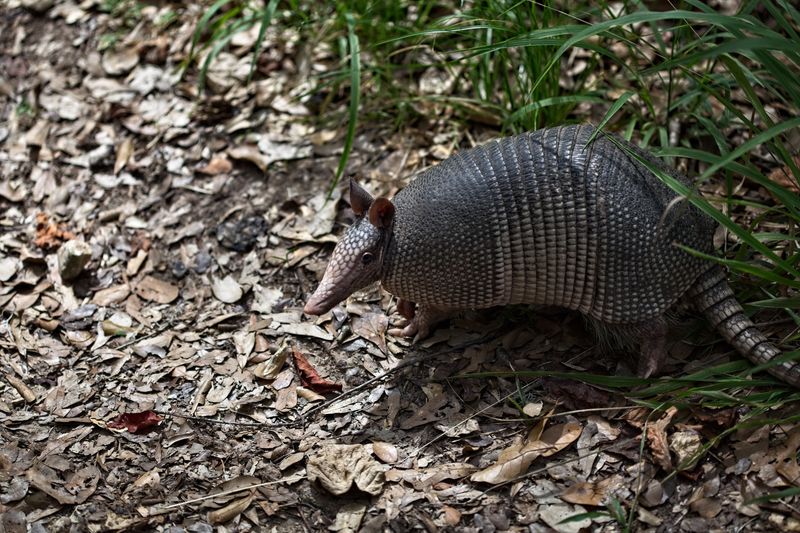
Wildlife deserves sensible hygiene, even when an animal looks healthy. Armadillos can carry parasites and germs, including bacteria associated with Hansen’s disease, also called leprosy.
Finding one nearby does not mean your dog has become infected. Preventing contact with animals, waste, and remains is the practical first step.
Keep routine veterinary care current, wash hands after outdoor cleanup, and report bites or scratches promptly. Ask your veterinarian which local parasite prevention measures best match your dog’s lifestyle.
11. Leprosy Is Not an Established Common Canine Risk
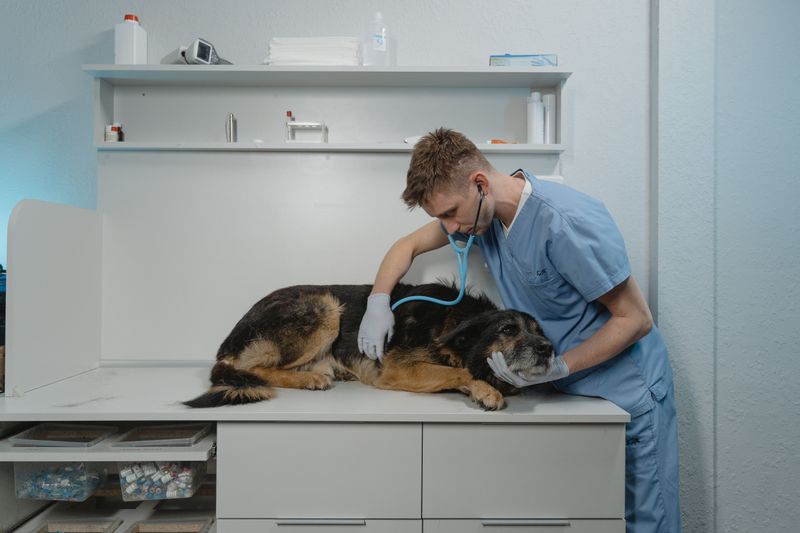
Hearing the word leprosy can make an ordinary sighting feel alarming. Some armadillos carry Mycobacterium leprae, but transmission to dogs is not an established common risk.
Canine leproid granuloma is a different condition involving other mycobacteria. Its name should not be treated as proof of armadillo transmission.
Avoid assuming exposure means illness or giving preventive medicine yourself. If your dog had contact or develops unusual skin bumps, share that history with your veterinarian for an informed assessment.
12. A Chase Calls for Calm Recall
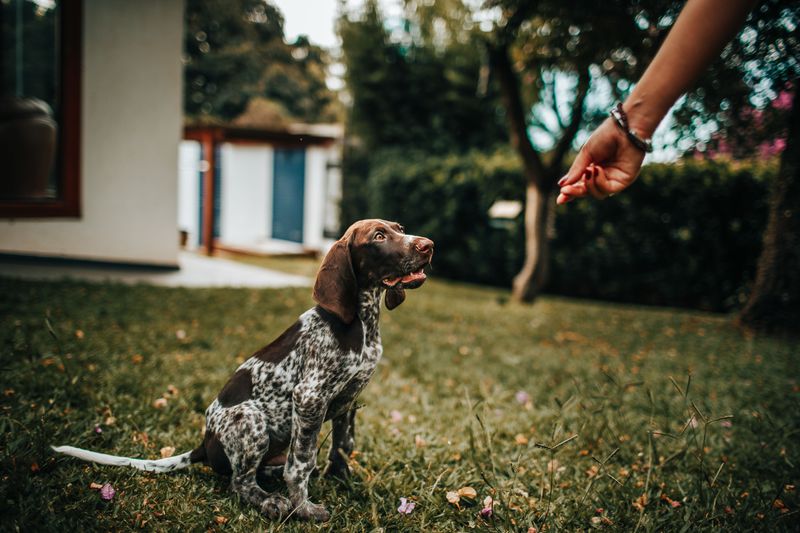
Sudden barking outside calls for a steady response, not a sprint toward the wildlife. Call your dog using a familiar cue, and offer a rewarding reason to return.
Avoid putting your hands between animals or grabbing the armadillo. Once separated, bring your dog indoors and check for wounds.
Contact your veterinarian after any bite, scratch, or concerning contact. Practice recall and leave it cues during quiet walks, before excitement makes those skills harder to use outdoors.
13. Never Touch Armadillo Remains Barehanded

An animal found unresponsive beside a driveway should stay off your dog’s investigation list. Armadillo remains can expose people and pets to germs, so avoid touching them with bare hands.
Keep children and animals away while you seek local disposal guidance. County services or animal control can explain available options.
If instructed to move remains, follow their directions and use appropriate protective equipment. Wash thoroughly afterward, and clean tools without allowing your dog near the cleanup area.
14. Small Yard Changes Can Discourage Repeat Visits
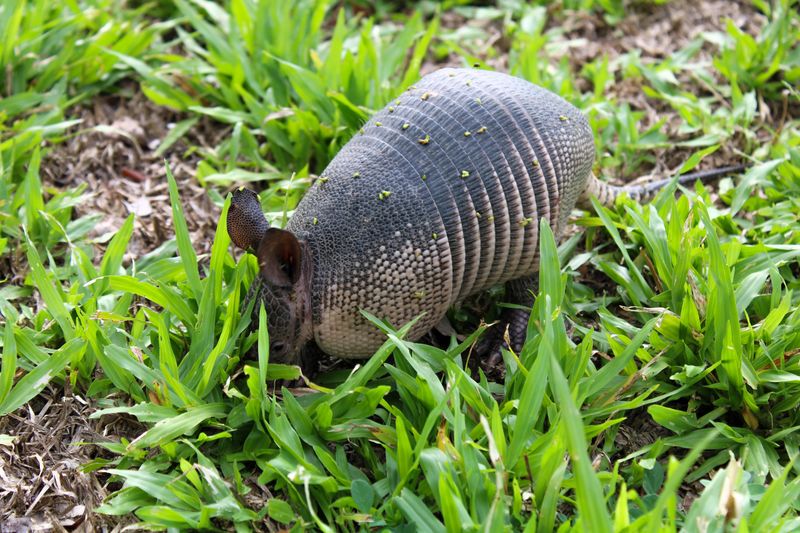
A less inviting yard does not need to become a bare yard. Reduce unnecessary hiding places near the house, repair water leaks, and maintain clear access for inspections.
Removing fallen fruit and securing pet food also discourages other wildlife visitors. No single cleanup step guarantees an armadillo will leave.
Skip homemade chemical mixtures, mothballs, and unproven repellents around pets. Focus on exclusion and targeted changes, then track whether fresh digging decreases over the following days and weeks.
15. Garden Fences Need Protection Below Ground
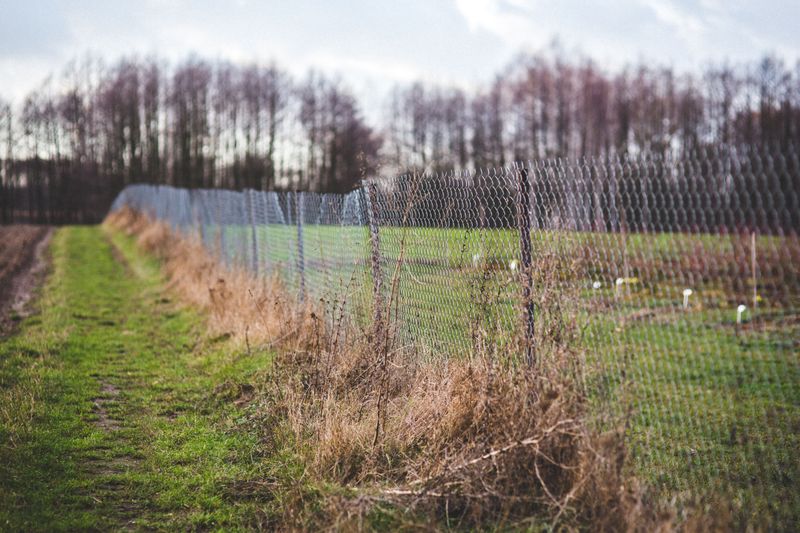
A fence helps only when its weak spots are addressed. Armadillos can dig beneath barriers, so a sturdy garden fence needs protection along its bottom edge.
Wildlife guidance often recommends buried fencing, sometimes with an outward bend underground. Suitable depth and construction depend on soil and the site.
Ask your county extension office for a locally appropriate design before digging. Check buried utility locations first, close gate gaps, and avoid sharp wire ends within your dog’s reach.
16. Georgia Removal Rules Require a Local Check
Owning the yard does not settle every wildlife removal question. Georgia allows armadillo hunting year-round, but licensing requirements, methods, and local restrictions still matter.
Hunting rules are not blanket permission for any trapping or relocation plan. Never assume moving an animal onto public land is allowed.
Before acting, contact Georgia’s Wildlife Resources Division about your exact situation. Check county or city rules too, and explain whether pets, nearby homes, or an occupied burrow affect the proposed work.
17. Professional Help Makes Sense When Problems Persist
Repeated digging beside a foundation deserves more than another bag of soil. Call a qualified wildlife control professional when burrows threaten structures, access is difficult, or encounters keep happening.
Ask about legal methods, pet precautions, fees, and preventing another animal from moving in. Your veterinarian handles animal health questions, not structural inspections.
For most households, the best plan stays simple: supervise your dog, remove easy access, and get advice early. A prepared yard makes room for calmer evenings.