20 Texas Pet-Sitter Questions For Ranch Properties With Gates, Livestock, And Long Driveways
Finding a pet sitter for a Texas ranch is a little different from finding one for a city home. Your sitter may face several gates, curious cattle, and a long dirt driveway before ever reaching your dog.
Asking the right questions up front helps you choose someone calm, capable, and ready for country life. Here is what every ranch owner should ask before handing over the keys.
1. Ask About Ranch Experience First
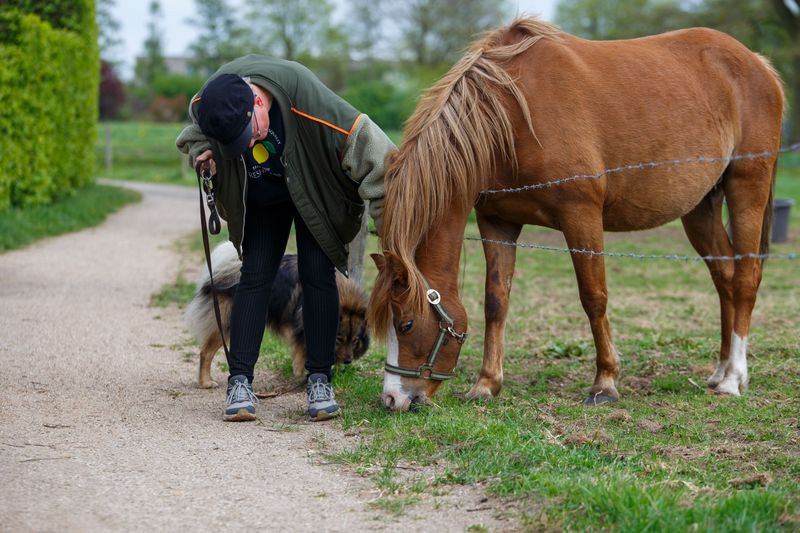
Caring for a dog in town is one skill. Caring for one on open Texas land is another.
Many sitters only work in neighborhoods with fenced yards.
Some Texas sitters do list livestock and large-animal experience alongside dog and cat care. Look for those sitters specifically instead of assuming anyone can handle it.
Ask where they have worked before. Request a reference from another rural client if possible.
Real stories tell you more than promises.
2. Closed and Latched, Every Time
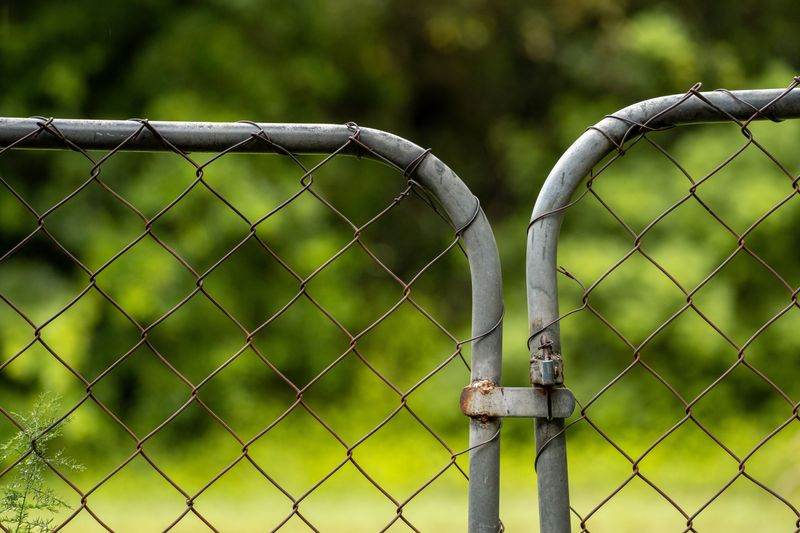
A single open gate can undo a whole week of careful pet care. That is why this question matters so much.
The Texas and Southwestern Cattle Raisers Association recommends closed and locked gates to help prevent theft. Gates also keep your dogs home and your livestock in place.
Ask your sitter to describe their habit. A good answer sounds like this: open, pass through, close, latch, then double-check.
No shortcuts, even for quick trips.
3. Knowing Which Gates Stay Open
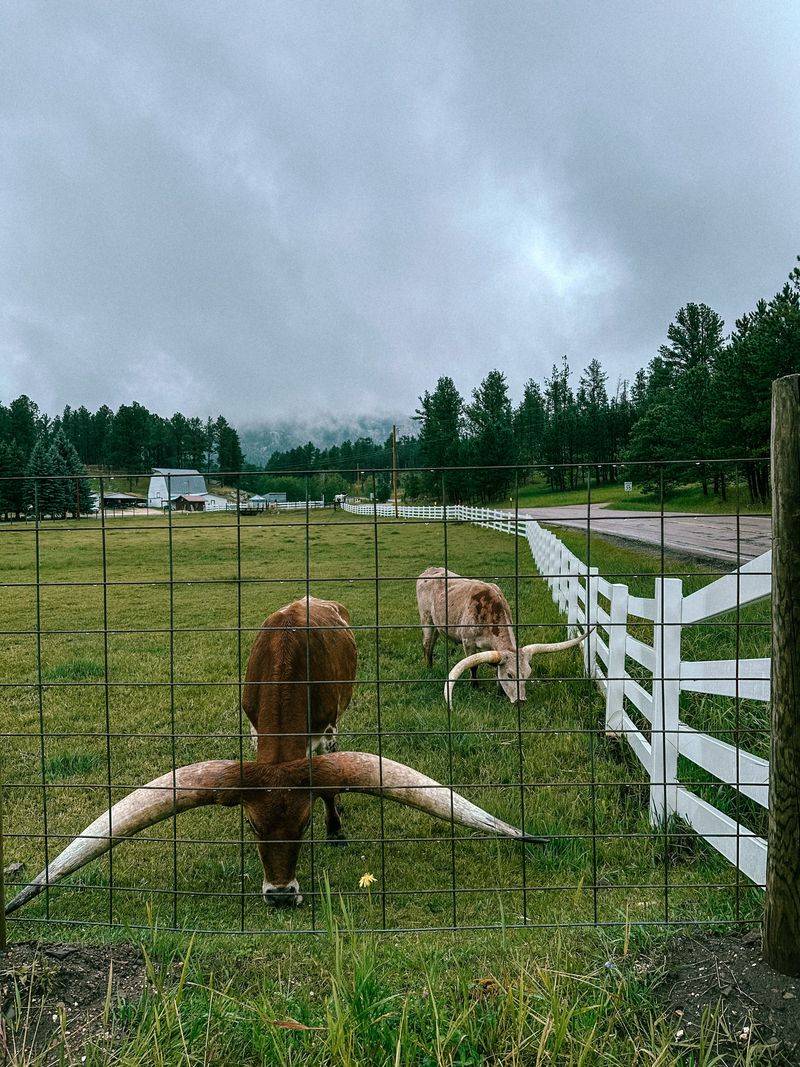
Not every gate on a ranch follows the same rule. Some may stay open so cattle can reach water.
Others must stay shut to protect a working pen.
Ranches often use separate gates for horses, cattle, and holding areas. A well-meaning sitter could close the wrong one and cut off water access.
Walk the property together before you leave. Point out each gate and its normal position.
Then ask your sitter to repeat it back.
4. Stopping the Great Gate Escape
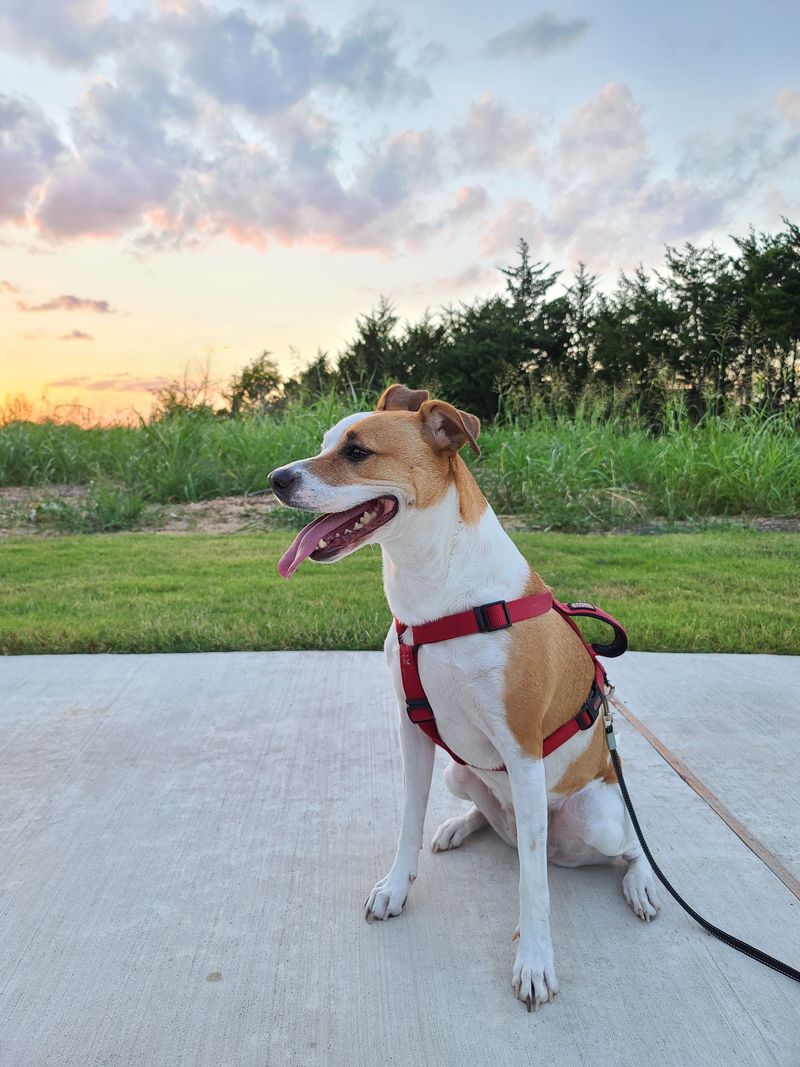
Dogs are clever. Many learn to slip past legs the second a gate swings open.
Ask how your sitter plans to manage this. Good options include leashing dogs before opening any gate, or keeping them inside while driving through.
Some sitters crate dogs in the vehicle.
Also mention any weak fence spots your dog likes to test. Gaps near the ground are common escape routes.
A quick fix before your trip brings real peace of mind.
5. Handling Cattle Guards Safely
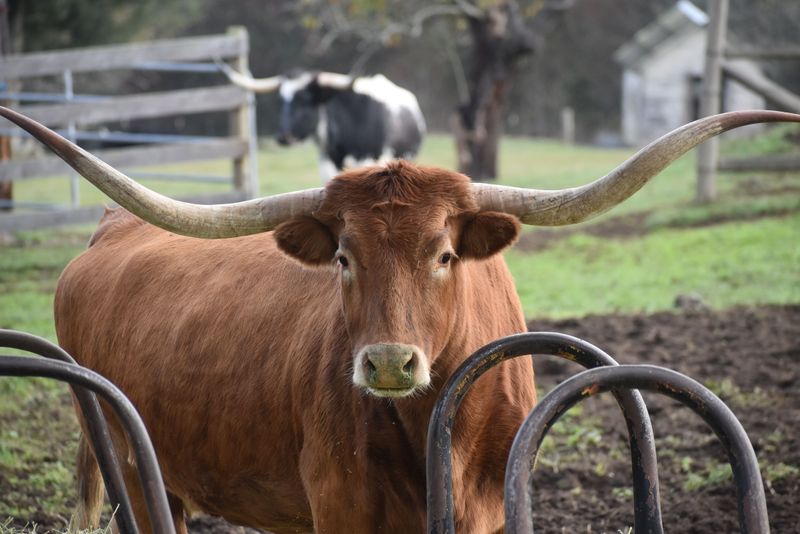
Here is a fun fact. Cattle guards work because livestock avoid stepping on the gaps between steel or concrete bars.
Vehicles cross easily, but dogs can be hurt if they run across. Their paws may slip between the rails.
Traditional gates, by contrast, must be opened by hand each time.
Ask whether your sitter understands both. Make sure their vehicle fits your guard’s load rating.
Remind them dogs should never be walked over the bars.
6. Comfort Around Cows and Horses
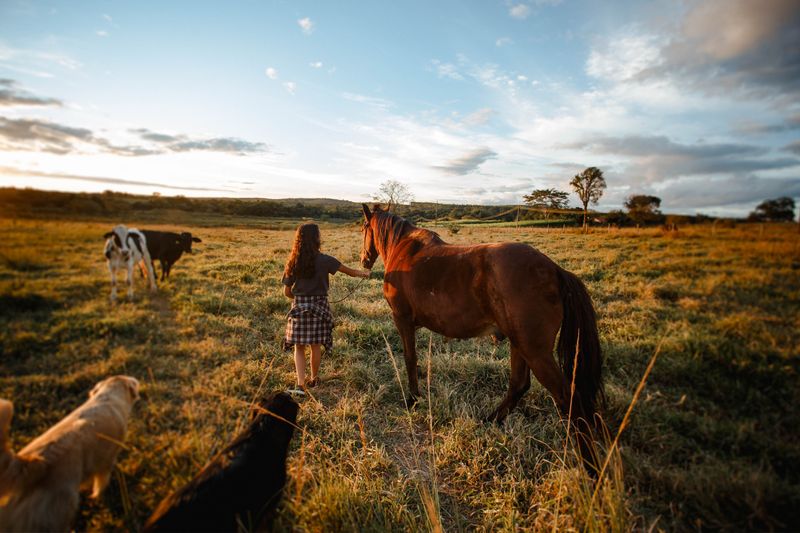
Picture a curious steer walking straight toward your sitter. Will they stay calm, or panic?
Working around cattle, horses, goats, or chickens is its own skill set. Animals sense nervous energy quickly.
A relaxed person keeps everyone settled.
Some Texas pet sitters do offer care for many farm species. Ask which animals they have handled and how often.
Honest answers about limits are a good sign, not a weakness.
7. Keeping Dogs and Livestock Apart
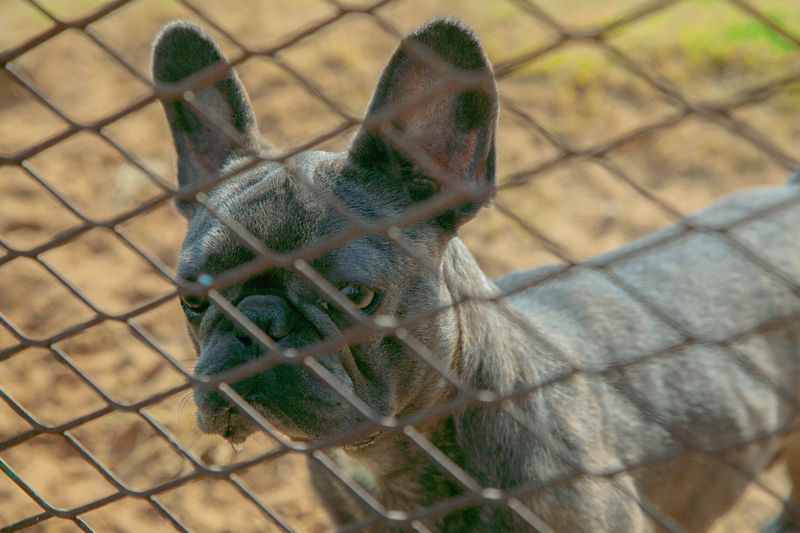
Even a sweet family dog may chase a calf for fun. Livestock can also react strongly to dogs, which puts your pup at risk.
Farm safety guidance recommends limiting access to animal areas and using barriers like fences. That same idea works well for pets.
Ask your sitter how they will keep dogs separated. Leashes, fenced yards, and set walking routes all help.
Share which dogs, if any, are trained to work livestock.
8. A Plan for Loose Livestock
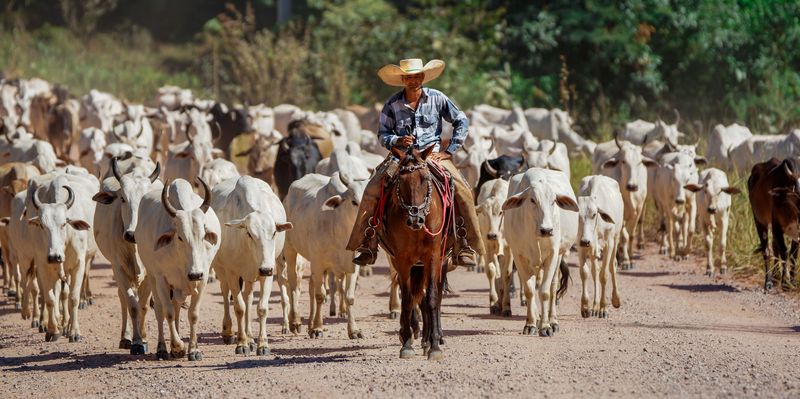
Gates fail sometimes, even with careful people. A calm plan matters more than blame.
Moving slowly and quietly helps guide animals home. Many cattle will follow a familiar grain bucket.
Blocking other routes helps too.
In Texas, livestock may not roam unattended on U.S. or state highways, even in open range counties. If animals reach a road, your sitter should call you and the county sheriff’s office.
Keep that number posted.
9. Spotting a Sick or Stressed Animal
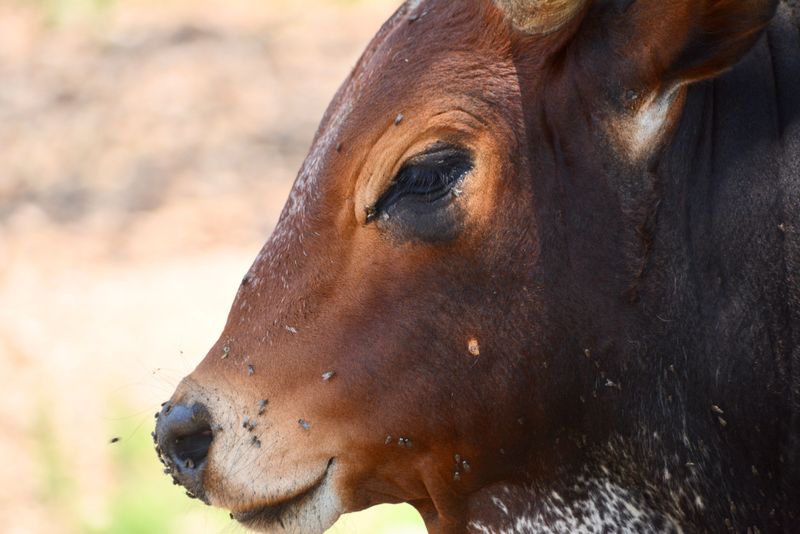
Animals rarely announce trouble loudly. Small changes often come first.
Watch for animals that stand apart, move slowly, or skip food and water. Horses that paw or roll repeatedly may have colic.
Cattle with drooping ears, rough coats, or open-mouth panting in heat need attention.
Your sitter does not need vet skills. They do need sharp eyes and quick reporting.
Leave your large-animal veterinarian’s number in plain sight.
10. Respecting Feed Areas and Pens
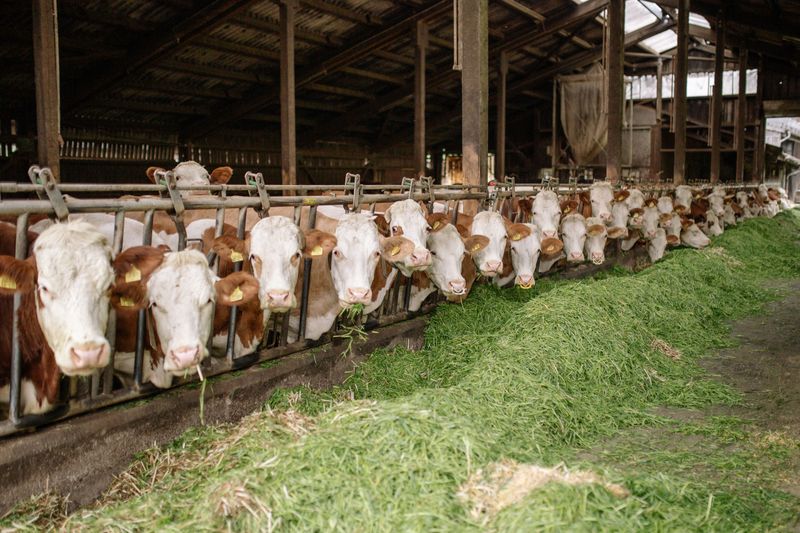
Livestock like routine. A stranger wandering through a feeding area can upset that calm quickly.
Farm biosecurity guidance advises visitors to avoid handling animals unless truly needed. Clean boots and clothing matter if contact is required.
Young animals should be left alone.
Tell your sitter exactly which areas are off limits. If they must feed livestock, give clear amounts and times.
Everything else stays quiet and undisturbed.
11. Can Their Car Handle the Drive?
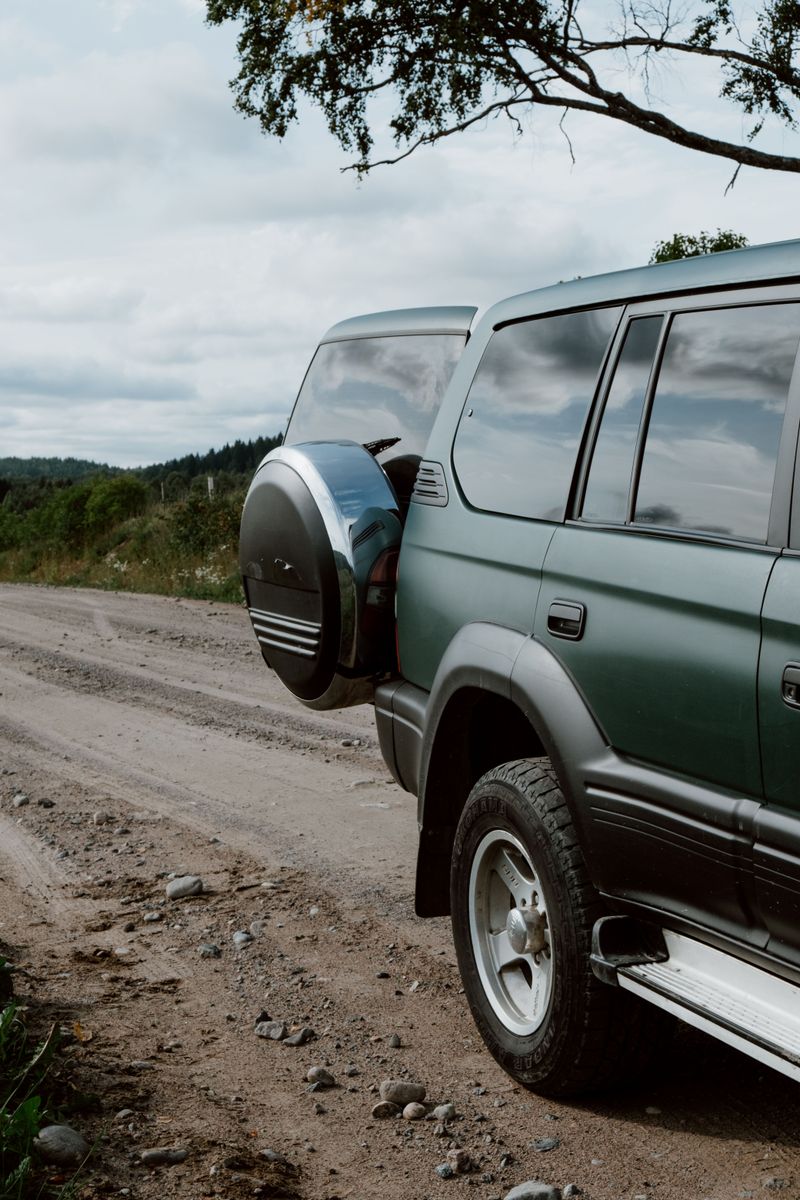
A long gravel road can be tough on a low sedan. Rocks, ruts, and washboard bumps add up fast.
Vehicles with good ground clearance and sturdy suspension do best. All-wheel drive handles gravel well.
Four-wheel drive helps with mud and steep spots.
Ask what your sitter drives. Describe your driveway honestly, including any rough patches.
If needed, discuss meeting points or other options before the first visit.
12. Finding the Way Without Signal
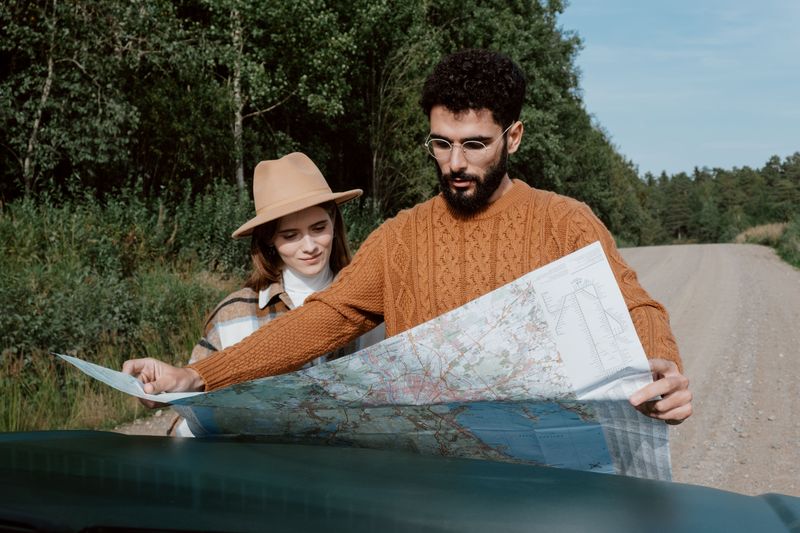
Out in rural Texas, the map app can freeze right at the turn that matters.
Reception is often spotty on country roads. A practice drive before your trip helps a lot.
Offline map apps let sitters download routes ahead of time.
Give written directions with landmarks, like a red barn or water tower. A paper map in the glovebox is a smart backup.
Old-fashioned tools still work wonderfully.
13. When Rain Turns Roads to Mud
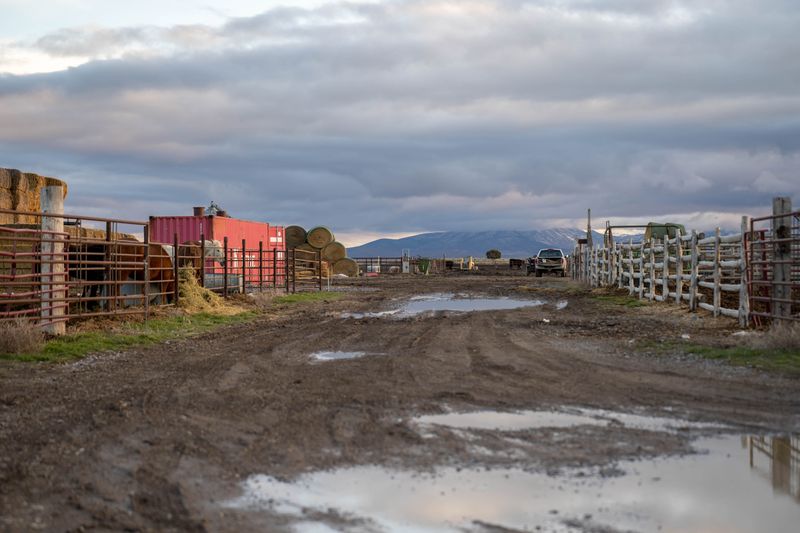
Texas storms can arrive fast. A dry driveway at breakfast may be slick mud by evening.
Vehicles are harder to control in mud. Low water crossings can rise quickly too.
The safest rule is simple: never drive through moving or unknown water.
Ask what your sitter will do if the road is unsafe. Agree on a backup plan, like a neighbor who can check pets.
Safety always beats a perfect schedule.
14. Parking Out of the Way
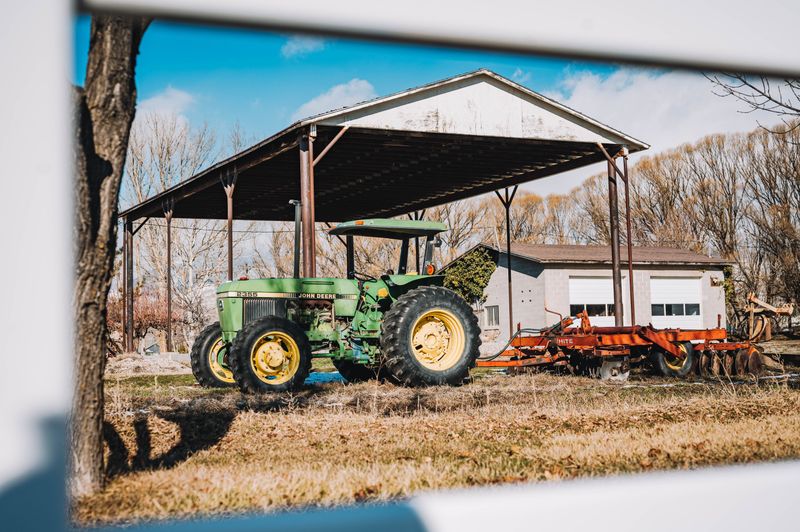
Working ranches keep moving even when owners travel. Hands, feed deliveries, or neighbors may need clear paths.
A sitter’s car parked in the wrong spot can block a tractor or trailer. That creates frustration for everyone.
Show your sitter one approved parking spot. Mention any days when deliveries or ranch help are expected.
A simple map with a marked space removes the guesswork completely.
15. Codes, Keys, and Keypads
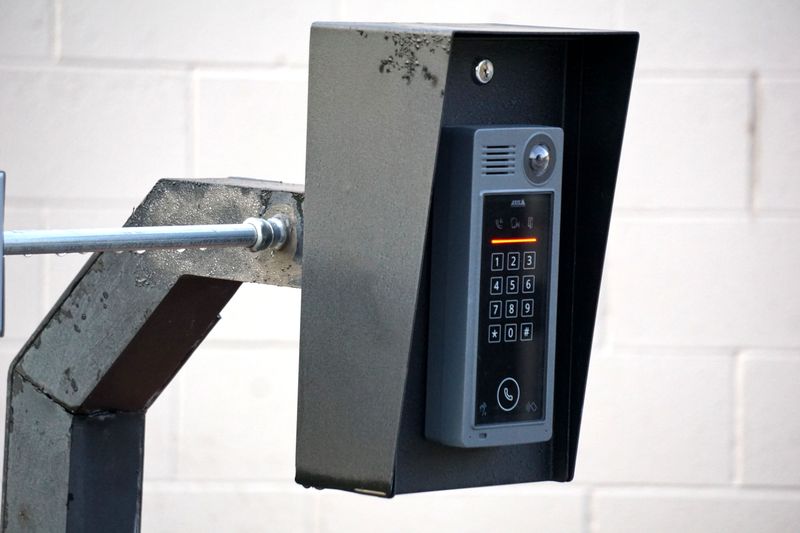
Many Texas ranches now use keypads, remotes, or smart gate systems at the entrance.
These tools are convenient, but power outages or dead batteries happen. Your sitter should know the manual release or backup key location.
Share codes privately, not in group texts. Consider a temporary code you can change later.
Test everything together before you leave, so the first visit goes smoothly.
16. If the Car Quits Midway
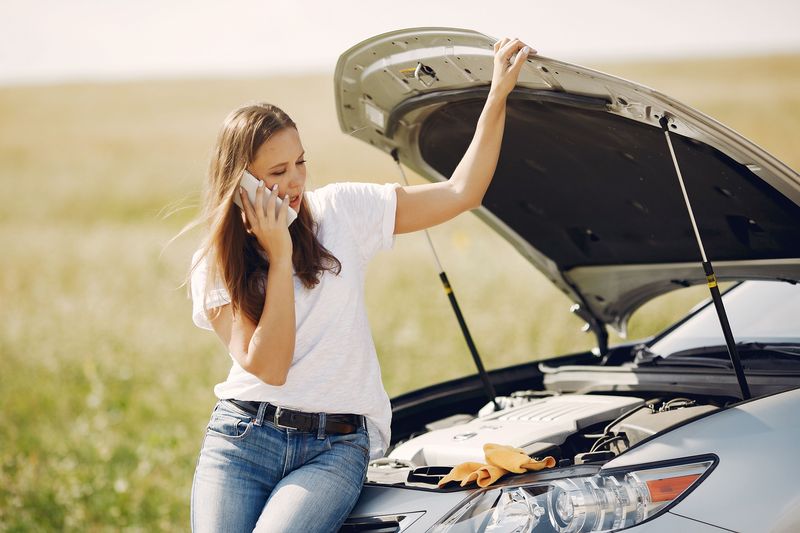
A flat tire on a two-mile driveway is more than a small hassle.
General rural safety advice says to stay with the vehicle when possible. It offers shelter and is easier to find.
A basic kit with water and supplies helps too.
Ask your sitter to tell someone when they arrive and leave. Share a trusted neighbor’s number for help.
Knowing who to call keeps a breakdown manageable.
17. Snakes, Sagging Wire, and Machines
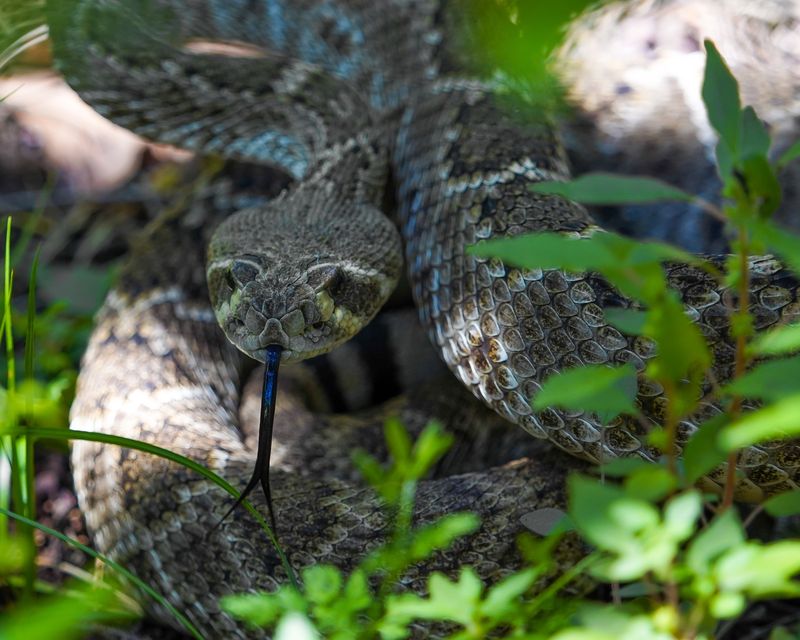
Venomous snakes are common in rural Texas. Looking before stepping or reaching is the best habit.
Sturdy boots and a flashlight at night help. Sitters should never try to handle a snake.
Keep dogs away from brush and woodpiles.
Loose fencing and parked machinery deserve caution too. Sitters should report sagging wire and stay off equipment entirely.
Point out these spots during your walkthrough.
18. Reaching You When Bars Drop
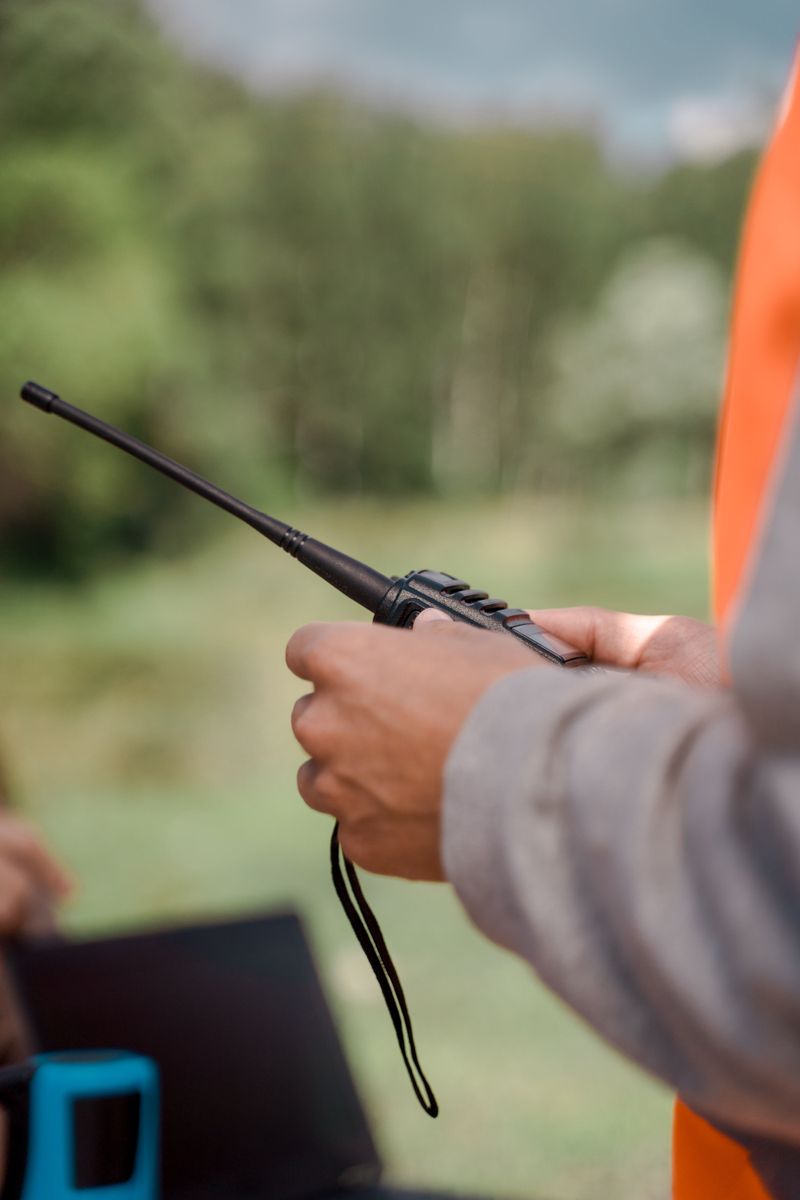
Emergencies rarely wait for a strong signal. Planning ahead makes all the difference.
Ask where reception works best on your land, then share it. Some owners provide two-way radios.
Satellite messengers like Garmin inReach can send texts without cell towers.
Write every important number on paper, too. Include your vet, a neighbor, and the county sheriff.
Phones fail, but a list on the fridge stays put.
19. Following a Written Game Plan
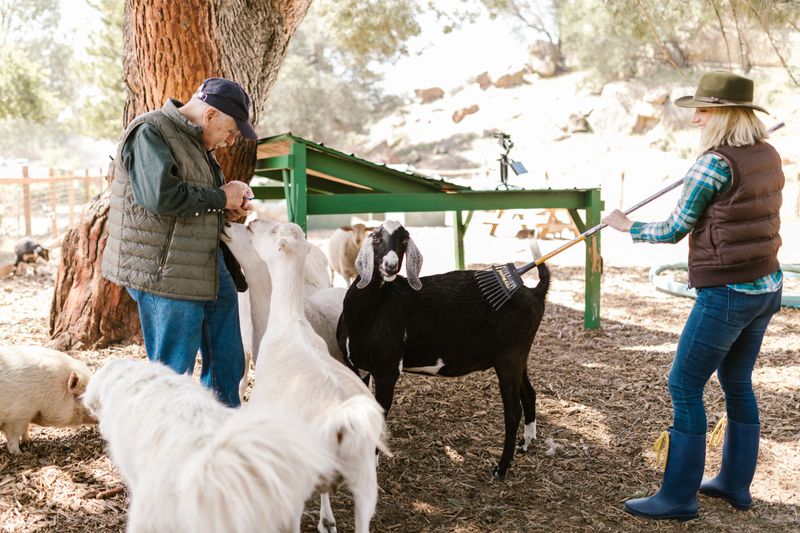
Memory is tricky on a busy ranch with many gates and animal areas.
Clear written instructions help sitters stay consistent. Good checklists list each species with feeding, water, and fence checks.
Add gate names or numbers for clarity.
Ask if your sitter prefers paper, photos, or both. Some owners label gates with colored tags.
A neat binder by the door makes daily visits simple and steady.
20. One Last Walk Before Leaving
The final five minutes of each visit may be the most important.
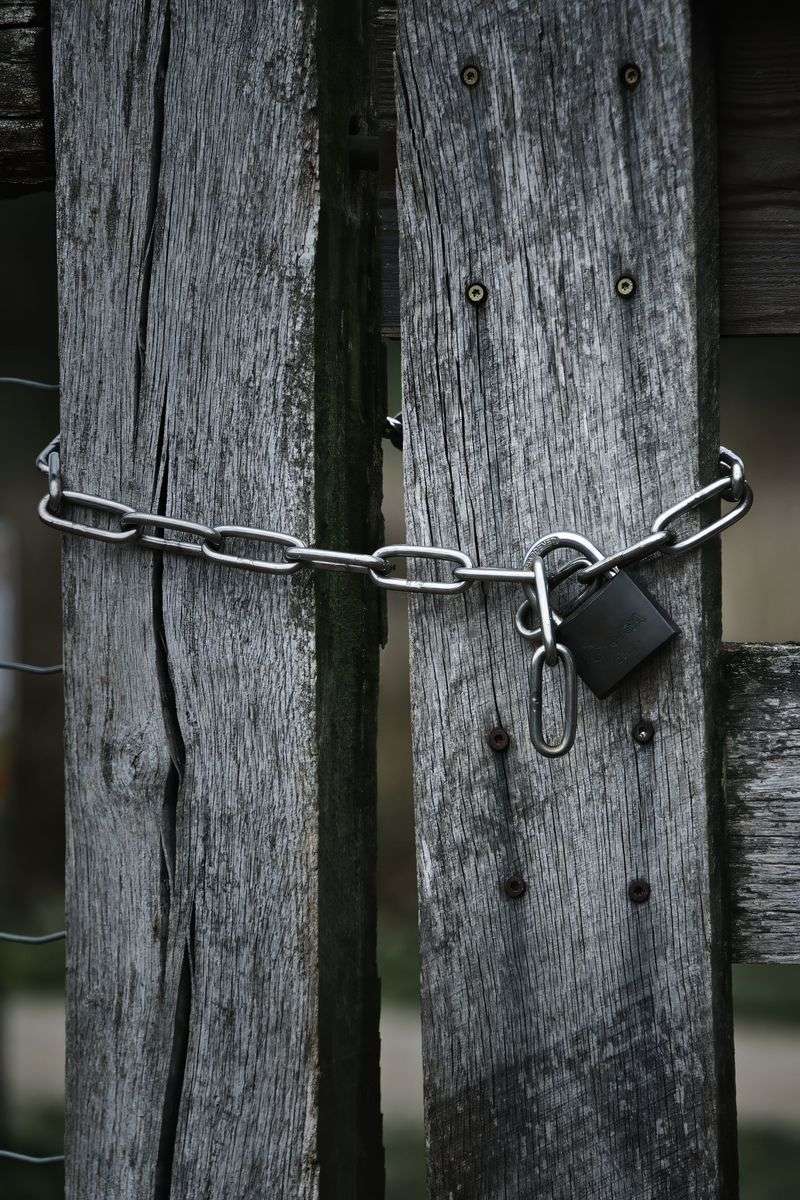
Ask your sitter to do a closing walk every time. That means checking gates, doors, pens, and water before driving away.
Dogs should be safely inside or in their yard.
A quick photo update of locked gates offers lovely reassurance. With these habits in place, you can travel calmly, knowing home is in steady, capable hands.