California Dog Had To Be Carried To The Same Patch Of Grass Until One Day He Surprised Everyone
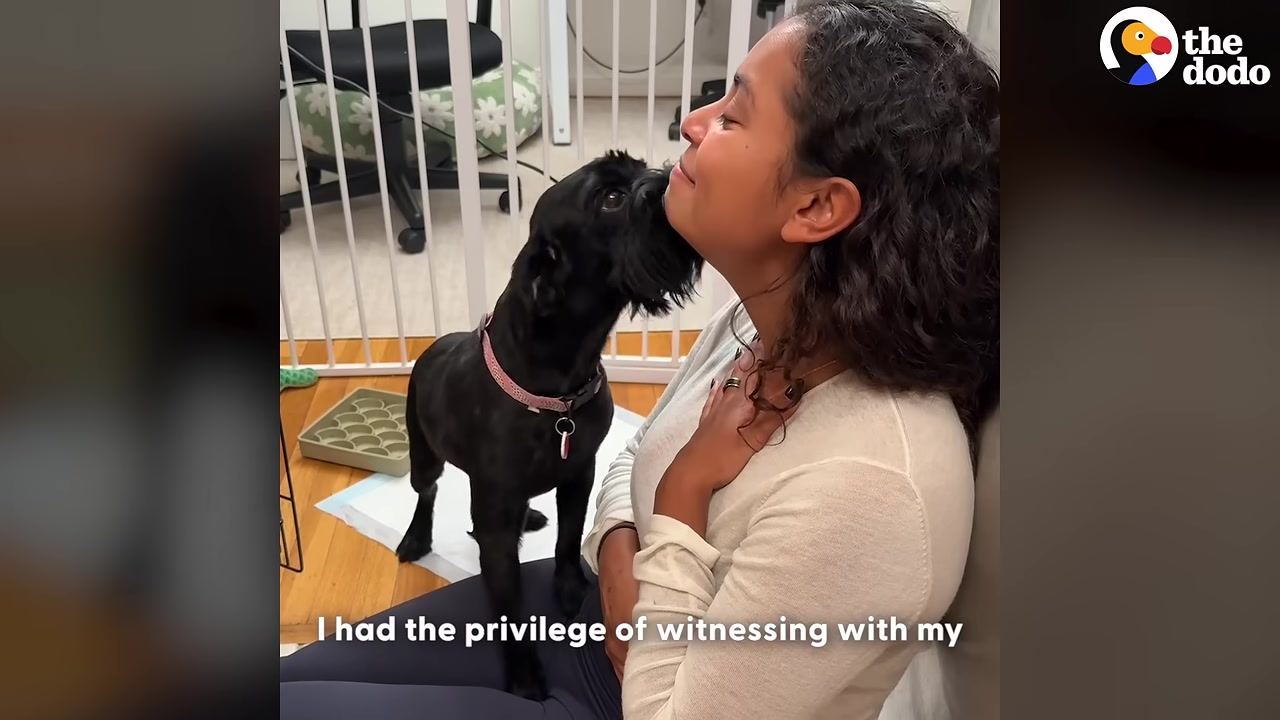
When Sherlock first arrived at his California foster home, he was completely paralyzed by fear. But with patience, love, and a little help from some furry friends, he finally learned how to be a dog.
A Heartbreaking State Of Fear
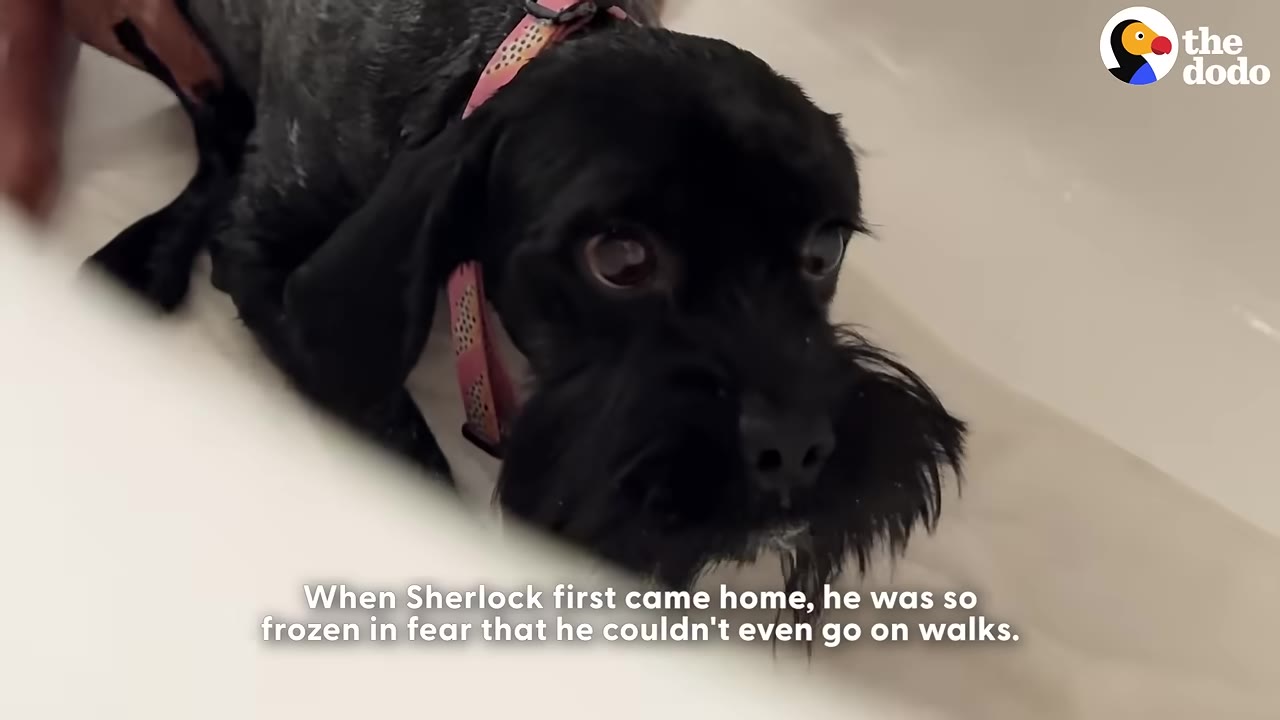
When Sherlock first came to his foster home, the world was simply too overwhelming for him to handle. He was completely paralyzed by his own anxiety.
He wouldn’t walk, he wouldn’t sniff, and he was too terrified to even go to the bathroom. His tail remained permanently tucked between his legs.
For a dog who has never felt secure, simply existing in a new space is a monumental challenge. His foster parent knew right away that this journey would take time.
The Unglamorous Side Of Fostering
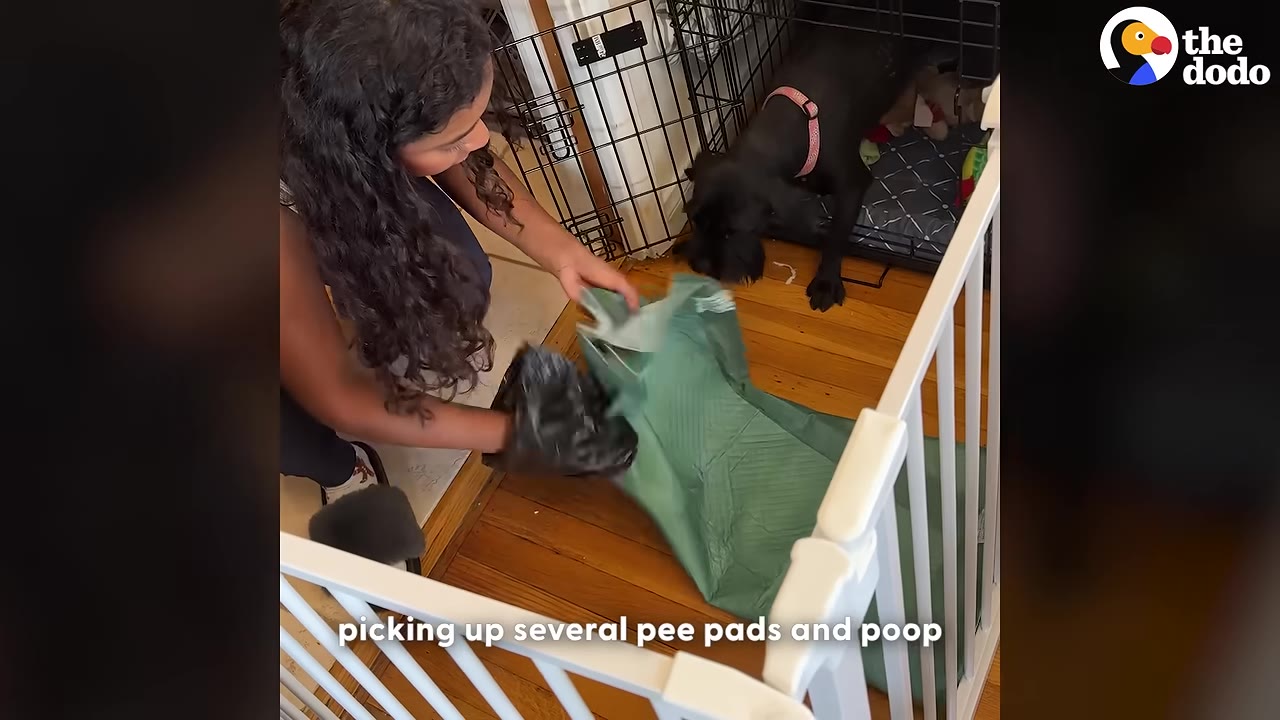
Fostering misunderstood dogs alters the way a person looks at progress. It teaches caregivers to appreciate the mundane moments that show a dog is finally learning how to be a dog.
But getting to those moments requires a lot of messy work. Sherlock’s foster parent lived in a one-bedroom apartment, and the daily routine quickly became a cycle of indoor cleanups.
Several times a day, they had to pick up pee pads and clean the kitchen floor. It was definitely one of the least glamorous sides of animal rescue.
Slowing Down The Pace
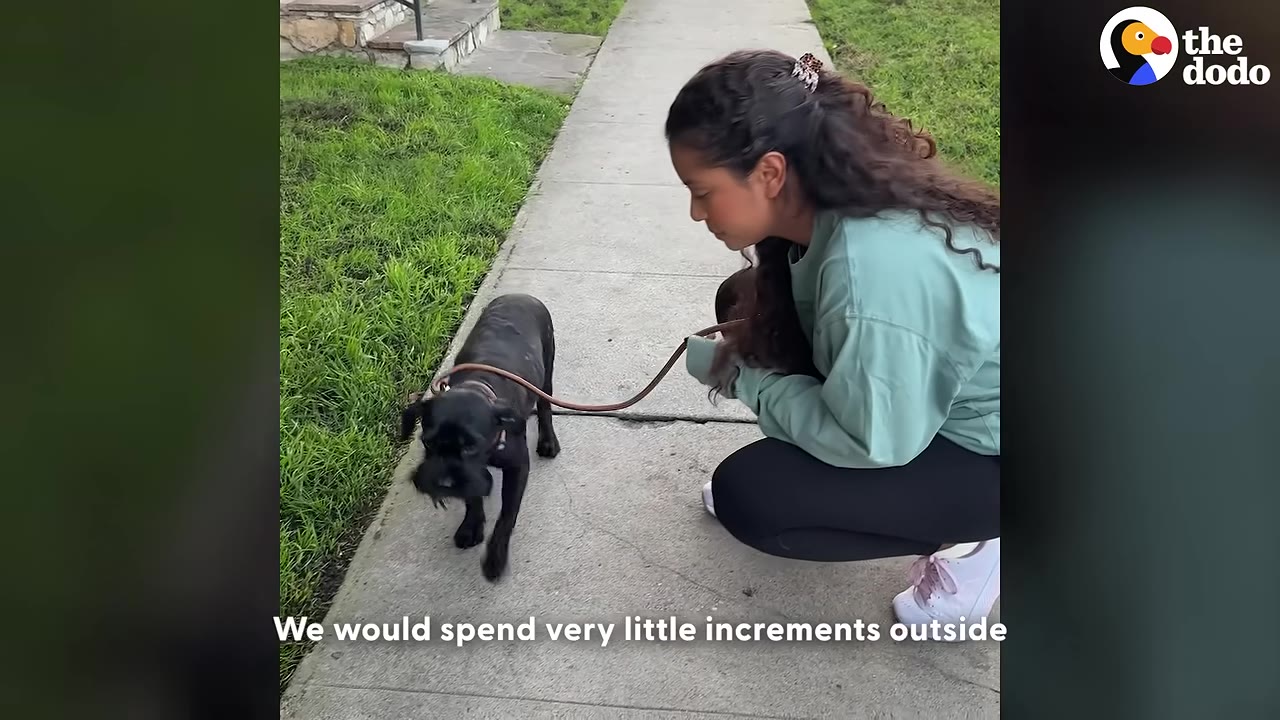
Sherlock’s intense anxiety forced his foster parent to completely slow down. They committed to taking everything at the frightened dog’s pace.
For weeks, Sherlock was so immobilized by his fears that he couldn’t even walk out the door. His foster parent had to physically carry him outside just so he could go to the bathroom.
It was a gentle, daily exercise in building trust. Every time he was carried out, he was being shown that he was safe.
Borrowing A Little Confidence
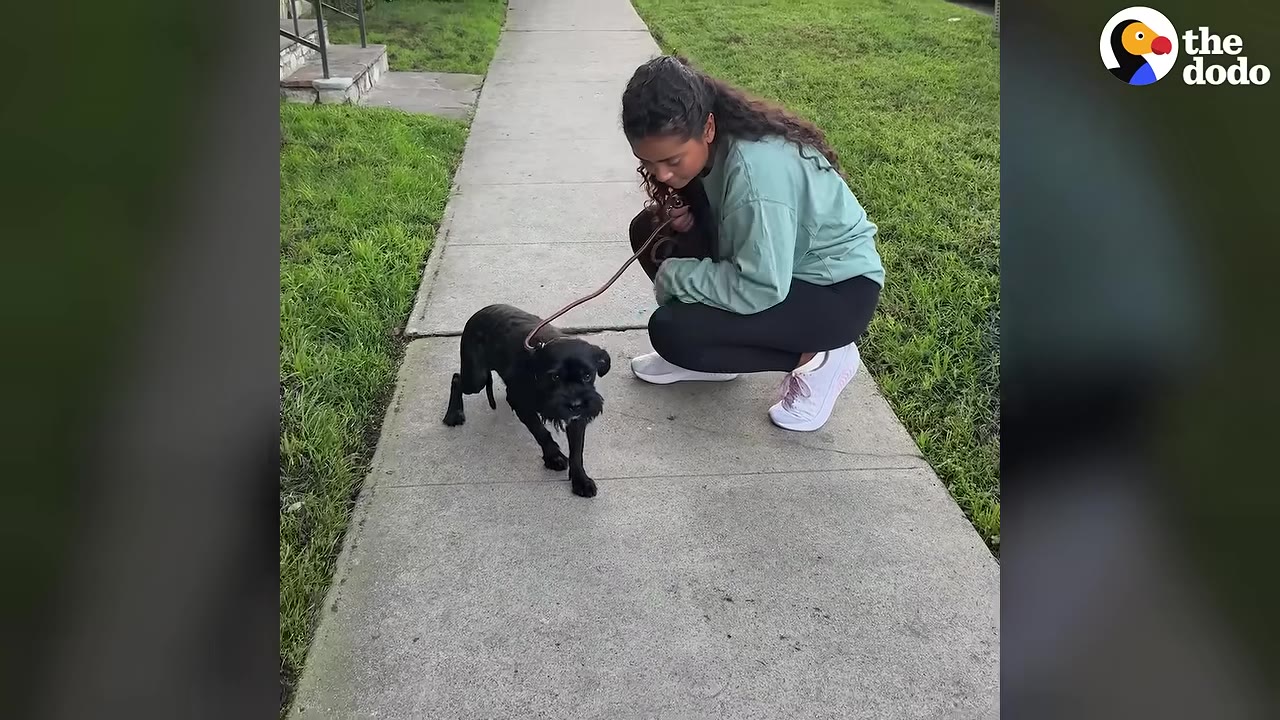
To help Sherlock adjust to the outdoors, his foster parent started taking him out in very small increments. They would slowly increase the time spent outside every single day.
They also brought in some furry reinforcements. The foster parent began walking Sherlock alongside their own resident dogs.
The goal was for Sherlock to feed off of the other dogs’ confidence. Seeing his peers relaxed and happy was a crucial step in his rehabilitation.
Celebrating The Tiny Milestones

In the world of frightened foster dogs, success isn’t measured in miles. It is measured in seconds and subtle shifts in body language.
Sherlock’s foster family celebrated every tiny bit of progress they witnessed. Even if he just stood outside a little longer than the day before, it was a victory.
They consistently took him to the exact same patch of grass, hoping the familiar scents would eventually help him feel secure enough to do his business.
The Day 28 Breakthrough
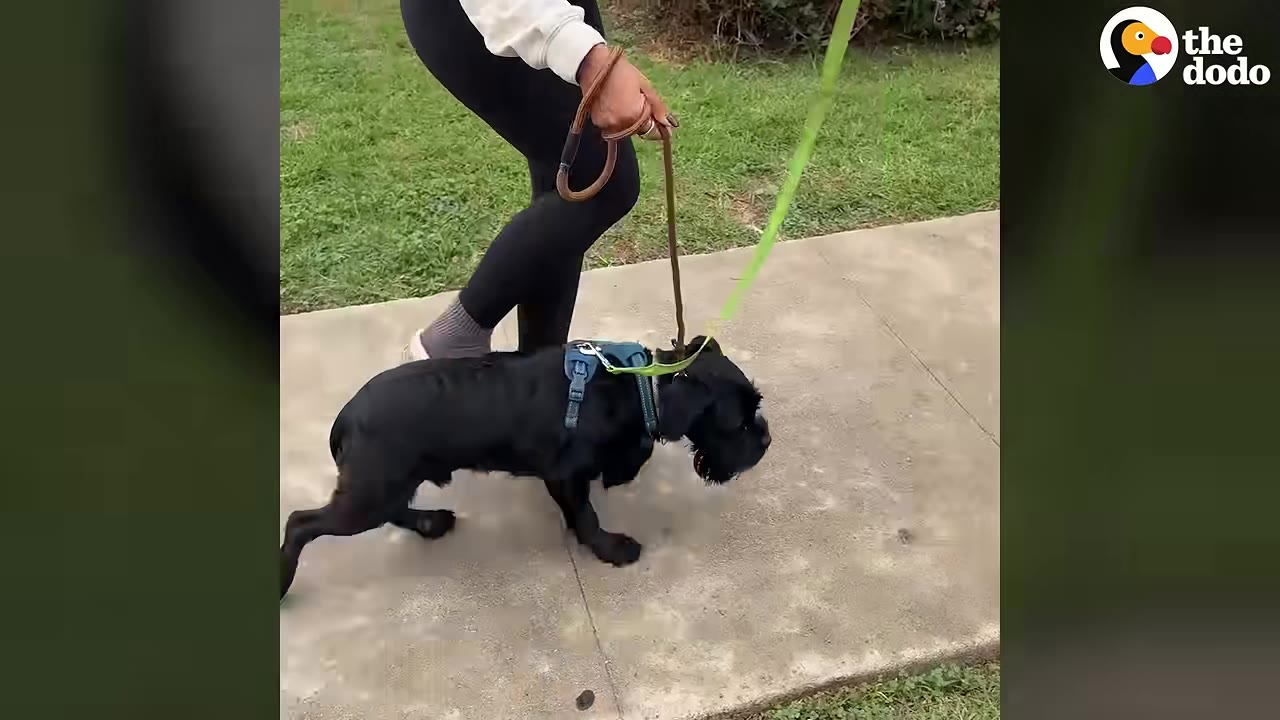
Patience is a virtue in animal rescue, and it eventually pays off. On day 28 of Sherlock’s foster journey, something incredible finally happened.
He stepped outside and, for the first time, he didn’t just freeze. Sherlock went on his very first real walk.
He started walking on his own, putting his nose to the ground and sniffing his surroundings. The world was finally becoming a place to explore rather than fear.
A Fifty-Second Victory
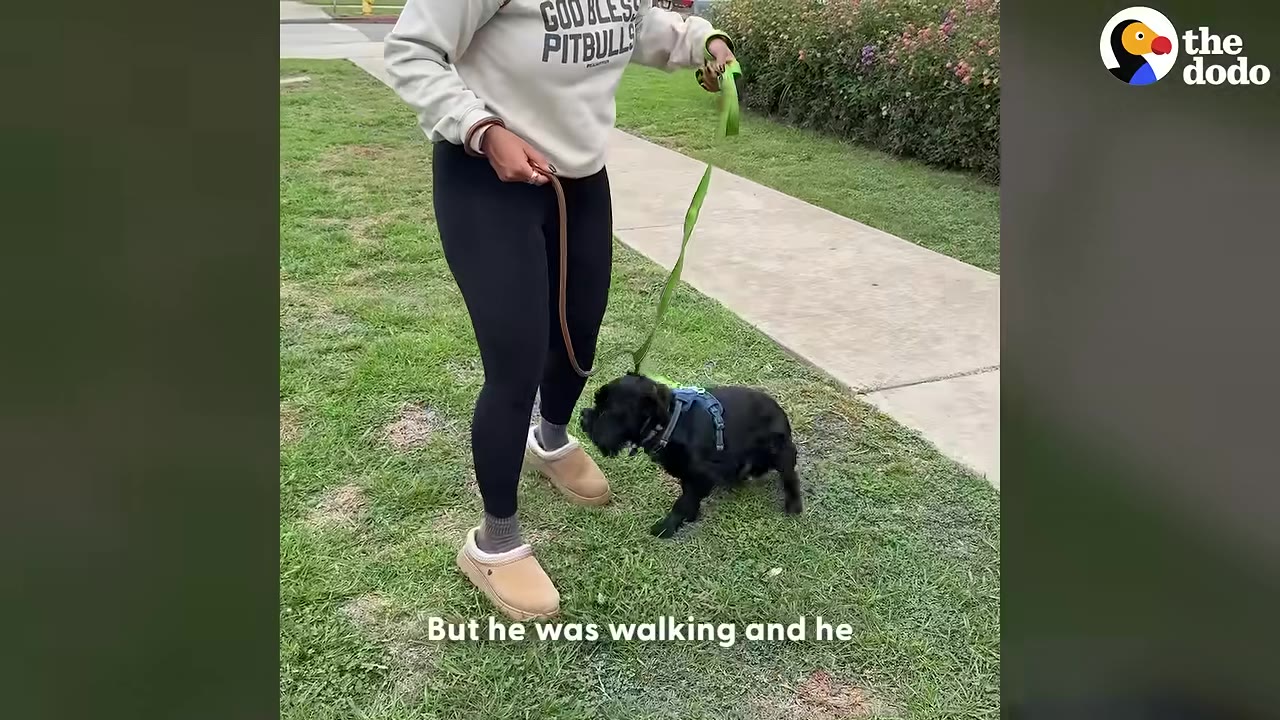
The monumental walk only lasted about 50 seconds in total. But in that brief window of time, Sherlock broke through weeks of built-up terror.
Not only did he walk and sniff, but he finally went to the bathroom outside. His foster parent joked that they had never been so excited about a dog pooping.
To a passing stranger, it probably looked like the shortest, most uneventful walk in the world. But to Sherlock and his foster parent, it was everything.
Putting The Pieces Together
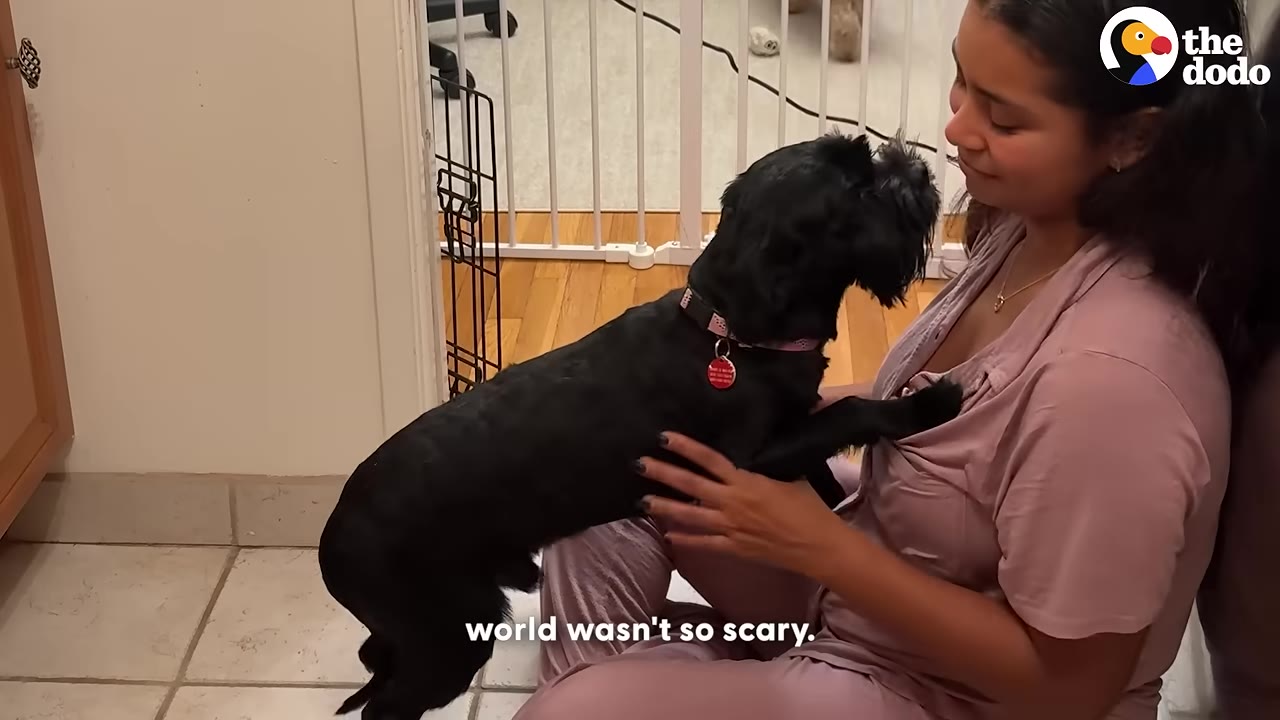
That brief walk meant that Sherlock was finally starting to put the pieces together. He was realizing that the outside world wasn’t quite so scary after all.
This beautiful realization is exactly why his foster parent loves taking in scared dogs. The journey is difficult, but the emotional payoff is unmatched.
Sherlock’s story is a perfect reminder that meaningful progress truly comes from small, quiet moments of bravery. With enough time and love, even the most terrified dogs can learn to step forward.