How Lava Rock And Hot Pavement Change Dog Walks In Hawaii
Walking a dog in Hawaii comes with a few wrinkles you will not find on the mainland. Between sun-baked pavement, sharp volcanic rock, and warm island humidity, the ground itself becomes part of the plan.
The good news is that a handful of simple habits keeps paws comfortable all year. Here is what local owners learn quickly, laid out clearly so your next walk feels easy, cool, and pleasantly uneventful.
Lava Rock Can Be Rough on Paw Pads
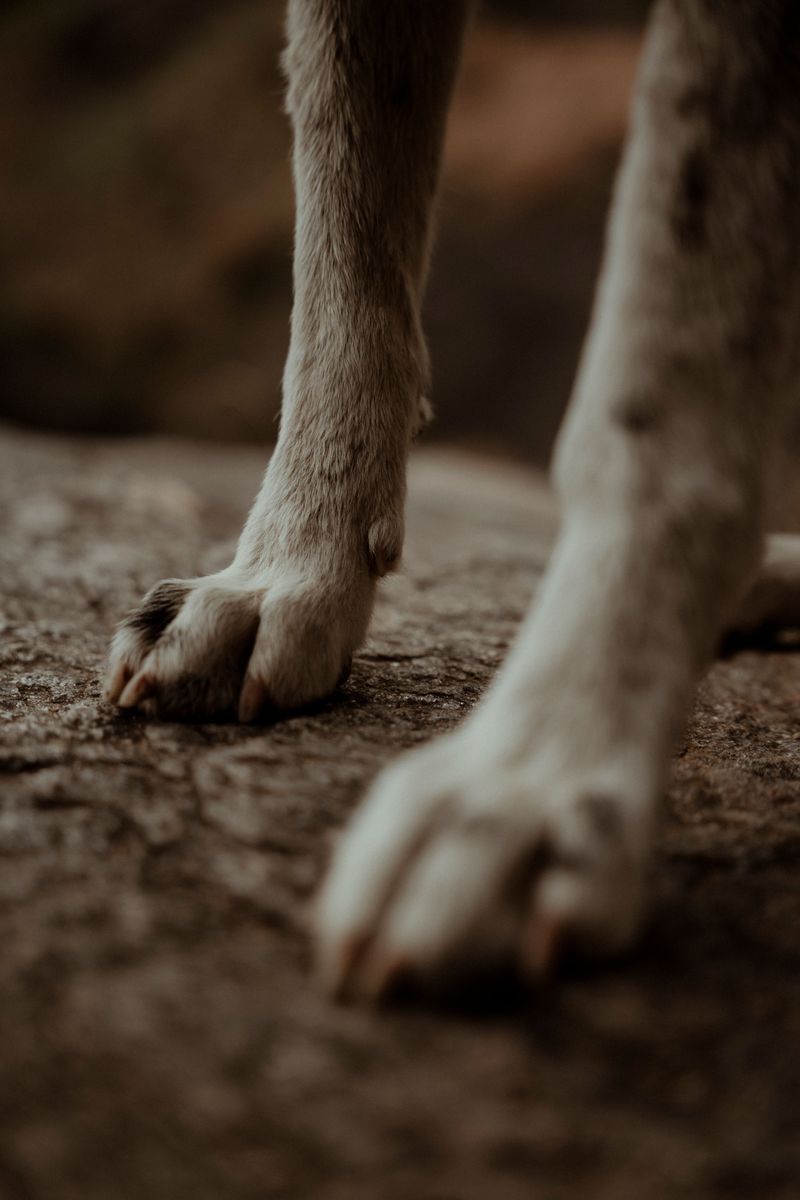
Volcanic rock can be rough and uneven under a dog’s feet. Sharp edges and irregular surfaces can scrape or irritate paw pads, particularly during longer walks.
Short crossings usually pass without trouble. Longer treks are where scrapes and tenderness show up, especially in dogs used to soft yards.
Keep lava rock sections brief. Watch your dog’s stride, and turn back if the footing starts looking uncomfortable rather than pushing on toward the view.
Black Pavement Can Become Extremely Hot
Dark asphalt soaks up sunlight and holds it. On a bright island afternoon, that surface can run far hotter than the air temperature suggests.
Shoes hide the difference from us completely. Your dog has no such buffer, so a pleasant seventy-something degree day can still mean a scorching sidewalk.
Trust the surface, not the forecast. If the road has been in full sun for hours, treat it as off limits until things cool.
Paw Pads Do Not Make Dogs Heatproof
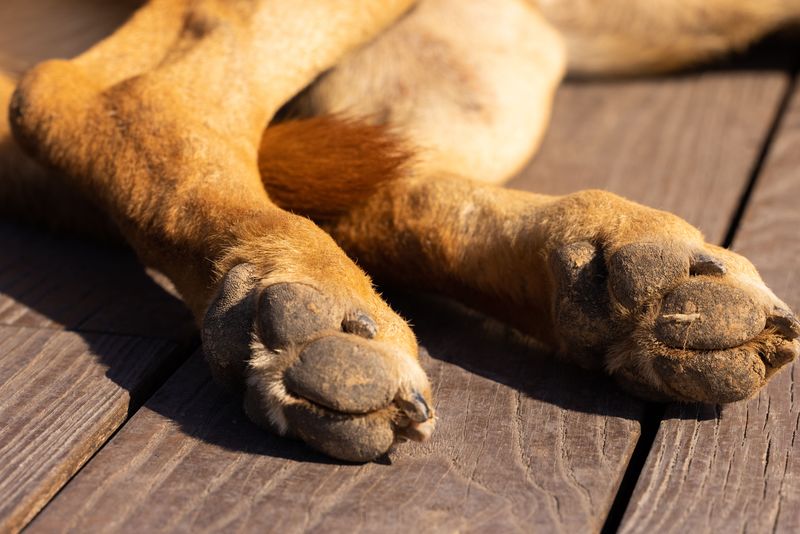
A common assumption is that tough pads work like built-in sandals. They do help with traction and everyday wear, but they are living tissue, not armor.
Thick pads can still be injured by heated pavement or abrasive rock. Puppies and indoor dogs tend to have softer feet and even less tolerance.
Judge by the ground, never by how leathery the pads look. That single habit prevents most surface-related paw problems.
Test the Ground Before Your Dog Walks
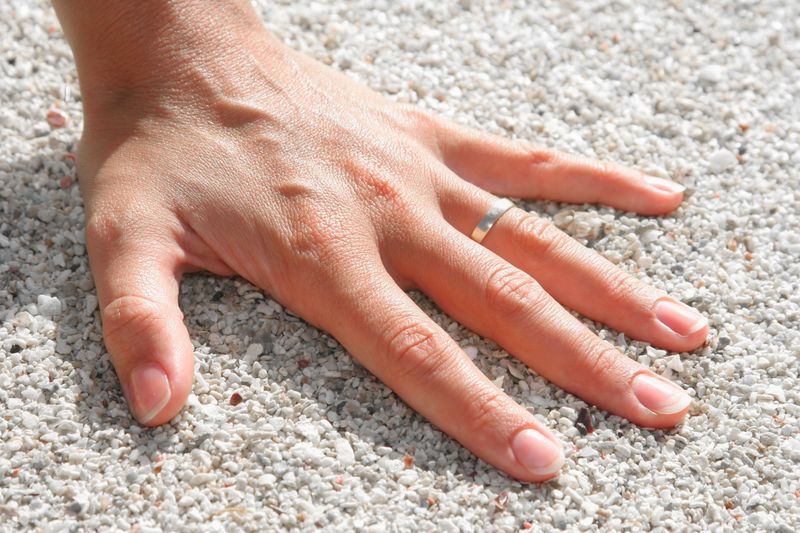
Here is the quickest check in the book. Rest the back of your hand flat on the pavement or rock and hold it there for about seven seconds.
Uncomfortable for you means unsafe for your dog. Simple as that, no thermometer required.
Do the test at the actual starting point, since shaded driveways and open roads differ a lot. Repeat it later if your route crosses into full sun.
Midday Walks Can Be Especially Tough
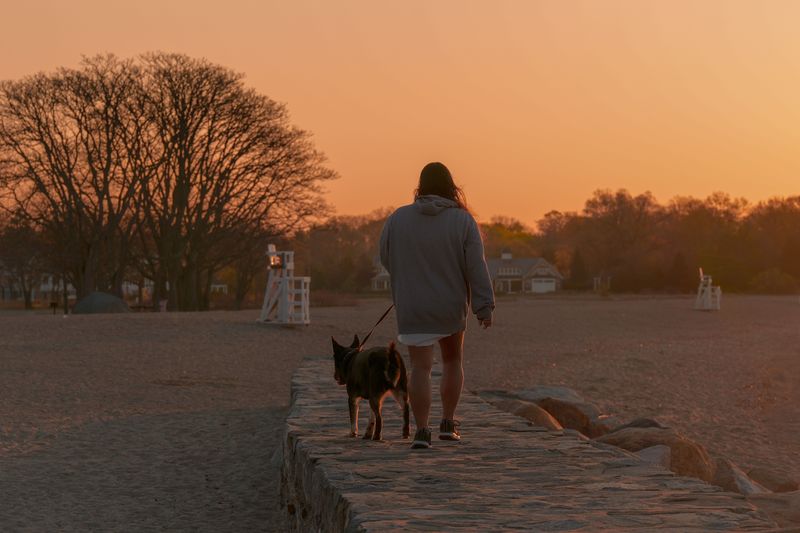
Between late morning and mid afternoon, surfaces reach their peak heat. That window is when exposed pavement becomes genuinely hazardous for paws.
Sunrise walks are a local tradition for good reason. Evening outings work too, though asphalt can stay warm for a while after sunset.
Shift the schedule rather than shortening a midday walk. Your dog gets the same exercise, just at a far more forgiving hour.
Shade Can Make a Big Difference

Tree cover changes everything underfoot. Ground shielded by monkeypod or banyan canopy stays noticeably cooler than the strip of sidewalk twenty feet away.
Shade also eases the load on your dog’s whole body, not only the feet.
A shorter shaded loop beats a scenic exposed route on a hot day. Scout your neighborhood once and note where the canopy holds up through the afternoon.
Look for Softer Walking Surfaces

Grass, packed dirt, and shaded trail soil are kinder options. They stay cooler and flex slightly under each step, which reduces wear on the pads.
Parks, grassy verges, and school field edges often sit right beside busy roads. Use them.
Even alternating helps: pavement for a block, then grass for the next stretch. Your dog’s feet get a break, and the walk still covers plenty of ground.
Watch for Signs of Burned Paws
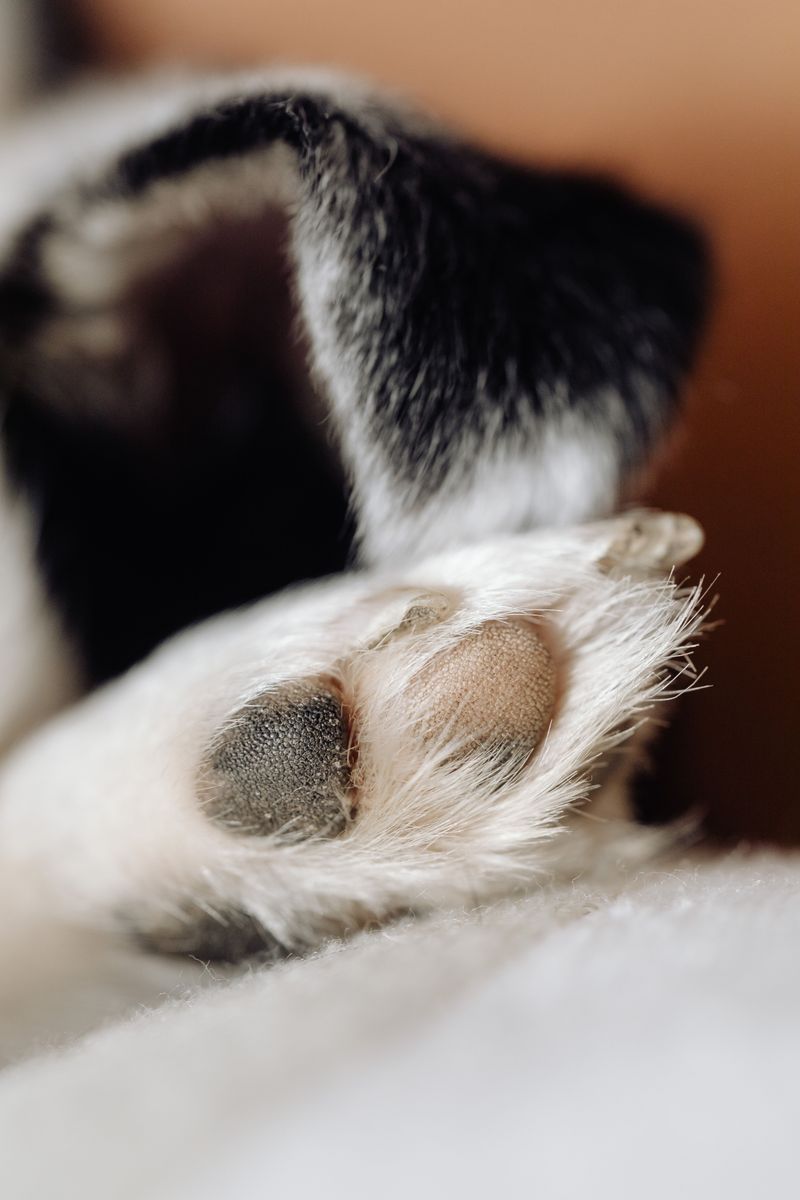
Dogs tell us about sore feet in small ways. Persistent licking, chewing at the pads, limping, or planting themselves and refusing to move are all worth noticing.
Redness, darkened patches, or a rough peeling texture on the pad surface also point to surface trouble.
Stop the walk immediately if those signs appear. Cool the feet with water, keep your dog off hot ground, and call your veterinarian if things look serious.
Lava Fields Require Extra Caution
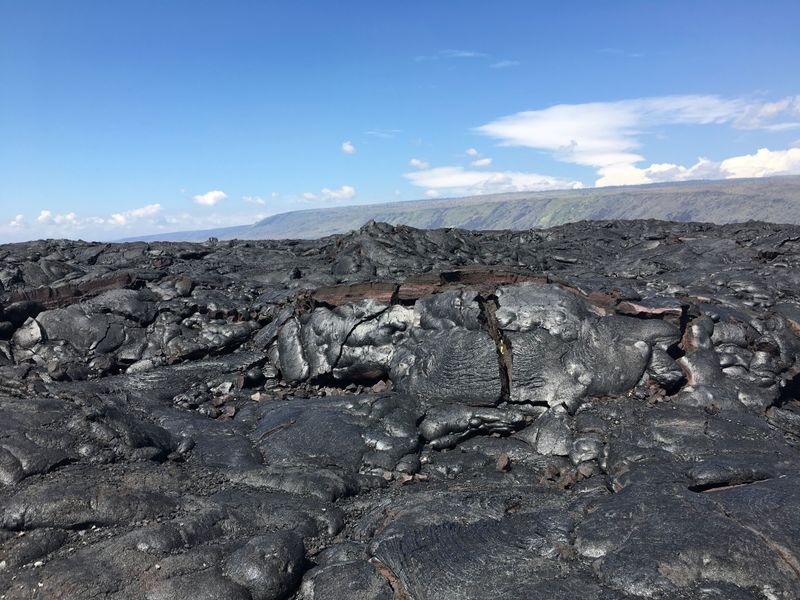
Big Island lava fields look otherworldly, and that texture is exactly the problem. Loose stones shift, crusty layers crack, and edges can be surprisingly sharp.
Keep the leash short so your dog follows your footing instead of exploring off-trail.
Check whether dogs are allowed before you go, since rules differ across parks and preserves. National park areas in particular restrict pets on most trails, so confirm ahead.
Hot Sand Can Also Cause Problems
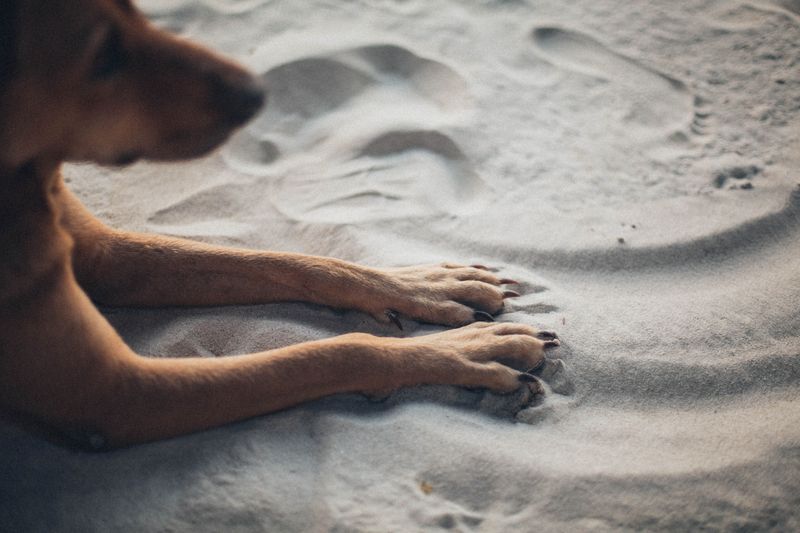
Beach days feel like the cool choice. Dry sand above the waterline, though, bakes in direct sun and can reach uncomfortable temperatures.
The damp strip near the water stays much cooler, so steer your route there when possible.
Test the sand with your hand just as you would asphalt. Also confirm beach dog rules, because access varies by county and by individual park.
Booties Can Add Protection
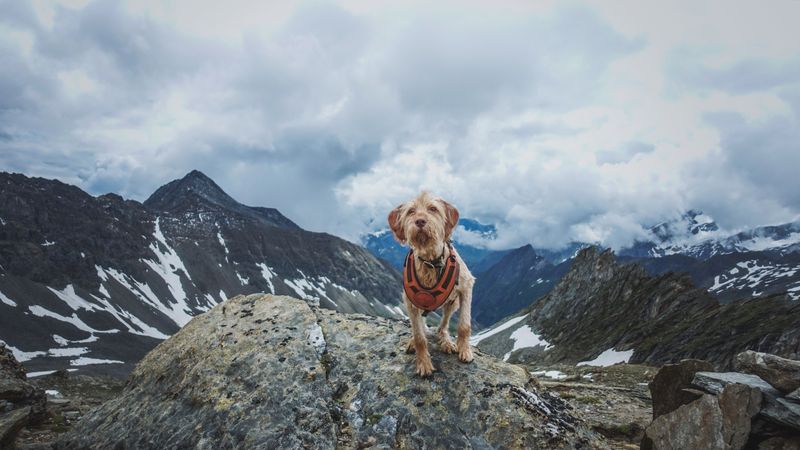
Fitted booties put a real barrier between pads and rough or heated ground. Plenty of island dogs wear them happily on rocky trails.
The catch is the learning curve. First-timers often walk like they are stepping in glue, which is completely normal.
Practice indoors with treats for a few short sessions. Once your dog moves naturally, try a brief outing before committing to a full rocky hike.
Bring Plenty of Water
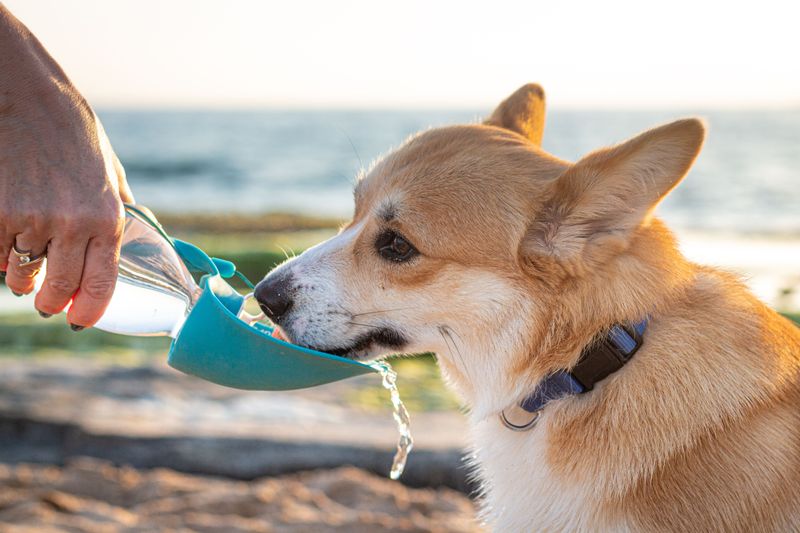
Warm surfaces raise a dog’s overall heat load, and hydration helps them manage it. Carrying water is standard practice for island walks of any real length.
A collapsible bowl and a bottle fit easily in a small pack.
Offer drinks at regular stops instead of waiting for obvious thirst. Shaded rest breaks paired with fresh water keep the whole outing comfortable and low stress.
Short Walks May Be Safer

Nobody is grading your mileage. On a hot afternoon, a ten minute stroll on grass beats a forty minute march across baking sidewalk.
Shorter outings limit both heat exposure and abrasion, which matters most for young, senior, or flat-faced dogs.
Fill the gap with indoor games, sniff work, or training sessions. Mental effort tires dogs beautifully, and their feet stay perfectly happy.
Check Paws After Every Walk

Make the post-walk paw check part of the routine, right alongside unclipping the leash. It takes under a minute.
Spread the toes, look between them, and run a finger over each pad feeling for grit, cracks, or tender spots.
Rinsing off salt, sand, and volcanic dust helps too. Catching a tiny split early usually means a few easy days of rest instead of a vet visit.
Do Not Let Your Dog Push Through Pain
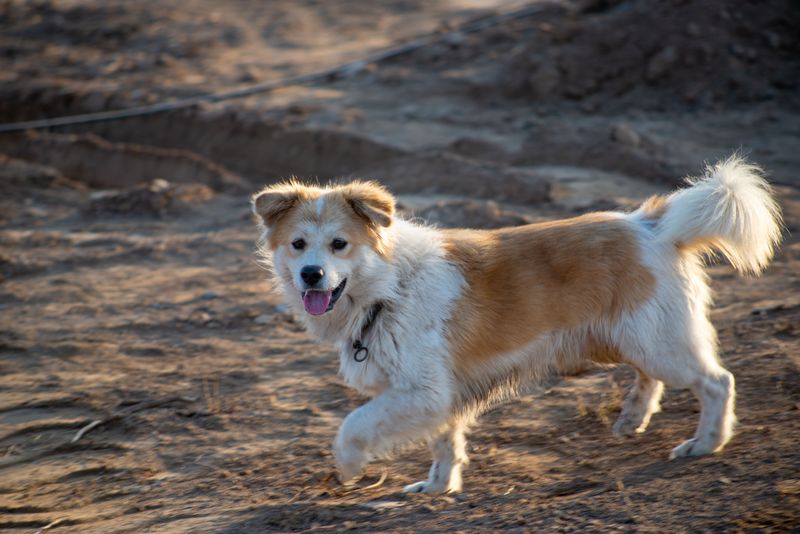
Some dogs are relentlessly cheerful about walks, even when their feet have had enough. Retrievers and working breeds are famous for this.
Slowing down, lifting one paw repeatedly, hopping onto grass, or stopping cold are all requests for a break.
Honor them right away. Carry smaller dogs to shade, move larger ones onto cool ground, and check the pads before deciding whether to continue.
Consider the Heat Beyond the Ground
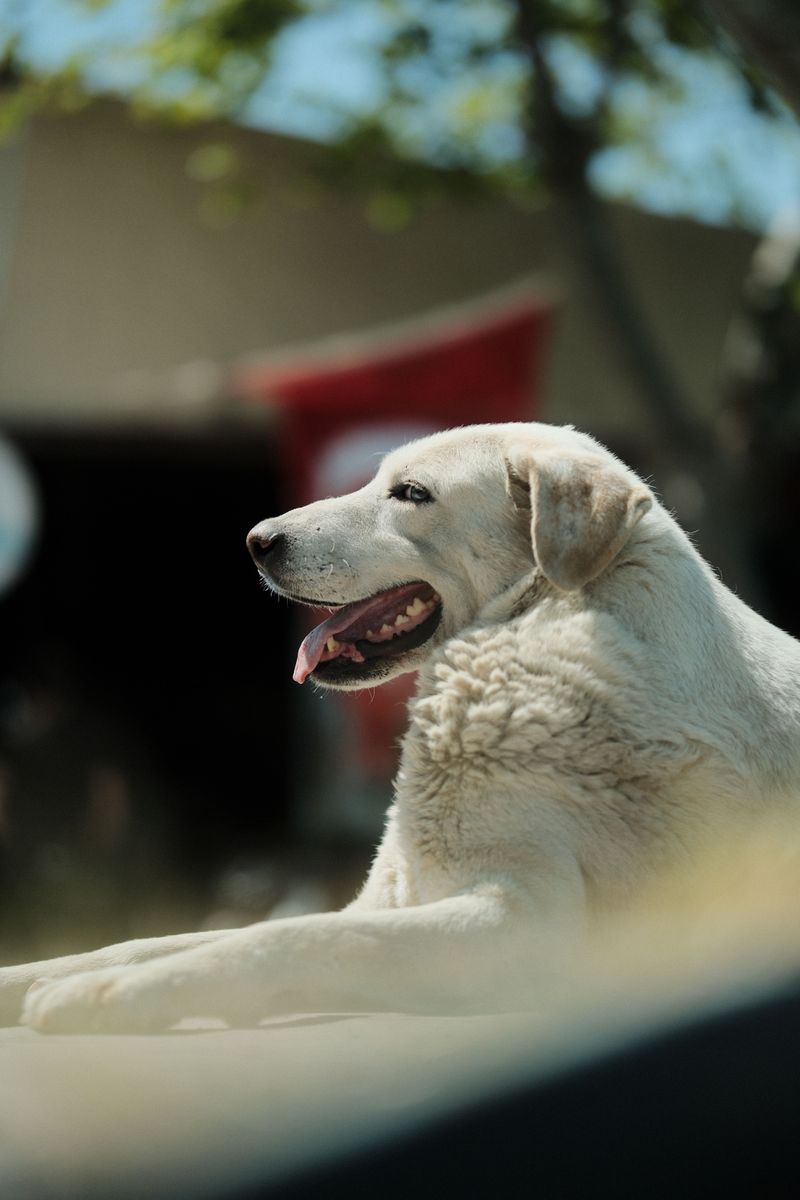
Surfaces are only half the story. Island humidity slows how well dogs cool themselves through panting, so warm days feel harder than the numbers suggest.
Watch for heavy panting that will not settle, wobbliness, thick drooling, or a dog acting unlike themselves.
Move to shade, offer water, and cool them gradually if that happens. Contact your veterinarian promptly when symptoms linger.
Steady habits keep island walks safe and genuinely fun.