10 Must-Know Gender Differences To Know Before Bringing A Dog Home
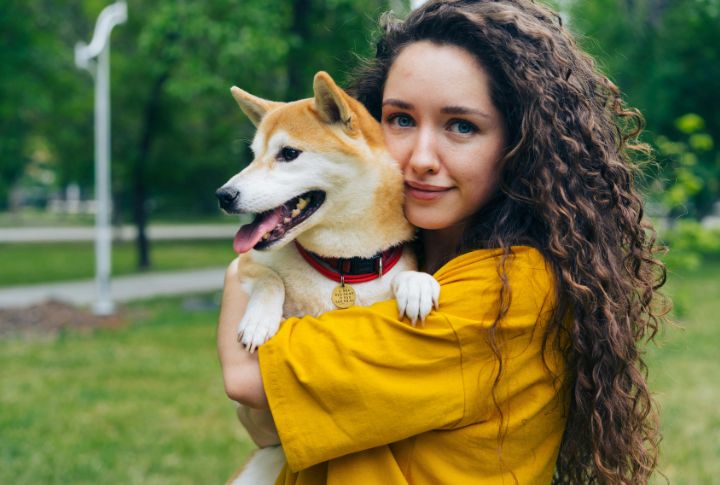
Nobody warns you that male and female dogs come programmed differently. Sure, they’re all adorable and worth adopting, but their gender influences how much exercise you’ll need, which health problems you’ll face, and even how your furniture survives. Skip the assumptions and let’s talk about what actually matters when adopting.
Physical Size And Weight
Male dogs usually grow bigger and heavier than females of the same breed because of testosterone, the hormone that boosts growth, muscle, and energy. Their size also affects how much exercise and food they need, so consider whether your home and routine can comfortably accommodate a larger dog.
Maturity Rate
Females typically reach physical and behavioral maturity by 12-18 months, whereas males may take up to 24 months. Faster development in females can also lead to earlier success in house training and fewer mischievous behaviors. So, this makes them appealing for first-time adopters who want a dog that adjusts quickly to a new home.
Territory Marking
Intact males usually have a habit of urinating around the house, which can get messy. In contrast, female dogs typically do this less, mostly when they’re in heat, so it’s not a big problem. The best way to prevent marking problems in either gender is to start training early and stay consistent.
Reproductive Cycles
Female dogs that aren’t spayed go into heat a few times a year. During this time, they may bleed and act differently. Male dogs don’t go into heat, but notice females and can become restless. Getting your dog spayed or neutered helps keep them healthy and avoids unexpected puppies.
Aggression Levels
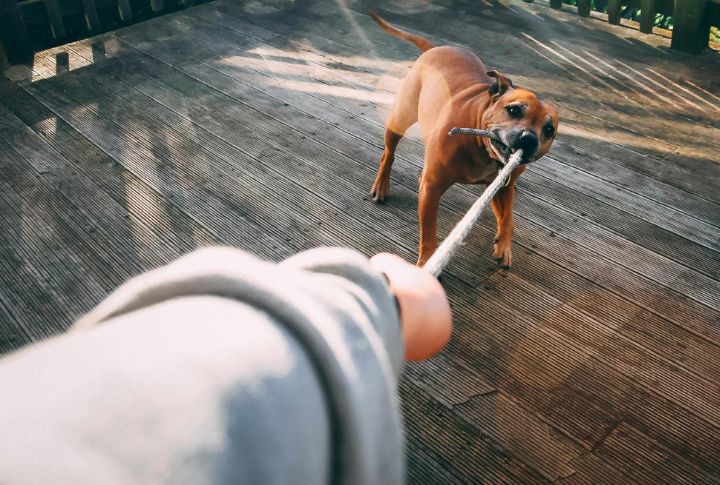
You’ll often see more aggression in males toward other dogs, with increased bite potential. Females display less aggression overall, except when nursing. That said, aggression varies from dog to dog, though males may require extra work to address dominance issues.
Roaming Tendencies
Intact males are prone to roam in search of mates, thereby increasing the risks of accidents or getting lost. Generally, female dogs stick close to their home unless it’s heat time. Either way, microchipping—a tiny ID chip implanted under the skin—helps you locate and recover your dog.
Fearfulness
Nervousness in unfamiliar situations tends to affect females more, which requires gentle, steady exposure training. Males are generally bolder and less fearful, thriving in active, stimulating settings. Anxiety can impact both genders, but early socialization and positive reinforcement build confidence and ensure smooth transitions to new homes.
Trainability
Females typically learn commands quicker due to better focus and faster maturity rates. They’re ideal if you need a dog who integrates rapidly. But males are more easily distracted, though both genders excel with reward-based training. Testing individual temperaments at shelters gives you the best sense of training success.
Independence
Busy schedule? Females generally cope better with independence, requiring less constant attention than their male counterparts. Males bond intensely but may struggle when separated from you. Both benefit from proper crate training, though you’ll likely see fewer chewed shoes with females left home alone.
Playfulness And Energy
If you’re adopting a male, expect their high energy to last well into adulthood. They love rough play and need extra exercise—think 30-60 more minutes daily. Female dogs tend to calm down sooner, enjoying gentler fun, with breed shaping energy more than gender.