What Arizona Dog Owners Should Know About Sonoran Desert Toads After Monsoon Rain
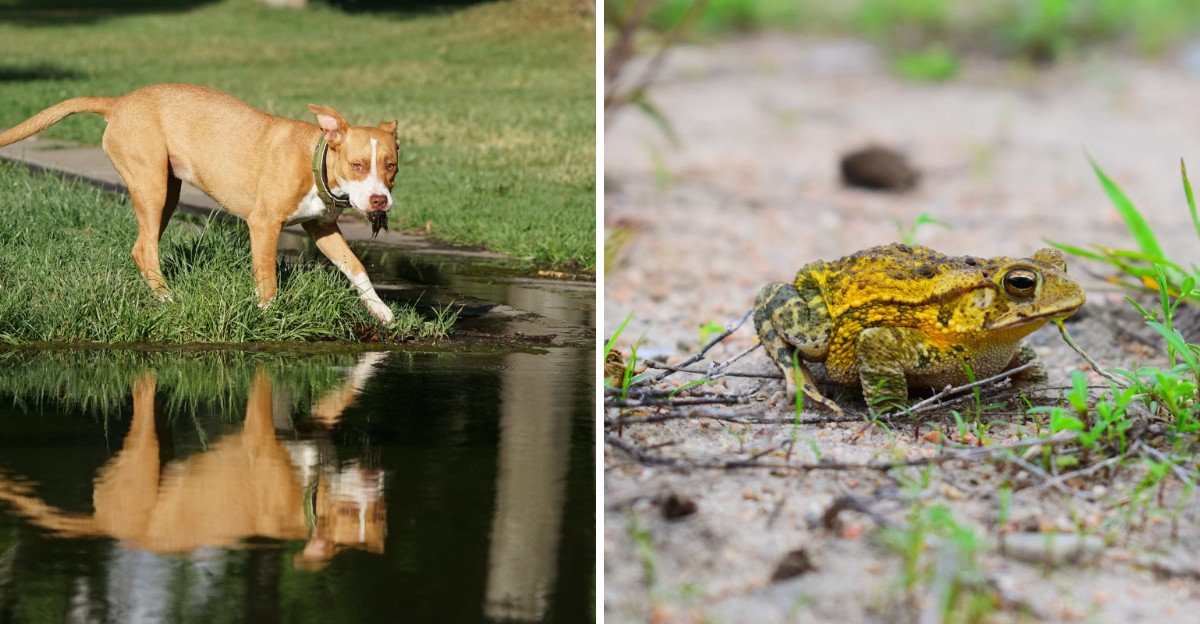
Monsoon rain brings cooler evenings, fresh desert smells, and a few visitors your dog should avoid. Across parts of Arizona, Sonoran Desert toads emerge during warm, wet weather and sometimes wander into yards.
Their skin secretions can make dogs very sick, but simple habits can lower the chance of contact. Knowing where to look and how to respond helps you enjoy rainy season with a little more confidence.
1. Monsoon Rain Brings Toads Out of Hiding
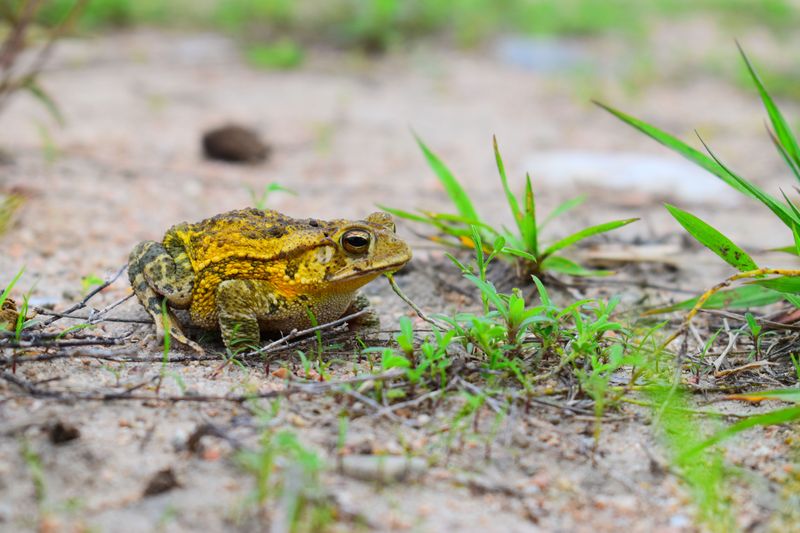
A summer storm can change the desert evening almost overnight. Sonoran Desert toads spend dry periods sheltered underground or in other protected places.
Warm rain and moisture encourage them to emerge, feed, and breed.
That means your usual walking route may suddenly include wildlife you rarely see. Watch conditions rather than relying on a calendar alone.
After monsoon showers, plan closer supervision whenever your dog heads outside, especially around dusk and throughout warm, humid nights afterward.
2. Learn the Sonoran Desert Toad’s Main Features
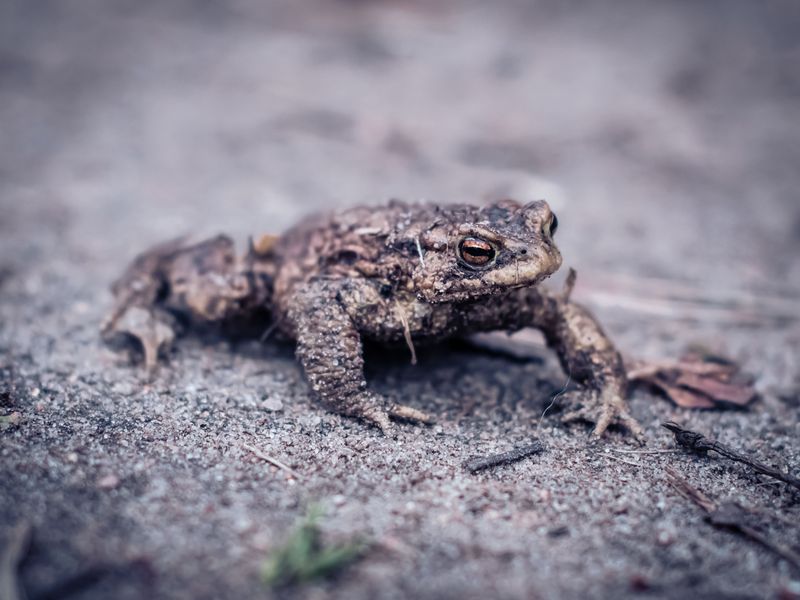
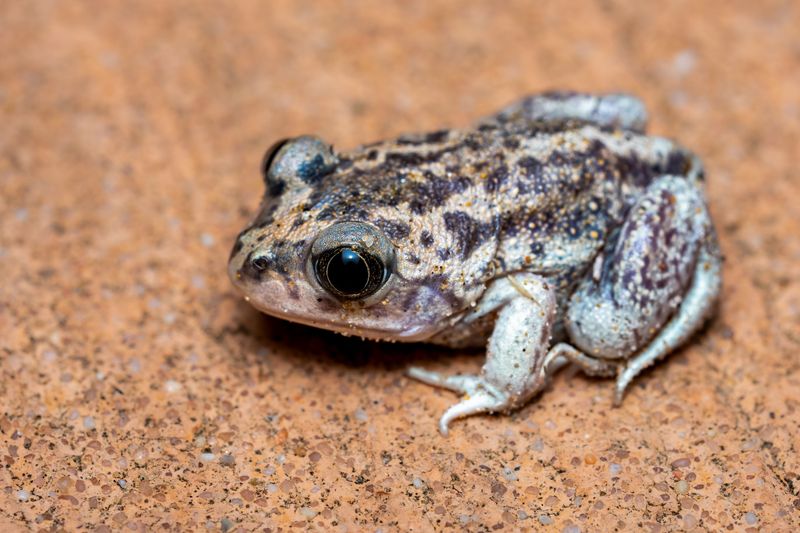
Size offers one clue, but appearance deserves a closer look from a distance. Adults are large, with olive, grayish, or brown skin and a broad head.
Prominent glands sit behind the eyes, and pale bumps often appear near the mouth corners.
Young toads can be harder to identify, so never assume a small one is harmless. Keep dogs away from every unfamiliar toad.
A photograph taken safely can help professionals identify the animal without direct handling.
3. Expect Encounters Near Shelter and Moisture
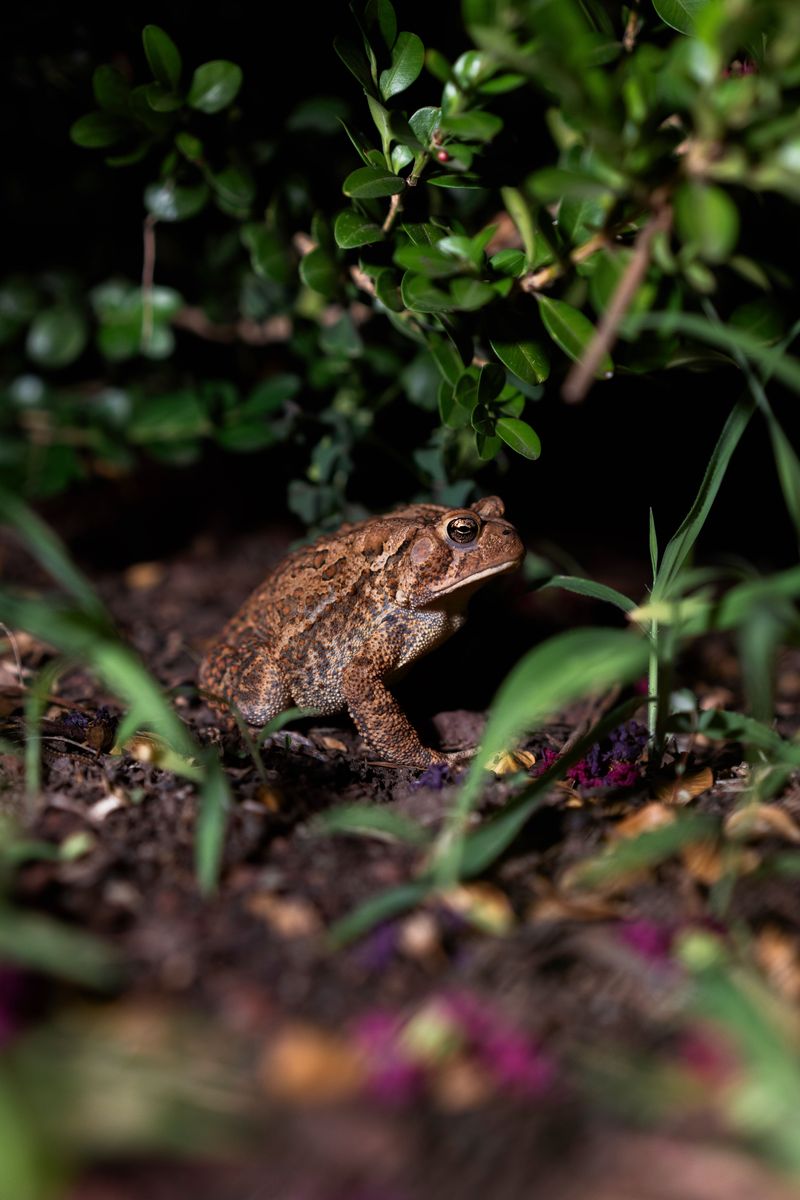
Your dog does not need a wilderness hike to meet a toad. Encounters can happen beside patios, under shrubs, near washes, or along neighborhood paths.
Damp, sheltered spots are especially worth checking after rain.
Pay attention where desert habitat meets homes, parks, and open land. Keep your dog close enough to guide away from movement.
A familiar yard still needs supervision, because wildlife can enter between visits and remain hidden until your curious dog approaches nearby.
4. Backyard Visitors Can Arrive Overnight
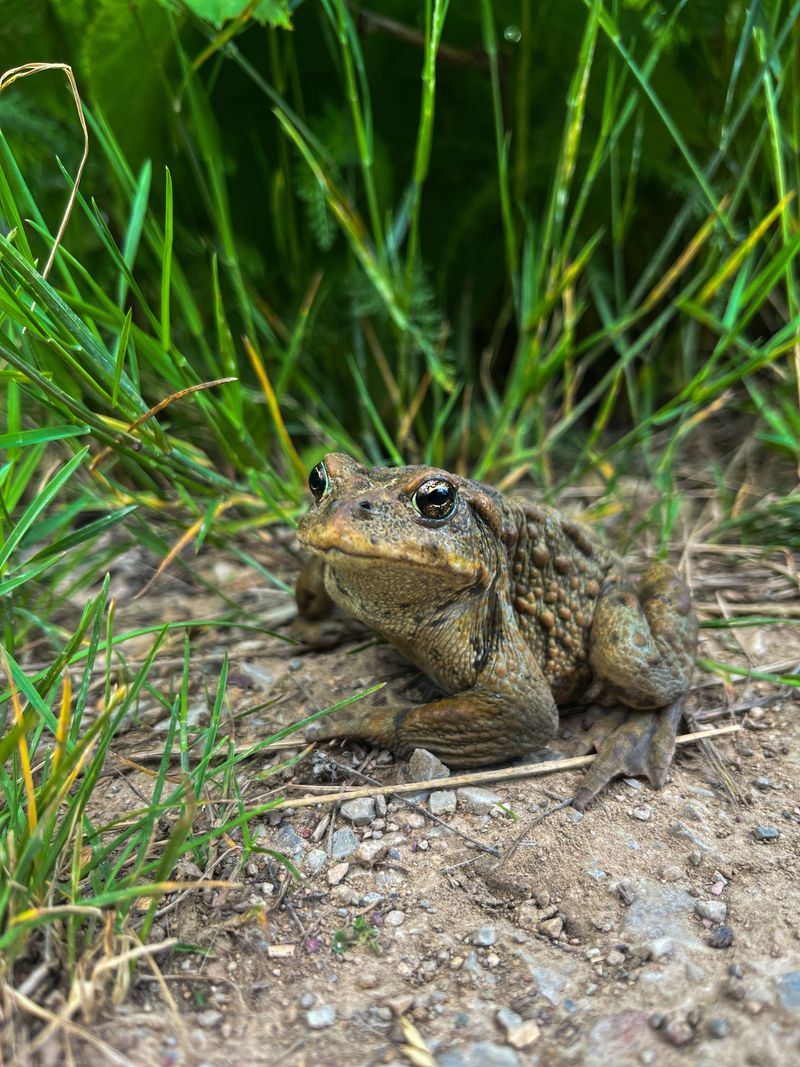
An empty patio at dinner may look different before bedtime. Toads move while searching for food, mates, and suitable wet areas.
Insects around outdoor lights can provide another reason to visit.
Fences do not guarantee protection, especially when gaps allow small animals through. Look beneath gates and around yard edges during routine maintenance.
Avoid assuming someone released a toad nearby. Natural movement after rain often explains a surprising visitor appearing in your yard by morning alone.
5. Skin Secretions Are the Main Danger
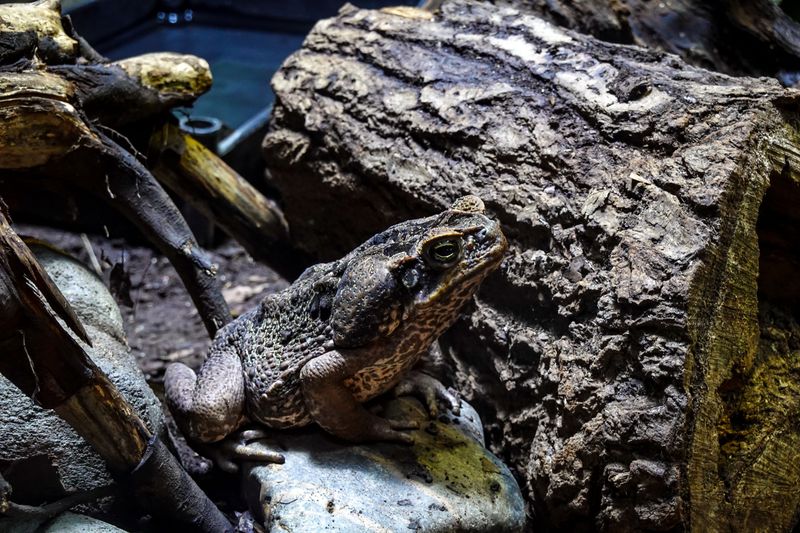
The concern is not a bite from the toad itself. Defensive skin secretions contain toxins that can affect a dog’s heart and nervous system.
Large glands behind the eyes are an important source.
Contact with the mouth allows these substances to enter the body quickly. Your dog does not need to swallow the animal.
Keep pets from licking, carrying, or nosing toads, and treat suspected mouth contact as an urgent veterinary matter, even without visible injury.
6. Licking or Biting Can Cause Rapid Trouble
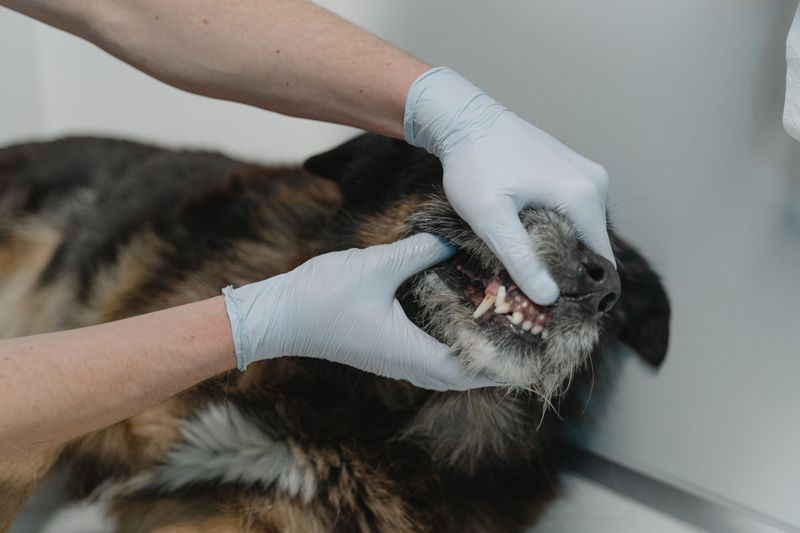
A quick lick can matter more than owners expect. Mouth irritation may cause sudden drooling, foaming, head shaking, or pawing at the face.
Gums may look unusually red after contact.
Some dogs develop additional problems quickly, while early signs can look mild. Do not judge exposure by how briefly it lasted.
Move your dog away from the animal, prevent another encounter, and contact an emergency veterinarian immediately for instructions suited to your dog’s current condition now.
7. Know Which Signs Need Emergency Care
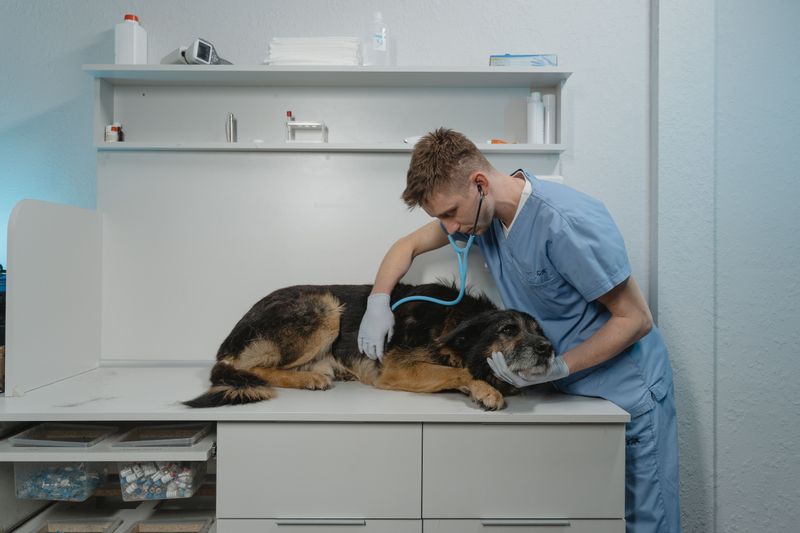
Stumbling or shaking calls for immediate action, not a watchful wait. Serious signs can include weakness, muscle tremors, seizures, collapse, or trouble breathing.
Abnormal heart rhythms may occur without an obvious sign you can recognize.
Arrange emergency veterinary care whenever exposure is suspected, especially if any symptoms appear. Keep handling calm and limit unnecessary movement.
If your dog is unconscious or having seizures, do not put fingers, cloths, food, or water into the mouth at all.
8. Start With Safe Mouth Cleaning and a Call
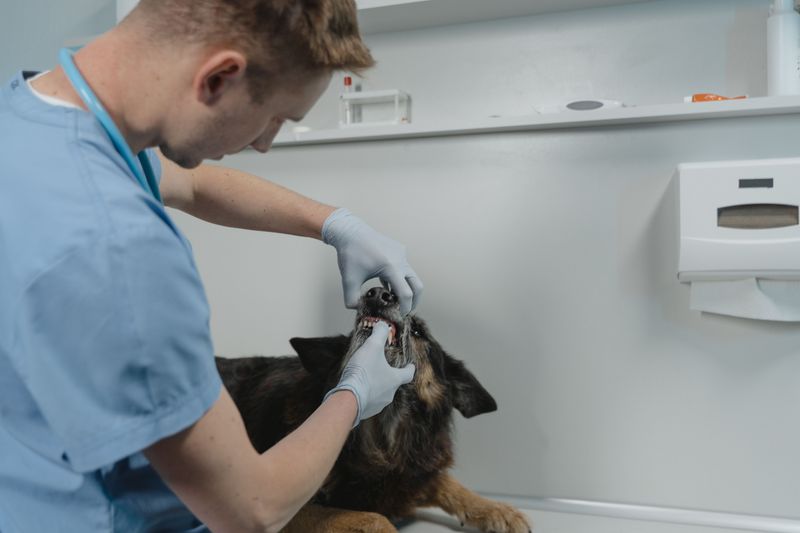
First, separate your dog from the toad and contact an emergency veterinarian. If your dog is conscious and can tolerate it safely, immediately rinse the mouth with gently flowing water, keeping the muzzle pointed downward so the water drains out rather than down the throat.
You can also use a damp cloth to wipe the gums, tongue, and inside of the mouth, rinsing the cloth between passes. Seek emergency veterinary care promptl Rinse the cloth between passes, keeping fingers safe.
Avoid forcing water into the mouth or aiming a hose toward the throat. Water can enter the lungs.
Never induce vomiting or give home remedies. If cleaning is unsafe, skip it and follow the clinic’s directions for immediate transport instead.
9. Do Not Wait for Symptoms
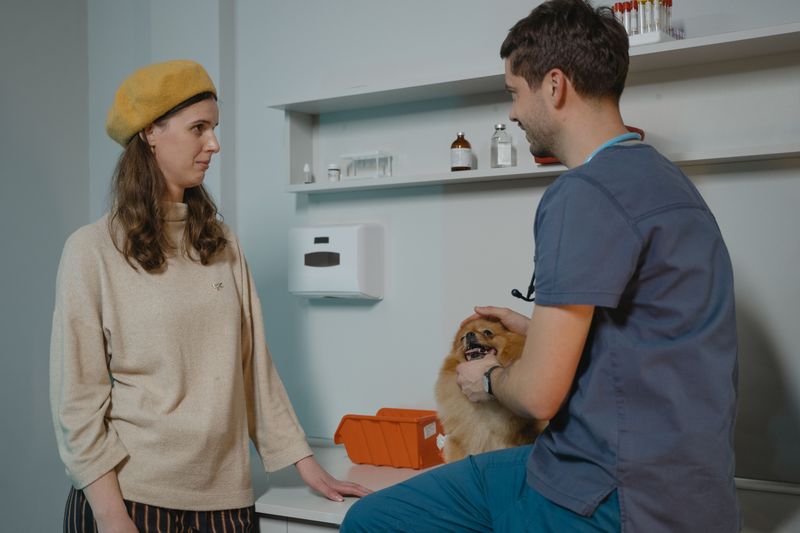
Looking normal right now does not rule out a developing problem. Toad toxins can act quickly, and waiting may delay useful treatment.
Call as soon as you suspect licking, biting, or mouth contact.
Explain what happened, when it happened, and what your dog is doing. Share your dog’s approximate weight and any known health conditions.
You do not need a captured toad to seek help. A clear account lets the veterinary team guide your next steps.
10. Give Night Walks Your Full Attention
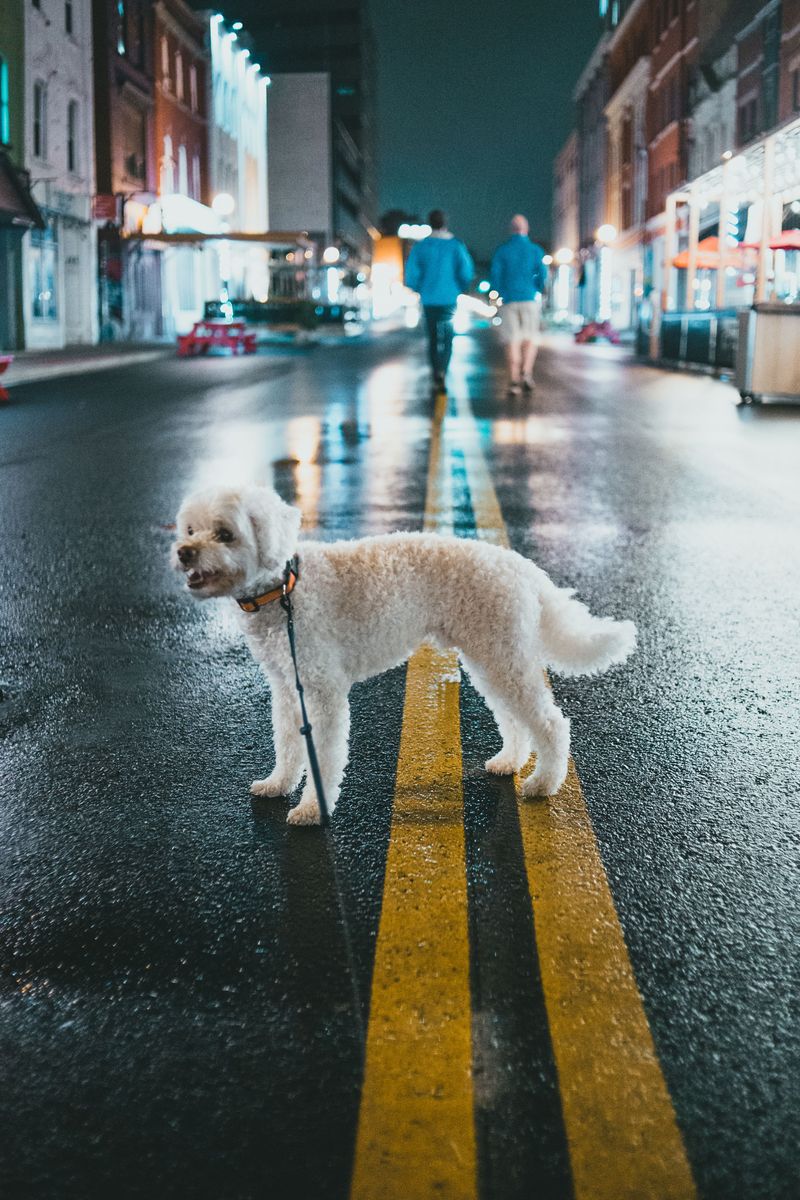
Darkness makes a moving toad easier for your dog to notice first. Carry a flashlight and scan the ground ahead, especially beside vegetation and curbs.
Keep your attention off your phone while walking.
A short, fixed length leash gives you more control than extra roaming distance. Choose well lit routes when possible, without assuming light prevents encounters.
If something hops nearby, calmly turn away and reward your dog for following rather than investigating the movement further.
11. Steer Clear of Standing Water and Drains
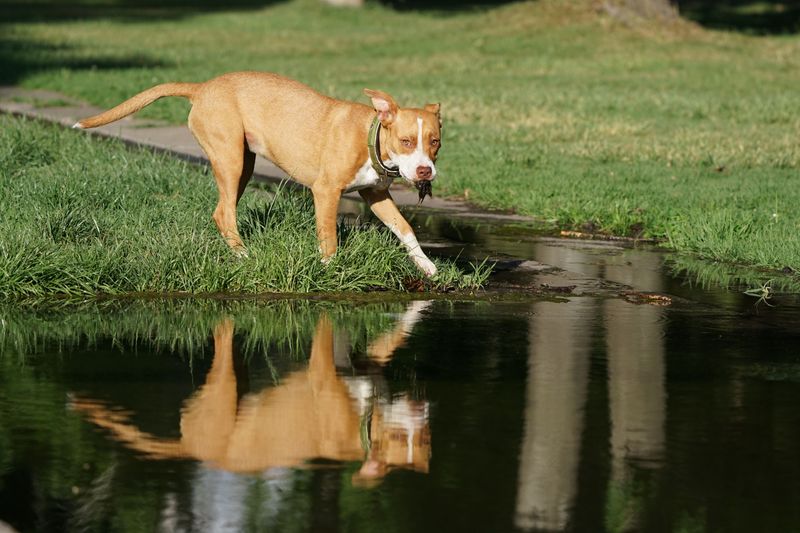
Puddles can draw more than a thirsty dog’s attention. Temporary pools and drainage areas may attract toads during breeding activity.
Washes, ditches, and stormwater basins deserve extra space after monsoon weather.
Offer clean drinking water before walks and carry some along. Do not let your dog drink from puddles or investigate wildlife around their edges.
Floodwater also brings separate hazards, including fast currents and hidden debris. Pick a dry route instead of crossing a flowing wash.
12. Make a Yard Check Part of Potty Breaks
A brief flashlight sweep can become an easy evening habit. Check the patio, grass edges, planter bases, and spaces beneath outdoor furniture.
Look before opening the door, not after your dog runs outside.
Bring your dog out on leash when visibility is poor or toads have appeared recently. Stay nearby throughout the bathroom break.
If you spot a toad, return your pet indoors and use another area. Never encourage your dog to chase the visitor away.
13. Reduce Easy Food and Hiding Spots
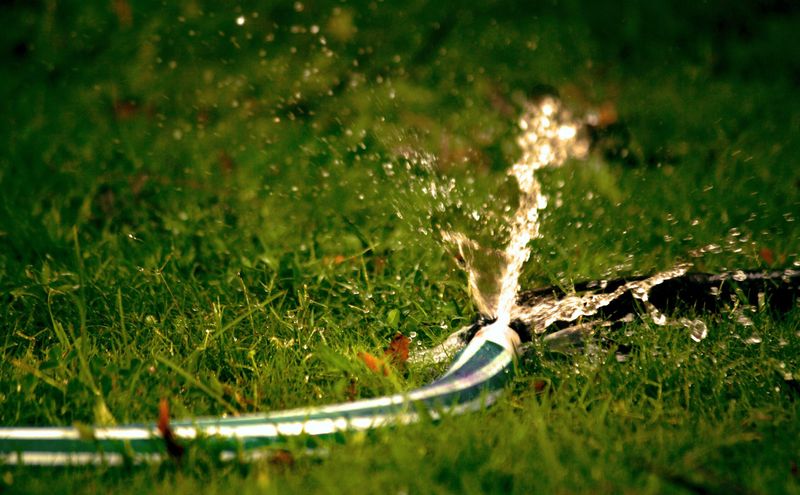
Small yard changes can make visits less appealing without harming wildlife. Bring leftover pet food inside and clean up spilled kibble.
Fix irrigation leaks and remove unnecessary clutter that creates damp hiding places.
Consider turning off unneeded outdoor lights that attract insects, while preserving safe visibility. Keep vegetation maintained near your dog’s regular path.
No cleanup plan makes a property toad proof, though. Combine these steps with supervision, and avoid pesticides or poisons intended to target toads.
14. Pay Attention to Outdoor Water Bowls

A bowl left outside overnight can attract thirsty desert visitors. Toads may enter water dishes, creating a possible exposure concern.
Keep bowls where you can monitor them, and bring unattended bowls indoors when practical.
Never restrict your dog’s access to fresh water, especially during Arizona heat. Instead, provide clean water in a supervised location or indoors.
If a toad enters a bowl, keep pets away, empty it safely, and wash and rinse thoroughly before refilling it.
15. Practice Leaving Wildlife Alone
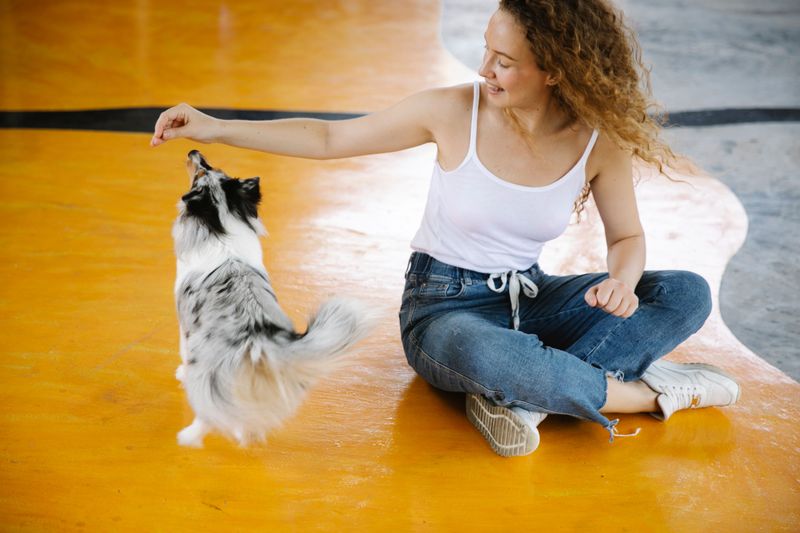
A reliable leave it cue gives you another useful safety tool. Begin indoors with ordinary objects, rewarding your dog for turning attention toward you.
Gradually practice around distractions your dog can manage.
Never use a live toad as a training exercise. Work with a qualified reward based trainer if chasing wildlife is a strong habit.
Training supports supervision rather than replacing it. Even a well trained dog needs a leash when toads might be nearby after rain.
16. Give Curious Puppies Closer Supervision
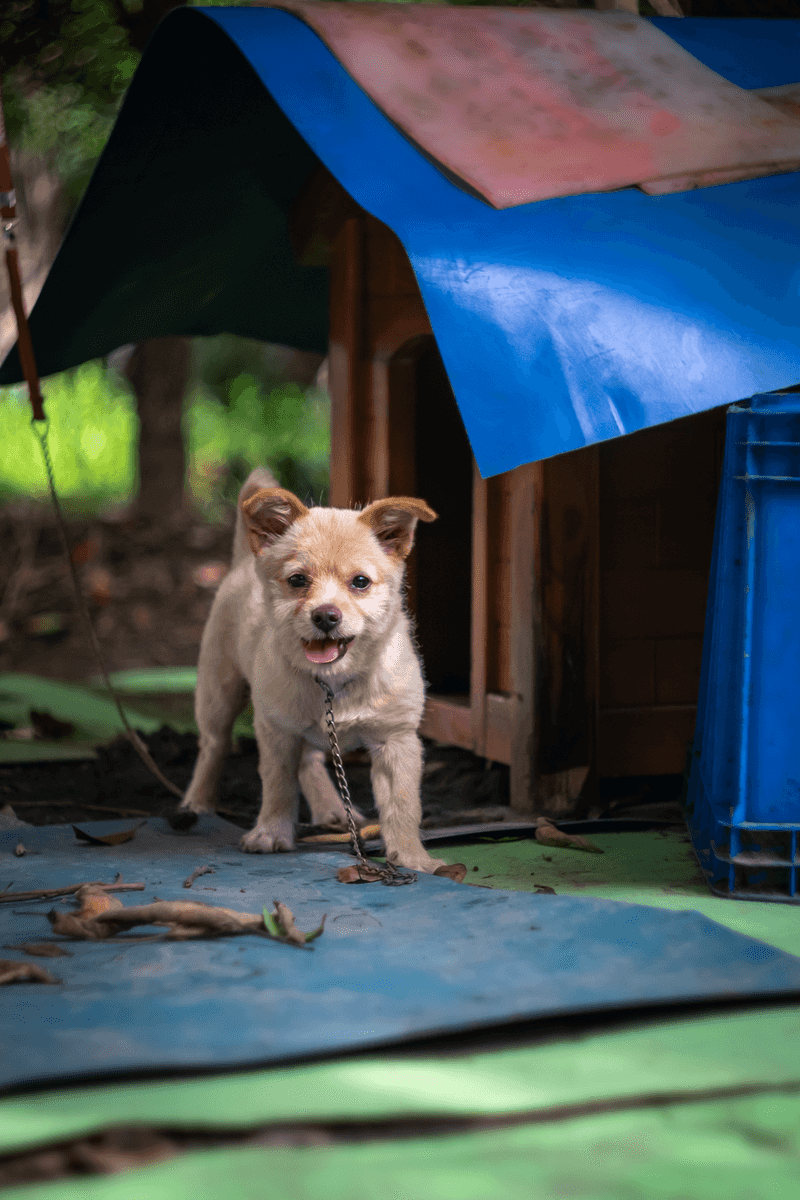
For a puppy, a hopping animal may look like an exciting toy. Young dogs often explore with their mouths and have little experience ignoring wildlife.
Small body size can also increase concern after toxin exposure.
Escort puppies during outdoor breaks instead of watching from inside. Keep play in an area you have checked, and interrupt investigating calmly.
The same caution helps enthusiastic adult dogs. Ask your veterinarian about local seasonal hazards during routine puppy visits before storms.
17. Leave Toad Handling to Qualified Help
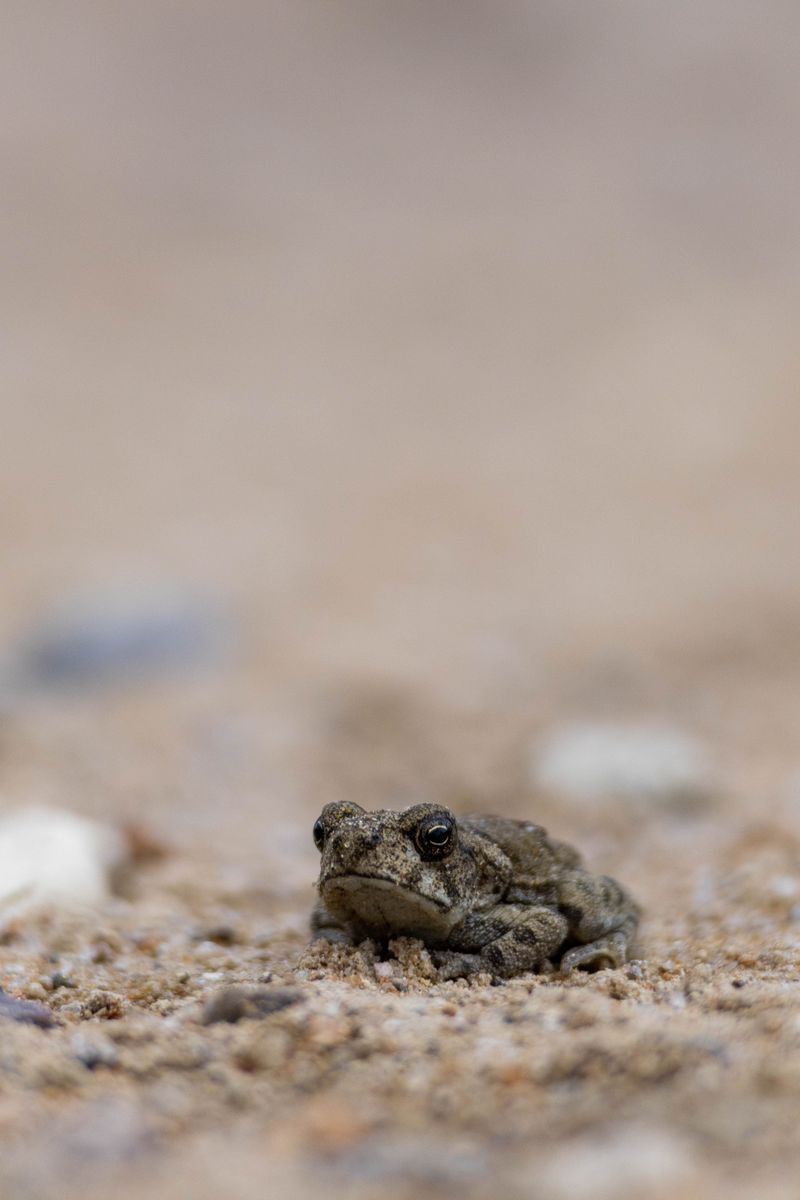
Spotting a toad does not mean you need to pick it up. Bring pets indoors and give the animal space.
Handling can expose you to secretions and may cause the toad unnecessary stress.
For a trapped or recurring visitor, contact local wildlife professionals or animal control for guidance. Wildlife rules and available services vary by location, so confirm before attempting relocation.
Do not transport, collect, or release a toad elsewhere based on casual advice found online alone.
18. Stay Alert After the Clouds Clear
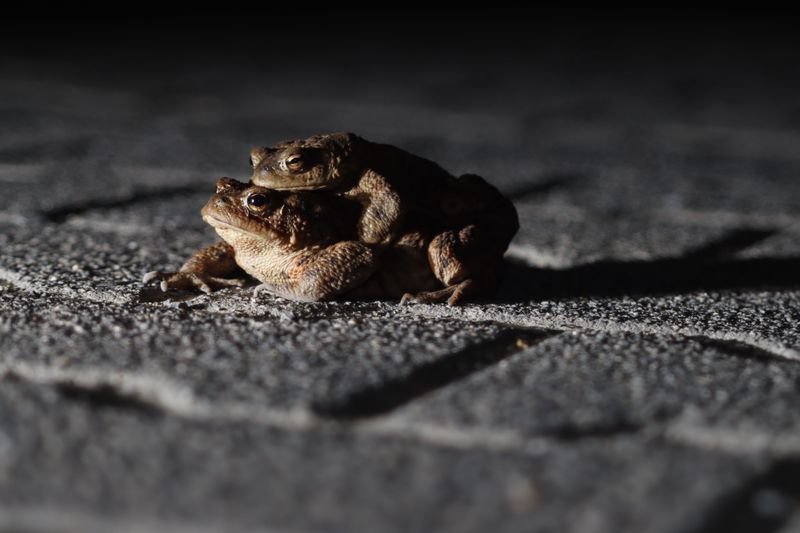
Blue skies do not immediately end the chance of an encounter. Moist soil, warm nights, and sheltered wet spots can support continued toad activity.
A dry afternoon does not mean every hiding place has dried.
Keep your evening checks and leash habits after storms pass. Let recent sightings and local conditions guide your caution, rather than a fixed waiting period.
If neighbors report toads, treat that as useful awareness, not proof your own yard is clear tonight.
19. Save Your Emergency Vet’s Number Now
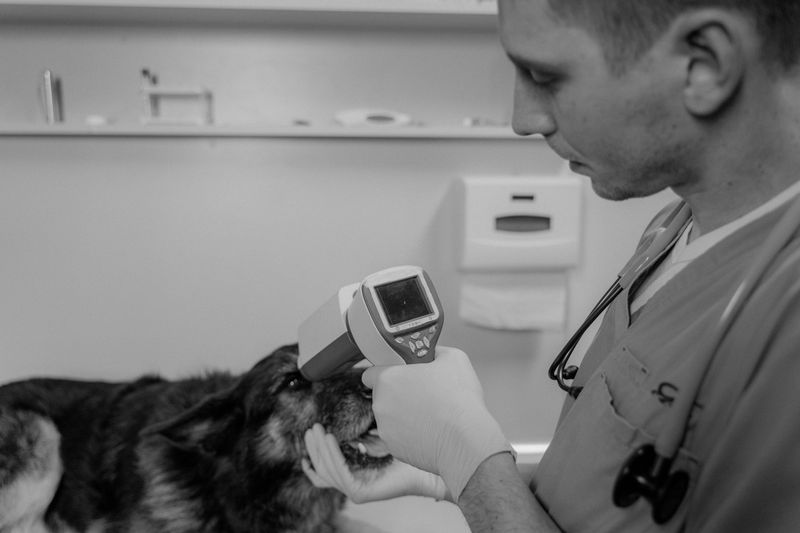
Preparation is easiest when everyone is relaxed and the phone is charged. Save your regular veterinarian’s number and a nearby emergency clinic’s contact details.
Confirm overnight hours, directions, and whether you should call before arriving.
Share the plan with family members, sitters, and anyone who walks your dog. Keep a clean cloth and transport supplies accessible.
You cannot control every desert visitor, but you can build reliable habits. Check first, supervise closely, and call promptly after contact.