What Dog Owners Should Know Before Taking Their Pets To Higher Elevations In Colorado
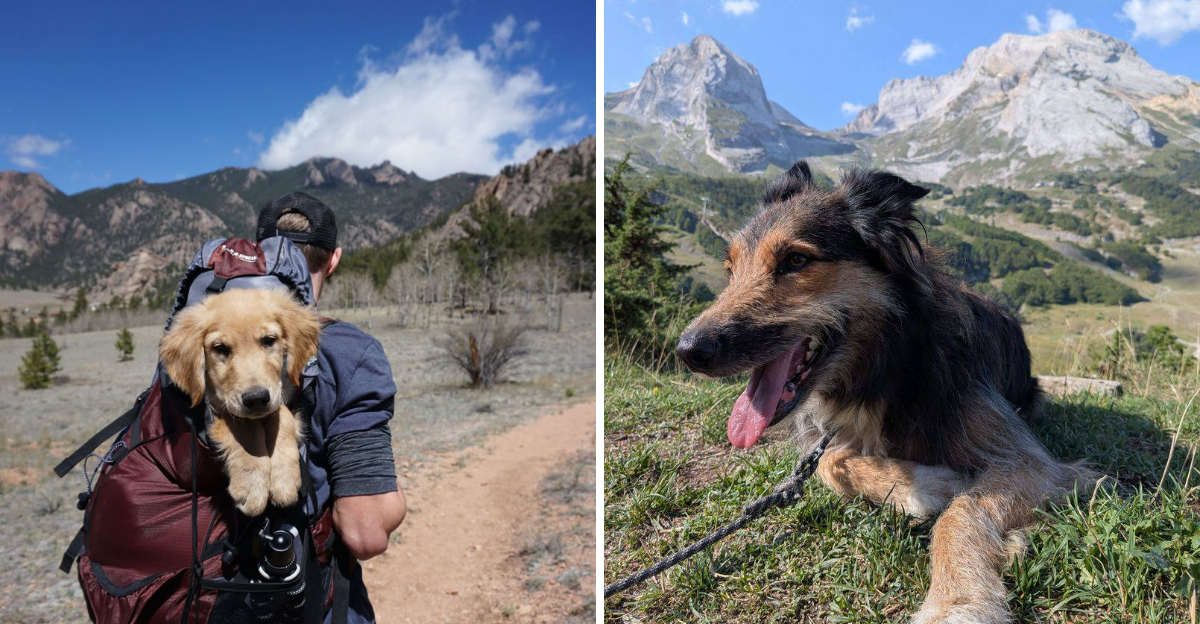
Colorado’s mountains have a way of pulling us upward, and most of us want our dogs right there on the trail. Thin air treats dogs a little differently than it treats us, though, and a few simple habits make those outings smoother for everyone.
Think of this as friendly advice from someone who has watched plenty of happy dogs and a few tired ones on alpine trails. With a bit of planning, your dog can enjoy the high country comfortably and safely.
1. Thin Air Affects Dogs, Not Just People
Altitude sickness is not a human-only problem. Dogs can develop acute mountain sickness when their bodies struggle with less oxygen and lower air pressure.
At 8,000 feet, oxygen availability drops roughly 25 percent compared to sea level. Near 14,000 feet, it falls about 40 percent.
That means your dog’s heart and lungs work harder for the same hike. Knowing this early helps you plan smarter days out.
2. Acclimation Takes Real Time
Bodies adjust to thin air slowly. Dogs build more red blood cells and use oxygen more efficiently as days pass.
Short trips may bring partial adjustment within a few days. Fuller acclimation can take one to three weeks, depending on altitude and health.
Driving up? Stop every few thousand feet for a five to ten minute walk.
A first night in Denver before heading higher helps too.
3. Denver Living Is Only a Head Start
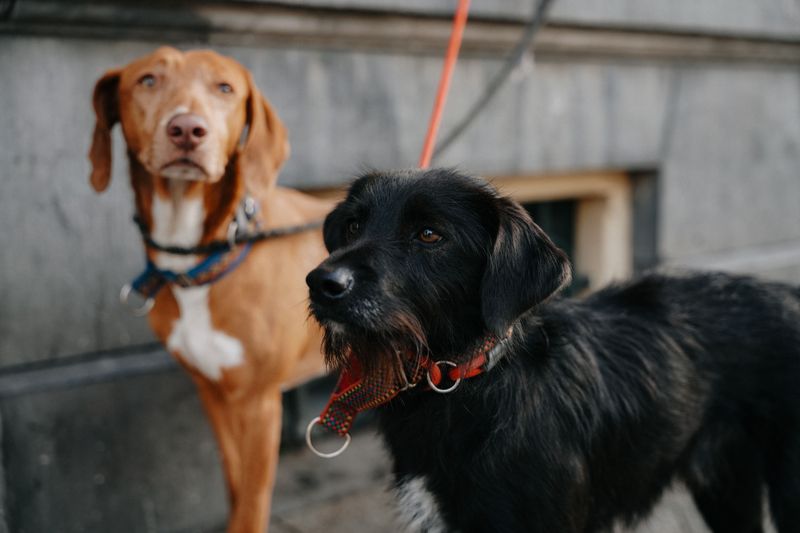
Denver sits at 5,280 feet, which does give local dogs an advantage. That advantage has limits.
Jumping from around 5,500 feet to 10,000 feet or more is still a big change. Bodies need extra time to adapt.
Plenty of dogs who breeze through city walks slow noticeably at alpine trailheads. Treat mountain elevation as a new challenge, not a familiar one.
4. Keep the First Outing Short
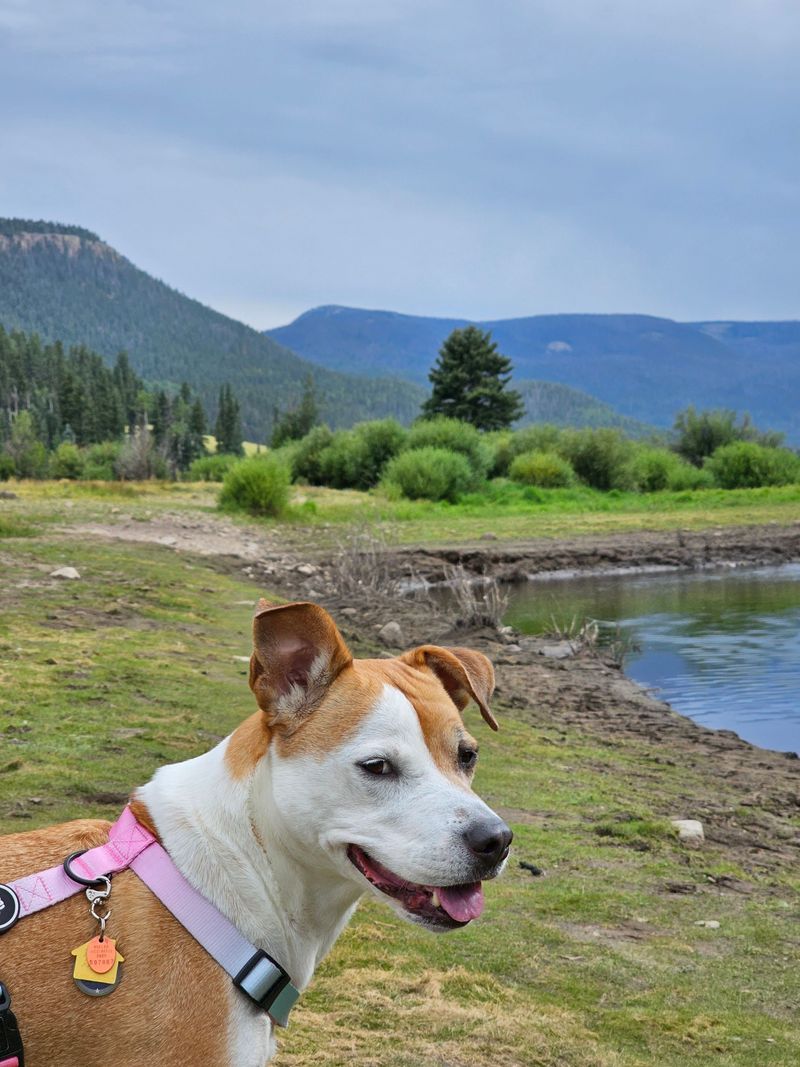
Short and easy wins the first day. Limit both distance and intensity when you first arrive at altitude.
Build up gradually over one to two weeks instead of testing limits immediately. Skip steep scrambles and long climbs at the start.
Excited dogs will pull hard anyway, so you get to be the sensible one. If your dog seems winded, offer water and turn back.
5. Panting That Does Not Settle Down
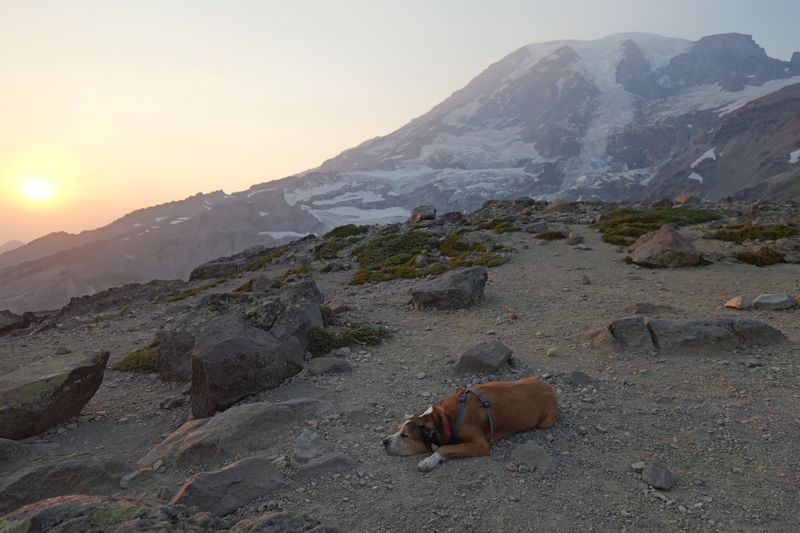
Every hiking dog pants. What matters is whether the panting eases during rest breaks.
Heavy panting that continues while resting, and looks out of proportion to the effort, deserves attention. Slower recovery after play is another early clue.
Watch for lagging behind, frequent stops, extra thirst, or reluctance to keep going. Those small signals usually show up before anything bigger.
6. Warning Signs Worth Memorizing
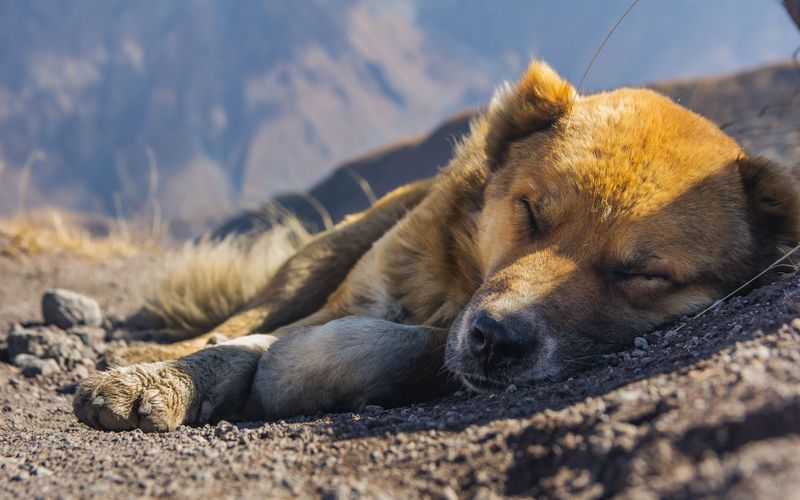
A quick mental checklist helps on the trail. Common altitude sickness signs include heavy panting, extra thirst, low energy, poor appetite, drooling, restlessness, and upset stomach.
More concerning signals include stumbling, wobbly coordination, confusion, a dry cough, or tiring far faster than normal.
Pale or bluish gums mean get veterinary help right away. Descending to lower elevation is usually the first helpful step.
7. Labored Breathing While Resting Is Urgent
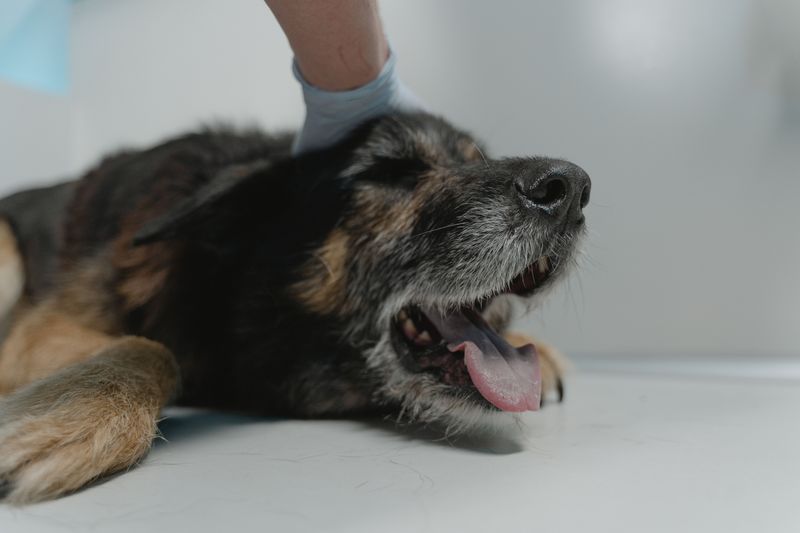
Trouble breathing during a climb is one thing. Trouble breathing while your dog is lying still is a different matter.
Gasping, wet or bubbly sounding breaths, or visible effort at rest can signal serious respiratory distress. Fluid buildup in the lungs or around the brain is possible.
Pale or blue-tinged gums point to low oxygen. Head downhill and contact a veterinarian immediately.
8. Flat-Faced Breeds Need Extra Care
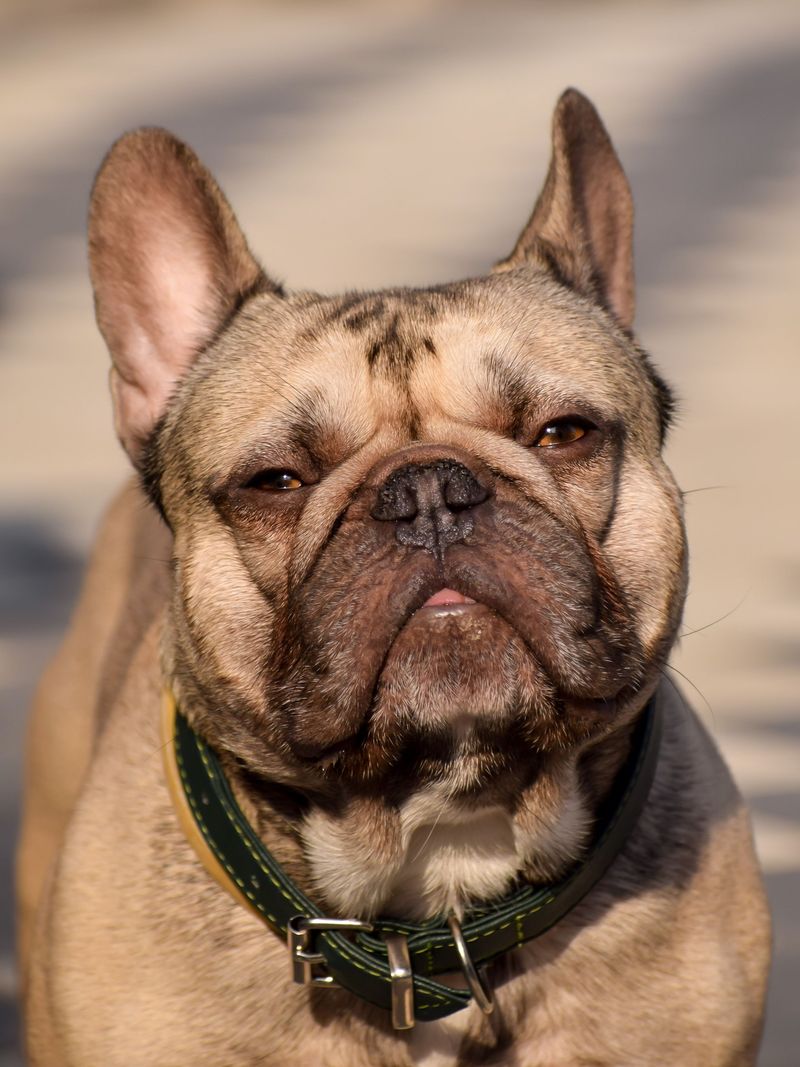
Pugs, Bulldogs, Boxers, and Boston Terriers already breathe with less margin. Shortened airways, narrow nostrils, and long soft palates reduce airflow efficiency.
Add thin mountain air and that margin shrinks further. Even 6,000 to 7,000 feet can create difficulty for these breeds.
Going above 8,000 feet is generally discouraged without veterinary guidance first. Low-elevation foothills trails often suit them much better.
9. Heart or Lung Conditions Call for a Vet Visit
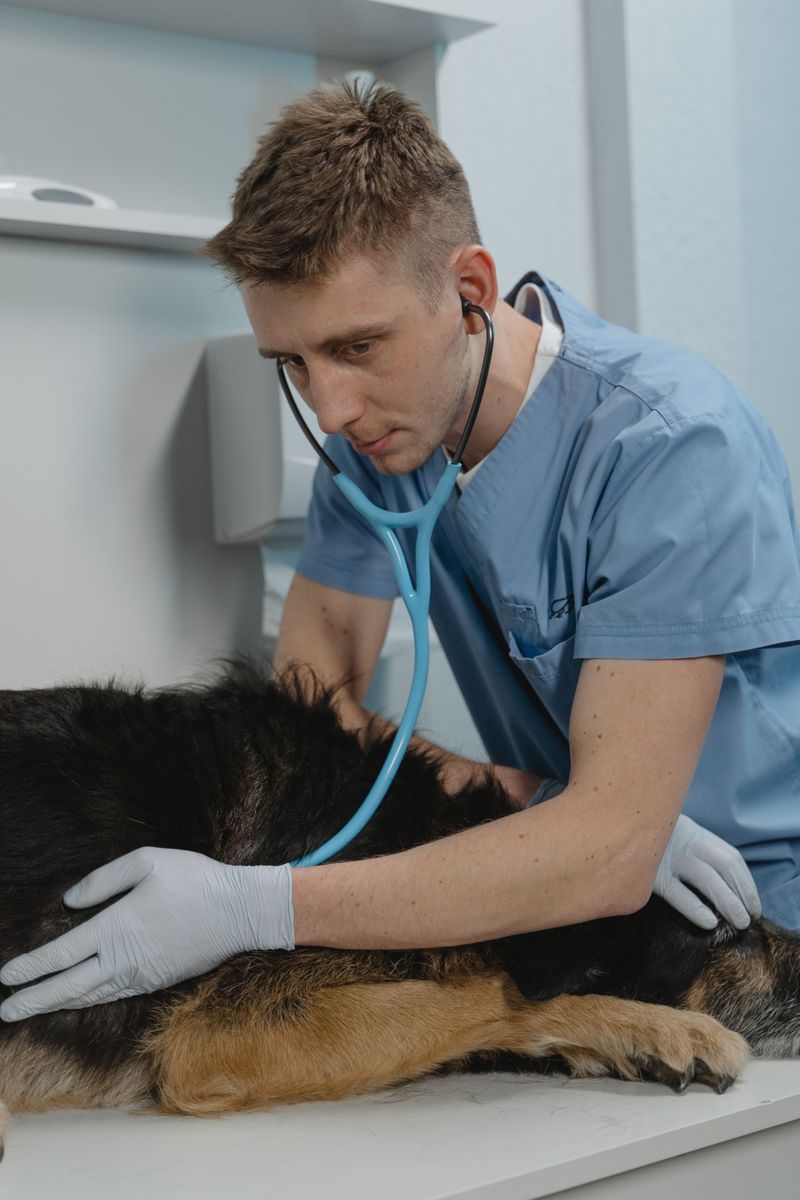
Some conditions change the math entirely. Heart murmurs, asthma, chronic bronchitis, and a collapsing trachea all deserve a conversation before any mountain trip.
Altitude asks the heart to work harder. A compromised heart has less room to handle that extra demand.
Issues that stay quiet at lower elevations can turn significant above 8,000 feet. Get clear veterinary approval first, then plan accordingly.
10. Puppies, Seniors, and Fitness Levels
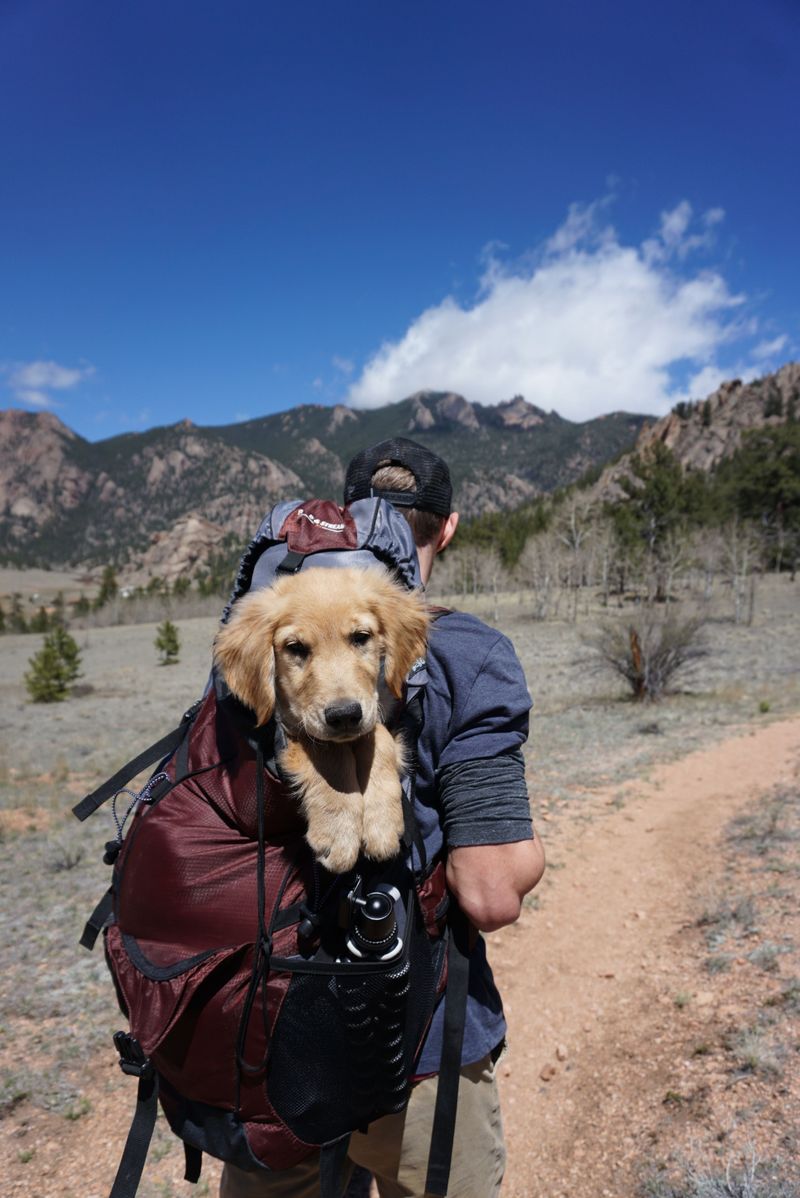
Reserve matters, and young puppies and senior dogs simply have less of it. Both groups often need more time to adjust and closer watching.
Conditioning plays a part too. A dog who rarely exercises will run out of reserve faster on thin air.
Even genuinely fit dogs can struggle without proper acclimation. Fitness helps, but it never replaces a gradual approach.
11. Pack More Water Than You Think You Need
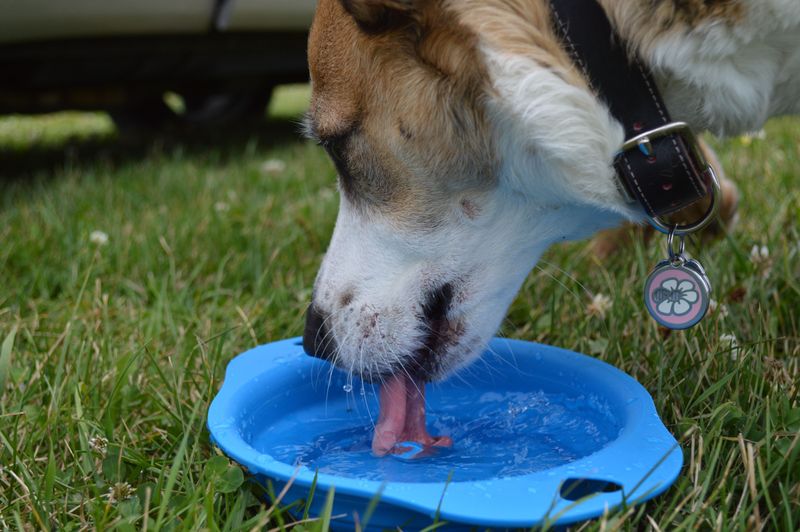
Dry mountain air pulls moisture out of dogs quickly. Harder breathing speeds that loss along.
Dehydration makes altitude symptoms feel worse, so water is genuinely preventive. At elevation, dogs may need roughly 1.5 ounces per pound daily, compared with about one ounce at sea level.
Bring extra, offer frequent sips, and carry a collapsible bowl. Leftover water beats a thirsty dog every time.
12. Mountain Streams Are Not a Water Plan
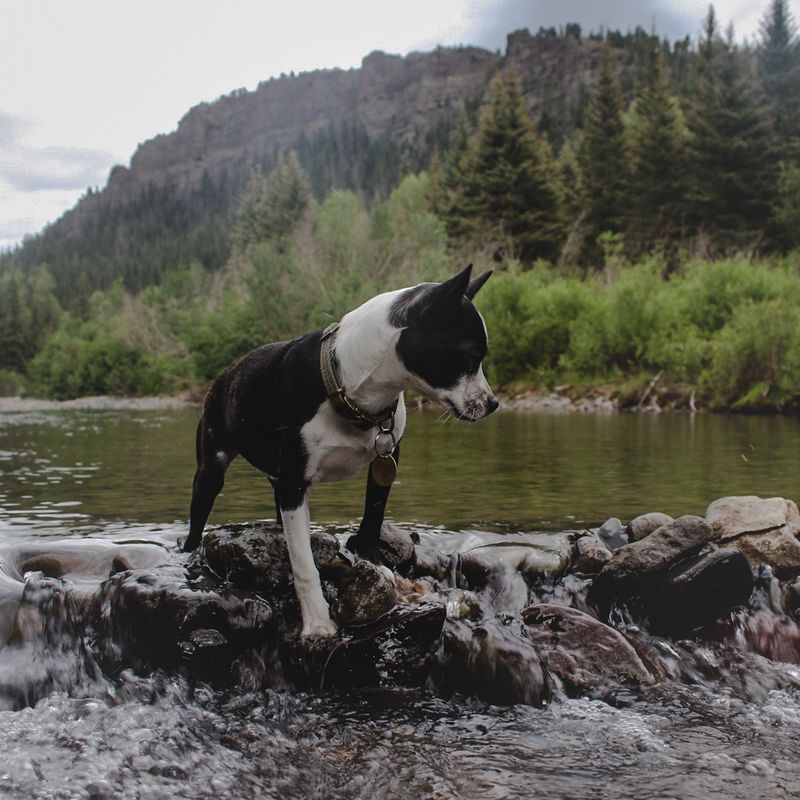
That sparkling creek looks pure, but appearances mislead. Backcountry water can carry parasites such as Giardia, which is why hikers filter their own supply.
Guidance for dogs is less specific, so caution is the sensible default. Treat streams as a backup, never the plan.
Carry what your dog needs and discourage long drinking sessions from standing puddles. Ask your veterinarian about local concerns.
13. Cool Air Does Not Cancel Overheating
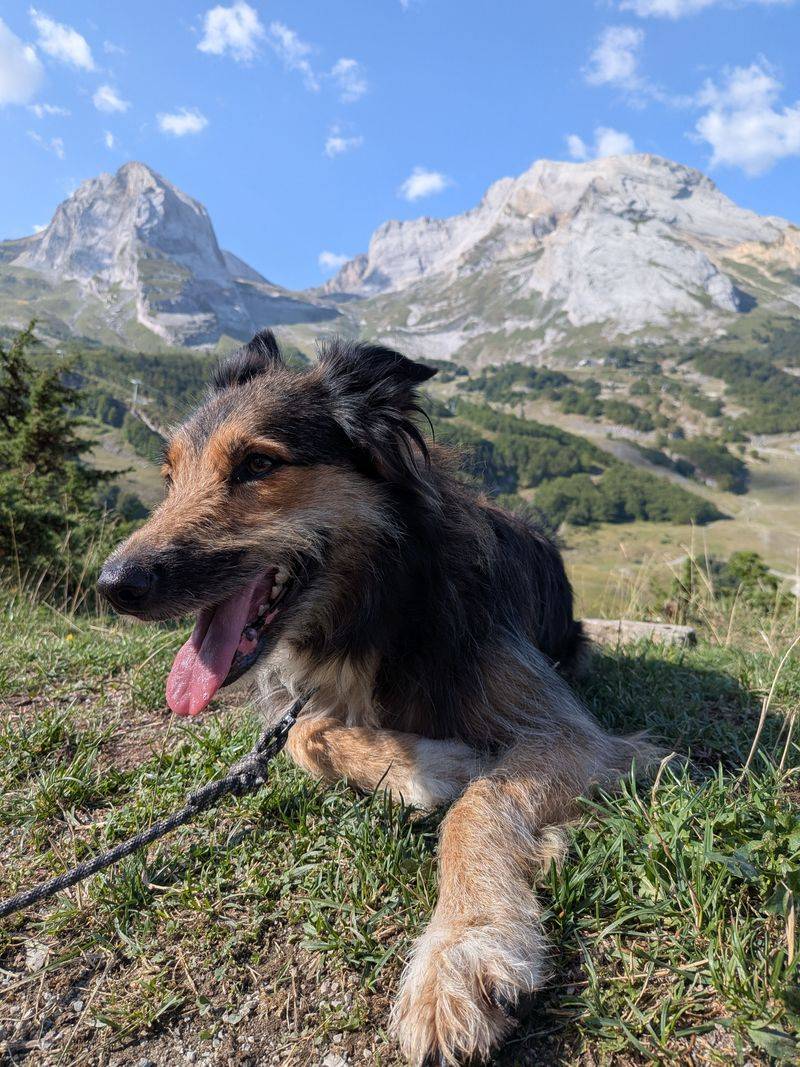
Mountain mornings feel crisp, which fools a lot of hikers. Strong sun, dry air, and hard effort still raise body temperature.
Thin air also makes cooling through panting less efficient. Heat plus altitude becomes a double workload.
Avoid the hottest stretch of the afternoon, seek shade often, and build in rest stops. A cool breeze does not guarantee a cool dog.
14. Early Starts Pay Off
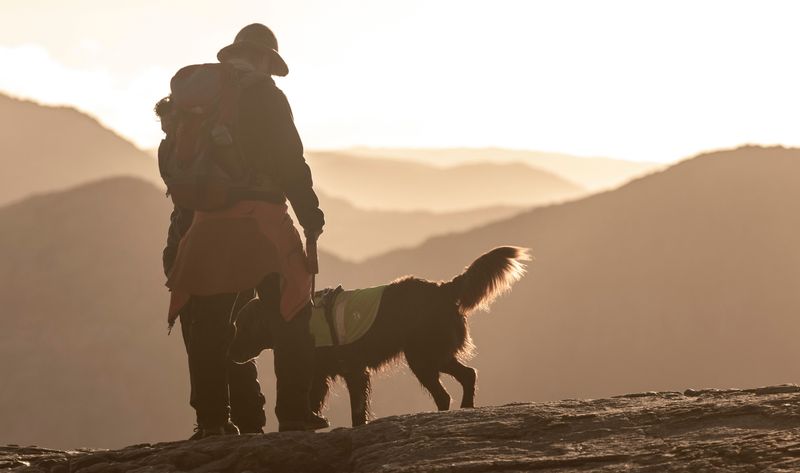
Alpine regulars set alarms for good reason. Early departures mean cooler temperatures, quieter trails, and a better chance of finishing before storms build.
Colorado afternoons often bring thunderstorms, especially in summer. Being below treeline by early afternoon is a long-standing local habit.
Your dog also handles exertion better in morning coolness. Dawn light on the peaks is a pleasant bonus.
15. Mountain Weather Shifts Fast
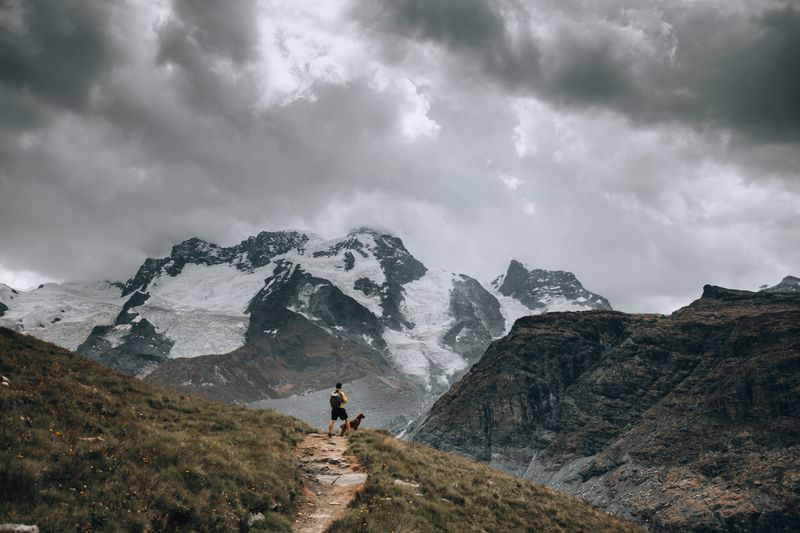
Sunshine can turn to sleet in half an hour up high. Wind, hail, and sudden temperature drops are all normal mountain behavior.
Pack a lightweight layer for short-coated dogs and a towel for the drive home. Check the forecast, then expect it to change anyway.
Turning around early is not a failure. The trail stays put for next weekend.
16. Paw Checks on Rough Ground
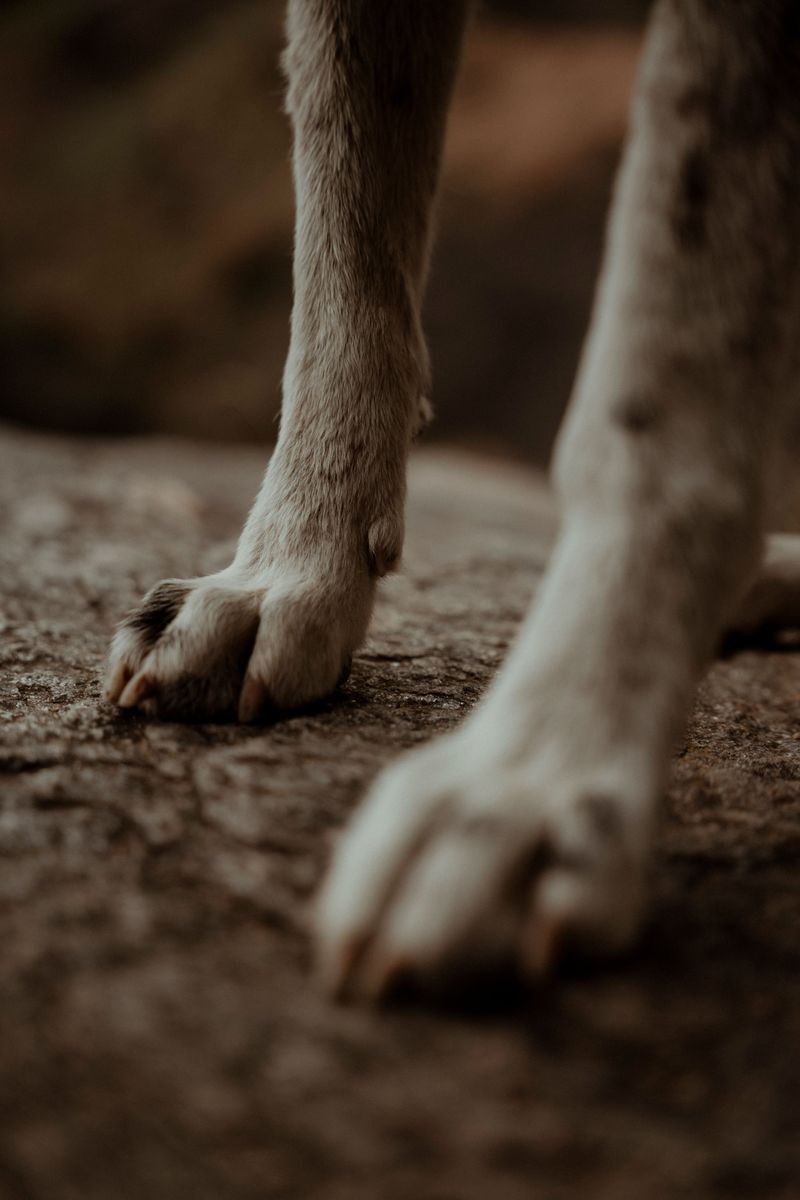
Talus, scree, and sun-baked granite are hard on paw pads. Snowfields and ice add their own irritation.
Stop every so often and look between the toes for grit, cuts, or tenderness. Small problems are easy to catch early.
Durable booties, paw wax, or a trail-safe balm help on longer routes. Introduce boots at home before the big day.
17. Wildlife Encounters Need a Short Leash
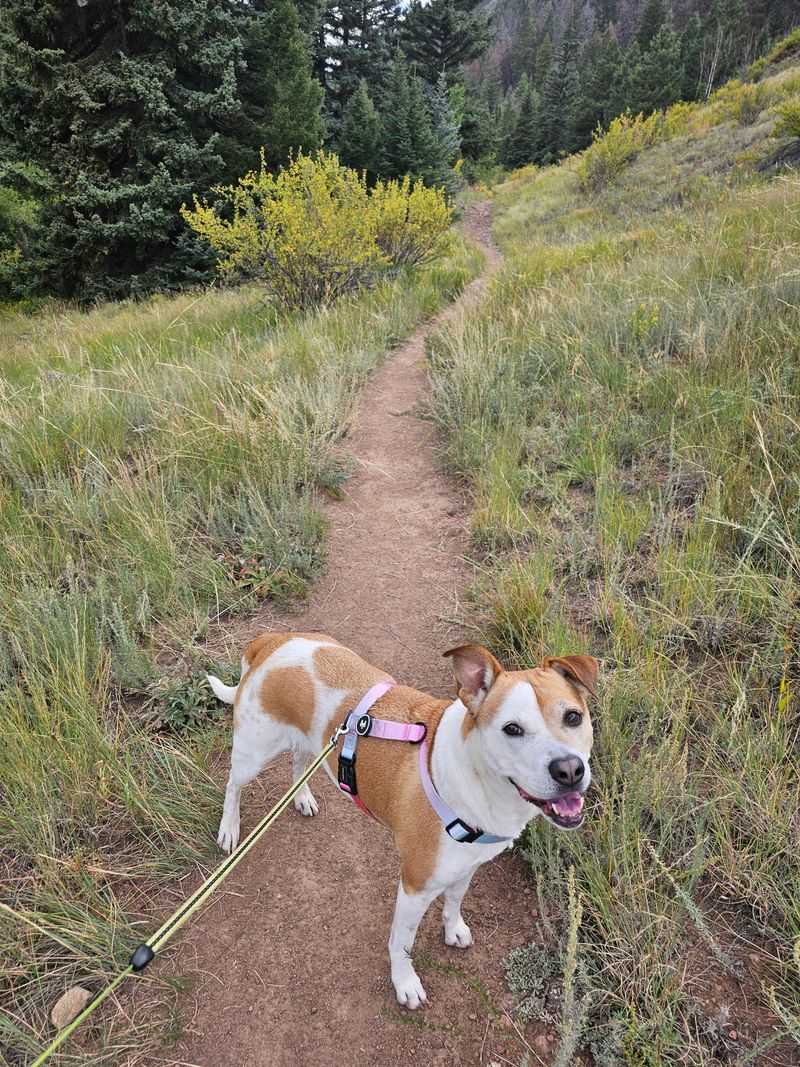
Elk, moose, marmots, and deer share these trails. A short six-foot leash keeps everyone calmer and safer.
State parks and many trails require leashes, and Colorado Parks and Wildlife recommends them broadly. Never let dogs chase or interact with wildlife.
Dawn and dusk bring the most animal activity, so stay extra alert then. Negligently allowing harassment of wildlife can bring fines.
18. Confirm Trail Rules Before You Go
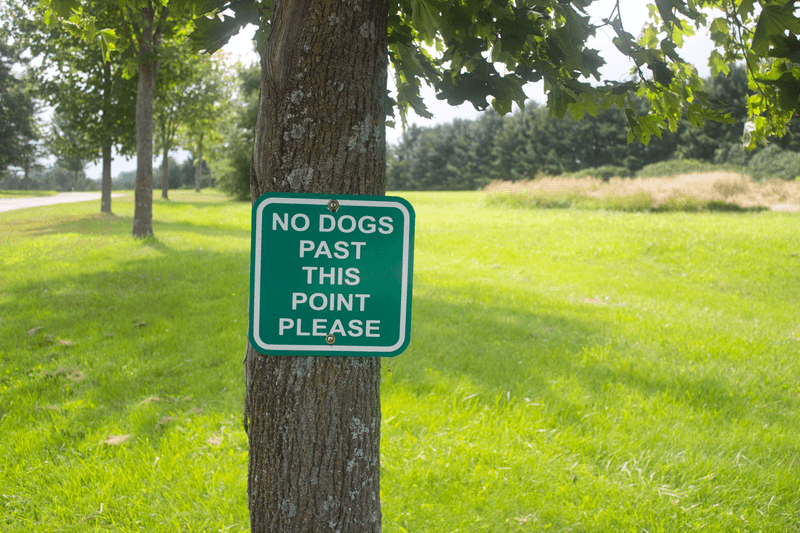
Rules differ more than most visitors expect. Most Colorado state parks require a leash no longer than six feet, plus waste cleanup, and a park pass.
Some parks, including Roxborough and Mueller, do not allow dogs on trails. Cheyenne Mountain permits them on only a few short paths.
Designated off-leash areas exist at Chatfield and Cherry Creek. Check the managing agency before choosing your route.