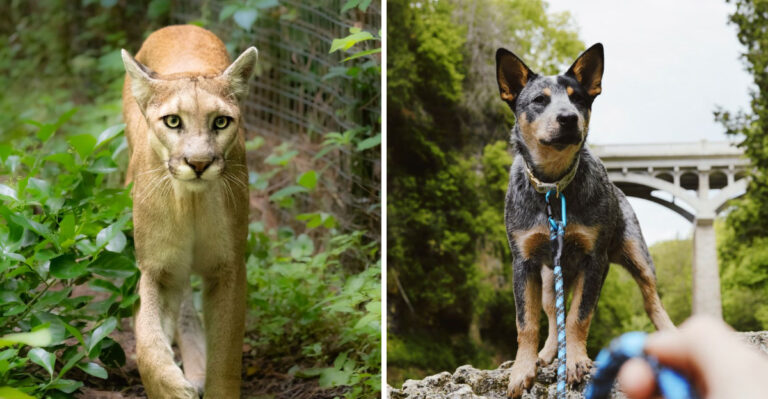
What Florida Dog Owners Should Know About Cane Toads Before Letting Dogs Into The Yard
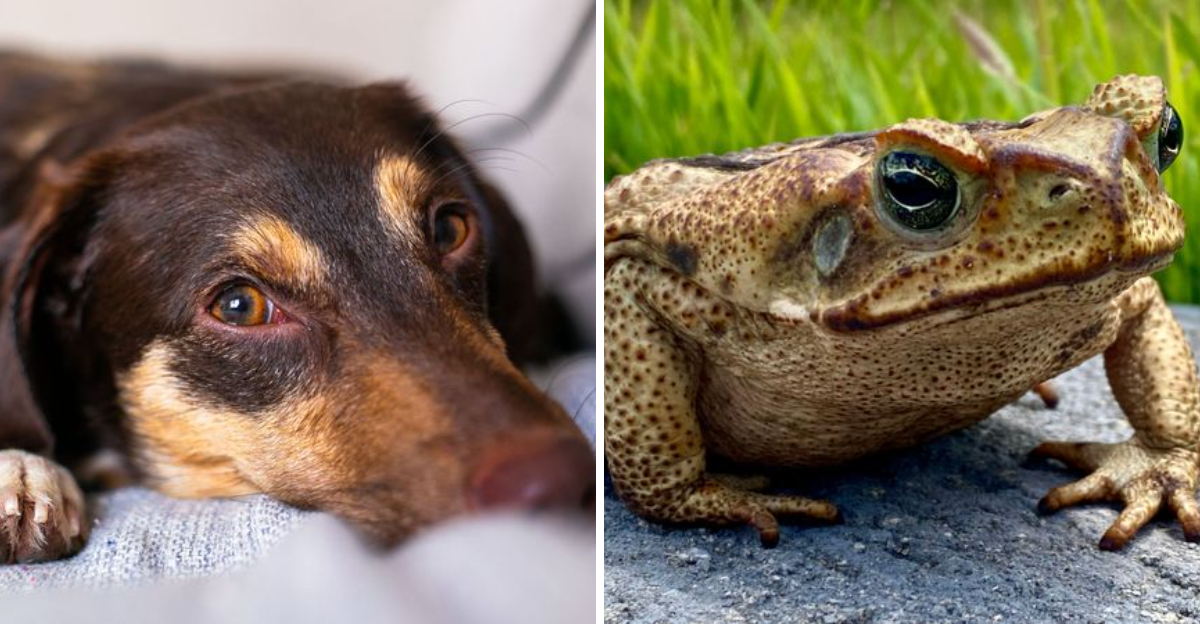
If you live in Florida and share your home with a dog, cane toads are worth understanding. These large amphibians have settled into neighborhoods across much of the state, especially in central and South Florida.
Most dogs never have a problem, but a curious mouth can turn a quiet backyard trip into a vet visit. The good news is that prevention is simple once you know what to look for.
Here is what every local owner should have in their back pocket.
Know Why Cane Toads Are Dangerous to Dogs
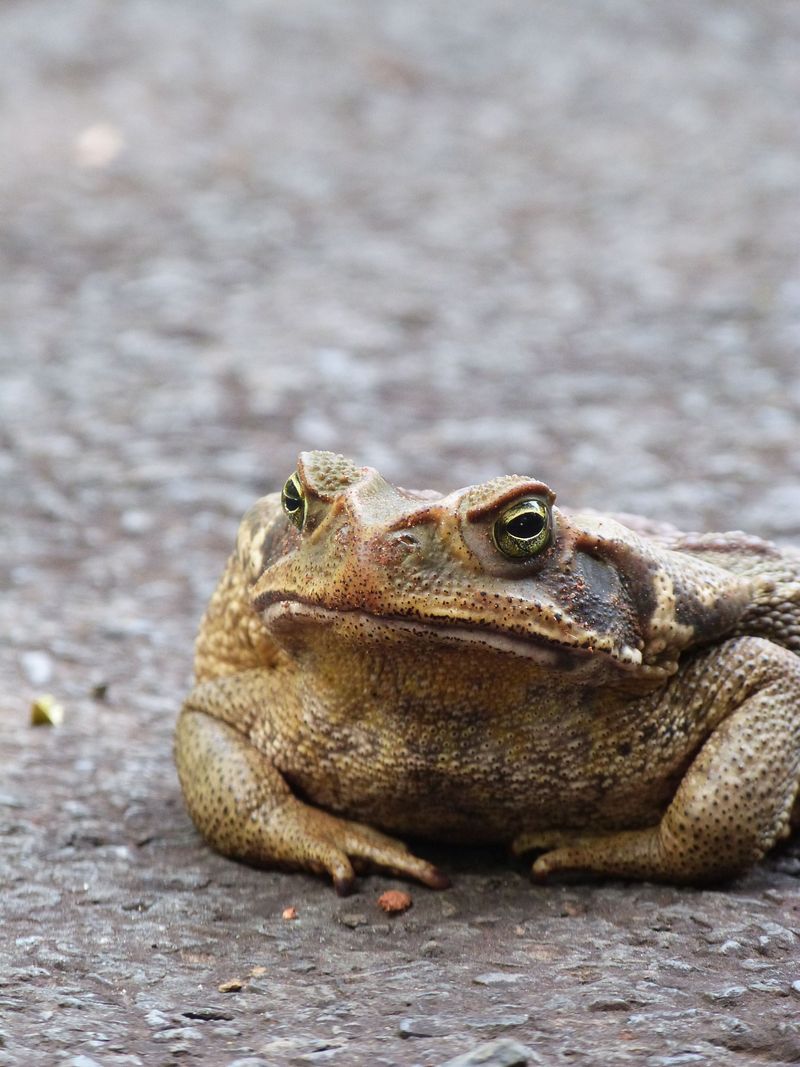
The trouble starts with the toad’s defenses. Cane toads have large glands on their shoulders that release a milky toxin when they feel threatened.
If a dog licks, mouths, or bites one, the toxin can be rapidly absorbed through the tissues of the mouth. Effects can begin quickly and may affect the heart and nervous system.
Smaller dogs can face greater risk because the severity of poisoning depends partly on the amount of toxin involved relative to the animal’s size. Knowing this connection helps you treat every backyard toad sighting as a reason to act calmly and quickly.
Learn What Cane Toads Look Like
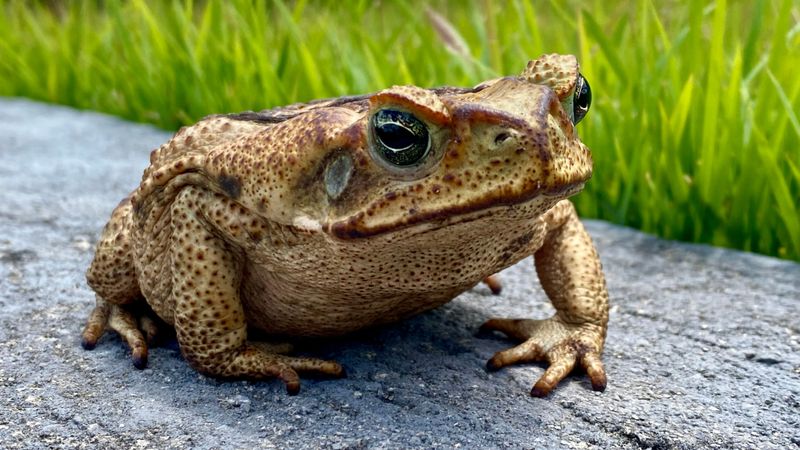
Telling toads apart matters more than most people expect. Adult cane toads are generally about six to nine inches long, with dry, warty skin that can range from reddish-brown to grayish-brown.
Look for the large triangular glands sloping behind each eye. Native southern toads stay smaller and have visible ridges and bumps on the head.
Young cane toads confuse people most, since size alone is misleading. Photograph anything uncertain and compare it with a Florida wildlife guide.
Check the Yard Before Letting Your Dog Out

A thirty second sweep changes everything. Step outside first with a flashlight, especially between dusk and dawn when toads are most active.
Scan the lawn edges, patio, pool deck, and shaded spots near the fence. Toads often sit still, so move the beam slowly across the ground.
Many owners keep a flashlight hanging by the back door for exactly this reason. It becomes a habit within a week, and your dog never notices the delay.
Pay Extra Attention After Rain
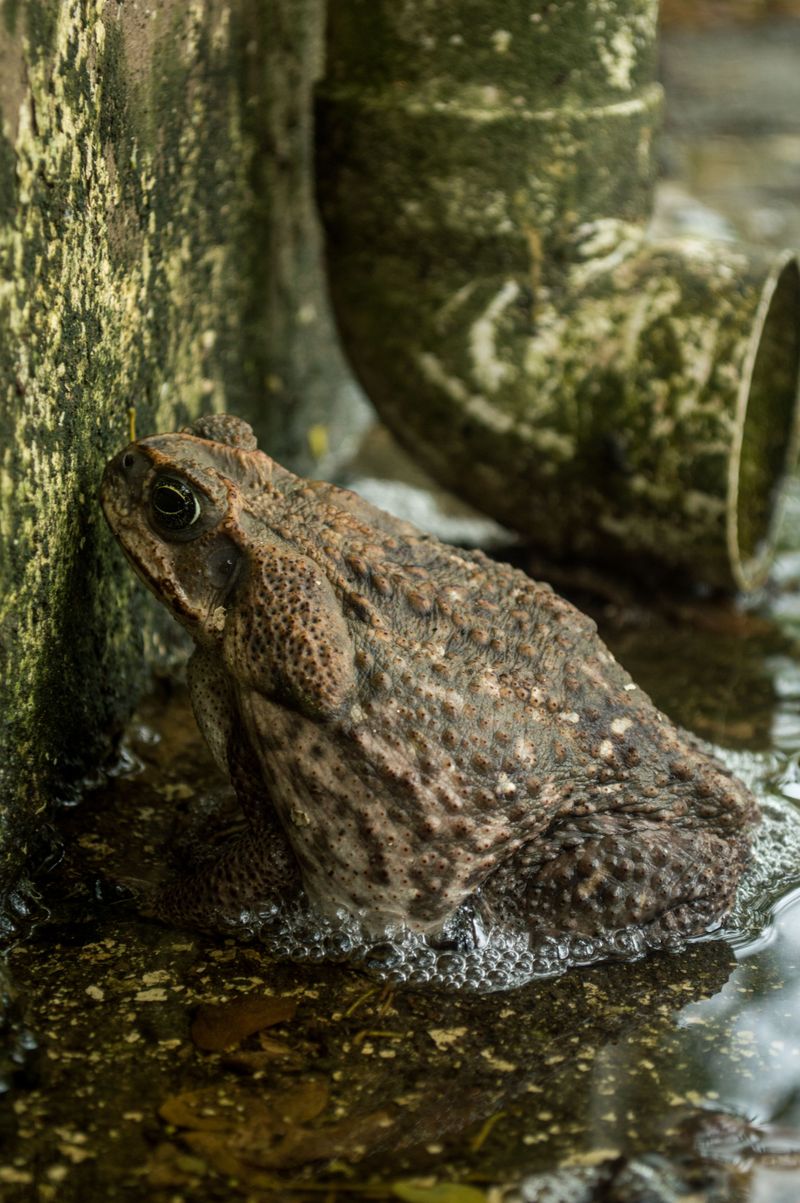
Rainy weather can increase cane toad activity. Cane toads breed year-round in Florida and use standing water, streams, canals, and ditches as breeding sites.
After an afternoon downpour, expect more activity around puddles, downspouts, and low spots that hold moisture.
Give the yard an extra look on those evenings, and consider a shorter walk on leash instead. Draining standing water the next morning also reduces the reason toads visited in the first place.
Keep Dogs Away From Outdoor Lights

Porch lights work like dinner bells. Bulbs attract moths and beetles, and toads gather underneath to feed on the easy meal.
That means the brightest, most convenient spot for a bathroom break is often the busiest toad zone in the yard.
Reducing unnecessary outdoor lighting can help limit the insects that gather around lights and may make the area less attractive to foraging cane toads. Motion-sensor lighting can also reduce the amount of time lights remain on overnight.
Remove Hiding Places Around the Yard
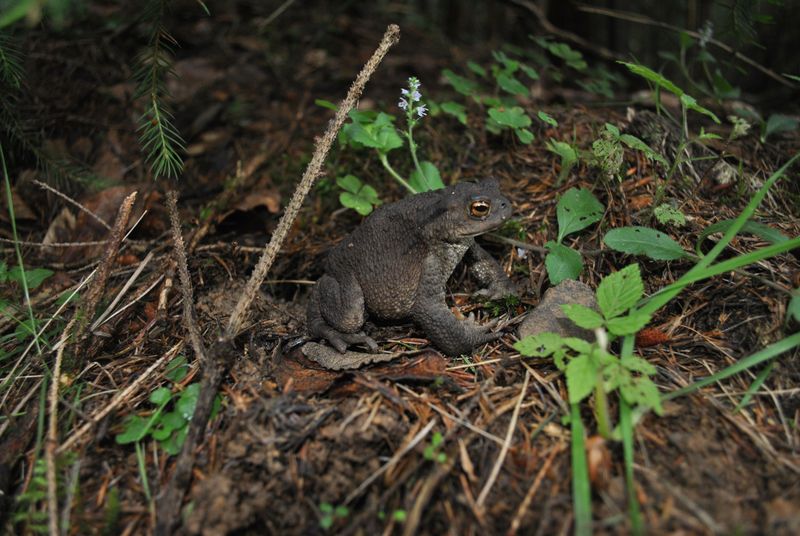
Toads want cool, damp shelter during the day. Overgrown shrubs, stacked pots, wood piles, thick mulch, and gaps under sheds all qualify.
Trimming low branches and lifting plant pots onto racks makes those hideouts far less inviting. Sealing spaces beneath decks and steps helps as well.
Think of it as tidying with a purpose. A yard with fewer shady pockets simply hosts fewer amphibian guests, which means fewer surprise encounters for your dog.
Keep Pet Food and Water Indoors
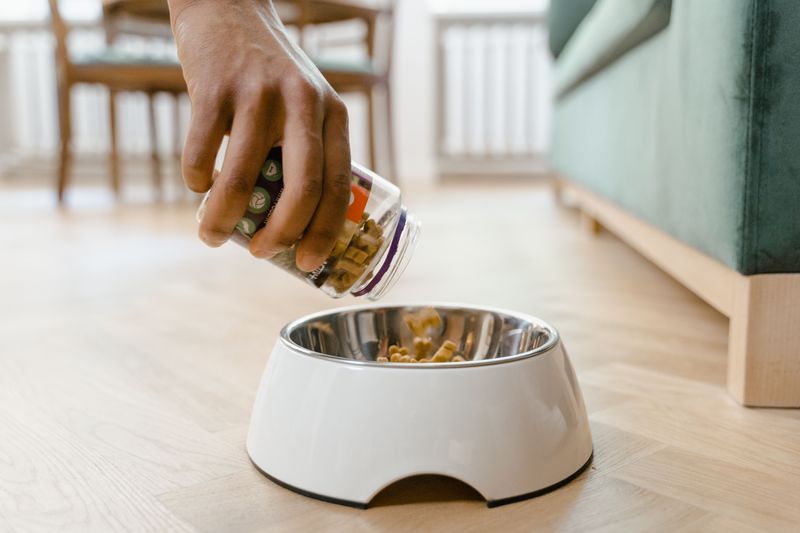
Left out overnight, a bowl of kibble can attract cane toads. Cane toads may eat pet food when it is available, making outdoor feeding areas potential places for encounters.
Bring food bowls inside after every meal and empty outdoor water dishes in the evening.
If your dog needs water outdoors during the day, refresh and rinse the bowl before refilling. Removing the free meal is one of the easiest, cheapest deterrents available to any household.
Supervise Dogs During Nighttime Yard Trips

Late night potty breaks deserve company. Toads are nocturnal, so unsupervised time after dark carries the highest chance of contact.
Walk out with your dog, keep them on a short leash if needed, and stay in a lit, open area of the yard.
Skip the routine of opening the door and heading back to the couch. Being nearby means you can redirect your dog immediately, long before curiosity turns into a mouthful.
Teach Your Dog to Leave Toads Alone
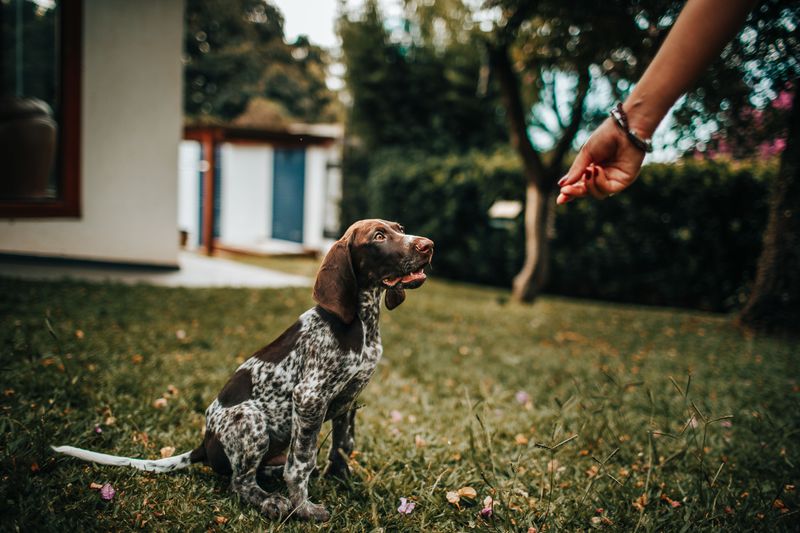
Training buys you seconds that matter. A solid leave it and a reliable recall let you interrupt your dog before they investigate anything on the ground.
Practice indoors with low value objects, then move outside with distractions. Reward generously every single time.
Some owners work with a trainer on avoidance skills, which can be worth it for repeat offenders. Consistency beats intensity here, so short daily sessions do the heavy lifting.
Watch for Excessive Drooling
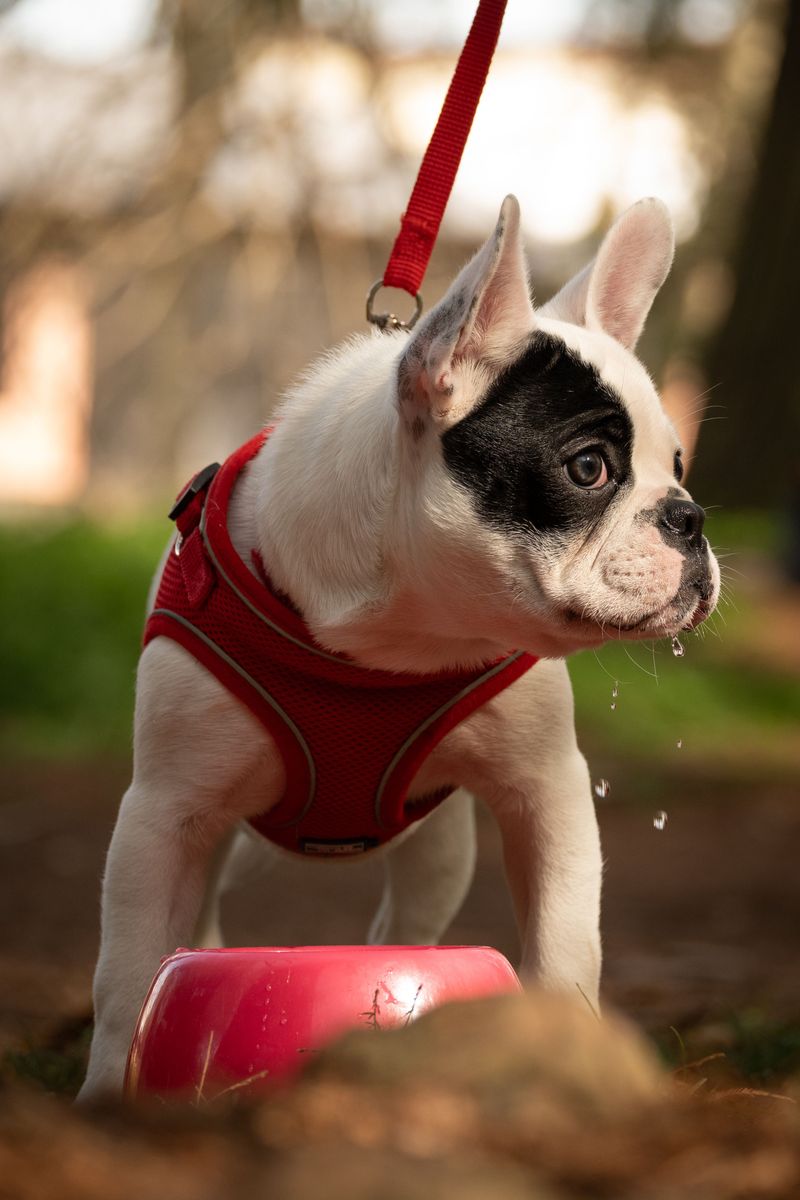
Foamy, stringy drool is usually the first clue. Dogs often paw at the mouth, gag, or shake their head right after contact.
Gums may look unusually red or irritated. Some dogs seem suddenly restless or bothered without an obvious reason.
Trust the timing. If your dog was outside unsupervised and comes in drooling heavily, treat it as a possible toad encounter and start rinsing while you call your veterinarian for guidance.
Know the More Serious Warning Signs
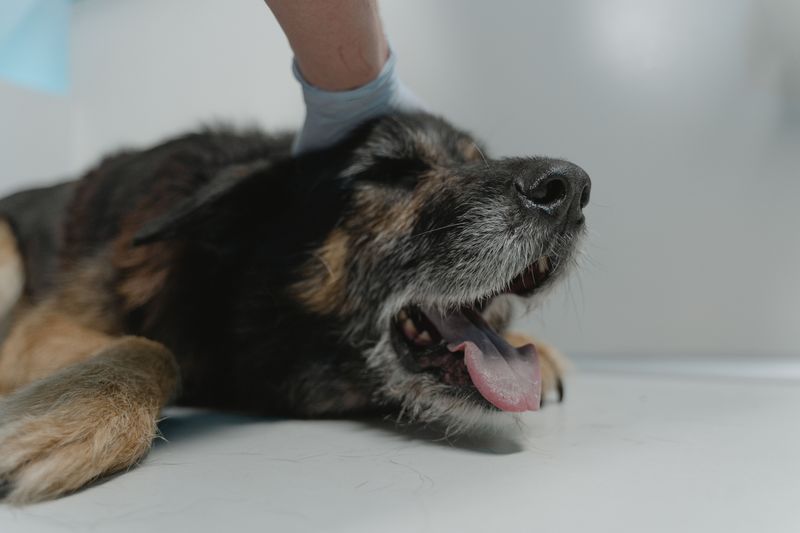
Beyond drooling, other signs point to a bigger reaction. Watch for wobbly walking, disorientation, muscle tremors, a very fast heartbeat, or trouble standing.
Vomiting, unusual eye movements, and collapse also fall in this category. Signs can develop quickly, sometimes within fifteen minutes.
Any of these mean skip the waiting and head straight to a veterinarian. Early professional care makes a real difference, and vets in Florida see these cases regularly and know what to do.
Act Quickly After a Suspected Encounter

Minutes count more than certainty. You do not need proof that a toad was involved before you respond.
Begin rinsing the mouth right away, then call your veterinarian or the nearest emergency clinic and describe what happened.
Mention your dog’s size, the time of contact, and any signs you noticed. Staff can tell you whether to monitor at home or come in.
Hesitation is the only real mistake here.
Rinse Your Dog’s Mouth Safely
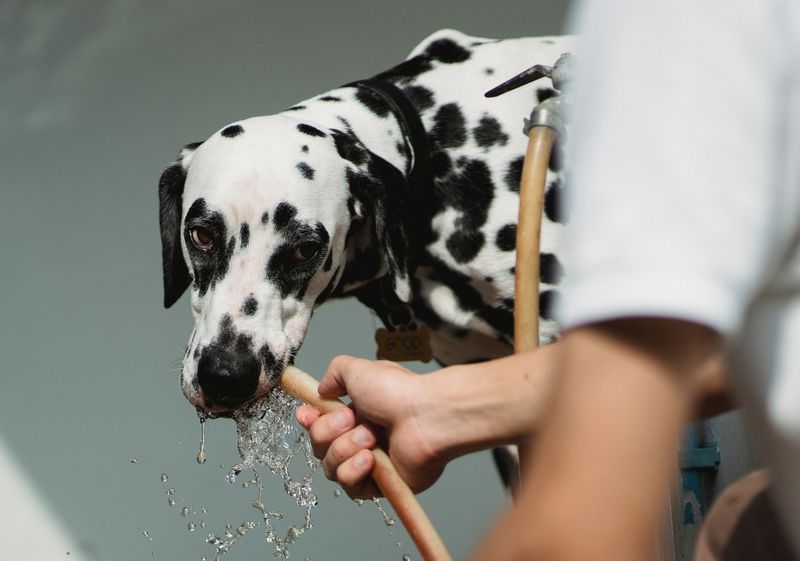
Technique matters as much as speed. Wipe your dog’s mouth with a damp cloth and use a hose to rinse the mouth for about 10 to 15 minutes, keeping the dog’s head pointed downward so the water flows out rather than toward the throat.
Point your dog’s head downward and sideways so water flows out, never toward the throat.
Avoid spraying water directly down the mouth, which can cause choking. If your dog resists strongly, stop and let the clinic handle it.
Never give any medication without veterinary direction.
Keep Your Dog Calm After Exposure

Excitement makes things harder on the body. After rinsing, move your dog to a quiet, cool room away from noise and other pets.
Speak softly, limit running or play, and keep the space comfortable rather than cold.
Your own steady voice helps more than you might think, since dogs read our energy quickly. Continue watching closely and stay in contact with your veterinarian while your dog settles and recovers.
Do Not Handle Cane Toads With Bare Hands
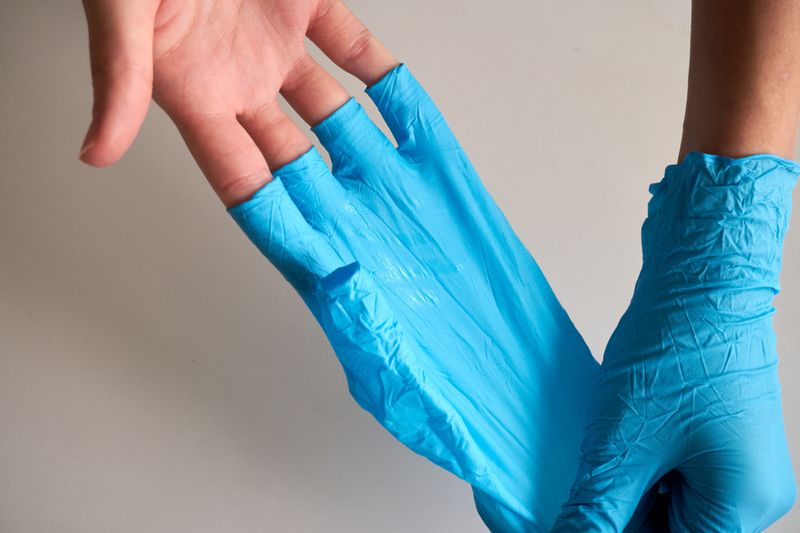
The same substance that troubles dogs can irritate human skin and eyes. Wear thick gloves and use a container or net if you need to move one.
Wash your hands thoroughly afterward and keep them away from your face.
Florida wildlife officials allow humane removal of cane toads on your own property, and rules for handling nonnative species can vary locally. Check with your county animal services or hire a licensed wildlife professional.
Make the Yard Less Attractive to Cane Toads
Habitat changes deliver the longest lasting results. Fill low spots that hold water, fix leaky spigots, and skip shallow ornamental ponds if you can.
Mow regularly, thin dense ground cover, and attach fine mesh along the bottom of fences to block entry.
Also clear fallen fruit and spilled birdseed, which attract the insects toads follow. Layer several small fixes together, and your yard becomes far less appealing than the neighbor’s overgrown corner.