What Indiana Dog Owners Should Know Around Horse-Drawn Traffic In Amish Country
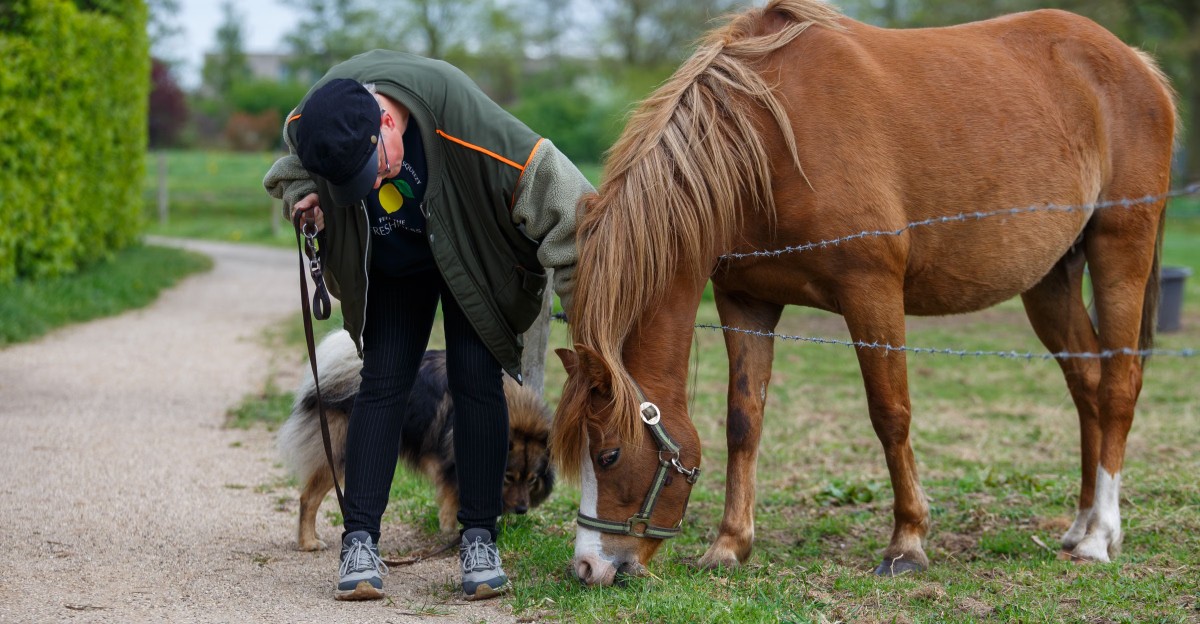
A walk through Indiana Amish country can bring quiet farm views, fresh air, and the sound of buggy wheels. If your dog joins you, a little planning helps everyone share the road comfortably.
Horses, dogs, and drivers notice different things, so extra space and steady handling matter. Before heading toward Shipshewana, Nappanee, or nearby country roads, learn how to make each encounter calmer and easier.
1. Keep Your Dog Close When Horse-Drawn Buggies Approach
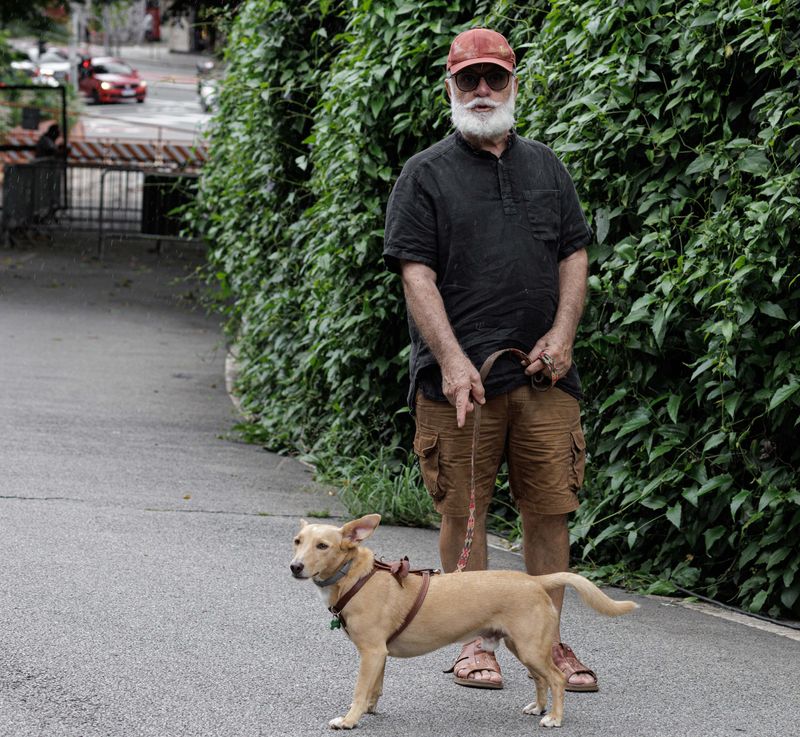
The sound of wheels gives you time to prepare before a buggy reaches you. Bring your dog beside you, away from the traffic edge.
Hold the leash securely without wrapping it around your hand.
Move onto a safe public verge when one is available. Leave enough slack for comfortable standing, but prevent lunging toward the horse.
If there is nowhere safe to wait, turn back toward a wider spot before the buggy comes any closer.
2. Understand Why Horses May React to Dogs
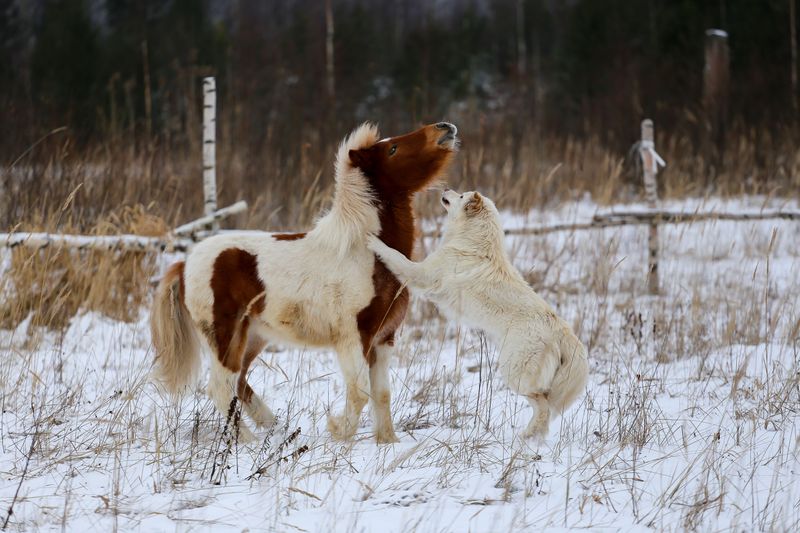
A horse may notice your dog before you notice the horse. As prey animals, horses can react quickly to barking, chasing, or sudden movement.
Even an experienced buggy horse has individual limits.
Never assume a calm appearance means close contact is welcome. Give the animal room, and watch the driver’s directions.
Your job is managing your dog, not testing the horse’s patience. A quiet pause at a generous distance helps both animals handle the meeting comfortably.
3. Never Let Your Dog Chase a Moving Buggy
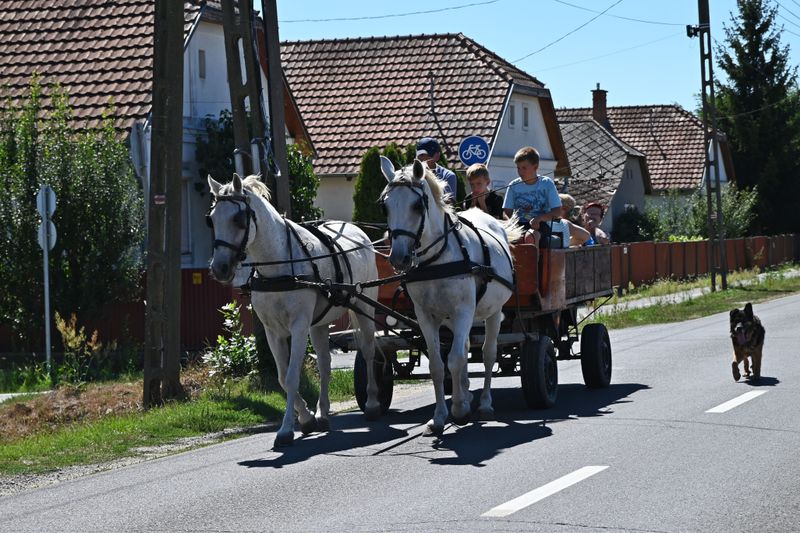
Chasing can start with one excited step toward passing wheels. Keep dogs leashed during roadside walks, even when they usually return when called.
At home, check gates and fencing near routes used by buggies.
A dog running alongside a horse can unsettle the animal and distract its driver. Practice recall inside a secure area instead.
Local restraint rules vary, so confirm requirements with your town or county. Reliable containment matters whenever horse traffic passes your property.
4. Give Buggies Plenty of Room on Narrow Roads
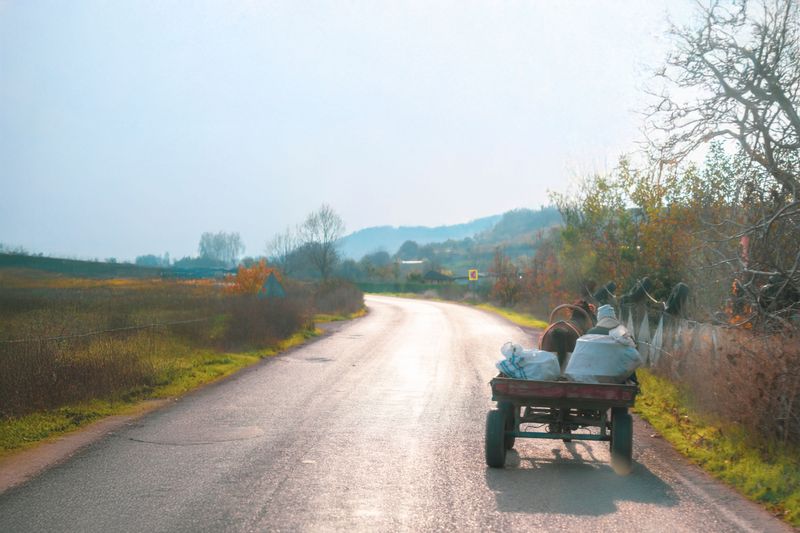
Country lanes can look roomy until several road users meet. A buggy needs space for its horse, wheels, and any small changes in direction.
Avoid squeezing past with your dog between you and the vehicle.
Wait at a wide, lawful stopping place rather than forcing a close encounter. Do not step into a ditch or onto unstable ground.
When space is limited, patience is the safest tool. Let the buggy clear before continuing your walk together.
5. Choose Walking Routes Away From Busy Buggy Traffic
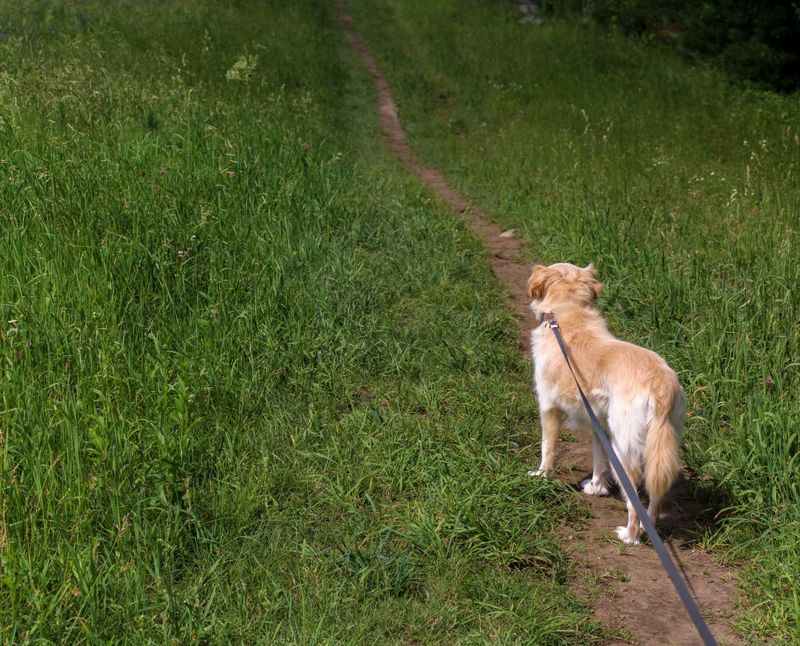
A peaceful route makes good behavior easier for everyone. Look for public paths, parks, or quieter streets where dogs are allowed.
Ask local visitor staff about walking options away from heavily traveled buggy roads.
Check leash rules and opening hours before leaving home. A map may show a road without revealing its narrow shoulders or frequent traffic.
Scout unfamiliar routes without your dog first when possible. Choosing suitable ground beats managing repeated close passes all afternoon.
6. Watch for Horses Around Blind Curves and Hills
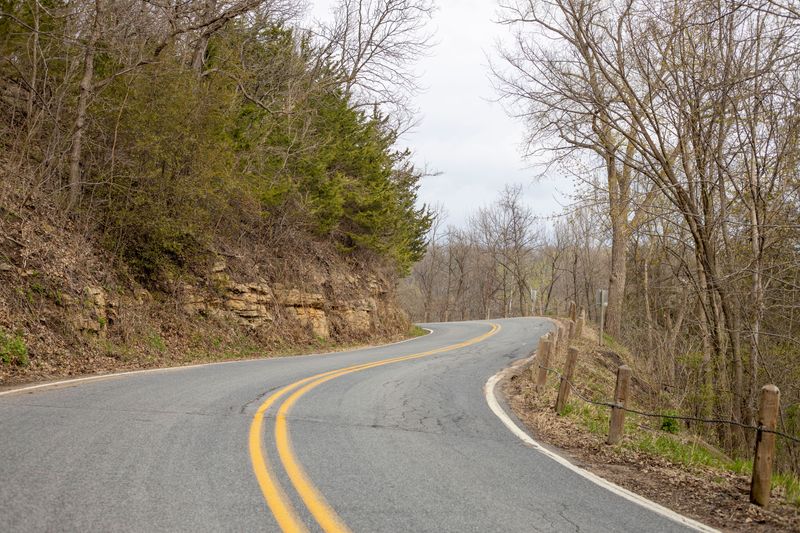
Hoofbeats sometimes arrive before a buggy becomes visible. Slow down near hilltops, bends, tall crops, and other places with limited views.
Keep your dog close before reaching these spots, not after traffic appears.
Leave headphones off so you can hear approaching road users. Avoid stopping where a driver cannot easily see you.
If visibility and shoulder space are both poor, choose another route. A slightly longer walk can offer a much calmer experience for your dog.
7. Teach Your Dog to Stay Calm Around Horses
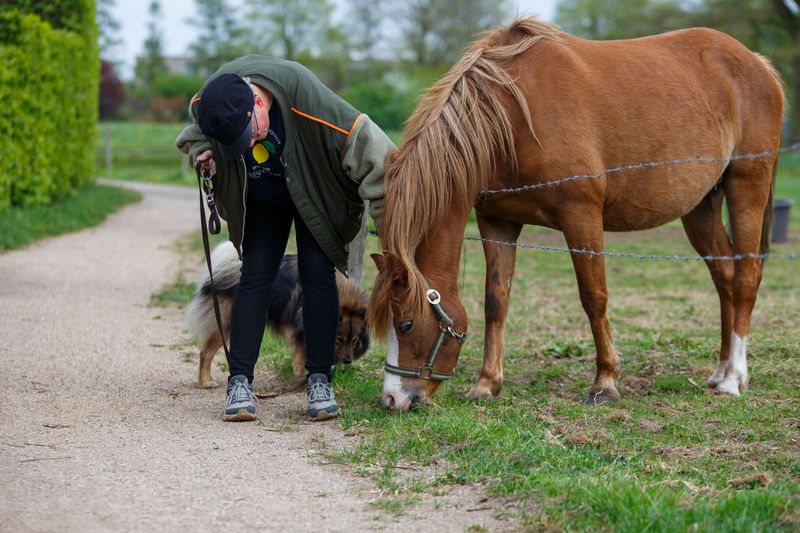
Good manners begin far from the busiest roadside. Practice simple cues such as watch me, wait, and turn around in quiet places.
Reward your dog for looking back at you and walking beside you.
Introduce distant horse sightings only where you can stay safely separated. Keep sessions brief, and leave before excitement builds.
Never approach working horses for practice without permission. A qualified reward-based trainer can help if barking or lunging makes these outings hard to manage.
8. Avoid Sudden Noises and Movements Near Buggies
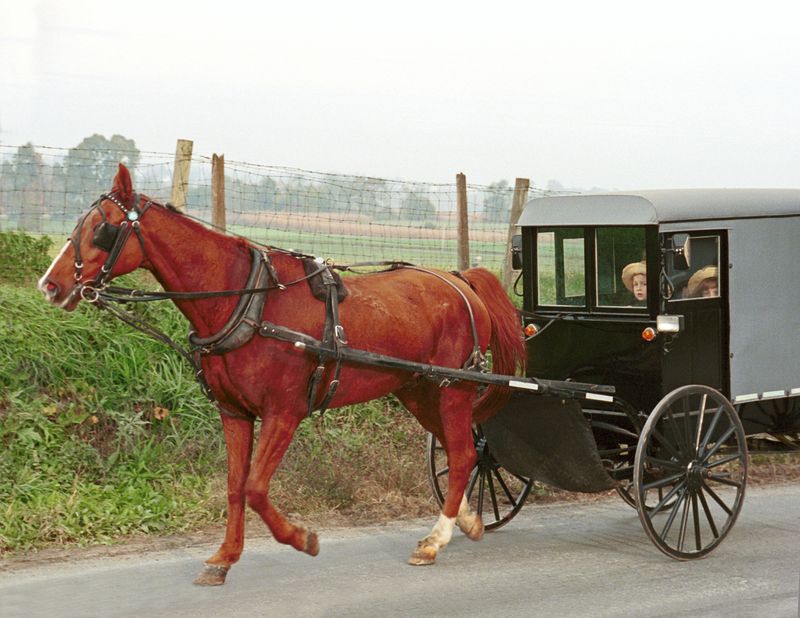
Quiet handling gives a passing horse fewer surprises. Speak normally, keep your movements smooth, and put squeaky toys away before a buggy approaches.
Avoid waving objects or making loud sounds to attract the driver’s attention.
If your dog starts barking, calmly increase distance rather than shouting corrections. Ask children walking with you to remain nearby and move slowly.
You cannot control every roadside sound, but you can make your own group predictable and easier to pass.
9. Keep Retractable Leashes Short Near Rural Traffic
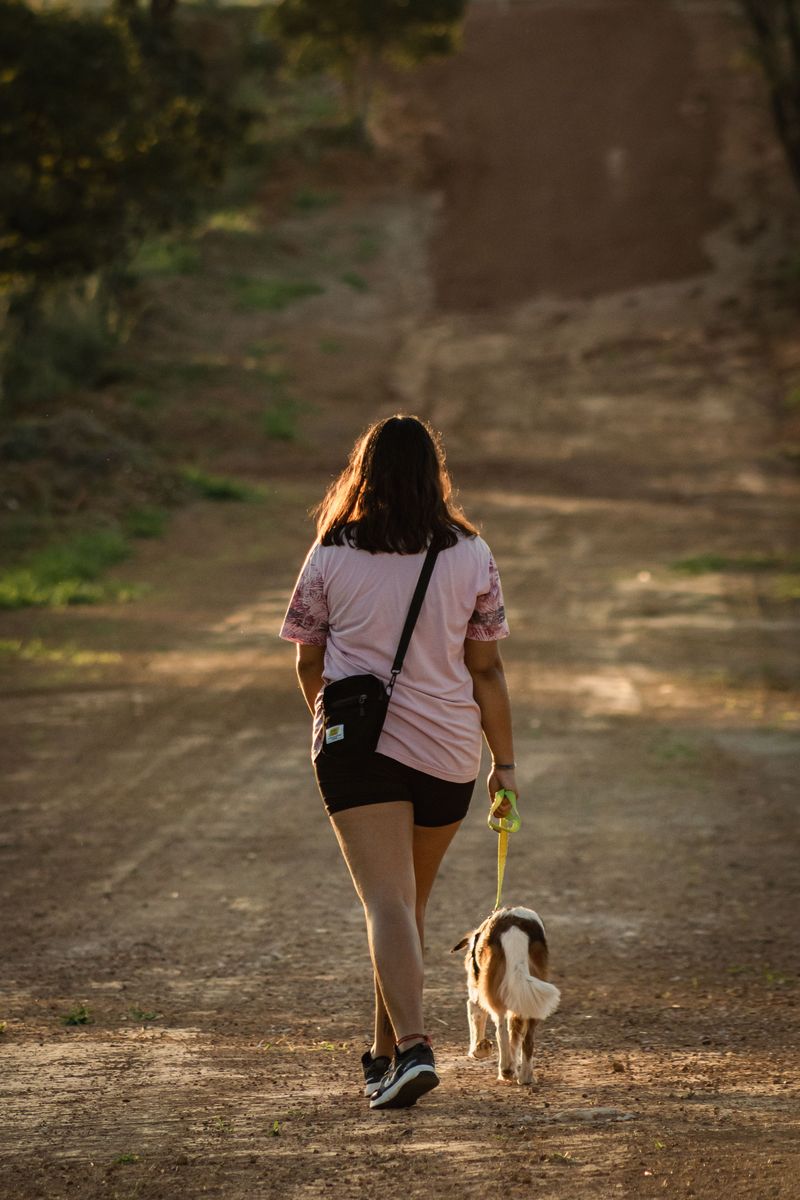
A long leash can put your dog in traffic before you can respond. Near rural roads, a sturdy fixed-length leash often gives clearer control than a retractable model.
Check the clip, handle, and attachment before walking.
If using a retractable leash, lock it short before traffic comes near. Never grab its thin cord with your bare hand.
Choose a secure collar or well-fitted harness. Equipment should support steady handling, not replace attention to your surroundings during walks.
10. Be Careful When Driving With Your Dog
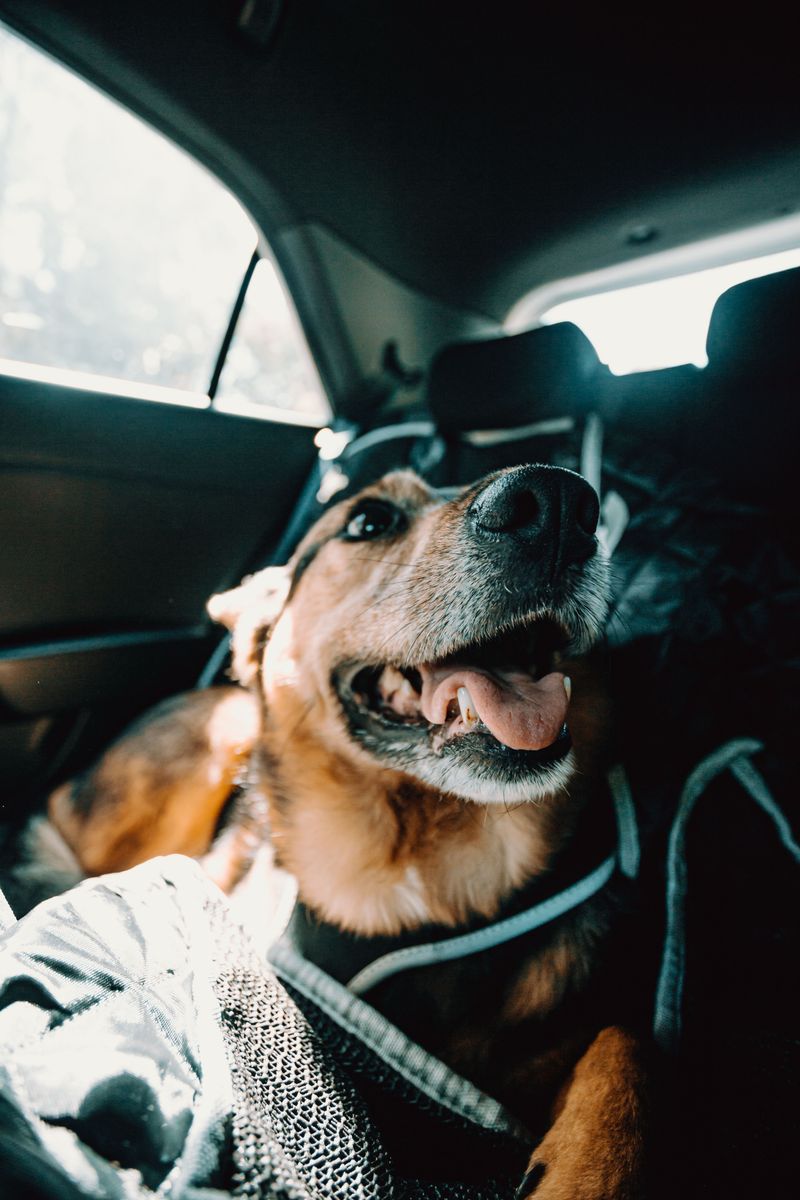
An excited passenger can distract you just when a buggy needs extra space. Secure your dog with suitable vehicle restraint equipment, following its instructions.
Keep your dog’s head inside rather than hanging through an open window.
Slow down when approaching horses, and avoid unnecessary horn use. Pass only when legal, visible, and safe, leaving ample room.
Never stop alongside a buggy for your dog to investigate. If your dog needs attention, pull over somewhere lawful and safe.
11. Recognize Signs That Your Dog Needs More Distance
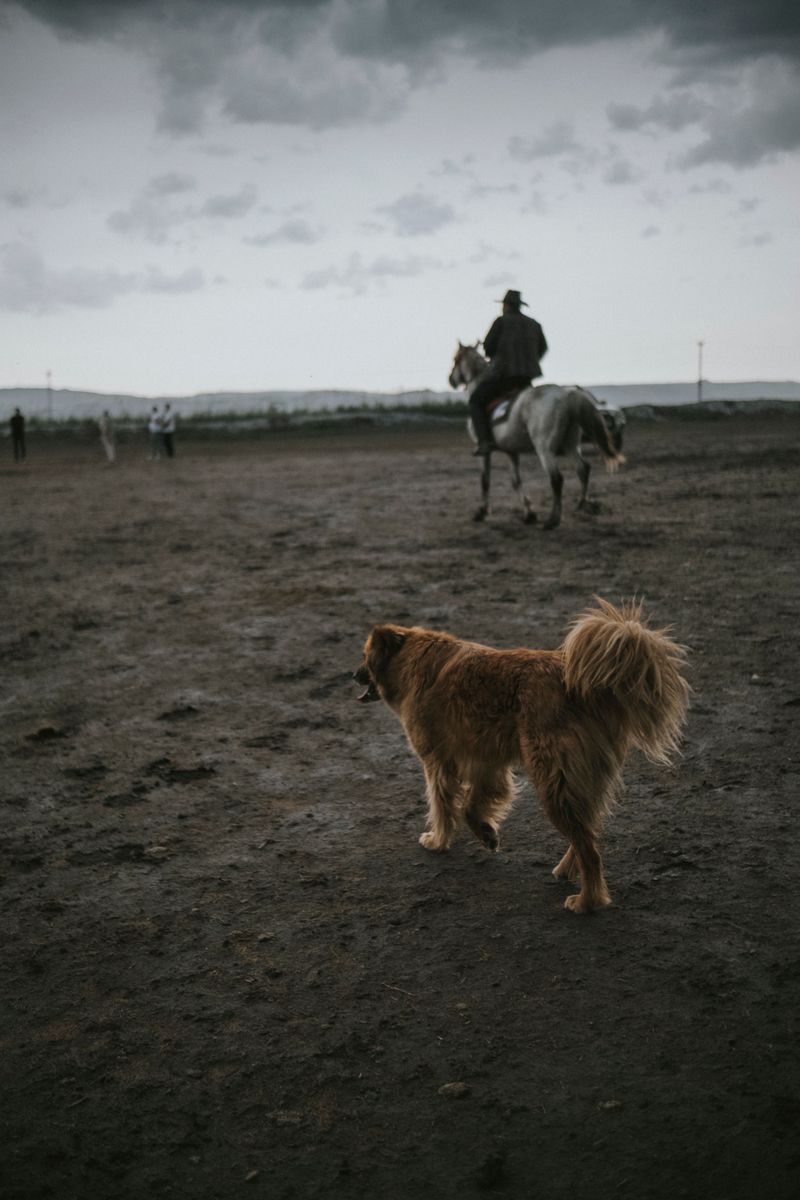
A stiff body can tell you more than barking does. Watch for fixed staring, pulling forward, tucked posture, repeated lip licking, or refusal of familiar treats.
Read these signs together with the situation, not alone.
Increase distance while you still have your dog’s attention. Turn away smoothly and reward any return to relaxed behavior.
Do not force a closer meeting to prove everything is fine. Your dog’s comfortable distance may change with weather, noise, or past experiences.
12. Keep Dogs Away From Horses at Roadside Stops
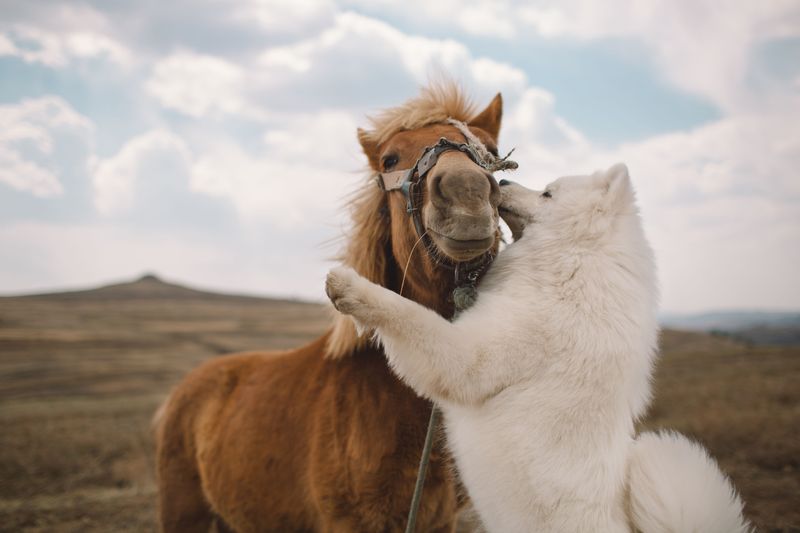
A parked buggy is not an invitation to say hello. Horses waiting outside shops or at hitching areas still need space.
Keep your dog away from their legs, harness, feed, and any nearby equipment.
Choose another entrance or wait if a horse blocks your route. Ask the handler before approaching, and accept any refusal without debate.
Never offer food or encourage nose contact. Even friendly animals can feel crowded when they cannot easily move away from visitors.
13. Respect Private Property Along Amish Country Roads
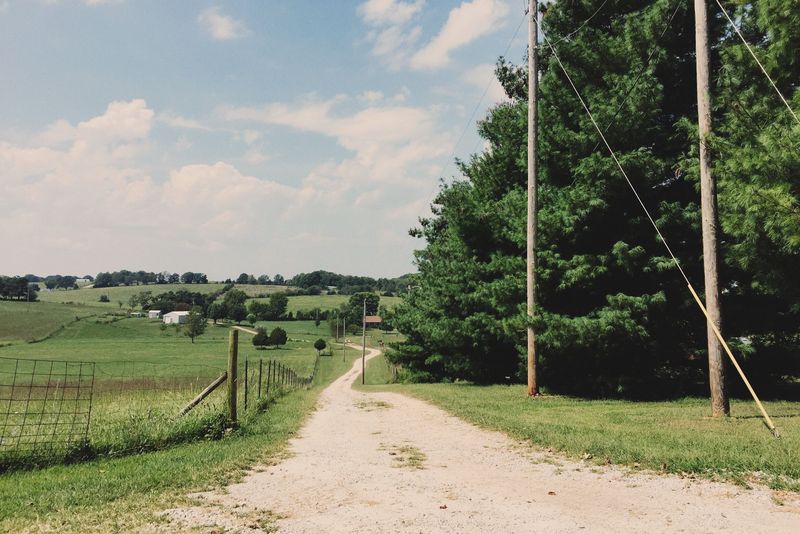
That inviting farm lane may be someone’s private driveway. Stay on public routes unless you have clear permission to enter.
Fields, barns, fence lines, and buggy parking areas are not automatic walking shortcuts.
Keep your dog from entering yards or approaching resident animals. Respect signs, closed gates, and requests from property owners.
Ask before photographing people or their homes. Public access and local restrictions can differ, so check uncertain routes with local officials before planning your walk.
14. Pick Up After Your Dog Near Shared Roads
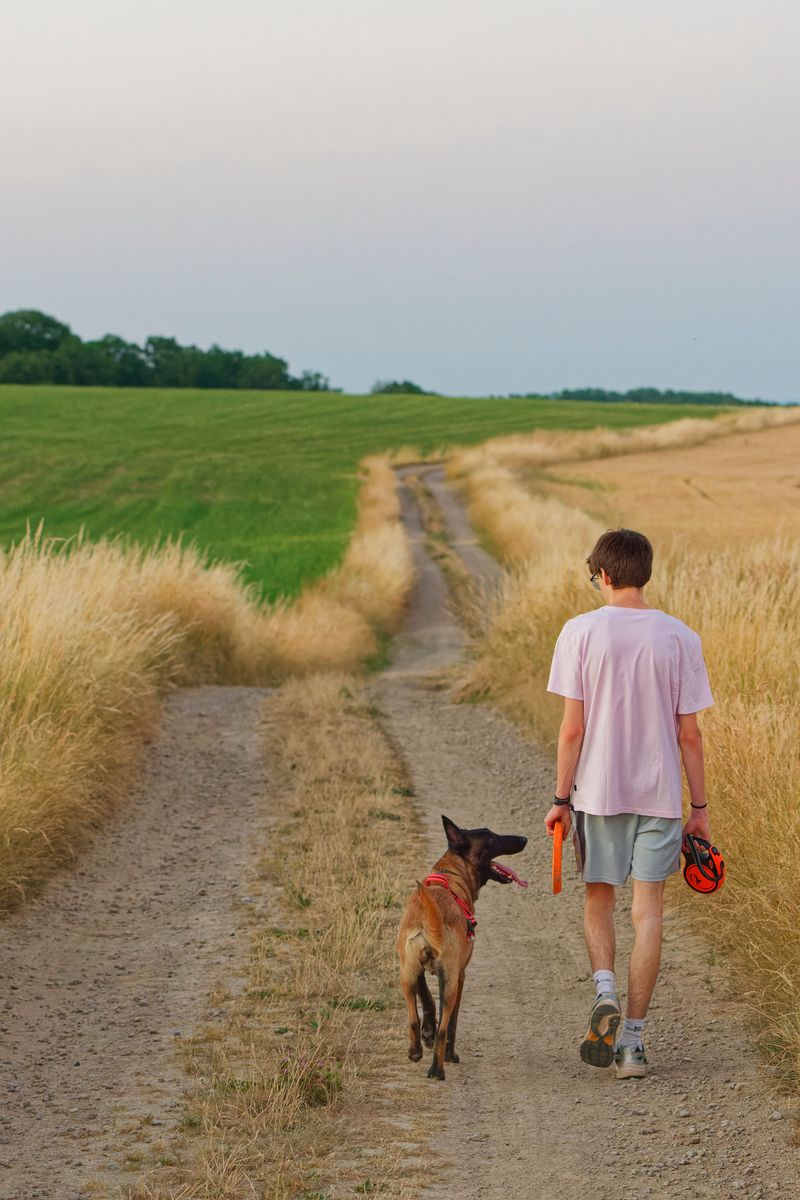
Shared roads feel more welcoming when everyone cleans up. Carry enough waste bags for the whole outing, plus an extra.
Pick up after your dog wherever you can do so without entering traffic or restricted property.
Take filled bags to an approved trash bin rather than leaving them beside fences. Do not use private bins without permission.
Horse manure does not excuse leaving dog waste behind. Good cleanup habits protect shared spaces and show respect for neighbors.
15. Prepare for Limited Sidewalks and Road Shoulders
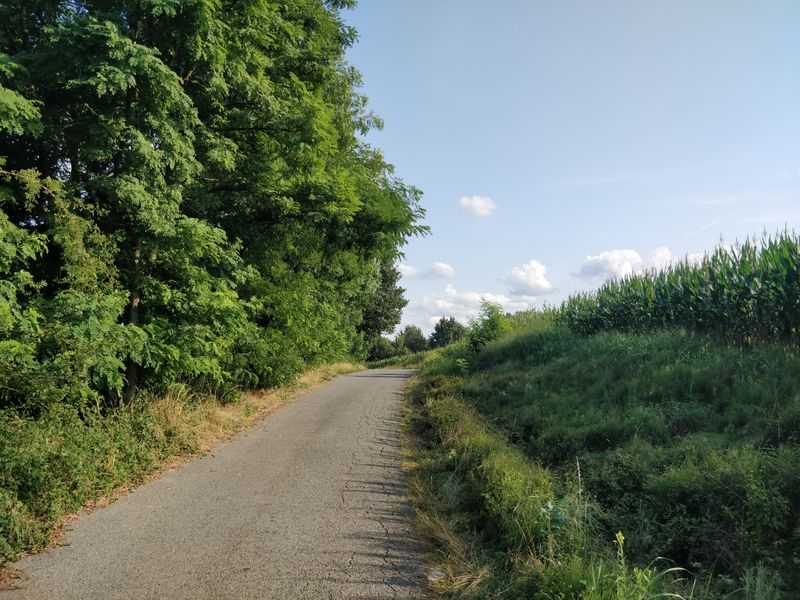
Some scenic roads simply are not suitable for dog walks. Loose gravel, drainage ditches, and narrow shoulders can leave little room beside passing traffic.
Check the whole route, including places where you might need to turn around.
Where sidewalks are unavailable, Indiana law generally requires pedestrians walking along a highway to use the shoulder as far from the roadway edge as practicable. If neither a sidewalk nor a shoulder is available, different rules apply, including walking on the left side of a two-way roadway when practicable.
Never rely on that rule to make an unsuitable road safe. Choose a separated path whenever conditions warrant.
16. Know Where to Walk in Indiana Amish Country
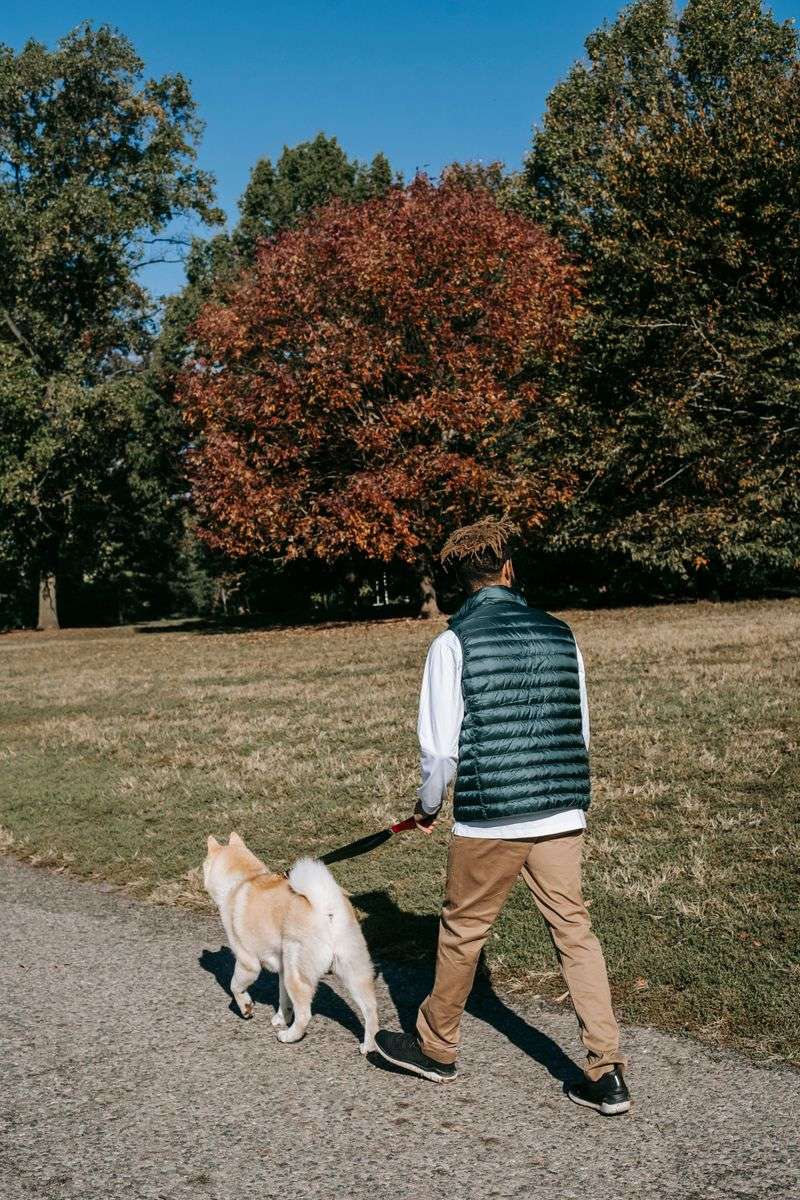
Shipshewana and Nappanee attract visitors, but nearby roads vary widely. Start with official town, county, or park information rather than assuming every scenic lane welcomes walkers.
Ask specifically about dog access and separated walking areas.
Check current closures, parking rules, and leash requirements before setting out. Visitor centers can suggest places to investigate, but posted rules still matter.
Avoid treating Amish neighborhoods as attractions to wander through freely. Plan a legal route that respects daily local travel.
17. Carry Water and Plan for Weather Changes
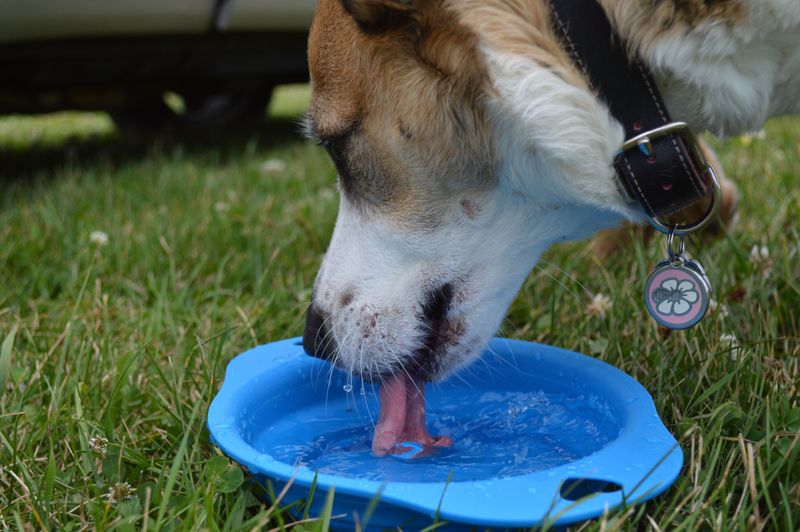
Open farmland offers beautiful views but sometimes little shade. Bring drinking water and a bowl, even for a short outing.
Check the forecast, and shorten walks when heat, humidity, cold, or storms make conditions uncomfortable.
Offer breaks before your dog seems worn out. Avoid roadside puddles, which may contain unwanted substances.
Check paws after gravel, hot pavement, or winter road treatments. Carry your phone and know your return route.
Comfortable dogs are easier to guide around passing traffic.
18. Keep Your Dog Safe Around Roadside Animals and Debris
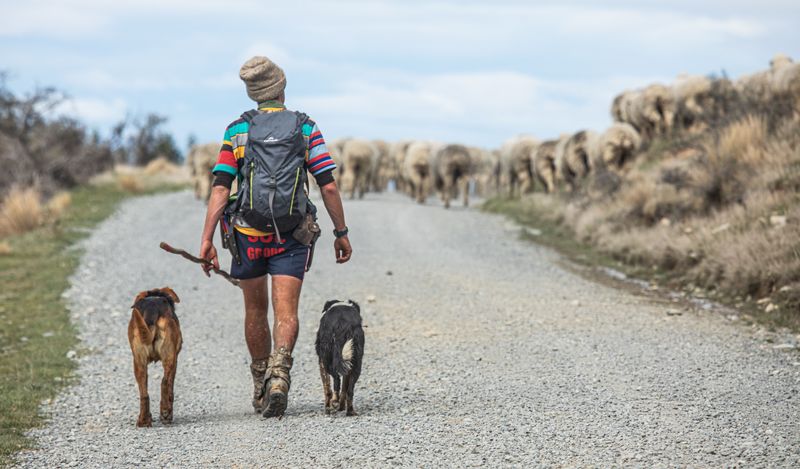
Interesting smells can pull a dog’s nose toward unexpected things. Watch for manure, discarded food, sharp litter, loose wire, and animals near fences.
Use a practiced leave it cue, and guide your dog past calmly.
Do not allow eating manure or approaching livestock through fencing. Contact your veterinarian if your dog swallows something concerning or seems unwell.
Finish each walk by checking paws and coat. Keep it simple: choose space, stay attentive, and give horses room to pass.