What Maryland Dog Owners Should Know About Copperheads Near Rocky Trails And Woodpiles
A rocky Maryland trail can offer your dog wonderful smells, shady breaks, and plenty of adventure. Those same places sometimes shelter copperheads, especially near loose stones, fallen branches, and stacked firewood.
You do not need to avoid the outdoors, but a few smart habits can make outings safer. Knowing where to look, how to manage your dog, and when to call a veterinarian helps you explore with confidence.
1. Look for Shelter Along Rocky Trails

A sunny path can pass right beside a cool, hidden shelter. Copperheads use rocky slopes, wooded hillsides, fallen logs, and leaf litter in parts of Maryland.
Their coloring makes them difficult to notice against the forest floor.
Scan trail edges before letting your dog approach rocks or roots. Pay attention where leaves collect between stones.
You cannot check every hiding place, so keeping your dog close provides better protection than searching for snakes alone ever could.
2. Understand Why Woodpiles Offer Cover
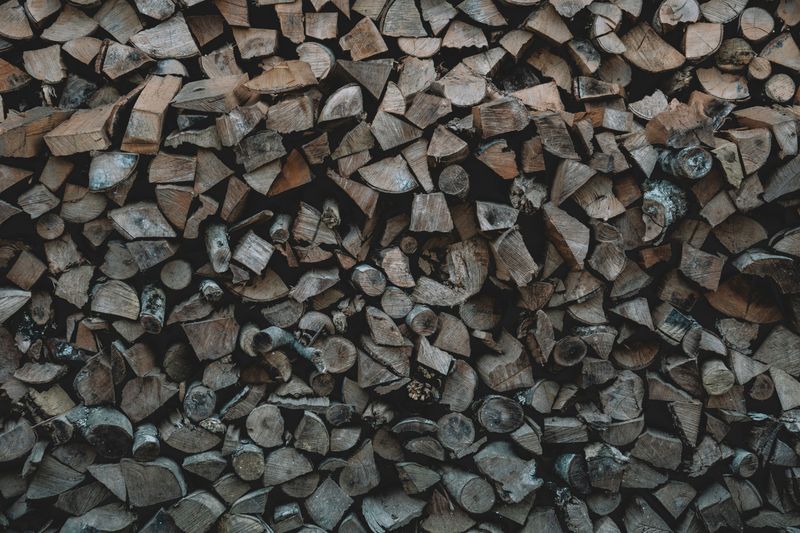
A stack of logs offers more than fuel for chilly evenings. Spaces between pieces can provide shelter for snakes and the small animals they eat.
Mice around a woodpile may make that spot more attractive to copperheads.
Keep your dog away while you inspect or move stored wood. Never reach blindly into gaps, even while wearing gloves.
Use good lighting and look over each exposed section before working around the pile or opening its lower layers.
3. Learn Copperhead Markings From a Distance
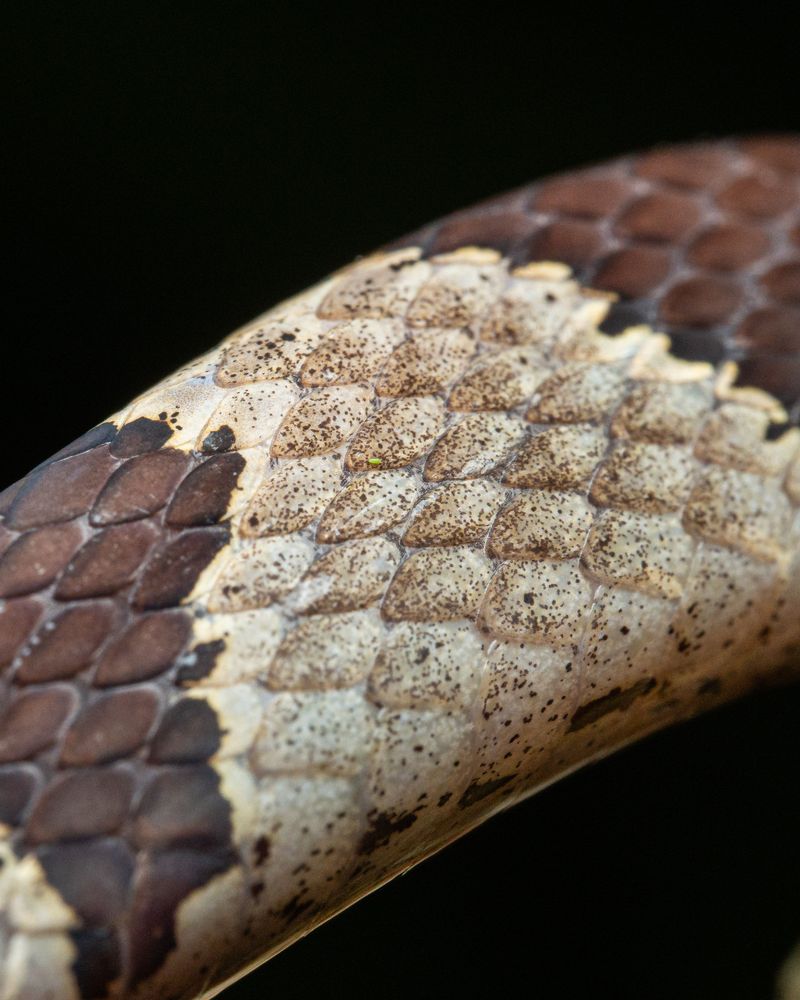
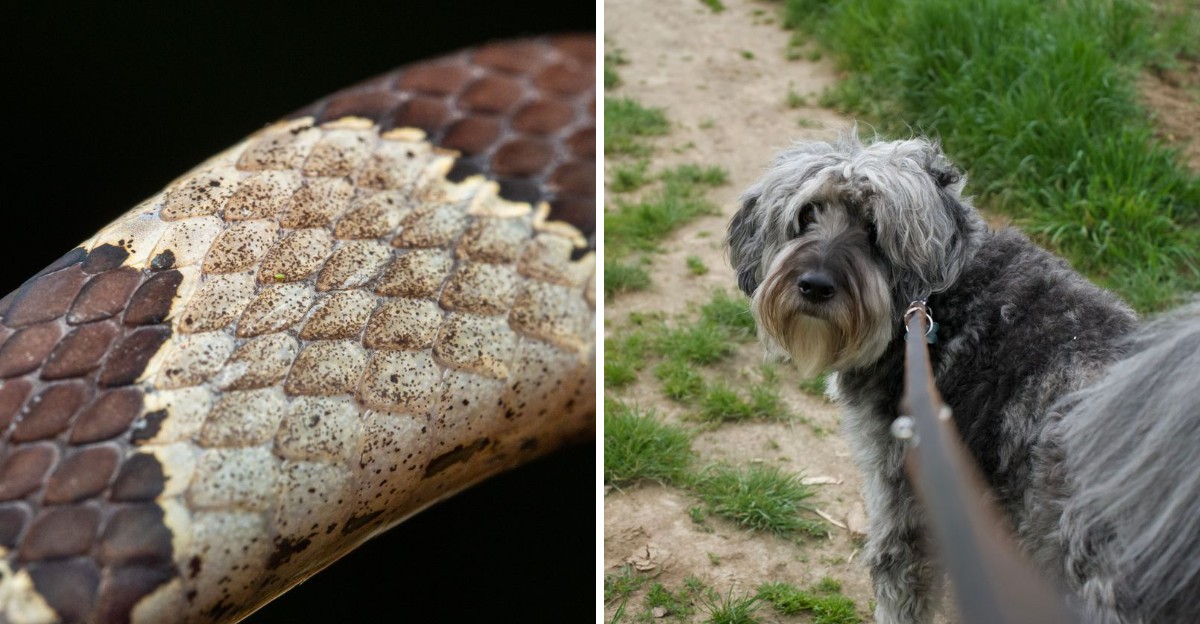
Blending into fallen leaves is a copperhead specialty. Adults usually have tan or brown bodies with darker bands resembling hourglasses from above.
The dark crossbands are narrow along the spine and wider toward the belly.
Young copperheads often have yellowish tail tips, but coloring changes with age. Head shape alone is not a reliable identification tool.
Study clear photographs from Maryland wildlife resources before hiking, and never approach a snake to check its eyes or other small features.
4. Choose a Short, Manageable Leash
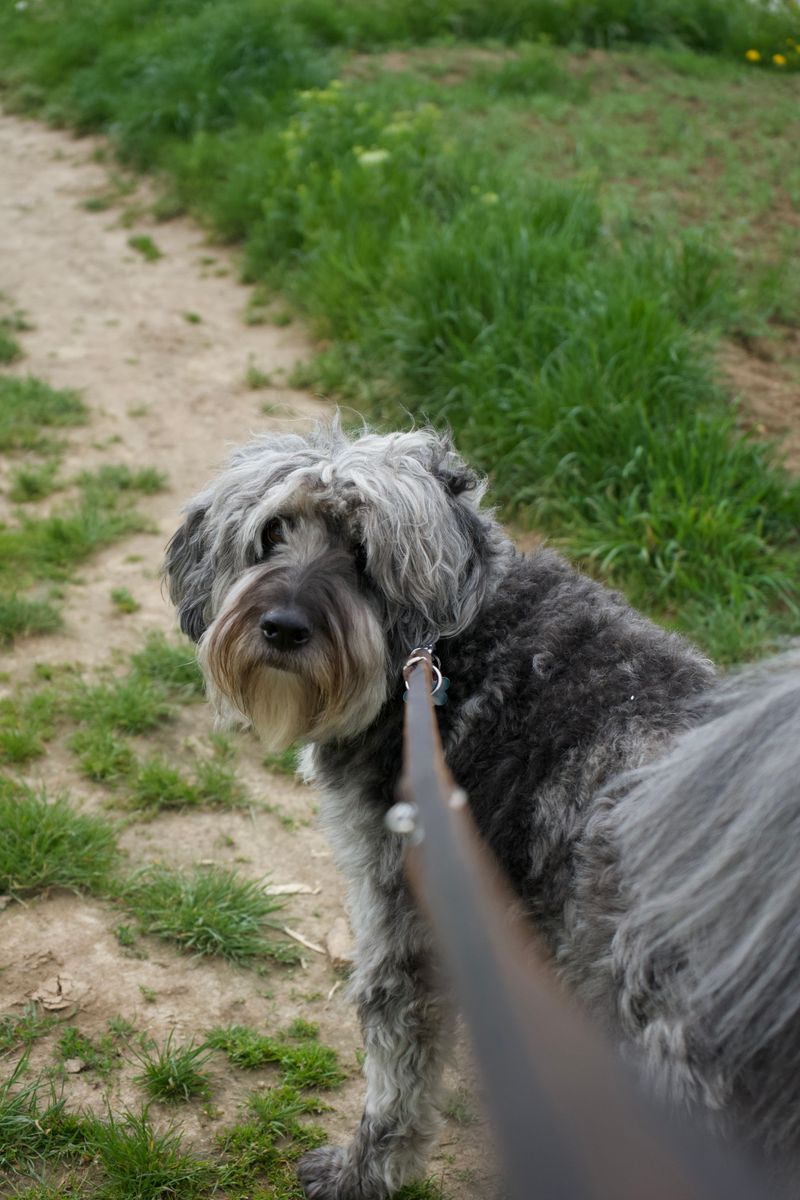
A little less roaming room can prevent a close encounter. Use a fixed leash that keeps your dog near you without constant pulling.
Long lines and extended retractable leashes can let dogs reach hidden snakes before owners notice.
Shorten your hold near rocks, tall grass, and stacked logs. Practice turning away together before you need that skill outdoors.
Follow posted leash rules, which can differ among Maryland parks, public lands, and local communities throughout the state.
5. Notice Where That Curious Nose Goes
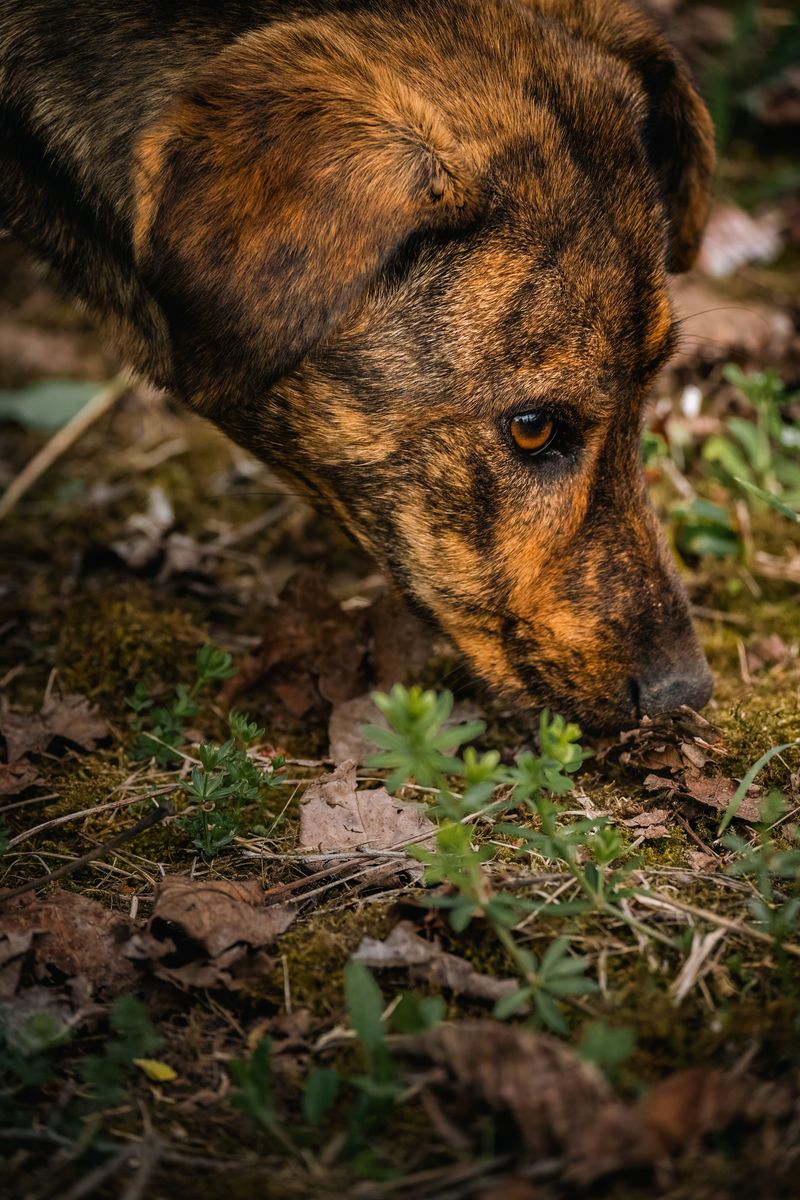
Your dog’s nose may find something before your eyes do. Sniffing beneath logs, between rocks, or inside dense ground cover can bring a face close to a concealed snake.
Interrupt that investigation before your dog pushes farther.
Teach a cheerful leave it cue using rewards at home. On walks, redirect toward open ground rather than reaching into the hiding spot yourself.
A successful sniff break does not require access to every interesting hole along the route.
6. Follow the Established Path
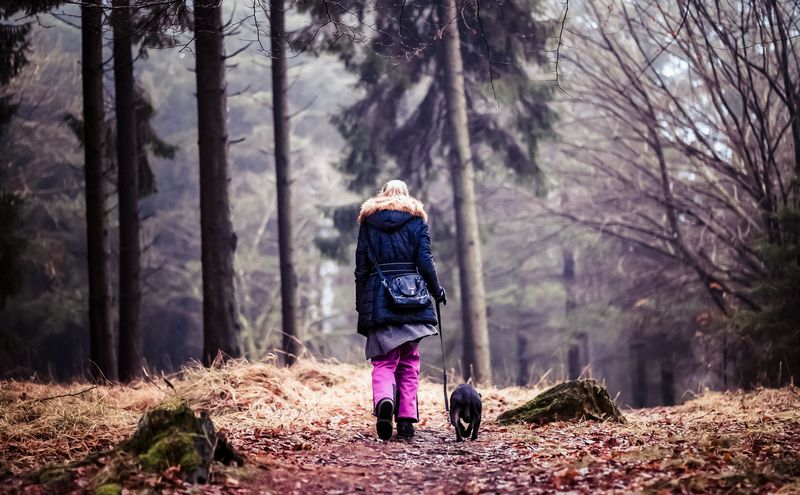
The clearest route usually gives you the best view ahead. Established trails often provide better footing and visibility than shortcuts through leaves or brush.
They do not guarantee a snake-free walk, but they reduce hidden surprises.
Keep your dog near the center where conditions allow. Avoid stepping over logs without checking the far side first.
Respect trail closures and posted boundaries, and choose another route when vegetation makes it difficult to see where paws will land.
7. Slow Down Near Rock Outcrops
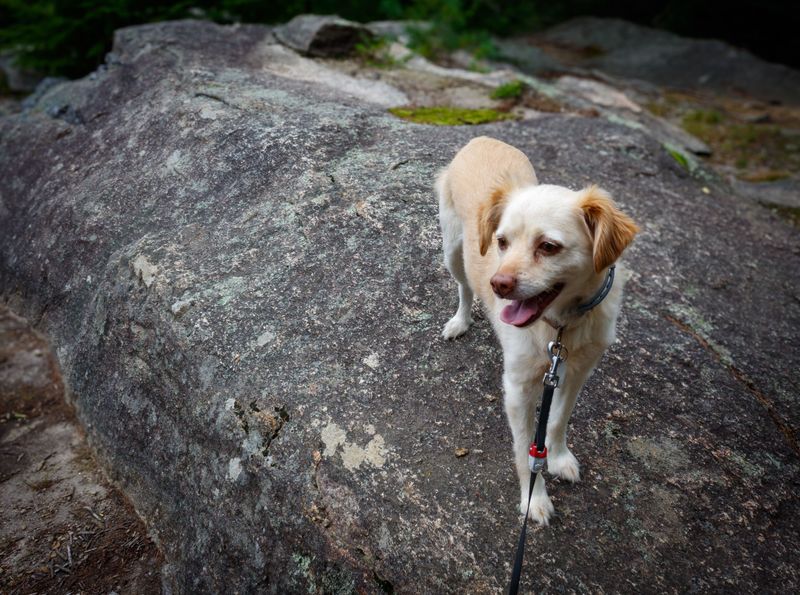
Rocky overlooks invite photos, but nearby cracks deserve a careful glance. Copperheads may shelter in crevices or rest near exposed stone when conditions suit them.
Loose rock walls and ledges can offer similar cover.
Pause before allowing your dog onto an outcrop. Choose an open resting spot away from cracks, and avoid reaching beneath stones.
If visibility is poor, admire the view from the trail instead of letting your dog scramble through gaps between uneven rocks.
8. Adjust Walks for Weather and Light
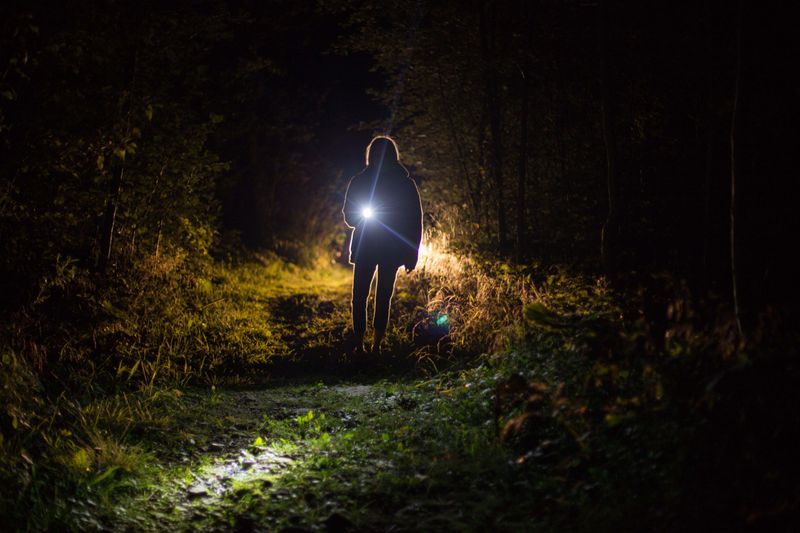
The clock alone cannot tell you when snakes are nearby. Copperheads are generally more active during warmer months, but their activity varies with temperature, weather, and other environmental conditions.
During hot weather, they may move during evening or nighttime hours.
Carry a light when walking near dusk, and scan the ground ahead. Cooler mornings do not make every hiding place safe.
Stay attentive throughout the outing, especially during warm spells when your usual walking schedule might feel comfortably cool to you.
9. Reduce Hiding Places Around Your Yard
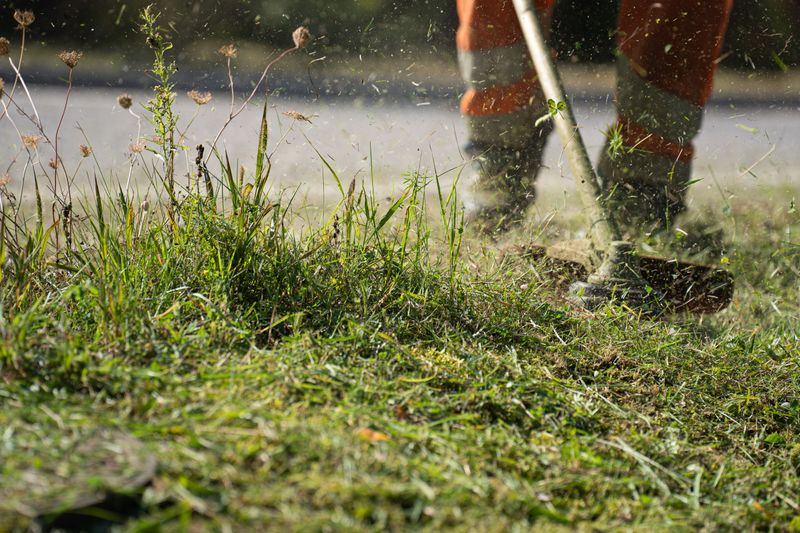
A tidy yard gives you a clearer view of visitors. Trim tall grass near dog areas, remove scattered boards, and clear unnecessary debris.
Manage spilled birdseed and store pet food securely to discourage rodents.
Focus on places your dog uses daily, including gates and fence edges. No yard changes can promise complete snake prevention.
Skip products marketed as guaranteed snake repellents, and ask local wildlife professionals about persistent concerns rather than relying on strong smells or home mixtures. No repellent should be assumed effective without reliable evidence for its specific use.
10. Set Up Safer Firewood Storage
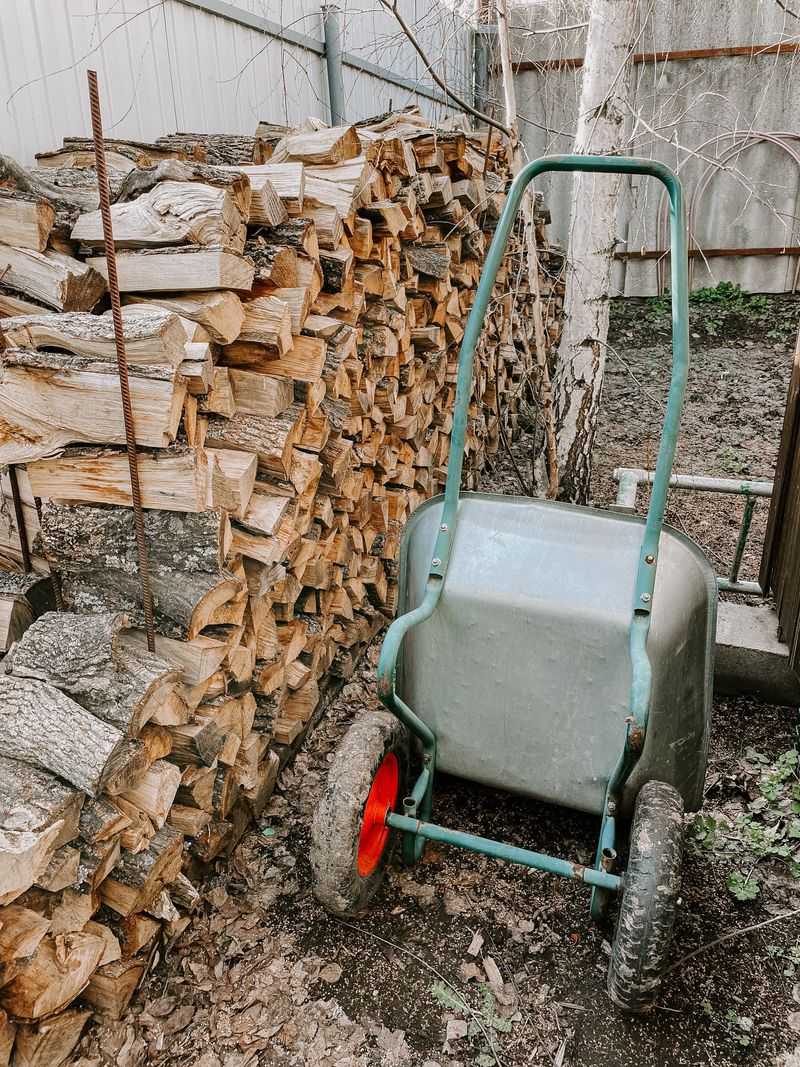
Good storage makes firewood easier to inspect before you lift it. Use a sturdy rack that raises logs above the ground.
Leave enough open space around the stack to see its edges and maintain nearby vegetation.
Place wood away from your dog’s usual resting and play areas when possible. Keep stacks stable, and avoid reaching underneath them.
Before collecting logs, secure your dog elsewhere and check the visible surfaces without disturbing any animal sheltering inside the pile.
11. Spot Possible Bite Warning Signs
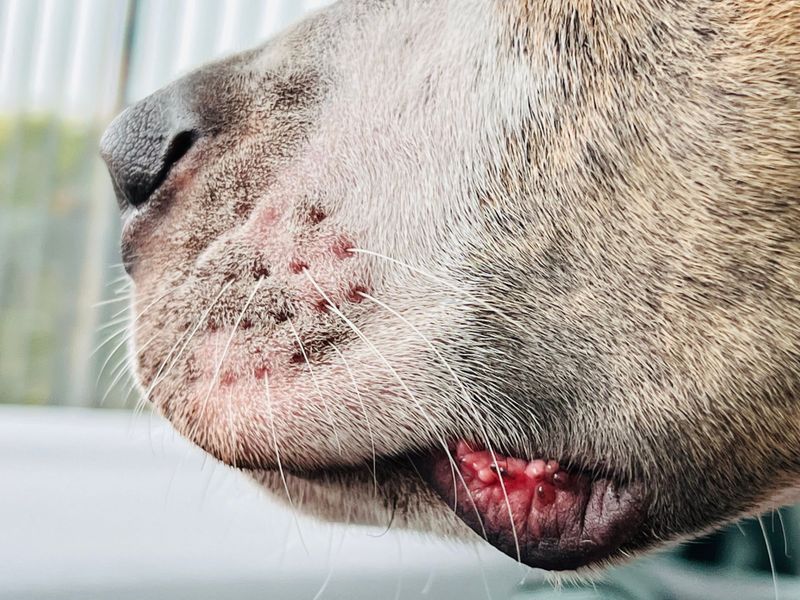
A sudden yelp deserves attention when your dog investigates hidden ground. Possible snakebite signs include pain, swelling, limping, weakness, or unusual drooling.
Bites around the face may cause noticeable swelling near the muzzle.
You might not see puncture marks, and fur can hide the affected area. Signs can change over time, so do not wait for dramatic symptoms.
If a snakebite seems possible, contact a veterinarian immediately and describe the location, timing, and changes you have noticed.
12. Call a Veterinarian Without Waiting
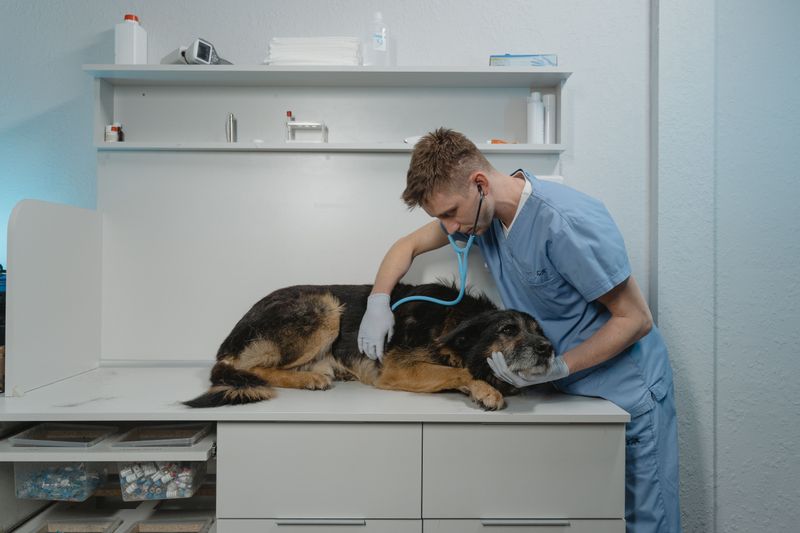
Suspected copperhead bites need prompt veterinary advice, even when your dog seems comfortable. Call the nearest available veterinary clinic and explain what happened.
Ask where to go, since not every clinic provides the same emergency services.
Start transport as directed rather than waiting at home for swelling. Treatment depends on your dog’s condition and the veterinarian’s assessment.
Do not give pain relievers, antihistamines, or other medicines unless a veterinarian specifically instructs you to use them for your dog.
13. Limit Movement After a Suspected Bite
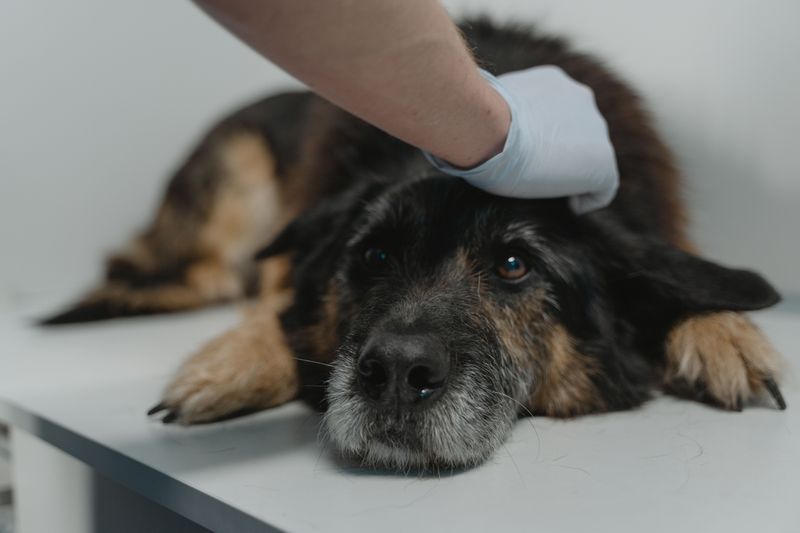
Your calm voice can help your dog settle during an unexpected problem. Stop the hike and limit movement while arranging veterinary care.
Carry a smaller dog if you can do so safely without pressing the painful area.
For larger dogs, ask the veterinarian about practical transport options. Avoid tight wraps, tourniquets, ice, cutting, or suction devices.
Do not force food or water unless a veterinarian advises otherwise. Keep handling gentle, since a frightened or uncomfortable dog may react differently than usual during transport.
14. Leave Copperheads Untouched
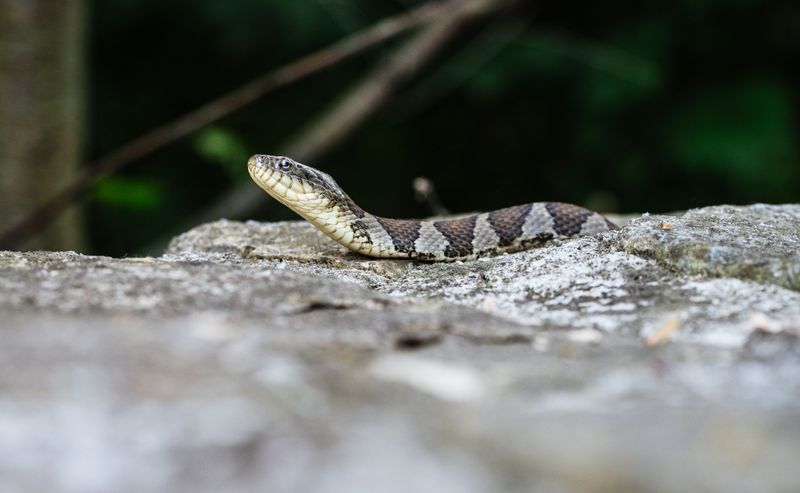
No photograph or identification attempt is worth getting closer. Never pick up, pin down, or try to relocate a copperhead.
Tools, gloves, and confidence do not make handling a venomous snake safe.
Keep your dog away and leave the area without crowding the animal. If a snake creates an ongoing concern near your home, contact the Maryland Department of Natural Resources or your local wildlife authorities for guidance.
Ask about lawful, qualified assistance rather than attempting removal yourself or accepting advice from an untrained neighbor.
15. Make Space for a Quiet Retreat
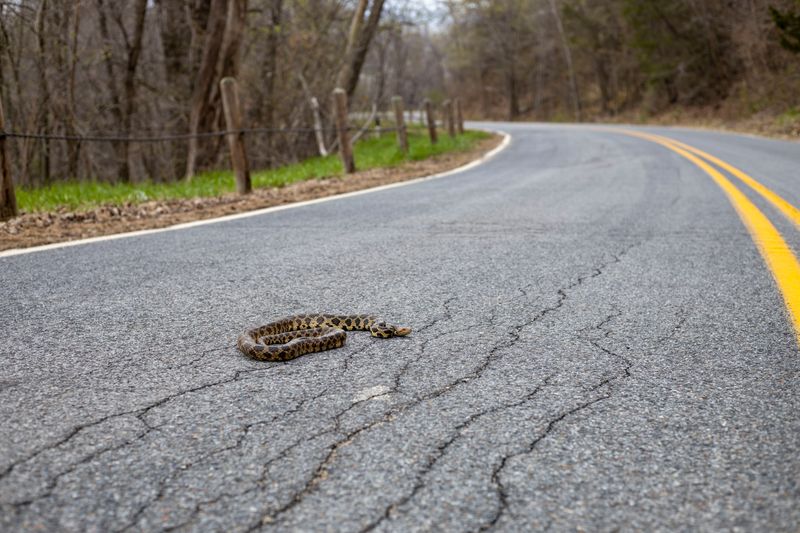
Most encounters call for distance, not action. If you notice a snake ahead, stop and bring your dog close.
Back away slowly, allowing plenty of room without blocking the snake’s route into cover.
Wait from a safe distance or choose another path. Do not throw objects, poke it, or let your dog bark nearby.
A snake may remain still instead of leaving, so never assume waiting briefly means you can safely step over it and continue your walk.
16. Keep Brush Piles Off the Sniffing Tour
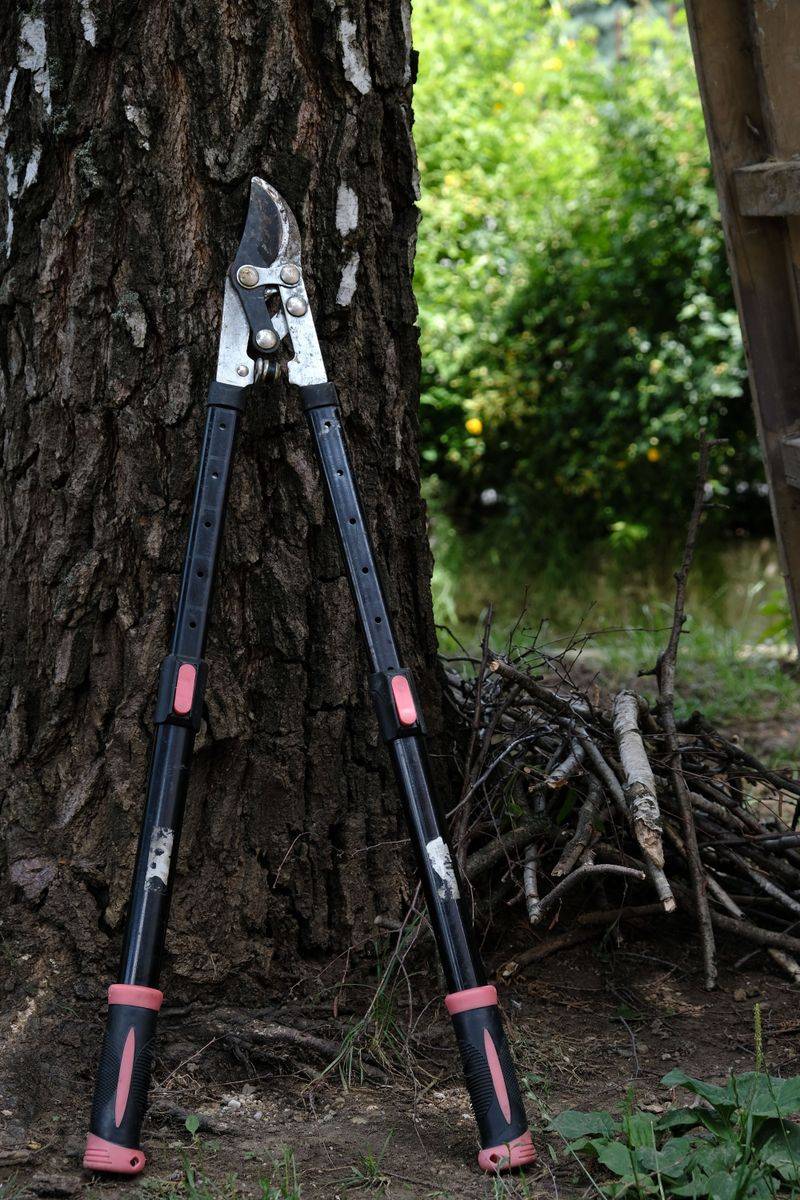
A jumble of branches can look like a treasure chest to dogs. Brush piles shelter small animals and create hidden spaces that snakes may use.
Leaves packed underneath can make those spaces especially hard to inspect.
Guide your dog past rather than allowing digging or nose-first exploration. During yard cleanup, keep pets inside and avoid putting hands into unseen gaps.
If you maintain wildlife brush habitat, place it away from dog runs and frequently used paths whenever practical.
17. Pick Break Spots With Clear Ground
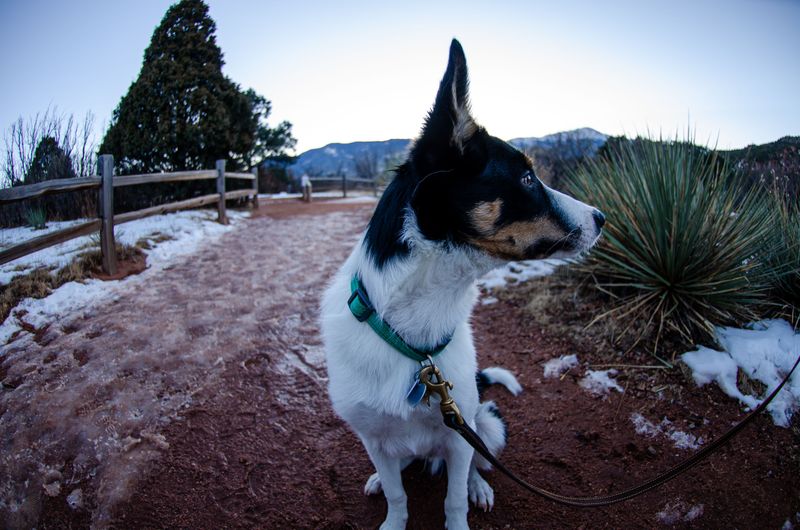
Water breaks work best when you can see the ground. Choose a clear, permitted turnout rather than dense vegetation beside the trail.
Check the resting area before setting down your pack or offering a bowl.
Keep your dog leashed during the pause, even if the spot seems quiet. Avoid tying the leash where your dog can reach rocks or brush.
If stepping aside is necessary, take a moment to inspect where both of you will stand first.
18. Avoid Judging Every Brown Snake Alike
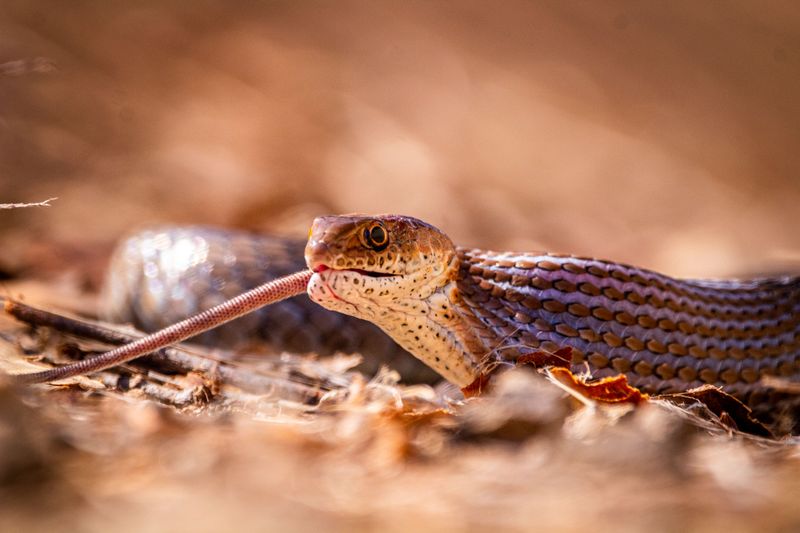
Brown coloring does not identify a copperhead. Maryland has several harmless snakes with brown shades or patterned bodies.
Quick glimpses, shadows, and curled positions can make identification harder than expected.
Treat any unknown snake respectfully and keep your dog away. A photograph taken from an existing safe distance may help a wildlife expert identify it.
Never move closer for a better picture, and never delay veterinary care while trying to decide which species might have bitten your dog.
19. Build Your Emergency Plan Before Hiking
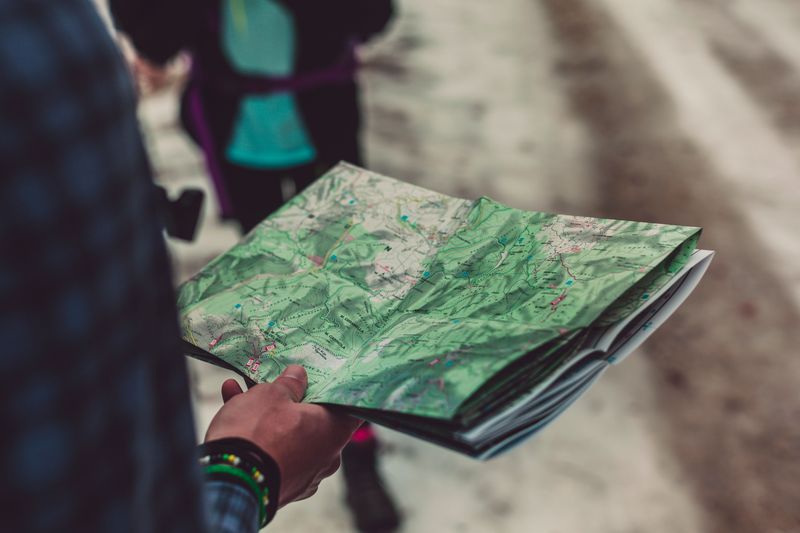
Preparation starts before your dog jumps into the car. Save your veterinarian’s number and locate emergency clinics near your planned route.
Call ahead about hours and snakebite services when traveling somewhere unfamiliar.
Carry a charged phone, water, and a map available without cell service. Know your trailhead name and access points for leaving quickly.
Consider how you would transport your dog if walking became difficult. Share your route with someone when heading into less connected areas of Maryland.
20. Share Maryland’s Outdoors With Confidence
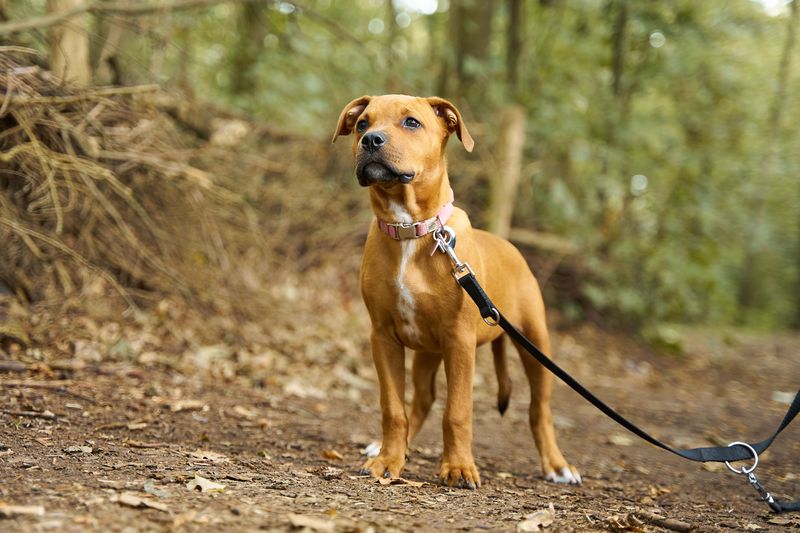
Copperheads belong to Maryland’s wildlife community and help control small animal populations. Their presence does not mean a trail or neighborhood must be avoided.
Thoughtful habits let dogs and wildlife share outdoor spaces with fewer close encounters.
Choose visible routes, manage your leash, and leave hiding places undisturbed. Confirm local wildlife rules with Maryland authorities when questions arise.
Remember the simple plan: give snakes space, keep dogs close, and seek veterinary help promptly when a bite is suspected.