What To Do If A Cottonmouth Appears Near Your Dog In Alabama
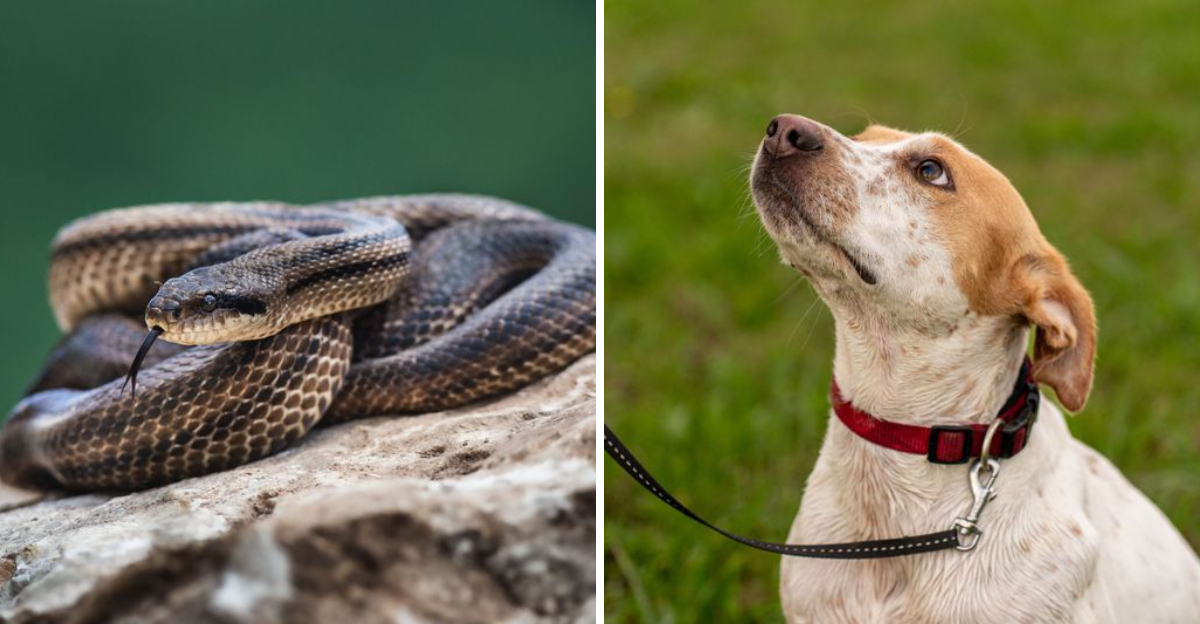
Walk enough Alabama trails, creek banks, or backyards, and sooner or later you may share space with a cottonmouth. The good news is that these snakes would rather slip away than tangle with anyone, and calm handling keeps almost every encounter uneventful.
Still, dogs are curious, and curiosity is what gets them into trouble. Here is a friendly, practical walkthrough of what to do in the moment, plus how to respond if you suspect a bite.
1. Step away without sneaking a closer look
Curiosity is human, but identification is not your job right now. Turn your body, guide your dog, and increase the gap.
Getting closer for a better view puts your feet inside the snake’s reaction zone. That is where trouble starts.
Wildlife biologists will tell you that distance solves nearly every snake problem. Ten or more feet is plenty for both of you.
2. Back off slowly and let the snake choose to leave
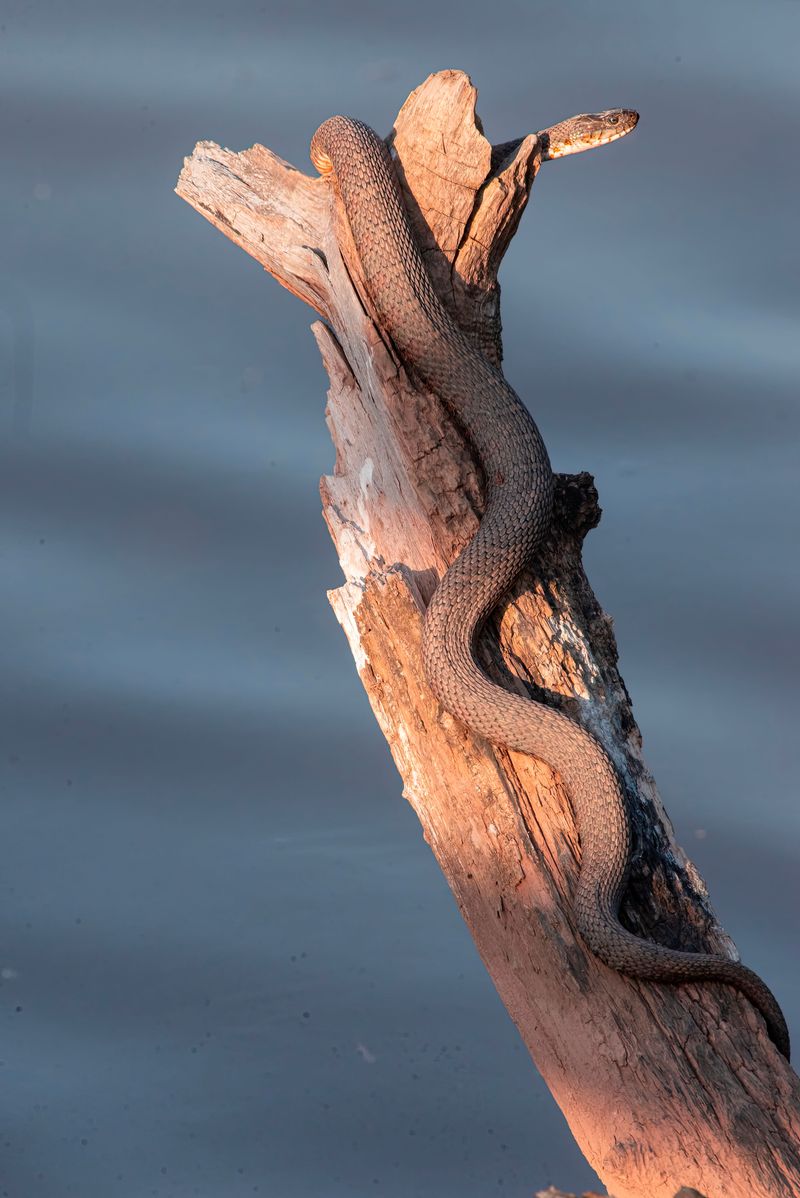
Snakes read fast movement as a threat. Slow, steady steps backward tell this one that nothing is coming for it.
Cottonmouths are not looking for a fight. Given an open path, they usually head for water or cover on their own.
Give it a minute or two of quiet space. Patience beats panic almost every single time out there.
3. Block the barking, pawing, and sniffing instinct
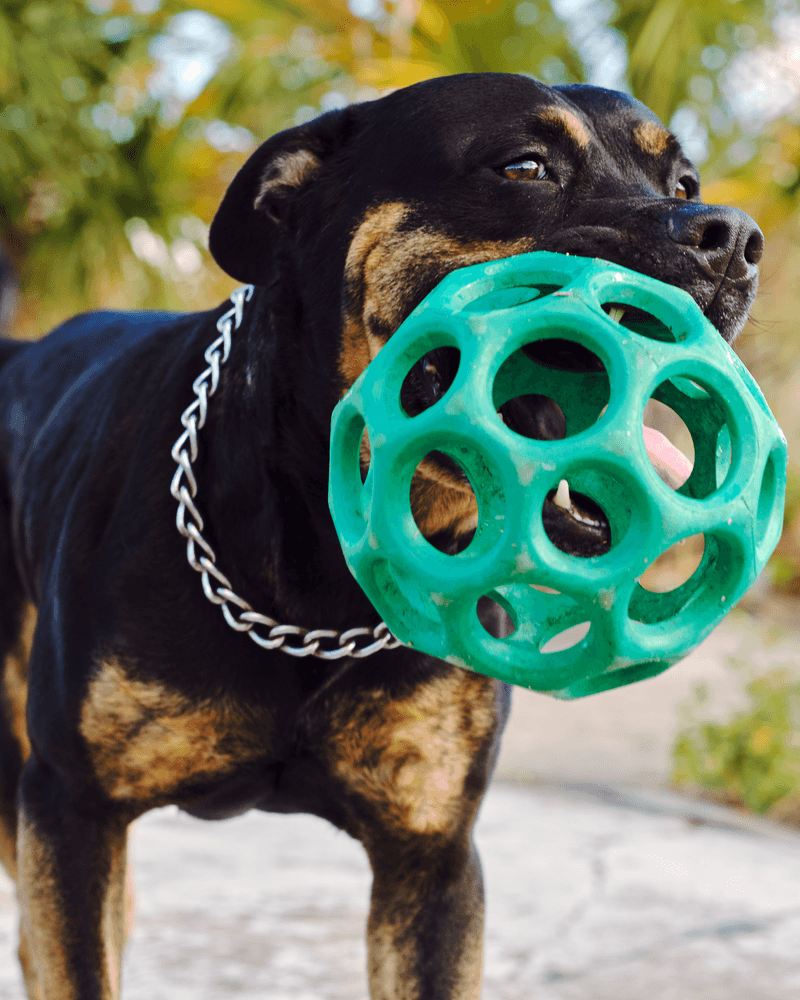
Dogs investigate with their noses and their feet, which is exactly the risk here. Bites often land on the muzzle or front legs.
Redirect with a firm voice, a treat, or a quick turn away. Anything that breaks focus helps.
Cornering a snake removes its escape route, and a cornered animal defends itself. Keep the exit clear and your dog uninterested.
4. Leave the snake alone, including with shovels and sticks
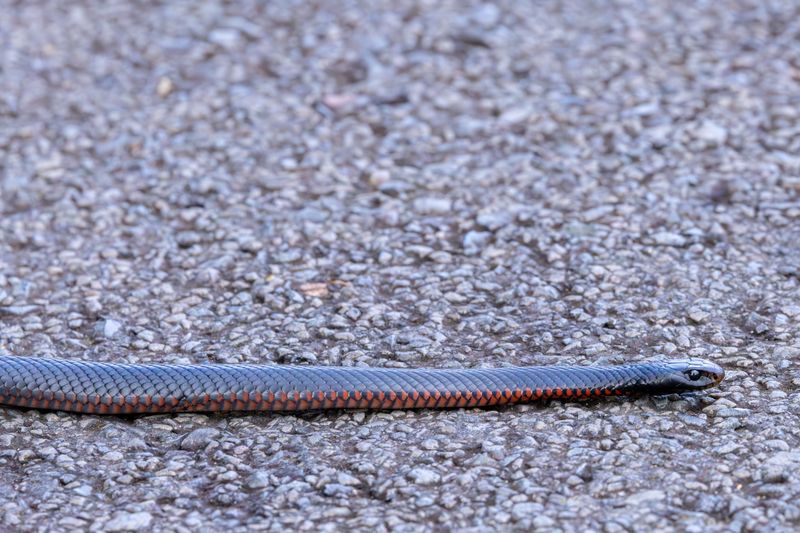
Alabama protects native snakes under state wildlife regulations, with narrow exceptions for immediate threats to people or property.
Moving or relocating snakes generally requires proper permits, so that job belongs to licensed professionals.
Practically speaking, most bites to people happen while someone is trying to handle or dispatch a snake. Doing nothing is both legal and safer.
5. Shorten the leash before you do anything else
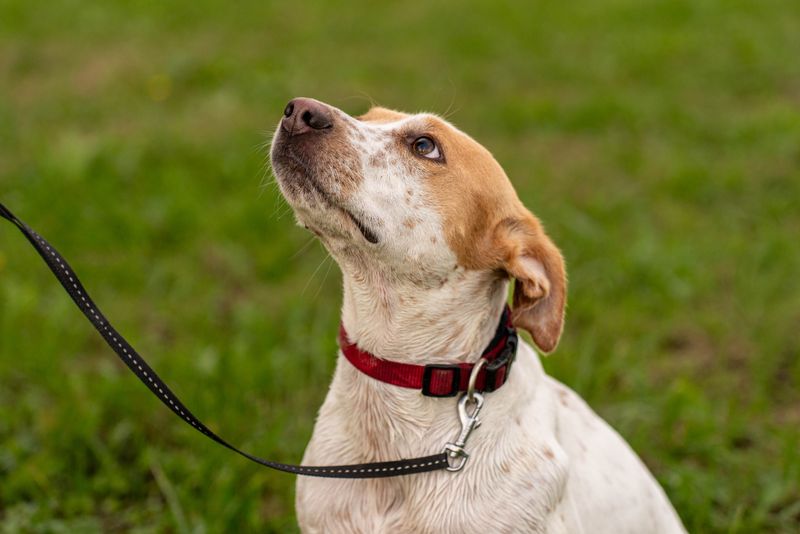
Control comes first, and a short leash is the fastest way to get it. Gather the slack, bring your dog close to your leg, and hold firm.
Retractable leashes give dogs far too much roaming room in this situation. Lock them down or clip on a standard leash instead.
Most bites happen because a dog reached the snake before the owner reacted. Six feet of distance solves that problem instantly.
6. Clear the kids and other animals from the scene
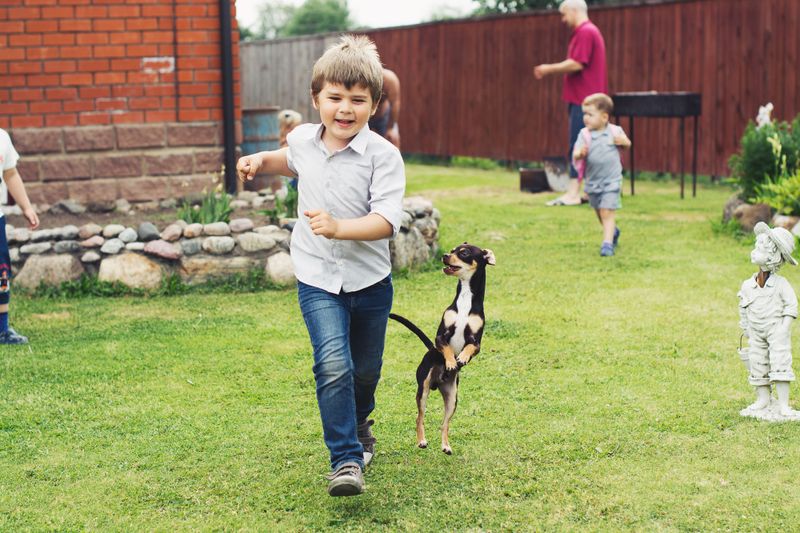
Extra bodies mean extra noise and extra chances for someone to get too close. Send everyone indoors or well up the trail.
Children naturally want to see, so give a simple instruction and follow through calmly.
Cats and second dogs need the same treatment. One secured pet is manageable, three loose ones are not.
7. Assume every unknown snake deserves respect
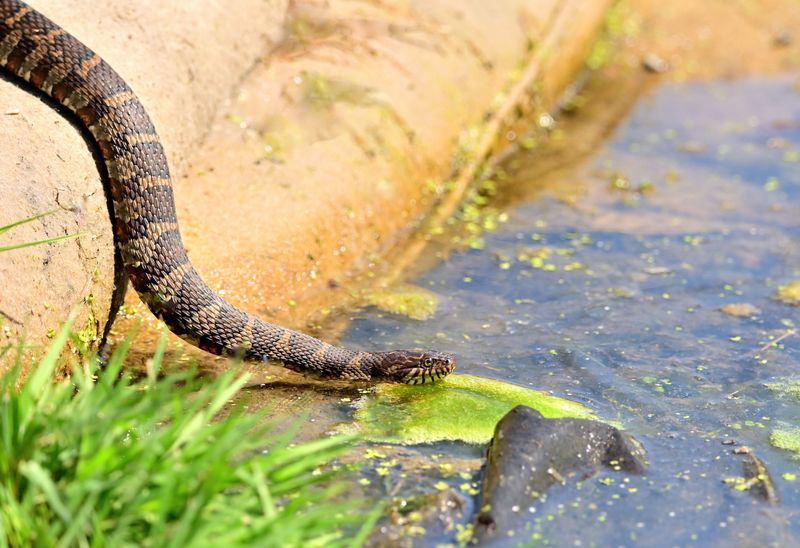
Guessing wrong carries real consequences, so treat unfamiliar snakes as if they could be venomous.
That mindset costs you nothing. You still walk away, still secure your dog, still call for help if needed.
Around Alabama ponds, ditches, and swamps, dark snakes are common and easily confused. Caution is simply good habit, not paranoia.
8. Ring animal control when the snake settles in
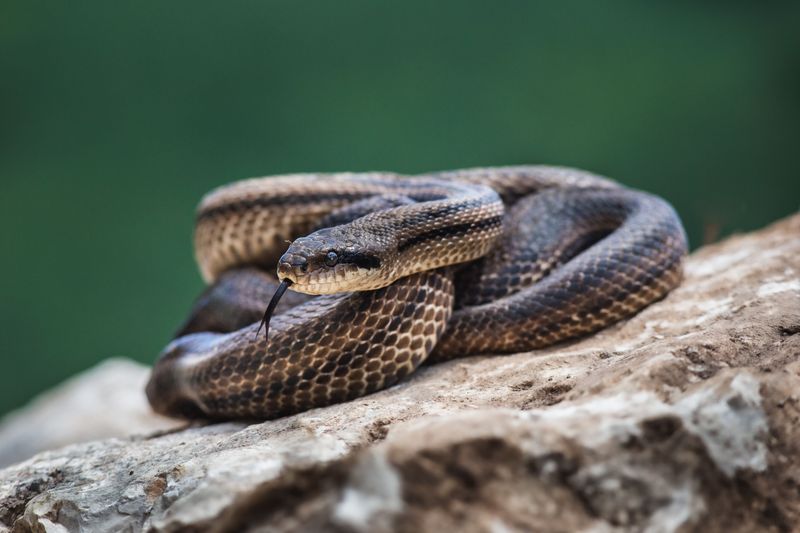
A snake passing through the woods is one thing. A snake living under your deck or in the dog run is another.
City and county services differ across Alabama, so look up your local animal control or a licensed wildlife removal company.
Some areas route wildlife calls to nonprofit hotlines instead. A quick call to your city hall clarifies who responds.
9. Zoom in with your phone, not your feet
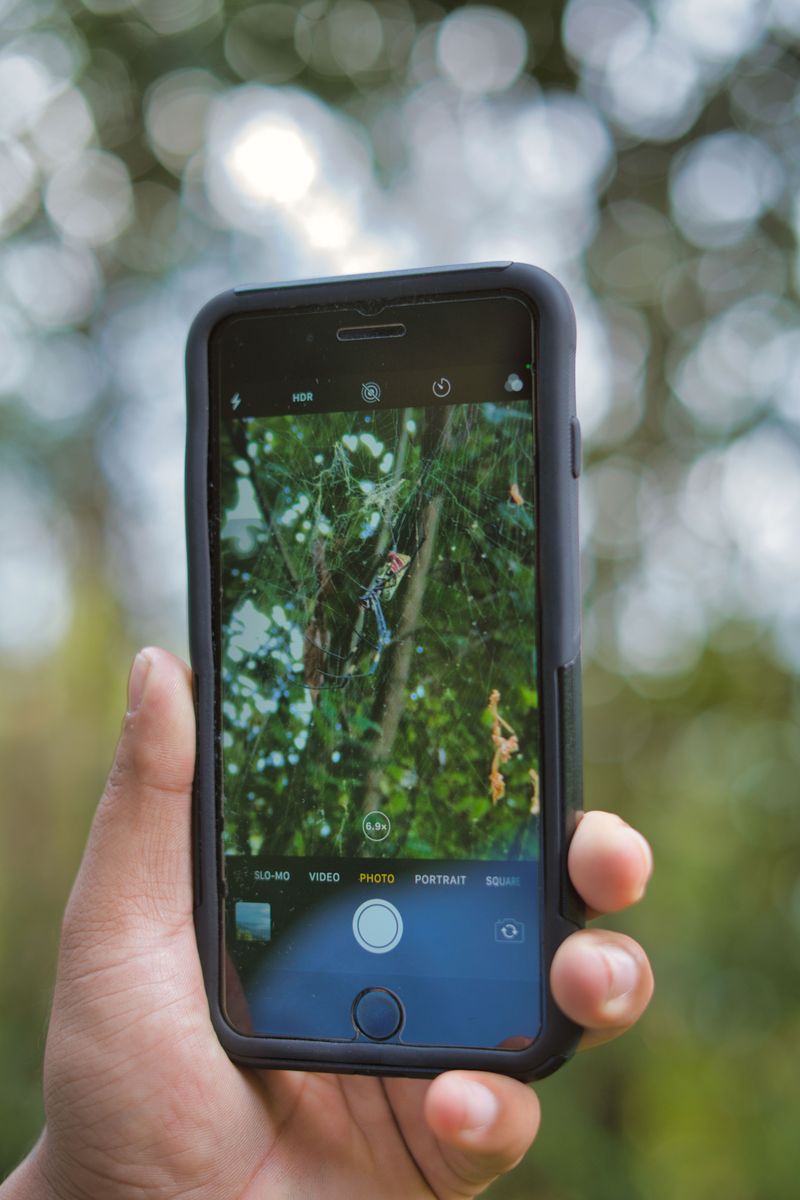
A photo can genuinely help your veterinarian, but only if taking it costs you nothing.
Stand at least six to ten feet back and use your camera’s zoom. Never crouch, poke, or reposition for a better angle.
If the shot feels risky, skip it entirely. Clinics treat suspected venomous bites based on symptoms, not photographs.
10. Skip the roadside identification quiz
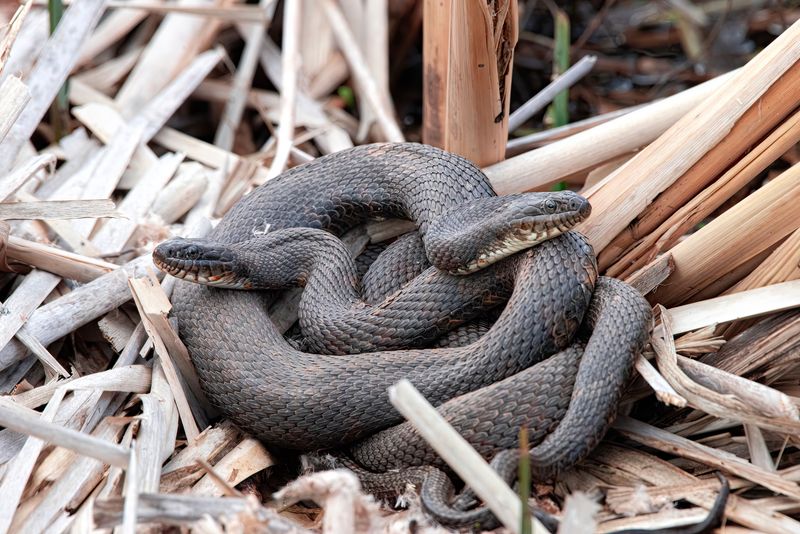
Harmless water snakes fool experienced outdoors people regularly. Banding, dark coloring, and blocky heads overlap between species.
Older cottonmouths lose pattern definition, which makes the guessing game even harder.
Since your response stays the same either way, identification adds risk without adding value. Save the curiosity for a field guide at home.
11. Suspected bite? Separate first, everything else second
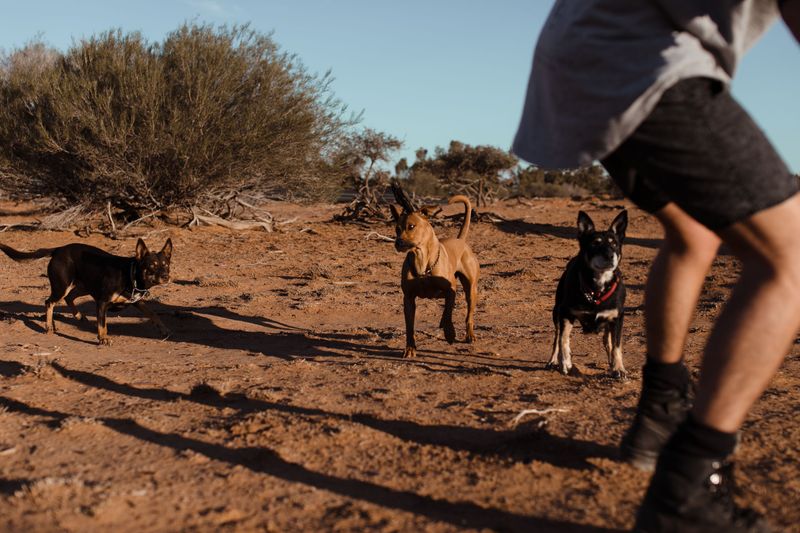
Repeat bites are a real possibility if you linger near the snake. Move your dog several yards away immediately.
Do not stop to examine fur or search for punctures at the scene. That can happen once you are clear.
Distance first, assessment second. Simple order, and it keeps both of you out of range while you think.
12. Get the veterinarian on the phone right now

Minutes matter with venomous bites, so call while you are heading toward the vehicle.
Ask whether your regular clinic stocks antivenom or whether an emergency hospital is the better destination.
Calling ahead lets the team prepare before you arrive. Many Alabama emergency hospitals handle these cases through the night.
13. Say the words venomous snake bite when you call
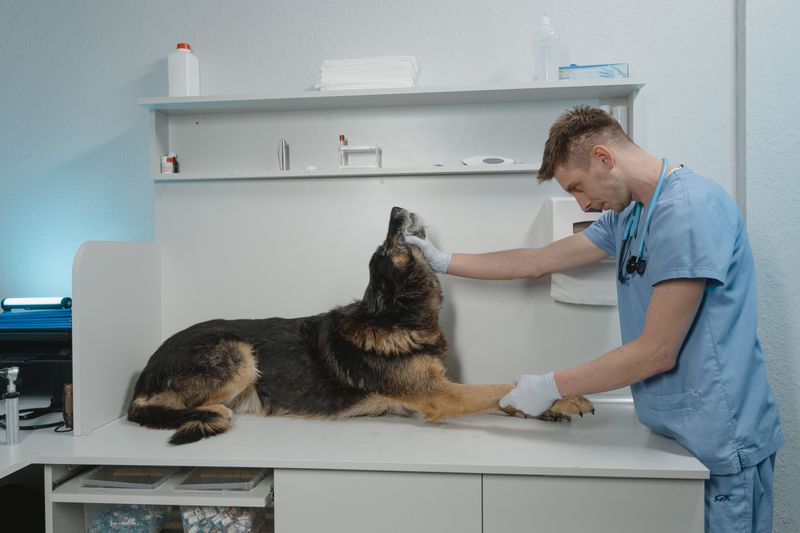
Clear information changes how a clinic triages your arrival. Tell them a cottonmouth or another venomous snake may be involved.
Mention where the bite likely landed, roughly when it happened, and your dog’s weight if you know it.
Staff can then pull supplies and clear a table. That prep time works entirely in your dog’s favor.
14. Quiet and still beats brave and busy
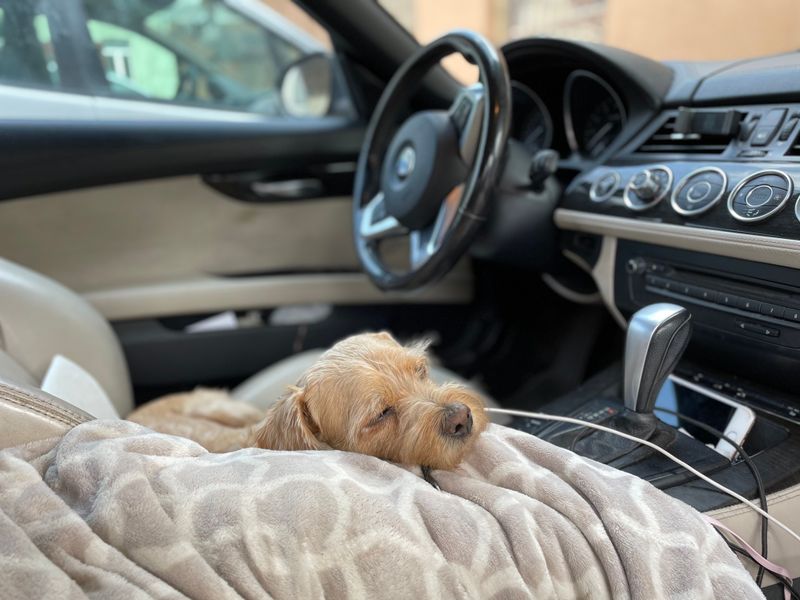
Movement circulates venom faster, so the goal is stillness. Speak softly and keep your hands steady.
Set your dog on a blanket or towel in the vehicle rather than letting them pace.
Your energy transfers straight to your dog. A calm voice does more good here than most people expect.
15. Carry them if your body and their size allow
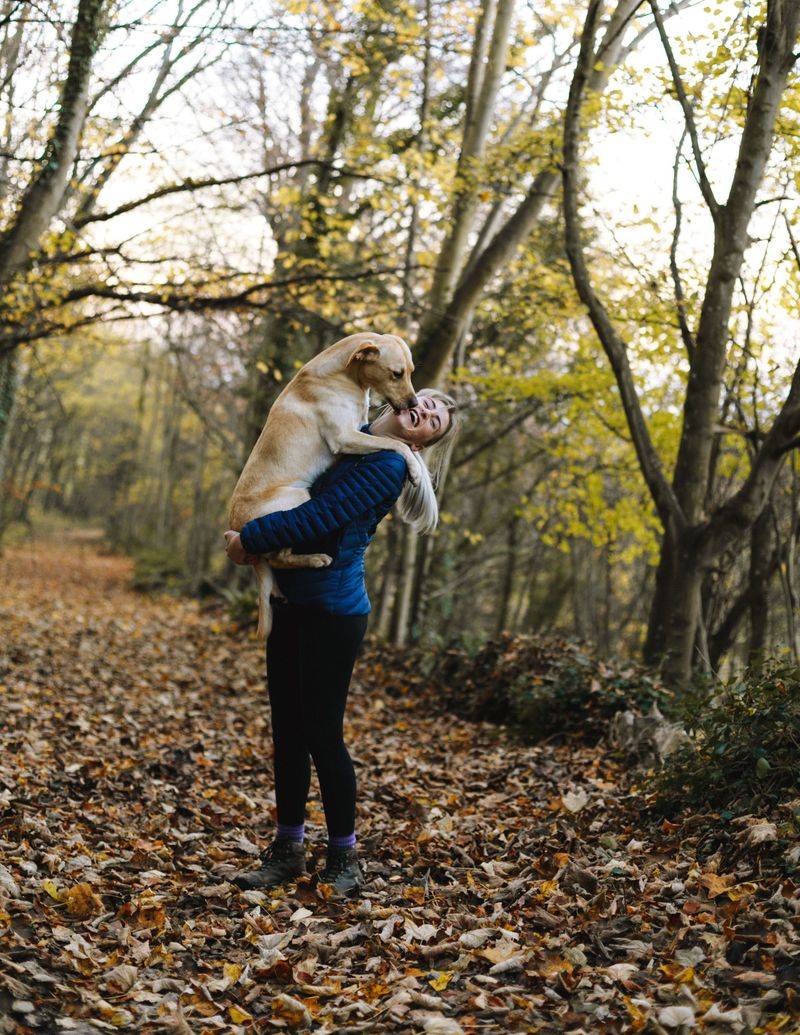
Walking on an affected limb increases movement, so carrying helps when it is realistic.
Support the chest and hindquarters, and avoid pressing near the bite area.
Large breeds may need two people or a blanket used as a sling. Never risk a fall or a back injury.
If carrying is not possible, walk slowly and take the shortest route.
16. Symptoms are not a permission slip to wait
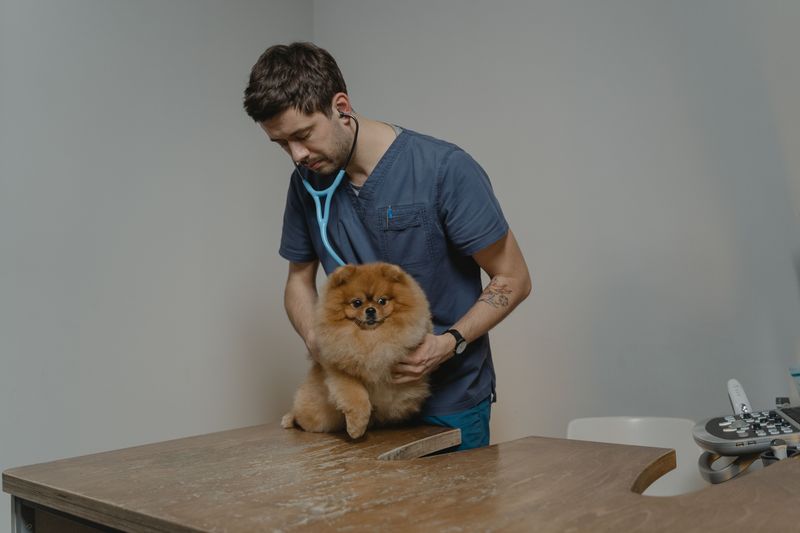
Some bites look mild for the first stretch, then change quickly. Waiting only shrinks your treatment window.
Dry bites do happen, where little venom is delivered, but nobody can confirm that from the driveway.
A veterinary exam that turns out unnecessary is a great outcome. Go, and let professionals make that call.
17. Fang marks hide better than you would think
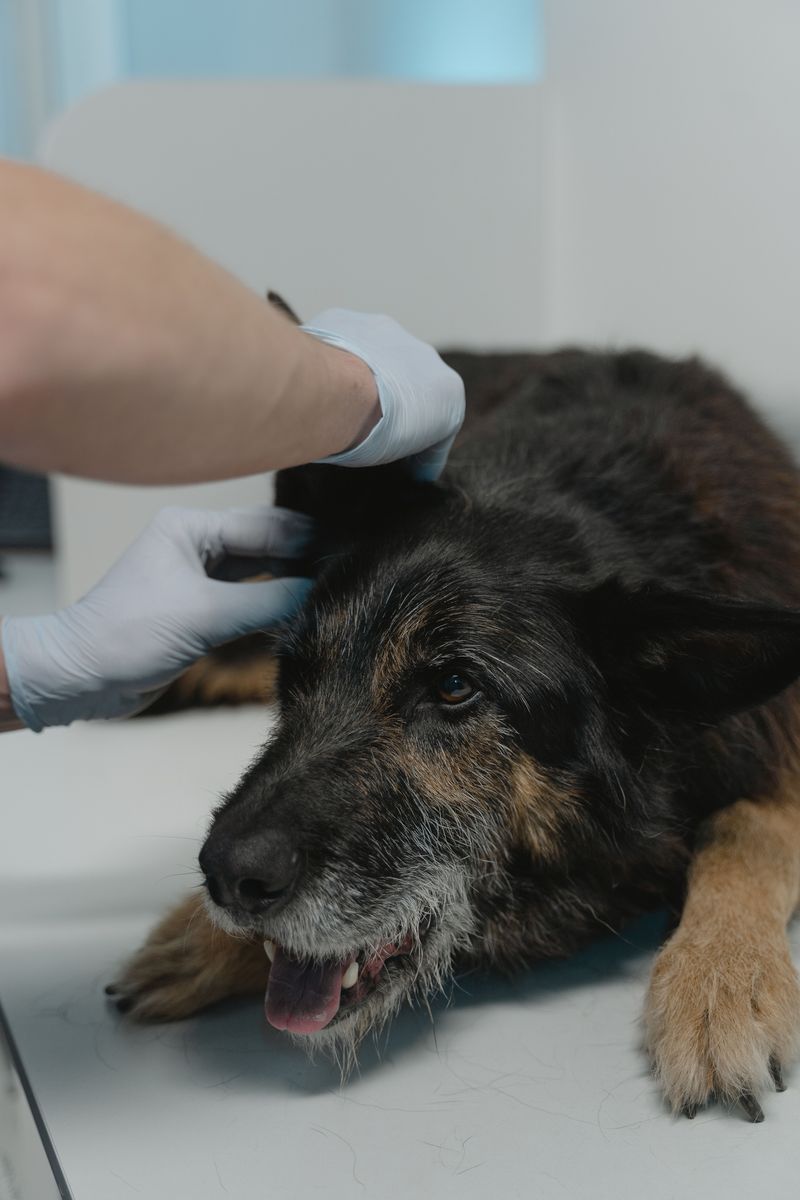
Thick fur, dark coats, and small punctures make wounds surprisingly easy to miss.
Swelling can cover the site within a short time, hiding evidence completely.
Because of that, absence of visible marks proves nothing. If you saw a snake near your dog and something seems off, treat it as a possible bite.
18. Old-fashioned first aid does more harm than help
Tourniquets, cutting, suction devices, ice packs, and folk remedies have all been studied and set aside.
Each one can worsen tissue damage or waste precious travel time.
What actually helps is boring: keep your dog calm, keep the area lower than the heart if easy, and drive.
Leave the treatment to the clinic.
19. Hold off on any medication from your cabinet

Human pain relievers such as ibuprofen and acetaminophen are genuinely dangerous for dogs.
They can also interfere with clotting and complicate the care your veterinarian plans to give.
Antihistamines and leftover prescriptions are equally off limits without direction.
Should medication be appropriate, the clinic will provide it with correct dosing for your dog’s weight.
20. Keep watch on the drive and report what you see
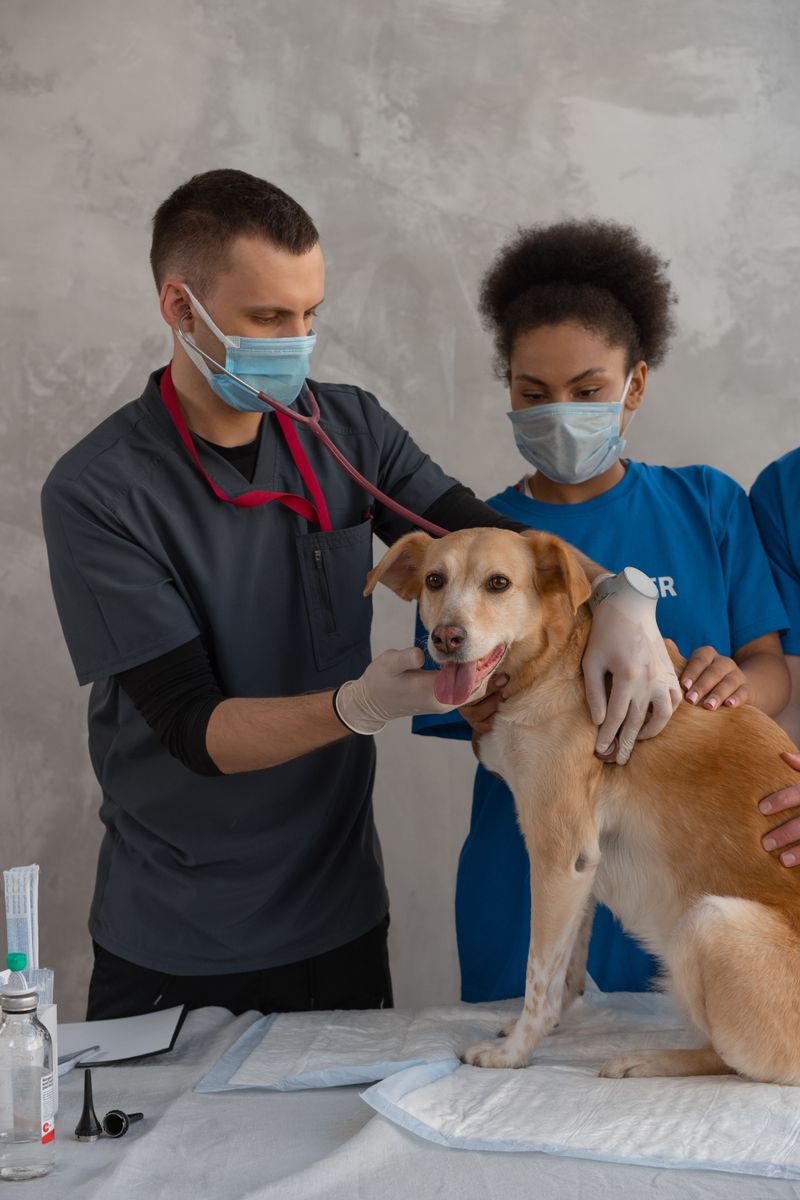
During transport, note swelling that spreads, bleeding at the site, or pale gums.
Weakness, trembling, changed breathing, or sudden collapse all matter too. Share every detail on arrival.
Your observations fill in gaps the exam cannot. Then hand things over, breathe, and trust the team.
Alabama dogs and cottonmouths have coexisted forever, and prepared owners handle these moments well.