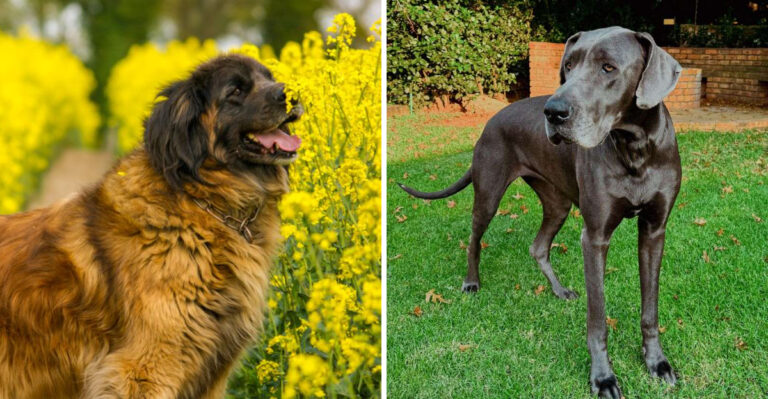
What To Do If Your Dog Runs Into A Black Bear In Virginia
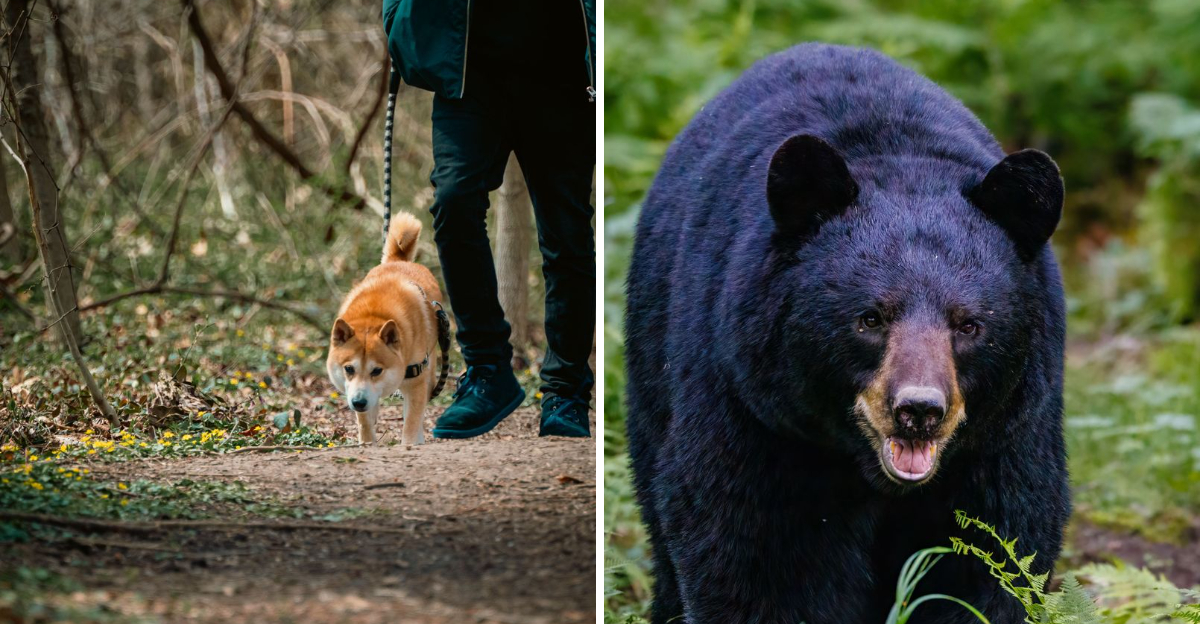
Virginia is bear country, and that surprises a lot of dog owners. From the Blue Ridge to suburban backyards, black bears wander closer than most people expect.
The good news is that these animals usually want nothing to do with you or your dog. Knowing a few calm, simple steps ahead of time makes all the difference.
Here is what every Virginia dog owner should keep in mind before the next walk or hike.
Stay Calm and Keep Your Dog Close
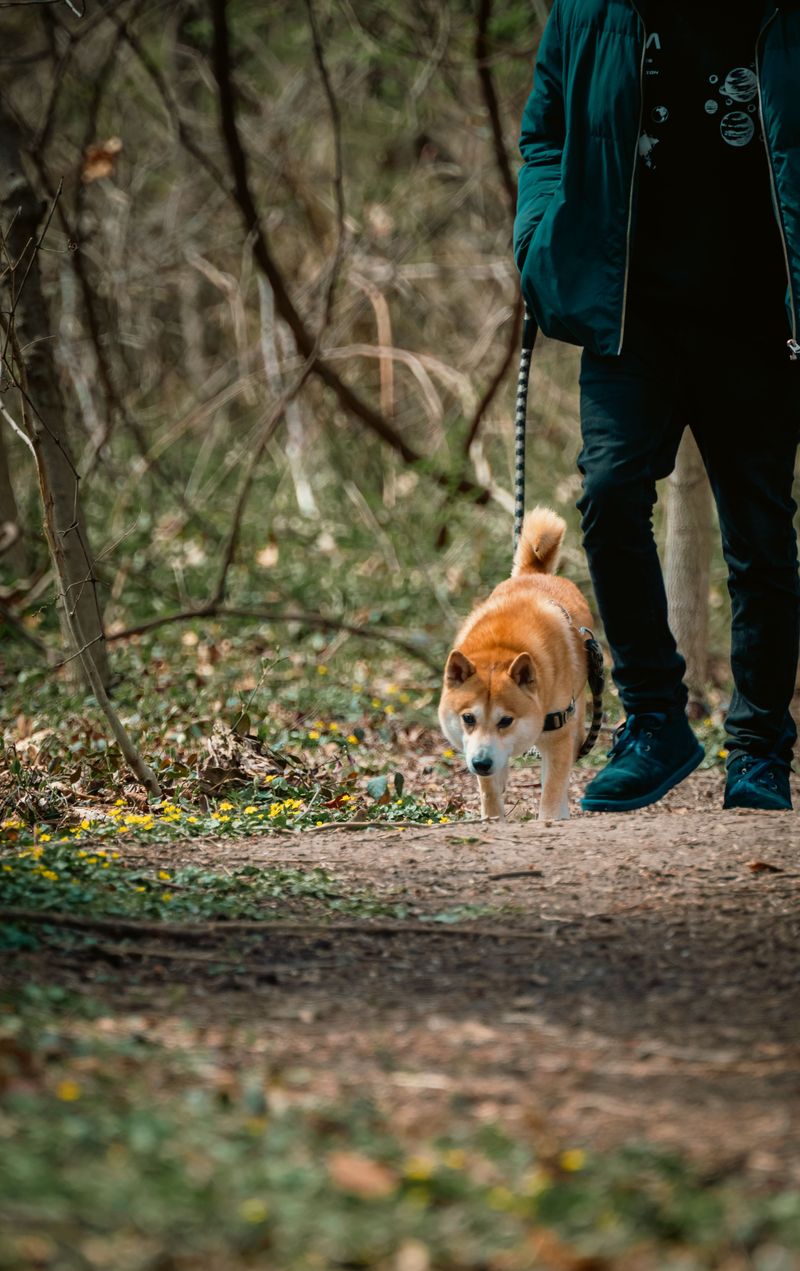
Your dog reads your body language faster than you think. A steady voice and slow movements tell your dog that nothing dramatic is happening.
Shorten the leash, bring your dog against your leg, and breathe. Panic travels straight down the leash and can trigger barking or lunging.
Bears in Virginia rarely want conflict. Most simply pause, look, and move along once people stay quiet and controlled.
Do Not Let Your Dog Chase the Bear
Chasing feels natural to dogs, but it turns a quiet moment into a problem. A pursued bear may circle back, and your dog will lead it straight to you.
Grip the leash firmly with both hands if needed. Off leash dogs should be recalled immediately, before instinct takes over.
Wildlife officials across Virginia consistently point to loose dogs as a common trigger for close encounters.
Slowly Back Away
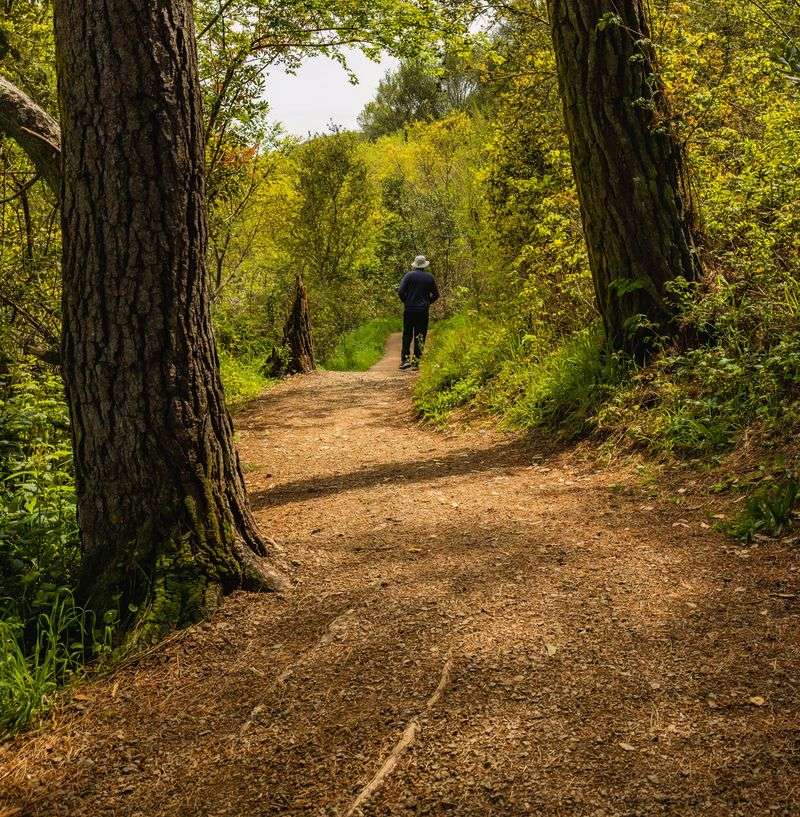
Retreat is the whole strategy here. Move backward at a walking pace, keeping your dog beside you and your eyes forward.
Speak in a low, even tone so the bear knows you are human. Avoid sudden turns, quick steps, or dropping the leash.
Distance solves most encounters. Once you have put space between you and the animal, continue calmly in the opposite direction and finish your walk elsewhere.
Keep the Bear in Sight
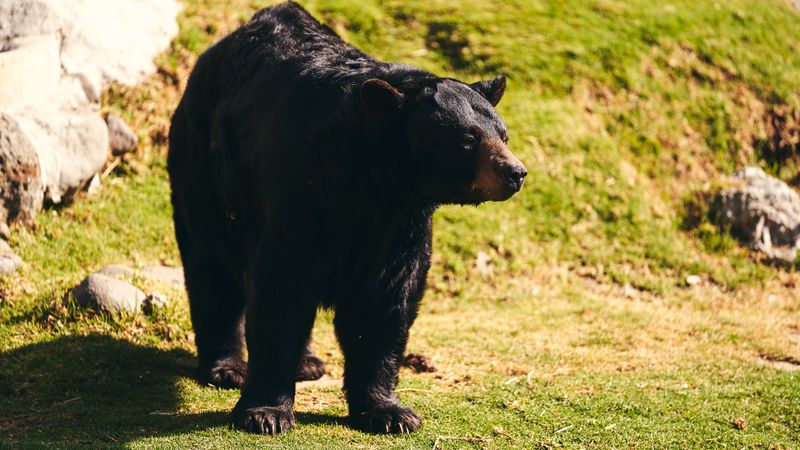
Turning your back removes your best source of information. Watching the bear lets you see whether it is leaving, feeding, or paying attention to you.
Face the animal while stepping away, glancing behind occasionally for roots and rocks.
Bears often stand on their hind legs simply to smell and see better. That posture is curiosity, not a threat, and it usually ends with the bear wandering off.
Make Yourself Known if the Bear Approaches

Silence works until the bear starts closing distance. At that point, become obviously human: raise your arms, speak loudly, and stand tall.
Clap, use a whistle, or bang a water bottle against a trekking pole. Noise breaks a bear’s focus quickly.
Keep your dog behind or beside you while doing this. The goal is convincing the animal that you are large, loud, and not worth investigating.
Never Run From a Black Bear
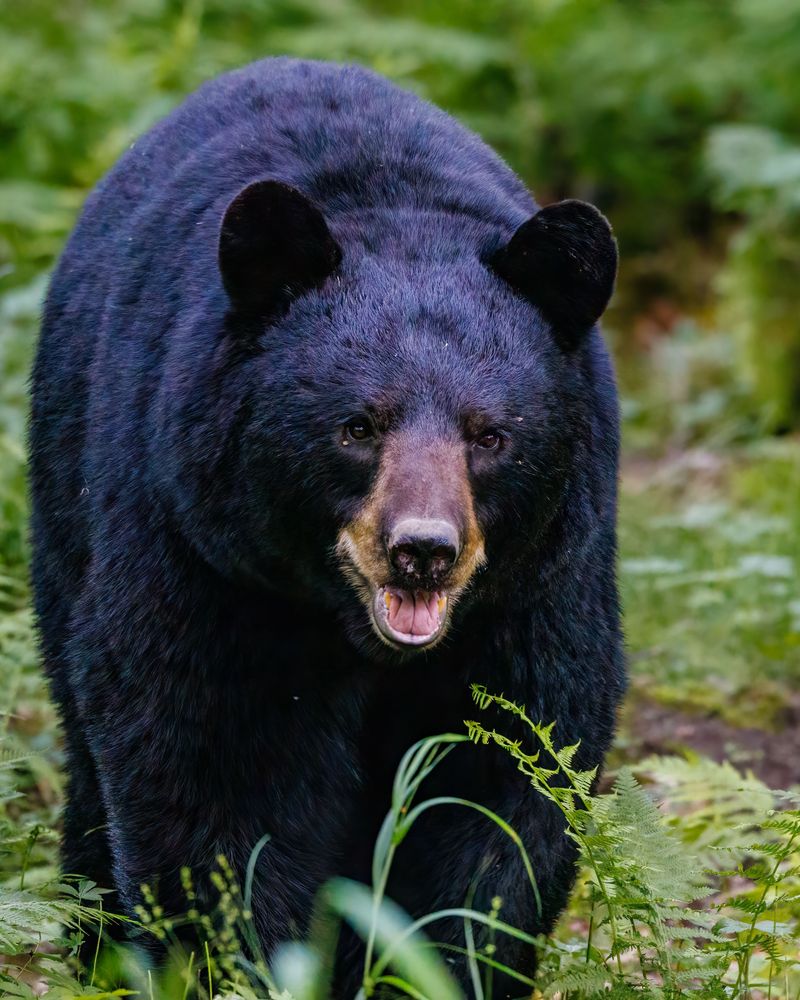
Running switches on an instinct you cannot outpace. Black bears move far faster than any person, and fleeing can look like prey behavior.
Plant your feet, hold the leash, and back away instead.
Trees are not an escape either, since black bears climb with ease. Steady retreat remains the recommendation from Virginia wildlife biologists, and it works in nearly every reported encounter across the state.
Give the Bear an Escape Route
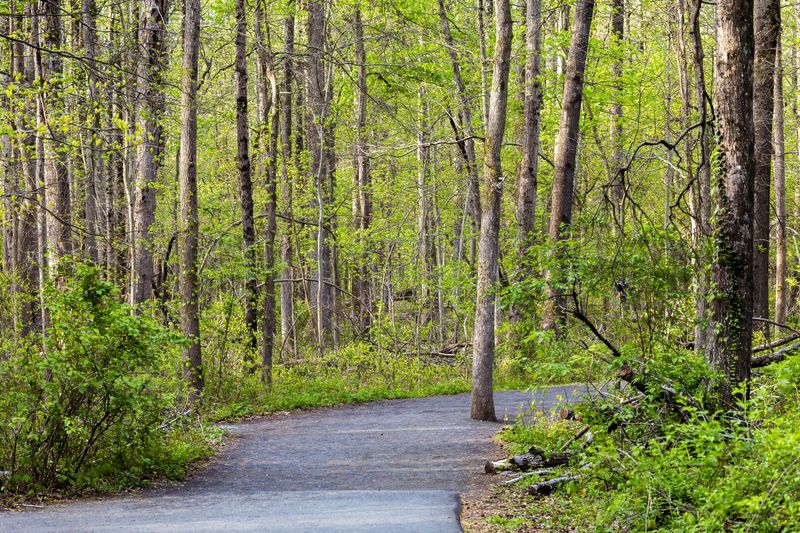
Cornered animals behave unpredictably. If a bear is between you and thick woods, step to one side so it has an open path away from you.
Narrow trails, fenced yards, and rocky ledges limit options for both of you.
Think of it as holding the door open. Most bears take the exit immediately, and the encounter ends before it ever becomes a real situation.
Avoid Getting Between Your Dog and the Bear
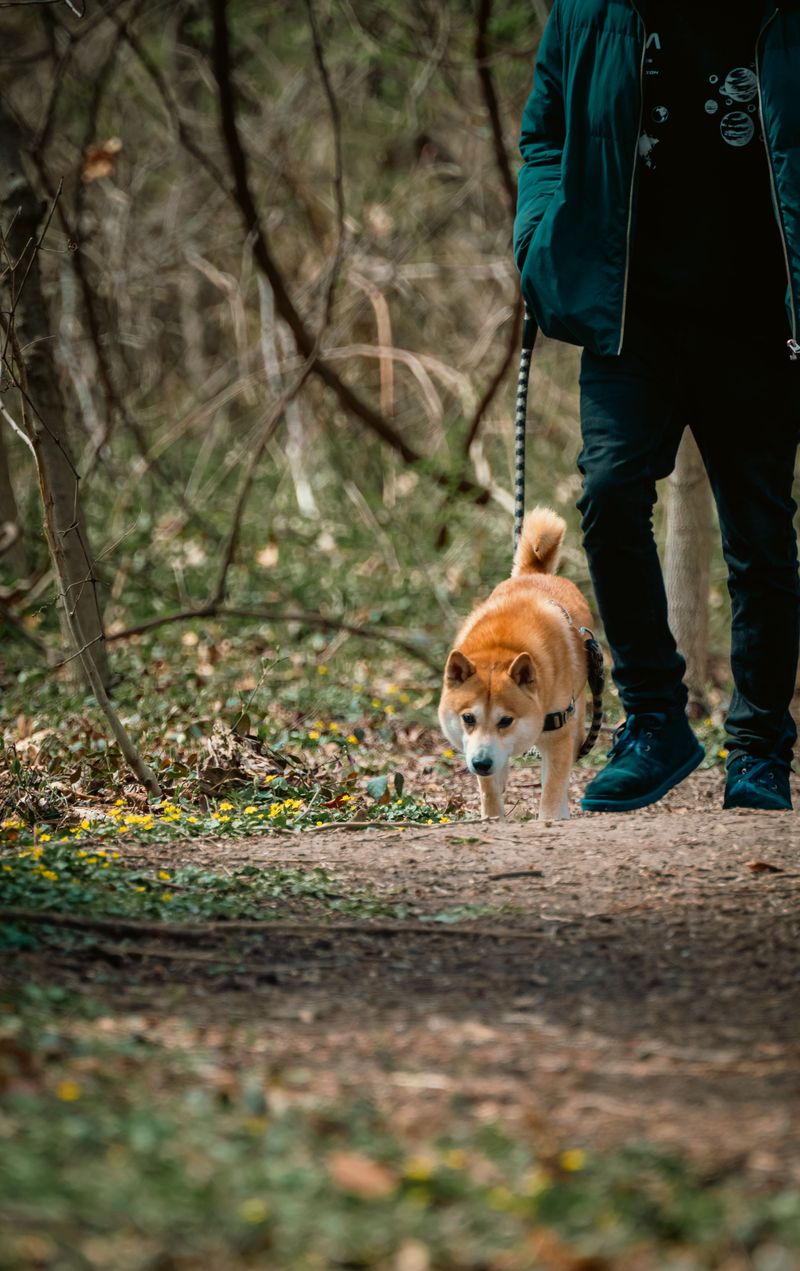
Do not try to get between your dog and a bear. If your dog is loose, recall it if you can do so safely, then move away from the bear and leave the area.
Shorten the leash and guide, do not drag. A tugged dog often braces and barks.
Keeping your dog physically close also stops it from darting around your legs, which is how leashes tangle at the worst possible moment.
Know What to Do if the Bear Charges
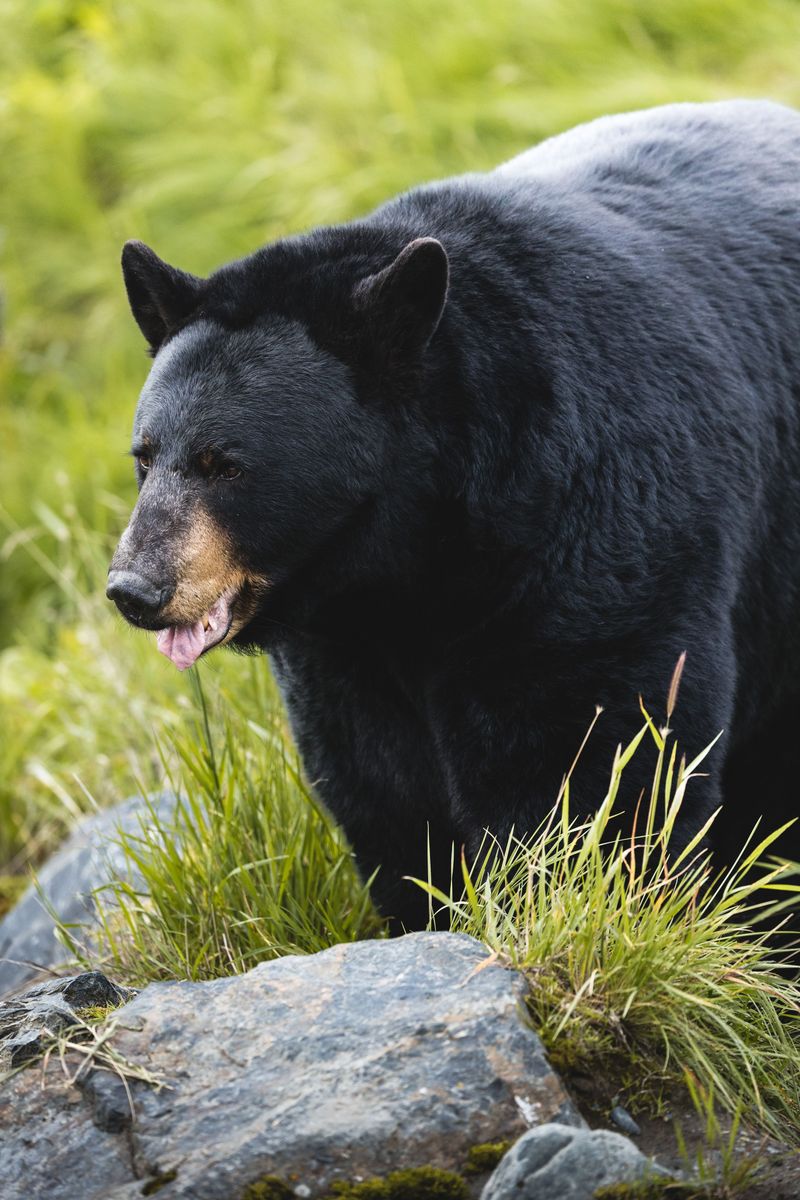
Here is the reassuring part: most charges from black bears are bluffs. The animal rushes forward, stops short, then turns away.
Stand your ground, keep your dog controlled, and continue making noise.
Bear spray, used according to its label, is the recommended tool if one is legally carried. Wildlife agencies advise fighting back only in the extremely rare case of actual contact with a black bear.
Be Extra Careful Around Cubs
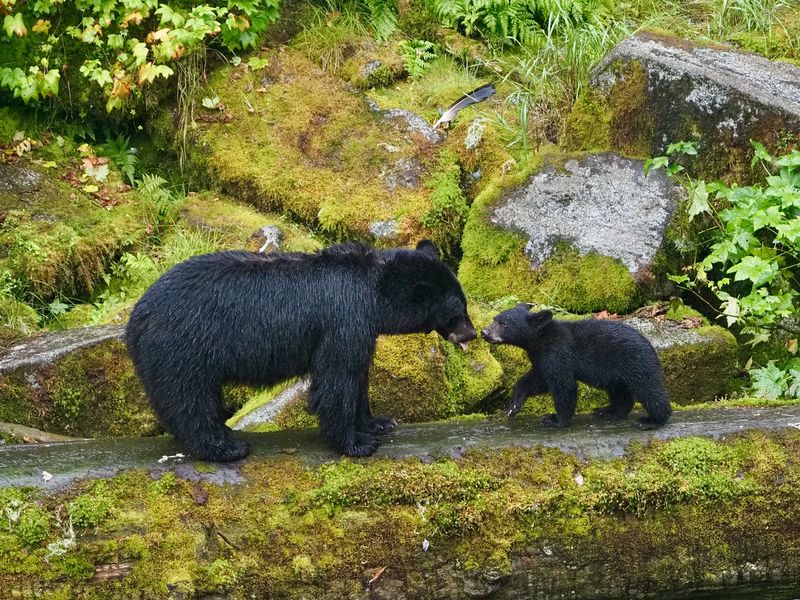
Spotting cubs means a mother may be nearby, even if you cannot see her. Never move toward the little ones for a photo or a closer look.
Back away along the path you came from and leave the area entirely.
Springtime in Virginia brings the most cub sightings. A curious dog approaching cubs is one of the few things that genuinely worries a sow, so leash up early.
Watch for Bears Near Food Sources

Food explains most bear behavior. Berry patches, acorn stands, campground bins, and backyard bird feeders all pull bears closer to people.
Steer your dog away from garbage areas and picnic spots at dawn and dusk.
At home, secure trash and take feeders down during warmer months. Many Virginia localities have specific rules about wildlife feeding, so check with your county or city for current guidance.
Keep Your Dog Leashed on Virginia Trails

Leash rules are especially important in bear country. Shenandoah National Park requires pets to be on a leash no longer than six feet, and Virginia DWR recommends keeping dogs leashed when walking or hiking in areas where bears may be encountered.
Rules differ between national forests, state parks, and local trails, so confirm before you go.
Beyond the regulation, a leash is simply the fastest way to control your dog when something unexpected steps onto the path.
Avoid Dense Brush After a Bear Sighting

Thick rhododendron and laurel tangles hide everything, including a bear you already know is around. Once you have seen one, stick to open trail with clear sightlines.
Skip the shortcut through brush, and skip the off trail sniffing session too.
Making noise as you walk helps as well. Talking or clapping can alert a bear to your presence and give it time to leave the area.
Report a Bear That Is Acting Aggressively
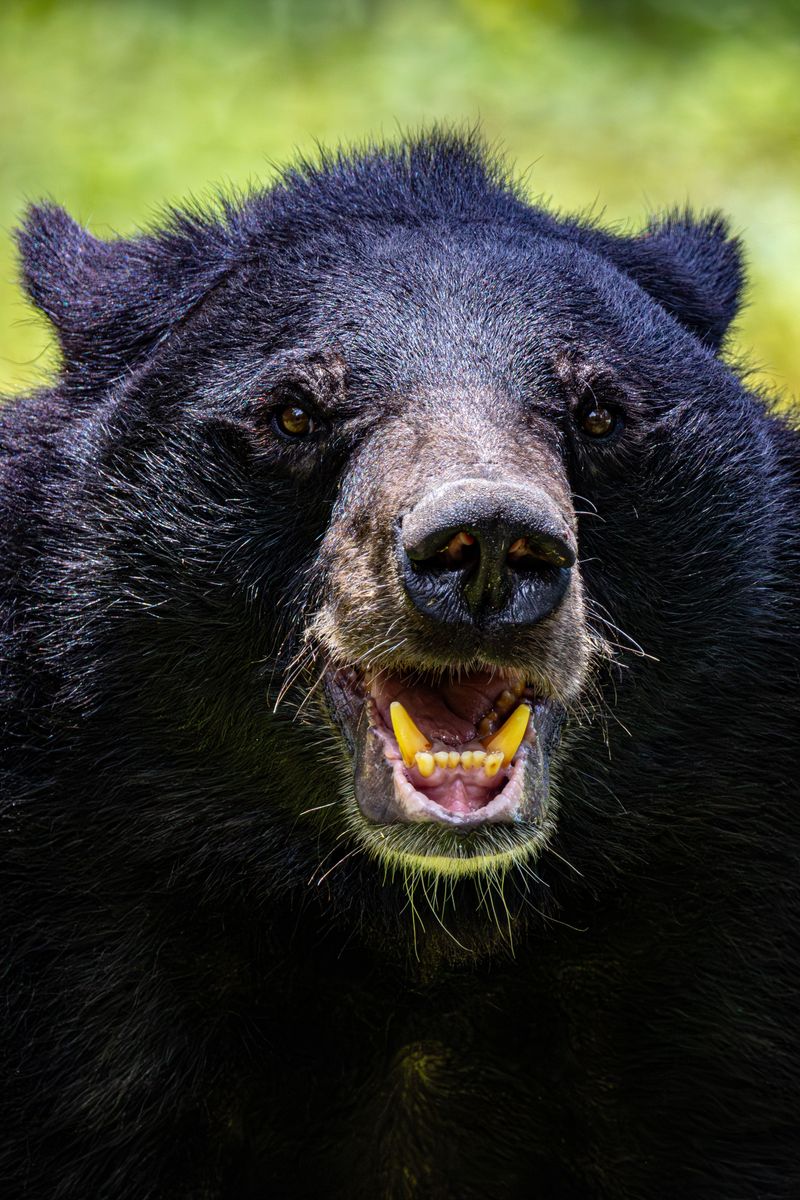
Bold behavior is worth reporting. A bear that follows people, raids trash repeatedly, or shows no fear should be called in.
Contact the Virginia Department of Wildlife Resources through its wildlife helpline, or reach local animal control for neighborhood sightings.
Inside national parks, notify a ranger instead. Your report helps officials track patterns and gives your neighbors useful warning before someone else meets the same animal.
Check Your Dog for Injuries Afterwards
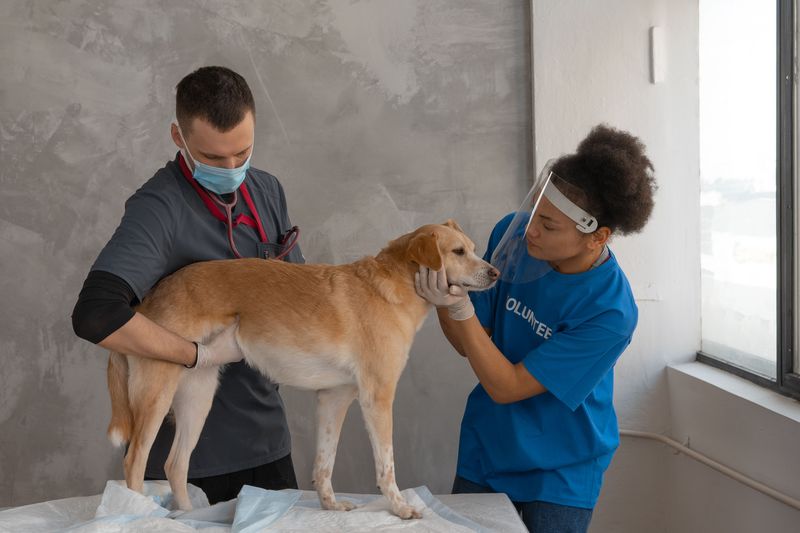
Adrenaline hides a lot. Once you are safely away, run your hands over your dog’s legs, chest, paws, and ears.
Look for scrapes, limping, thorns, or a tender spot that makes your dog flinch.
Any puncture or bite deserves a same day vet visit, since infection risk is real. Mention the encounter to your veterinarian, and ask whether rabies vaccination records need updating.
Give Wildlife Encounters Plenty of Space
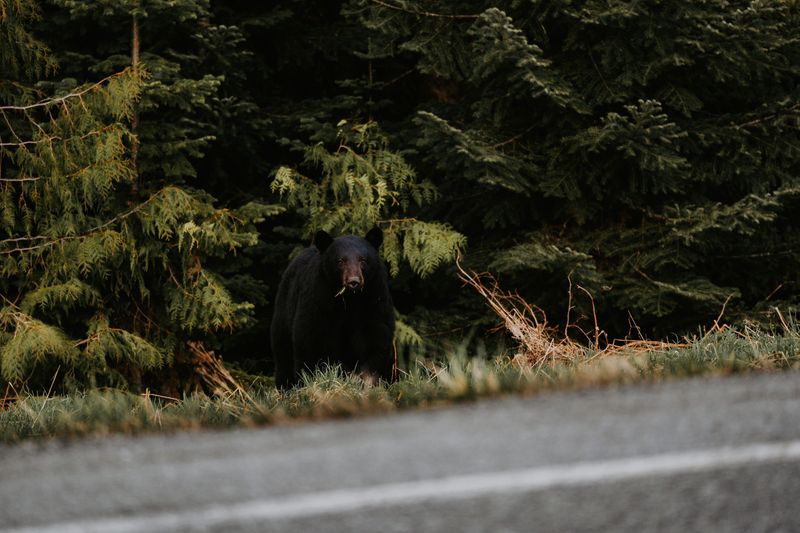
Distance is the simplest safety tool you own. Give bears plenty of space, and if you encounter one at close range, back away slowly rather than approaching it.
Skip the zoom-in photo attempt and keep moving.
The same courtesy applies to deer, coyotes, and snakes on Virginia trails. Space keeps your dog calm, keeps the animal calm, and keeps your outing pleasantly uneventful.