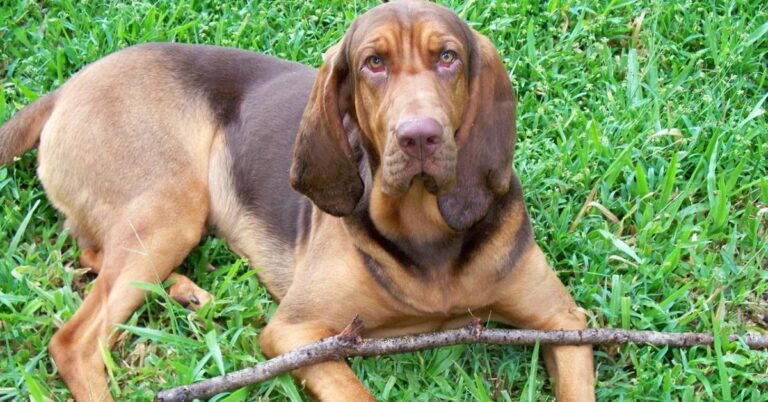
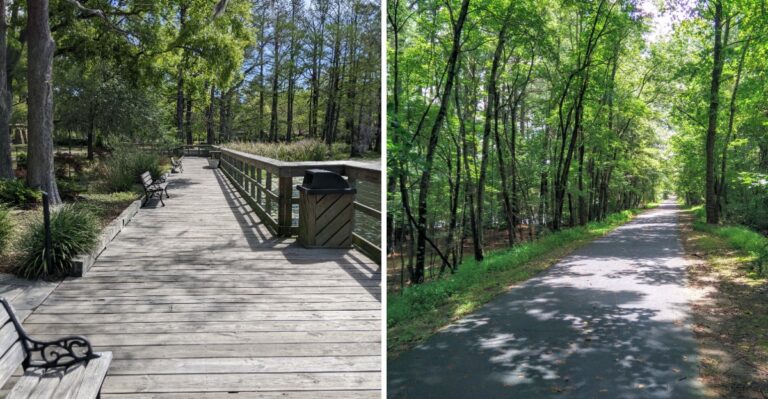
What Virginia Dog Owners Should Know Before Hiking With A Dog In Shenandoah

Shenandoah is one of those rare national parks where dogs can join the fun on most trails, but the mountain has rules of its own. A pretty overlook means less when paws are sore, water runs low, or a trail turns out to be off-limits.
A little planning makes the whole day smoother, safer, and much more fun. Here is what Virginia dog owners should know before clipping on the leash and heading up Skyline Drive.
1. Check Shenandoah’s Dog Rules Before You Go

Before the car gets packed, pause for a rules check. Shenandoah National Park allows dogs on most trails, campgrounds, and some lodging, but not everywhere.
Rules can shift with closures or conditions, so the official park page matters.
Look up pet policies, trail alerts, and seasonal notices the night before. A quick check can save you from a long drive, a closed trail, or a surprised pup with nowhere to go that morning instead first.
2. Keep Your Dog On A Leash

Freedom sounds fun, yet Shenandoah is not an off-leash playground. Park rules require a physical leash no longer than six feet on allowed trails.
That simple strap protects wildlife, other hikers, and your own dog from bad surprises.
Even well-trained dogs can bolt after deer or freeze at a snake. Keep the leash short near overlooks, trail junctions, and busy parking areas.
Good leash manners make your hike smoother, safer, and far more relaxing for all.
3. Know Which Trails Do Not Allow Dogs

One of Shenandoah’s biggest surprises is that a few famous trails are dog-free. Pets are barred from all Old Rag area trails, Dark Hollow Falls Trail, Bearfence Mountain Trail, Limberlost Trail, Fox Hollow Trail, Story of the Forest Trail, Frazier Discovery Trail, and the blue-blazed summit section of Stony Man.
Check the park’s current list before choosing a hike. That homework helps you avoid turnarounds, confusion at trailheads, and eyes staring from the seat later.
4. Start With A Trail That Fits Your Dog

Picking the right trail can make your dog feel like a champ. Shenandoah has options, from easier walks to steeper climbs.
Good starter choices include Little Stony Man, Blackrock Summit, Hawksbill Gap Trail, Rose River Loop, Mary’s Rock, and Upper Hawksbill.
Match the route to your dog’s age, fitness, and paw toughness. A short, happy hike builds confidence.
Starting too big can turn a fun day into a slow shuffle home for everyone involved afterward.
5. Watch For Rocky And Uneven Ground

Mountain beauty often comes with rude little ankle-twisters. Shenandoah trails can be rocky, rooty, and uneven, which may wear down tender paws fast.
Dogs unused to rough ground can slow suddenly, limp, or start licking their feet.
Trim nails before the trip and check paws during breaks. Consider boots for long or sharp routes.
Conditioning walks on gravel or packed dirt at home can toughen pads before your Blue Ridge outing really pays off later.
6. Bring More Water Than You Think You Need

Dogs get thirsty faster than many hikers expect, especially on climbs. In Shenandoah, exposed stretches and warm months can dry them out quickly.
Carry more water than feels necessary, not barely enough.
There is no single water amount that fits every dog or hike. Bring enough water for the planned distance, weather, terrain, and your dog’s size and needs.
Pack a collapsible bowl, offer water regularly, and keep enough for the return trip. Summit views are lovely, but they rarely come with a faucet when your panting trail buddy needs one.
7. Be Prepared For Sudden Weather Changes

Blue Ridge weather likes to keep hikers guessing. A sunny parking lot can turn cool, windy, or rainy higher up, and storms may pop up fast.
Temperatures can vary noticeably between Shenandoah’s higher elevations and nearby valleys, so check the mountain forecast before your hike.
Check the mountain forecast before leaving and watch the sky while hiking. Pack a light rain layer, towel, and extra leash grip.
Park alerts can help when closures, thunder, or icy roads crash the plan for the day.
8. Watch Your Dog Around Wildlife

A flick of an ear can mean your dog spotted something wild first. Shenandoah is home to deer, black bears, and venomous snakes, including copperheads and timber rattlesnakes.
Curiosity gets dogs into trouble fast.
Keep space between your pet and every animal, even the adorable ones. The park recommends at least 75 feet from wildlife and 150 feet from black bears.
A leash gives you control before instinct takes over on a busy trail today.
9. Give Horses Plenty Of Room

Nothing changes a trail’s rhythm like horses appearing around a bend. Shenandoah has more than 180 miles of horse trails, often marked with yellow blazes.
Some dogs stare, some bark, and some suddenly decide backing up is wise.
Step aside early, shorten the leash, and keep your voice calm. Let riders pass with room and avoid quick movements.
Good trail manners help horses stay settled and keep everybody’s day trotting along nicely on the path.
10. Take Tick Checks Seriously

Ticks are tiny, stubborn hitchhikers, and Shenandoah gives them plenty of places to wait. American dog ticks, deer ticks, and Lone Star ticks can all show up there, especially from spring through fall.
Some carry illnesses dogs and people do not want to meet.
Stay centered on the trail and avoid brushing tall grass. After every hike, check ears, toes, bellies, collars, and thick fur.
Prompt tick removal and regular tick prevention can reduce the risk of tick-related problems later on.
11. Be Careful Around Streams And Waterfalls

Waterfalls look magical, but slick rocks can turn goofy fun serious in seconds. Shenandoah streams and falls often have fast water, hidden drop-offs, and slippery edges.
Even strong dogs can lose footing when excitement takes over.
Keep your dog close near crossings, banks, and viewpoints. Never let them roam around the top of a waterfall.
Staying on marked trails protects paws, people, and the park’s fragile areas all at once during busy weekends and rainy spells.
12. Avoid Letting Your Dog Drink From Every Stream

Clear mountain water can look fresher than anything in your bottle. Looks can fool a thirsty dog.
Streams may contain bacteria, parasites like giardia, or runoff that upsets stomachs and ruins the ride home.
Offer your own water first, even if your pup votes for the creek. A foldable bowl makes that easy.
Fewer mystery sips usually mean fewer messy surprises later, which is a pretty sweet trail win for everyone in the car afterward.
13. Pack Waste Bags And Carry Them Out

A single forgotten waste bag can become the day’s least charming mistake. Shenandoah asks dog owners to bag pet waste and carry it out.
Leaving bags beside logs or trail signs does not count.
Pack more bags than you expect to need, then add two more. Stash filled bags securely until you reach a trash can.
Clean habits keep trails pleasant, water cleaner, and dog owners looking like thoughtful neighbors to everyone you pass there.
14. Respect Other Hikers

Not every hiker wants a nose boop with their mountain view. Some people love dogs, some feel nervous, and some are focused on kids or footing.
Courtesy makes all those trail styles fit together better.
Move aside when needed, keep greetings brief, and do not assume your dog should say hello. A calm sit works wonders at narrow spots.
Respectful behavior earns smiles, protects access, and makes shared trails feel easier for everyone you meet.
15. Plan For Limited Cell Service

Bars on your phone can vanish fast in Shenandoah, usually right when you want them most. Cell service is limited across much of the park.
That means navigation, weather checks, and quick calls may not work when the trail gets confusing.
Download maps before you arrive and save park details offline in the NPS app. Tell someone your route and expected return time.
A little old-school planning feels smart when your screen becomes a camera.
16. Avoid Hiking During The Hottest Part Of The Day

Summer sun on stone can feel much hotter than the air reading suggests. Dogs release heat differently than people, so midday hikes can become risky quickly.
Heavy panting, slowing down, and hunting for shade are early warning signs.
Start early, go later, or choose cooler days when humidity drops. Test pavement and rocks with your hand near trailheads.
If it feels too hot for comfort, your dog is already voting for a shorter plan today.
17. Bring A Basic Dog First-Aid Kit

A basic first-aid kit feels boring until it becomes the star of the backpack. Dogs can get cuts, splinters, sore pads, stings, or ticks on Shenandoah trails.
Having supplies nearby keeps little problems from becoming bigger ones.
Pack gauze, tape, antiseptic wipes, tweezers, a tick remover, and paw balm. Add any vet-approved medicines your dog may need.
A towel or rescue sling can also help if your hiking buddy suddenly cannot walk well back out.
18. Know When To Turn Around

Sometimes the smartest hiking move is a cheerful retreat. Dogs cannot tell you they are spent, but their bodies do.
Lagging, limping, repeated shade stops, paw licking, stiffness, or a wobbly gait all signal trouble.
Turn around before small warning signs grow into a hard carry back. Summit goals are optional, your dog’s safety is not.
There will be another trail day, and a shorter hike still counts as a win for both of you.
19. Update ID Tags And Vet Prep Before The Trip

Fresh tags and current vet care are quiet heroes on hiking day. Before Shenandoah, make sure your dog’s ID tag, microchip details, and vaccines are up to date.
If your dog has heart, breathing, or joint issues, ask your vet about safe mileage and elevation.
A health check is especially smart for puppies, seniors, and flat-faced breeds. Good prep helps you choose kinder trails and react faster if something feels off miles from the car.