Why Tick Checks Matter After Missouri Ozark Hikes
If you hike the Ozarks with your dog, you already know the trails are worth it: shaded bluffs, clear creeks, and miles of quiet woods. Those same woods happen to be excellent tick habitat.
A few minutes of checking after each outing keeps small problems from turning into vet visits. Here is a calm, practical walkthrough of where ticks like to hide, how to spot them, and what to do when you find one.
Why Missouri Ozark Trails Can Mean More Tick Exposure

Shaded hollows, leaf litter, and tall grass make the Ozarks lovely for hiking. They also suit ticks, which wait on low plants for a passing host.
Ticks do not jump or fly; they climb aboard when fur brushes by. Lone star ticks, American dog ticks, and deer ticks all live across the region.
Ticks in Missouri are most active from spring into summer, although they can be encountered nearly any time of year. Stay near the center of trails where practical, and check your dog after the hike.
Check Your Dog From Head To Tail After Every Ozark Hike
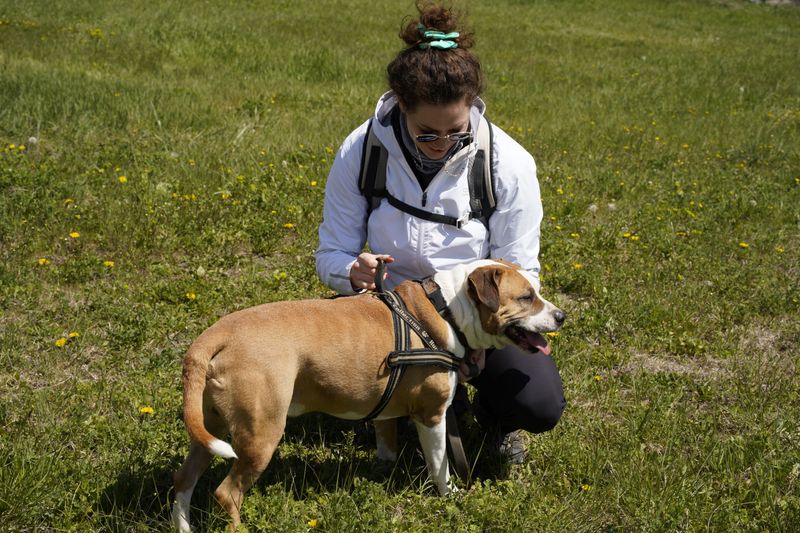
Back at the trailhead or car, give your dog a slow, full-body once-over. Start at the nose and work steadily toward the tail.
Use fingertips, not just your eyes. Ticks can be tiny, and fur hides them well.
Working in the same order each time keeps you from skipping spots.
Good light helps, so park in the sun or use a phone flashlight. Take the time needed for a thorough check, paying particular attention to areas where ticks commonly attach.
Focus On Your Dog’s Ears
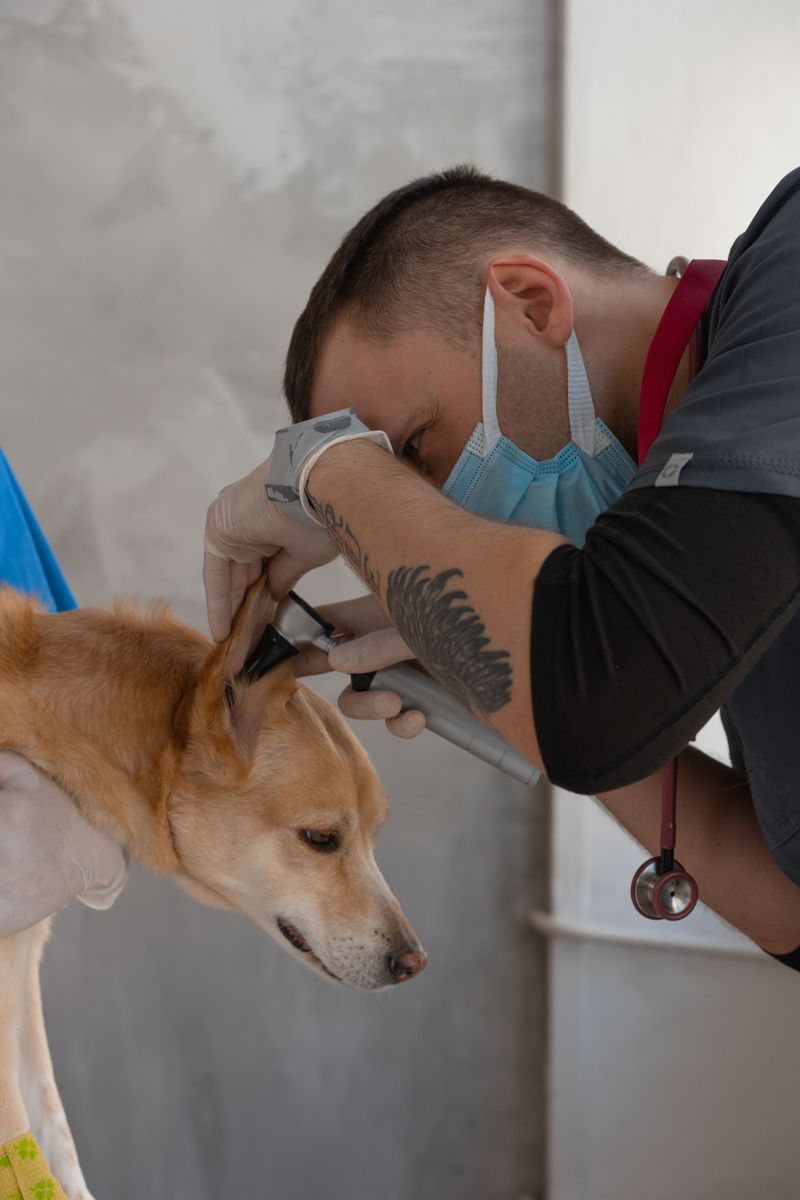
Ticks can attach in and around a dog’s ears, so ear flaps deserve a careful check after outdoor activity.
Lift each flap and look at the inner surface, the folds, and the rim edges. Peek gently into the opening without poking inside the canal.
Floppy-eared breeds like beagles and hounds need extra attention. Head shaking or a tilted head after a hike is worth a vet call.
Check Your Dog’s Face And Around The Eyes
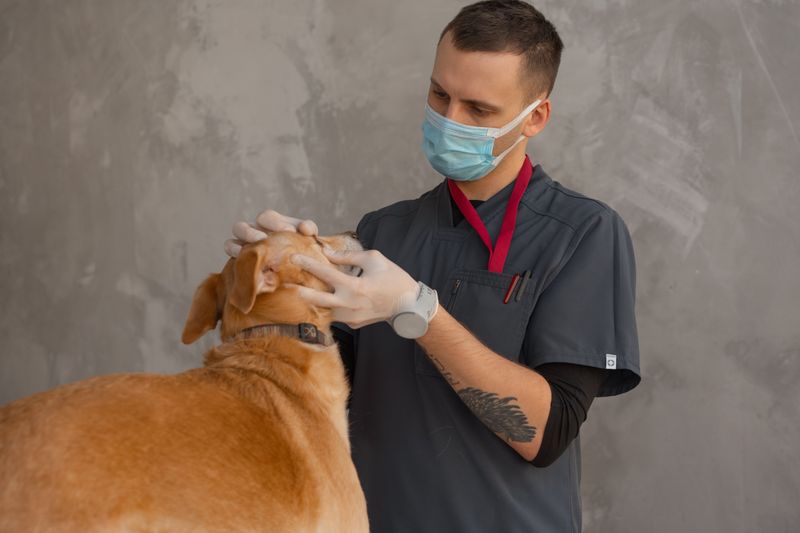
Noses go first into brush, so faces collect hitchhikers.
Check the muzzle, lips, chin, and the skin around each eye. Eyelid margins can hide a small tick that looks like a skin tag.
Move slowly and speak calmly, since dogs guard their faces. Treats help here, turning face checks into a quick habit.
If something sits close to the eye, ask your veterinarian to remove it safely.
Look Around The Collar
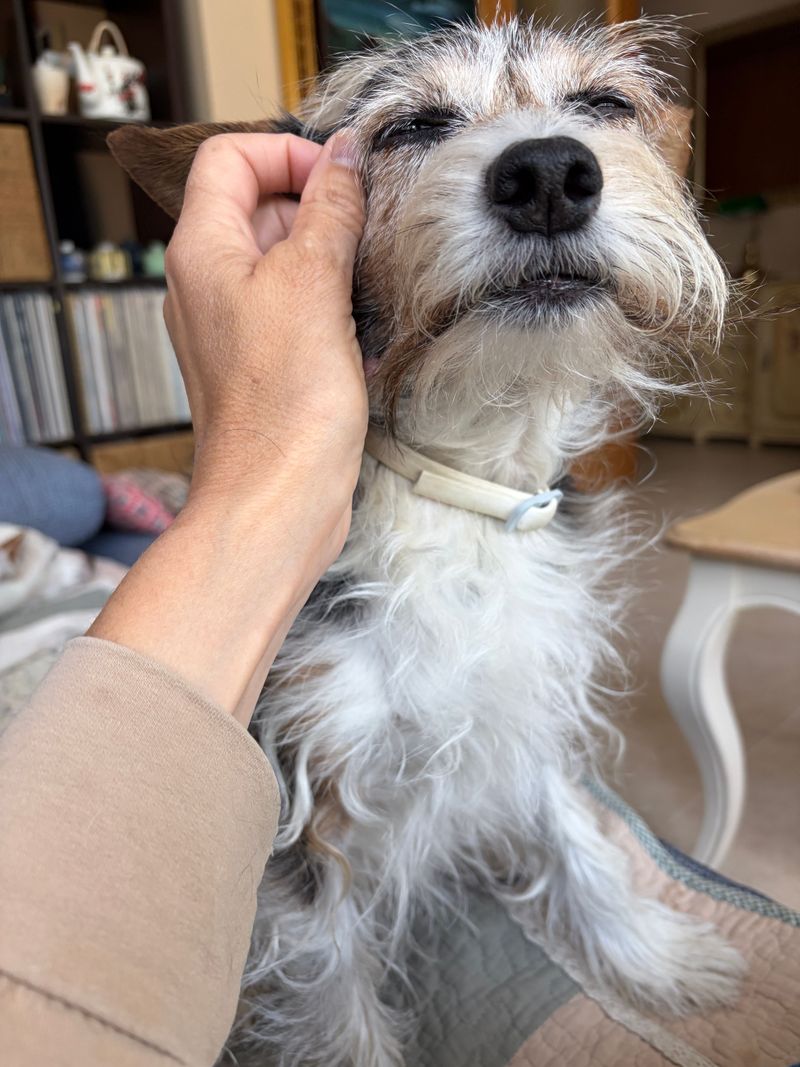
Collars create a snug band of warmth that ticks seem to appreciate. Long-haired dogs often carry ticks right where the collar sits.
Unbuckle it completely rather than sliding fingers underneath. Run your hands around the whole neck, including the throat and the skin under the buckle.
Give the collar itself a look, since ticks crawl along webbing and hide near stitching. Harness straps deserve the same treatment.
Don’t Skip The Armpits And Groin
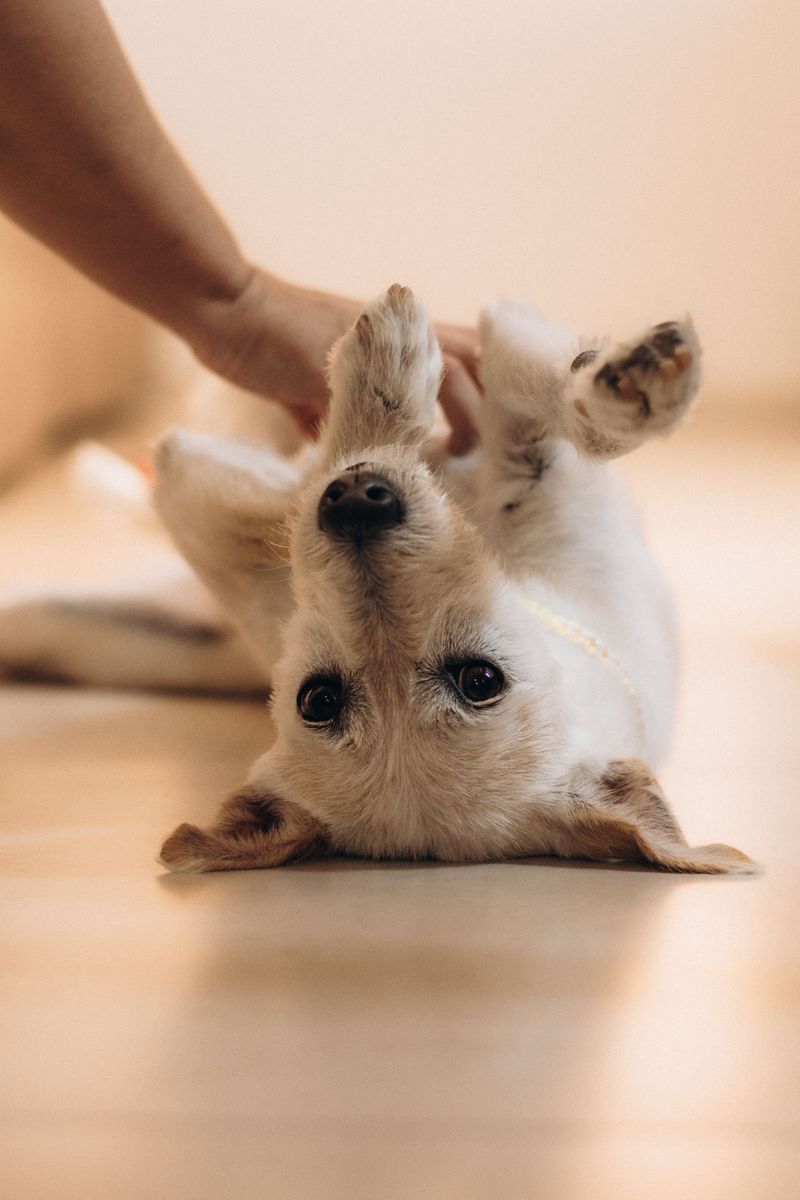
Thin skin and little fur make these spots popular landing zones.
Lift each front leg and feel the armpit hollow. Then check the belly, the inner thighs, and the fold where the leg meets the body.
Do not forget the base of the tail.
Many dogs happily roll over for a belly rub, which makes the job easier. Keep the touch light, and pause if your dog seems uneasy.
Check Between Your Dog’s Toes
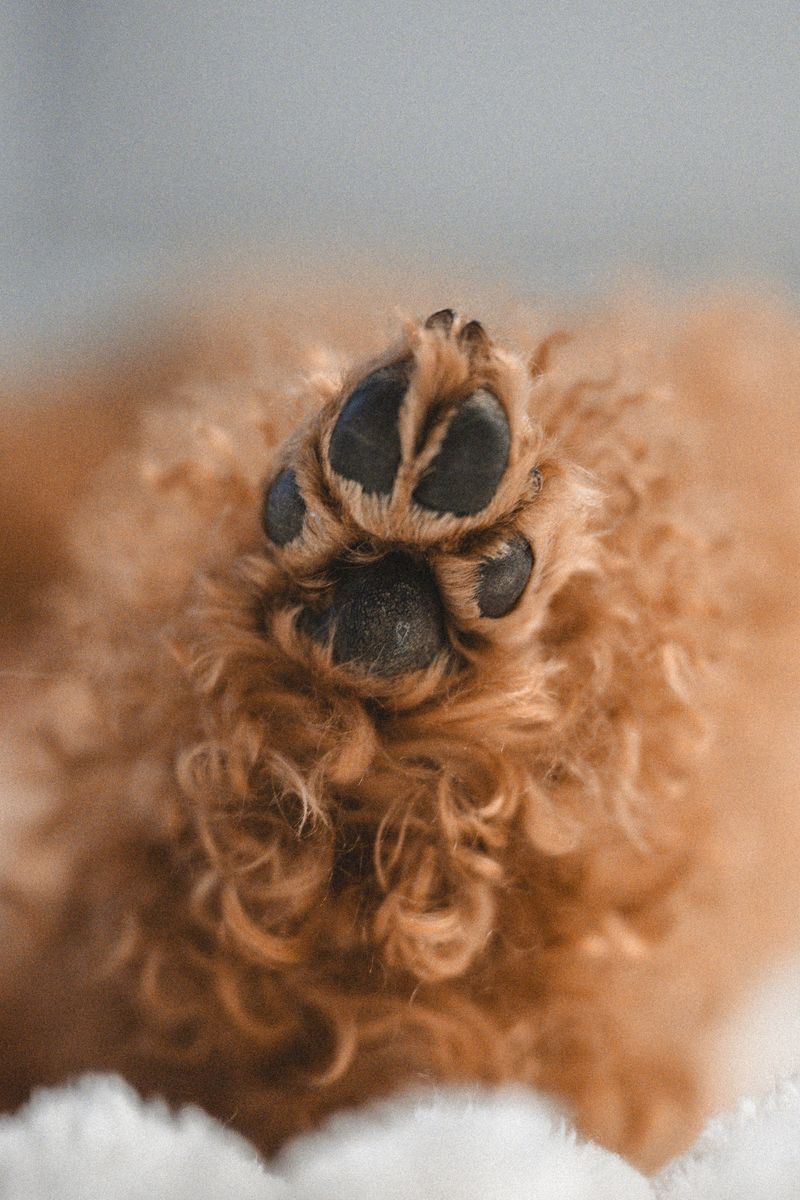
Paws push through leaf litter all day, which is exactly where ticks wait.
Spread each set of toes and look between them, front and back. Check the pads, the webbing, and the fur above the paw.
Dew claws hide ticks too.
Licking, chewing, or limping can point to something lodged in a paw. Trimming hair between the pads makes future checks faster and easier.
Run Your Hands Through Thick Fur
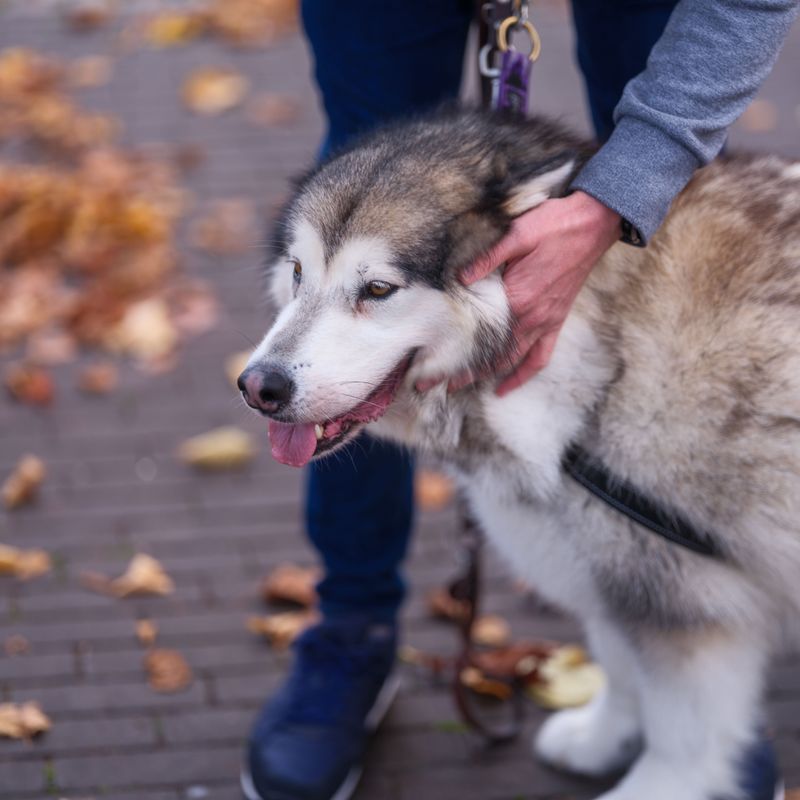
Eyes alone will miss ticks under a double coat.
Work your fingers down to the skin in small sections, like shampooing. Feel for a bump the size of a sesame seed or small pea.
Part the coat against the grain so you see skin, not just fur. A grooming session after hikes doubles as a solid tick check.
Dogs with thick or long coats may need extra patience during a tick check because ticks can be harder to spot.
Know What An Attached Tick Can Look Like
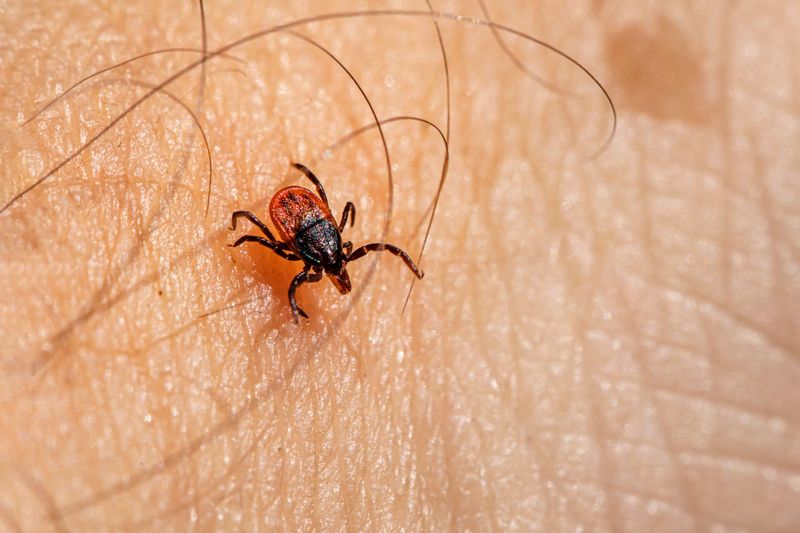
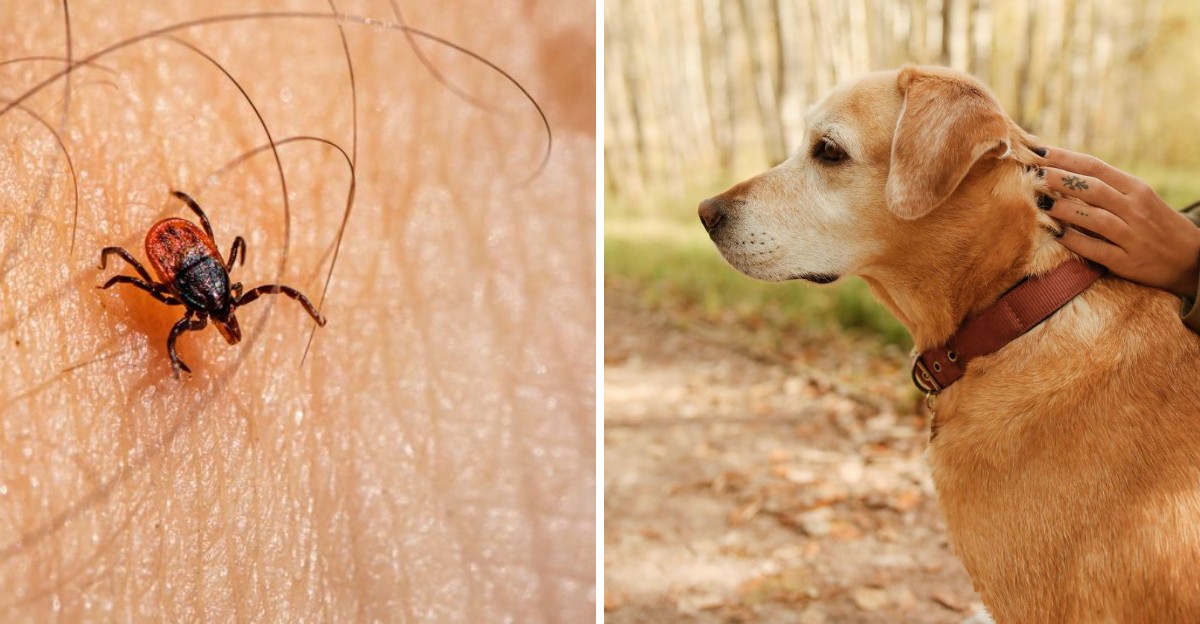
Unfed ticks are flat and small, sometimes no bigger than a poppy seed. Lone star ticks often show a pale dot on the female’s back.
Once attached, they swell and look like a gray, tan, or brown bead stuck to the skin. Legs may be visible near the surface.
Scabs, warts, and nipples fool people all the time. When unsure, use good light, or send a photo to your vet clinic.
Remove A Tick Promptly And Carefully
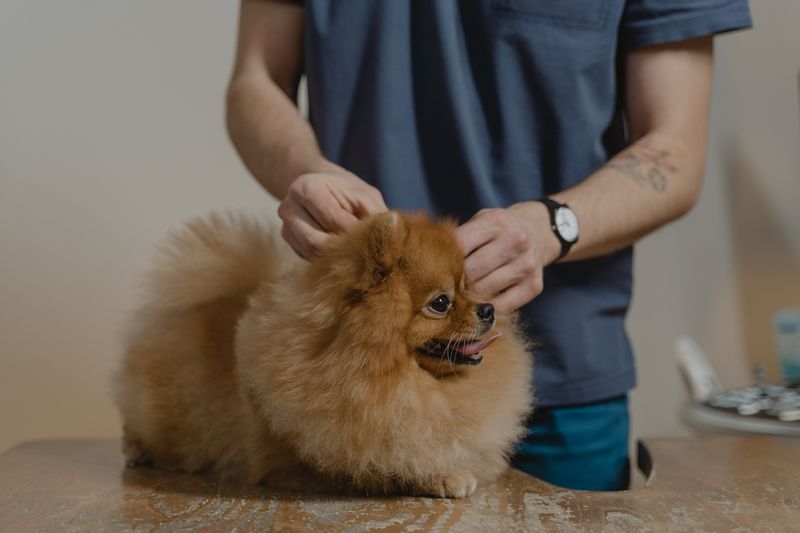
Prompt removal lowers the chance of germs passing to your dog.
Use fine-tipped tweezers or a tick removal tool. Grip the tick as close to the skin as possible, then pull straight out with steady, even pressure.
Do not twist or jerk the tick. Pull it straight upward with steady, even pressure, because twisting or jerking can cause the mouthparts to break off and remain in the skin.Skip the old tricks: no petroleum jelly, no nail polish, no heat.
Wash the area and your hands, then seal the tick in a bag.
Watch The Skin After Tick Removal
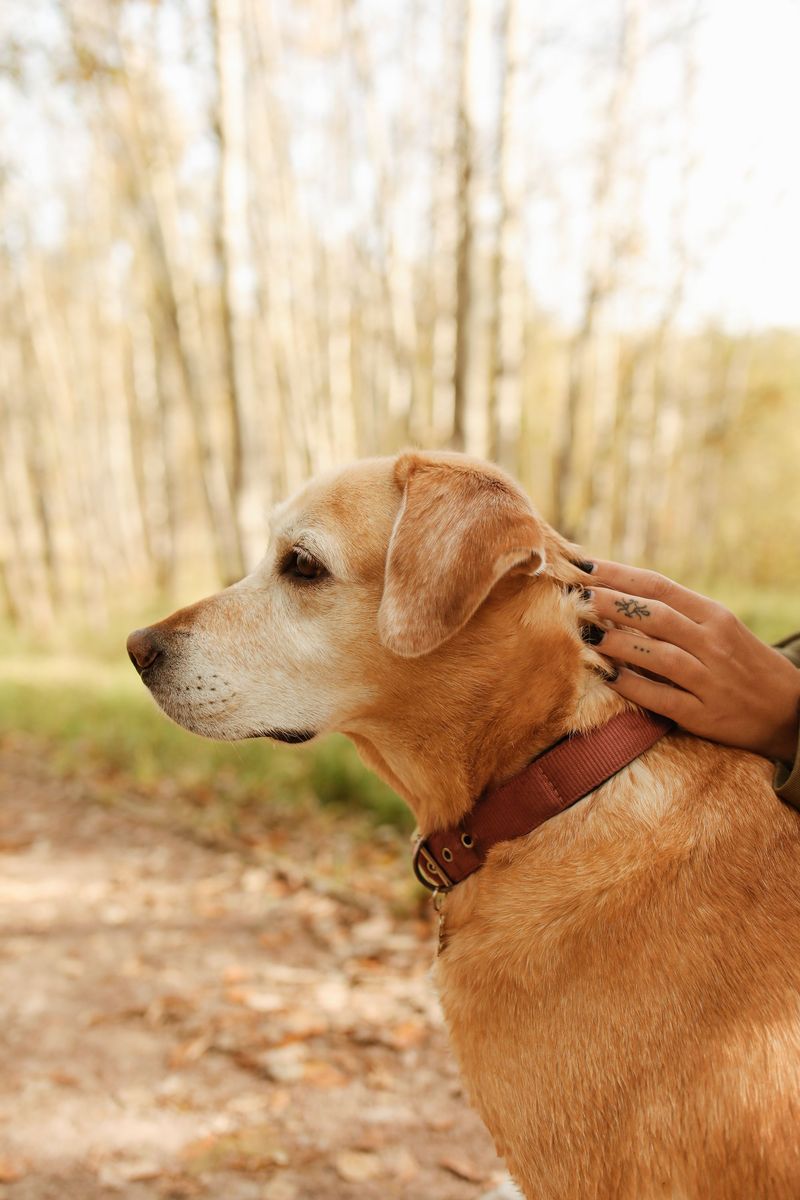
A small red bump often remains where the tick was attached. Mild irritation for a few days is common.
Keep an eye on the area after removal and contact your veterinarian if the site becomes increasingly red, swollen, painful, or otherwise concerning. Try not to let your dog scratch it repeatedly.
Jot the date and location in your phone. That detail helps your vet later, since timing matters.
Pay Attention To Changes In Your Dog

Dogs rarely complain, so subtle shifts are the real clues.
Tick-borne illnesses that occur in Missouri, including ehrlichiosis and Rocky Mountain spotted fever, can cause signs such as low energy, poor appetite, fever, stiffness, or lameness. Signs may not appear immediately after a tick bite.
Mention recent hikes when you call the clinic. Blood tests can help, and early treatment usually goes more smoothly.
Most dogs bounce back well with proper veterinary care.
Keep A Tick Comb And Tweezers In Your Hiking Kit
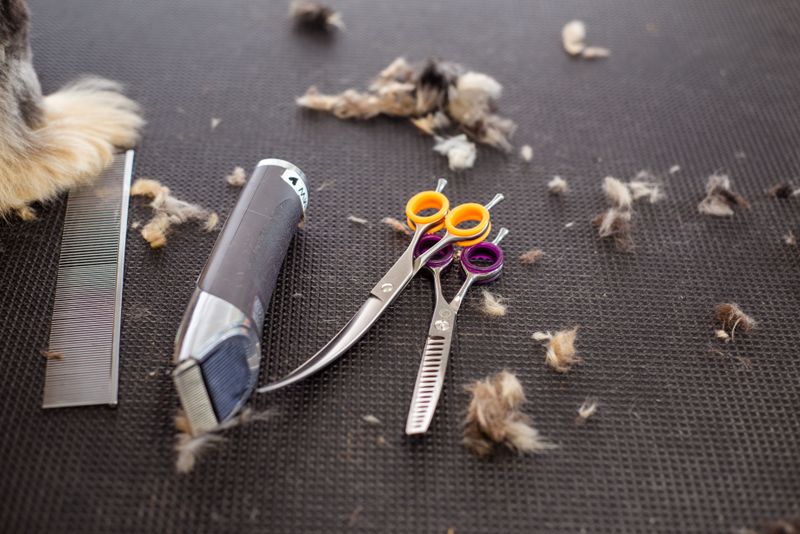
Nothing beats having the right tool in your pack instead of at home.
Stock fine-tipped tweezers, a tick removal hook, a flea and tick comb, gloves, and a small sealable bag. Add antiseptic wipes and treats.
A fine comb catches crawlers before they attach.
A zip pouch keeps everything together in the glovebox. Checking at the trailhead means fewer stray ticks riding home.
Check Yourself And Your Hiking Gear Too

Your dog is not the only one coming home from the woods. Missouri health officials suggest checking yourself after any time outdoors.
Scan your ankles, waistband, hairline, and behind the knees. Showering within two hours of coming indoors can help remove unattached ticks and provides an opportunity for a full-body check.
Examine clothing and gear as well, and follow CDC guidance for using a dryer to help remove ticks from clothing.
Give leashes, packs, and blankets a shake and a look. The same goes for the back seat of your car.
Use Tick Prevention Recommended For Your Dog
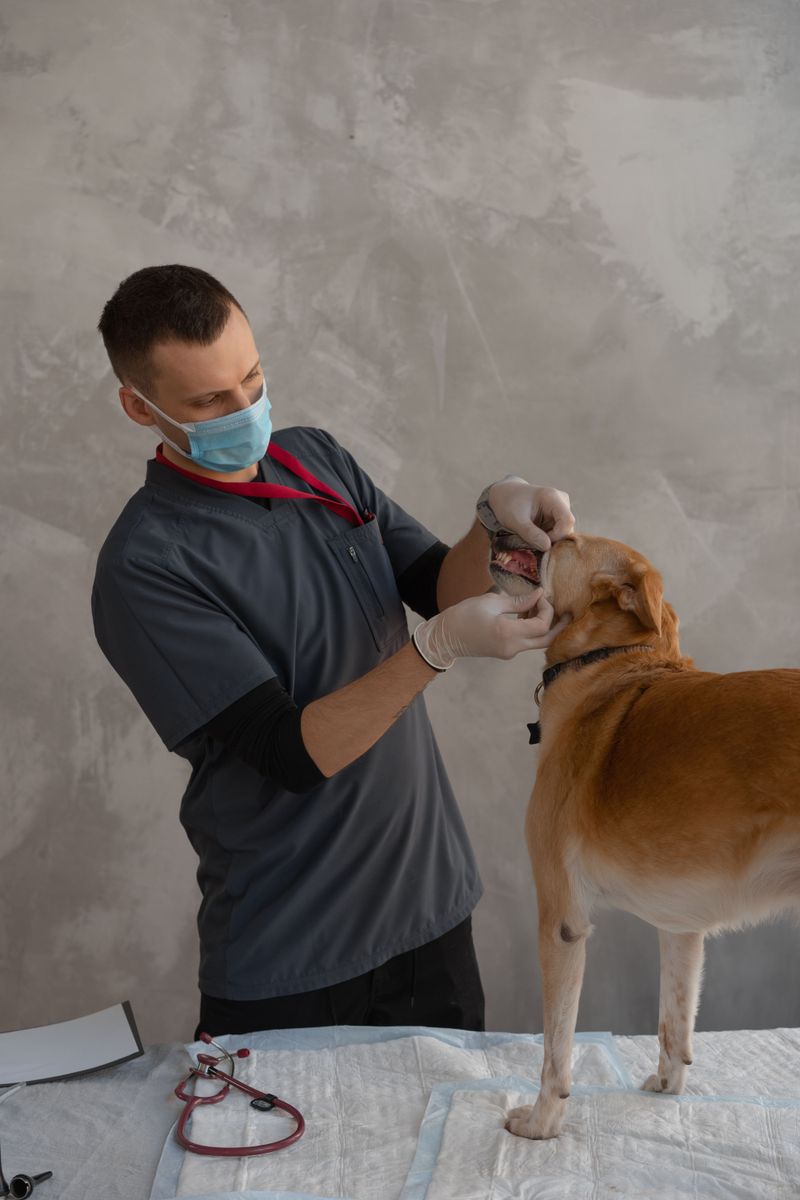
Checks catch ticks; prevention products reduce how many take hold.
Ask your veterinarian which tick-prevention product is appropriate for your dog. Options include oral medications, topical products, and collars, depending on the product and your dog’s needs.
A Lyme disease vaccine may also be discussed where appropriate. Never use a product meant for another species.
Pair protection with a check after every outing, long hike or short walk alike. Do it at the trailhead, then relax.