12 Skills Texas High-Rise Dogs Need For Elevators, Parking Garages, And Long Indoor Summer Afternoons
Life above the street gives your dog plenty to learn, from elevator manners to relaxing while Texas afternoons heat up. Shared hallways, busy garages, and short potty trips feel easier when you practice a few useful habits.
You can build these skills with small rewards, patient repetition, and training that fits your dog’s comfort level. Start with quiet moments, then gradually work toward the busier parts of your building’s daily routine.
1. Staying Calm When Elevator Doors Open
A sliding door can reveal a neighbor, another dog, or an unexpected rolling cart. Practice several feet from the elevator during quiet hours.
Reward your dog for watching the doors without rushing forward.
Teach a release word before approaching the opening together. Keep your dog and the entire leash clear of closing doors.
Never rely on door sensors to detect a leash. If your dog startles, increase distance and make the next practice easier again.
2. Waiting Patiently for the Elevator
The elevator always seems slower when your dog needs a bathroom break. Build waiting skills before those urgent moments arrive.
Choose a spot away from the doorway and reward a comfortable stand or sit.
Begin with a few seconds, then slowly extend the pause. Allow neighbors room to exit before you approach.
Skip crowded cars when possible. A predictable waiting spot helps your dog understand the routine without needing repeated reminders or tight leash pressure.
3. Riding Elevators Without Pulling or Lunging
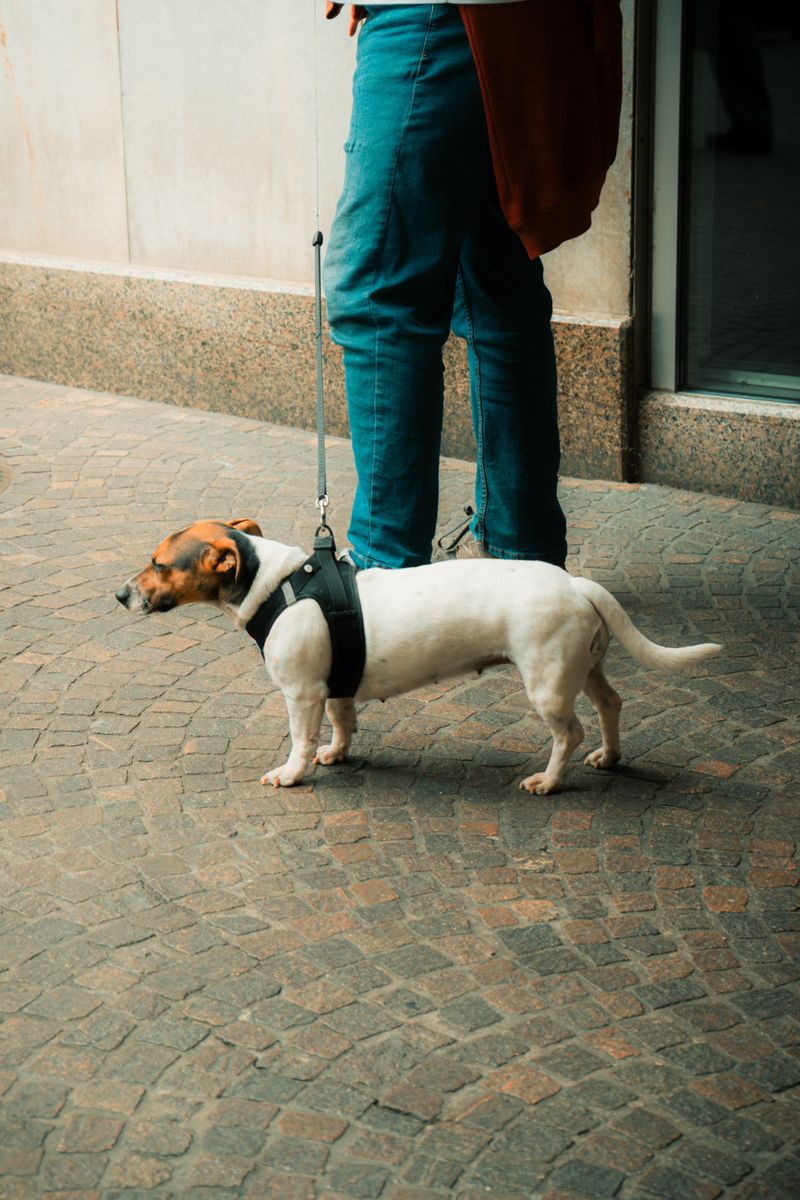
Small elevator cars leave little room for excited movement. Teach your dog to stand beside you on a loose leash.
First practice the position at home, then try short rides during quieter periods.
Enter and exit together, keeping the leash from trailing outside. Reward attention before your dog begins pulling.
Avoid retractable leashes in this tight space. If another passenger feels uncomfortable, offer to wait for the next car rather than squeezing everyone inside together.
4. Greeting Neighbors Without Jumping
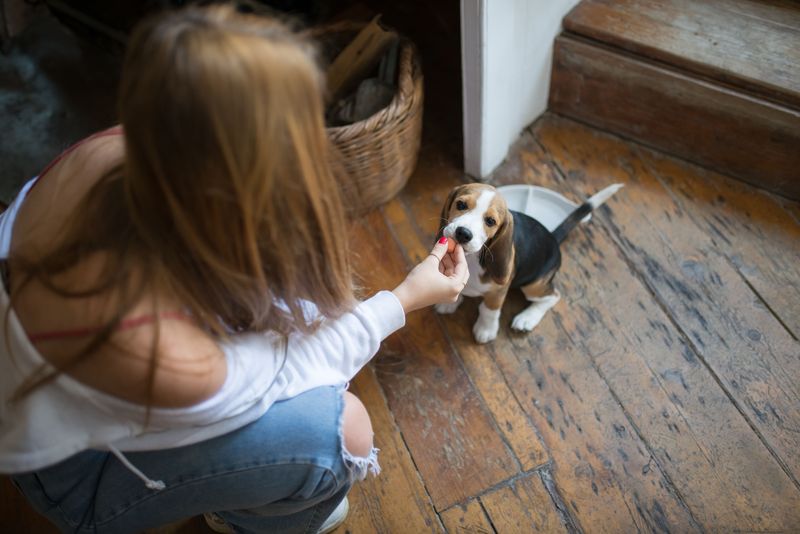
Friendly dogs can turn a simple hello into a bouncy event. Ask neighbors whether they want a greeting before approaching.
Reward four paws on the floor, keeping treats low beside your leg.
If paws lift, calmly create space and try again when your dog settles. Never require contact with strangers.
Some dogs prefer watching politely from a distance. Brief, optional greetings protect everyone’s comfort and teach your dog that calm behavior makes friendly attention happen.
5. Passing Other Dogs in Narrow Hallways
A narrow hallway is not the place for forced introductions. Scan ahead when leaving your apartment, and keep treats handy.
Teach a turn cue so you can change direction without tugging.
Use an alcove or return home briefly when another dog needs space. Reward your dog for checking in with you.
Avoid nose contact on tight leashes. If barking or stiff posture continues, seek help from a qualified trainer who uses reward based training methods.
6. Walking Safely Through Parking Garages
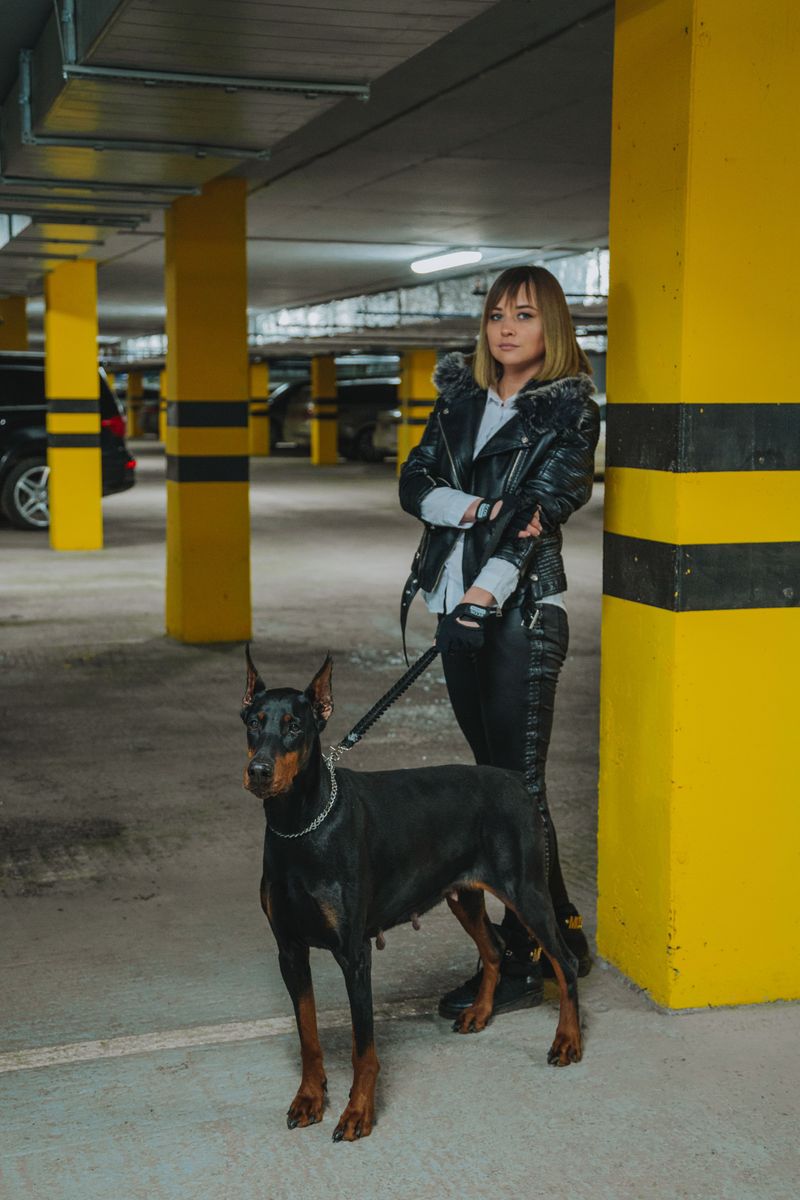
Concrete pillars and parked trucks can hide approaching traffic. Keep your dog close on a standard leash without constant tension.
Follow marked walking routes where available, and pause before crossing driving lanes.
Teach a stop cue somewhere quiet before using it near vehicles. Avoid walking behind cars with active reverse lights.
Watch for spills, broken glass, and hot surfaces near garage exits. Carry small dogs when needed, while keeping your own view and footing clear.
7. Ignoring Cars, Horns, and Garage Noise
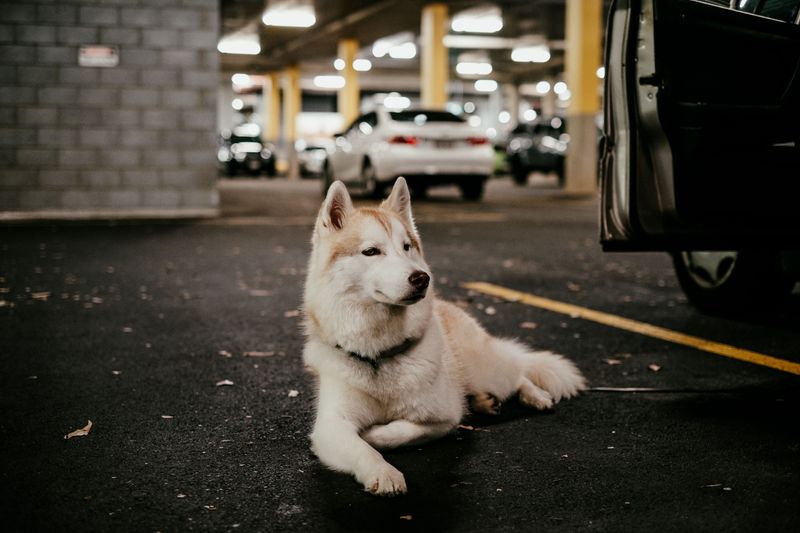
Echoes can make an ordinary garage sound surprisingly busy. Begin near a quiet entrance, far from moving vehicles.
Offer a treat after a mild sound while your dog remains comfortable.
Keep sessions short and leave before your dog becomes overwhelmed. Never arrange loud horn blasts as a training test.
Refusing food, trembling, or trying to escape means more distance is needed. For ongoing noise fears, ask your veterinarian about support suited to your dog’s needs.
8. Using Potty Cues for Quick Outdoor Breaks

Twenty floors can feel much farther during an urgent bathroom trip. Say your chosen cue softly when your dog begins toileting.
Reward immediately afterward, helping connect the words with the action.
Visit a familiar spot and allow enough time for sniffing. Puppies, older dogs, and medical conditions may require more frequent outings.
Never restrict drinking water to reduce trips. Pack waste bags, follow building rules, and contact your veterinarian about sudden changes in bathroom habits.
9. Staying Comfortable During Texas Summer Heat
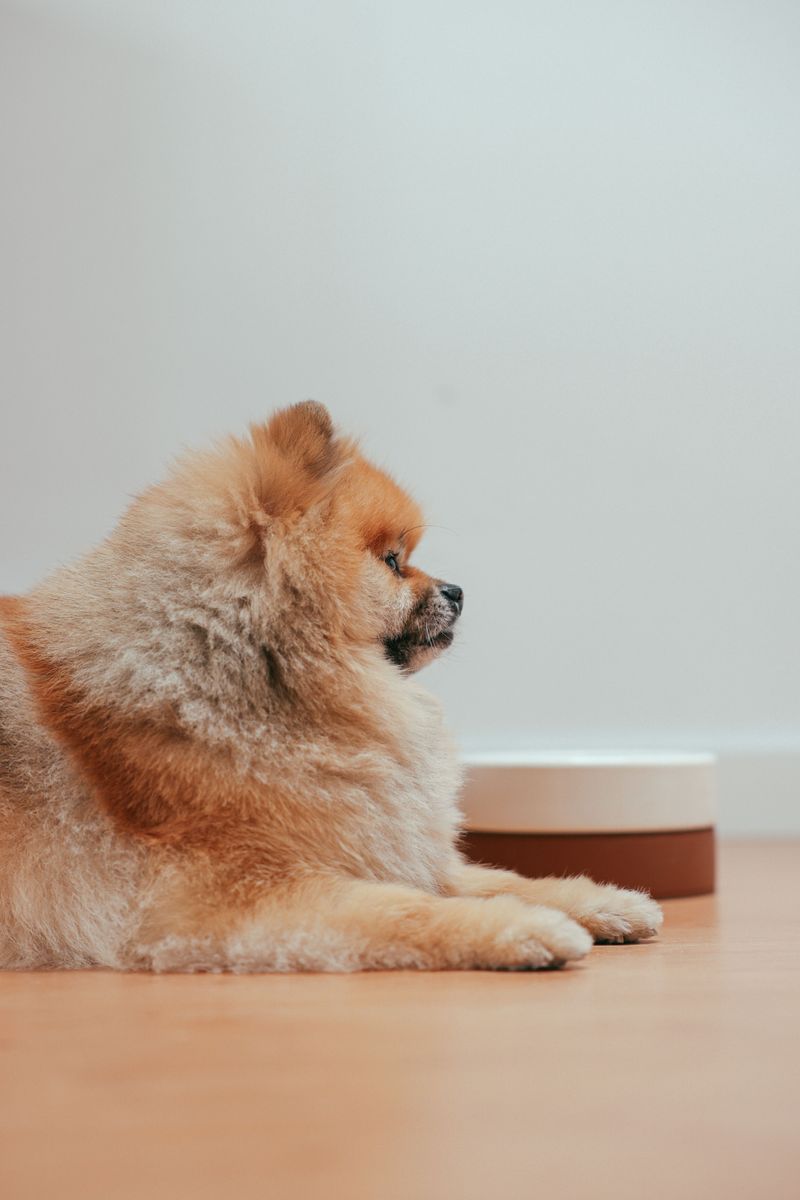
Texas sunshine can turn a quick outing into uncomfortable exercise. Schedule walks during cooler hours, checking both air and surface conditions, and shorten or skip outdoor exercise when the heat is unsafe.
Choose shade, bring water, and keep midday breaks brief.
Teach your dog to rest comfortably indoors after returning. Heavy panting, weakness, or confusion can indicate heat-related illness and require immediate cooling and urgent veterinary care.
Move into air conditioning and use cool water while seeking help.
Never leave your dog in a parked vehicle, even during a short errand.
10. Settling Quietly During Long Indoor Afternoons
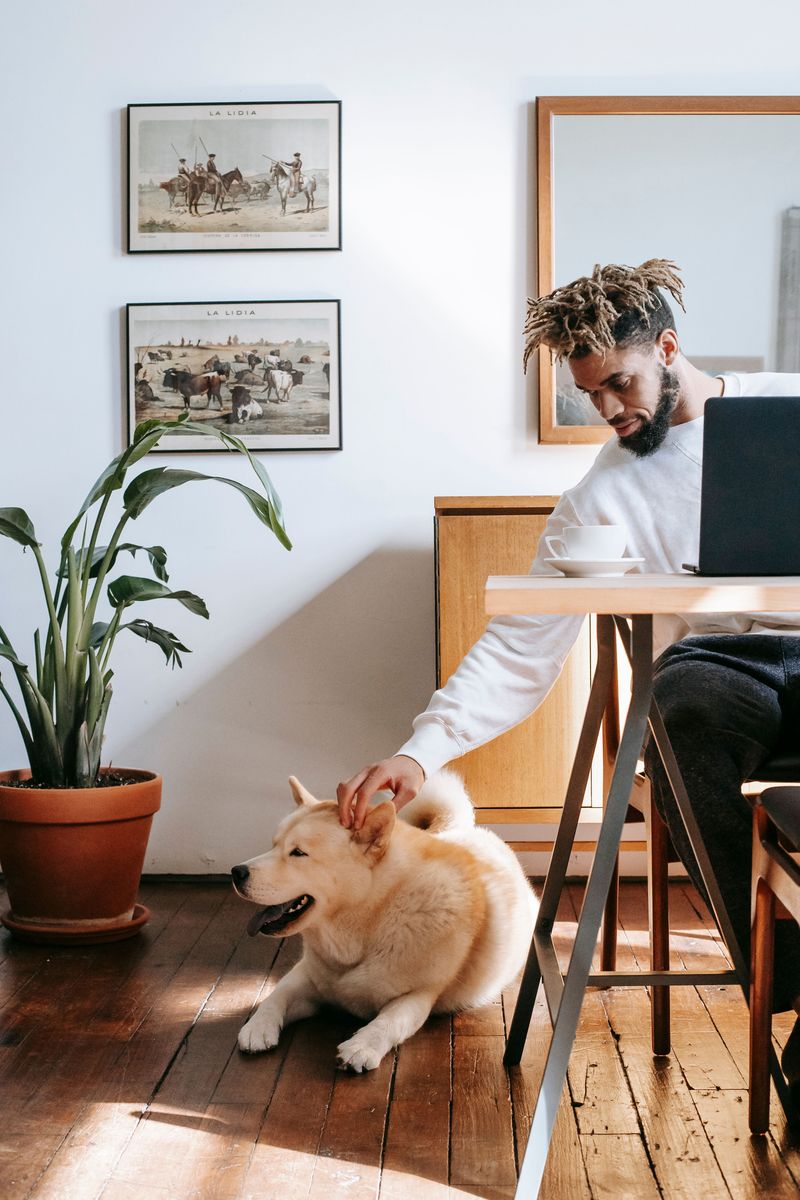
A peaceful afternoon starts before your dog feels restless. Offer a bathroom break and suitable activity, then introduce a comfortable resting mat.
Reward your dog for stepping onto it and lying down.
Gradually space out treats while you read or work nearby. Keep the room cool and provide fresh water.
Rest should follow your dog’s needs, not replace exercise or companionship. If pacing suddenly increases, consider discomfort or illness rather than assuming your dog needs discipline.
11. Entertaining Themselves Without Destructive Chewing
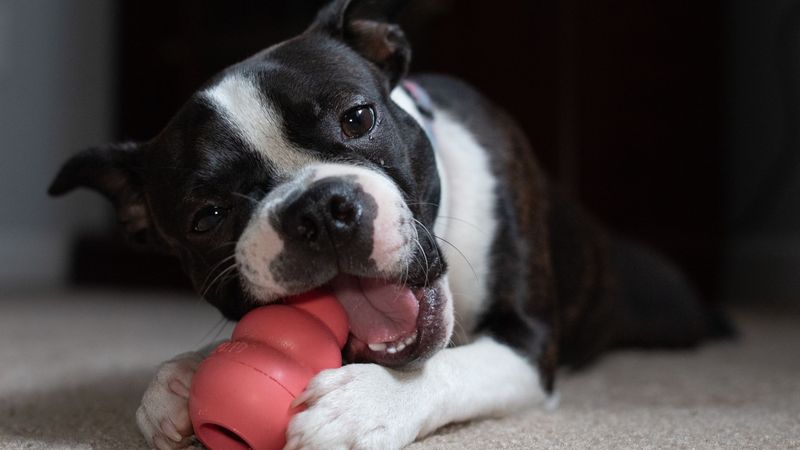
Your sofa should not become the afternoon enrichment project. Offer sturdy food puzzles or chew toys sized for your dog.
Supervise new items and remove anything that breaks into swallowable pieces.
Rotate a few choices instead of leaving everything available. Use part of regular meals in puzzles to avoid extra calories.
Put shoes, cords, and household chemicals out of reach. Persistent chewing may signal unmet needs or anxiety, especially when it happens only during absences.
12. Practicing Alone-Time Skills Without Excessive Barking
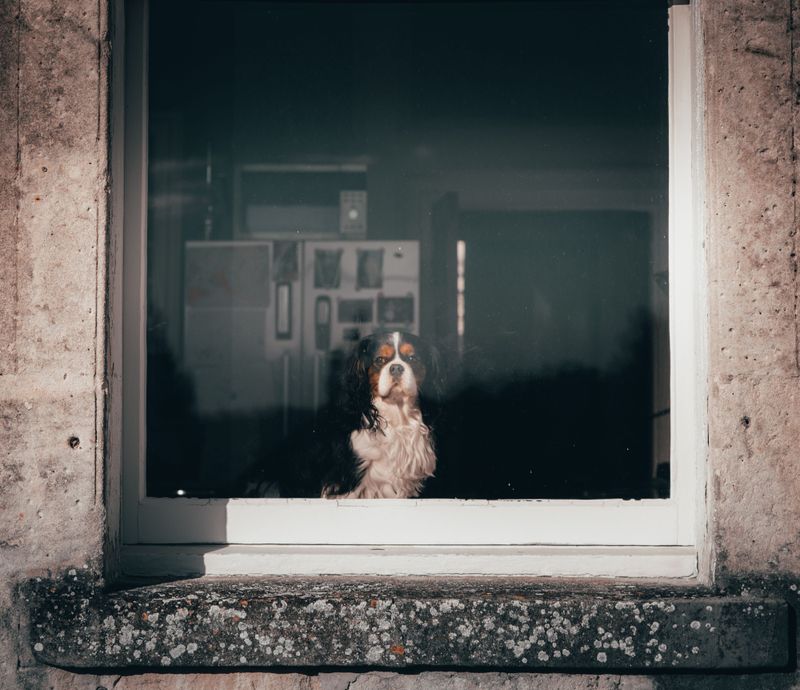
Quiet departures are a skill, not a test of loyalty. Start with separations lasting seconds while your dog remains relaxed.
Return calmly and increase time only when earlier practice feels easy.
A camera can reveal pacing or barking you otherwise miss. Avoid punishment and bark collars, which do not address distress.
Ask your veterinarian for help if absences trigger ongoing worry. Small steps, kind practice, and steady routines make life upstairs easier for you both.