13 Georgia Senior-Dog Home Adjustments For Porches, Steps, And Slick Floors
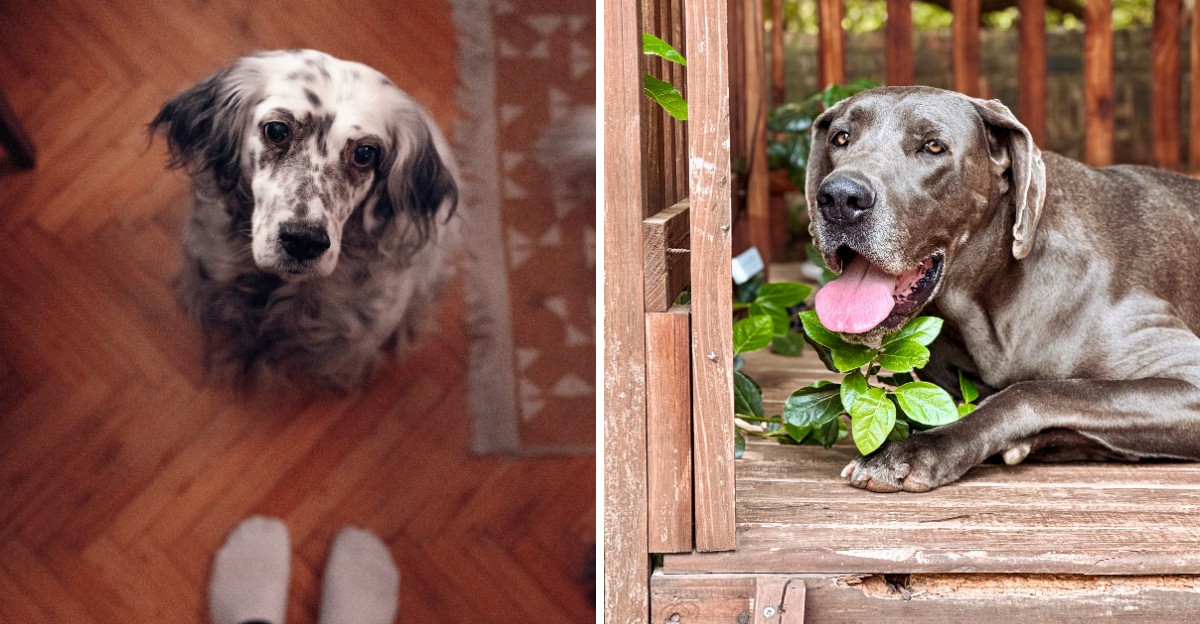
Your older dog may still love porch time, even when steps and shiny floors take more effort. Georgia rain, summer heat, and damp leaves can also change how safe familiar paths feel.
A few thoughtful updates can help your dog move comfortably without changing everything about your home. Start with the routes your dog uses most, then build a setup that supports easier footing, quieter rest, and confident daily routines.
1. Secure Loose Rugs and Floor Mats
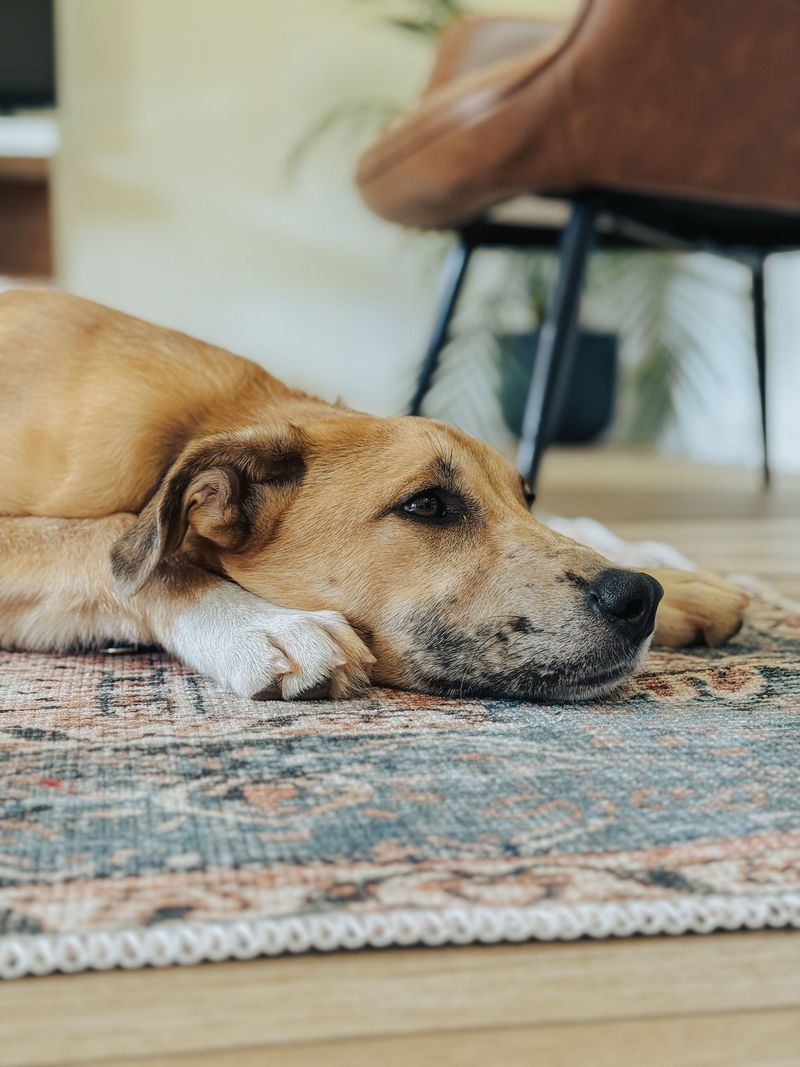
A sliding rug can undo the benefit of a soft landing. Use a rug pad or tape approved for your floor, following the maker’s directions.
Replace curled mats rather than expecting your dog to step around them.
Pay special attention near water bowls, where splashes may weaken grip. Wash mats as directed and let everything dry before replacing them.
Give every corner a quick tug during cleaning to catch movement before it becomes a problem.
2. Make Hardwood and Tile Floors Easier to Cross
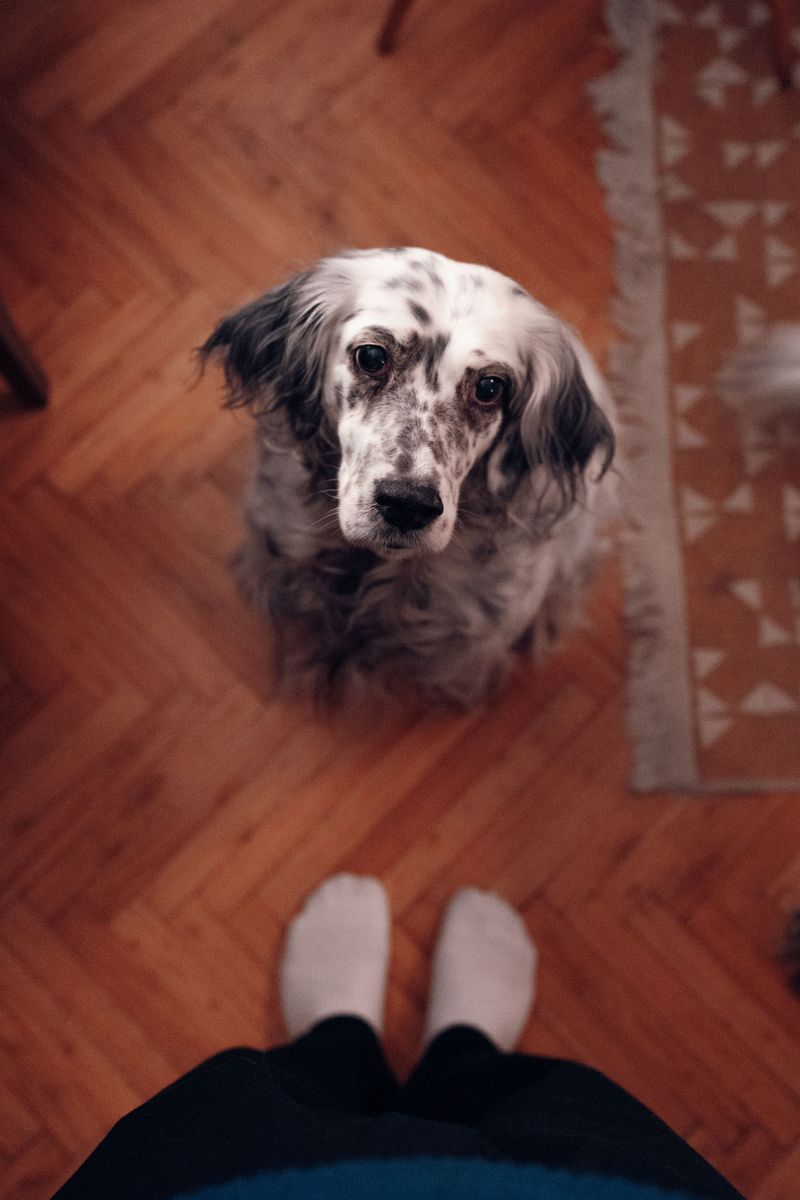
Shiny floors look lovely, but older paws may struggle to find purchase. Add secured traction mats where runners will not fit, including turning spots beside furniture.
Clean spills promptly and avoid products that leave slippery residue.
If considering traction socks or boots, ask your veterinarian about fit and suitability. Introduce them slowly under supervision, checking for rubbing or twisting.
Floor coverings usually offer a simpler starting point than expecting your dog to tolerate new footwear.
3. Improve Grip at Stair Landings and Add Support
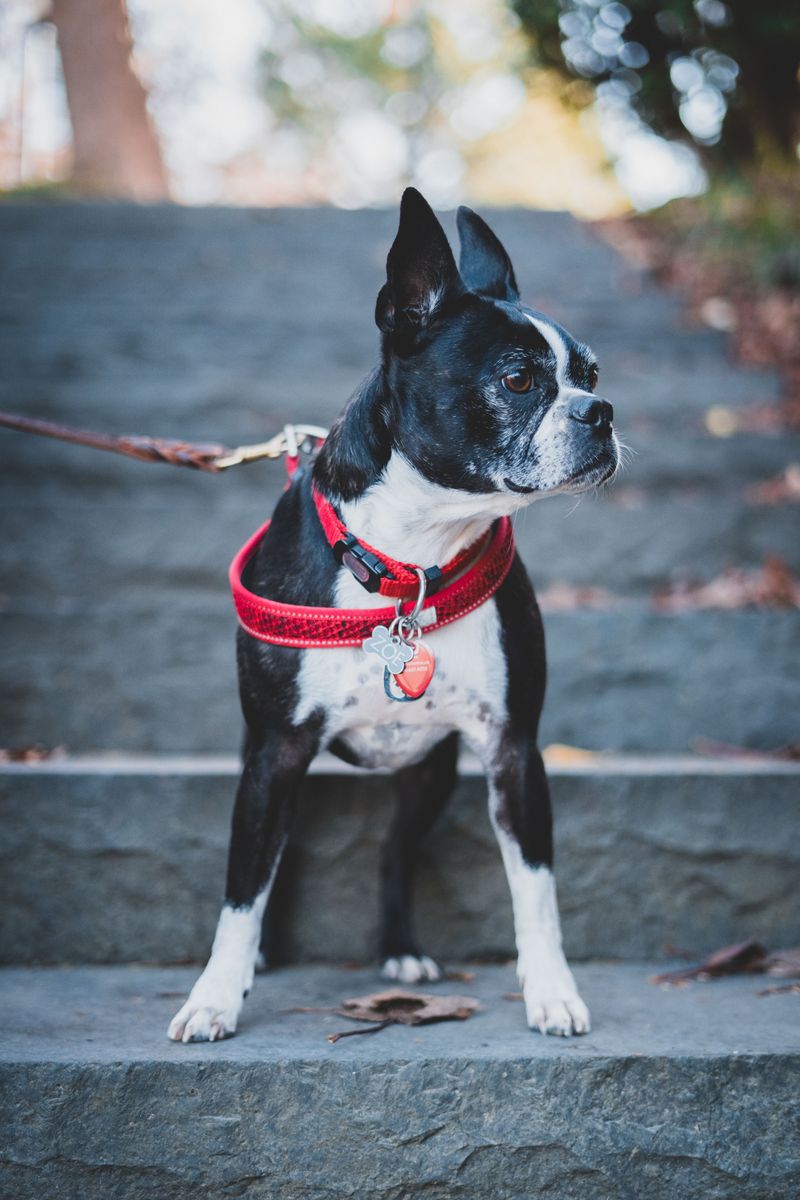
Landing areas deserve as much attention as the steps themselves. Secure suitable traction material at both ends, keeping the approach clear and dry.
Add firmly attached stair treads when the existing surface feels slick.
For dogs needing assistance, ask your veterinarian about a properly fitted support harness. Follow guidance on lifting and avoid pulling by the collar.
Stay beside your dog, move slowly, and never use a harness to force an uncomfortable climb or descent.
4. Install a Ramp for Frequently Used Porch Steps
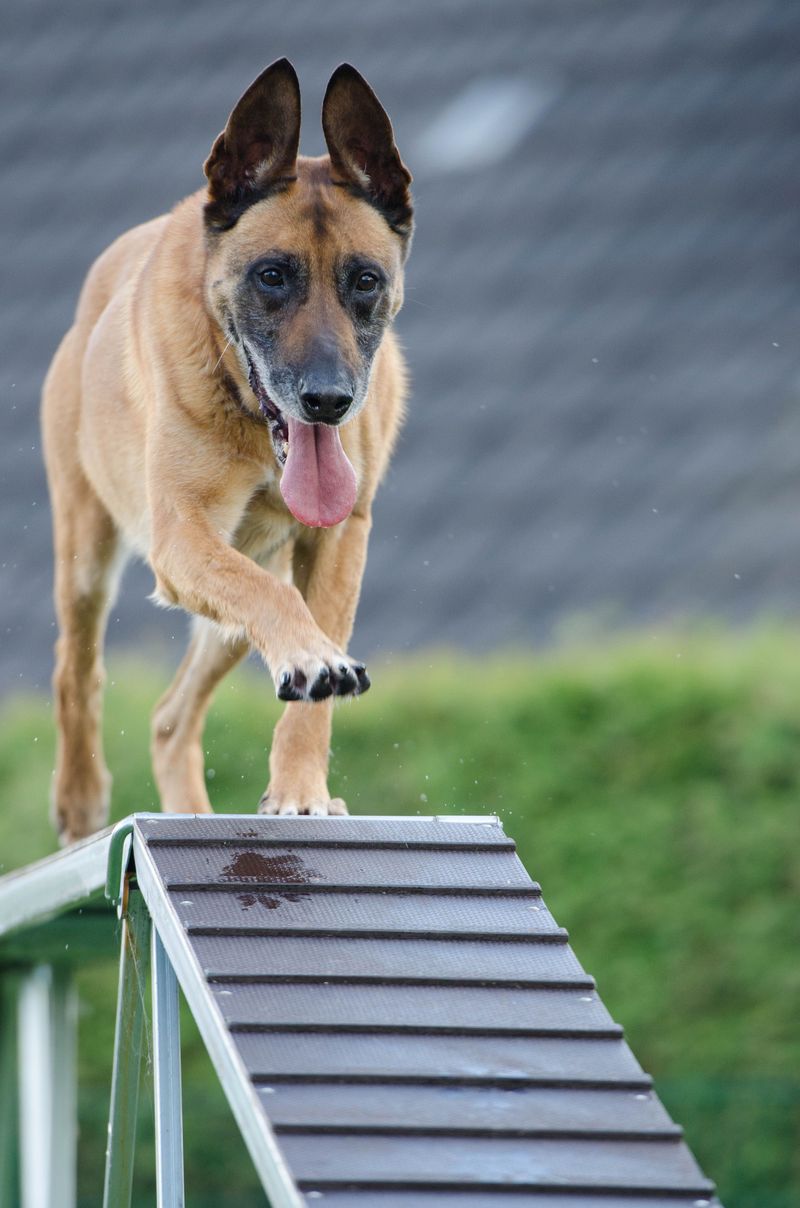
A familiar porch can stay part of your dog’s day without repeated stair climbing. Choose a stable ramp with a textured surface, useful side edges, and adequate weight capacity.
A longer ramp generally allows a gentler slope.
Provide level space at both ends and secure the ramp against movement. Introduce it with patient practice, never pressure.
Permanent construction may require local permits or other approvals, so check with your city or county before building anything.
5. Add Handrails and Barriers Where Needed
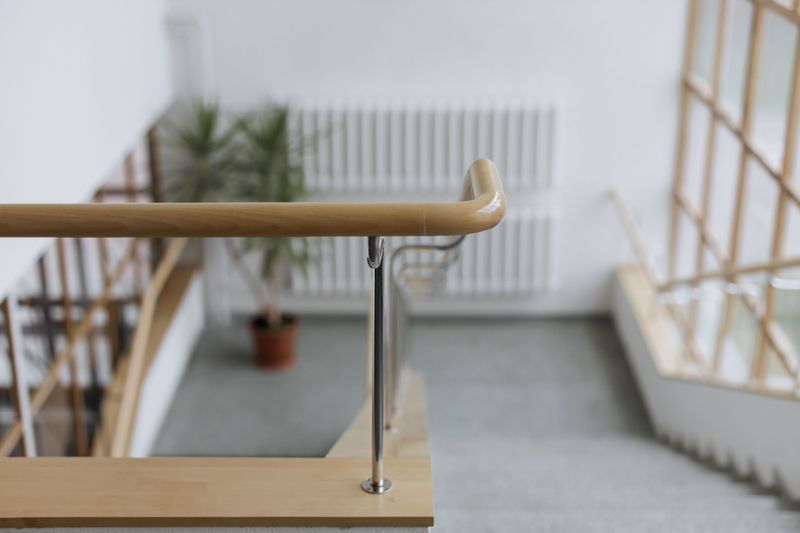
Your own steady footing matters when helping an older companion outside. A sturdy handrail gives you support while keeping your other hand available.
Have loose rails repaired rather than relying on them during assisted walks.
Use securely installed gates to limit unsupervised stair access. Choose barriers your dog cannot squeeze through or push over.
Keep exits usable for people, and confirm local building requirements when changing porch railings, stair guards, or other permanent safety features outdoors.
6. Check Porch Boards for Gaps and Splinters

Small surface problems are easy to miss until you look from paw level. Inspect porch boards for splinters, raised fasteners, soft spots, and gaps that could catch toes.
Keep your dog away while repairs are underway.
Georgia’s damp weather makes regular checks worthwhile, especially after storms. Ask a qualified contractor about loose or weakened boards.
Use pet appropriate finishes according to label directions, and allow the full recommended drying time before reopening your porch area.
7. Choose Outdoor Mats That Stay Put
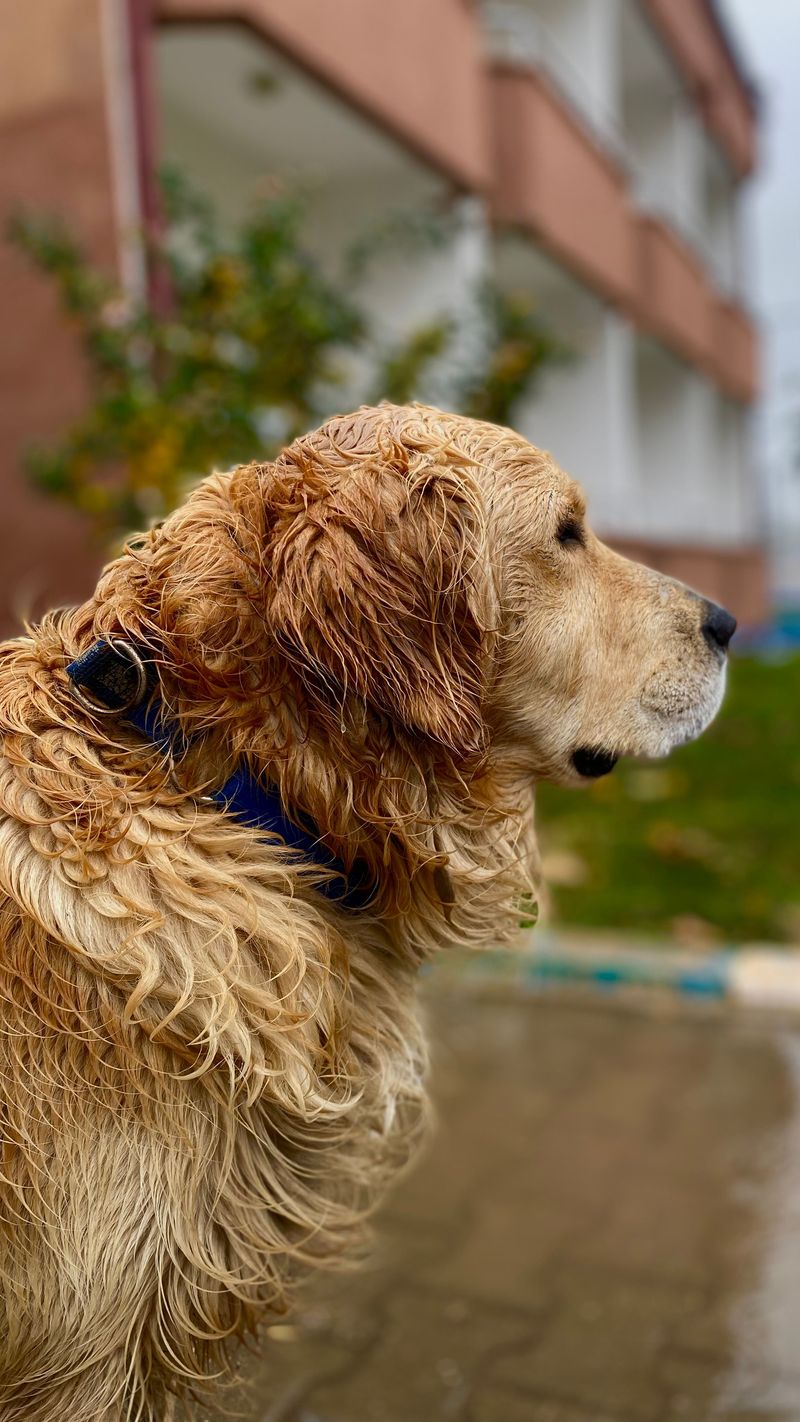
Rainy afternoons can turn the porch entrance into a slippery checkpoint. Choose outdoor mats with secure backing, a flat edge, and drainage suited to their placement.
Avoid thick loops that might catch a nail.
Sweep away Georgia pollen, leaves, and grit before they collect underneath. Lift mats regularly to check for trapped water or slick buildup.
Replace any mat that curls, slides, or stays soggy, even when its top still looks perfectly fine from above.
8. Create a Shaded Resting Spot on the Porch
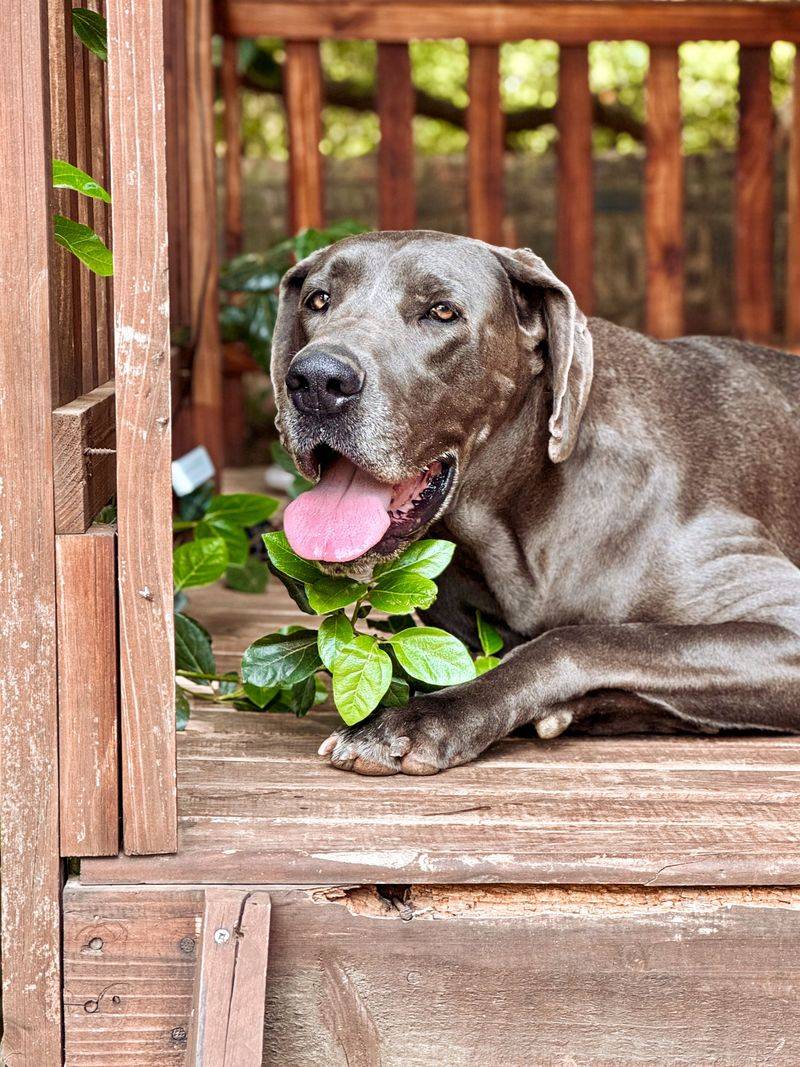
Porch watching should come with a comfortable escape from direct sun. Set up a shaded resting area with fresh water and an easy route indoors.
Check the floor with your hand before your dog settles.
Georgia summers can remain hot even under a roof. Offer short visits during cooler hours, and remember that fans do not replace cooler shelter.
Bring your dog inside if panting increases or settling becomes difficult, and contact your veterinarian promptly.
9. Maintain Nails, Paw Fur, and Paw Pads
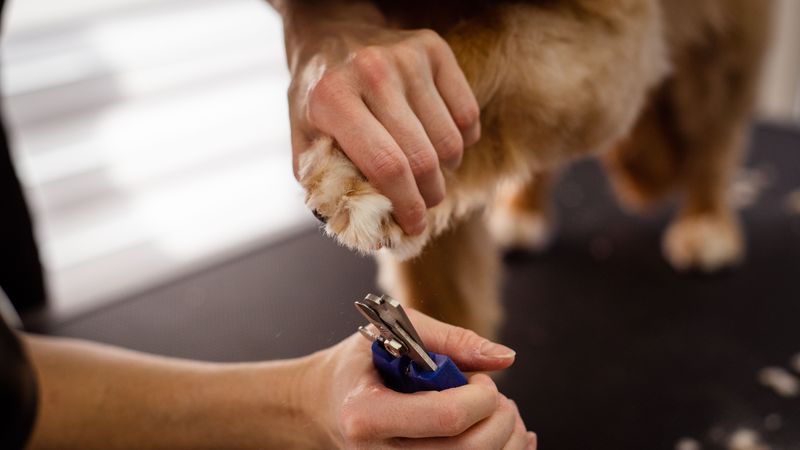
Good footing starts with paws that can meet the floor comfortably. Overgrown nails may affect how a dog stands and walks.
Ask your veterinarian or groomer for a trimming schedule suited to your companion.
Have excess fur between paw pads trimmed safely when needed. Check pads for cracks, irritation, or stuck debris after outdoor trips.
Avoid applying slippery lotions before walking. Limping, soreness, or repeated licking deserves veterinary advice rather than another home traction product.
10. Improve Lighting Near Steps and Doorways
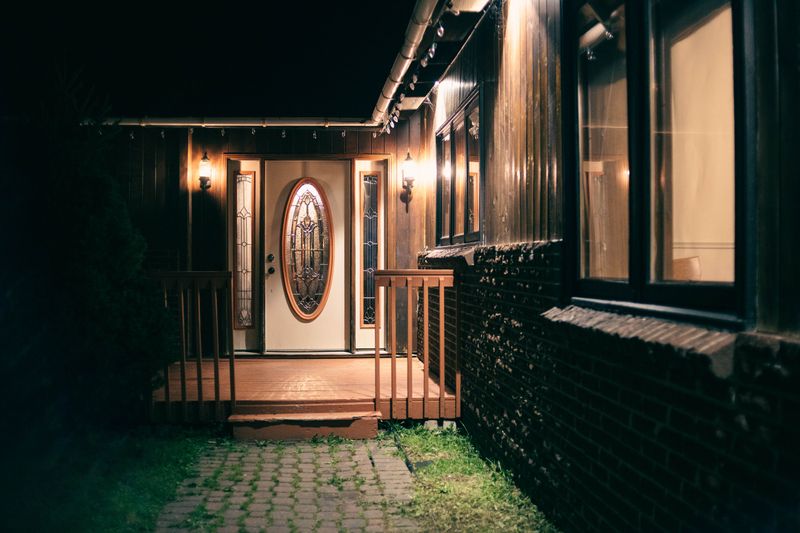
Dusk can make a familiar step harder to judge. Add even lighting around doorways, landings, and changes in floor height.
Aim fixtures away from your dog’s eyes to reduce glare and confusing shadows.
Motion lights should switch on before your dog reaches the steps. Keep cords outside walking paths and choose fixtures rated for their location.
If your dog hesitates despite better lighting, arrange a veterinary check for possible vision changes or discomfort during movement.
11. Smooth Doorway Thresholds and Clear Everyday Obstacles
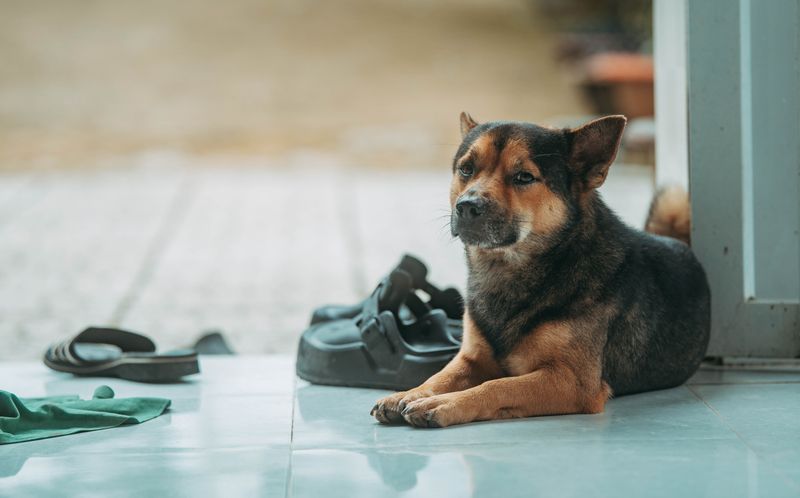
A single raised doorway strip can interrupt an otherwise easy route. Look for uneven transitions, loose edging, and doors that narrow the opening.
A securely fitted threshold ramp may help, provided it stays stable.
Move shoes, baskets, charging cords, and toys away from travel lanes. Leave enough room for your dog to turn without backing into furniture.
Practice opening the door fully before inviting your dog through, especially when carrying groceries or managing a leash.
12. Keep Daily Essentials Together With Supportive Bedding
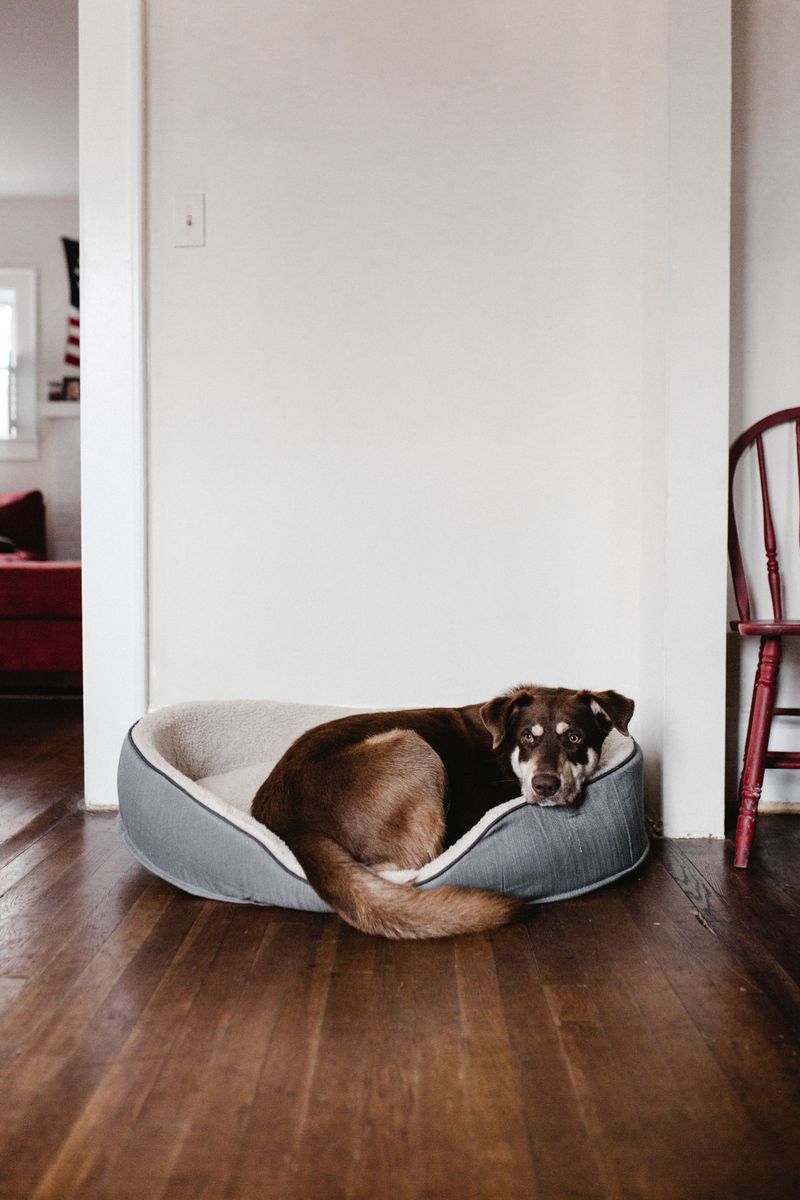
Comfort improves when the basics do not require another staircase. Place food, water, and bedding on an accessible floor, preferably near the usual exit.
Keep bowls stable and leave open space around them.
Choose supportive bedding with a low entrance and a washable cover. The bed should cushion joints without making standing harder.
Add nonslip backing underneath, and keep water nearby without crowding the sleeping area. Ask your veterinarian whether individual feeding adjustments are needed.
13. Watch for Changes in Your Dog’s Walking
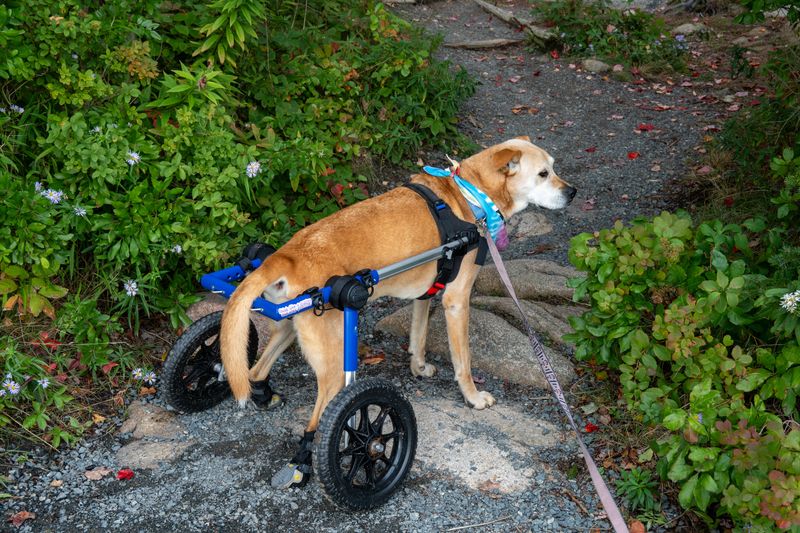
Yesterday’s easy route may feel different when joints or eyesight change. Notice shorter steps, slipping, hesitation, or trouble rising after rest.
Record brief videos to help your veterinarian understand what happens at home.
Sudden weakness or inability to stand needs prompt veterinary attention. Avoid assuming every change is simply age.
Review your setup as your dog’s needs shift. Small adjustments, steady observation, and timely care can keep familiar places welcoming, one comfortable step at a time.