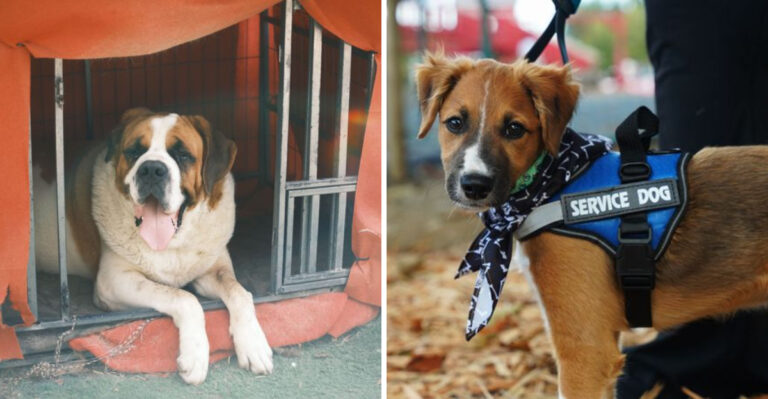
15 Best Hiking Companion Breeds for Washington Trails
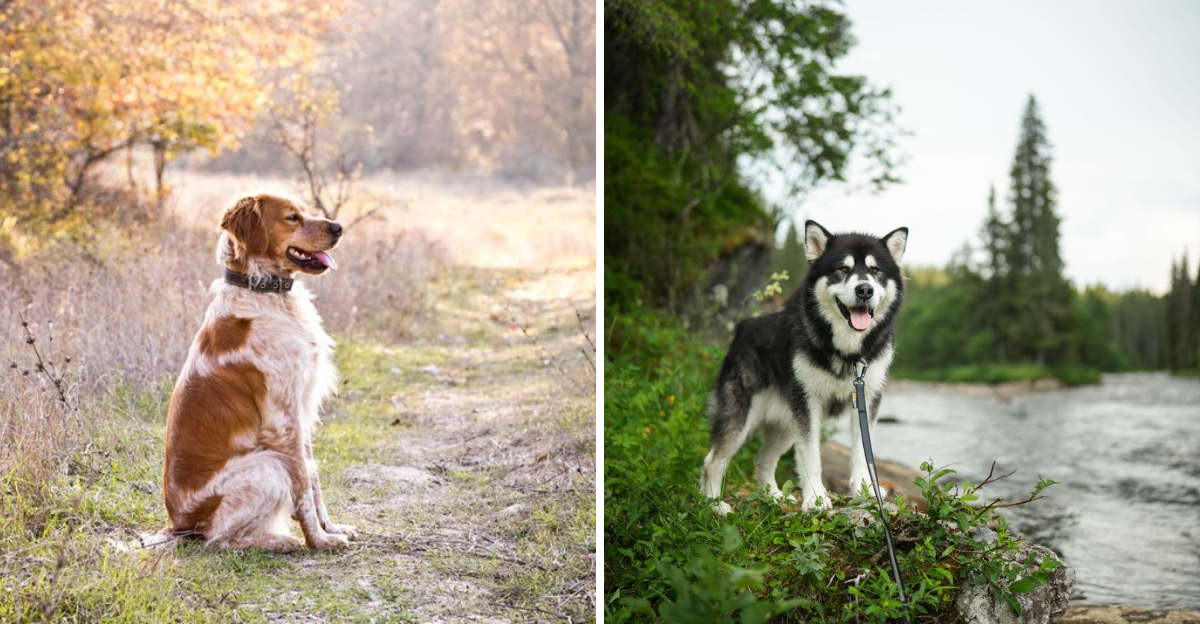
Washington asks a lot of a trail dog. One weekend brings misty rainforest mud, the next brings switchbacks, snowfields, and creek crossings that soak everything below the knee.
Some breeds shrug all of that off and beg for more, while others tap out at mile three. Knowing which dogs were actually built for wet rock, long climbs, and cool alpine air changes the whole day.
Here are 15 breeds that treat the Cascades like a playground.
1. Australian Shepherd
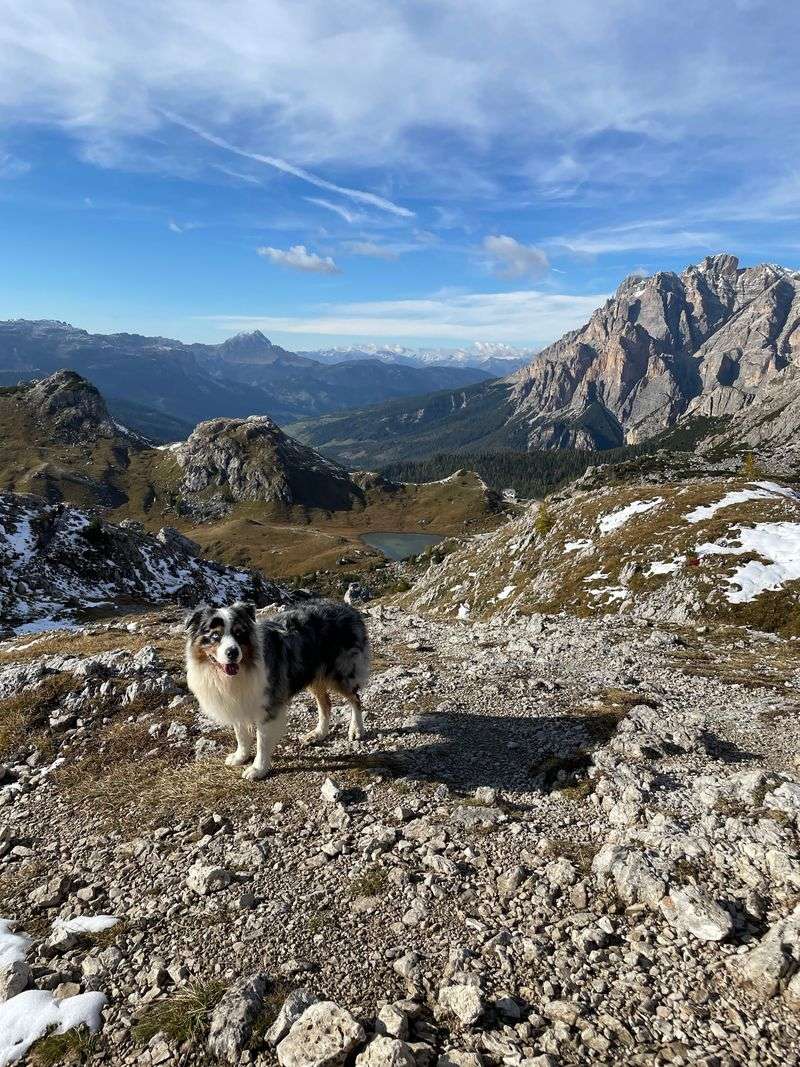
Give an Aussie a job and watch the miles disappear. Herding brains plus athletic legs equal a dog who treats switchbacks as a puzzle to solve.
They stay social on busy trails, greeting hikers and dogs with real enthusiasm. That excitement can turn into leash pulling, so practice loose-leash walking early.
All-day outings suit them beautifully. Their medium double coat handles cool mountain air, though burrs and mud love that feathering.
2. Border Collie
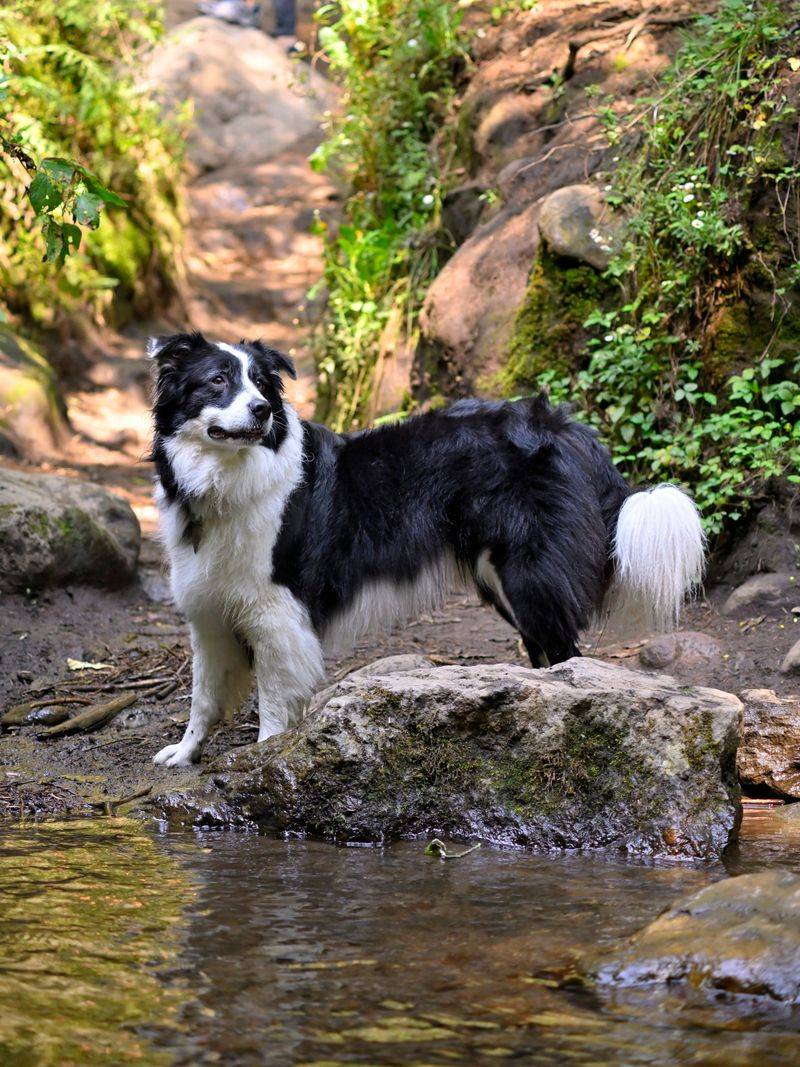
Few dogs read a handler like a Border Collie. A glance, a whistle, a hand signal, and they adjust instantly, which is gold on narrow ridgelines.
Stamina is not the issue here. Long-distance treks barely dent that engine, and their footwork on loose rock is genuinely impressive.
Socialization matters, since sensitive Collies can fixate on joggers or bikes. Steady exercise keeps their sharp minds happily occupied.
3. Labrador Retriever
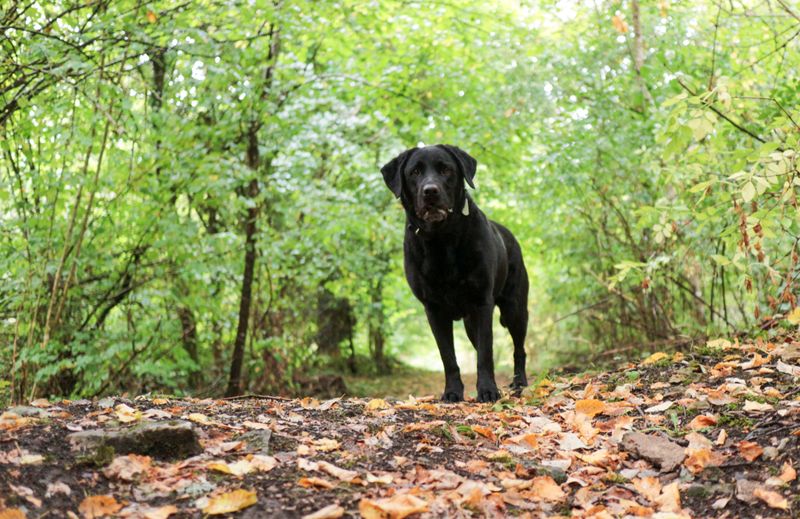
Creek crossings? A Lab considers that the highlight reel.
Webbed feet and a water-repellent coat mean wet trails feel like a bonus feature.
Strength and endurance carry them across roots, rock, and mud without drama. Trainability seals the deal, since recall usually sticks.
Fun fact: despite the name, Labs were developed in Newfoundland. Watch their weight, because a lighter Lab climbs happier and longer.
4. German Shorthaired Pointer
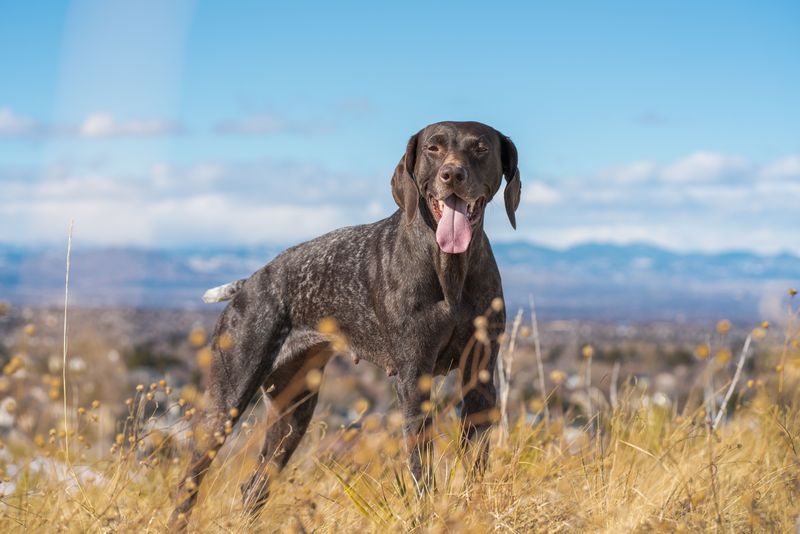
Speed and staying power rarely share one dog. GSPs manage both, which is why they float up long climbs and still want the loop extension.
Their versatile hunting background means varied terrain feels familiar. Rocky scree, wet meadow, forest duff: all fine.
Grooming stays refreshingly simple thanks to that short coat. Pack a jacket for cold, damp days, since insulation is thin.
5. Golden Retriever
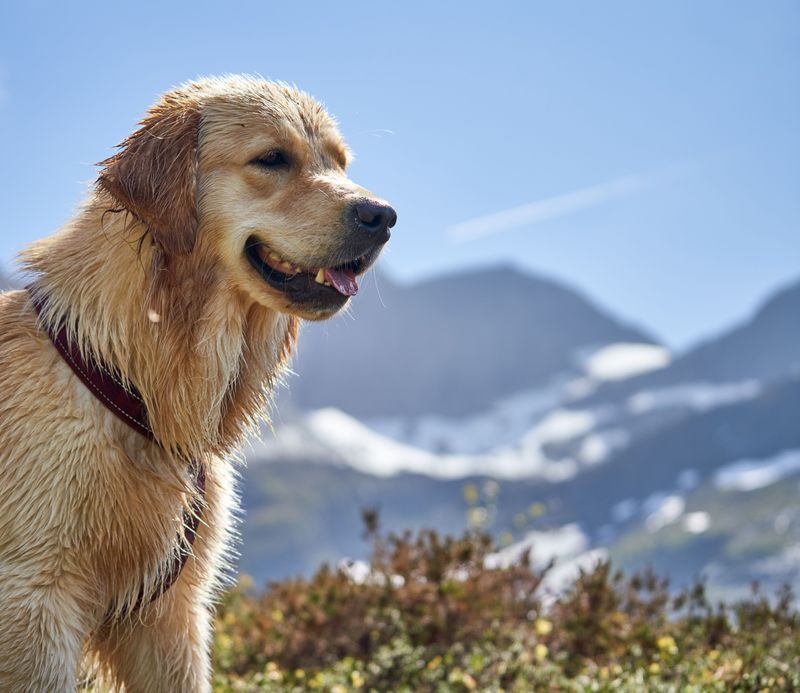
Bred for long days across Scottish lochs and hills, Goldens carry serious endurance under all that friendly fluff.
Expect a swim break at every lake, followed by a joyful mud sample. Their warm coat helps on chilly ridge tops.
Obedience comes easily, which makes trail manners pleasant. Wait until roughly 18 months before big mileage, protecting those growing joints.
6. Brittany
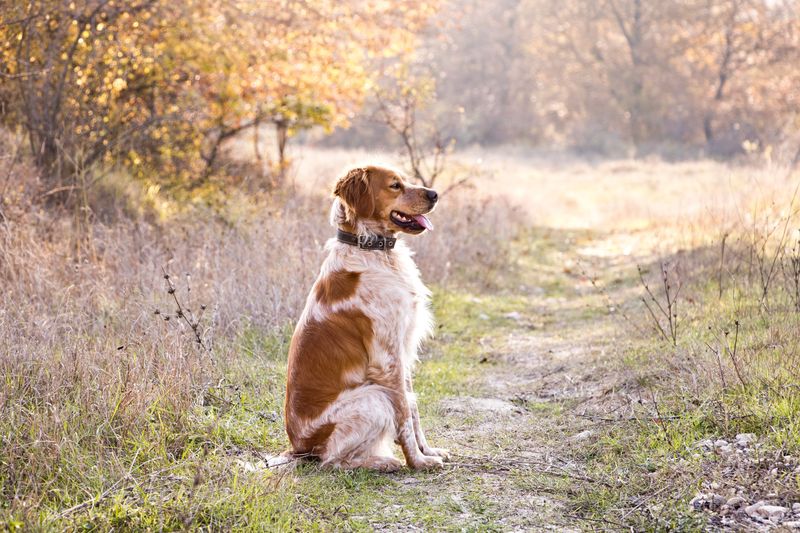
Ask any Brittany owner about turning back early. The dog votes no, every time.
On technical terrain they perform like little machines, handling steep pitches and rocky steps with tidy, confident footwork.
Bird instincts run strong, so bombproof recall is non-negotiable near wildlife. Daily vigorous exercise plus mental games keeps this good-natured breed balanced and delightfully ready.
7. English Springer Spaniel
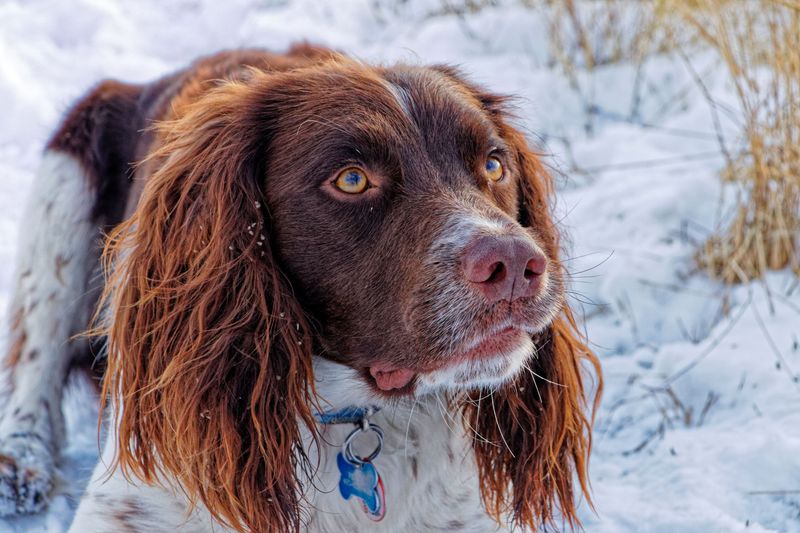
Springy by name, springy by nature. These spaniels bounce through ferns and salal like the underbrush was designed for them.
Hunting heritage gave them real stamina, so long trail miles suit them well.
Those lovely ears trap moisture, so dry them after swims. A mid-sized frame makes car camping and narrow tent space much easier to manage.
8. Australian Cattle Dog
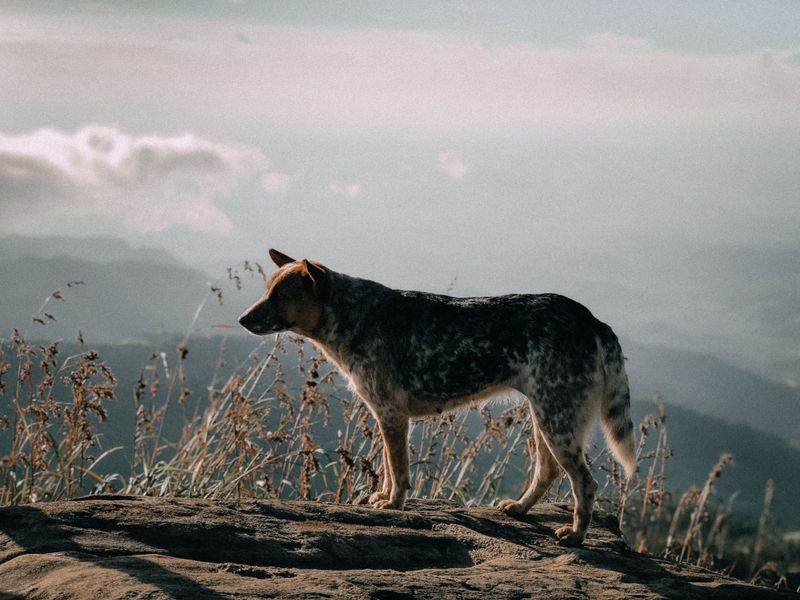
Compact, muscular, and stubbornly tireless, the Cattle Dog was built for high-workload days on rough ground.
Agility shows up in every hop over talus and log. Heelers scramble where longer-legged breeds hesitate.
Herding intensity means they may want to manage your group. Channel it with a pack job or trail training drills, and they thrive outdoors.
9. Standard Poodle
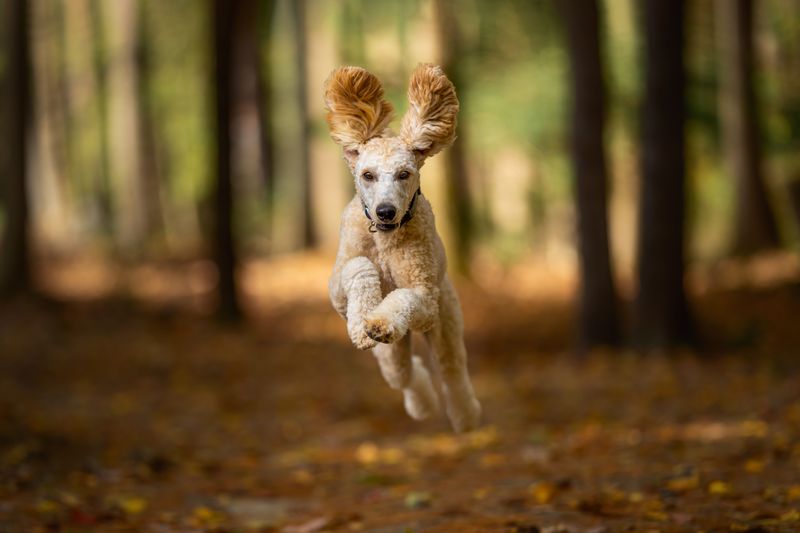
Underestimate a Poodle on trail and prepare to be humbled. Some have even competed in the Iditarod.
Their smooth endurance trot eats distance, and a healthy adult over a year can cover close to ten miles.
That curly, low-shedding coat repels water beautifully, ideal for drizzle. Choose a short pet clip for hiking, then brush regularly to prevent mats.
10. Vizsla
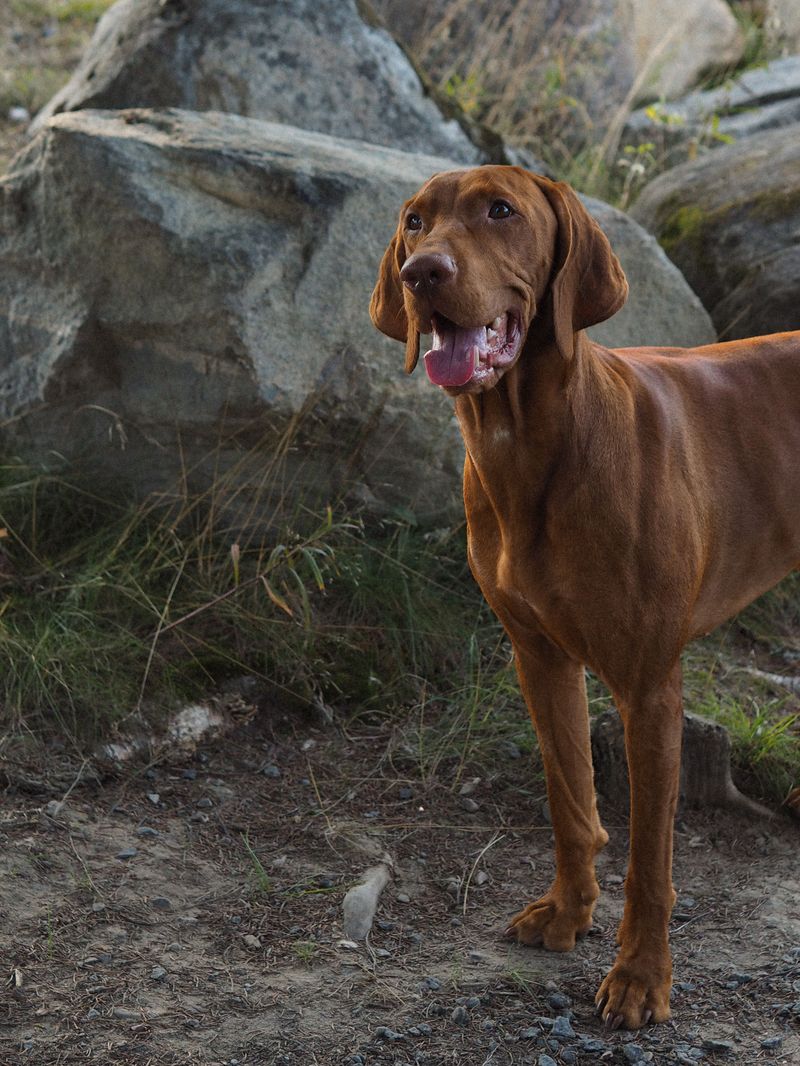
Velcro dogs, they call them, and it fits. A Vizsla hikes glued to your knee, checking in constantly.
Four to five happy miles in mild weather is very doable, and forty-five to sixty minutes of vigorous daily exercise keeps them sane.
Thin coats struggle with cold rain, so pack a jacket. Strong prey drive means long-line control near wildlife.
11. Portuguese Water Dog
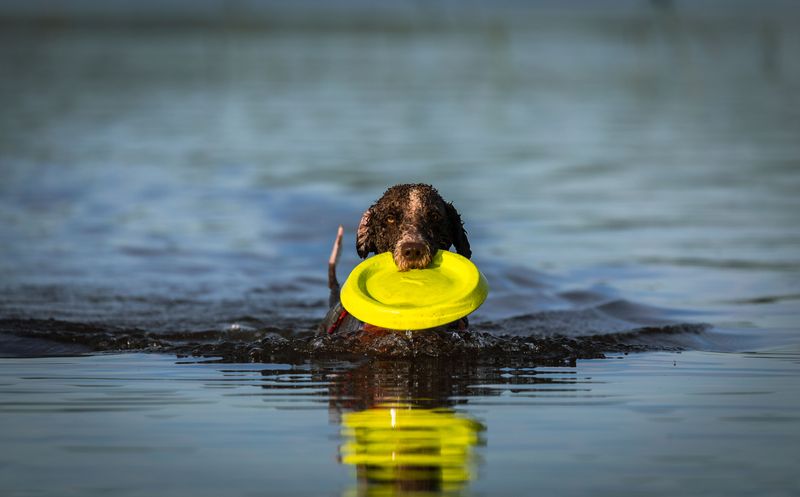
Every puddle becomes a spa treatment with a Portuguese Water Dog along. Swimming is hardwired.
A grown Porty can handle around ten trail miles, and that thick, curly coat sheds little while shrugging off water.
People-oriented and quick to learn, they love having a job such as carrying their own kibble. Boredom, though, invites mischief at camp.
12. Weimaraner
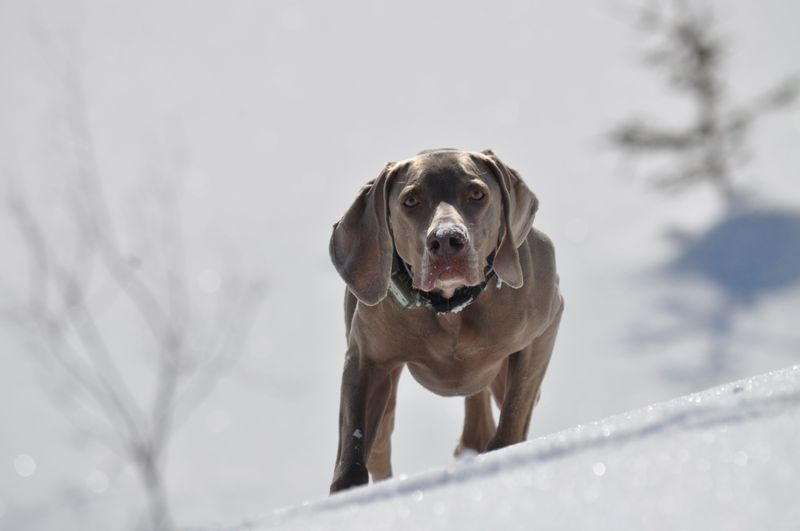
Gray ghosts glide. A fit, healthy Weimaraner can enjoy hikes up to twenty miles, and some run marathons beside their people.
Snow and cold rarely slow them, which suits Washington shoulder seasons nicely.
Build mileage gradually and wait until age two before hard efforts. Skip a big outing and expect creative redecorating, since separation anxiety runs high.
13. Siberian Husky
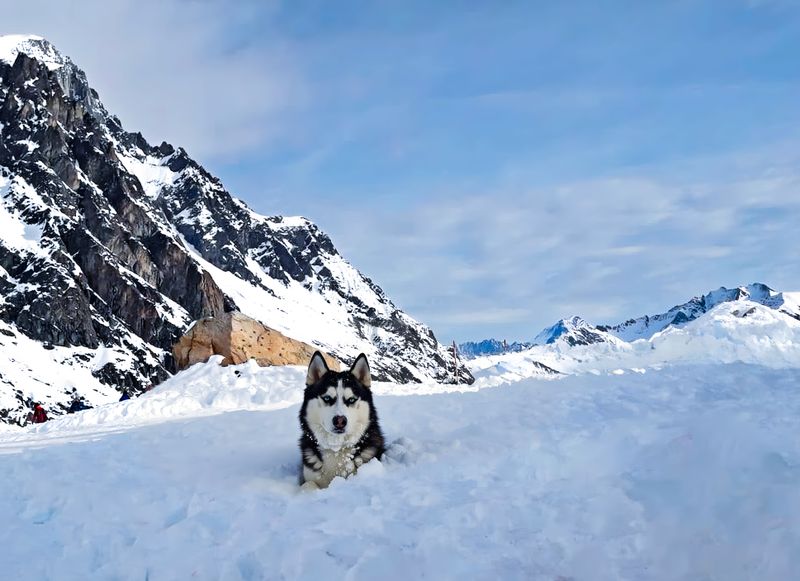
Sled heritage shows the moment the trail tilts upward. Huskies simply lean in and go.
That arctic double coat laughs at freezing wind, so winter snowshoe outings are their happy place.
Heat is the real limit, so choose shaded, cool routes in summer. They pull hard and chat loudly, so a hands-free leash and patience help enormously.
14. Alaskan Malamute
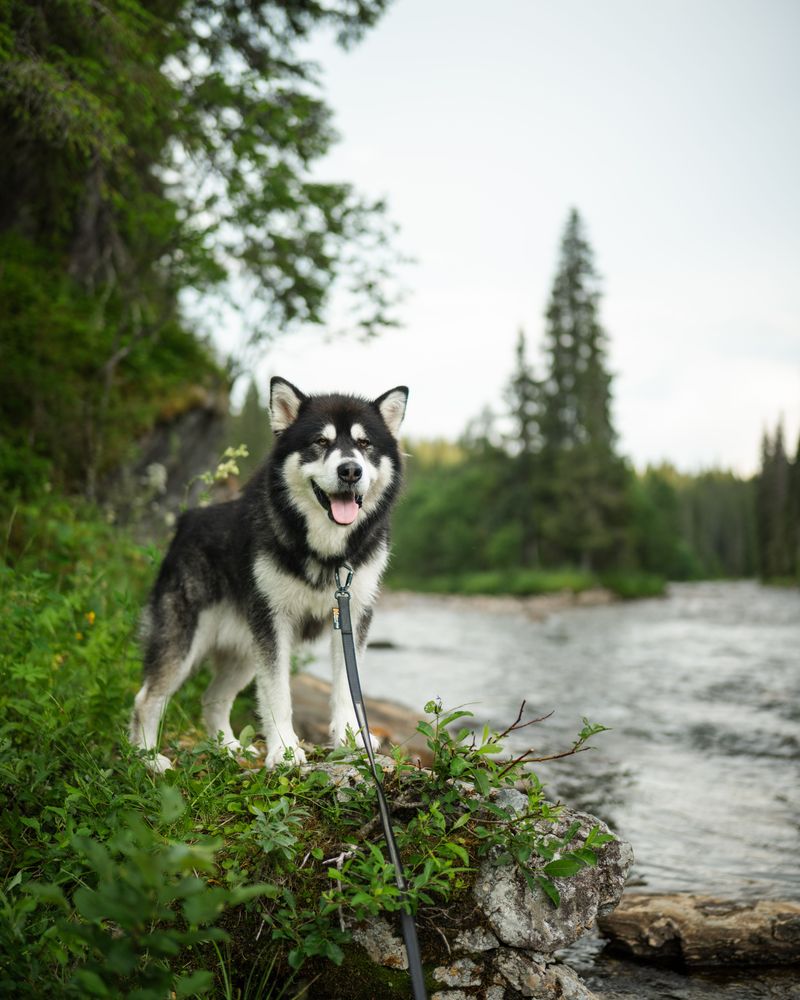
Freight power in fur form. Malamutes were bred to haul heavy sleds for miles, so day hikes and multi-day trips barely register.
Many happily carry a dog backpack, sharing the load like a proper trail partner.
Skip hot, humid days entirely, since that dense coat traps heat. A long leash manages prey drive, and first-time owners may find them a handful.
15. Rhodesian Ridgeback
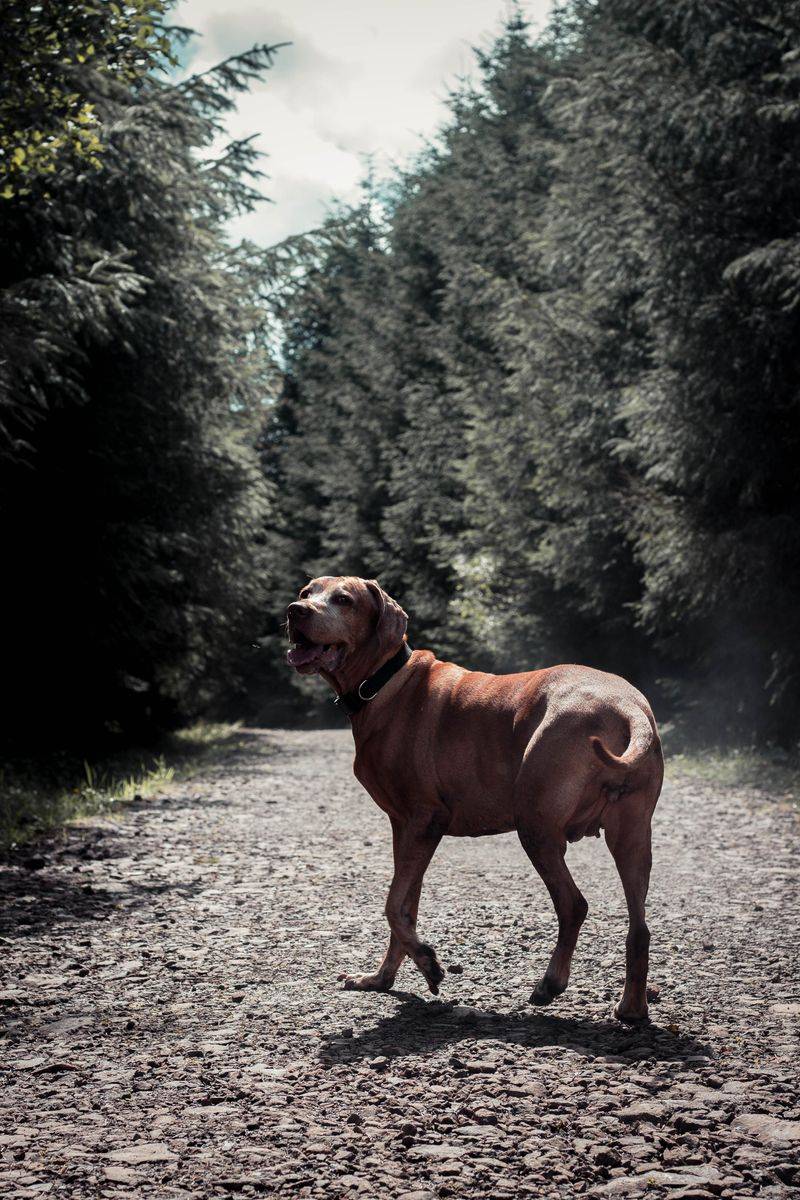
That signature ridge of backward-growing hair is only the start of the story. Underneath sits a natural explorer with quiet, steady stamina.
Wide paws grip and climb well, so rugged, sun-baked eastern Washington routes suit them.
Heat tolerance is a strength, but water breaks still matter. Reserved at first with strangers, Ridgebacks turn sweet and devoted once trust is earned.