How To Build A Hurricane Evacuation Plan When You Own A Dog In Florida
If you live in Florida with a dog, storm season is just part of life here. The good news is that leaving safely with your pup is mostly a matter of planning ahead, not scrambling at the last minute.
A little preparation now means fewer decisions later, when time and traffic are tight. Think of this as a friendly checklist from a neighbor who has packed the car more than once.
Let’s walk through it together, step by step.
Know Your Hurricane Evacuation Zone

Florida evacuation zones are designated areas used by local emergency managers and are commonly labeled A through F, although the system can vary by county. County emergency management websites let you type in your address and see yours in seconds.
Zones matter because officials call evacuations zone by zone, not city wide. Knowing yours tells you whether you go early or stay put.
Write the zone on your fridge and save the county alert page on your phone. Confirm it each spring, since boundaries occasionally get updated.
Choose Several Dog-Friendly Evacuation Destinations
One destination is a wish. Three destinations are a plan.
Line up options in different directions and distances: a relative inland, a pet-friendly hotel a few hours away, and a friend’s spare room. Storms wobble, so flexibility keeps you moving.
Also check whether your county opens a pet-friendly shelter, which many do with advance registration. Requirements vary locally, so call your county animal services early to ask what they need from you.
Plan Two or More Evacuation Routes
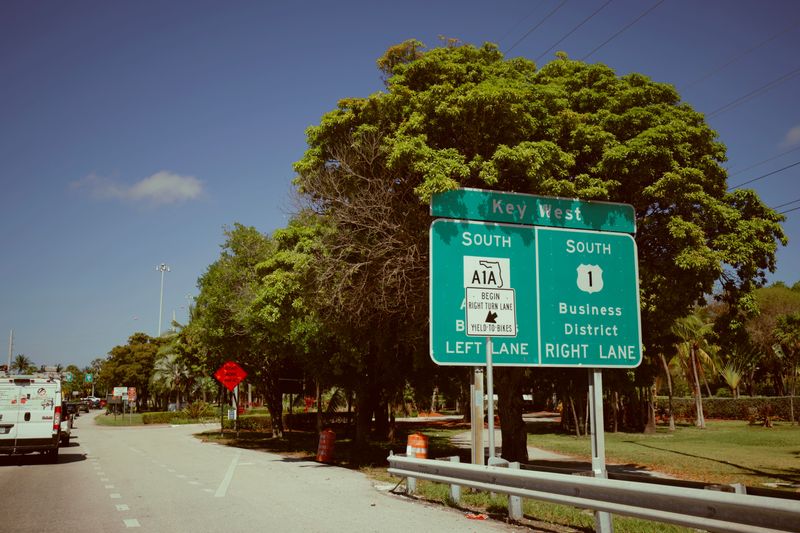
Highways fill fast when a storm approaches, and one closed lane can stall everything.
Map a main route and at least one backup that uses different roads. Print them, because cell service can get spotty in heavy traffic.
Mark rest stops with grassy areas where your dog can stretch and drink. Longer drives are easier when you know exactly where the next break happens.
Keep the tank above half through storm season.
Build a Hurricane Emergency Kit for Your Dog
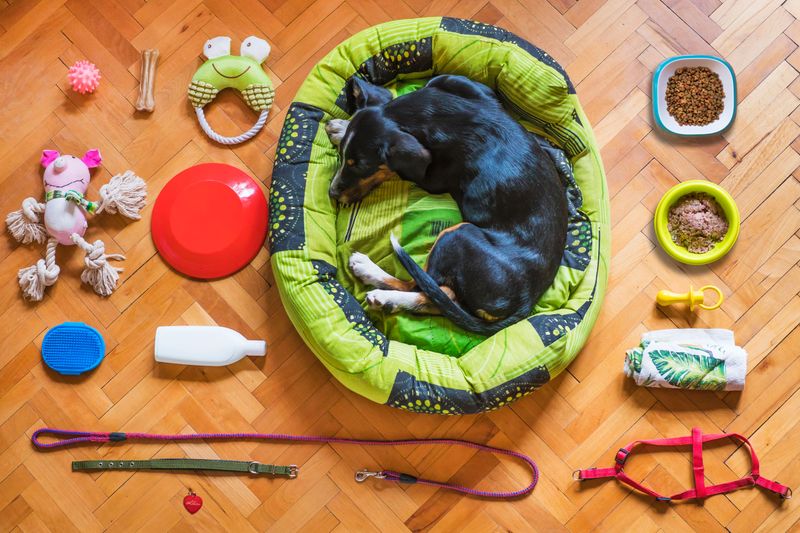
Aim to keep several days to two weeks of essential supplies ready, depending on your household needs and available storage space.
Include sealed food, bottled water, collapsible bowls, waste bags, towels, a spare leash, and any medications. Add a manual can opener if you feed wet food.
Toss in one familiar toy and an old shirt that smells like home. Comfort items do real work during long, noisy nights away.
Refresh food and medicine dates yearly.
Keep Your Dog’s ID and Microchip Information Current
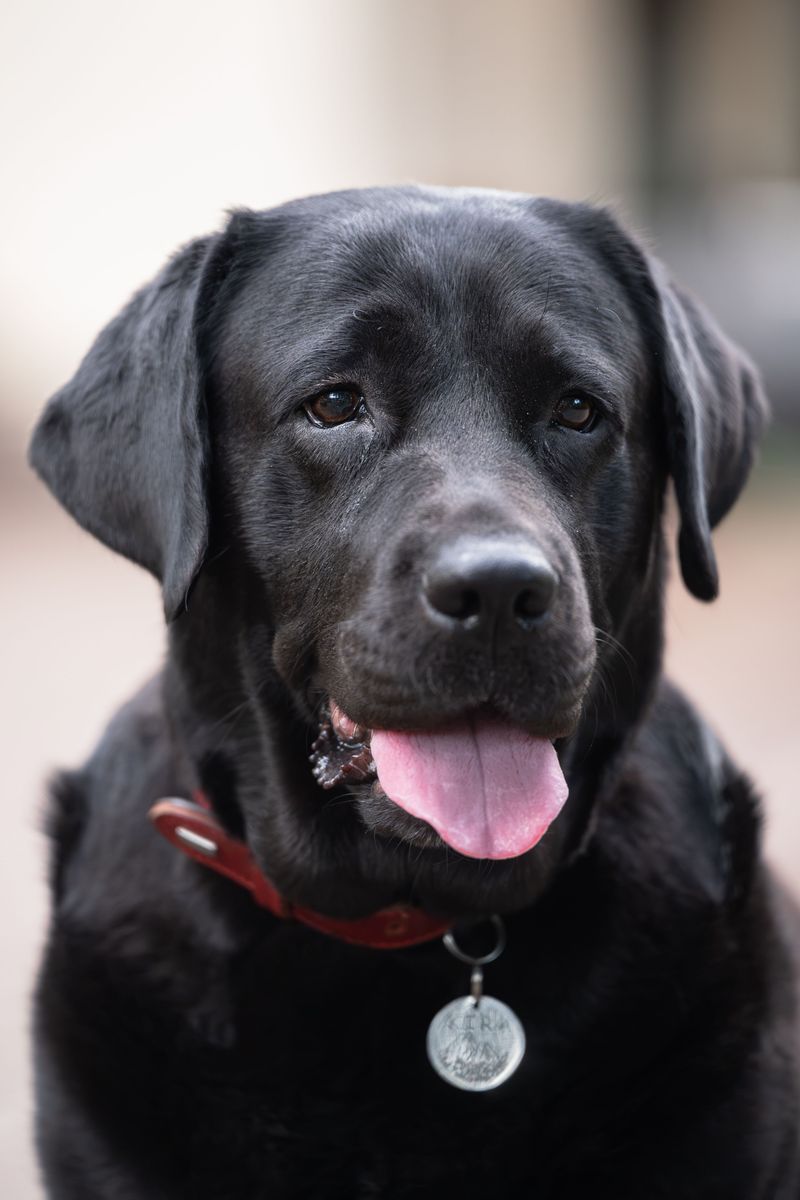
A microchip only helps if the registry has your current phone number.
Log into the chip company’s website and update your details before June. Add a second contact who lives outside Florida, since local lines get busy.
Pair the chip with a sturdy tag showing your cell number. Tags get read instantly; chips need a scanner.
Snap a fresh photo of your dog too, useful if you ever need to post flyers.
Gather Your Dog’s Medical Records
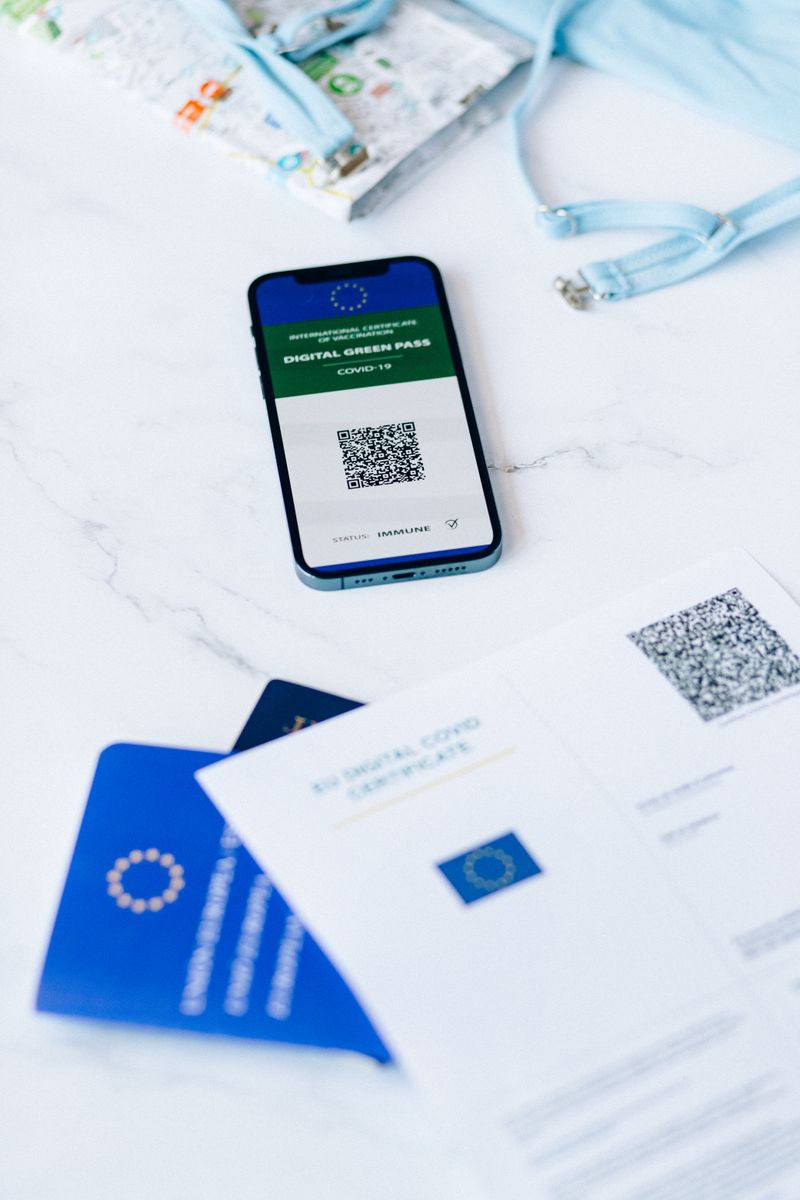
Most pet-friendly shelters and boarding facilities ask for proof of vaccinations, especially rabies.
Ask your veterinarian for a printed summary, then photograph every page and save it to your phone and cloud storage.
Include prescriptions, allergy notes, and your vet clinic’s phone number. Write your dog’s weight on the front, since dosing questions come up.
Slide paper copies into a zip-top bag inside the kit. Water finds everything during storms.
Prepare a Secure Carrier, Leash, and Harness
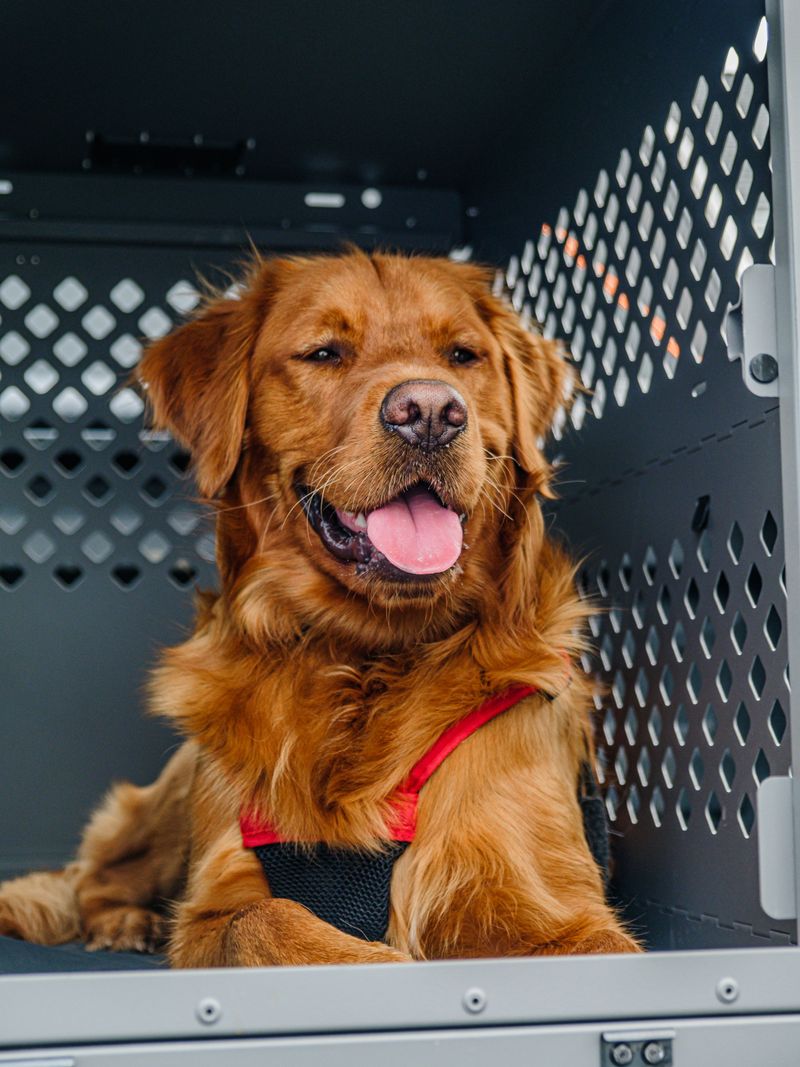
Shelters and hotels often require a crate, so measure your dog before buying one.
Choose a carrier tall enough for standing and long enough for lying flat. Label it with your name, number, and your dog’s name.
A well-fitted harness beats a collar alone, because startled dogs can slip backward out of collars.
Keep a spare leash in the car. Broken clips have a habit of failing at the worst moment.
Make Car Travel Safer for Your Dog
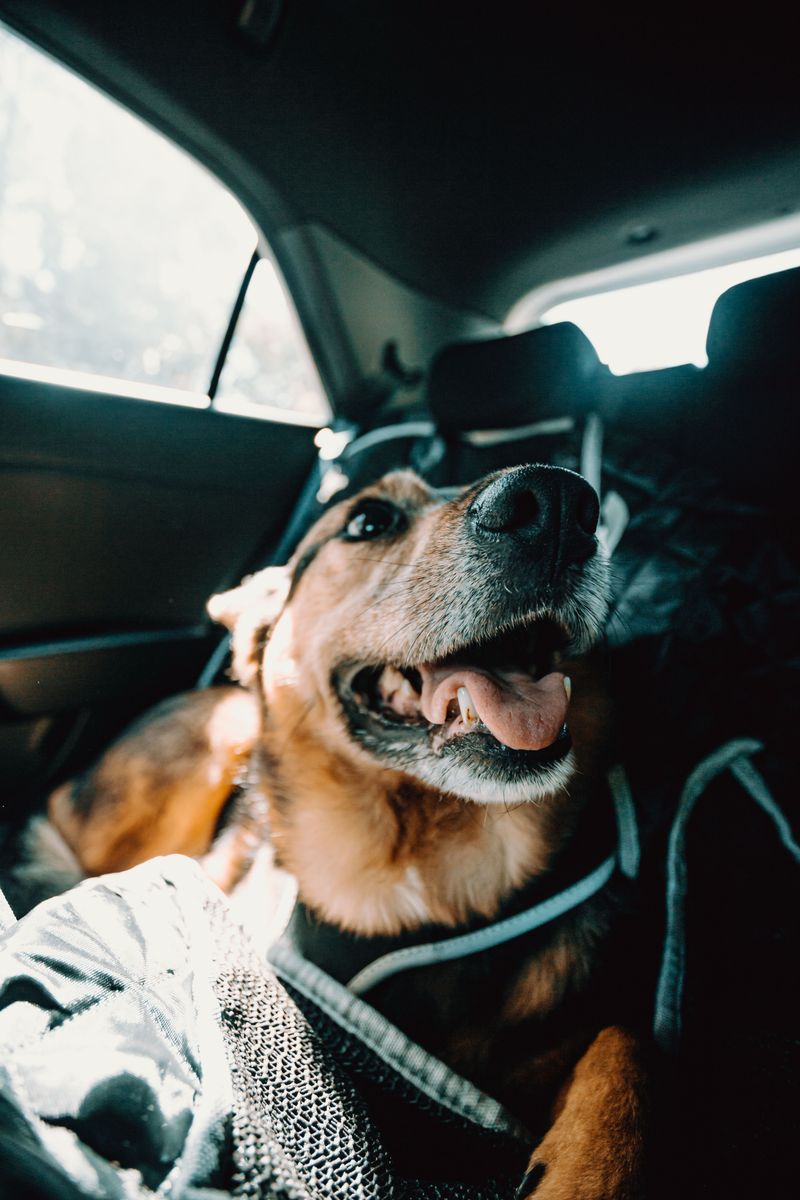
Loose dogs distract drivers, and evacuation traffic demands full attention.
Secure your dog in a crash-tested harness attached to the seat belt, or in a crate anchored in the cargo area. Back seats are safer than front seats.
Run the air conditioning generously and offer small sips of water at stops. Never leave your dog alone in a parked car.
Shade the windows if the sun beats in during slow crawls.
Practice Leaving Before a Storm Arrives
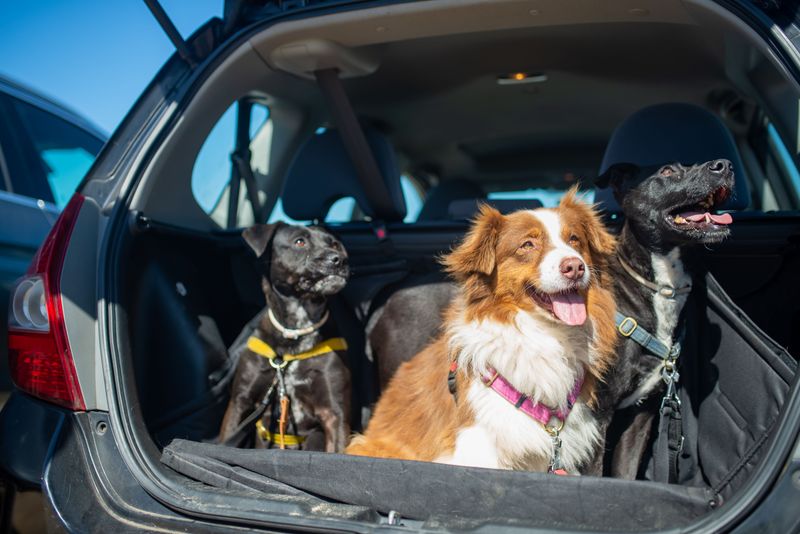
Here’s a trick experienced owners swear by: run a dry rehearsal on a calm weekend.
Load the kit, clip the harness, buckle the crate, and drive twenty minutes. You will spot gaps immediately, like a bowl you forgot or a crate that does not fit.
Dogs learn from repetition, so the routine starts to feel ordinary instead of alarming.
Time yourself, then aim to shave ten minutes off.
Check Pet-Friendly Hotel Policies Ahead of Time

Pet policies differ wildly between properties, even within the same chain.
Call and ask about weight limits, breed restrictions, fees, and whether dogs may stay alone in rooms. Get the answer noted with a confirmation number.
Some hotels temporarily relax rules during declared emergencies, though that is never guaranteed. Booking early protects you either way.
Keep a short list of three properties per destination city, with direct phone numbers saved.
Find Veterinarians Near Your Evacuation Destination
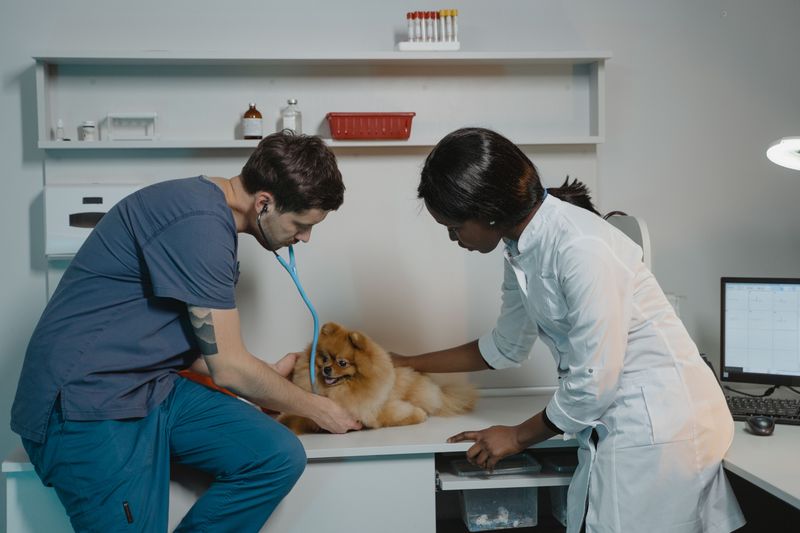
Unfamiliar surroundings sometimes lead to upset stomachs, cut paws, or medication refill needs.
Before you leave, search for two clinics near your destination and one emergency hospital open overnight. Save addresses offline in your phone notes.
Include your regular vet’s number so records can be shared quickly by phone or email.
Ask your vet whether they can call in a prescription out of area. Policies vary by clinic and state rules.
Choose a Backup Caregiver for Your Dog
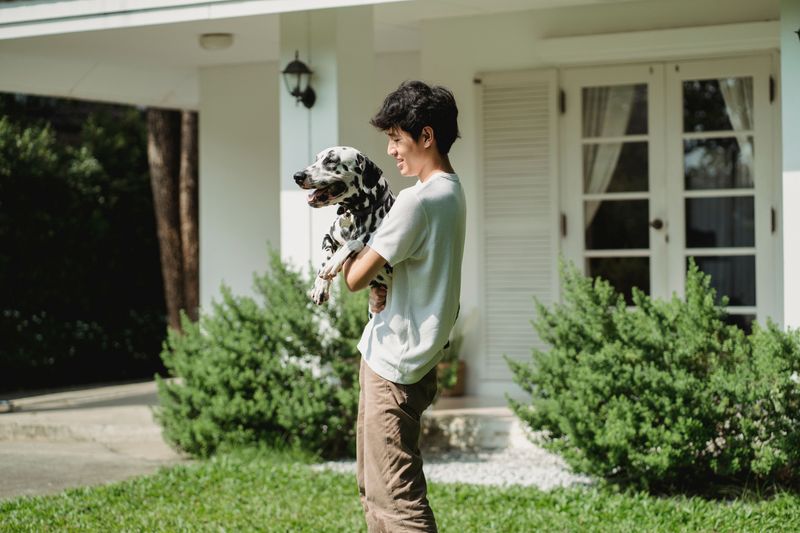
Sometimes work, travel, or a medical issue keeps you from getting home before roads close.
Pick a trusted neighbor or friend willing to take your dog, and give them a key, the kit location, and written permission for vet care.
Introduce them to your dog now, not during a crisis. Familiar faces reduce stress on both sides.
Swap phone numbers with a second contact as well, for redundancy.
Follow Florida Emergency Evacuation Orders
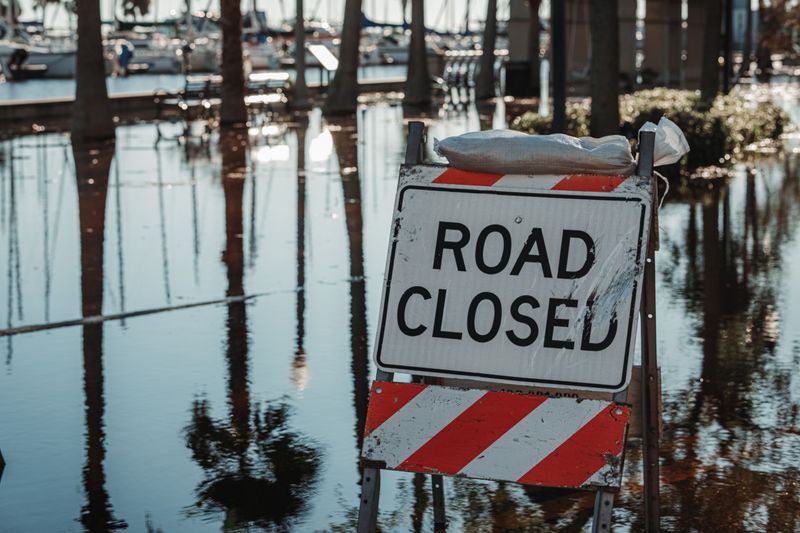
Evacuation orders are issued by local authorities and may be organized by evacuation zone, with counties using different terminology for evacuation levels.
If an evacuation is ordered, leave according to the instructions and timing provided by local officials. Leaving during the voluntary window gives you calmer roads and better hotel choices.
Sign up for your county’s alert texts and keep a battery radio handy.
Details differ between counties, so verify instructions with your local emergency management office.
Prepare for Power and Water Outages
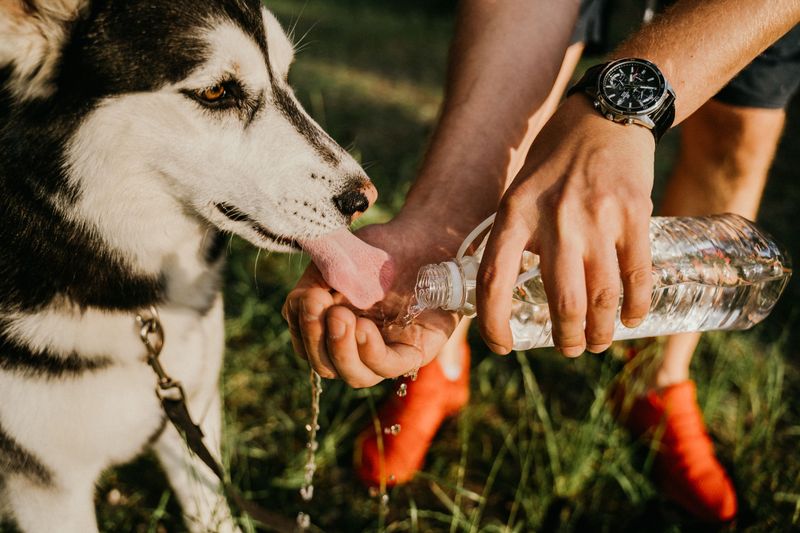
Outages can stretch for days, and heat becomes the bigger concern for dogs.
Store enough drinking water for your dog for several days, plus additional water for cleaning and other needs. Freeze water bottles ahead to keep food cool.
Battery fans, damp towels, and shaded floors help enormously without electricity.
Keep dry food in airtight containers away from moisture. Humidity spoils kibble faster than most people expect.
Create a Safe Indoor Space During the Storm
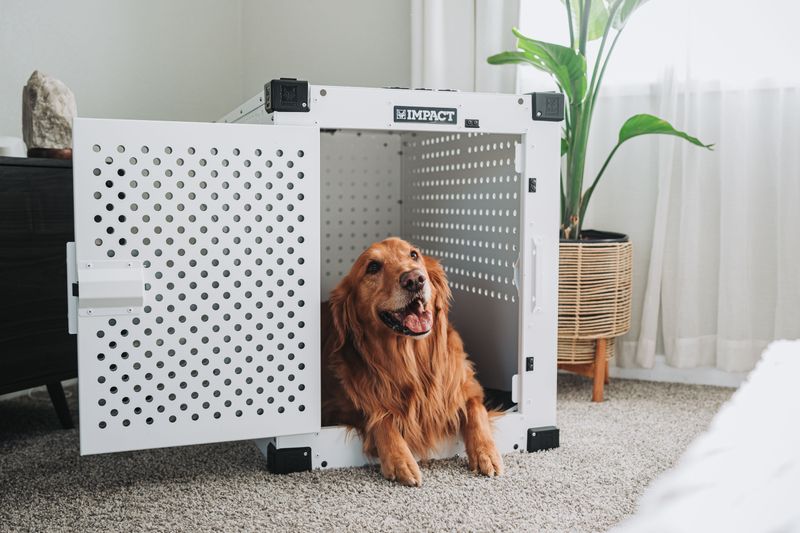
If you shelter in place, pick an interior room without windows, like a hallway, closet, or bathroom.
Set up the crate there with familiar bedding, water, and a chew toy. Bring puppy pads, since going outside may not be possible for a while.
Close interior doors so a startled dog cannot bolt toward exterior ones.
Keep the leash on a hook in that room, always within arm’s reach.
Keep Your Dog Calm During Hurricane Noise

Wind and rain create constant low rumbling that many dogs find unsettling.
Mask it with a white noise machine, a fan, or soft music. Sit nearby and stay relaxed, since dogs read your body language closely.
Snuffle mats and frozen treats give anxious pups something better to focus on.
Ask your veterinarian before the season about calming options if your dog struggles. Only use products your vet approves.
Never Leave Your Dog Behind During an Evacuation
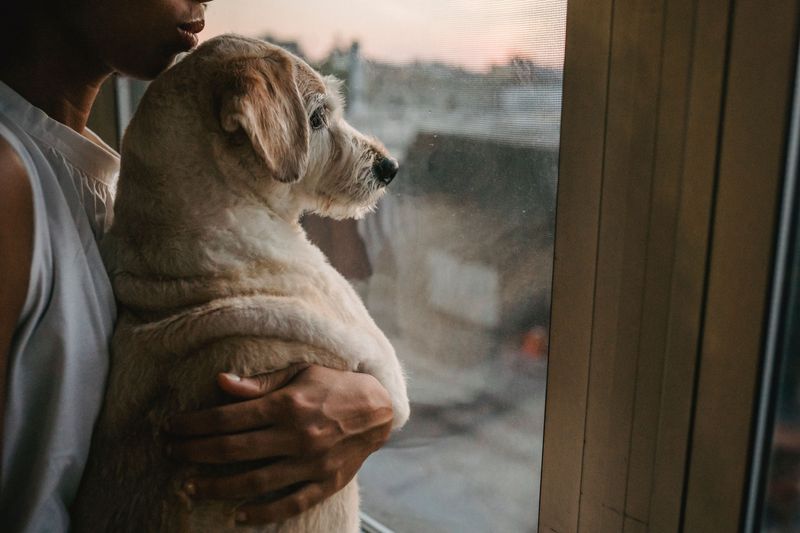
Florida rescuers repeat one message every season: pets go with you.
Homes that feel sturdy can lose power, flood, or become unreachable for days. Leaving a dog behind also means responders may not get to the address in time.
Leaving a pet behind during an evacuation can create serious safety and legal concerns, so check current Florida law and local emergency guidance if you are unsure what is required.
Plan around your dog from the start, and the choice never arises.
Review Your Dog’s Evacuation Plan Every Hurricane Season

Hurricane season officially runs June through November, which makes late May a natural reset point.
Rotate food and water, replace expired medications, retest the crate fit, and confirm your microchip registration.
Update phone numbers for your vet, caregiver, and hotels, since those change quietly over time.
Twenty minutes once a year keeps everything current.
Prepared owners rarely panic, and calm owners raise calmer dogs. That is the whole goal here.