15 Common Mistakes New Dog Owners Make in Georgia
Bringing a dog home in Georgia is one of the most rewarding decisions you can make. But the Peach State comes with its own set of rules, risks, and quirks that every new owner should understand early on.
From the sweltering summer heat to local licensing laws and wildlife in the backyard, Georgia asks a little more from dog owners than some other states might. The good news is that most mistakes are easy to avoid once you know what to look for.
Whether you just adopted your first pup or recently moved to Georgia with a dog in tow, this guide walks you through the most common missteps new owners make. Think of it as a checklist from a knowledgeable neighbor who wants your dog to thrive.
Each point is practical, straightforward, and based on real guidance from veterinarians, animal control professionals, and Georgia state law. By the end, you will feel more prepared, more confident, and ready to give your dog the safe and happy life it deserves right here in Georgia.
1. Skipping Georgia’s Rabies Vaccination Requirements
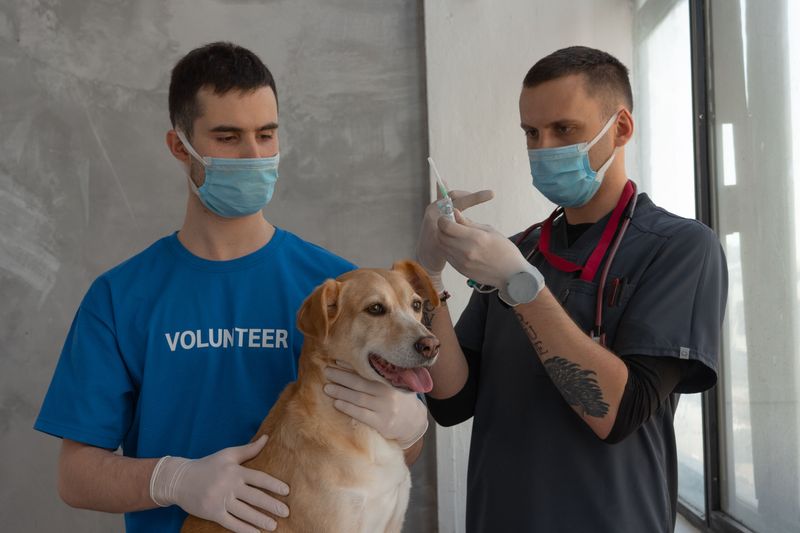
Georgia law requires all dogs to be vaccinated against rabies. This is not optional.
Under Georgia Code Title 31, dogs must receive their first rabies vaccine by four months of age. After that, boosters are required on a schedule set by your vet and the vaccine manufacturer.
Skipping this puts your dog at legal risk and genuine health risk. Local animal control officers can issue citations.
If your unvaccinated dog bites someone, the situation becomes much more complicated. Keep the certificate your vet provides and store it somewhere easy to find.
2. Forgetting to Register or License a Dog Locally
Many new Georgia dog owners focus on vet visits and forget about local licensing. Most Georgia counties and cities require dogs to be licensed annually.
Requirements vary by jurisdiction, so check with your county animal control office directly.
Licensing usually requires proof of a current rabies vaccine. The fee is typically low, and the tag helps reunite lost dogs with owners.
An unlicensed dog can result in fines. Registering early keeps you compliant and gives your dog an extra layer of identification protection.
3. Underestimating Georgia’s Summer Heat
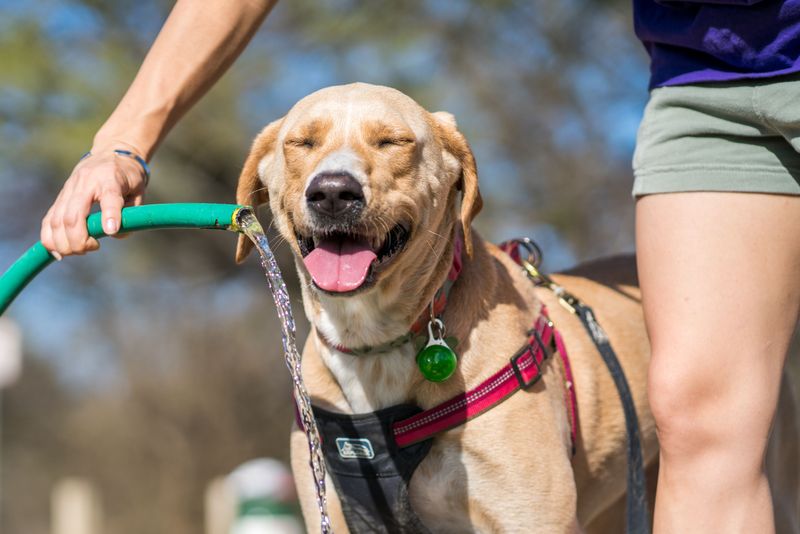
Georgia summers are intense. Temperatures regularly climb above 90 degrees Fahrenheit, and humidity makes it feel even hotter.
Dogs regulate heat through panting, which is far less efficient than sweating. Breeds with flat faces, thick coats, or senior dogs face even greater risk.
Walks should happen early in the morning or after sunset during summer months. Pavement can burn paw pads if it is too hot to hold your hand on for five seconds.
Always carry water and watch for signs of overheating, including heavy panting and stumbling.
4. Leaving a Dog in a Hot Car
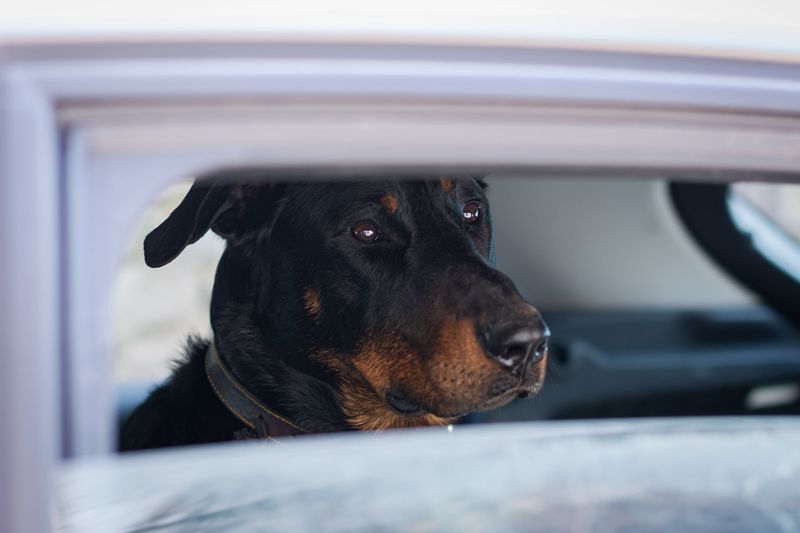
On a hot Georgia day, the temperature inside a parked car can rise dangerously fast, putting a dog at serious risk of heatstroke. Dogs left in hot cars can suffer heatstroke rapidly, and heatstroke can be fatal.
Georgia law provides protections for animals left in vehicles under dangerous conditions, with specific circumstances governing when intervention is permitted.
There is no safe window of time to leave a dog in a parked car on a warm day. Even with windows cracked, temperatures rise dangerously fast.
If your dog cannot come with you, leave it home with water, shade, and airflow.
5. Ignoring Fleas, Ticks, and Other Parasites
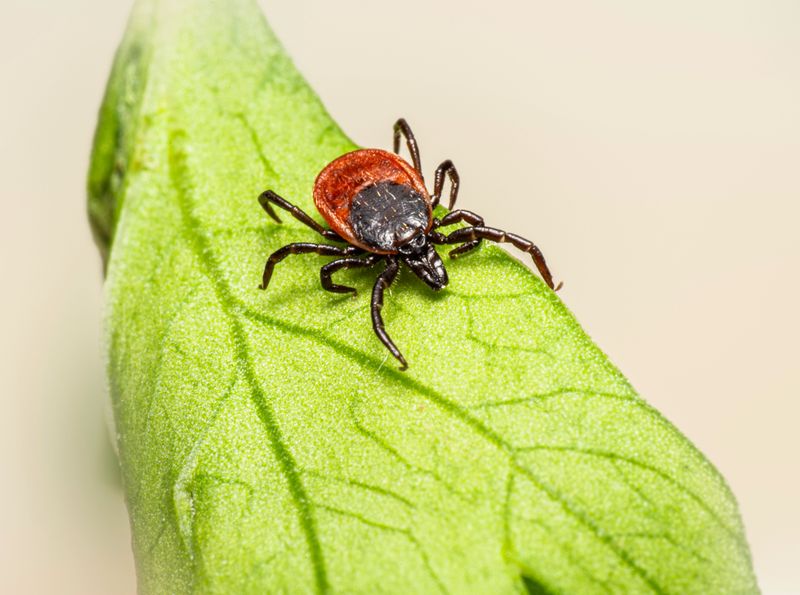
Georgia’s warm climate means fleas and ticks are active nearly year-round. Fleas cause skin irritation and can transmit tapeworms.
Ticks in Georgia carry diseases including Rocky Mountain spotted fever and ehrlichiosis, both of which affect dogs and humans.
Year-round parasite prevention is strongly recommended by most Georgia veterinarians. Options include topical treatments, oral medications, and collars.
Ask your vet which product suits your dog’s size, lifestyle, and health. Check your dog thoroughly after outdoor time, especially around the ears, belly, and between the toes.
6. Letting a New Dog Roam Without a Leash
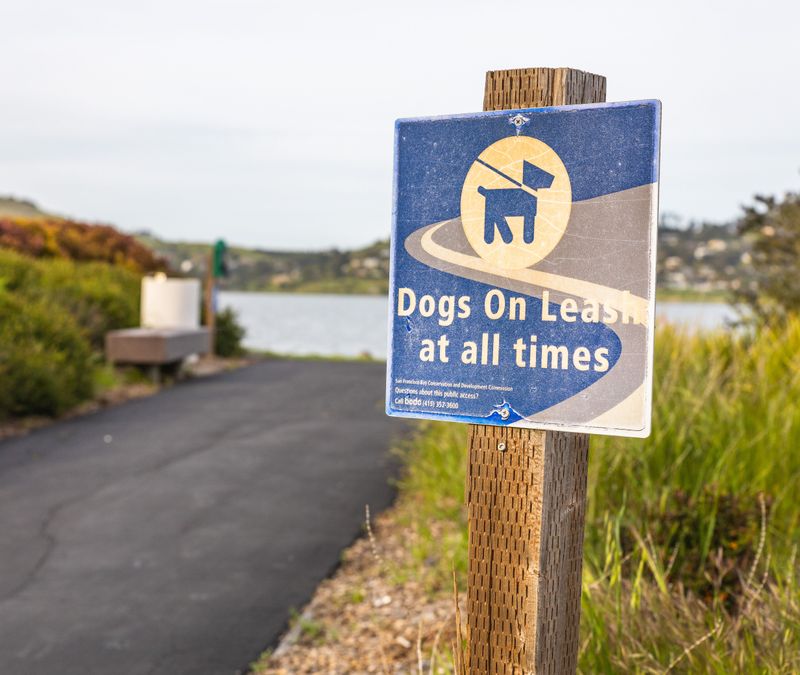
A new dog does not yet know your neighborhood, your voice commands, or what dangers exist nearby. Letting it off-leash before a solid recall is trained is a gamble that rarely ends well.
Georgia’s leash laws vary by county, but many areas require dogs to be leashed or confined at all times when off private property.
Even a dog with a calm temperament can bolt after a squirrel or another dog. Traffic, wildlife, and unfamiliar people all pose real risks.
Build trust and training first. Off-leash time is a reward earned through consistent, patient practice.
7. Waiting Too Long to Start Training
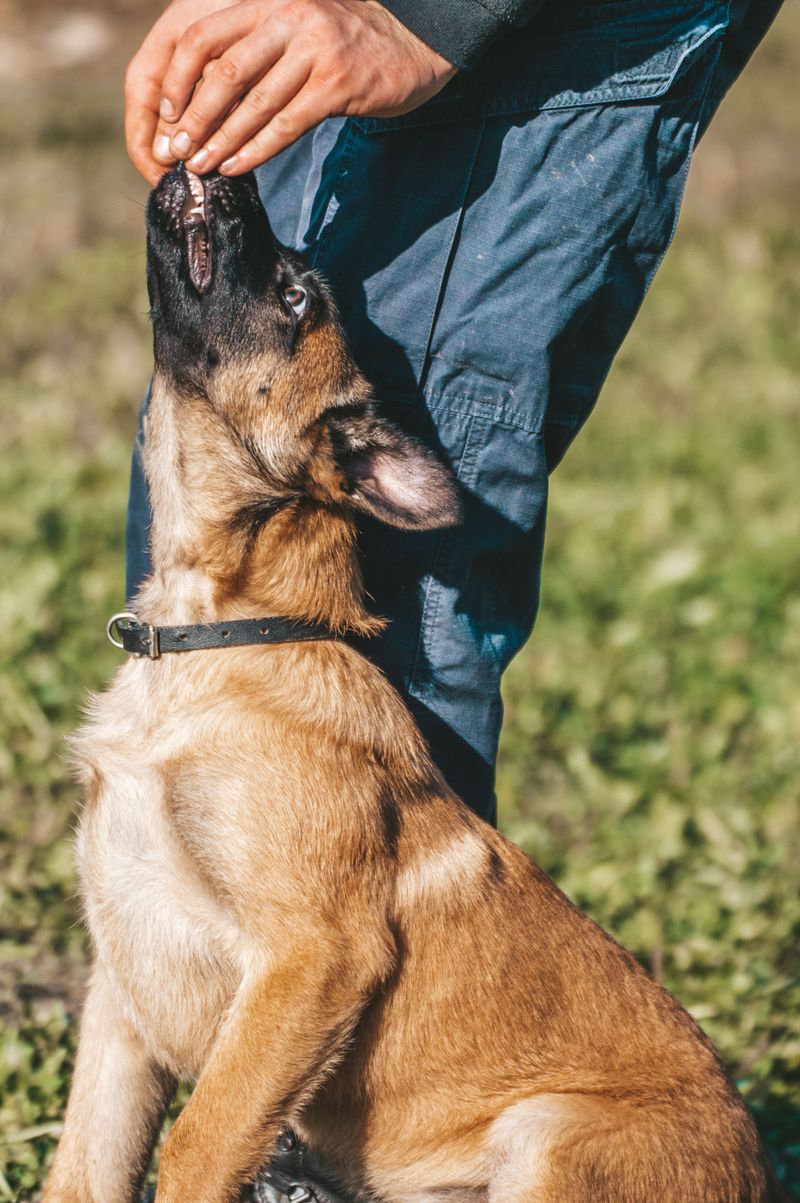
Puppies begin absorbing information from the moment they arrive home. Waiting until a dog is older to start training often means spending extra time undoing habits that have already formed.
Basic commands like sit, stay, and come are best introduced early and consistently.
Training is not just about obedience. It builds trust between you and your dog.
Positive reinforcement methods, using treats and praise, are widely recommended by professional trainers. Short sessions of five to ten minutes work better than long ones.
Starting early makes everything else easier down the road.
8. Assuming Every Dog Can Handle Georgia’s Outdoor Wildlife
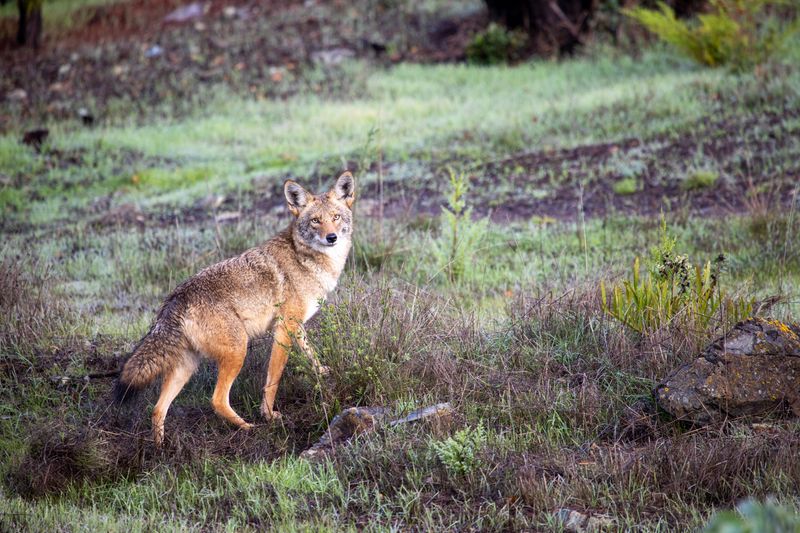
Georgia is home to six venomous snake species, including the copperhead and the eastern diamondback rattlesnake. Coyotes are common across the state, including suburban neighborhoods.
Snapping turtles, fire ants, and even alligators in southern Georgia are real outdoor hazards for curious dogs.
Keeping your dog on a leash on trails is one of the simplest ways to reduce risk. Teach a solid leave-it command so your dog does not investigate things on the ground.
If your dog is bitten by a snake, contact a vet immediately without waiting for symptoms to develop.
9. Leaving Standing Water Around the Yard
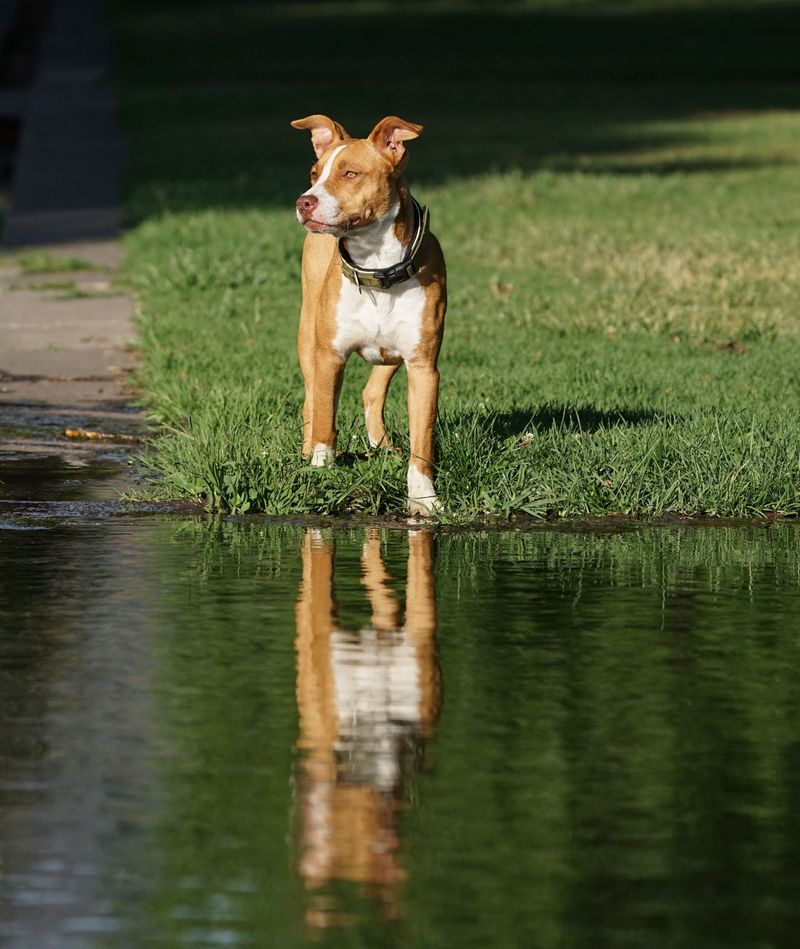
Standing water around the yard can attract mosquitoes, and mosquitoes can transmit heartworm disease to dogs. It can also harbor harmful bacteria like leptospira, which causes leptospirosis, a serious illness that affects both dogs and humans.
Empty buckets, birdbaths, plant trays, and low areas that collect rainwater regularly. Refresh your dog’s outdoor water bowl daily with clean, fresh water.
If your yard has a pond or drainage issues, talk to a pest control professional about safe, pet-friendly mosquito management. Prevention here is simple and genuinely effective.
10. Overlooking Heartworm Prevention
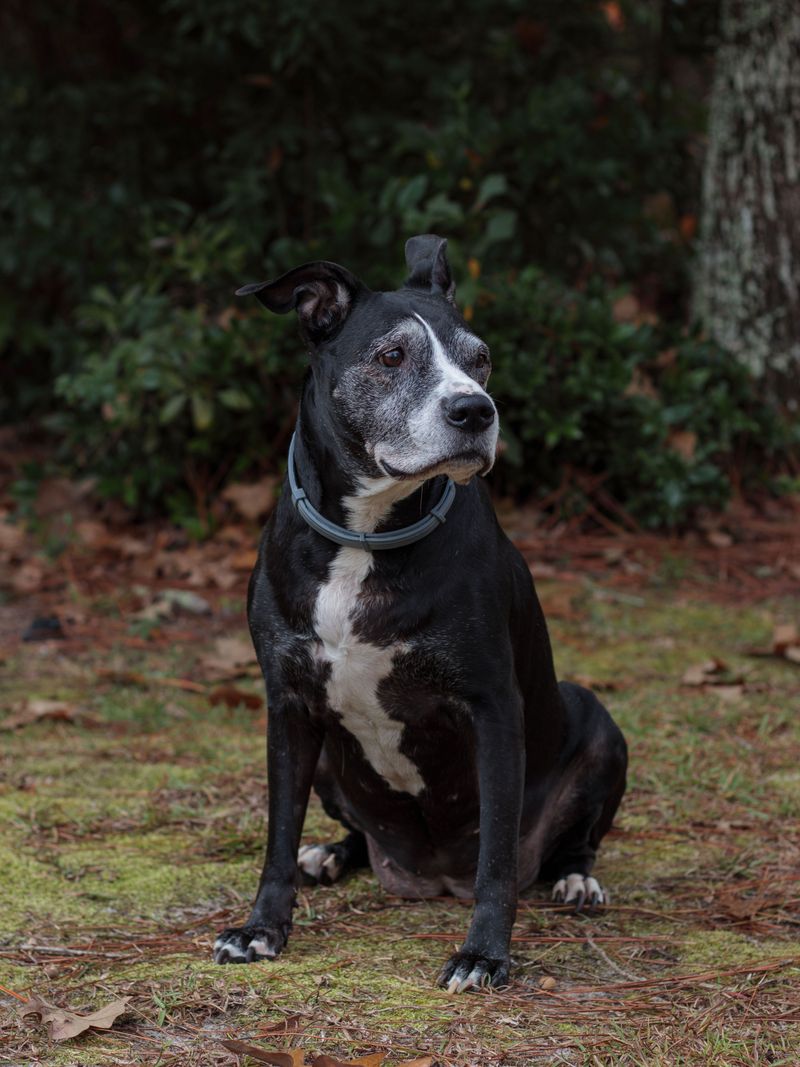
Heartworm disease is transmitted by mosquitoes and is well-documented throughout Georgia. The larvae develop into worms that live in the heart and lungs.
Treatment is expensive, lengthy, and hard on a dog’s body. Prevention, by contrast, is affordable and straightforward.
Monthly heartworm preventatives are available in chewable, topical, or injectable forms. Your vet will recommend testing before starting prevention if your dog’s history is unknown.
The American Heartworm Society advises year-round prevention in the southeastern United States. Georgia’s mosquito season is long, making consistent prevention especially important here.
11. Feeding Too Many Treats and Table Scraps
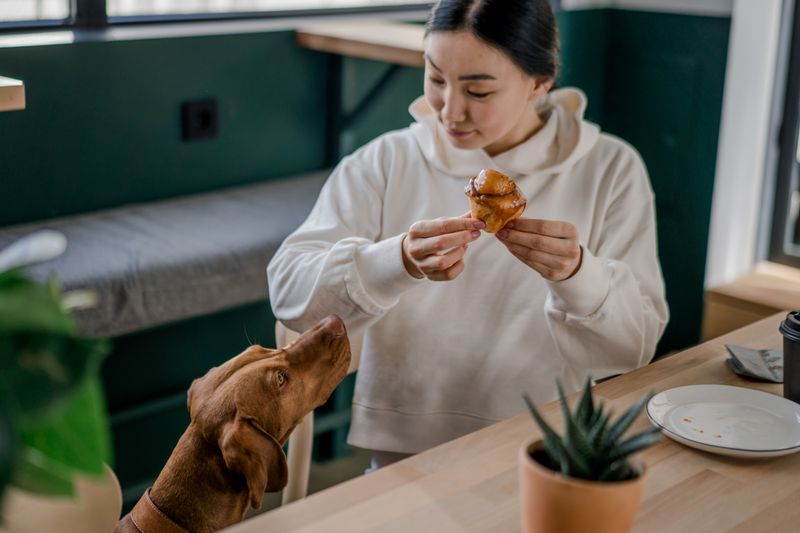
Treats are useful training tools, but overfeeding them leads to weight gain quickly. Many table scraps are harmful to dogs.
Onions, grapes, raisins, and xylitol, a sweetener found in many products, are toxic. Fatty foods can trigger pancreatitis, a painful and sometimes serious condition.
Treats should make up no more than ten percent of a dog’s daily calories, according to most veterinary guidelines. Stick to dog-safe options and measure portions.
If your dog is gaining weight, ask your vet about an appropriate feeding plan. A healthy weight protects joints, heart health, and energy levels.
12. Skipping Routine Veterinary Checkups
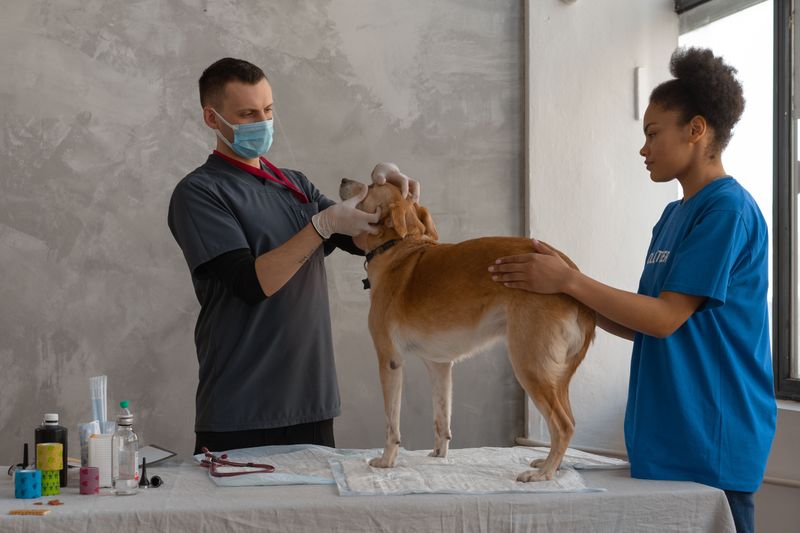
Annual wellness exams catch problems before they become serious. Dental disease, ear infections, skin conditions, and early organ changes often show no obvious symptoms at home.
A vet can spot these during a routine visit and recommend early treatment.
New dog owners sometimes skip checkups because their dog seems healthy. Preventive care is almost always less expensive than treating an advanced condition.
In Georgia, annual visits also keep vaccination and parasite prevention records current. Building a relationship with a local vet early means faster, more informed care when something unexpected comes up.
13. Not Preparing for Storms and Severe Weather
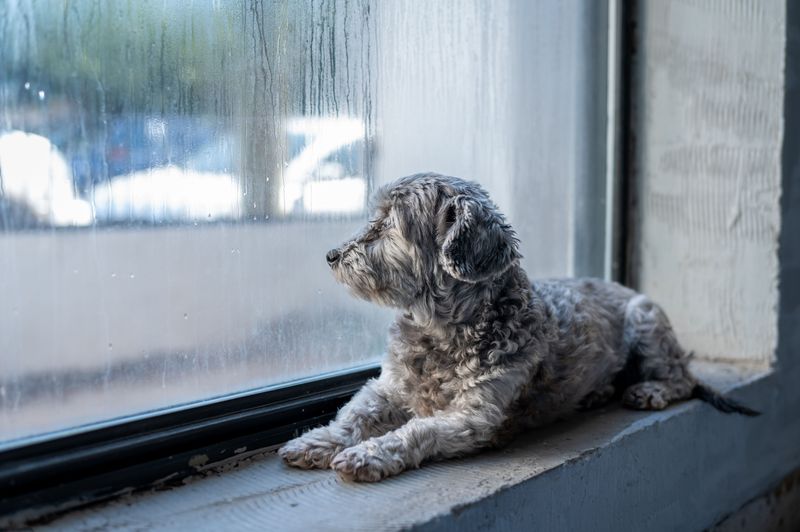
Georgia experiences thunderstorms, tornadoes, and occasional tropical weather, especially in coastal and southern areas. Many dogs are frightened by thunder and lightning.
An anxious dog may bolt, hide, or become destructive. Having a plan matters before a storm arrives, not during it.
Keep a pet emergency kit ready with food, water, medications, and your dog’s documents. Know which local shelters accept pets.
If your dog has severe storm anxiety, talk to your vet about calming strategies. Microchipping is especially valuable because storms are one of the most common reasons dogs go missing.
14. Failing to Give Dogs Enough Exercise and Mental Stimulation
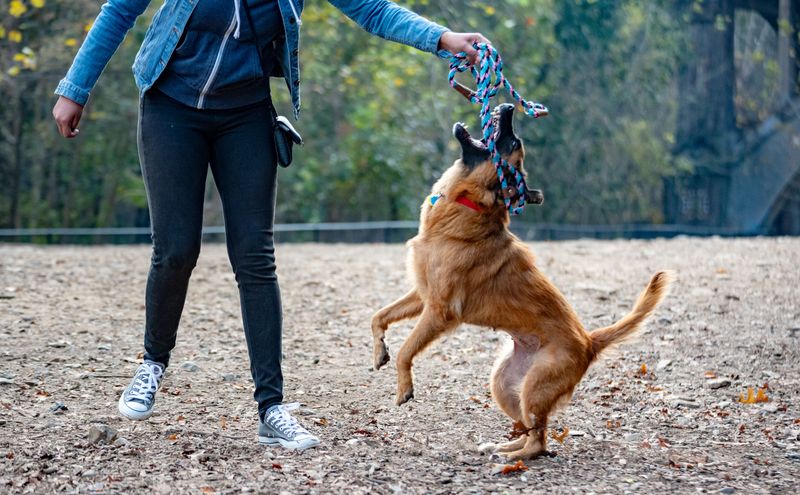
Boredom is one of the leading causes of destructive behavior in dogs. Chewing furniture, excessive barking, and digging are often signs of a dog that needs more activity.
Georgia offers excellent parks, trails, and dog-friendly spaces that make regular exercise very accessible.
Physical exercise alone is not always enough. Mental stimulation through puzzle feeders, training sessions, and nose work helps keep dogs calm and satisfied.
The amount of exercise a dog needs depends on breed, age, and health. Your vet or a certified trainer can help you design a routine that fits your dog’s needs.
15. Assuming Your Dog Will Automatically Adjust to a New Home
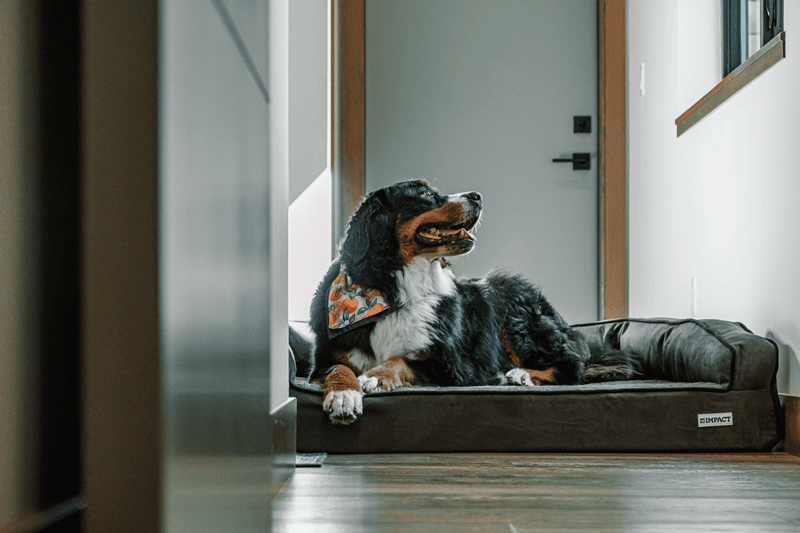
The adjustment period for a newly adopted dog is real and often longer than owners expect. Rescue organizations frequently reference a three-three-three framework: three days to decompress, three weeks to learn routines, and three months to feel truly at home.
Rushing this process creates stress for everyone.
Give your dog a quiet space it can retreat to. Keep early introductions to new people and pets calm and brief.
Stick to a consistent daily routine for feeding, walks, and sleep. Patience in the first weeks builds a foundation of trust that shapes your dog’s behavior for years to come.