20 Pennsylvania Dog Records New Owners Should Organize Before Moving Counties

Moving to a new Pennsylvania county is exciting, and your dog is coming along for the adventure. Before the boxes pile up, it helps to gather your dog’s paperwork in one safe place.
Good records keep your pup legal, healthy, and easy to identify in a new neighborhood. Think of this list as a friendly checklist to make the move smooth for both of you.
1. Your Current Dog License Details

Every dog in Pennsylvania aged three months or older must be licensed. That small tag on the collar matters more than many owners realize.
Find your license certificate and write down the registration number and expiration date. Annual licenses run from January 1 to December 31.
State law allows fines for unlicensed dogs, so keep this paper handy. Snap a photo with your phone, too.
A digital copy is easy to share with a new county office.
2. The County License Transfer Paperwork

Good news first: your dog’s license stays valid when you cross county lines. You just need to update where it lives on record.
Many counties ask you to send a transfer application to the treasurer who issued the original license. A small fee, often about one dollar, may apply.
Keep confirmation from both your former and new county treasurers. Steps can differ by county, so call ahead and ask what they need.
3. Lifetime License Proof, If You Have One

Some owners picked a lifetime license and never think about renewal again. Lucky them, but the paperwork still counts.
In Pennsylvania, lifetime licenses are available for dogs with permanent identification, such as a microchip or tattoo. Fees differ for seniors and people with disabilities, so check current pricing with your county.
Store the lifetime license record with your other key papers. Your new county may want to see it when you update your address.
4. Microchip Numbers and Registry Contacts
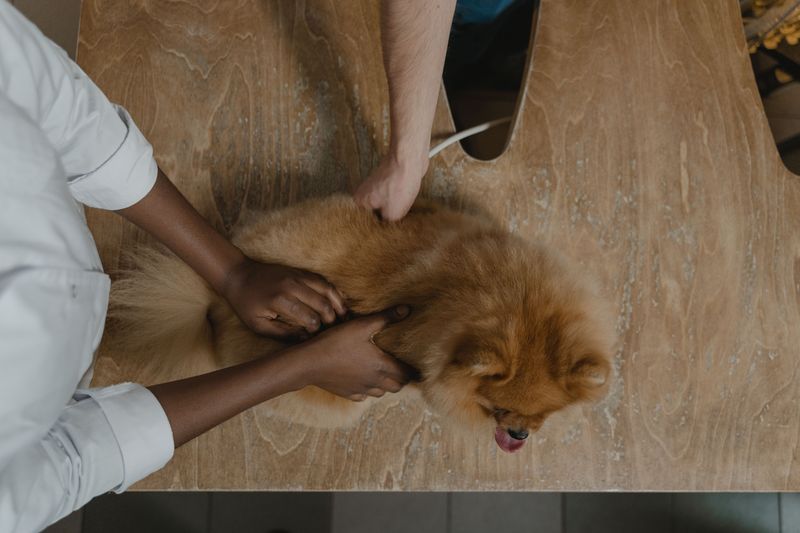
A microchip is only as helpful as the contact details linked to it. An old phone number cannot bring a wandering dog home.
Write down your dog’s microchip number and the name of the registry company. Add the registry’s website and phone number to your list.
Once you have your new address, update your profile right away. Not sure which registry holds the chip?
Your vet can scan it and help you find out.
5. Permanent Identification Verification Forms

Here is a form many owners forget they signed. Pennsylvania uses a Permanent Identification Verification Form for lifetime licenses.
Both the owner and the person who implanted or scanned the microchip or tattoo sign it. That person is often a licensed veterinarian.
Keep the original or a clear copy in your moving folder. If questions ever come up about your dog’s lifetime license, this form helps answer them quickly and calmly.
6. Rabies Certificates and Tag Info
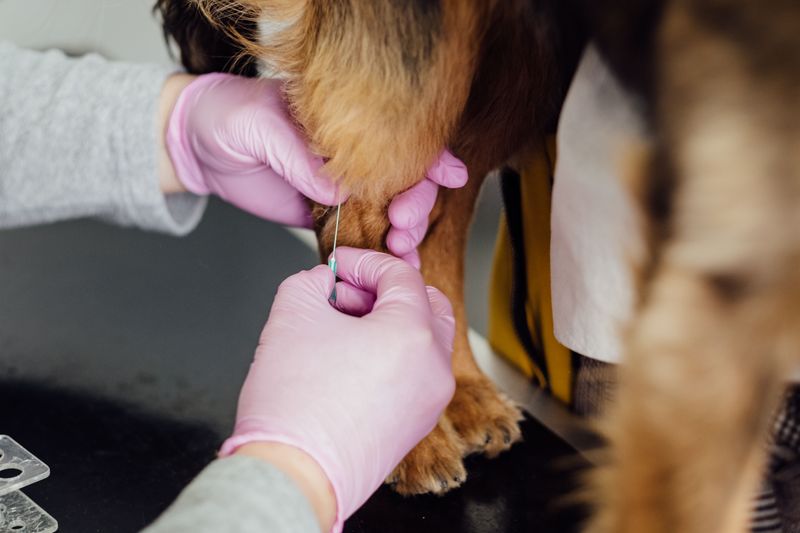
Rabies shots are not optional in Pennsylvania. Dogs three months and older must stay current on their vaccination.
Keep the signed rabies certificate from your vet. It shows the date, vaccine type, and when the next dose is due.
Your dog should also wear a rabies tag marked with the vaccination year. Boosters may be yearly or every three years, depending on the vaccine.
Ask your vet which schedule fits your dog.
7. Distemper, Parvo, and Bordetella Records
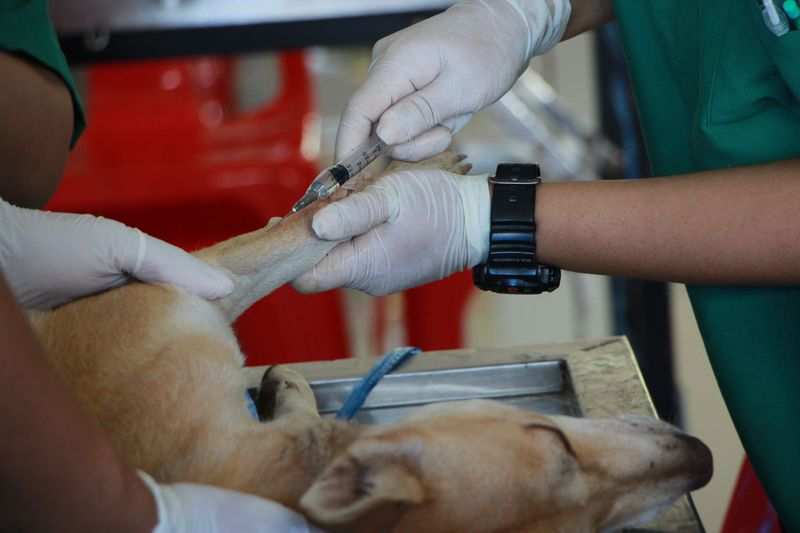
Picture this: you find a great groomer in your new town, then they ask for shot records. Having them ready saves a second trip.
State law does not require every vaccine, but vets often recommend distemper, parvovirus, and Bordetella. Many care businesses ask for proof of these.
Gather dates and due dates in one list. Your new vet will appreciate a tidy record when planning future boosters.
8. Spay or Neuter Certificates
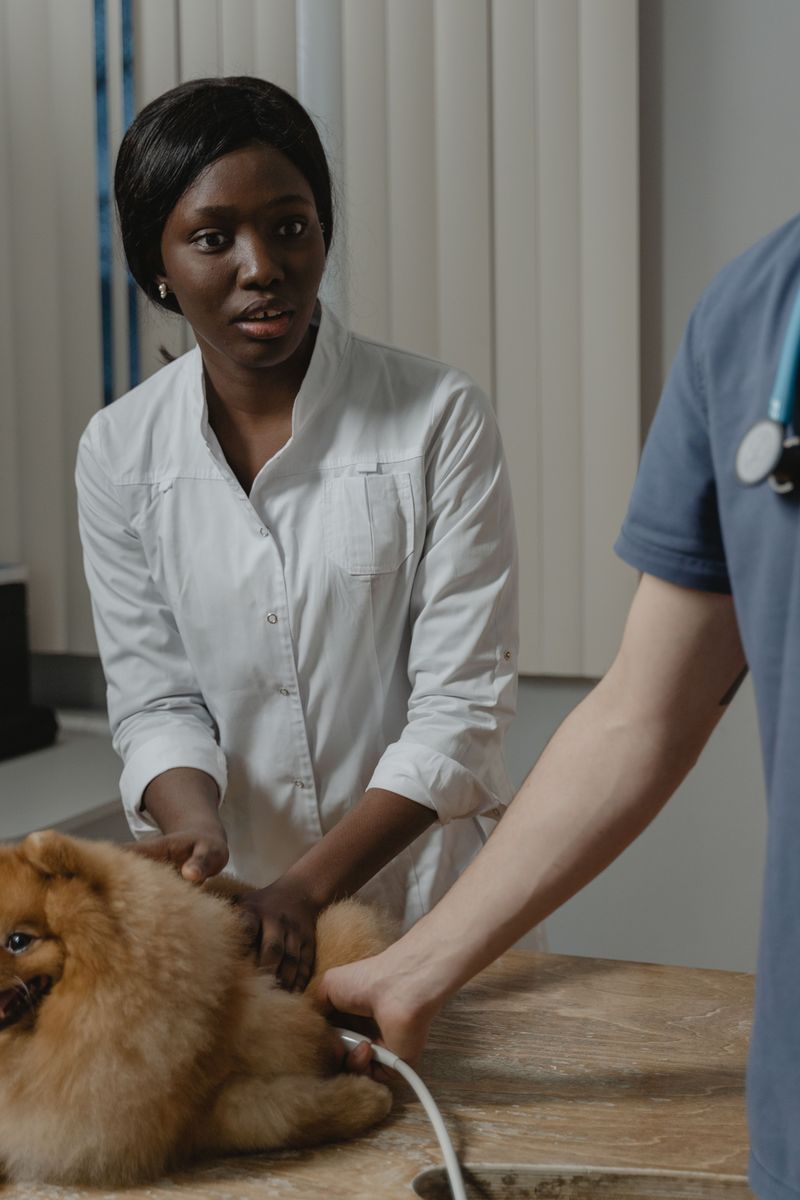
A small certificate can mean a smaller license bill. Pennsylvania offers lower license fees for spayed or neutered dogs.
Find the certificate from your vet or shelter. Some shelters include it with adoption papers, so check that folder first.
Keep it with your license documents. When you renew in your new county, the treasurer may ask for proof.
Having it ready helps you get the correct rate without delay.
9. Medical History and Recent Exams
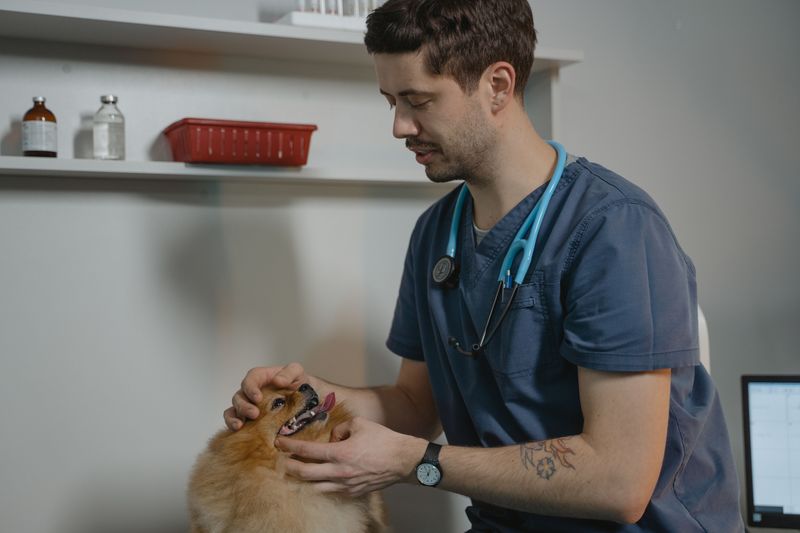
Your dog cannot explain past health troubles to a new vet. Their medical file does that job instead.
Ask your current clinic for a full copy of records, including recent exam notes and lab results. Most practices will send files directly to a new clinic on request.
Keep your own copy too. If your dog needs care before you choose a new vet, you will have everything ready to share.
10. Prescriptions and Pharmacy Details

Running out of medicine during a move is a real headache. A little planning keeps the routine steady.
List each medication, its dose, how often it is given, and the prescribing vet. Add your veterinary pharmacy’s name and phone number.
Ask about refills before moving day. Some online pharmacies ship anywhere, while local ones may need a new prescription.
Follow your vet’s instructions exactly and never adjust doses on your own.
11. Heartworm Tests and Prevention Logs
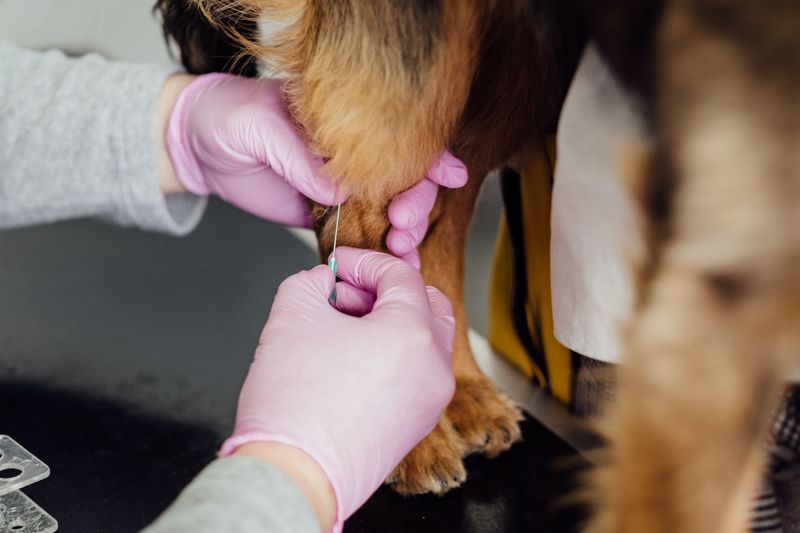
Mosquitoes live in every corner of Pennsylvania. That makes heartworm prevention a steady part of dog care here.
Gather your dog’s most recent heartworm test result and the dates of preventive doses. Note the product name your vet prescribed.
Your new vet uses this history to decide on testing and next steps. A simple calendar log works well.
Missed doses happen, so be honest and let the vet guide you.
12. Flea, Tick, and Deworming History
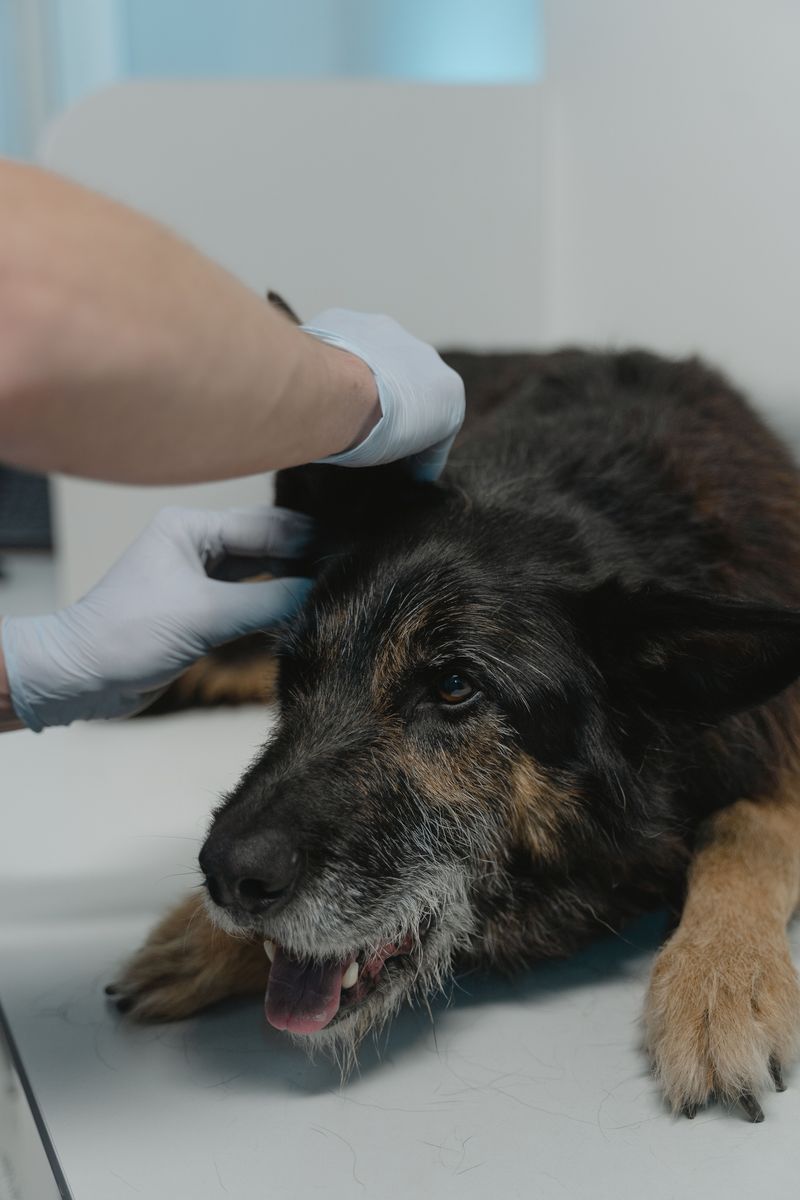
Ticks love Pennsylvania’s woods and tall grass. Moving near new trails can change your dog’s exposure.
Write down the flea and tick products you use and when you apply them. Include any deworming treatments and past parasite problems.
Your new vet can then suggest the best plan for your area. Did you know?
Many vets recommend tick prevention through cooler months, since some ticks stay active on mild days.
13. Adoption Papers or Proof of Ownership

Hopefully you never need these papers. Still, they are worth keeping close during a busy move.
Adoption certificates, purchase agreements, and breeder contracts all show your dog belongs to you. They help if you ever reclaim a lost dog from a shelter.
They can also settle ownership questions calmly. Keep originals in a waterproof folder.
Add a few clear photos of you with your dog for extra support.
14. Pet Insurance Policies
Insurance works best when the company knows where you live. A new address can even change your premium.
Keep a copy of your policy number, coverage details, and claims phone number. Log in and update your address and contact information after the move.
Ask whether your plan has rules about new vets. Some owners also look into liability coverage, so consider asking your home or renters insurer about dog-related protection.
15. New ID Tags With Updated Contact Info

Moving days are noisy and doors stay open. Curious dogs sometimes slip out to explore.
Order a new ID tag before you move, showing your new address and phone number. Many owners list just a phone number and town for privacy.
Keep the rabies and license tags on, too. A quick-read tag lets a kind neighbor call you fast, often before your dog even reaches a shelter.
16. Lease Agreements and Pet Addendums

Renting? Then your landlord’s approval is part of your dog’s paperwork, too.
Read the new lease closely for pet rules, including breed, size, weight, or number limits. Get approval in writing, ideally through a signed pet addendum.
Keep copies of any pet deposits or fees paid. Assistance animals follow different fair housing rules.
If that applies, ask your landlord or a housing office about the process.
17. HOA Pet Registration Records
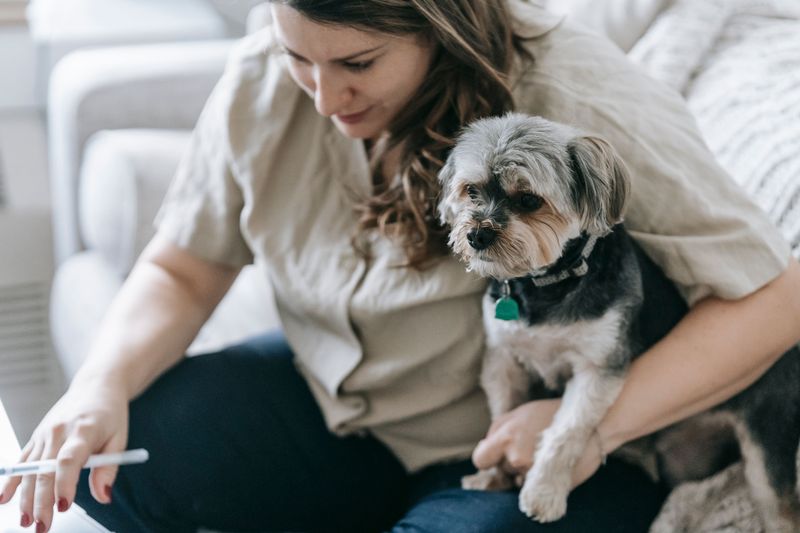
Some neighborhoods have rules that reach right down to the dog leash. Homeowners associations often fall into that group.
Check your new HOA’s governing documents for pet policies. Some limit the number, size, or breed of pets, and some require registration.
If registration is needed, save the confirmation and any license or vaccine proof you submitted. Every HOA is different, so ask the management office directly when unsure.
18. Boarding, Grooming, and Daycare Files

Dogs who love daycare will want new buddies quickly. Paperwork is the ticket in.
Collect enrollment forms, temperament notes, and vaccine proof from your current providers. Many facilities ask for rabies, distemper, and Bordetella records.
Some also want a recent fecal test or flea prevention proof. Requirements vary by business, so call new providers early.
Having files ready can get your pup booked before your first workday.
19. Dangerous Dog Registration and Compliance
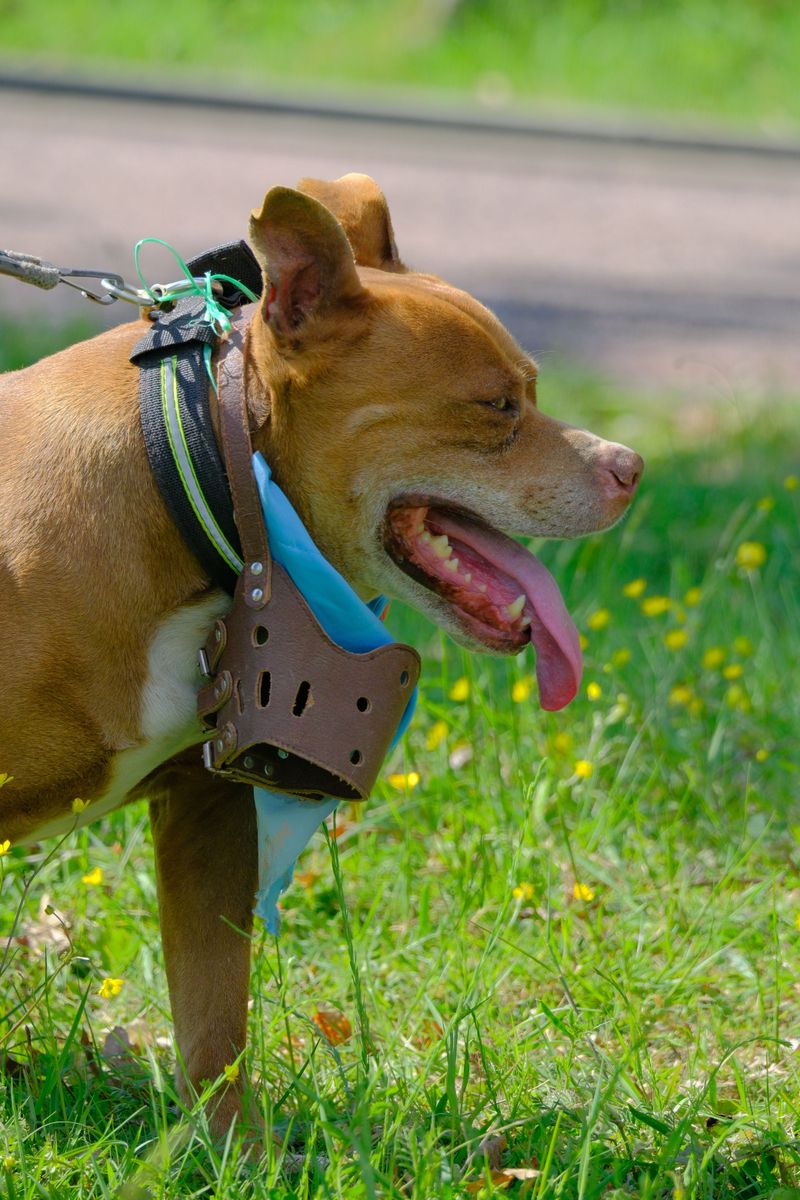
This item applies to only a small number of owners. If it fits your situation, careful records are essential.
Pennsylvania requires annual registration for dogs legally declared dangerous, along with a registration fee. Rules include secure confinement, warning signs, leash and muzzle use outside the enclosure, spaying or neutering, and microchipping.
Owners must also carry liability insurance of at least $50,000. Contact the state Department of Agriculture before moving.
20. Emergency Contacts and Care Authorizations

Nobody plans for surprises, but a simple sheet makes them easier. Calm comes from being ready.
Look up a regular vet and a 24-hour emergency clinic in your new county. Post both numbers on your fridge and save them in your phone.
Update pet sitter notes with feeding, medicine, and local contacts. A signed treatment authorization lets your sitter approve care if you cannot be reached.