15 Everyday North Carolina Dog Routines That Change Between The Mountains, Piedmont, And Coast
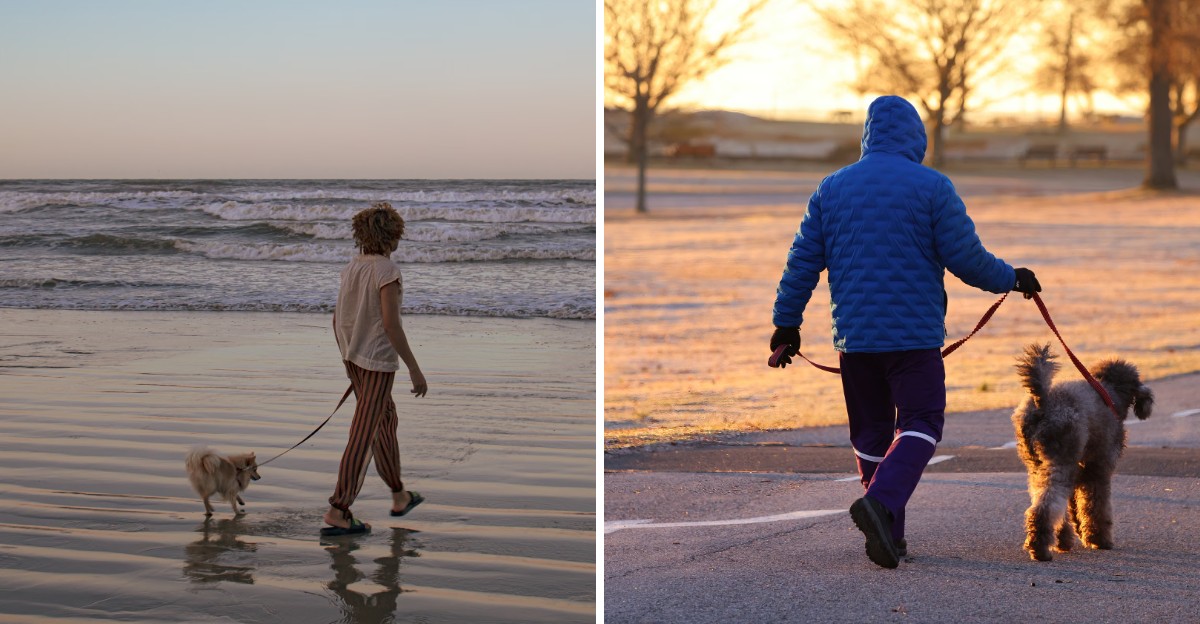
Your dog’s daily walk can look surprisingly different across North Carolina, even when the leash and walking buddy stay the same. Mountain hills, Piedmont neighborhoods, and coastal humidity each call for small changes in your plans.
Knowing what to adjust helps you choose comfortable routes, pack useful supplies, and handle changing weather. Whether you’re settling into a new town or visiting another region, these everyday habits offer a practical starting point.
1. Allow More Time for Mountain Walks
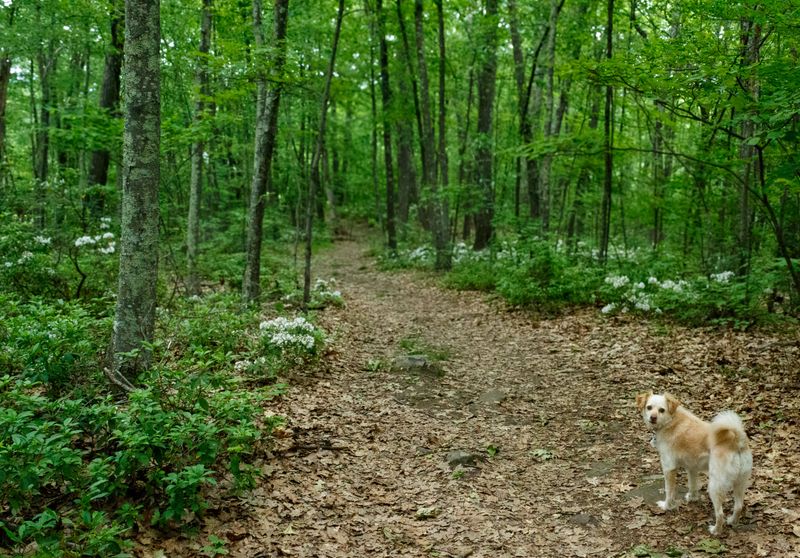
A mile uphill can ask more of your dog than a longer walk on level ground. Mountain trails often include roots, loose stones, and stretches that require slower footing.
Start with short outings, especially after arriving from lower elevations. Let your dog’s breathing, comfort, and willingness to continue guide the pace.
Carry water, plan turnaround points, and leave time for breaks. Ask your veterinarian about suitable exercise if your dog has heart, breathing, or joint concerns.
2. Build Piedmont Walks Around Neighborhood Greenways
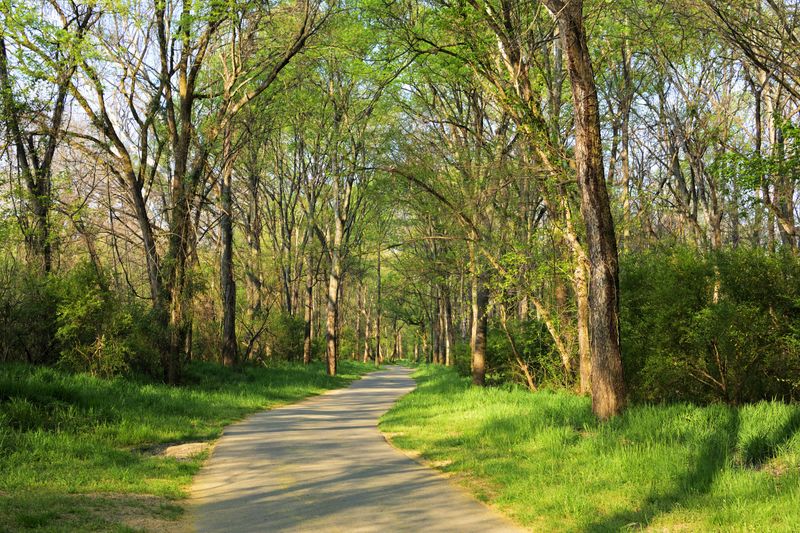
A paved path can make weekday exercise wonderfully simple. Across the Piedmont, many neighborhoods connect with greenways, parks, or sidewalks, though access varies by community.
Check posted pet rules before starting, and keep the leash short enough to avoid blocking passing traffic. Step aside for cyclists and runners when needed.
Choose a route with shade and easy exits. Carry waste bags, and use designated bins rather than leaving filled bags beside the trail for later collection.
3. Shift Coastal Walks Around Heat and Humidity
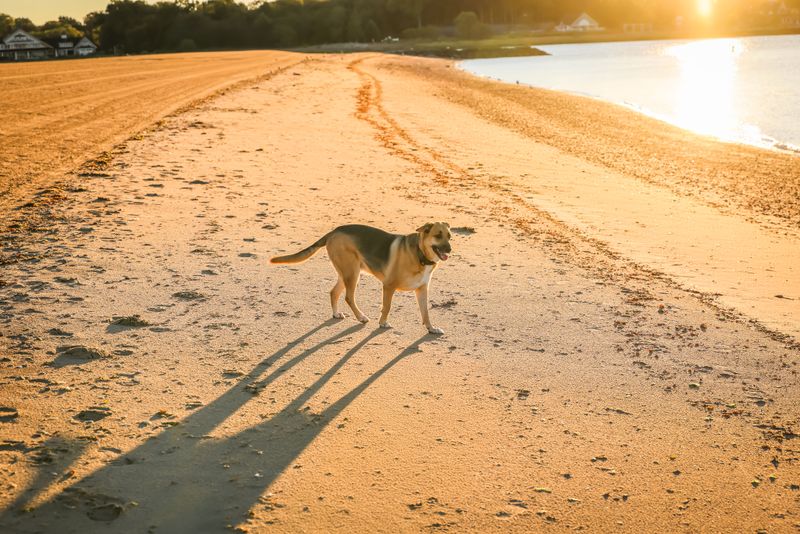
Sticky coastal mornings can feel warm before breakfast is finished. Humidity makes cooling through panting less effective, so temperature alone cannot tell you how comfortable exercise feels.
Favor cooler hours, shaded streets, and shorter loops. Check pavement and sand, and avoid surfaces that feel hot.
Watch for heavy panting, slowing down, or unusual drooling. Stop activity and move somewhere cool if these appear.
Contact your veterinarian promptly when your dog seems unwell or struggles to recover.
4. Check Mountain Forecasts Before Every Outing

Sunshine outside your cabin does not promise clear skies along a ridge. Elevation and changing weather can bring cooler air, wind, or rain during an ordinary outing.
Read the forecast for your destination, not just the nearest town. Pack a layer for yourself and suitable protection for dogs that need warmth.
Turn back when conditions worsen. During thunder, head toward a substantial building or enclosed vehicle rather than waiting beneath trees or continuing toward exposed overlooks.
5. Give Piedmont Summers Shade Breaks and Rain Plans
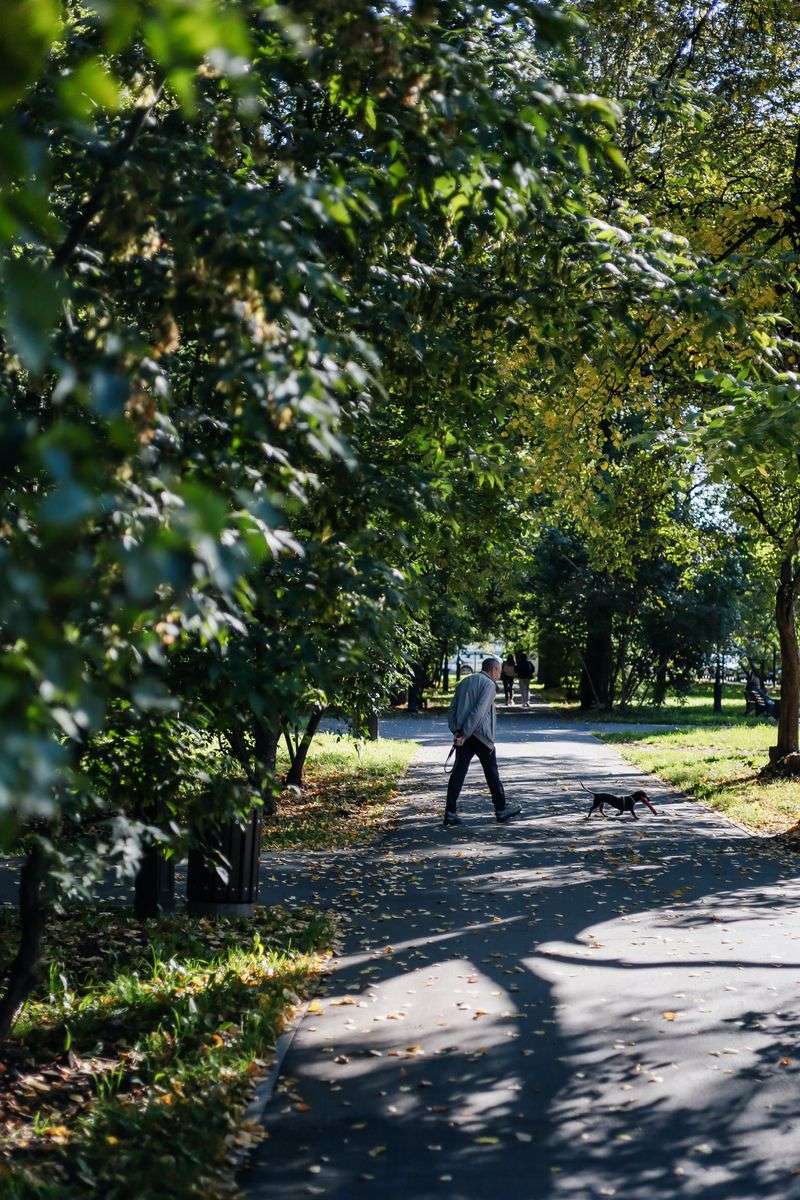
That familiar neighborhood loop may need editing by July. Piedmont summers bring hot pavement, humid afternoons, and thunderstorms that can interrupt even a carefully timed walk.
Connect shaded stretches, offer water, and pause before your dog becomes tired. Save longer exercise for cooler conditions.
When thunder starts, move indoors instead of finishing the route. Keep puzzle feeders and simple training games ready for rainy afternoons.
Resume outdoor exercise after conditions improve and local weather alerts clear.
6. Match Beach Walks to Tides and Local Rules
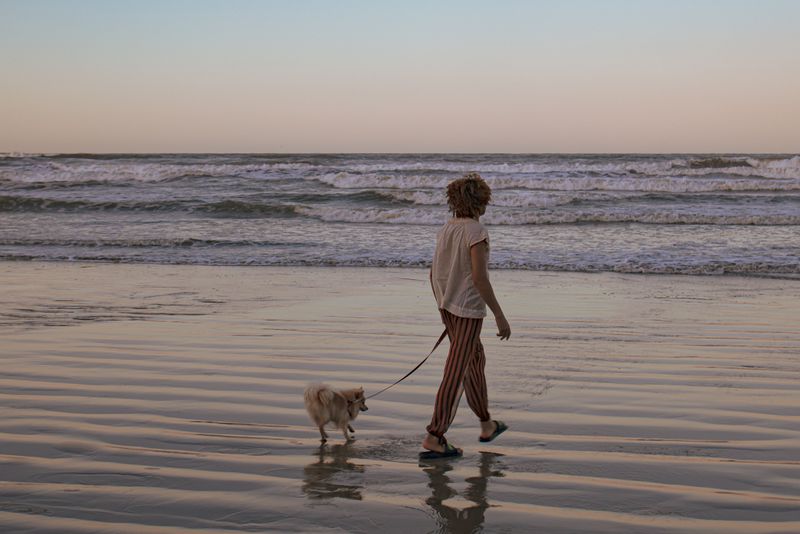
Your favorite beach may welcome dogs only during certain hours or seasons. Rules differ among coastal towns, public beaches, and protected areas, so check the managing authority before visiting.
Look up tide times as well. Rising water can narrow walking space or limit the return route near inlets and structures.
Follow posted leash requirements and wildlife closures. Keep dogs away from dunes and nesting areas, collect waste, and choose another access point when conditions feel crowded.
7. Practice Calm Responses to Mountain Wildlife
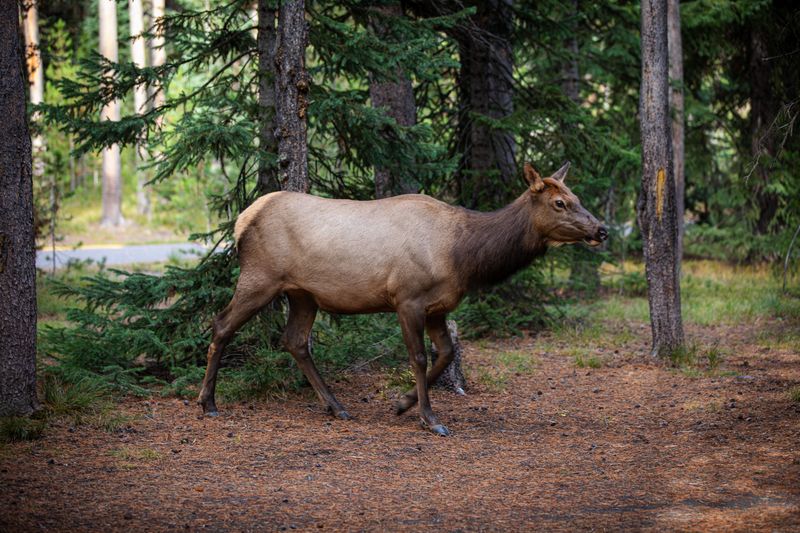
A rustle beside the trail can capture a dog’s full attention. Mountain outings may bring sightings of deer, bears, snakes, or other wildlife, making leash skills especially useful.
Practice turning around and returning attention to you before visiting busy wildlife areas. Never allow chasing, approaching, or investigating an animal.
Give wildlife plenty of space and retreat calmly when needed. Keep food secured, follow local guidance, and remember that familiar trails still pass through active animal habitat.
8. Leave Room for Other Piedmont Pets

Apartment entrances and popular paths can turn a short walk into a social obstacle course. In busier Piedmont neighborhoods, your dog may pass several pets within minutes.
Leave enough space for everyone to stay comfortable. Ask before allowing greetings, and accept that some dogs prefer simply walking past.
Reward calm attention and cross the street when practical. Skip crowded routes if your dog feels overwhelmed.
Local leash rules vary, so confirm requirements with your municipality directly.
9. Add a Coastal Paw and Coat Rinse
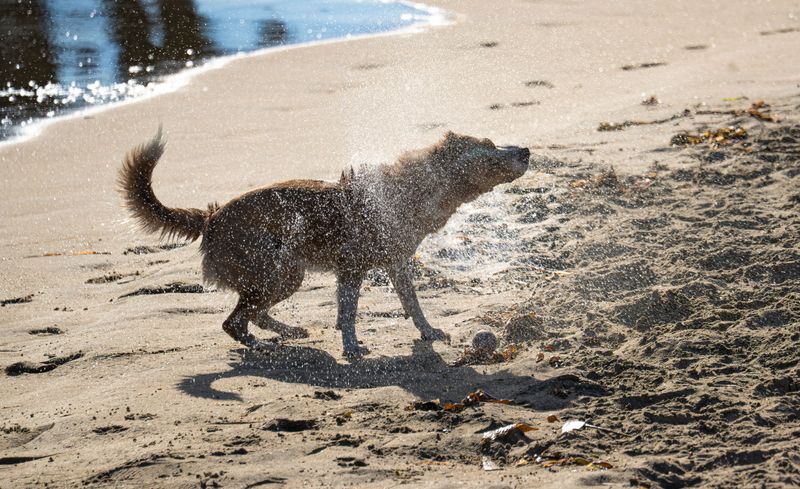
Sand has a talent for following dogs all the way home. After coastal outings, rinse sandy paws and salty fur with fresh water, then dry your dog thoroughly.
Check between toes for grit, small shells, or irritation. Pay attention to skin folds and other areas that stay damp.
Follow your veterinarian’s advice for ear care rather than putting water inside ears. A towel near the door makes cleanup easier and helps you spot changes during checks.
10. Budget Mountain Driving Into Exercise Plans

The trail may look close on a map while requiring a winding drive. Mountain roads, seasonal closures, and limited parking can shrink the time available for exercise.
Check access before leaving and keep a nearby walking option ready. Secure your dog safely during travel, and discuss motion sickness with your veterinarian.
Offer a quiet break after arrival instead of rushing straight uphill. Never leave your dog in a parked vehicle while you scout trails or errands.
11. Fit Piedmont Care Around Busy Weekdays
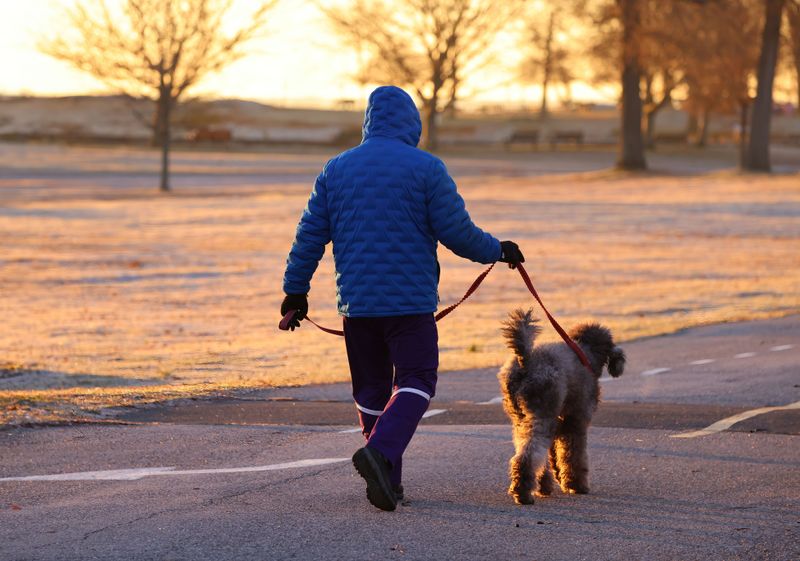
Morning meetings do not erase your dog’s need for movement and bathroom breaks. Commuting households across the Piedmont often benefit from a predictable schedule with some flexibility.
Plan outings around your dog’s age, health, and usual bathroom needs. Arrange a trusted walker or sitter when workdays run long.
Mix sniffing walks with indoor enrichment rather than relying on one exhausting evening session. Keep instructions, emergency contacts, and weather adjustments clear for anyone sharing your dog’s care.
12. Carry Fresh Drinking Water Along the Coast
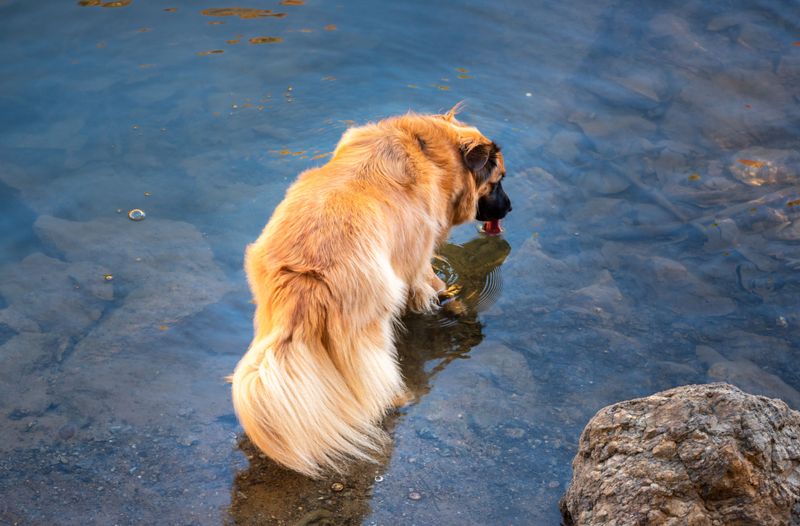
Ocean water is not a substitute for a drinking bowl. Swallowing saltwater can make dogs ill, so bring fresh water even for a short coastal outing.
Offer small, regular opportunities to drink, and interrupt repeated attempts to lap at waves. Avoid letting dogs drink from puddles or water with visible algae.
Pack more water than you expect to need. If your dog swallows considerable saltwater or develops vomiting, weakness, or unusual behavior, contact a veterinarian promptly.
13. Watch Seasonal Allergies Across All Three Regions
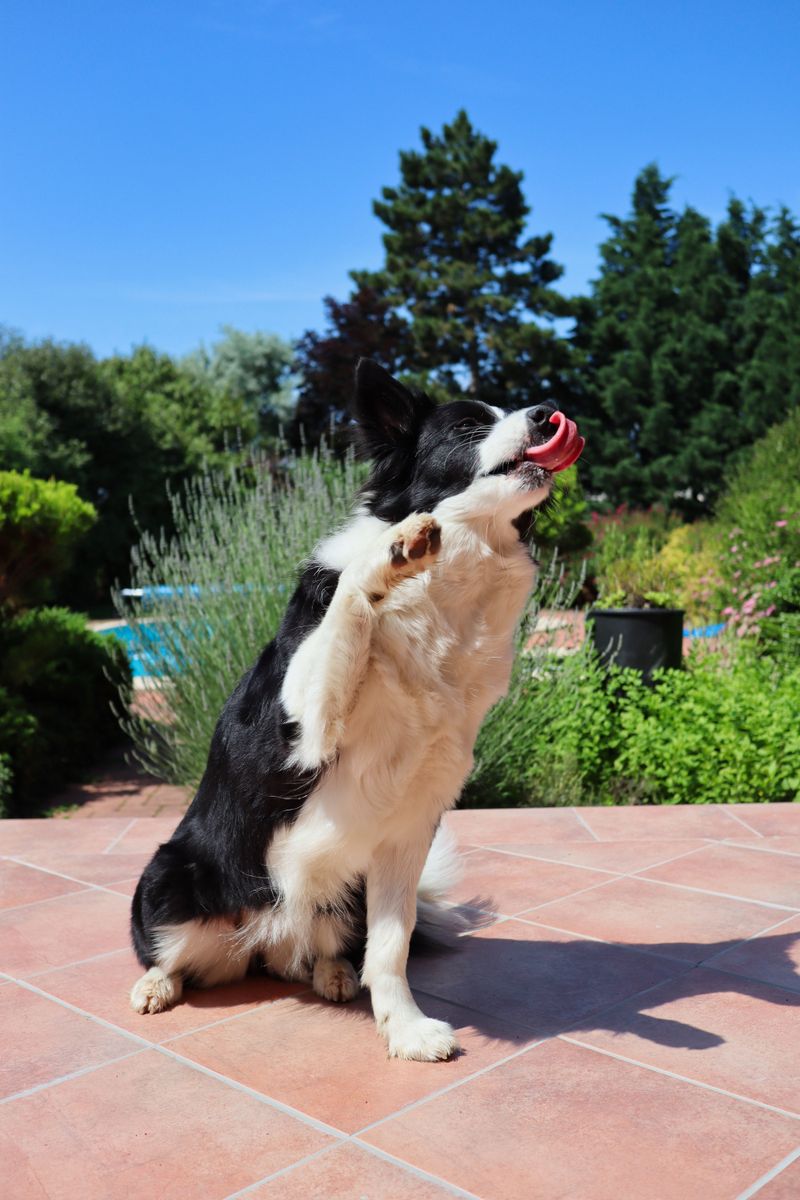
Extra paw licking after walks deserves attention, wherever you live. Pollen and other environmental triggers vary by season and location, and dogs often show allergies through itchy skin.
Notice whether certain routes or weather patterns match your dog’s discomfort. Wiping paws and washing bedding may reduce material carried indoors.
Ask your veterinarian about ongoing itching, redness, or ear problems. Avoid choosing human allergy medicines yourself.
Similar symptoms can have different causes, including parasites and skin infections.
14. Adjust Mountain Paw Care for Winter
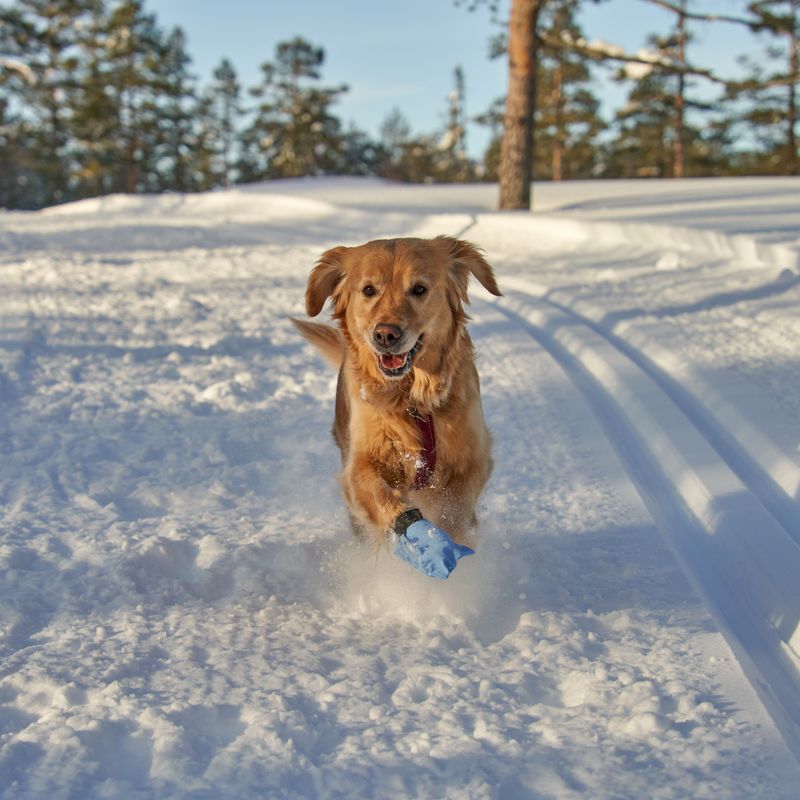
Snowy sidewalks ask different things of paws than summer trails. In mountain communities, ice, packed snow, and sidewalk treatments can make winter walks less comfortable.
Inspect paws afterward, rinse away residue, and dry between toes. Trimmed nails help footing, while properly fitted boots may offer protection for dogs that tolerate them.
Introduce boots indoors before expecting a full walk. Shorten outings when your dog shivers, lifts paws, or hesitates, and ask your veterinarian about persistent soreness.
15. Make Coastal Storm Planning Part of Daily Care
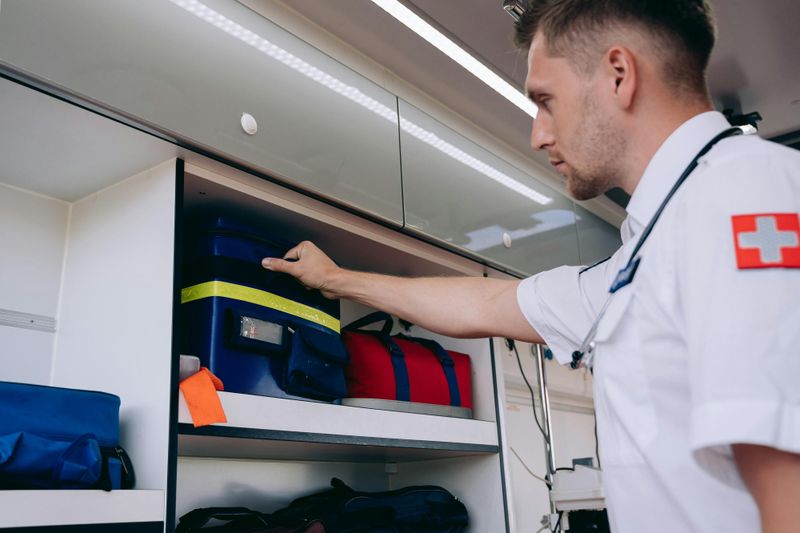
A ready leash and packed supply bag make weather changes easier. Coastal households should plan evacuation routes, pet friendly lodging, medications, food, water, and copies of veterinary records.
Keep identification current and follow local emergency instructions. Practice entering carriers or vehicles before storm season, and avoid floodwater during bathroom trips.
Every North Carolina region needs its own outdoor rhythm. Match walks to conditions, keep backup activities ready, and let your dog’s comfort guide tomorrow’s simple adjustments.