17 Pest-Control Risks To Consider Before Treating A Florida Yard Where Dogs Play
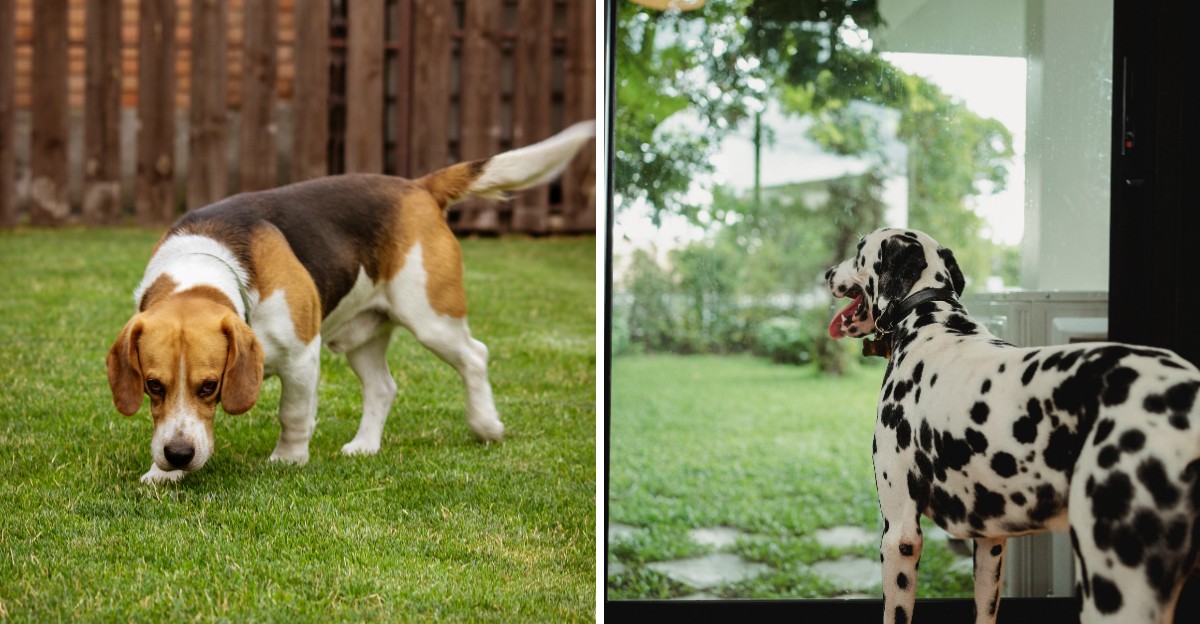
Your Florida yard can be a favorite playground for your dog and a welcoming spot for unwanted pests. Warm weather, sudden rain, and curious noses make treatment planning worth a little extra care.
You can manage pests without guessing about your dog’s safety. Before scheduling a service or opening a container, check the product, your dog’s habits, and the weather.
1. Check Whether the Pesticide Is Safe for Dogs
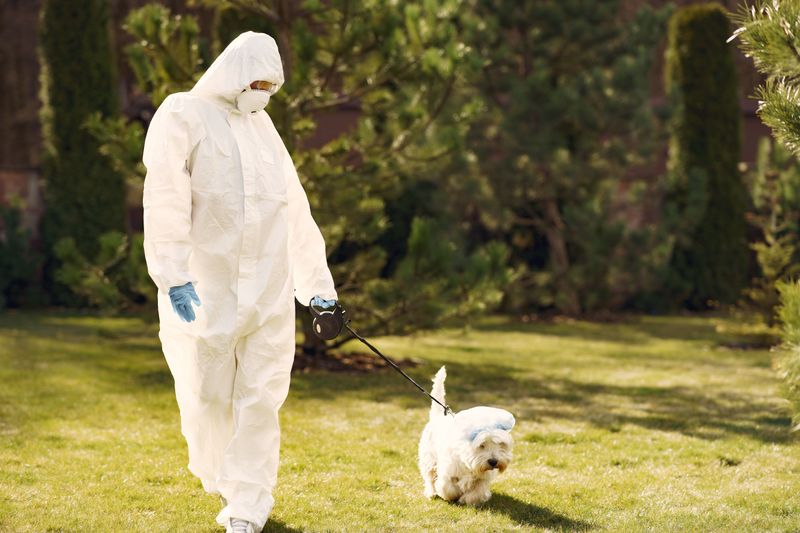
A friendly package does not tell the whole safety story. Read the complete label before buying any yard pesticide.
Check its approved locations, animal precautions, application rate, and required waiting period.
Claims like natural or pet friendly do not mean harmless under every condition. Ask your veterinarian about ingredients if your dog has health concerns.
Choose a product labeled for your intended use, and follow every direction rather than relying on advertising alone for safety decisions.
2. Keep Dogs Away During Treatment
An open gate can turn a routine application into an unwanted encounter. Bring dogs indoors before mixing, spraying, or spreading products.
Tell the applicator where pets stay, and secure doors and gates.
A leash beside the treatment area does not reliably prevent contact with drifting spray or spilled granules. Arrange bathroom breaks elsewhere until access is allowed.
If your dog cannot remain comfortably inside, plan a visit with someone trusted during treatment and the waiting period.
3. Follow the Exact Reentry Instructions

The clock alone cannot decide when your dog may return. Some labels require drying, watering, a stated waiting period, or several conditions together.
Read the actual instructions instead of using a standard household rule.
Ask your service provider for the product name and written pet reentry directions. Dry grass does not override a longer label restriction.
When instructions are unclear, contact the manufacturer before reopening the yard. Keep a separate bathroom option ready for your dog.
4. Watch Out for Florida’s Heat and Humidity
Sticky afternoons can complicate a carefully planned yard treatment. High humidity may slow drying, while heat can affect application conditions.
Check label limits and the local forecast before work begins.
A sunny surface may still hide damp grass beneath dense growth. Do not shorten waiting instructions because temperatures feel high.
Provide a cool indoor resting place while the yard remains closed. Schedule alternate walks during cooler hours, keeping your dog away from freshly treated neighborhood lawns too.
5. Protect Dog Bowls, Toys, and Bedding
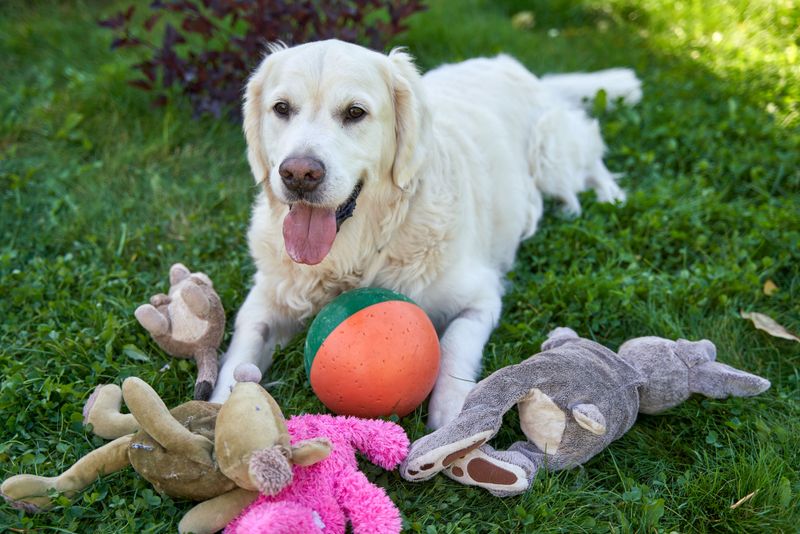
Your dog’s favorite ball can collect more than garden dirt. Remove bowls, toys, chews, and bedding before treatment starts.
Bring them indoors rather than leaving them beneath a nearby chair.
Check patios and shaded corners for items your dog has hidden. If something receives spray or dust, prevent use until you get cleaning guidance.
Follow product instructions and ask the manufacturer about porous materials. Put out fresh drinking water only after the surrounding area meets reentry requirements.
6. Consider the Risk of Pesticide Residue on Grass
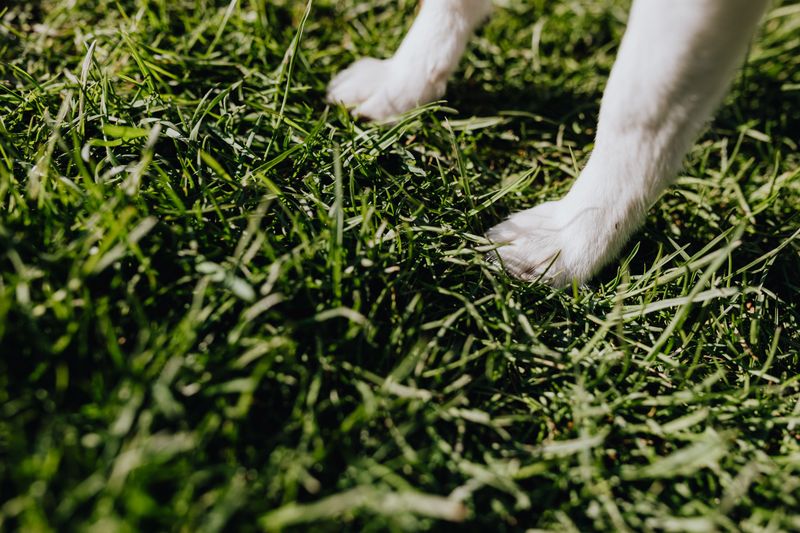
Rolling and paw licking give lawn contact another route into a dog’s mouth. Residue can reach paws, fur, and toys after application.
Follow all label restrictions, even when the lawn looks normal.
Ask whether watering is required before pets return. Never add irrigation simply because it seems safer; instructions vary by product.
Discourage grass chewing and rolling during initial access. Paw wiping cannot replace waiting periods or make an improperly treated lawn safe for your curious companion.
7. Check Whether the Treatment Targets Lawn Pests or Insects
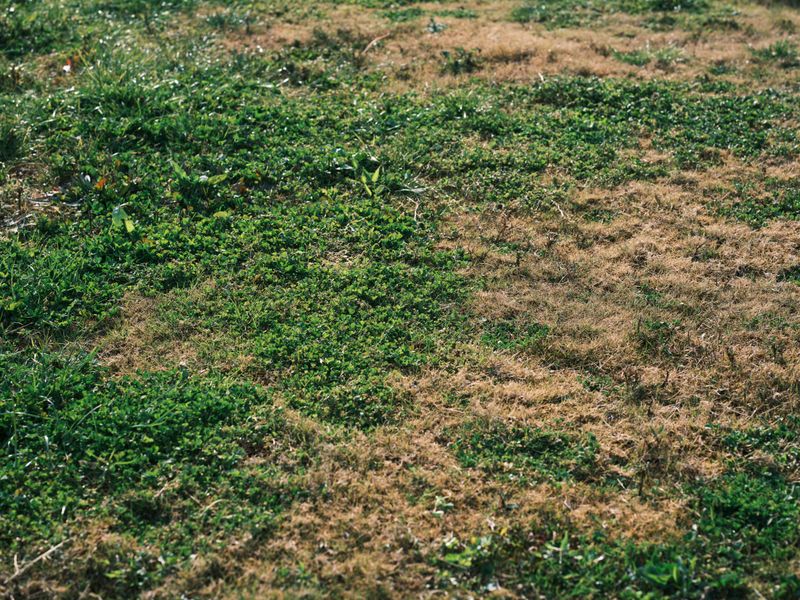
Brown patches do not always mean insects are causing trouble. Lawn problems can involve disease, watering, soil, or pests.
Identify the cause before selecting any treatment.
Find out whether the planned product targets insects, weeds, fungi, or another problem. Each type has different directions and precautions.
A lawn insect treatment also may not control fleas or ticks effectively. Your county UF/IFAS Extension office can help identify lawn issues, reducing unnecessary applications around the space your dog uses.
8. Be Careful With Ant Baits and Granules
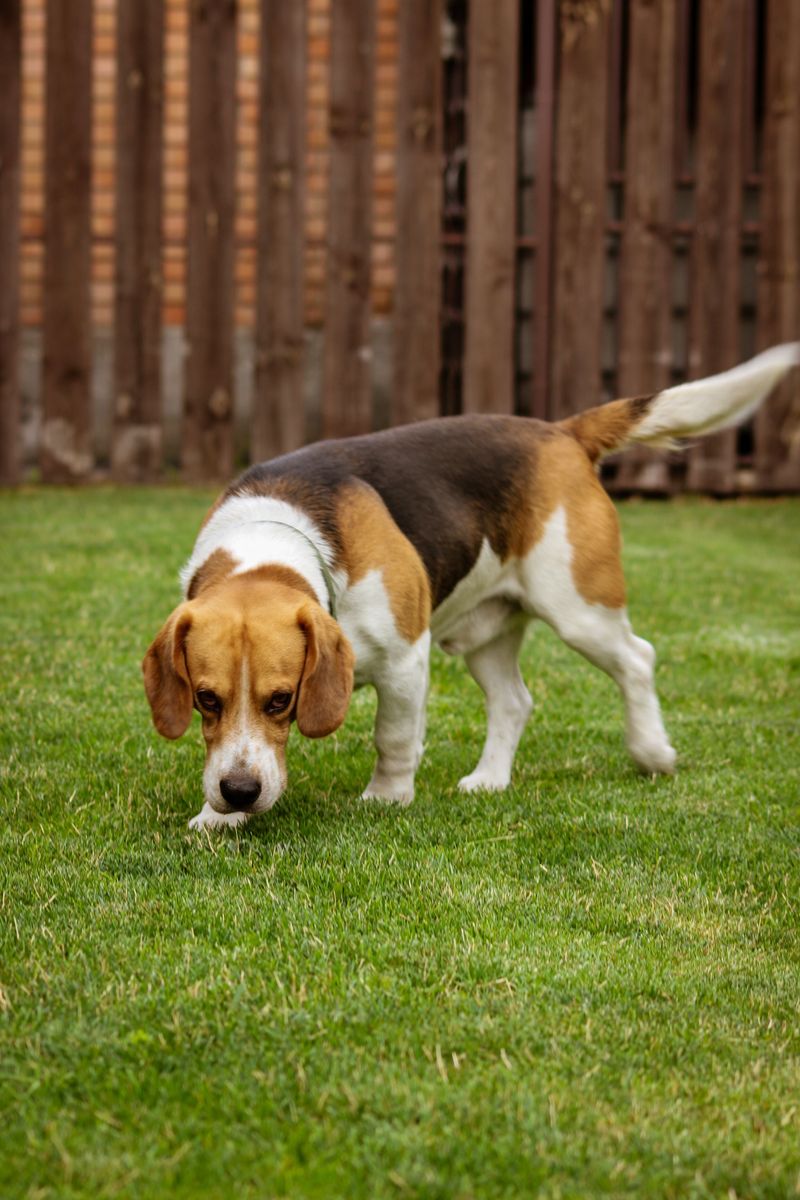
Small particles can interest a dog that samples anything unusual. Ant baits may contain food ingredients that attract curious noses.
Granules can also collect in paws or remain accessible on soil.
Use only labeled amounts and placement methods. More product does not mean better protection.
Keep dogs away during application and through required watering or waiting steps. Do not assume a bait station is chew proof.
Ask your veterinarian promptly if your dog eats bait or granules.
9. Prevent Dogs From Digging in Treated Soil
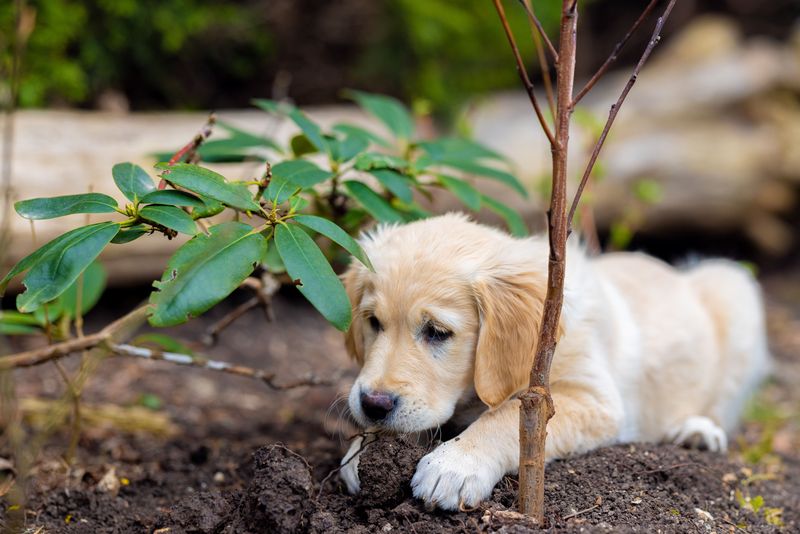
A determined digger reaches places a casual walker never touches. Treated soil may expose paws and mouths to products beneath the surface.
Ask whether digging changes the precautions for your chosen treatment.
Fence off treated beds and known digging spots when needed. Offer an untreated digging area or supervised enrichment elsewhere.
Reentry permission for ordinary lawn use does not necessarily address eating soil. If your dog regularly chews dirt, discuss that habit before deciding on any yard application.
10. Consider Mosquito and Tick Treatments Near Water
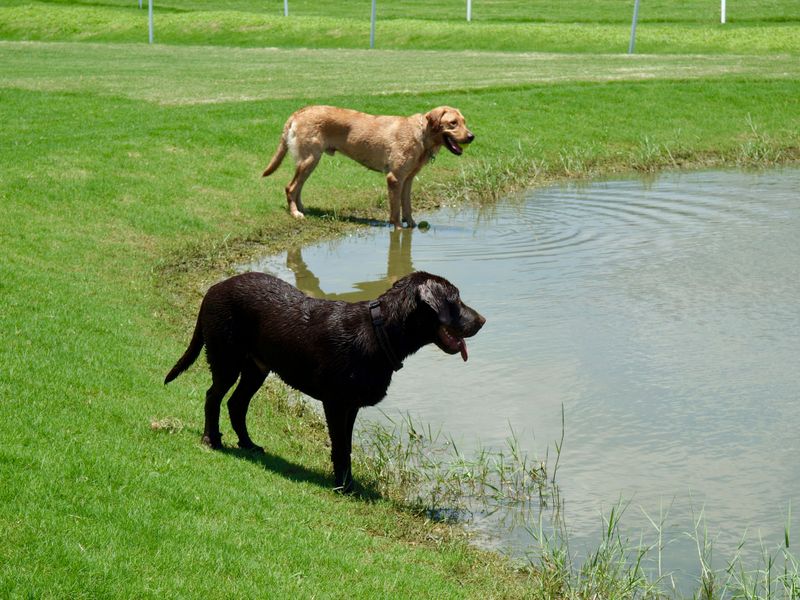
A pondside yard needs a different plan than a dry lawn. Some insecticides can harm aquatic life if they reach water.
Labels may restrict application near ponds, canals, drains, or other waterways.
Show the applicator every water feature before treatment. Ask how drift and runoff will be prevented.
Empty small containers that collect mosquito breeding water when practical. Keep veterinary flea and tick prevention separate from yard decisions.
Never substitute a lawn product for medicine prescribed for dogs.
11. Protect Pollinators Around Flowering Plants
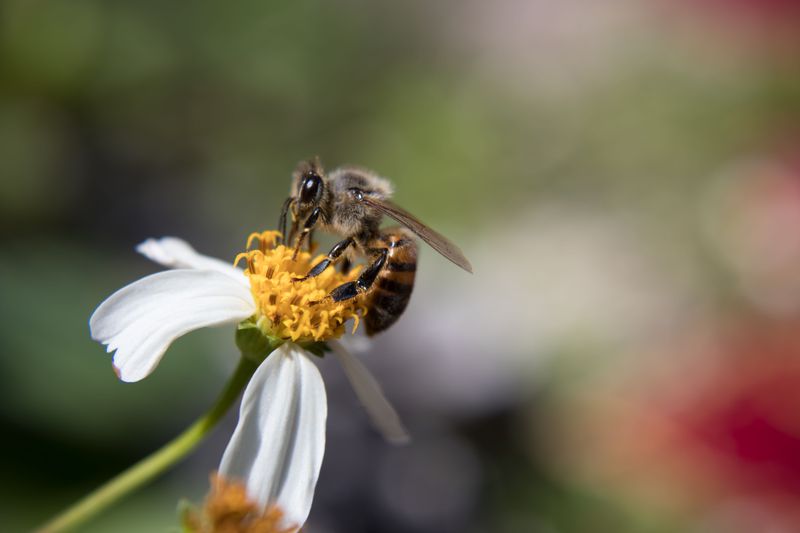
Blooming borders bring useful visitors into your dog’s outdoor space. Bees and other pollinators can encounter insecticides on flowers or nearby plants.
Read pollinator warnings before treating garden edges.
Tell your applicator which plants are flowering and where bees are active. Certain labels restrict applications during bloom or foraging.
Evening treatment is not automatically enough to protect pollinators. Consider targeted methods instead of broad spraying when suitable.
A thoughtful pest plan protects more than the lawn your dog enjoys.
12. Check the Risks to Dogs With Different Health Needs
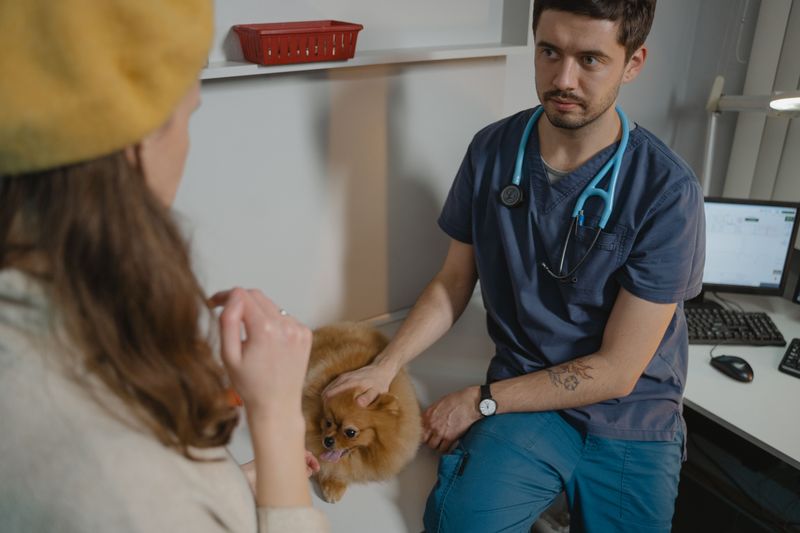
One dog’s routine may not suit another dog’s health needs. Puppies, older dogs, and dogs with medical conditions deserve individual planning.
Share the product label with your veterinarian before treatment.
Mention breathing problems, skin issues, medications, and habits such as grass eating. Body size and exposure amount can affect risk.
Do not assume an extra hour outside the yard solves every concern. Your veterinarian can recommend precautions or suggest delaying treatment while you explore a more suitable approach.
13. Keep Dogs Away From Standing Water and Runoff
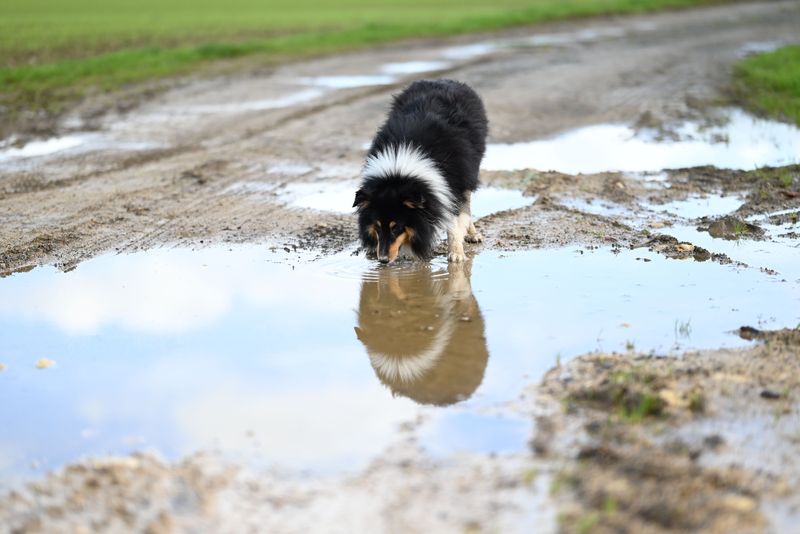
Puddles are tempting drinking spots after a Florida shower. Water moving across treated ground may carry pesticide into low areas.
Block access to puddles, drainage channels, and runoff leaving the lawn.
Provide fresh water indoors so thirst does not encourage sampling outside. Check neighboring runoff if your yard sits downhill.
Clear drainage problems before scheduling treatment when possible. Standing water also presents risks unrelated to pesticides.
Keep supervising until water drains and all product instructions allow your dog back.
14. Avoid Combining Pest-Control Products Without Advice
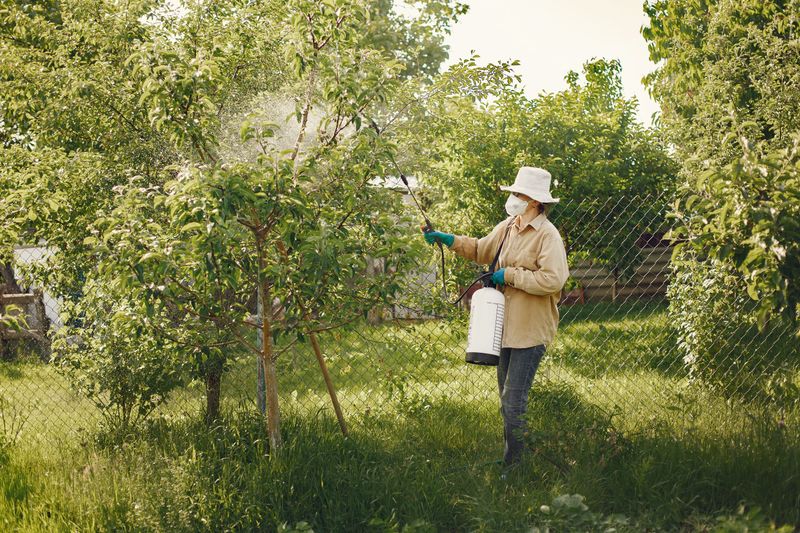
Two treatments can overlap even when they solve different problems. A weed product, insect spray, and fertilizer blend may share pesticide ingredients.
Review everything already applied before adding another product.
Never mix chemicals unless their labels permit the combination and all directions can be followed. Ask a qualified applicator about application timing and compatibility.
Include treatments used by another lawn service. Keep a simple record of names, dates, and locations to avoid accidental repeat applications in your dog’s yard.
15. Ask How Rain Affects the Treatment

Afternoon storms can change the plan before the truck arrives. Some products need watering, while others require a rain free interval.
The label determines what applies, not a general weather rule.
Ask whether forecast rain means postponing treatment. Heavy rainfall can move products beyond their intended area.
Do not automatically reapply after a storm, because that may exceed label limits. Confirm the next step with the applicator or manufacturer, and reassess pet access if runoff or remaining granules appear.
16. Store Leftover Chemicals Where Dogs Cannot Reach Them
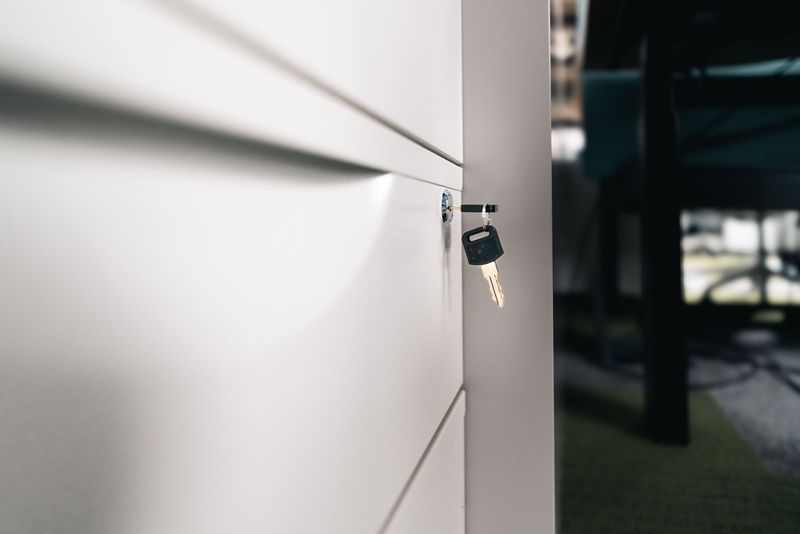
The job is not finished when the spreader goes away. Leftover chemicals, measuring tools, and bags can attract a curious dog.
Store products in original containers inside a locked, pet inaccessible space.
Follow label storage conditions, especially in hot Florida garages. Never transfer pesticides into drink bottles or food containers.
Clean equipment according to directions and secure it afterward. For unwanted products, ask local waste officials about disposal options.
Never pour leftovers into drains, canals, or places dogs can reach.
17. Know What to Do if Your Dog Is Exposed
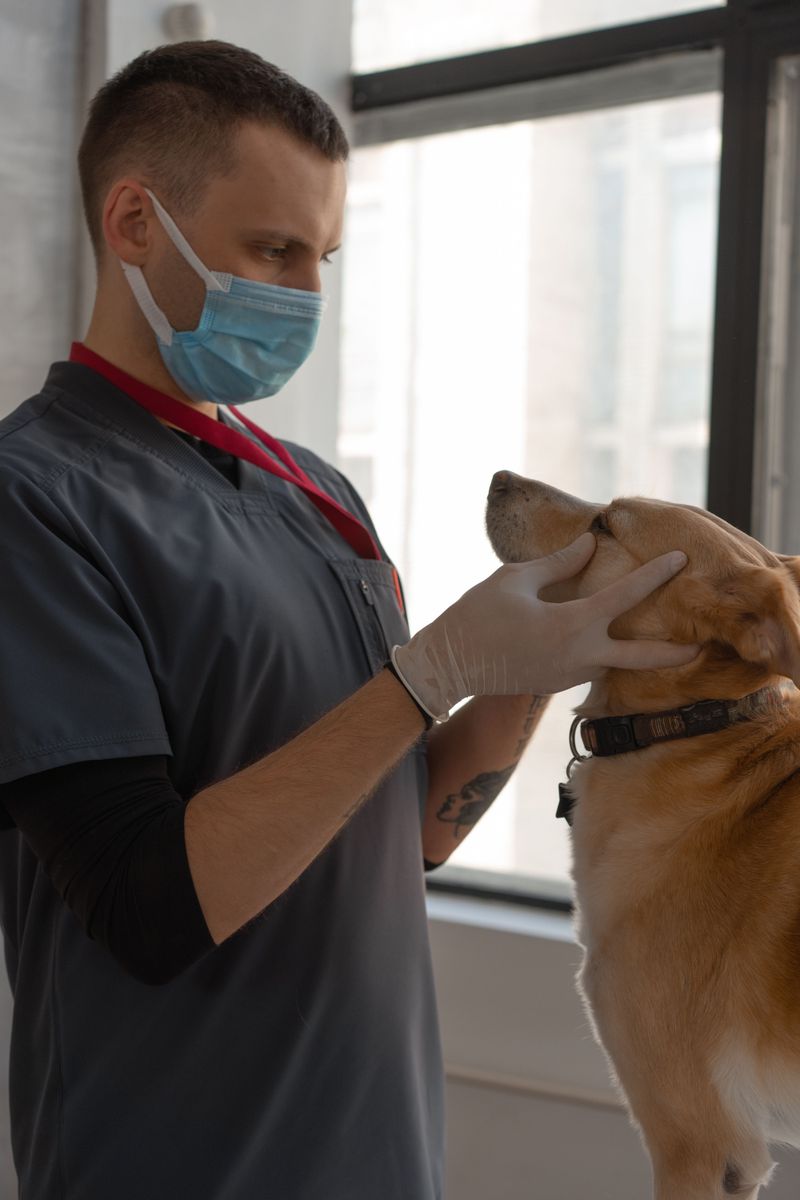
Quick advice matters when a dog contacts or swallows a pesticide. Move your dog away from the source and prevent further contact.
Call your veterinarian or an animal poison service promptly.
Have the container, exposure time, and estimated amount ready. Drooling, vomiting, shaking, or unusual behavior need urgent veterinary guidance.
Do not induce vomiting or give home remedies unless instructed. Follow professional cleanup advice.
Read labels, plan access, and keep help handy for a calmer, safer yard routine.