15 Florida First-Year Dog Costs Condo Residents Should Add Up Before Adoption

Bringing a dog into your Florida condo starts with more than choosing a bed and a food bowl. Between building rules, regular vet care, and help during busy days, small costs can add up quickly.
A little planning helps you welcome your new companion without stretching your budget too far. Before adoption day, gather local prices and check your condo documents so you know what your first year may cost.
1. Adoption Fees, Paperwork, and Local Licensing

Your first payment may cover more than bringing your new friend home. Ask the shelter whether its adoption fee includes vaccines, surgery, microchipping, or an initial examination.
Get copies of medical records before paying for services already provided.
Dog licensing requirements and fees vary across Florida counties and cities. Check with local animal services about registration, rabies documentation, renewal dates, and any reduced fees.
Keep these records together for your veterinarian and condo office visits.
2. Condo Pet Fees and Association Restrictions

A building’s pet policy can shape your budget before adoption even begins. Request current rules covering dog size, breed restrictions, pet limits, registration, and shared areas.
Renters should check both their lease and association documents.
Separate refundable deposits from nonrefundable fees and recurring pet charges. Ask which charges apply, who collects them, and whether approval is needed before adoption.
Assistance animals involve different legal protections, so confirm applicable requirements rather than assuming ordinary pet rules apply.
3. First-Year Veterinary Visits

Even a healthy-looking dog benefits from an early appointment with your chosen veterinarian. Bring shelter records and discuss age, weight, teeth, diet, and any ongoing care needs.
Ask for an estimate covering examinations and recommended testing.
Puppies often need more appointments than healthy adult dogs during their first year. Older dogs may need additional checks based on their health.
Budget for scheduled visits separately from unexpected concerns, and ask whether follow-up appointments carry another examination fee.
4. Vaccinations and Other Preventive Care

A vaccine plan should match your dog’s records, age, health, and daily activities. Florida requires rabies vaccination for dogs four months or older, subject to applicable exemptions.
Your veterinarian can explain timing and documentation.
Other vaccines depend on medical guidance and exposure, including boarding or shared dog spaces. Ask about stool testing, dental checks, and any recommended screening.
Request an itemized estimate, since examination fees and preventive services may be billed separately at your local clinic.
5. Heartworm, Flea, and Tick Prevention

Florida’s warm weather makes parasite prevention a year-round budget item, not just a summer expense. Mosquitoes transmit heartworms, while fleas and ticks bring their own health concerns.
Ask your veterinarian which products suit your dog.
Prices vary by weight, product, and whether several parasites are covered together. Include recommended heartworm testing in your estimate.
Never combine treatments or switch doses without guidance. Calendar reminders help prevent missed protection and make recurring purchases easier to plan ahead.
6. Spaying, Neutering, and Microchipping

Shelter packages sometimes include surgery and a microchip, which can reduce your starting costs. Confirm what has already been completed before setting aside money.
If surgery remains necessary, request an estimate from your veterinarian.
Ask whether bloodwork, pain medication, recovery supplies, and follow-up checks are included. Microchips also need accurate registration details to help reunite lost pets.
Check whether registration or optional services involve fees, and update your contact information whenever your address or number changes.
7. Quality Food and Sensible Treat Spending
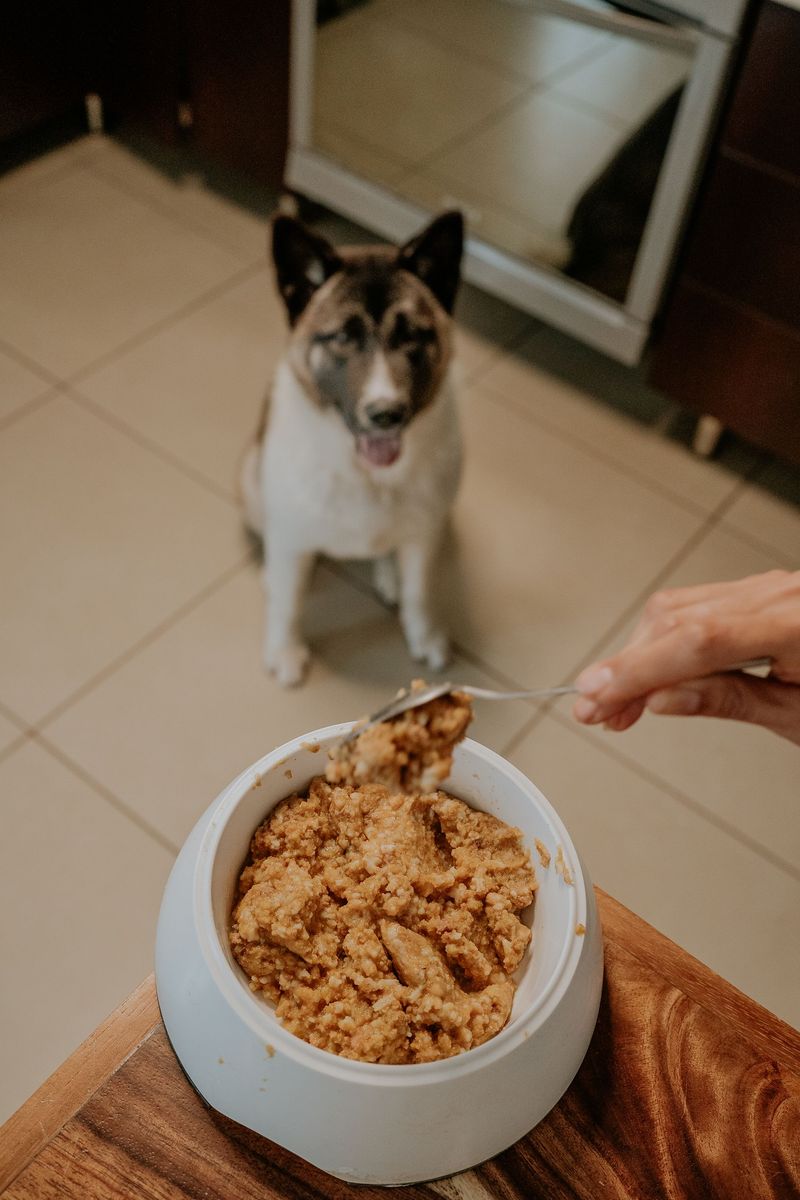
That big bag of food only tells part of the feeding story. Compare daily feeding amounts, not just package prices, when estimating monthly spending.
Choose complete and balanced food suited to your dog’s life stage.
Your veterinarian can help with portions and any special dietary needs. Count training treats, chews, and food storage supplies in the same category.
Buying manageable quantities helps keep food fresh. Avoid costly supplements unless your veterinarian identifies a reason for them.
8. Everyday Gear and Florida Heat Supplies

A simple starter kit usually works better than a cart full of gadgets. Price a fitted harness, standard leash, identification tag, bowls, bed, and suitable toys.
Add a carrier or crate if your routine requires one.
For Florida outings, pack water and a portable bowl. Schedule breaks during cooler hours and avoid hot pavement.
Paw protection cannot make unsafe heat safe. Include replacement gear in your budget, especially when a growing puppy quickly outgrows its harness.
9. Potty Training, Cleanup, and Condo Protection

Elevator rides can make potty training a little more complicated than backyard trips. Set aside money for waste bags, enzymatic cleaner, washable covers, and floor protection.
Puppy pads may help some households, depending on training goals.
Clean accidents promptly using products appropriate for your flooring and safe around pets. Shared hallways and grounds also need immediate cleanup.
Check building rules for waste disposal. Small protective purchases can reduce repair bills and help maintain good relationships with neighbors.
10. Grooming for a Warm, Humid Climate

Coat type matters more than sunshine when estimating your dog’s grooming bill. Some dogs need frequent professional trims, while others mainly need brushing and occasional baths.
Request prices based on size, coat condition, and service.
Include nail care, brushes, shampoo, and any recommended ear care supplies. Florida humidity makes drying after baths and swims worth attention.
Do not assume shaving helps every breed stay cool. Ask your groomer or veterinarian about appropriate coat care before booking.
11. Training Classes and Behavior Support

Peaceful elevator rides usually begin with practice, not luck. Budget for reward-based classes that teach leash skills, settling, and comfortable handling.
Ask about class size, vaccination requirements, instructor qualifications, and the total course price.
Private support may help with barking, separation concerns, or fear in busy shared spaces. Choose professionals who avoid intimidation and painful methods.
Include training treats in your estimate without counting them twice. Early guidance can make daily condo routines easier for everyone involved.
12. Dog Walking and Midday Care

Long workdays can turn a midday potty break into a regular paid service. Compare local walkers by visit length, number of dogs, and scheduling flexibility.
Ask how they handle Florida heat, rain, and building access.
Check references, insurance coverage, and emergency procedures before sharing keys or entry codes. Puppies and some older dogs may need more frequent visits.
Multiply your expected weekly bookings by actual working weeks. Add holiday surcharges and occasional backup care when estimating costs.
13. Boarding and Pet Sitting During Travel
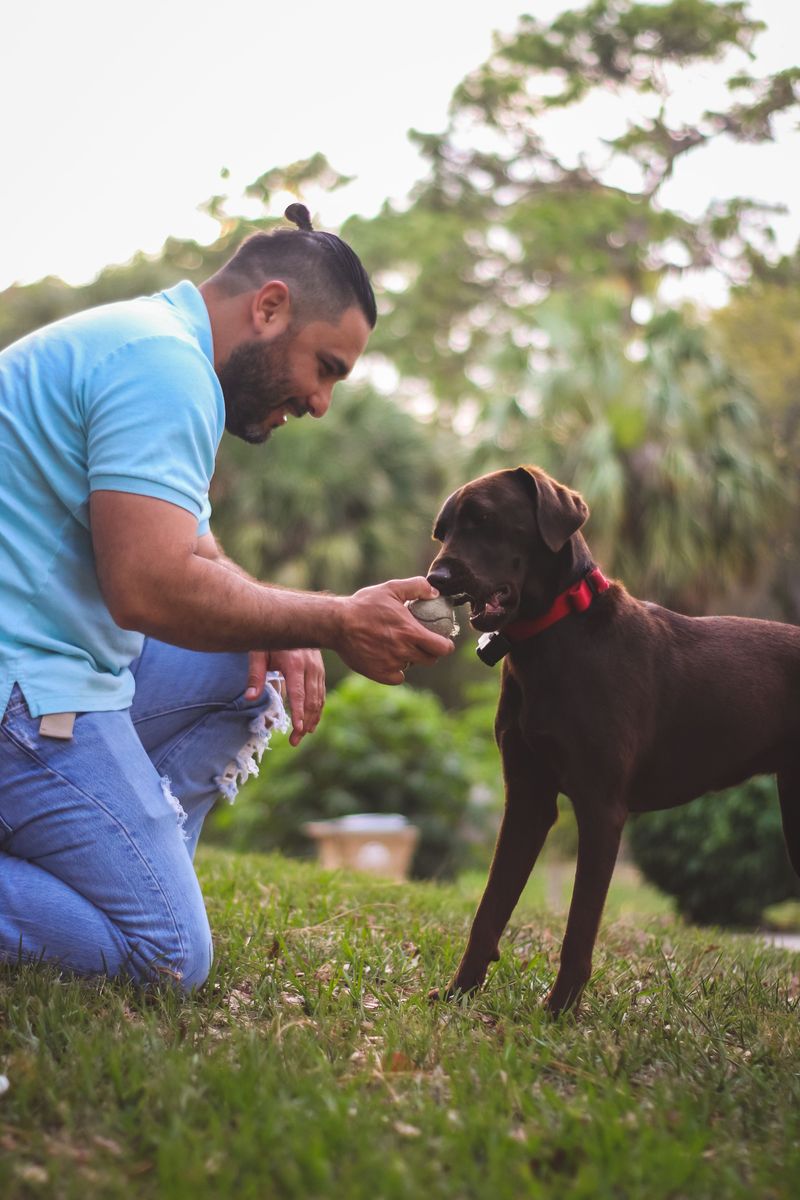
A weekend away needs its own dog care line in your budget. Compare boarding, sitter visits, and overnight home care based on your dog’s comfort.
Ask about holiday pricing, cancellation policies, and required health records.
Some facilities require vaccines or screening beyond your usual routine, creating additional costs. Schedule a meeting or short trial before longer travel.
Leave feeding instructions, veterinary contacts, and emergency authorization. Confirm that your condo permits sitter access and any necessary parking arrangements.
14. Pet Insurance and Emergency Savings

Unexpected veterinary bills are easier to face with a plan already in place. Compare insurance premiums, deductibles, reimbursement rates, exclusions, waiting periods, and annual limits.
Most policies do not cover preexisting conditions, so read terms carefully.
Many plans reimburse you after payment, meaning accessible savings still matter. Routine care may require separate coverage or direct budgeting.
Also check your condo or renters policy for dog-related liability coverage. Choose an emergency savings target with your veterinarian’s local estimates.
15. Build a Realistic First-Year Total

Now bring your estimates together on one clear worksheet. Separate one-time purchases, monthly expenses, annual services, and occasional care.
Multiply recurring bills by twelve, then add a reasonable cushion for changes and replacement supplies.
Use actual local quotes rather than assuming every Florida household pays the same amount. Remove duplicate services already included in adoption or care packages.
Review affordability before committing, then update your totals regularly. A prepared budget makes room for a confident, comfortable beginning.