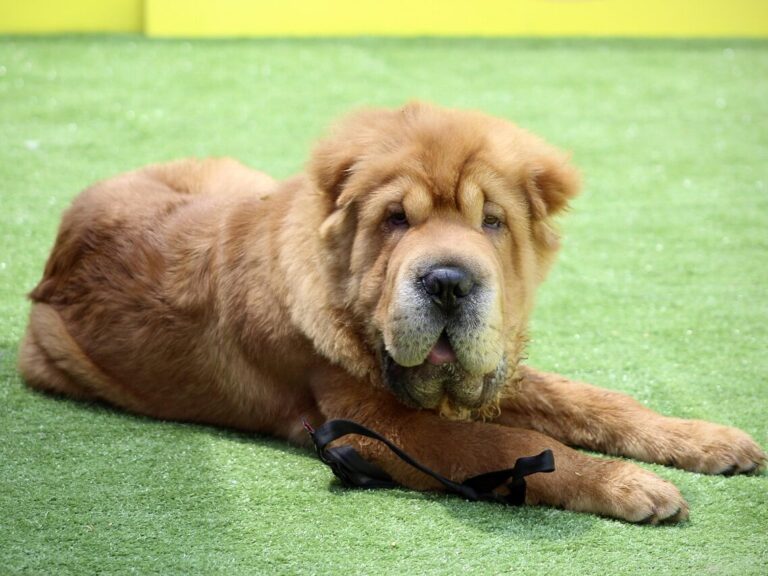
15 Georgia First-Time Dog Costs That Show Up After Yard Maintenance And Seasonal Grooming Begin
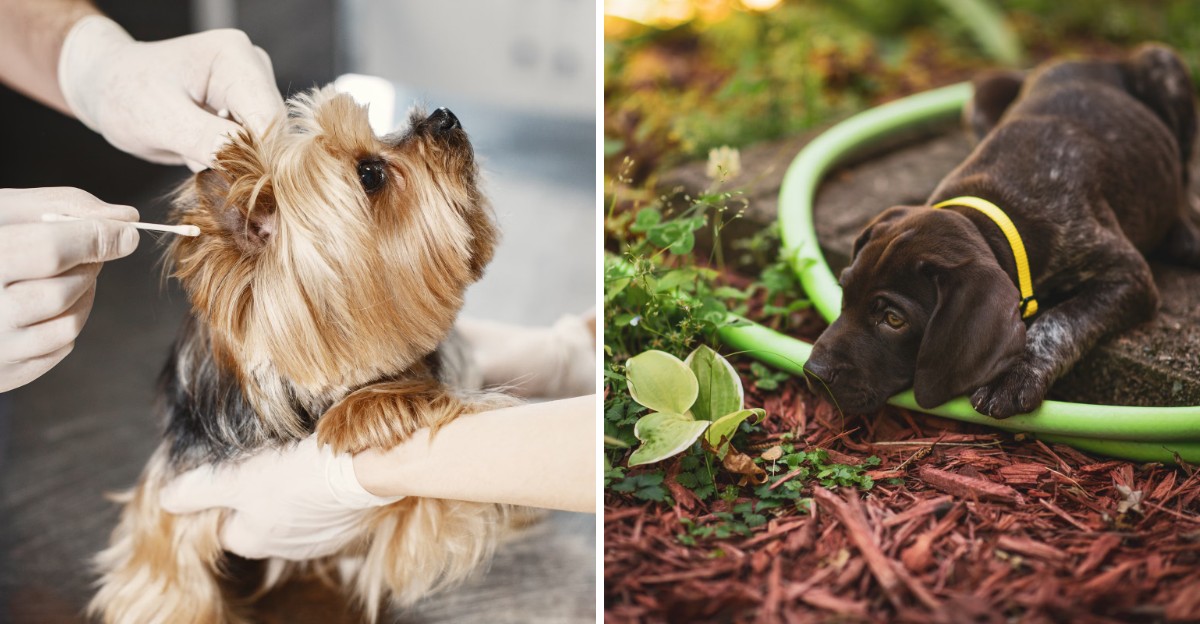
Your first Georgia spring with a dog can bring muddy paws, loose fur, and a few unexpected bills. Yard work and grooming often reveal costs that never appeared on your adoption checklist.
Georgia’s warm weather can also stretch the season for pests and outdoor upkeep. With a little planning, you can sort necessary care from optional extras and build a budget that fits your dog.
1. Pet-Safe Lawn Treatments
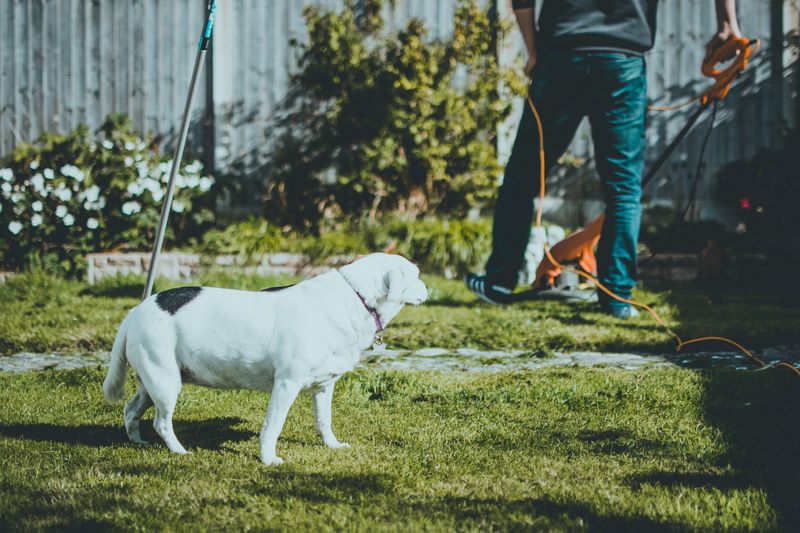
A greener lawn may require a different shopping list once your dog starts exploring every corner. Fertilizers, weed treatments, and application services can add costs beyond ordinary mowing.
Ask your lawn company which products they use and request written instructions for keeping pets away. Follow each label’s return instructions, rather than assuming dry grass is always safe.
Budget for temporary barriers when needed. A pet safety claim never replaces reading the actual product label before application.
2. Fence Repairs and Yard Improvements
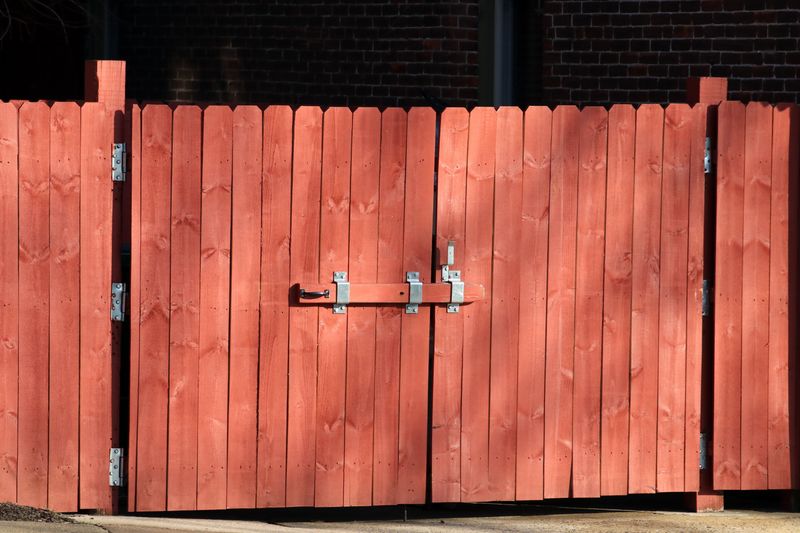
That small gap beneath the gate looks different when a curious nose discovers it. Loose boards, weak latches, and digging spots can turn into early repair bills.
Walk the full fence line before giving your dog outdoor freedom. Check again after storms, especially where branches or runoff affect the ground.
Price repairs alongside stronger hardware and suitable digging barriers. Confirm local permit rules and neighborhood requirements before changing fence height, placement, or materials around your property.
3. Professional Tick and Flea Prevention
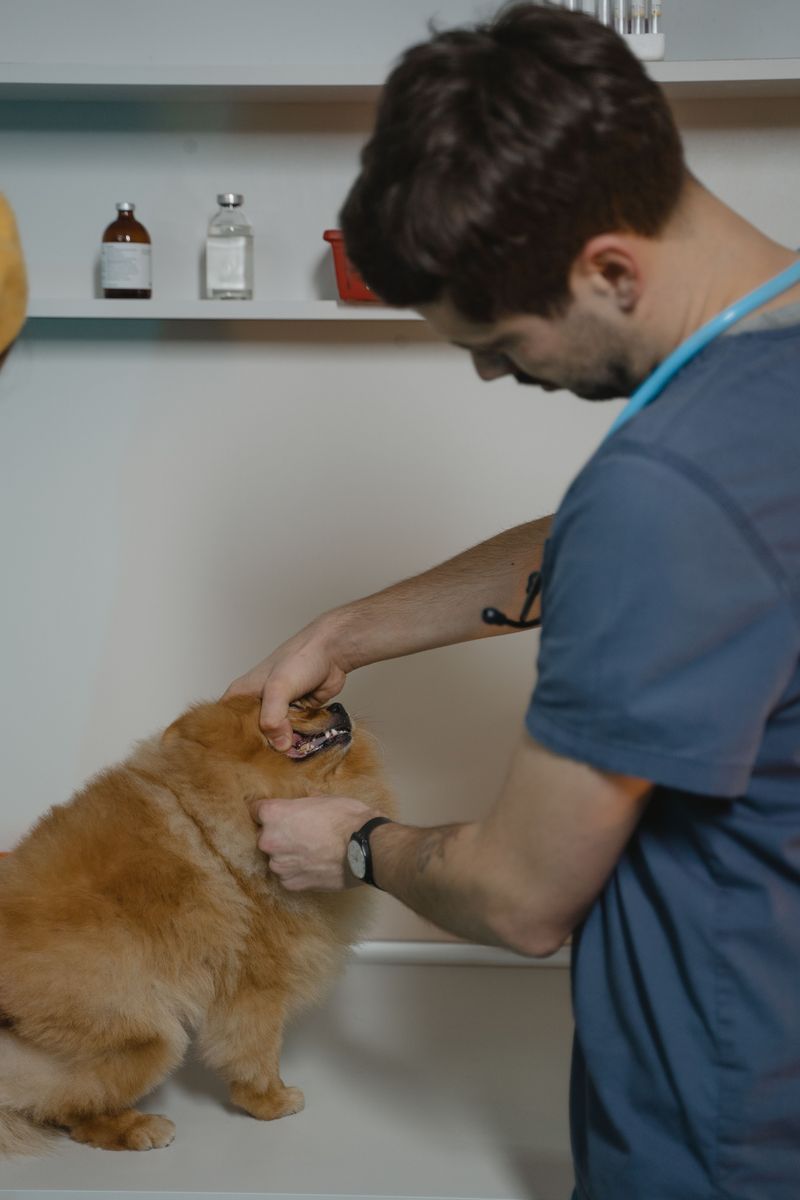
Warm Georgia weather gives fleas and ticks plenty of opportunities to stay active. Your veterinarian may recommend ongoing prevention rather than a short summer routine.
Plan for preventive medication, necessary appointments, and any testing your veterinarian recommends. The right product depends on weight, age, health, and other pets sharing your home.
Ask about total yearly costs before comparing packages. Never combine flea or tick products without veterinary guidance, even when both are sold without prescriptions locally.
4. Lawn Pest Control Adjustments
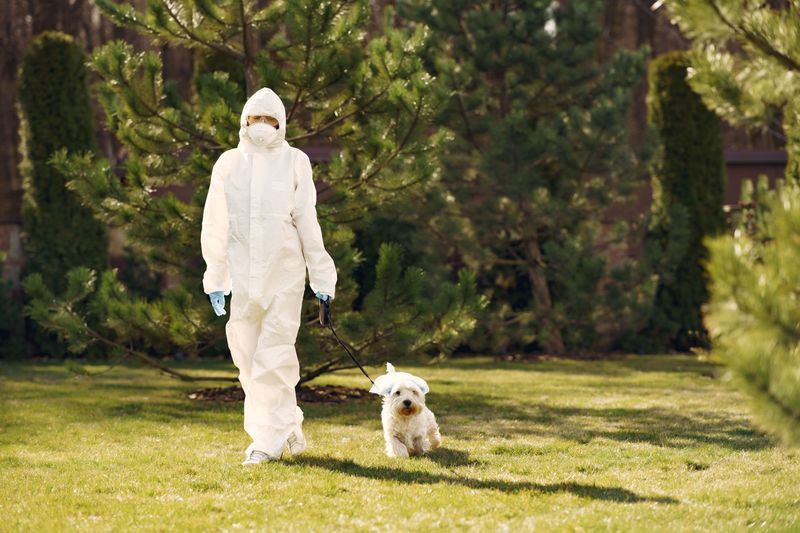
Fire ant mounds can change how you manage a shared lawn. Professional treatment may cost extra when visits need careful timing around your dog’s routine.
Tell the provider about pets before scheduling any service. Ask about targeted options, bait placement, and the product’s required waiting period before outdoor access.
Keep bowls, toys, and bedding away from treated areas. Coordinate with your veterinarian if exposure concerns arise, and keep the product information available for clear advice afterward.
5. Regular Yard Waste Removal
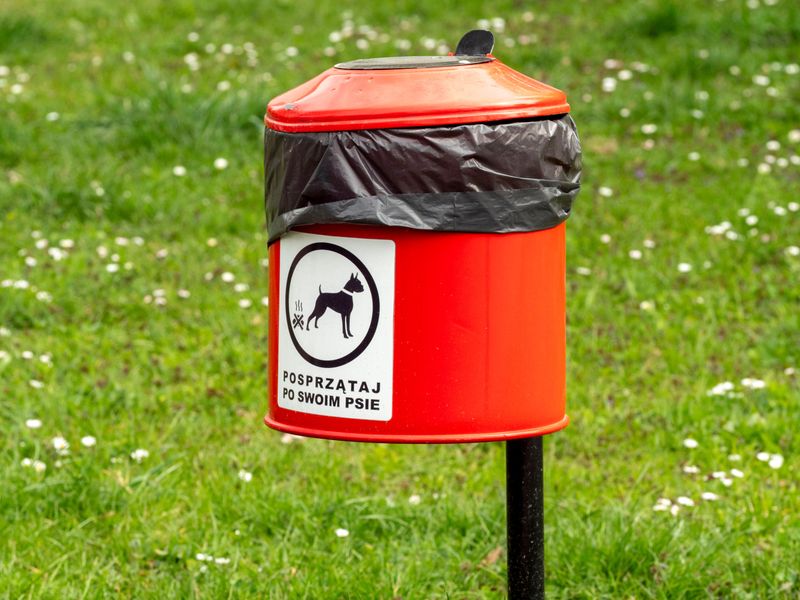
A tidy yard takes more than the weekly mower once bathroom breaks become part of daily life. Bags, a sturdy scoop, and a covered bin create small but steady expenses.
Some owners hire a cleanup service when schedules get crowded. Compare visit frequency, yard size charges, and fees for multiple dogs.
Pick up waste promptly instead of mowing over it. Follow local disposal guidance, and keep pet waste out of storm drains and vegetable garden compost.
6. Seasonal Professional Grooming
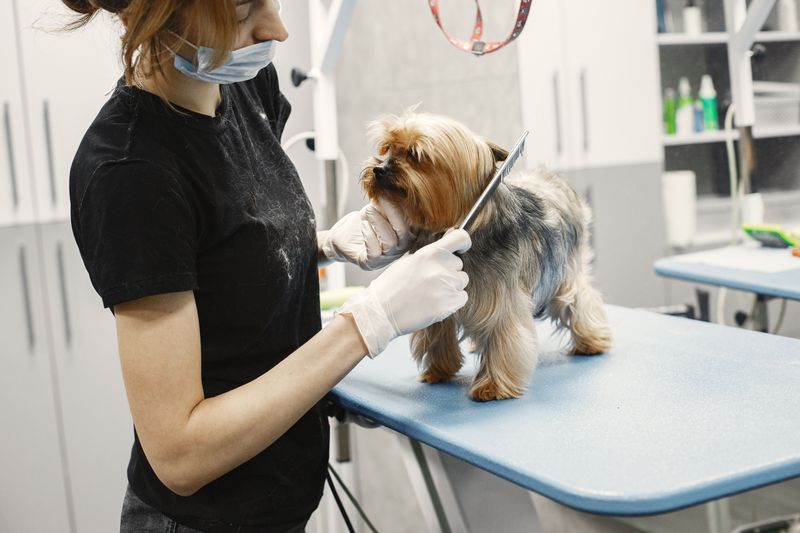
Spring coat changes can make your first grooming quote feel surprisingly complicated. Prices often reflect your dog’s size, coat condition, behavior, and the services included.
Request an estimate before booking, including possible charges for extra brushing or longer handling time. Ask your groomer and veterinarian about a suitable schedule for your dog’s coat.
Avoid assuming every dog needs a summer shave. Regular appointments and home brushing may control costs while keeping the coat comfortable between visits.
7. Extra Brushing Supplies for Shedding Season
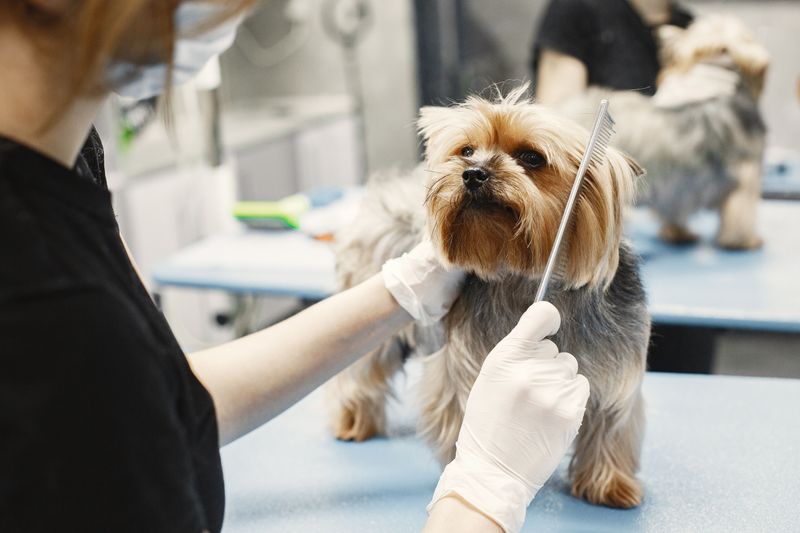
Loose fur on the couch often signals another purchase before your next grooming appointment. Brushes, combs, and washable furniture covers can become useful additions during heavier shedding.
Choose tools for your dog’s coat rather than buying the largest grooming kit. A groomer can demonstrate gentle pressure and help you avoid unnecessary purchases.
Keep sessions short, checking the skin as you work. Stop if brushing causes discomfort, and ask your veterinarian about bald patches or unusual shedding.
8. Mat Removal and Coat Maintenance
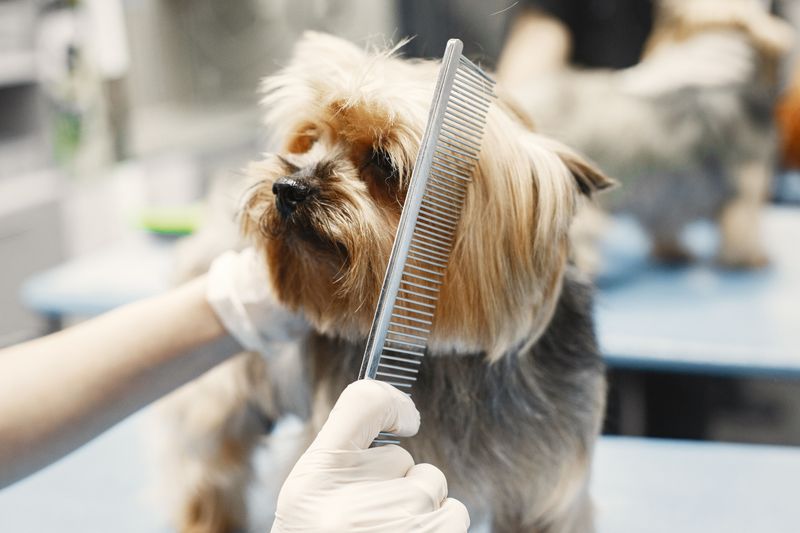
Tangles hide easily behind ears, beneath collars, and where legs meet the body. Once knots tighten, a routine appointment may require extra grooming time or a shorter haircut.
Ask how mat removal is priced before the session begins. Regular comb checks help you notice trouble before the coat becomes difficult to manage.
Never cut close mats with household scissors, since skin can sit inside the tangle. Let a qualified groomer or veterinarian handle tightly tangled areas.
9. Paw Cleaning After Outdoor Play
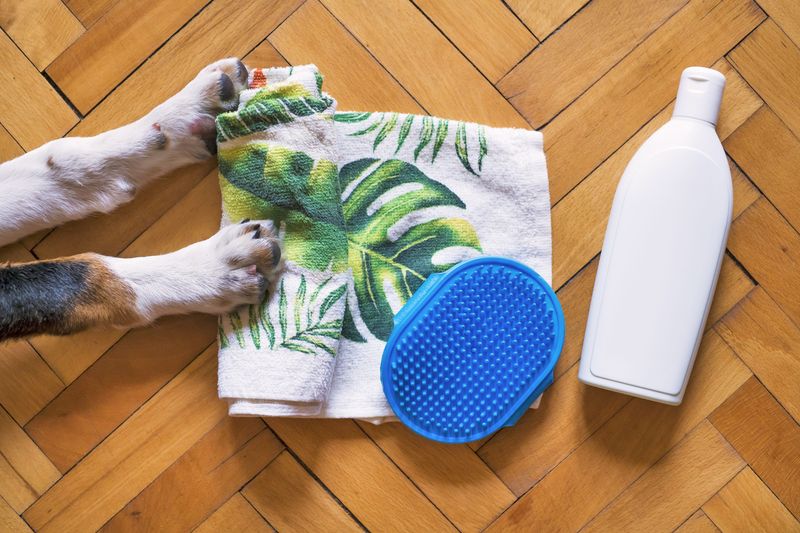
Red clay has a talent for following Georgia dogs indoors. A washable entry mat, soft towels, and a simple paw cleaning station can protect floors without expensive equipment.
Use plain water for ordinary dirt, then dry between the toes. Check for small debris after walks through grass or wooded edges.
Special cleaning cups and wipes are optional expenses, not automatic necessities. Choose products labeled for dogs, and seek veterinary advice for persistent licking, redness, or soreness.
10. Seasonal Bathing Products
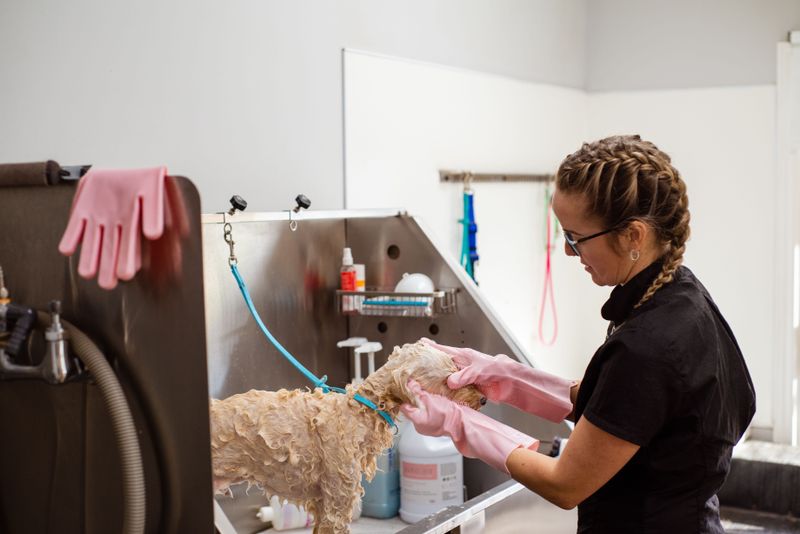
Pollen and muddy adventures can send your dog toward the tub more often than expected. Shampoo, towels, and nonslip bathing supplies may join your seasonal shopping list.
Ask your veterinarian how often bathing suits your dog’s skin and coat. More washing is not always better, especially when dryness or itching already exists.
Use dog shampoo and rinse thoroughly. Medicated products should follow veterinary instructions, while ordinary muddy outings may only need a careful rinse and drying.
11. Nail Trimming and Paw Care
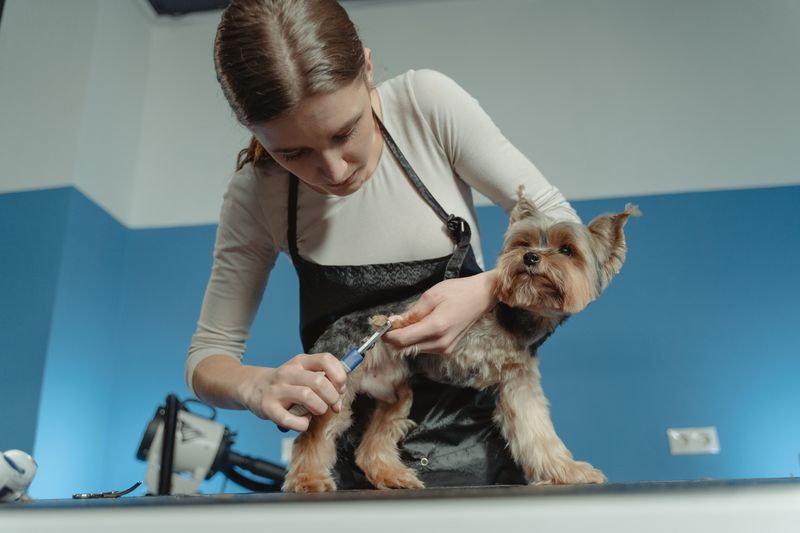
Soft backyard grass rarely keeps every dog’s nails at a comfortable length. Separate trimming appointments can become a recurring charge, even when full grooming happens less often.
Ask whether nail care is included in your grooming package. For home care, get a demonstration before buying clippers or a grinder.
Inspect paw pads after outdoor activity, especially during hot weather. Choose cooler walking times, and ask your veterinarian about cracked pads instead of applying random household creams.
12. Ear Cleaning and Skin Care
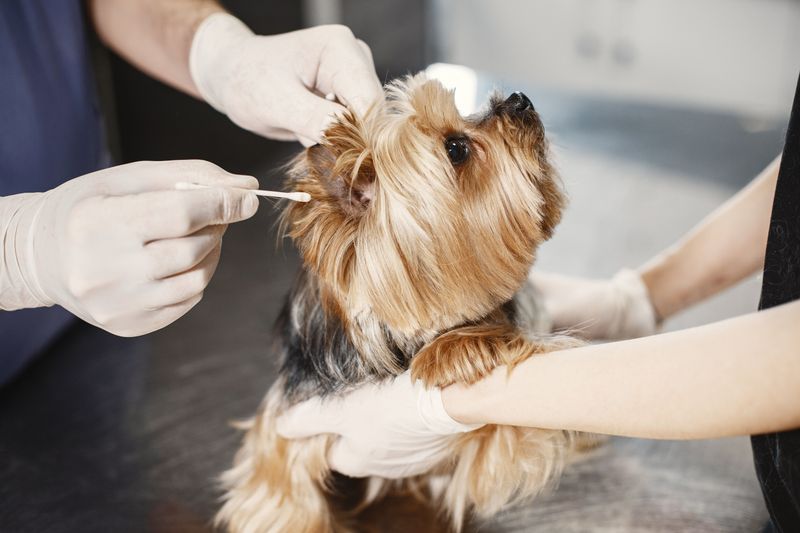
Humidity, swimming, and seasonal allergies can make ear and skin care part of your budget. Not every itchy dog needs the same cleaner, shampoo, or treatment plan.
Arrange a veterinary check for repeated scratching, head shaking, unusual odor, or irritated skin. An examination may prevent spending money on products that miss the cause.
Clean ears only as advised, using the recommended product and method. Avoid pushing cotton swabs into ear canals or using leftover prescription treatments.
13. Professional Lawn Aeration and Reseeding
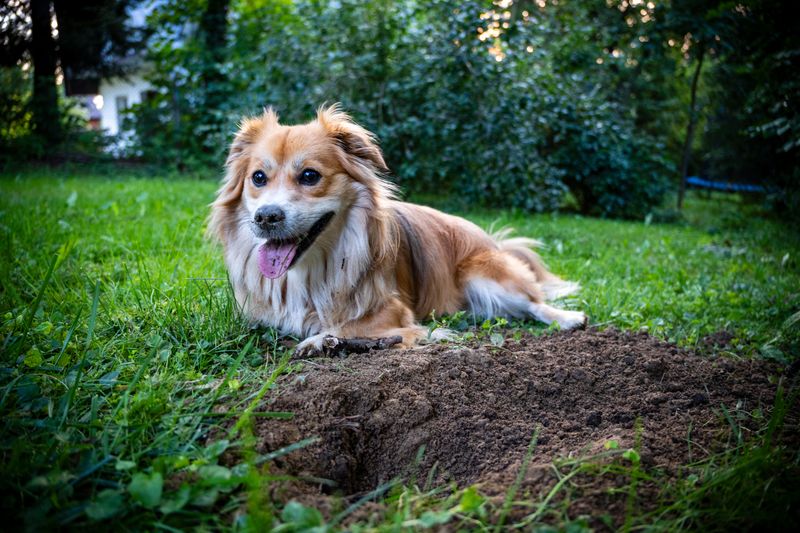
Favorite running routes can leave bare strips where healthy grass once grew. Compacted soil and repeated traffic may lead to aeration, reseeding, or sod repair expenses.
Georgia lawns use different grasses, so repair timing depends on your turf and location. Ask your county Extension office or lawn professional for guidance before purchasing seed.
Request a quote covering preparation, materials, and follow-up care. Temporary fencing may help new grass establish while giving your dog another usable outdoor space.
14. Dog-Friendly Mulch and Ground Cover
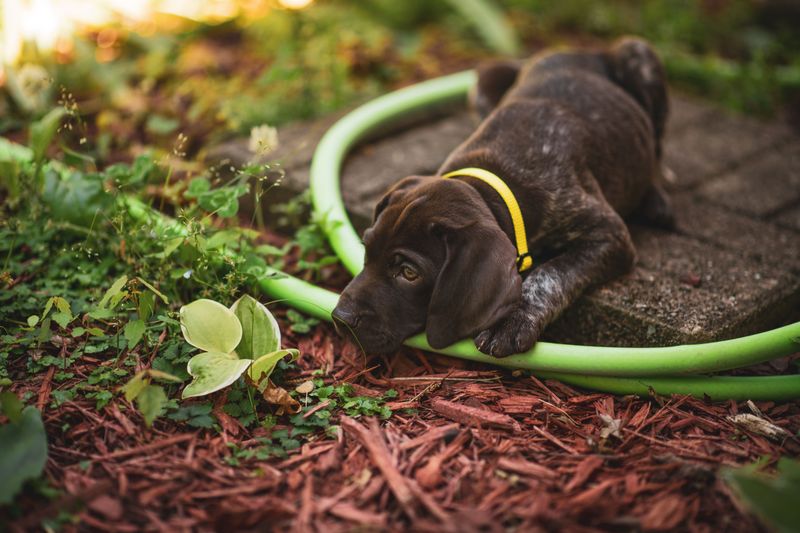
A worn corner may need a new surface rather than another bag of grass seed. Mulch, edging, and installation can cost more than expected across larger play areas.
Avoid cocoa bean mulch around dogs, and remember that any loose material may be chewed or swallowed. No ground cover suits every pet or yard.
Discuss drainage, shade, and your dog’s habits with a landscaper. Start with a small area, supervise use, and replace materials that cause problems.
15. Seasonal Grooming and Boarding Preparation

Vacation plans can bring several dog expenses onto the same calendar page. Boarding deposits, grooming appointments, and required health records deserve space in your seasonal budget.
Ask facilities about vaccination requirements, parasite prevention policies, medication fees, and holiday pricing before booking. Discuss any needed veterinary care early, since scheduling and vaccine timing can vary.
Keep one simple calendar for yard work, grooming, and travel needs. Small plans today make life with your Georgia dog easier tomorrow.