15 Hiking Companion Breeds For Missouri’s Ozark Trails
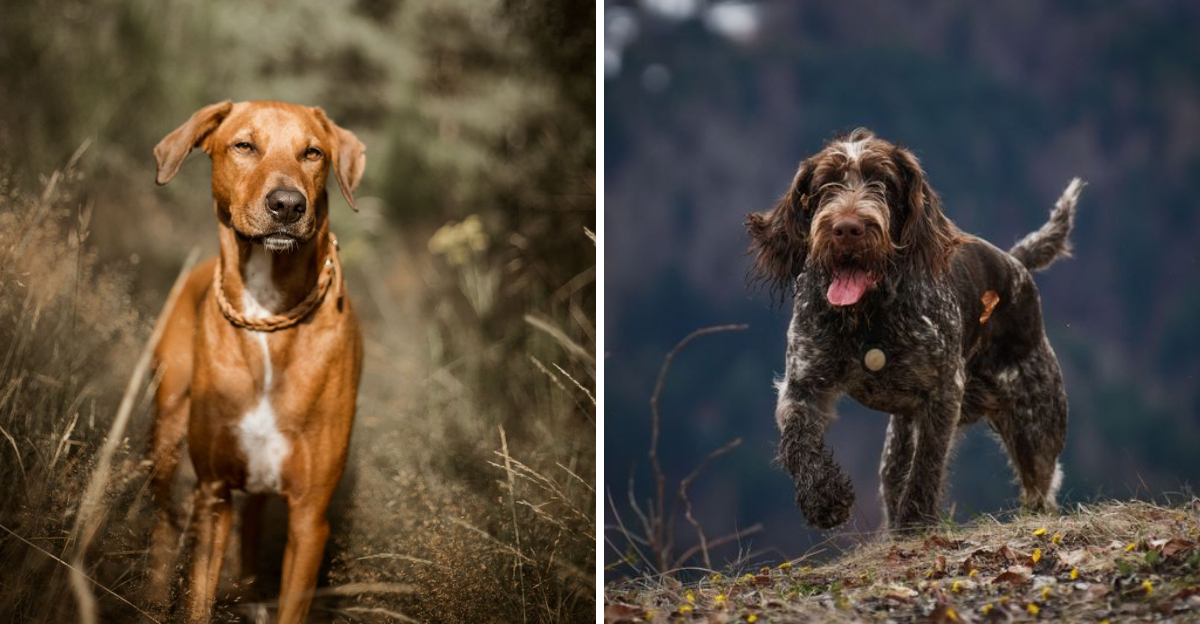
Rocky bluffs, spring-fed creeks, and shaded hollows make the Missouri Ozarks a workout with a view. Not every dog thrives on chert gravel and steep switchbacks, though.
Some breeds trot happily for hours, cool off in a clear stream, then ask for more. Most Ozark National Scenic Riverways trails welcome pets on a 6-foot leash, so the right partner matters.
Here are 15 breeds built for hills, hollows, and long, sunny miles.
German Shorthaired Pointer
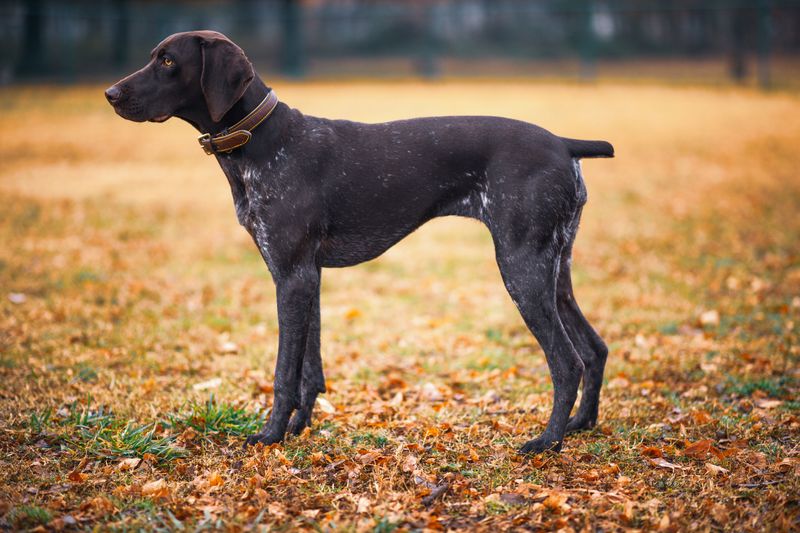
Ask any long-mileage hiker for a dream trail dog, and the GSP comes up fast. Speed, agility, and marathon endurance are baked into that lean frame.
Plan on one to two hours of hard exercise daily, whether that means running, hiking, or swimming. Their short, water-resistant coat dries quickly after a creek crossing and needs almost no grooming.
Bonded tightly to their people, GSPs stick close, though a leash keeps that nose honest.
Australian Shepherd
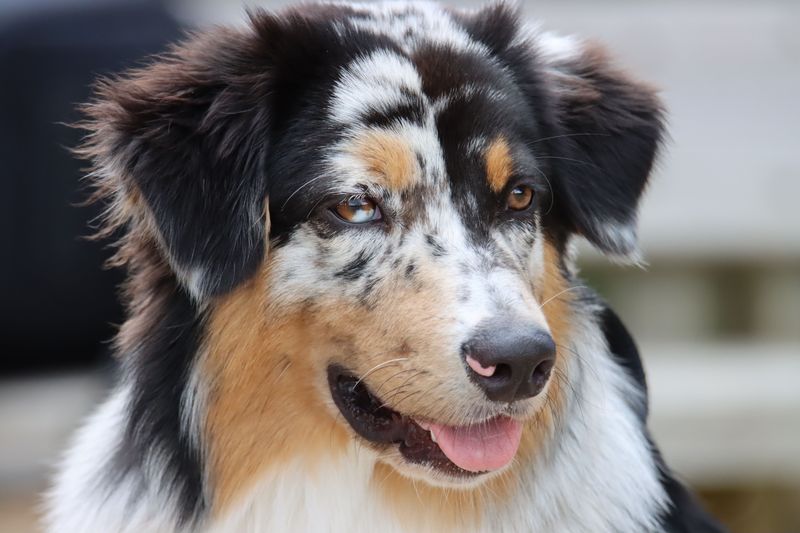
Fifteen miles barely dents an Aussie’s tank. Herding roots gave this breed adaptability, agility, and a brain that never clocks out.
At minimum, offer 45 minutes of high-energy activity every day, plus puzzles or training games at camp. Ozark switchbacks and creek hops suit their nimble footwork beautifully.
Socialize early, since Aussies can be reserved around strangers on busy trailheads. Loyal, watchful, and endlessly game, they treat every hollow like a new assignment.
Vizsla
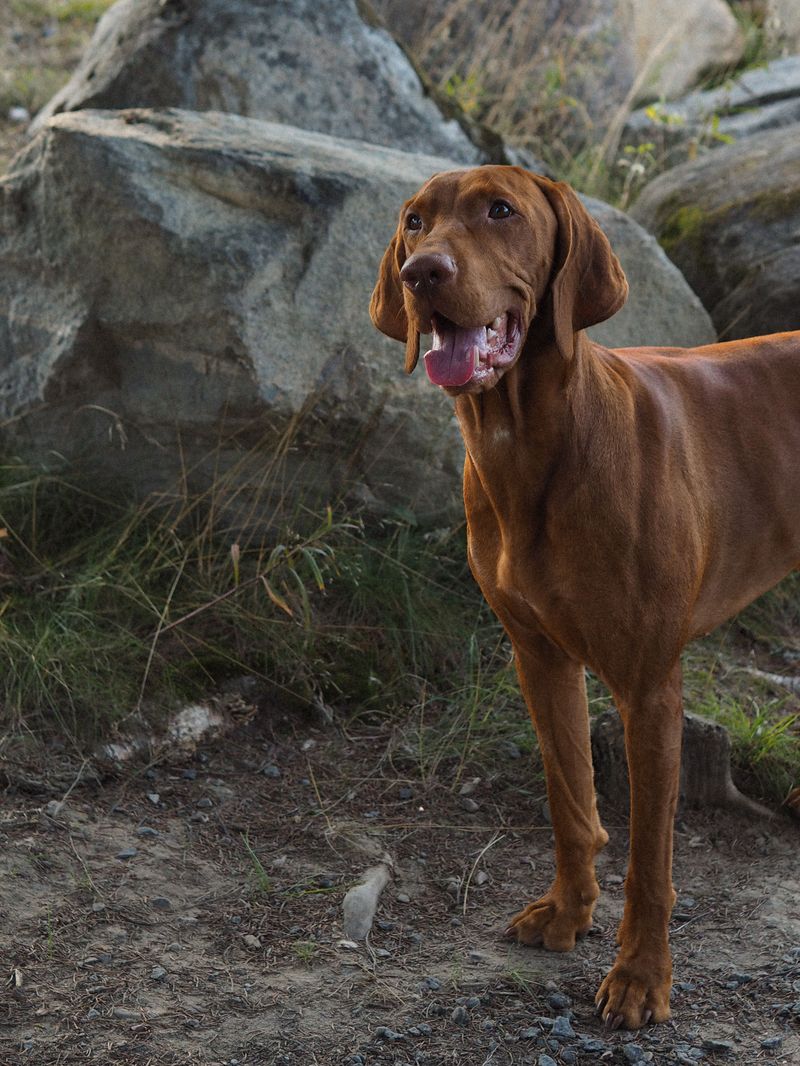
Velcro on four legs: that is the Vizsla reputation, and it earns the nickname daily. This rust-colored athlete blends speed, strength, and startling endurance.
Four to five comfortable miles in mild weather suits most, though fitness stretches that number. Their short coat handles warm, temperate days well, making spring and fall Ozark hikes ideal.
Prey drive runs strong, so keep the leash clipped where turkey and deer roam. Skip a hike and the couch suffers.
Australian Cattle Dog
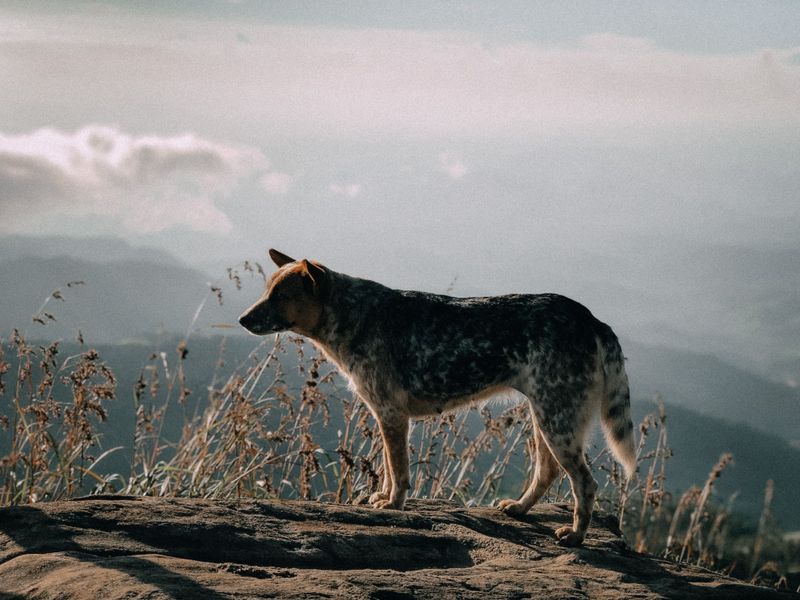
Compact, speckled, and stubbornly capable, the Australian Cattle Dog was built to outlast cattle in rough country. Ozark gravel bars feel easy by comparison.
Intelligence plus working drive equals a dog that needs a job. Regular exercise keeps both body and mind steady, and a bored heeler invents its own projects.
Loyalty runs deep and obedience comes readily with consistent training. Honestly, this energy level is not for every household.
Weimaraner
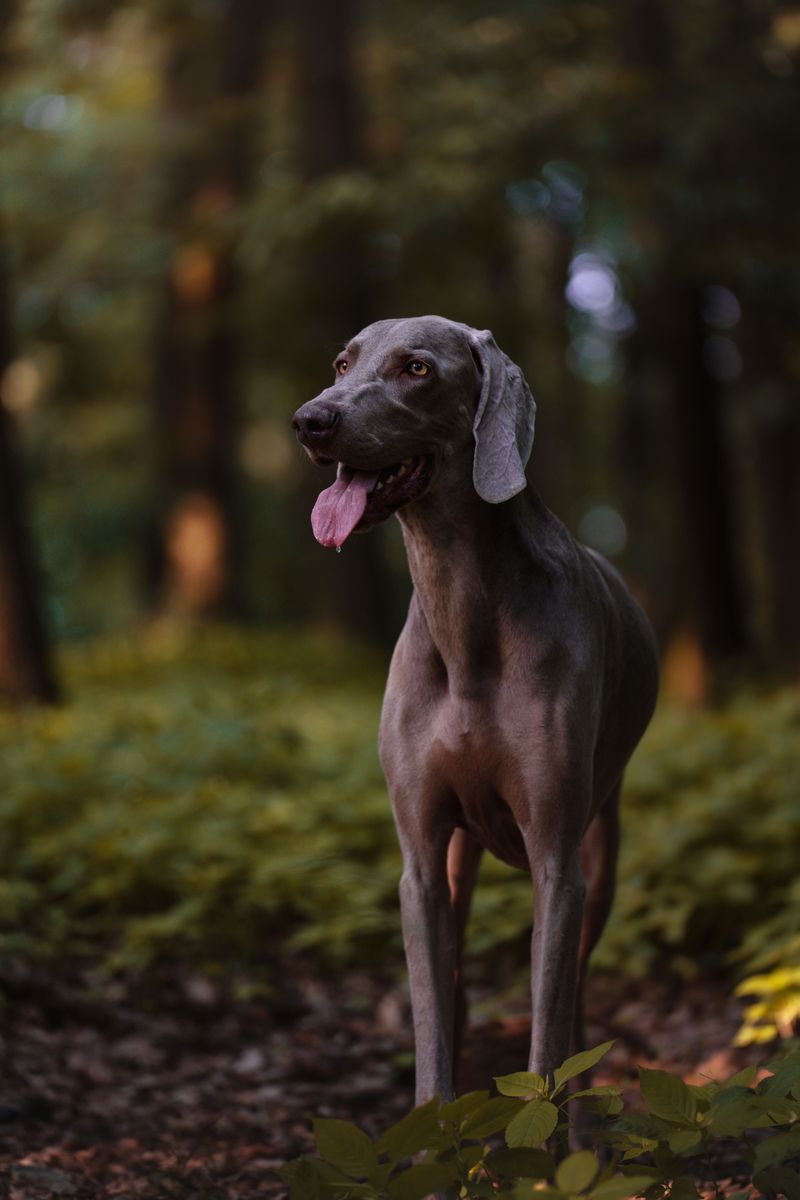
Twenty miles. That is the ceiling a fit Weimaraner can reach, and the gray ghost makes it look effortless.
Two hours of vigorous daily movement is the baseline, so running or hiking becomes routine, not treat. Weimaraners handle both cool and warm weather, though extremes call for shade, water, and shorter loops.
Affectionate and protective at home, they turn businesslike outdoors. That powerful prey drive means careful leash management around Ozark wildlife.
Border Collie
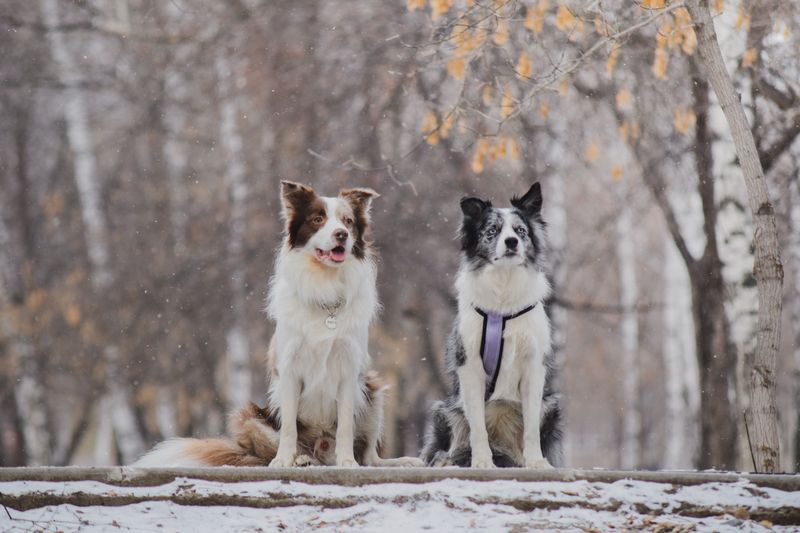
Endurance champion is not marketing fluff here. Border Collies work all day across changing climates, and hours of trail rarely faze them.
Their dense, weather-resistant double coat buffers chilly Ozark mornings and breezy ridgetops. Two hours of hard exercise daily is a fair starting point.
Mental challenges matter just as much, so vary routes and add trailside training. Eager, brilliant, and quick to learn, this breed reads your body language before you speak.
Labrador Retriever
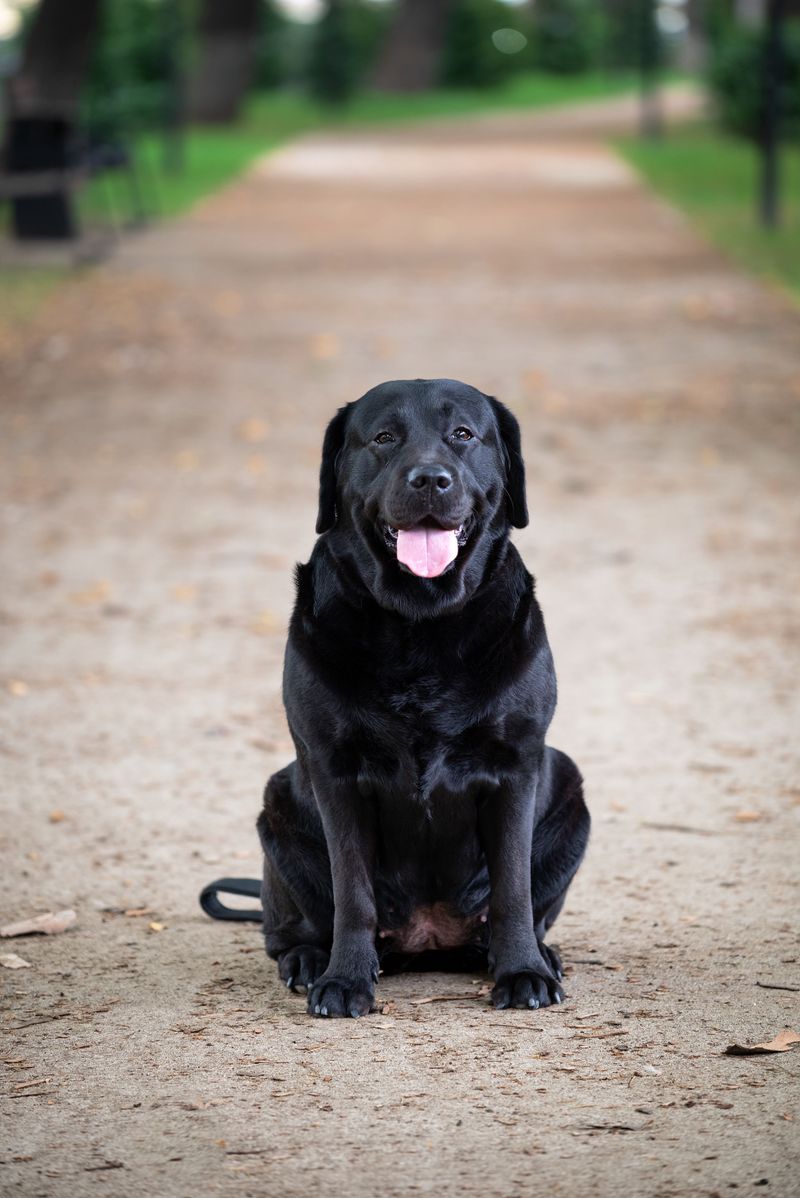
Every clear Ozark stream looks like an invitation to a Lab. Splashing through shallow water is practically a personality trait.
Strong, hardworking, and athletic, Labs handle rocky climbs, muddy hollows, and long afternoons without complaint. Hours on the trail suit them fine when conditioning builds gradually.
Fun fact: despite the name, the breed traces back to Newfoundland, not Labrador. Enthusiasm is the constant, so pack extra water and a towel.
Brittany
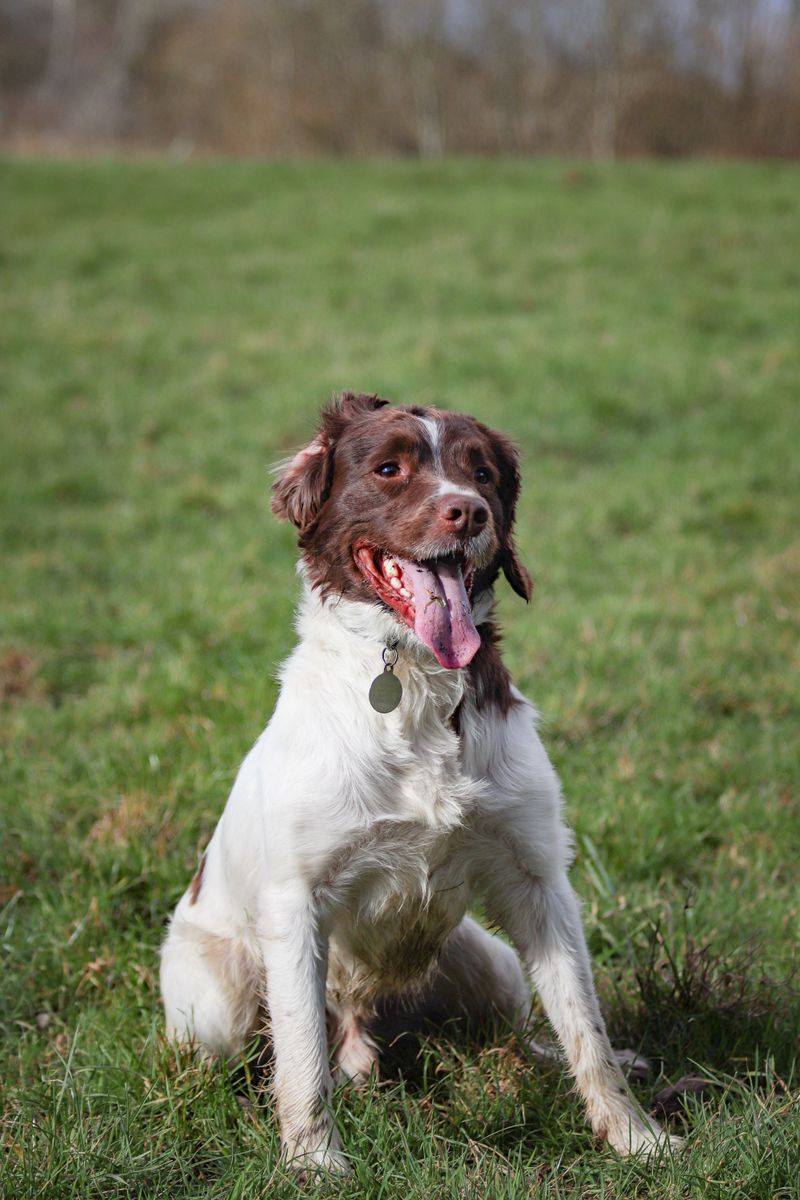
Small package, giant motor. Brittanys pack tireless stamina into a compact, rugged build made for quick movement over broken ground.
Five miles or more is comfortable, and forty minutes of vigorous daily exercise is the floor, not the goal. Their medium-length coat shrugs off water and dirt nicely.
Outdoors they run independent and driven, then melt into affectionate housemates by evening. Birds and scent trails tempt them, so leash up.
German Wirehaired Pointer
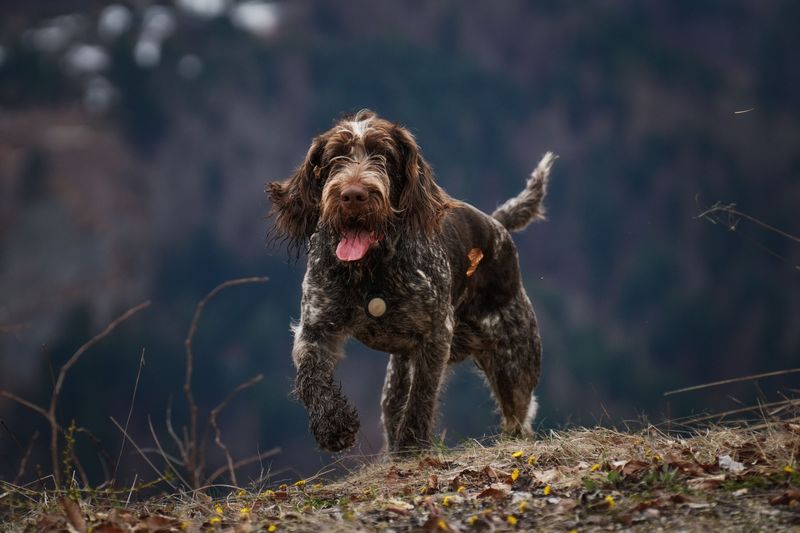
Briars, brambles, and cold water meet their match in that scruffy wire coat. It is armor with a beard attached.
Backcountry hikers rate GWPs first-string for long mileage, and day-long outings barely register. Several hours of vigorous exercise daily keeps them balanced.
Training goes smoothly since they are responsive and sharp. Rough Ozark terrain suits their sturdy frame, though wildlife-rich hollows call for a firmly clipped leash.
Rhodesian Ridgeback
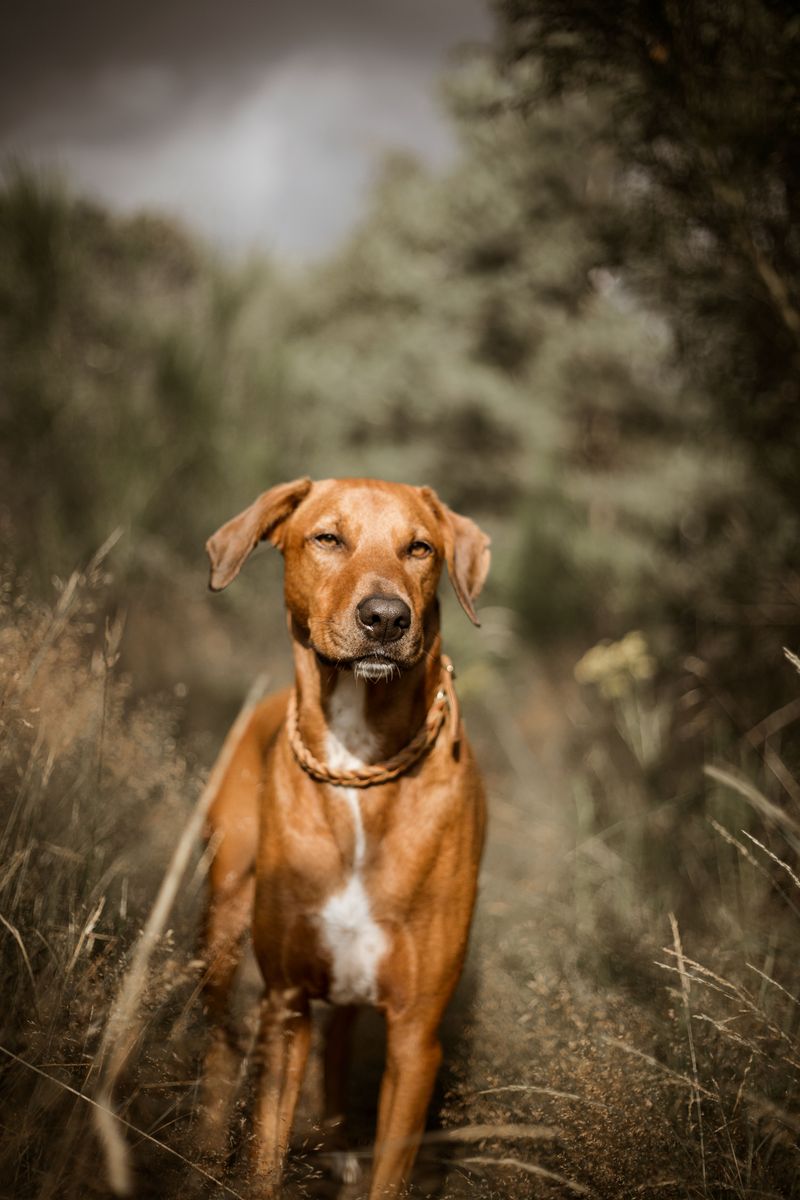
That signature ridge along the spine hints at African origins tracking large game across hot, rugged country. Missouri summers feel manageable by comparison.
Thick paw pads handle chert and rocky ledges, and short hair means grooming stays simple. Speed pairs with genuine endurance.
Steady and devoted, Ridgebacks keep pace when the climb turns steep. Still, offer shade breaks and water often, because heat tolerance has limits too.
English Springer Spaniel
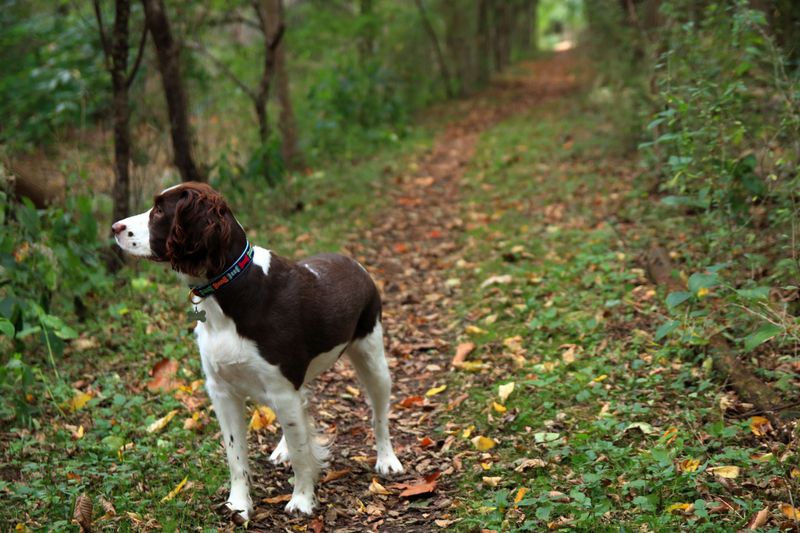
Ears flapping, tail whirring, a Springer approaches every trailhead like a party invitation. Happy-go-lucky suits them perfectly.
One to two hours of daily activity keeps that spirit channeled well. Scent trails, fetch, swims, and hill walks all land on their favorites list.
Patient and playful with families, they can bowl over toddlers in excitement, so supervise. Eager to please, they pick up trail manners quickly with rewards.
Chesapeake Bay Retriever
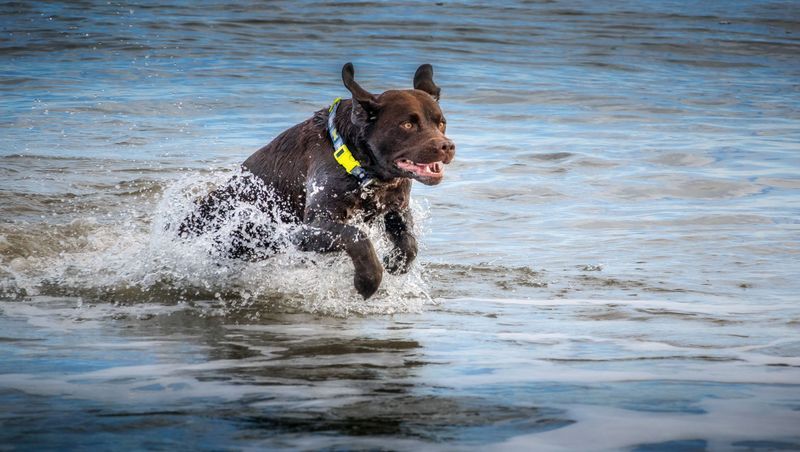
Give a Chessie a job and watch the work ethic switch on. Idle days do not agree with this brown-coated powerhouse.
Hiking, running, and especially swimming fill the tank, and Ozark rivers deliver plenty of swim opportunities. Their dense, oily, waterproof coat over a wooly undercoat handles cold dunks and shifting weather.
Devoted to family, they can act reserved with strangers. Early socialization at busy trailheads pays off nicely.
Golden Retriever
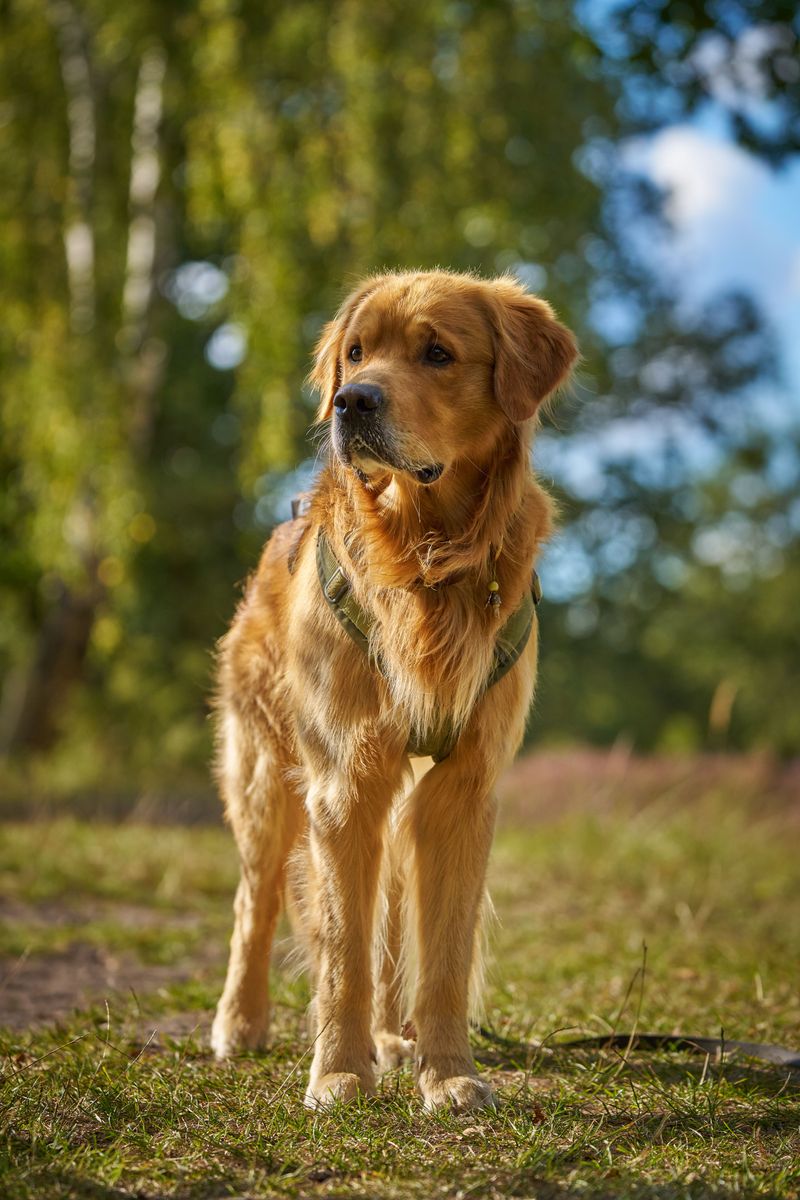
Sunshine with a heartbeat, the Golden genuinely enjoys long miles across whatever terrain appears. Bred as working dogs for endurance over varied landscapes, they come by it honestly.
Swimming, fetch, running, hiking: pick any, they are in. A waterproof undercoat helps regulate temperature on cool mornings and warm afternoons.
Shedding is heavy, so brush regularly and check for burrs after brushy sections. Trainability makes trail etiquette simple.
Standard Poodle
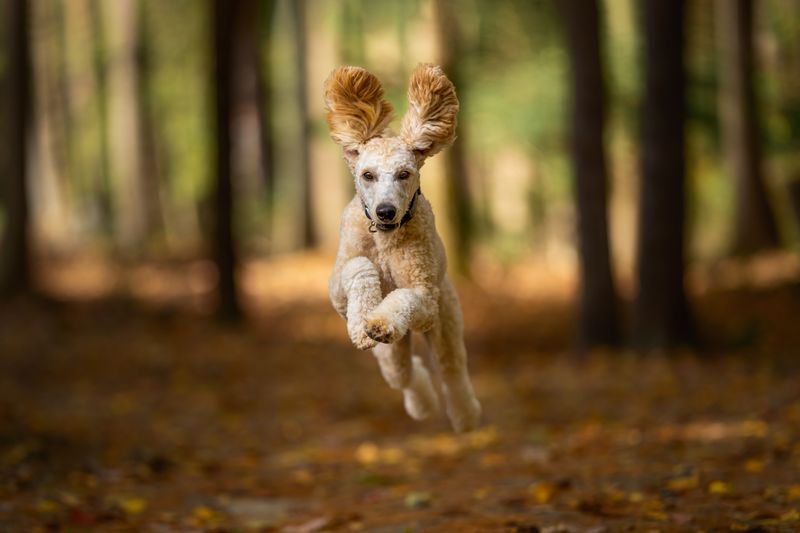
Underestimate a Poodle on the trail and prepare to be humbled. Some Standards have even competed in the Iditarod.
Ten miles fits comfortably, thanks to an efficient endurance trot that eats distance without draining them. Originally working water dogs, they love to run, explore, and problem-solve.
The low-shedding coat pleases allergy sufferers but collects seeds and mats, so brush thoroughly after each outing. Observant and highly trainable.
Portuguese Water Dog
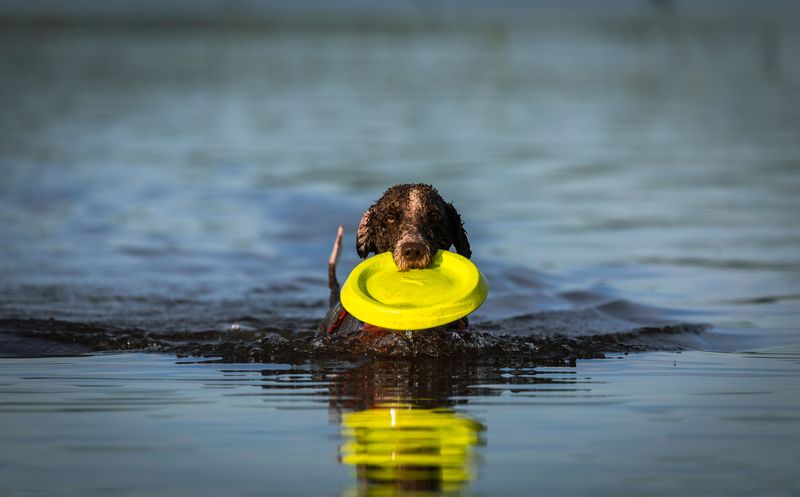
Webbed feet and a curly waterproof coat tell the whole story. Portuguese Water Dogs once helped fishermen haul nets and carry messages between boats.
Strong, agile, and spirited, they hold stamina for a full day’s work, hiking and fetching included. Forty minutes of exercise daily is the minimum, plus mental games.
Regular grooming prevents mats in that non-shedding coat. Ozark springs will absolutely tempt them in.