15 Hiking Companion Breeds For Tennessee’s Ridge-And-Valley Trails
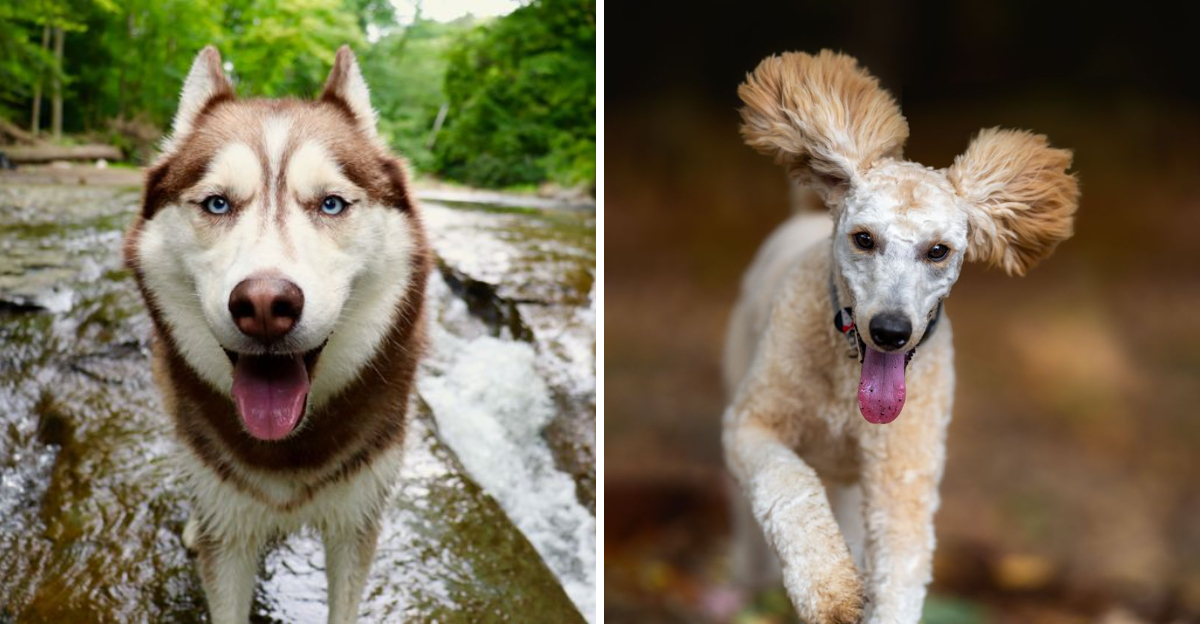
Tennessee’s Ridge-and-Valley country has a rhythm all its own: a lung-burning climb, a limestone spine, then a cool green dip into a creek hollow. Repeat that ten times and you understand why some dogs finish grinning while others beg for a ride home.
Terrain, humidity, and coat type all matter more than looks. Here are 15 breeds that tend to handle those rolling ridges well, plus honest notes on heat, training, and paw care.
1. Australian Shepherd
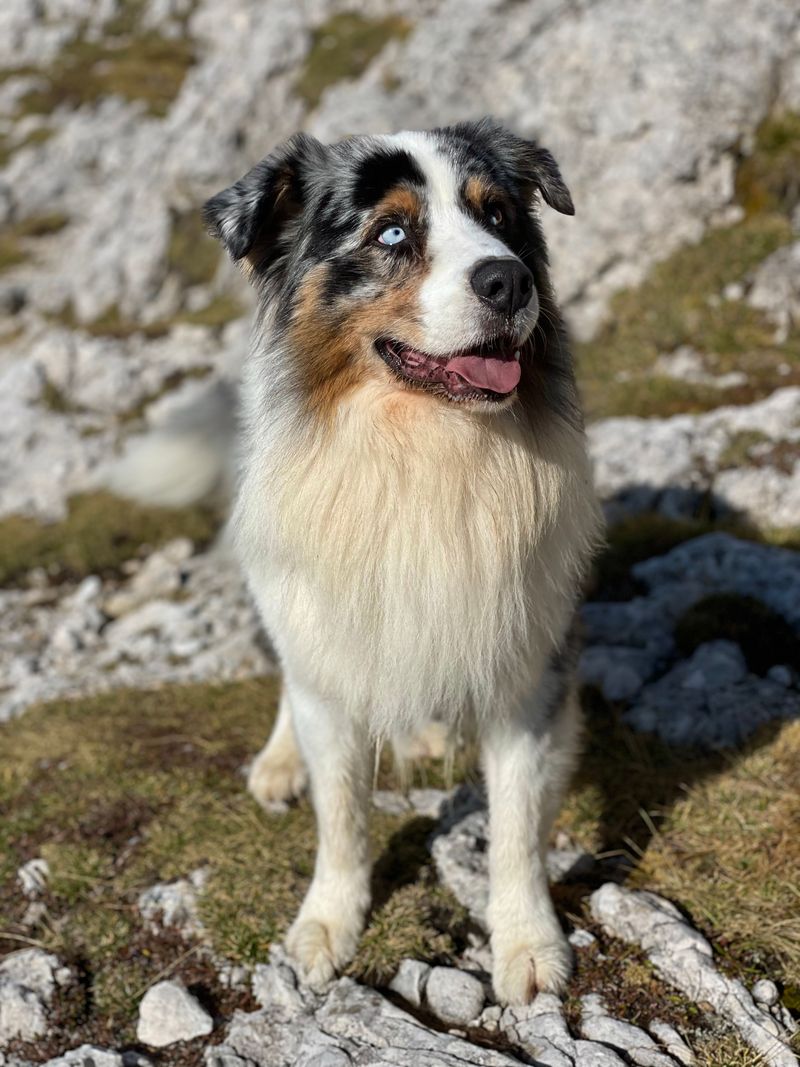
Ask any ridge regular about tireless trail dogs and the Aussie comes up fast. Bred to work long days on uneven ground, these dogs handle rock scrambles and switchbacks with easy footwork.
Sharp minds mean they pick up trail cues quickly, from wait at the ledge to leave the chipmunk alone.
Bring a brush for burrs. That gorgeous coat collects half the forest.
2. Border Collie
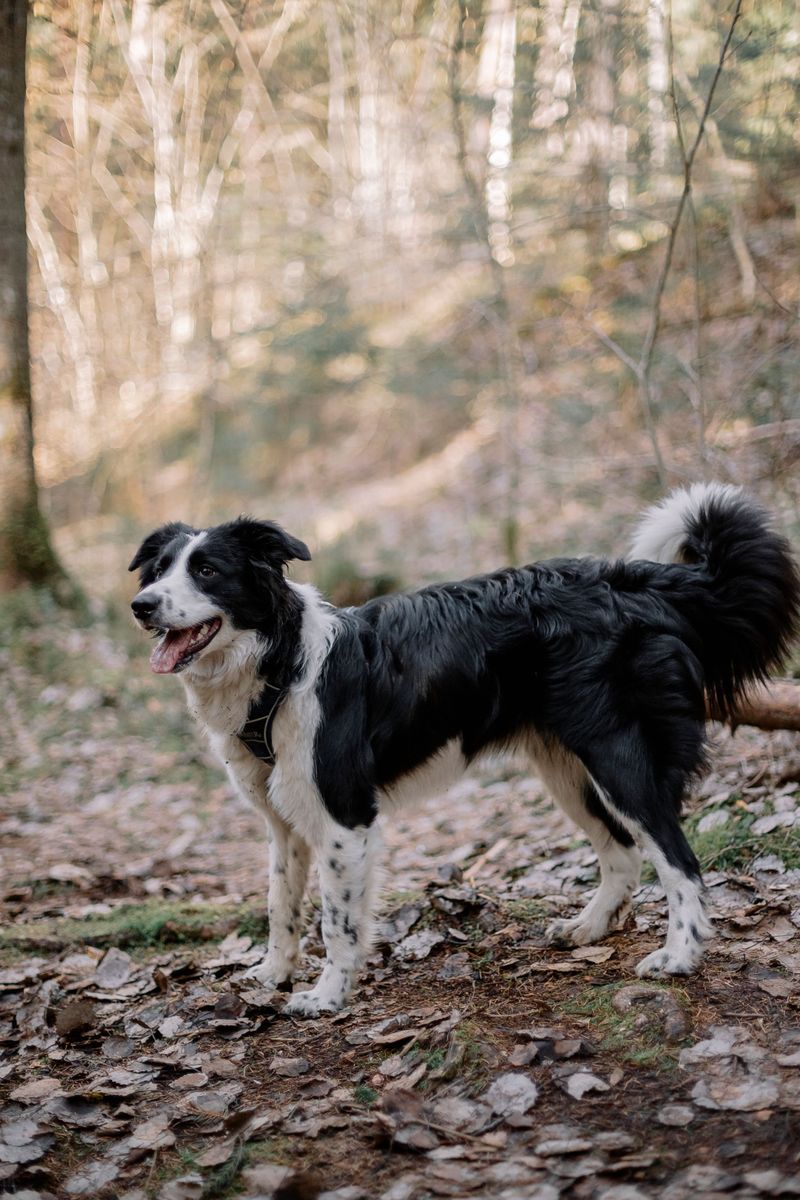
Few dogs read a trail like a Border Collie. Eyes locked, ears swiveling, they clock every switchback before you do.
Stamina is rarely the problem here. Boredom is.
Long ridge-and-valley routes give that busy brain something worthwhile to chew on.
Pack extra water and a puzzle toy for camp. A tired Collie is a happy Collie, and a happy Collie sleeps beautifully.
3. Labrador Retriever
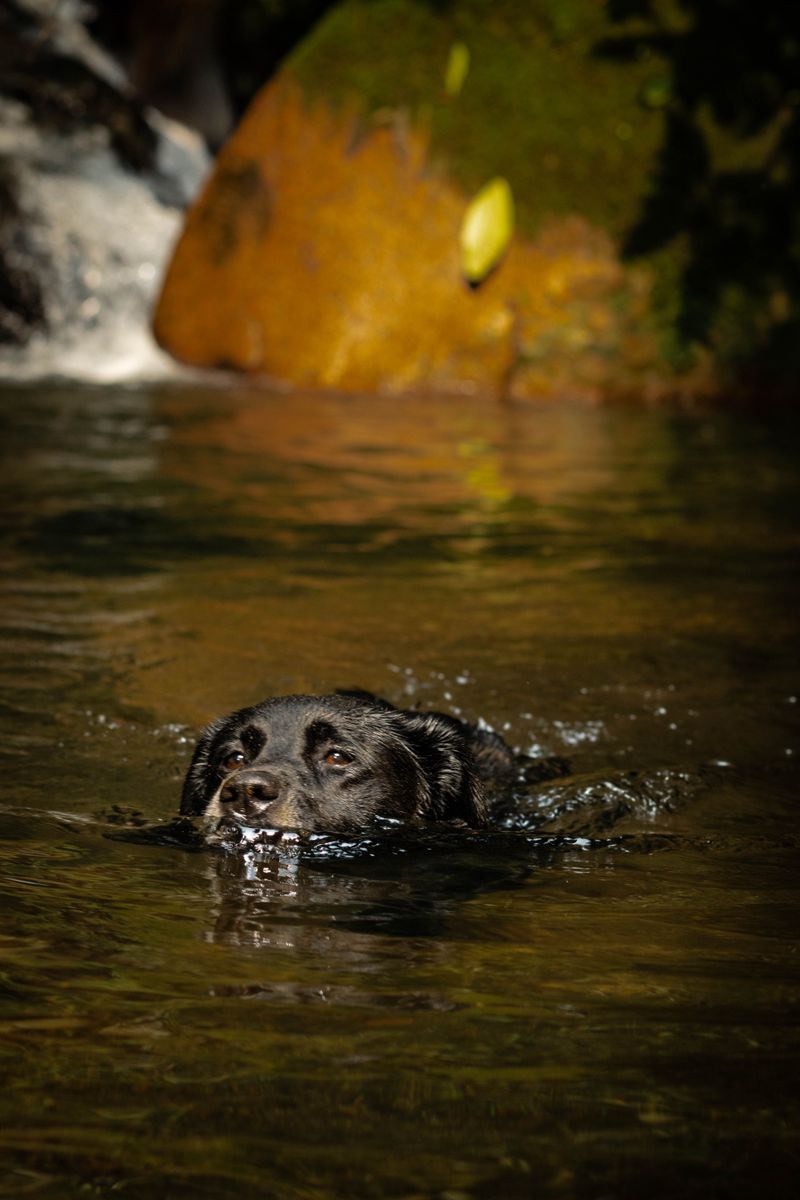
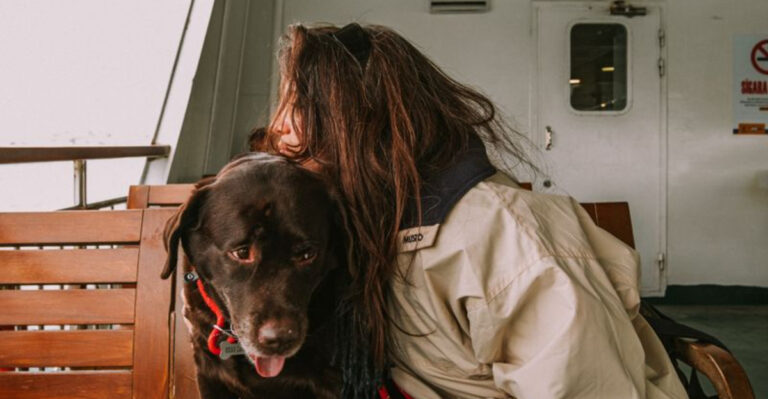
Every creek crossing becomes a celebration with a Lab along. Water is their happy place, and Tennessee valleys serve up plenty.
Steady stamina makes them dependable on all-day routes. Their friendly outlook helps at busy trailheads too.
Watch the waistline and the heat. Labs will keep going long past sensible, so you set the pace and call the breaks.
4. Golden Retriever
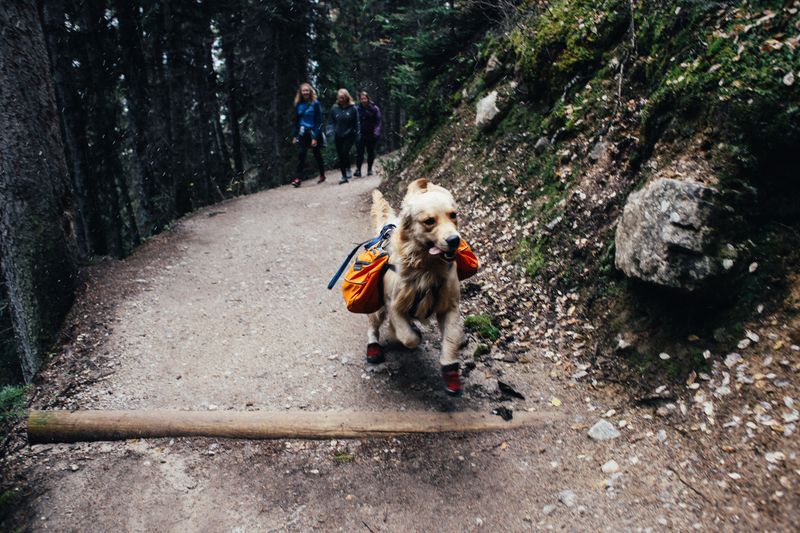
Sunlight through a Golden’s feathering on a fern-lined path is a whole mood. Beyond the good looks sits a genuinely capable hiker.
They pair endurance with an agreeable, unbothered attitude, which helps on shared trails and rocky descents.
Humidity can make strenuous hiking harder for Goldens. Hike early, brush and dry the coat after muddy or wet outings, and check the skin regularly for irritation or hot spots.
5. German Shepherd
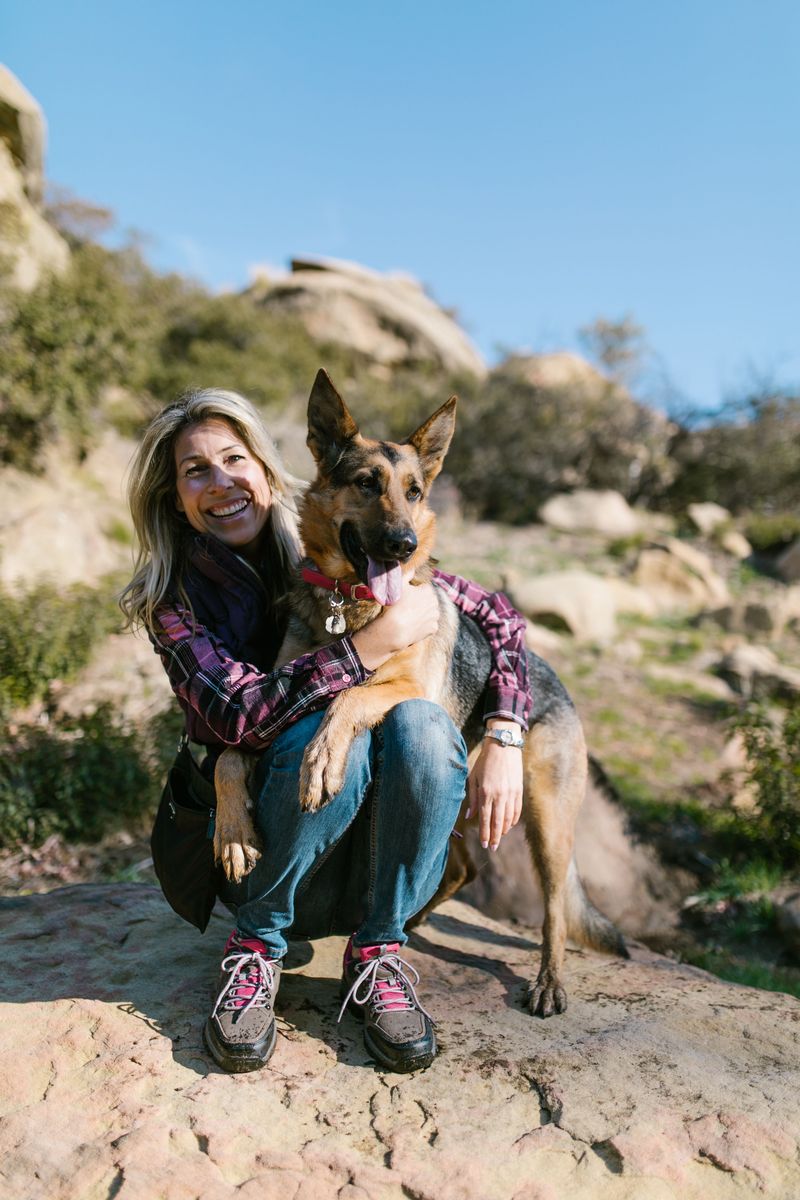
Strength, brains, and a metronome trot: the German Shepherd was practically drafted for long ridge days.
They read your body language closely, which pays off on narrow ledges and rooty descents where precision matters.
Joints deserve respect, so build mileage slowly and skip long rock hops with young dogs.
A well-fitted pack with a light load suits their working streak nicely.
6. Rhodesian Ridgeback
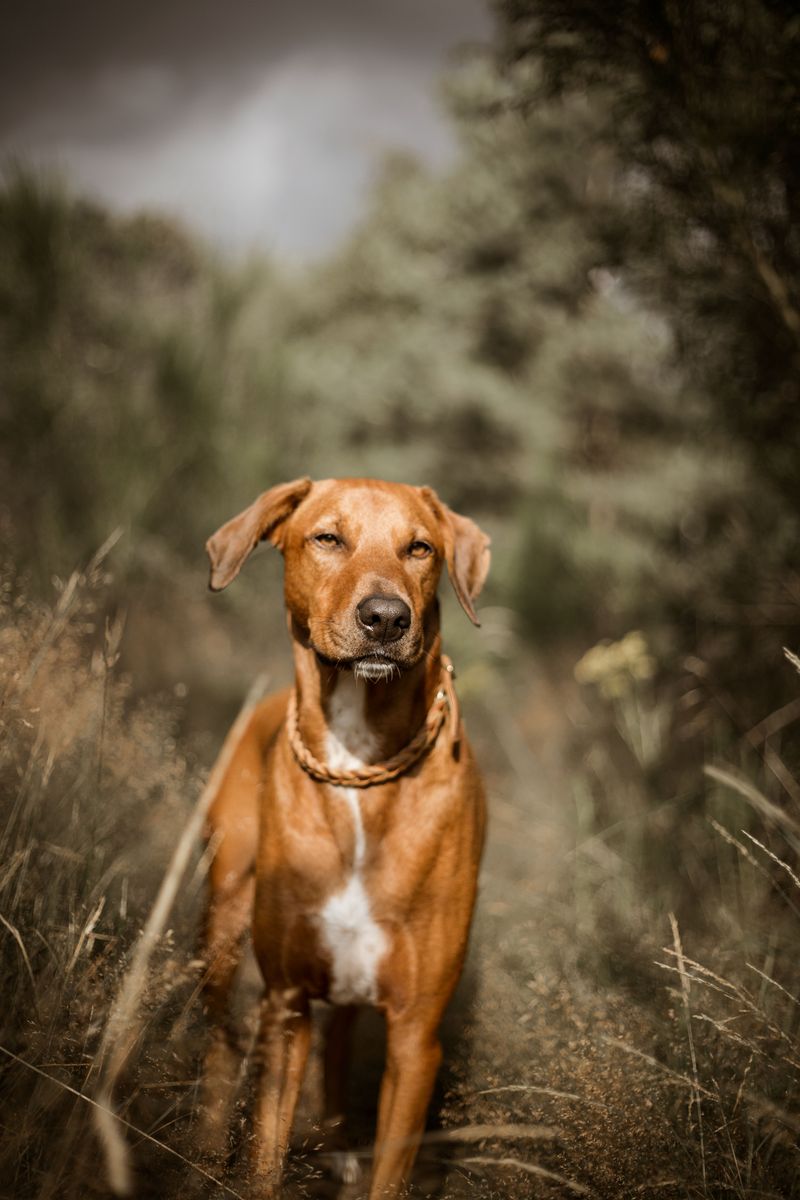
That signature stripe of backward-growing hair is the giveaway. So is the loping, effortless gait built for long African miles.
Their short coat and athletic build can make them capable warm-weather companions, but Tennessee’s heat and humidity can still be challenging. Condition them gradually and avoid strenuous hikes during the hottest parts of the day.
Independence is the catch. Ridgebacks think for themselves, so rock-solid recall and a sturdy leash keep deer chases from turning into an unscheduled cross-county tour.
7. Vizsla
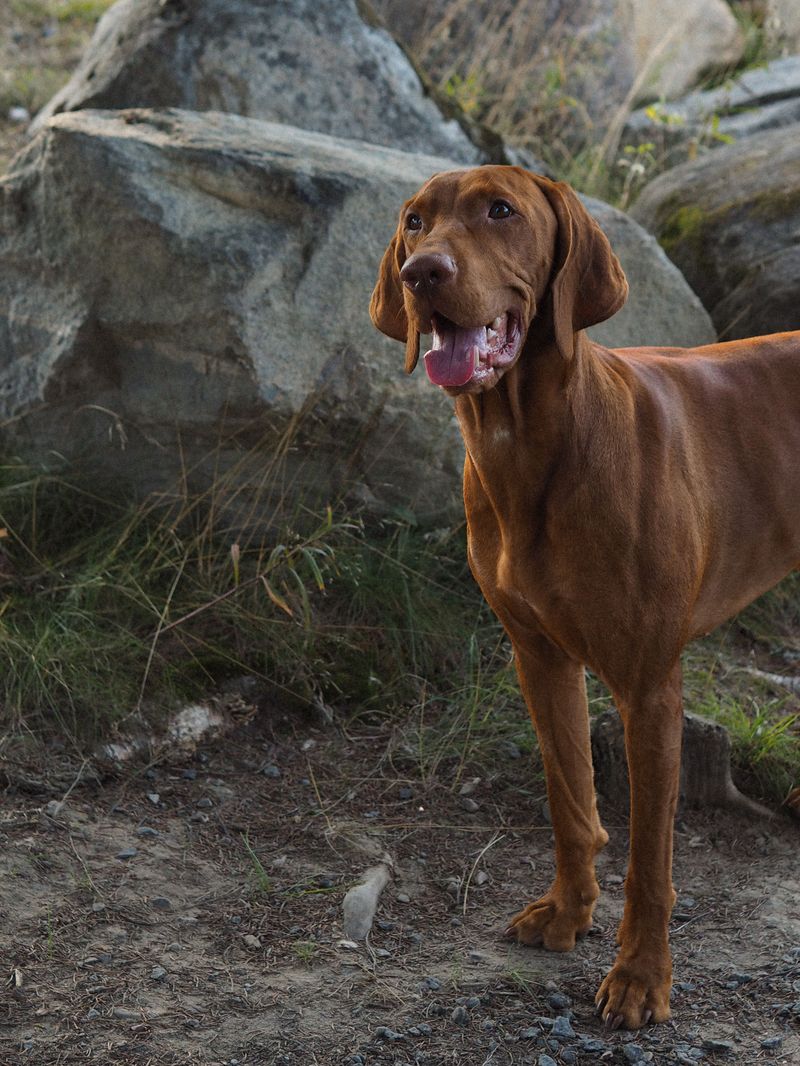
Nicknamed velcro dogs for good reason, Vizslas rarely stray far from your boots.
That copper coat is short and slick, so mud rinses off with one creek dip instead of an hour of detangling.
Energy comes in generous helpings. Five miles is a warm-up.
Thin fur means chill sets in fast, so pack a lightweight jacket for breezy winter overlooks.
8. Weimaraner
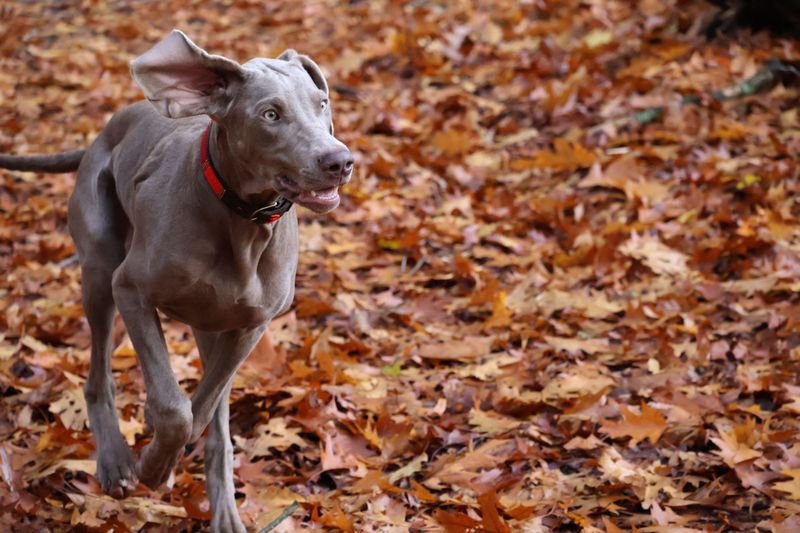
Silver ghost is the old nickname, and it fits when one flickers between hickory trunks ahead of you.
These dogs need serious daily movement, which makes ridge-and-valley loops a gift rather than a chore.
Skip the couch-potato weeks then a ten-mile Saturday. Consistency protects those long legs.
They bond hard, so crate anxiety at camp is worth planning around.
9. German Shorthaired Pointer
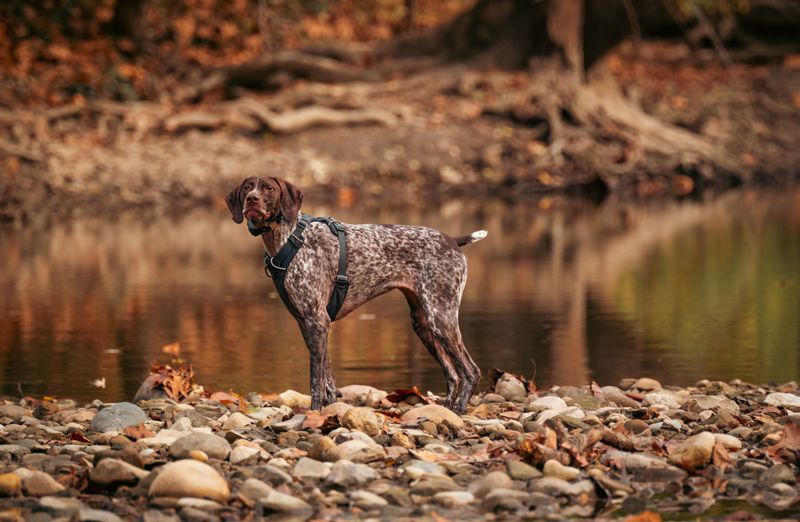
Built like a hiking machine with a nose bolted on front, the GSP eats elevation for breakfast.
Webbed feet handle creek crossings, and the short coat dries fast in valley humidity.
Expect them to cover triple your mileage zigzagging through brush.
Check between toes afterward. Seed heads and briars love those muscular little paws more than the dog does.
10. Australian Cattle Dog
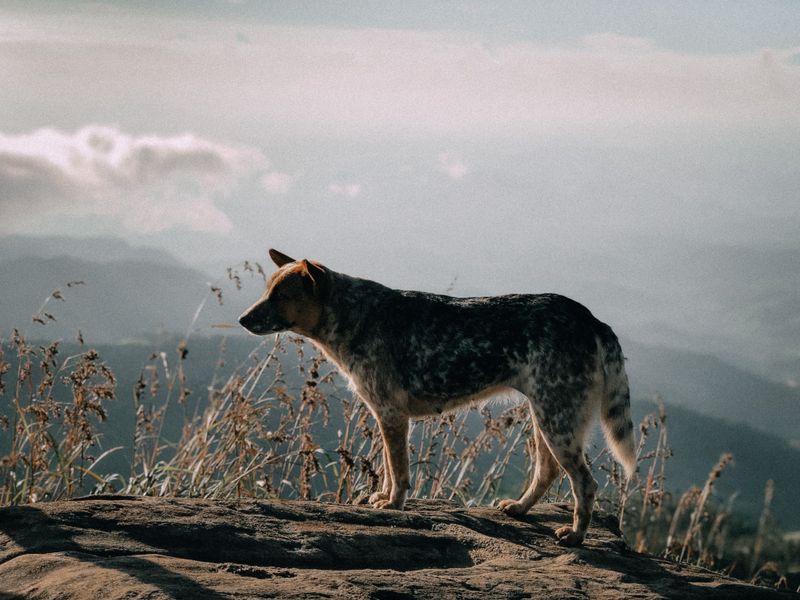
Compact, muscled, and stubborn in the best way, the heeler treats a twelve-mile day as a decent start.
Rough ground suits them since they were bred to move stock across brutal terrain.
Herding instincts can pop up around joggers and bikes, so practice recall long before the trailhead.
Give them a job on the hike. Carrying their own snacks counts.
11. Siberian Husky
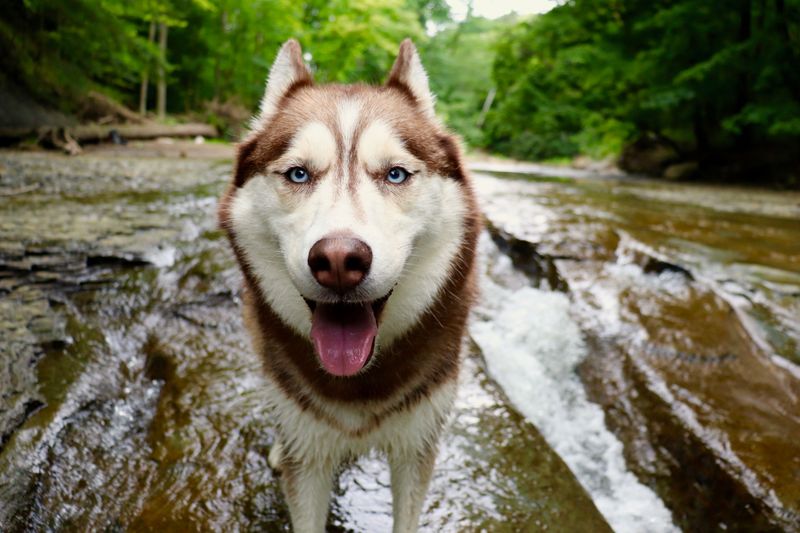
Endurance royalty, no argument. A Husky can trot for hours and look mildly disappointed when you stop.
Tennessee summers, though, are the plot twist. Heat and humidity stack up quickly on exposed ridges.
Shift hikes to dawn, shoulder seasons, or shaded creek routes.
Recall is famously optional with this breed, so a long line beats a hopeful whistle every time.
12. Standard Poodle
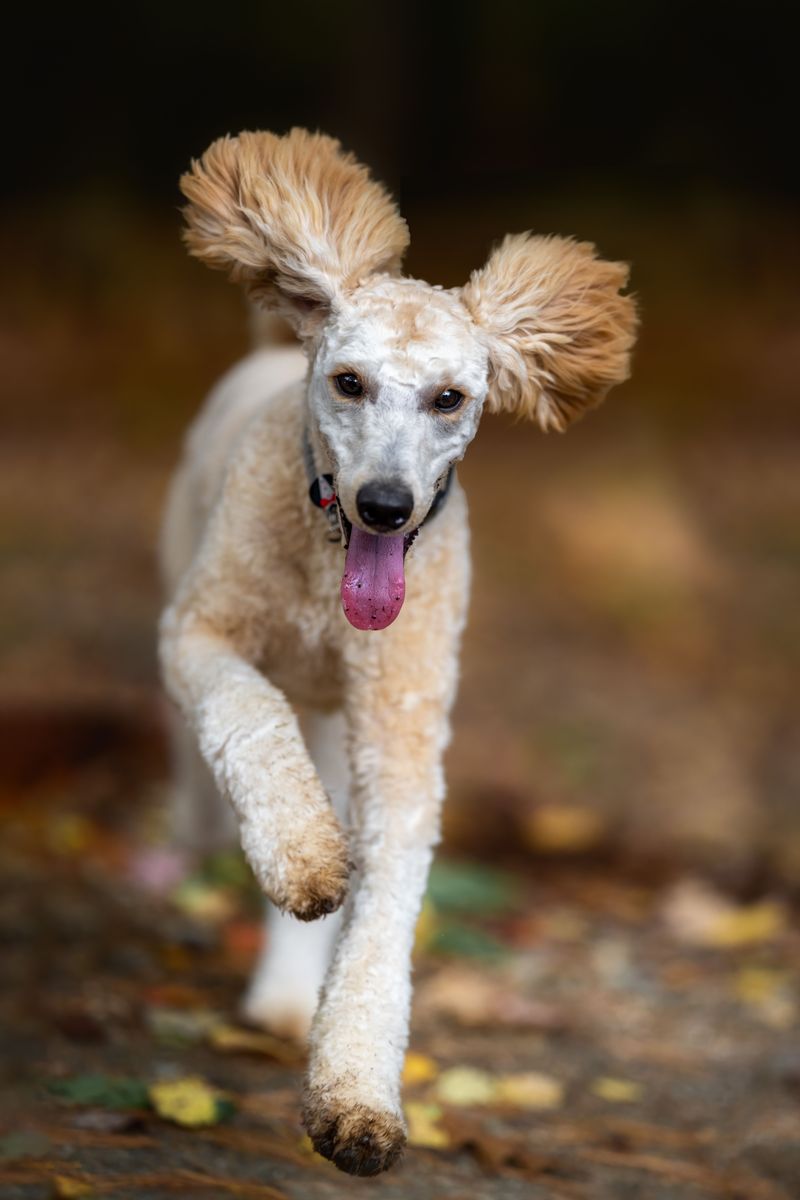
Forget the fancy show clip. Underneath sits a water retriever with real athletic chops.
Standard Poodles climb well, swim happily, and learn trail etiquette almost embarrassingly fast.
Curls are the trade-off. Burrs, ticks, and mud cling like they pay rent.
A short sporting trim before hiking season saves hours of brushing and makes tick checks far simpler.
13. Belgian Malinois
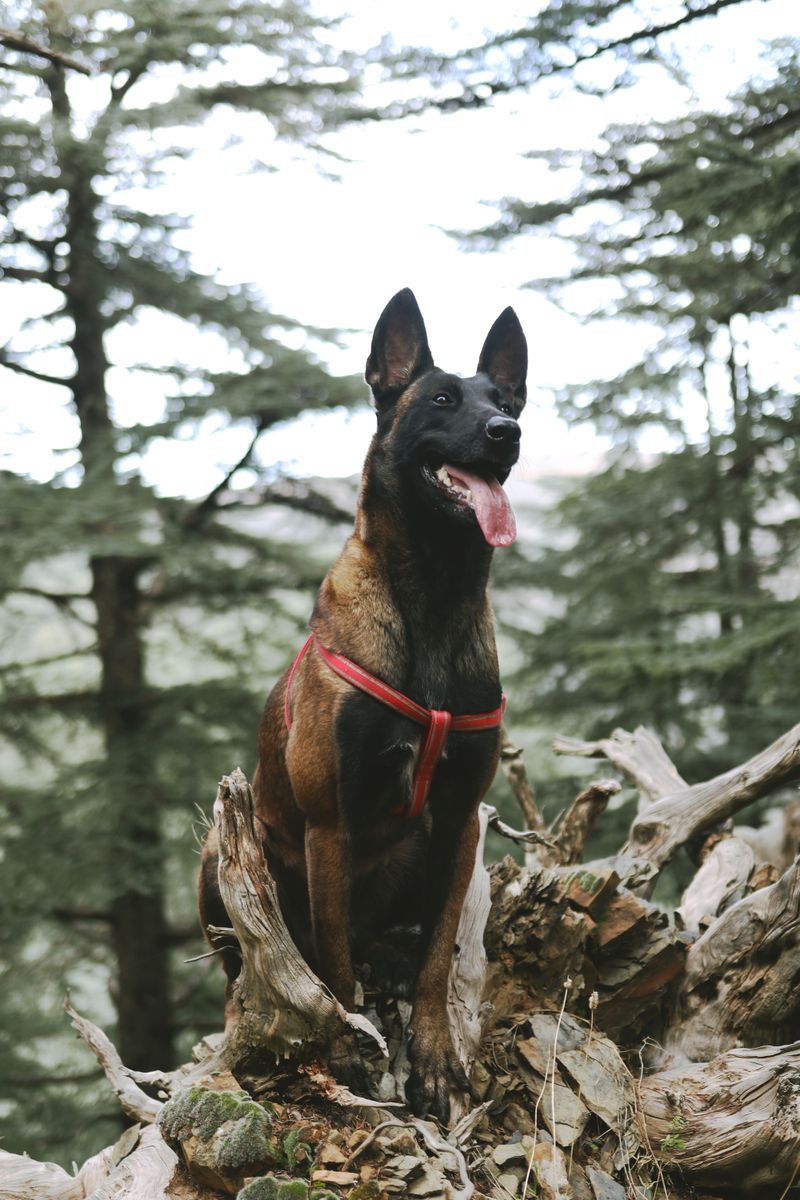
Imagine a dog wired to work every waking minute. That is the Malinois in one line.
Steep ridge climbs barely register, and their focus on a handler is remarkable.
Newcomers often underestimate the commitment involved. Experienced owners with training time see incredible trail partners.
Mental work matters as much as miles, so mix scent games into rest stops.
14. Alaskan Malamute
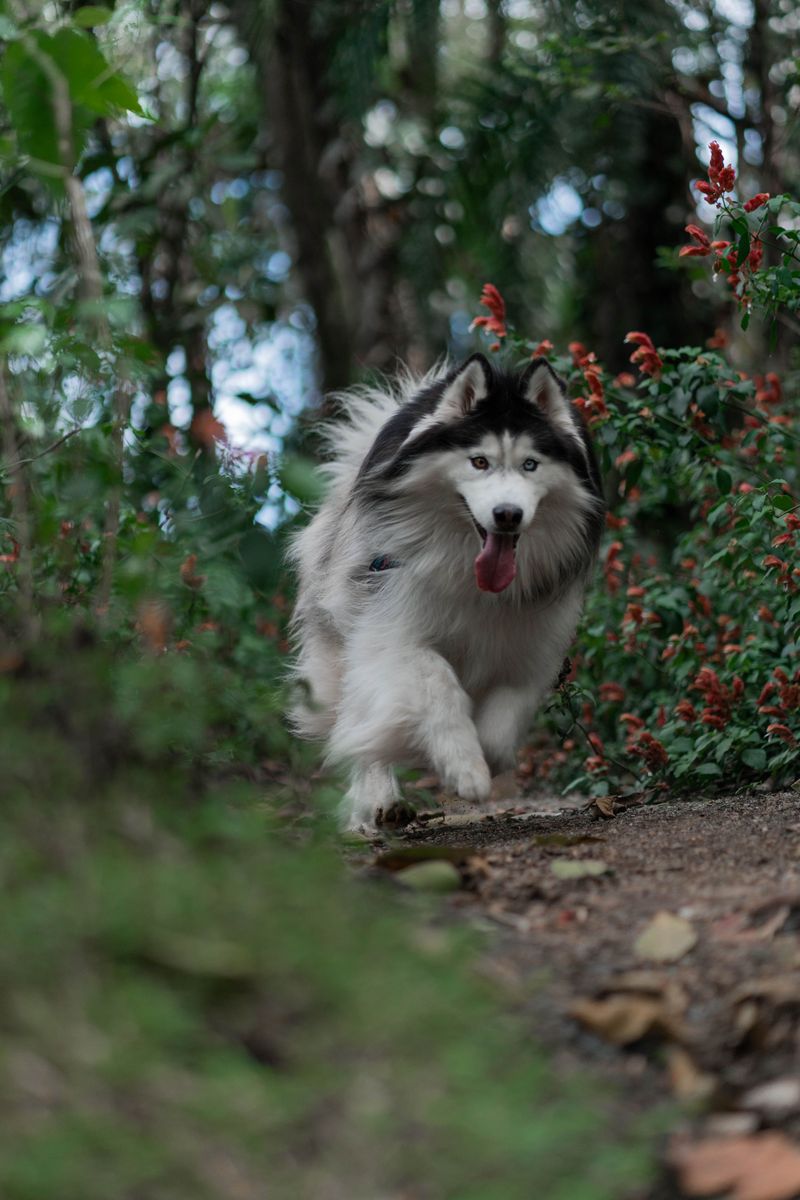
Pure freight-train power wrapped in a plush coat. Malamutes were hauling heavy loads across Arctic ice long before backpacks existed.
Winter hikes in the valleys suit them beautifully, especially frosty January mornings.
July does not. Heat is a genuine risk for this double-coated giant.
Plan cool-season adventures, carry extra water, and never shave that insulating coat.
15. English Springer Spaniel
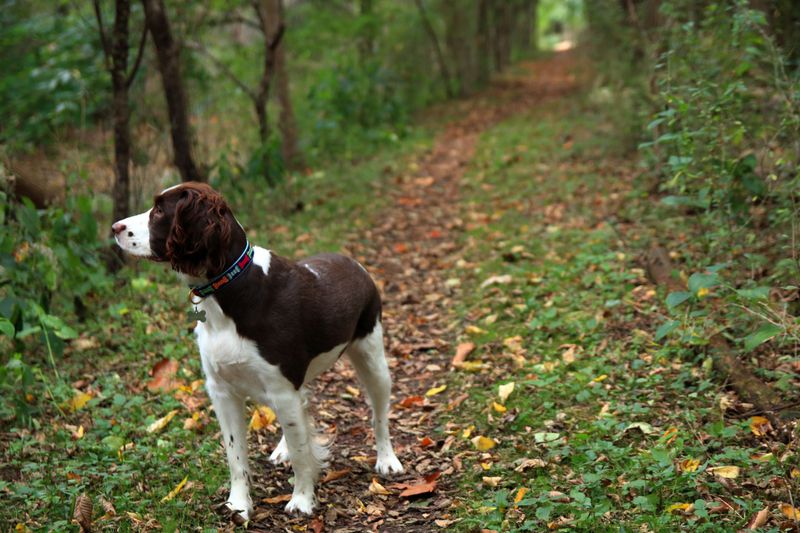
Bouncy is the only honest word for a Springer on a fern-lined footpath.
Mid-sized and nimble, they slip along narrow ridge tracks where bigger dogs feel crowded.
Eager-to-please wiring makes leash manners easy to teach early.
Those long ears trap moisture and seeds, so dry them after every creek splash and check them at the truck.