15 Iowa Dog Breeds Suited To Farm Life And Wide-Open Spaces
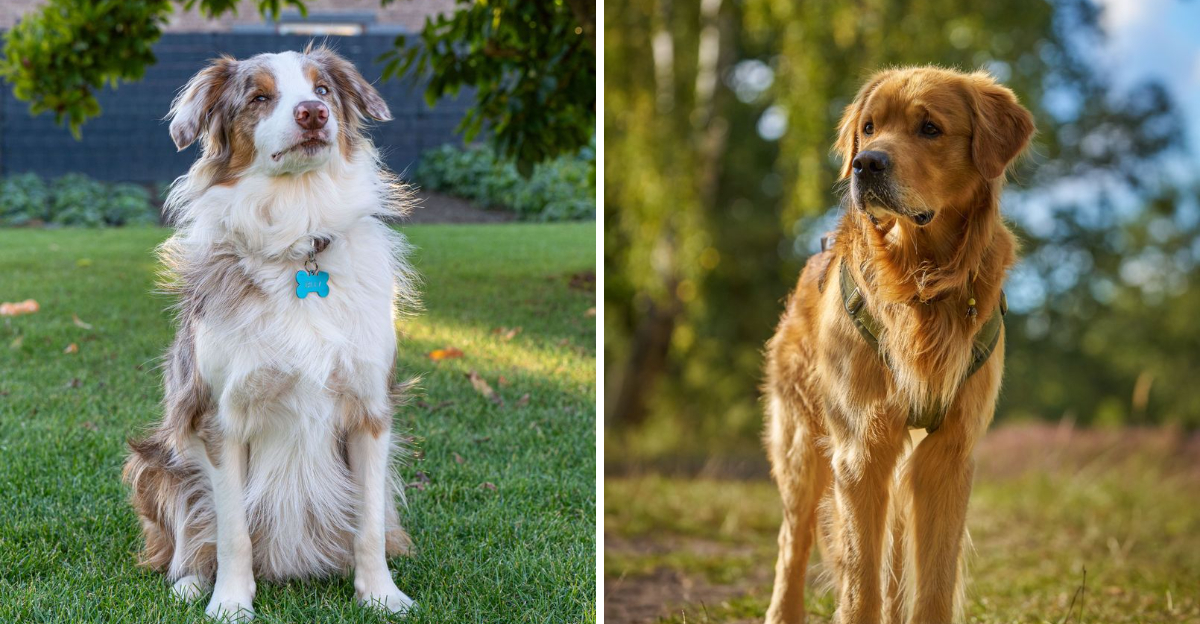
Iowa runs on corn rows, cattle lots, gravel roads and long horizons. A dog raised in that world needs more than good looks.
It needs stamina for chore time, brains for problem solving and steady nerves around tractors, goats and grain trucks. Some breeds were literally built for that job, from heel-nipping cattle movers to night-shift flock guardians.
Here are fifteen breeds that fit Iowa acreages beautifully, plus what each one truly needs to stay happy.
1. Australian Cattle Dog
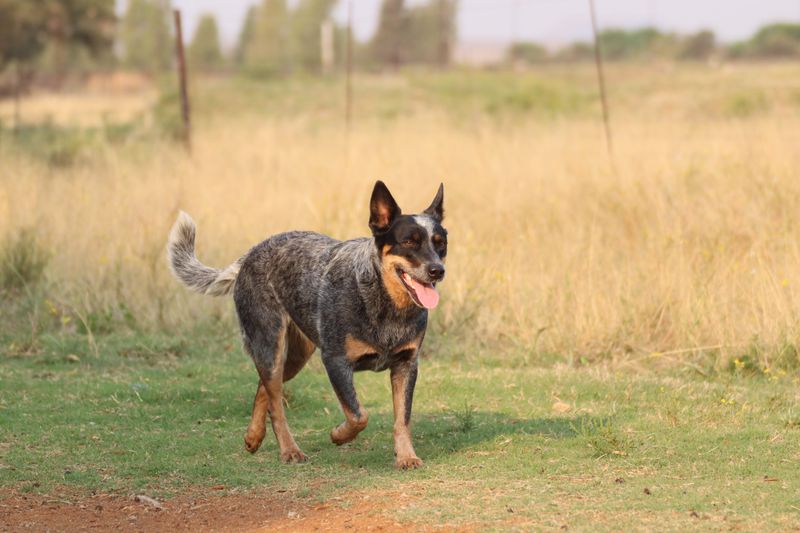
Nicknamed the Blue Heeler, this compact powerhouse was bred to drove cattle across brutal distances. Iowa feedlots suit that resume perfectly.
Expect fierce loyalty, sharp intelligence and a courageous streak that borders on stubborn. The famous heeling instinct can shift to running kids, so manage it early.
Plan on 90 to 120 minutes of daily work. Agility, rally and obedience trials burn that engine down nicely.
2. Border Collie
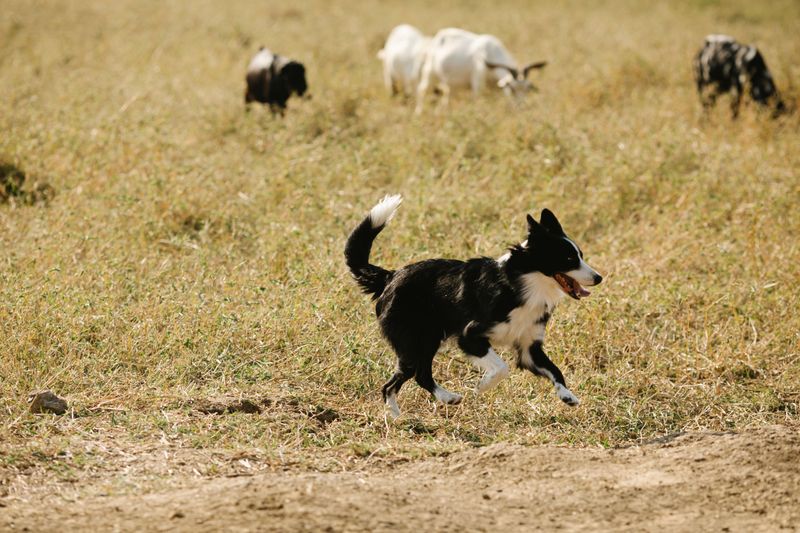
Few dogs read livestock like a Border Collie reads sheep. That famous crouch and stare is pure instinct at work.
Brains come standard, and so does a demanding schedule. Budget 1.5 to 2 hours of vigorous activity daily, mixing runs, fetch, varied walks and agility.
Mental puzzles matter just as much. A bored Border Collie turns anxious or destructive fast.
Puppies need roughly five minutes per month of age.
3. Australian Shepherd
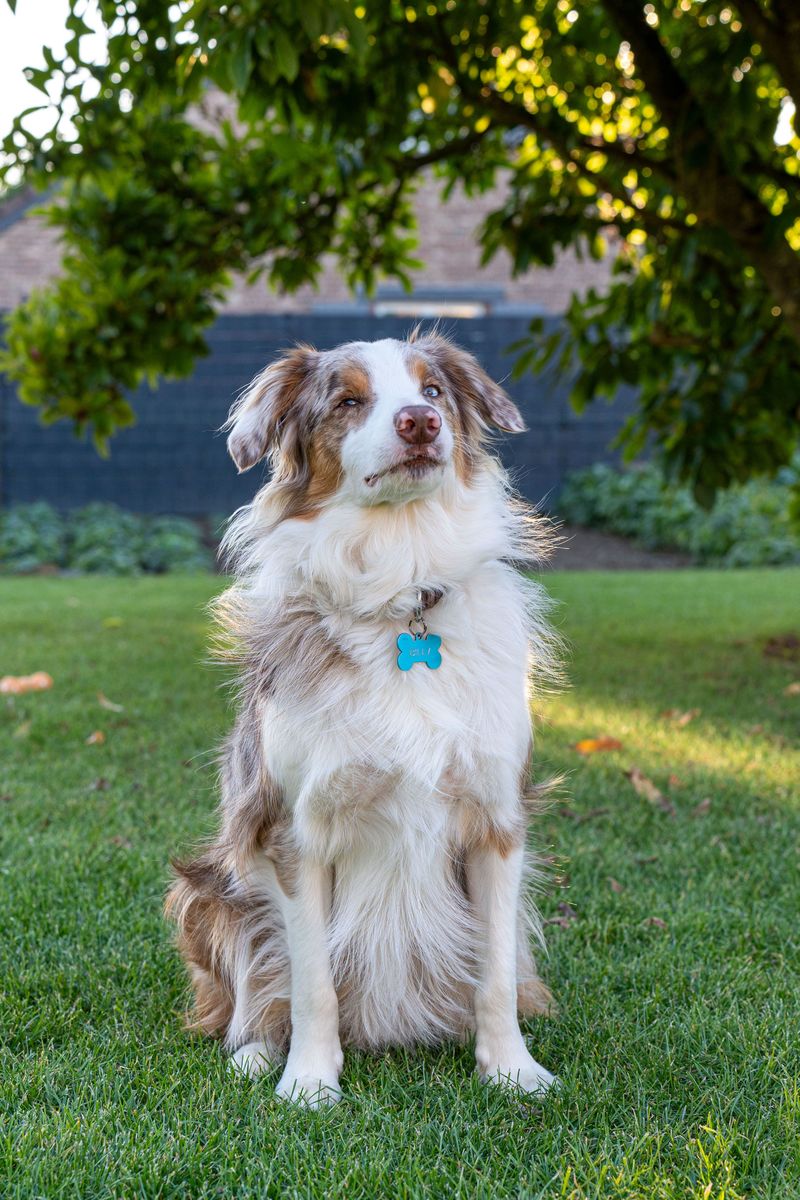
Despite the name, this breed made its reputation on American ranches. Aussies were built for long days, quick decisions and tricky problems.
Trainability is a highlight, though the flip side is real. Boredom brings barking, chewing and general mischief.
Give this dog 1.5 to 3 hours of exercise daily, including brisk walks, runs and secure off-leash play.
Puzzle toys and new tricks keep that busy brain satisfied.
4. Great Pyrenees
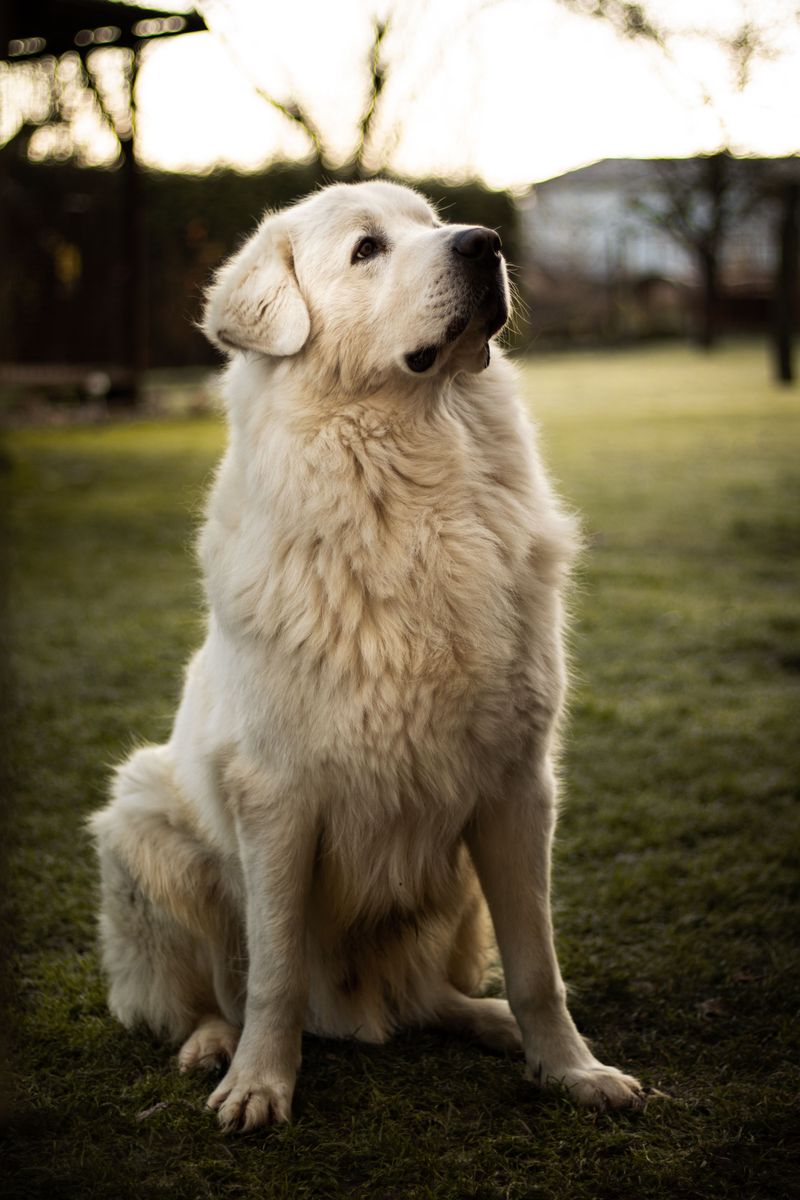
Thousands of years of guardian work sit behind those big white paws. Pyrs watch sheep, goats and even chickens without being told.
Coyotes are the usual Iowa concern, and that deep, rolling bark does most of the deterring. Night shifts are their specialty.
Calm, confident and famously independent, they bond tightly with their stock.
Early socialization helps. Big open acreage suits them far better than a small yard.
5. Anatolian Shepherd
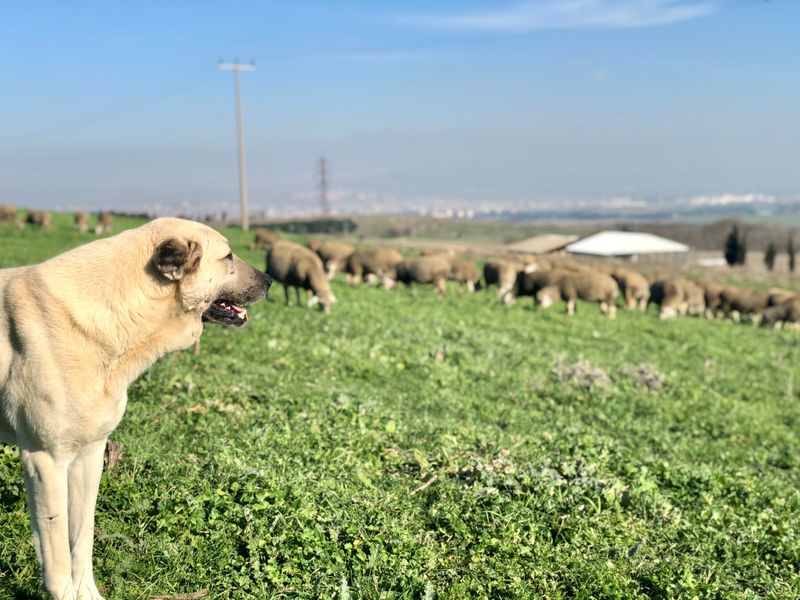
Straight from Turkey comes a guardian who thinks for itself. Anatolians protect flocks rather than herd them, bonding deeply with the animals they cover.
Size, strength and a watchful bark handle most trouble before it starts. Strangers may get a cool, reserved greeting.
Daily needs run one to two hours of walking and free movement.
Fencing matters enormously here: five to six feet minimum, since patrolling instincts run deep.
6. German Shepherd
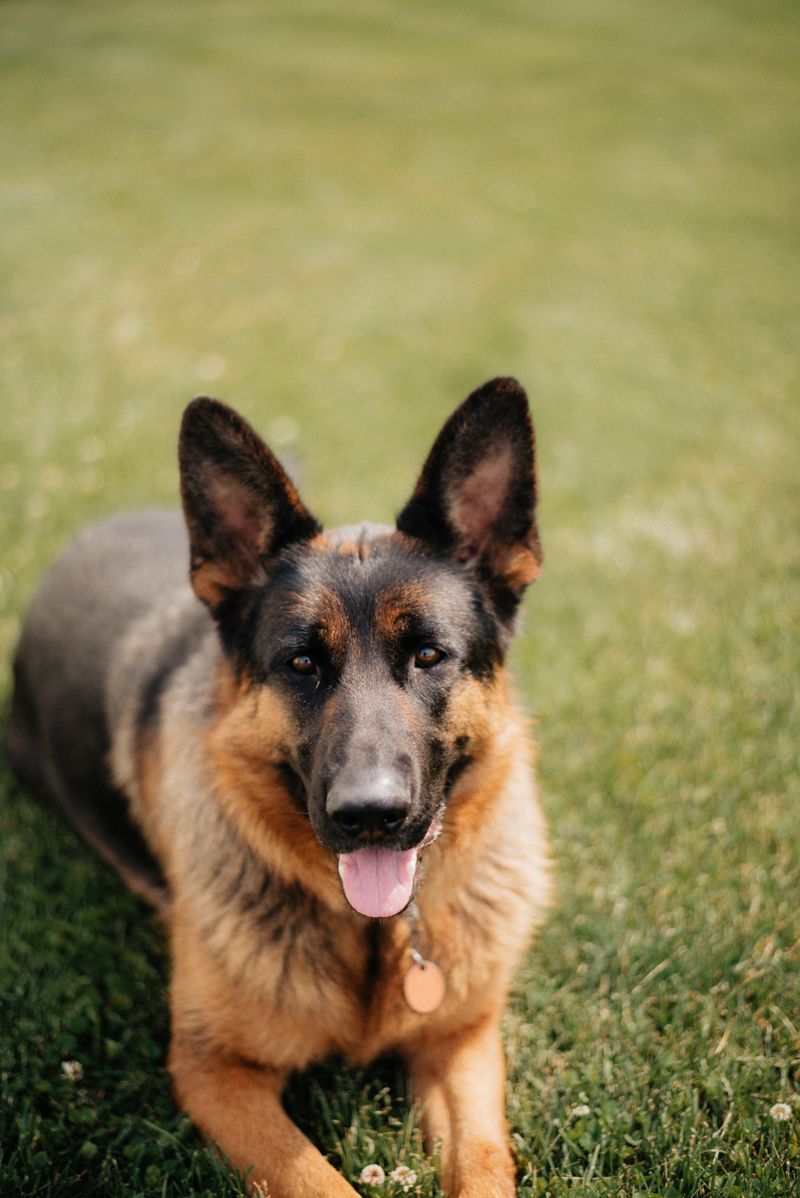
Herding is the original job description, even though police work stole the spotlight. On an Iowa farm, that translates to moving stock, minding chickens and patrolling fence lines.
Structure keeps this breed thriving. One to two hours daily works well, split into sessions.
Brisk walks, fetch, agility and herding trials all fit the bill.
Consistent training plus early socialization builds the confident, well-mannered dog everyone pictures.
7. Labrador Retriever
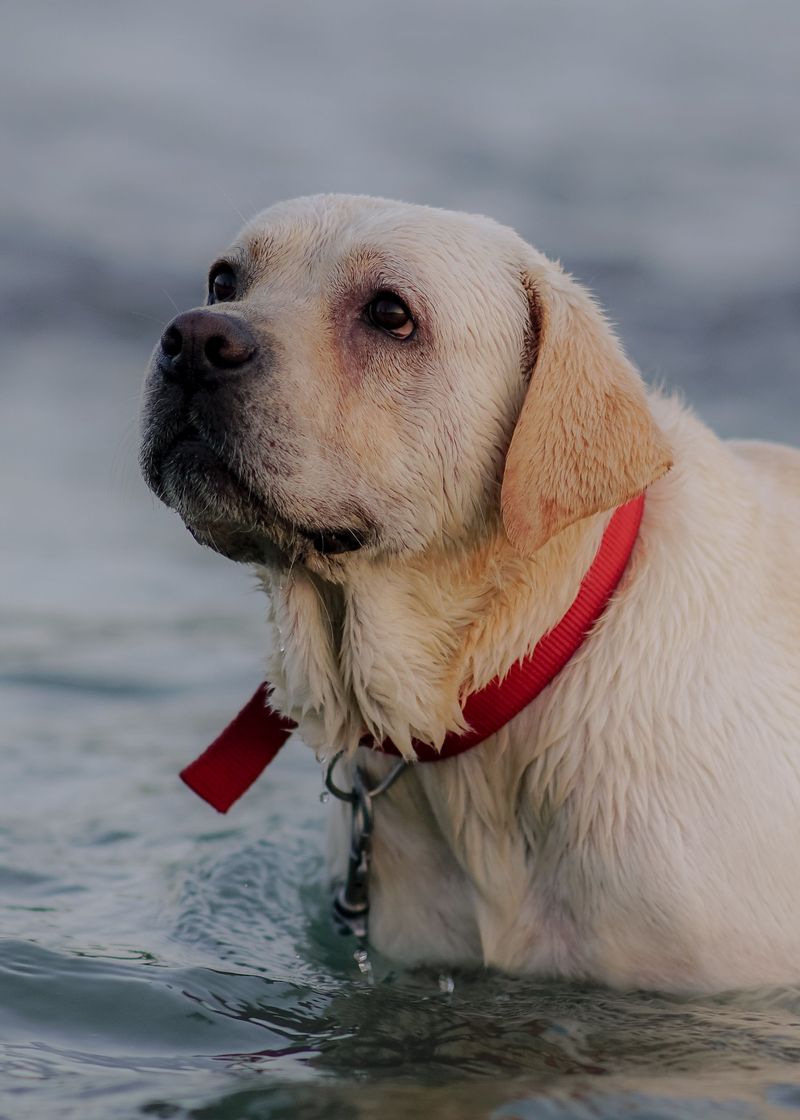
Here is a fun bit of trivia: the Labrador actually traces back to Newfoundland, not Labrador. Early ones hauled heavy fishing nets.
That work ethic shows up as boundless enthusiasm and easy friendliness with people and other animals.
Adults need 1.5 to 2 hours daily. Swimming is their happy place, and farm ponds deliver.
Puppies get about five minutes per month of age, protecting growing joints.
8. Golden Retriever
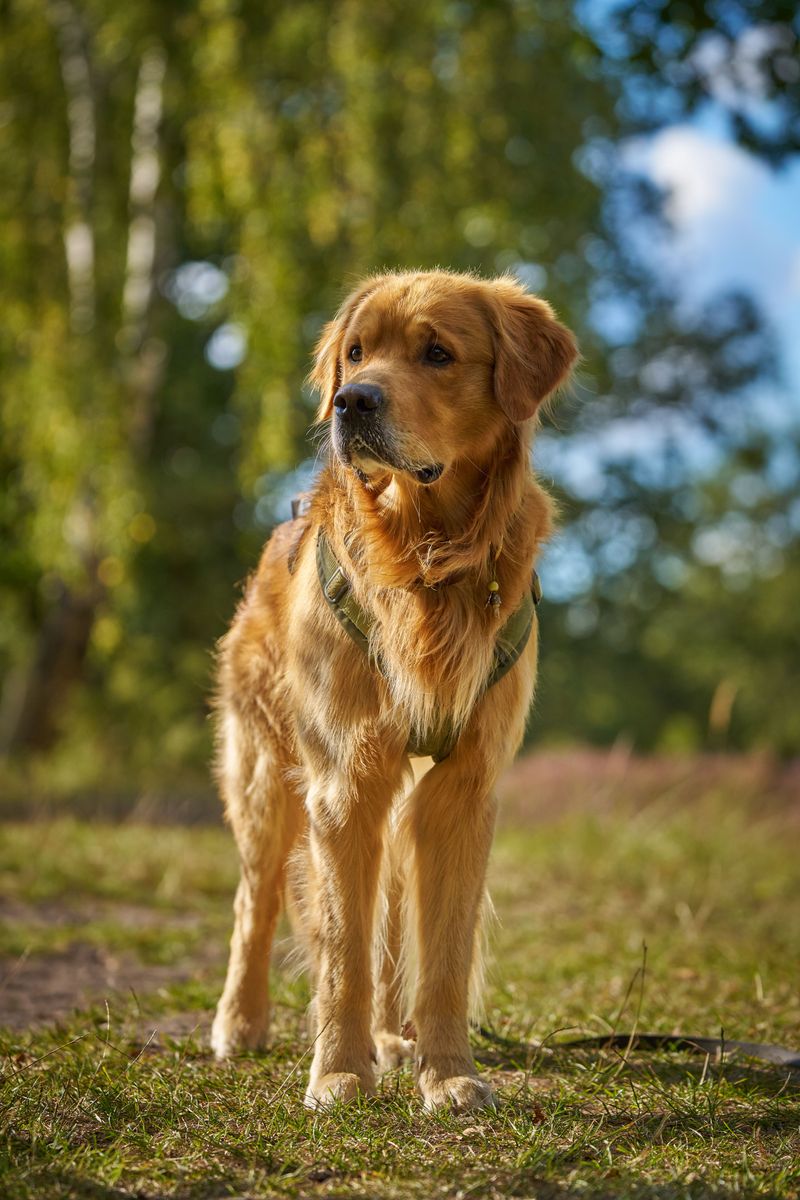
Sunshine in dog form, the Golden takes to countryside living like it was written into the contract. Fields, gardens and long rambles make its day.
Sociability is the calling card, along with patience around children and other pets.
Curiosity about smaller livestock is real, so training smooths that out.
Aim for one to two hours daily. Roughly 45 minutes of walking, split in two, covers body and brain.
9. English Shepherd
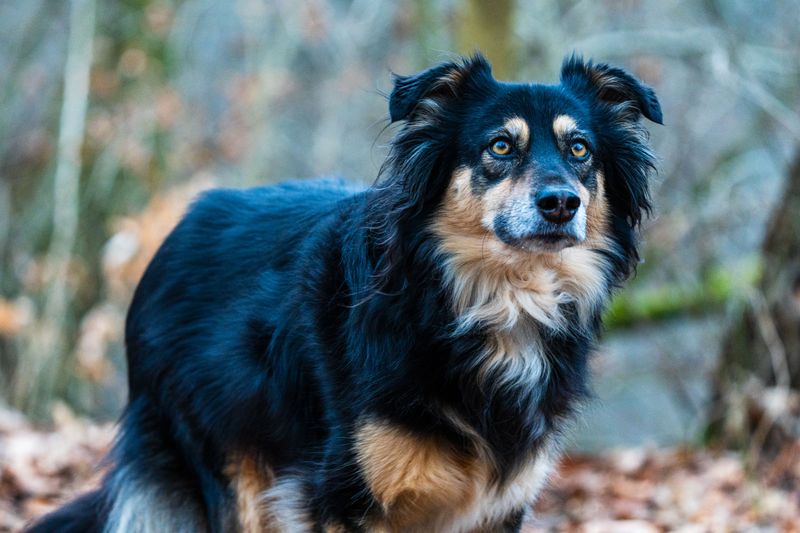
Old-timers called it the Farm Collie, and the nickname stuck for good reason. This heritage American breed herds, guards, handles vermin and keeps an eye on kids.
Routines get learned quickly, and independent decisions come naturally.
Devotion runs deep, paired with a surprisingly patient, gentle streak around other animals.
Herding drive may target family members, though training helps. One to two hours of daily work keeps everything balanced.
10. Collie
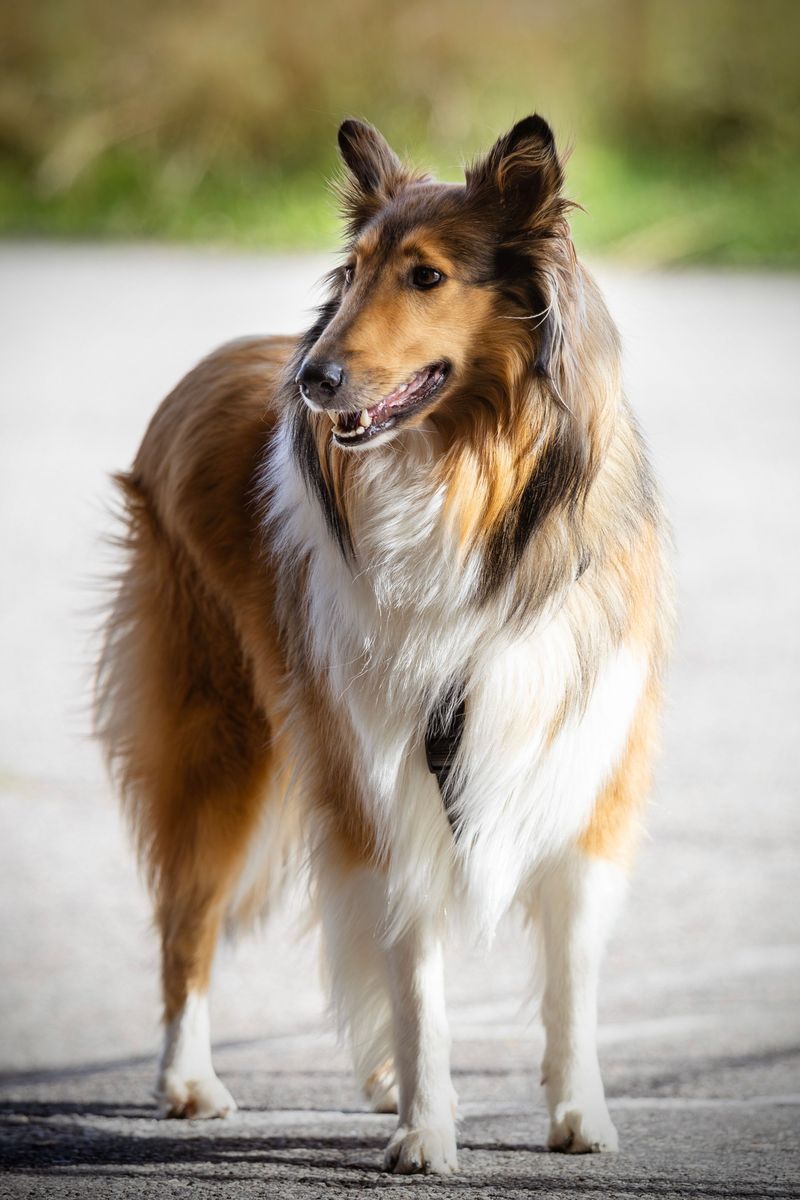
Scottish Highlands shepherds shaped this breed for herding and guarding sheep. Rough and Smooth varieties both carry that legacy.
Sweetness, sensitivity and loyalty define the temperament, with polite manners toward visitors when socialized young.
Herding urges can turn people into a flock, so redirect early.
Vocal communication is part of the package. Smooth Collies often need two hours daily, while Rough Collies settle for moderate activity.
11. Belgian Malinois
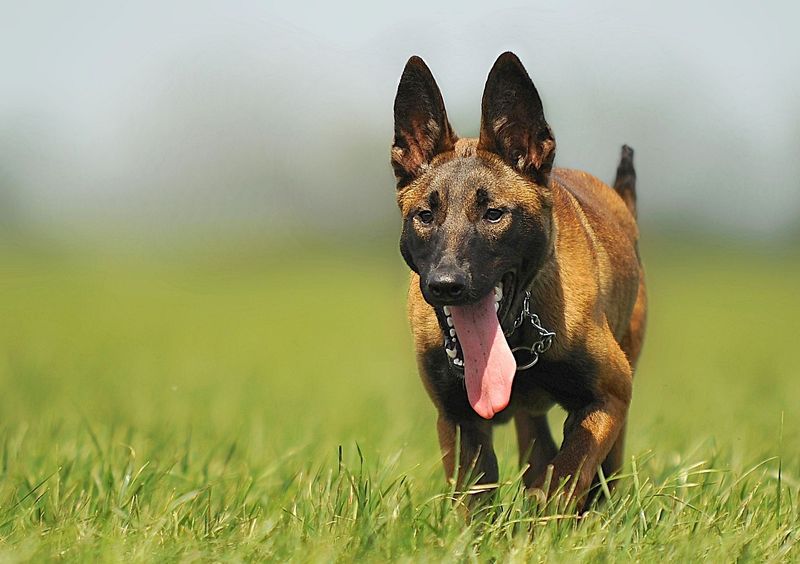
Think of the Malinois as a working dog with the throttle stuck open. Herding, guarding and general farm tasks all suit its wiring.
Experienced handlers get the best results, since structure and purpose are non-negotiable.
Two hours of vigorous exercise is the floor, plus 30 to 60 minutes of mental work.
Strong prey drive and running children need supervision. Secure fencing is essential.
12. Pembroke Welsh Corgi
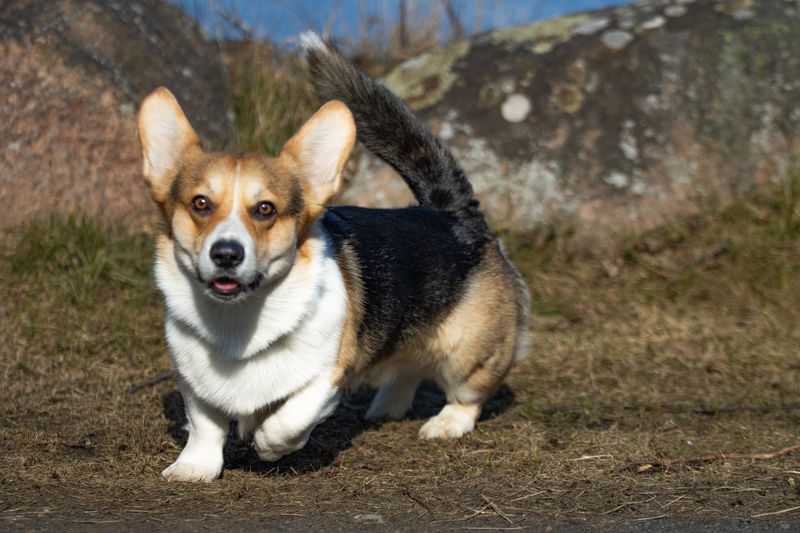
Short legs, giant job history. Pembrokes moved cattle by nipping heels and ducking kicks, which explains the low-slung build.
Spirited and clever describes them well, and stamina is better than the stubby silhouette suggests.
Adults between one and seven years need at least an hour of moderate to high-intensity activity daily.
Walks, dog park visits and lively play prevent boredom, which otherwise shows up as mischief.
13. Cardigan Welsh Corgi
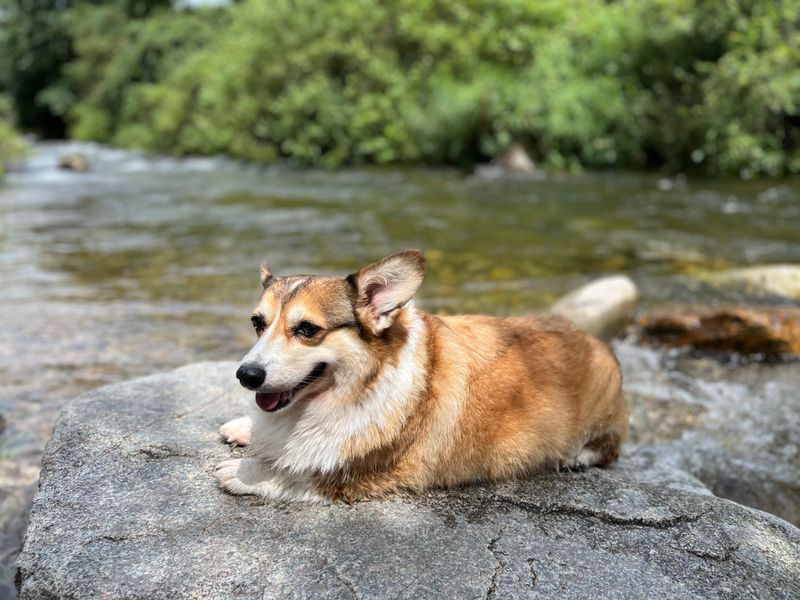
The Cardigan is the one with the long, sweeping tail, and it is the older of the two Corgi lines. Herding roots run right through it.
Energy levels sit high and stamina holds up well for a dog this close to the ground.
An hour of daily activity keeps boredom away.
Wide-open acreage suits them, provided chores and games fill the schedule.
14. Standard Schnauzer
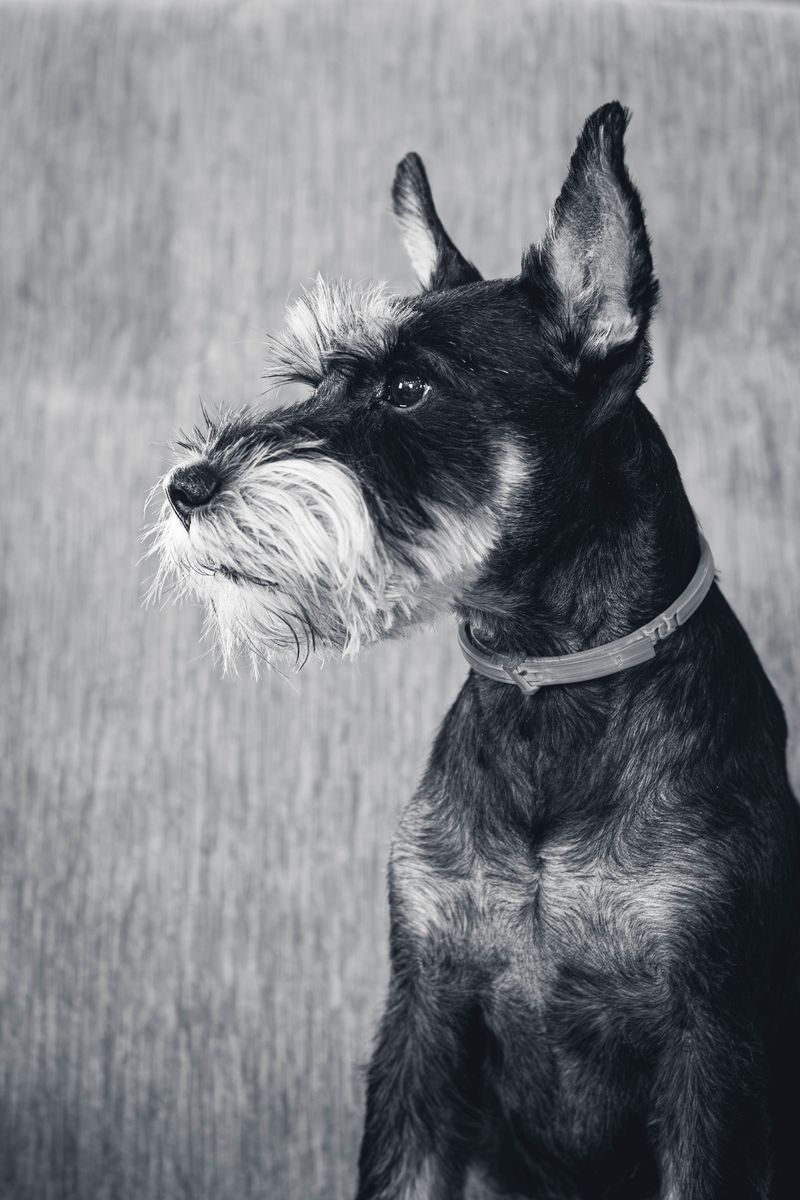
Bearded, bristly and full of opinions, the Standard Schnauzer earned its keep as a working-class farm dog. Clever and assertive sums it up.
Learning comes fast, though stubborn moments happen.
Sixty to ninety minutes daily is the target, ideally one or two 45-minute walks plus off-leash time.
Fetch, agility, hiking, puzzle toys and scent work satisfy the brain. Skip that, and mischief follows.
15. Rat Terrier

Grain bins and corn cribs attract rodents, and this little athlete was built to handle them. Vermin control was the original farm assignment.
Intelligence is off the charts, and agility or obedience rings suit them well.
Calmer than most terriers, yet still high energy, they need 30 to 60 minutes daily.
Prey drive demands secure fencing and a leash. Yard time alone will not cut it.