15 Hunting-Season Precautions For Dogs In Missouri Woods
Missouri woods offer wonderful walks with your dog, especially when cooler weather brings fresh scents and colorful leaves. Hunting season adds a few things to plan around, but simple habits can help you share outdoor spaces safely.
Before grabbing the leash, check where hunting is allowed and choose a route that suits your dog. A little preparation, bright clothing, and a flexible plan can make your next woodland outing feel much more relaxed.
1. Check Missouri Hunting Seasons Before Heading Into The Woods
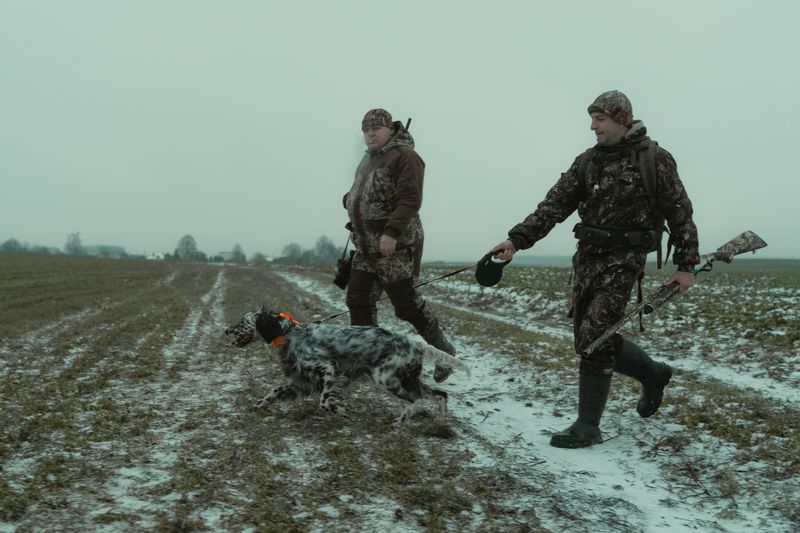
A familiar trail can feel different when a hunting season opens. Check the Missouri Department of Conservation website before each outing, rather than relying on last year’s calendar.
Dates vary by species, hunting method, and location.
Look for current notices affecting your destination, too. Save the relevant information before leaving home, especially where phone service is unreliable.
When details seem unclear, call the area office and ask whether your planned walking route remains appropriate today.
2. Choose Trails Away From Popular Hunting Areas
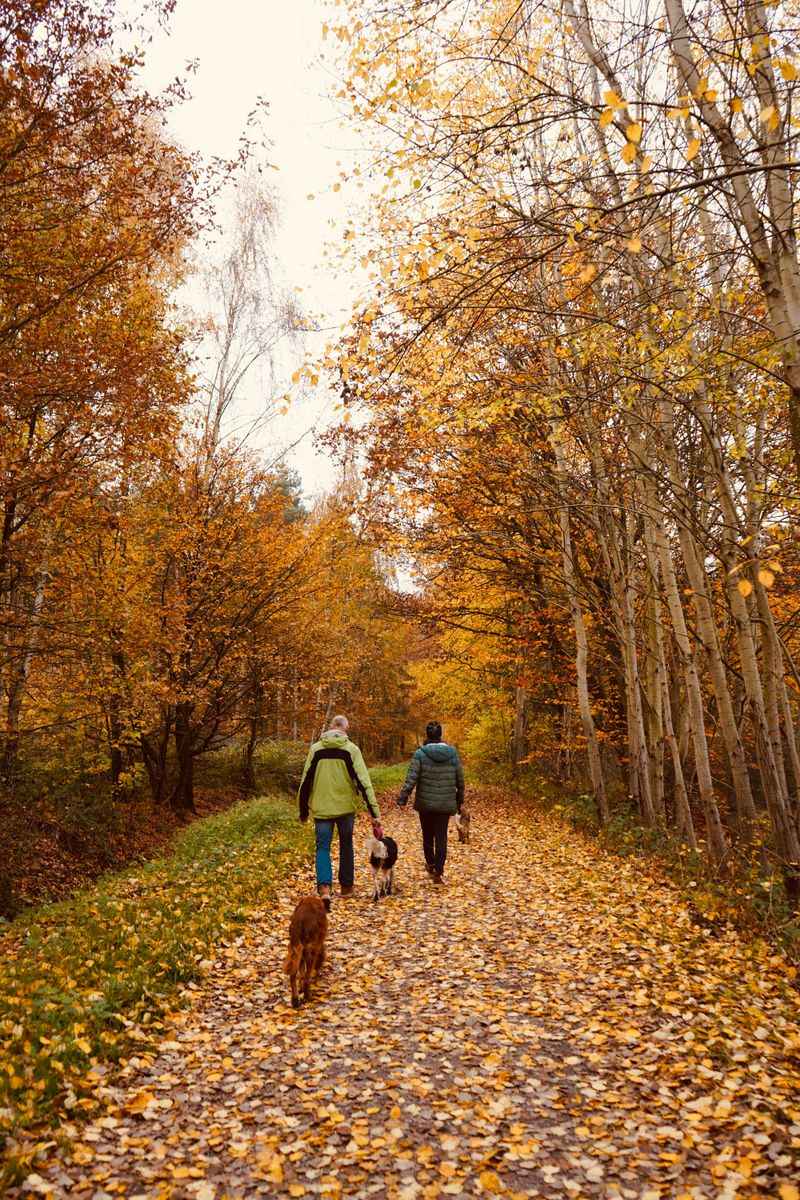
Your best safety tool may be a different destination. Look for maintained paths where hunting is prohibited or clearly separated from walking routes.
City parks can offer alternatives, but confirm their current rules first.
A busy trailhead does not automatically mean hunting is banned nearby. Study property boundaries and avoid shortcuts into adjoining woods.
Choose a shorter, familiar loop when uncertainty remains. Keeping a backup destination makes changing plans easy without disappointing your eager walking partner.
3. Dress Your Dog In Bright Orange
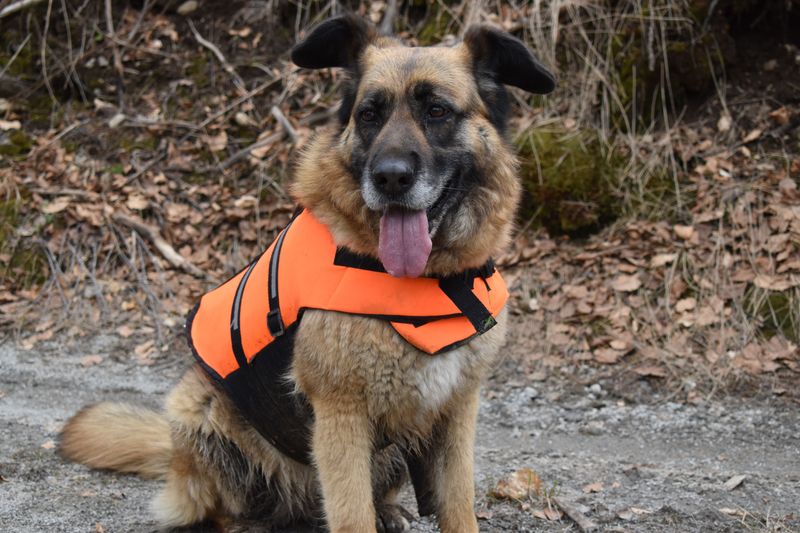
Brown fur blends surprisingly well with fallen oak leaves. A bright orange vest helps your dog stand out against Missouri’s autumn woods.
Choose a secure fit that allows normal breathing and free shoulder movement.
Check that the fabric stays visible from several directions, not just above. Avoid loose straps that could catch on branches.
Orange improves visibility, but never replaces a leash or careful route choice. Inspect the vest during breaks for slipping, tears, or rubbing.
4. Wear Blaze Orange Yourself
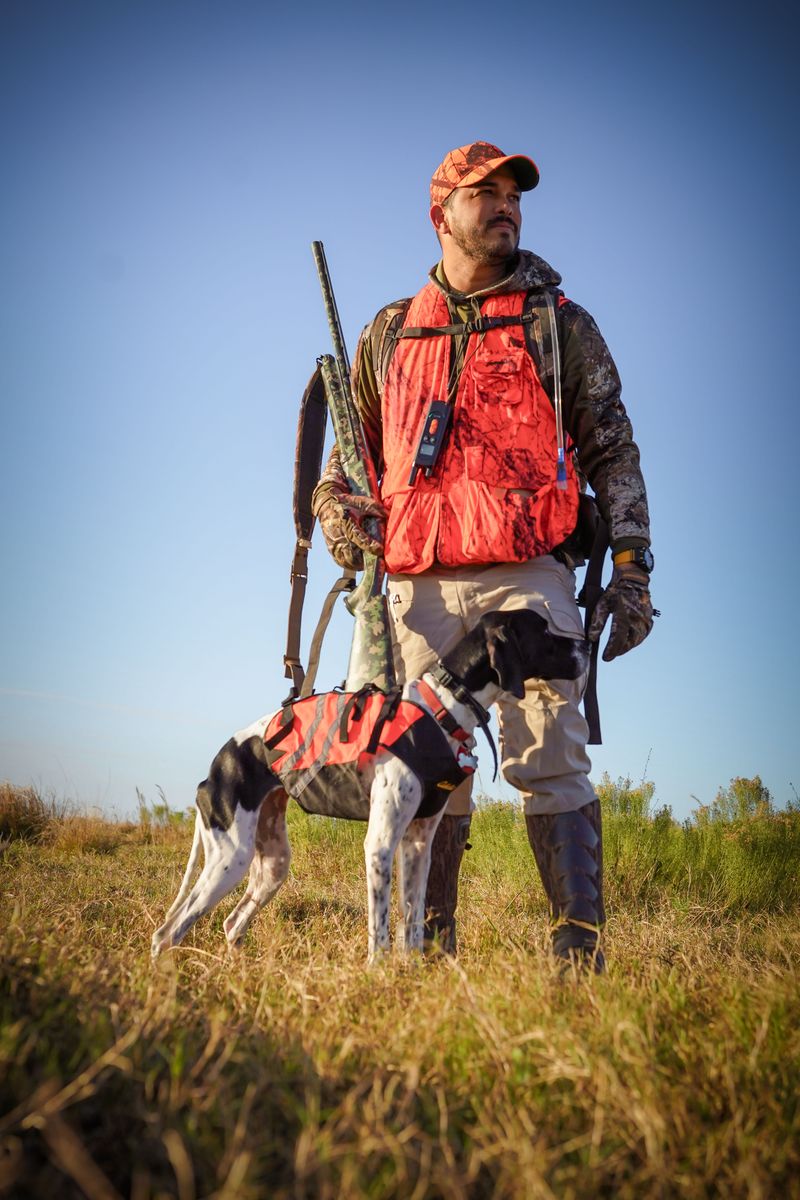
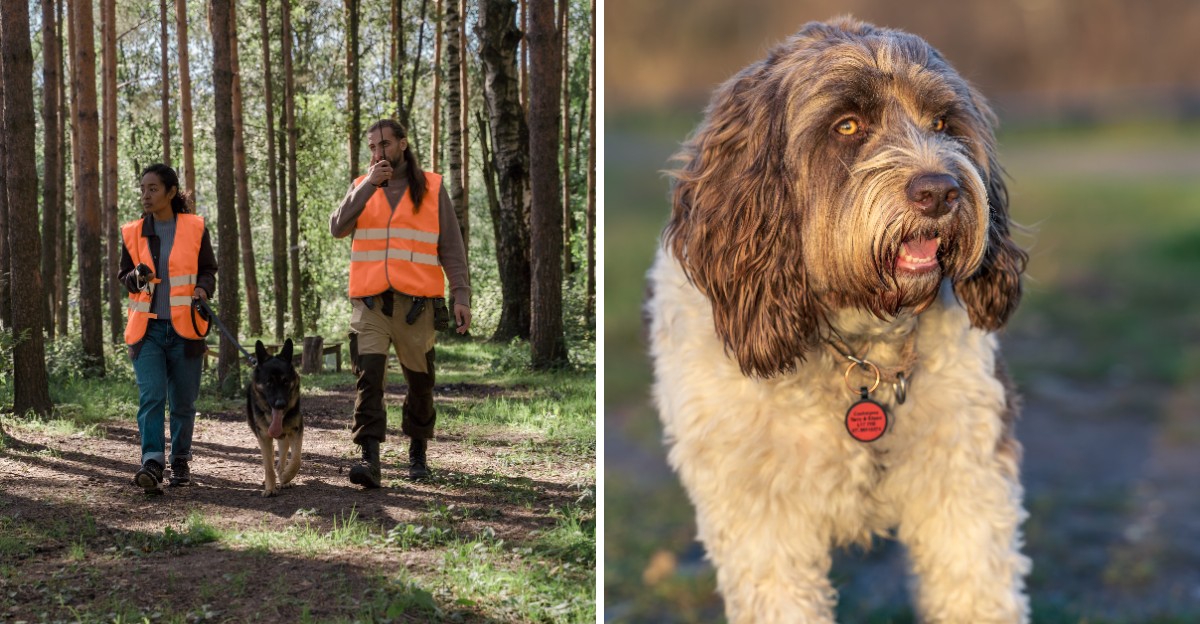
Being easy to spot benefits both ends of the leash. Wear a blaze orange vest or jacket, preferably with an orange hat.
Keep the color visible rather than hidden beneath your backpack.
Missouri has hunter orange requirements for certain hunters and accompanying people during specified seasons. Those rules do not create a blanket clothing requirement for every walker.
Check current guidance for your activity and location. For ordinary dog walks, orange remains a sensible visibility precaution.
5. Keep Your Dog On A Short Leash
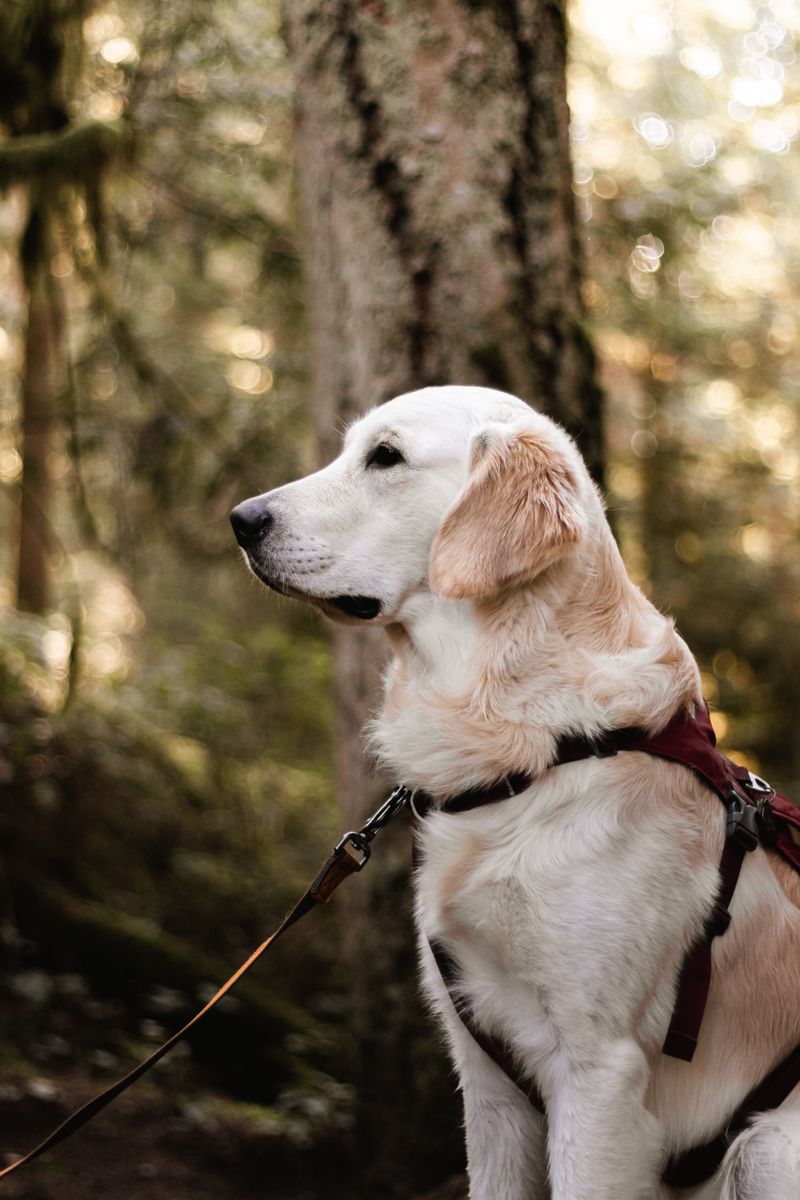
Even reliable recall can lose against an exciting woodland scent. Use a sturdy, fixed leash that keeps your dog close beside you.
A comfortable harness can provide control without pressure on the neck.
Skip retractable leads where brush, wildlife, or other visitors could create sudden tangles. Practice stopping and turning together before entering the woods.
Follow posted leash requirements, which vary by property. Keep your grip secure, and shorten the leash before passing people or obstacles.
6. Check Missouri Conservation Area Hunting Rules
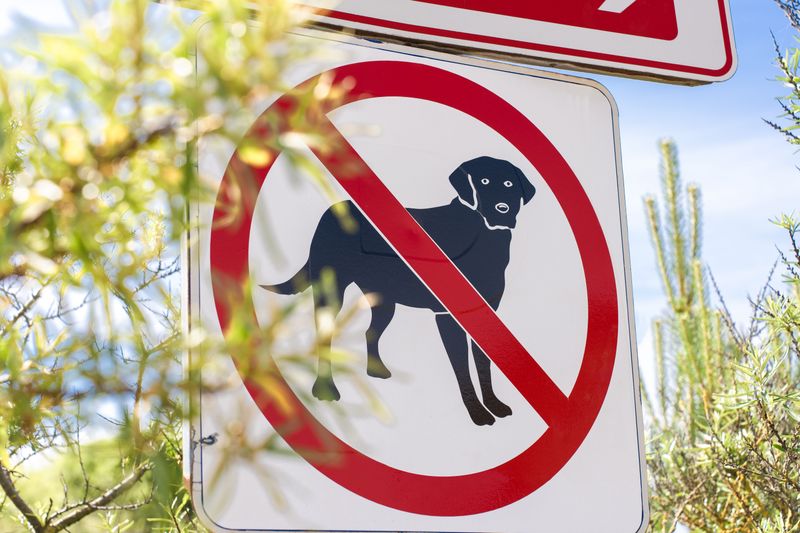
A conservation area is not always managed like a neighborhood park. Missouri conservation properties can have different hunting access, seasonal closures, and dog restrictions.
Read the specific area’s current regulations before visiting.
Check entrance signs when you arrive, since temporary notices may affect your plans. Permission to bring dogs does not necessarily allow roaming or entry everywhere.
Ask area staff about restrictions whenever wording seems unclear. Respect closures, and select another location rather than guessing at boundaries.
7. Avoid Walking Through Dense Brush
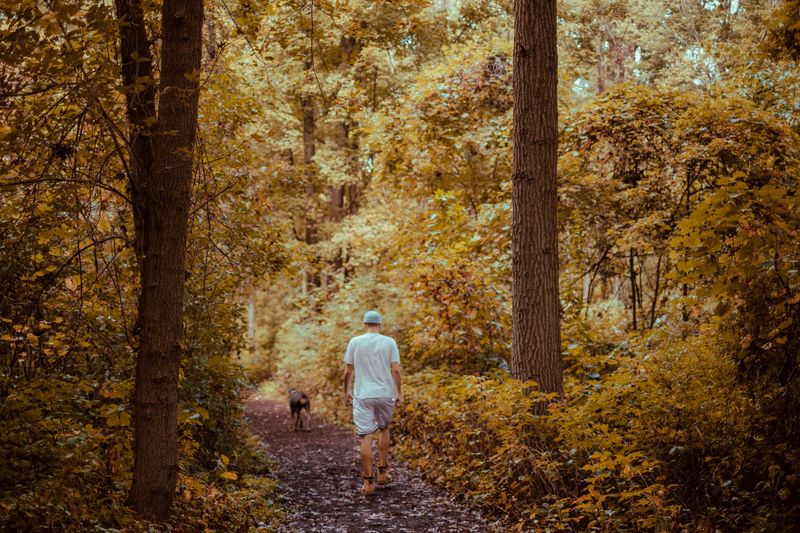
Clear sightlines make shared woods easier to navigate. Stay on established paths instead of pushing through thickets or following narrow animal trails.
Dense growth can hide your dog and make nearby activity harder to notice.
Give brushy field edges extra space, especially where trails become difficult to follow. If vegetation closes around the route, turn back before visibility disappears.
Watch your dog’s eyes and paws around low branches. An open path usually offers simpler footing as well.
8. Make Noise As You Walk
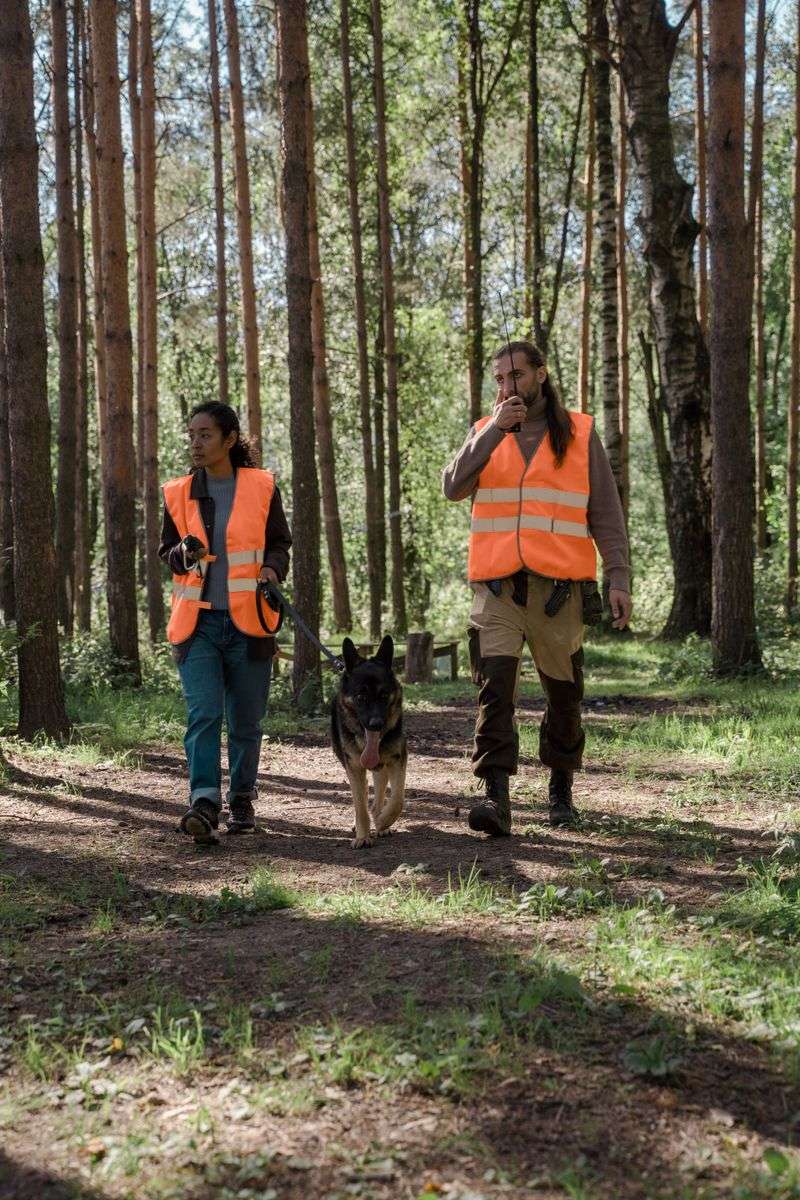
A normal conversation helps others recognize that people are approaching. Speak calmly with your walking partner, or occasionally address your dog when visibility narrows.
Avoid moving silently through brush near active hunting areas.
Noise is only an added precaution, not proof that everyone hears you. Wind, distance, and hearing protection can limit sound.
Do not rely on a collar bell alone. If you notice someone nearby, announce your presence politely while keeping your dog close beside you.
9. Keep Your Dog Away From Deer And Other Wildlife
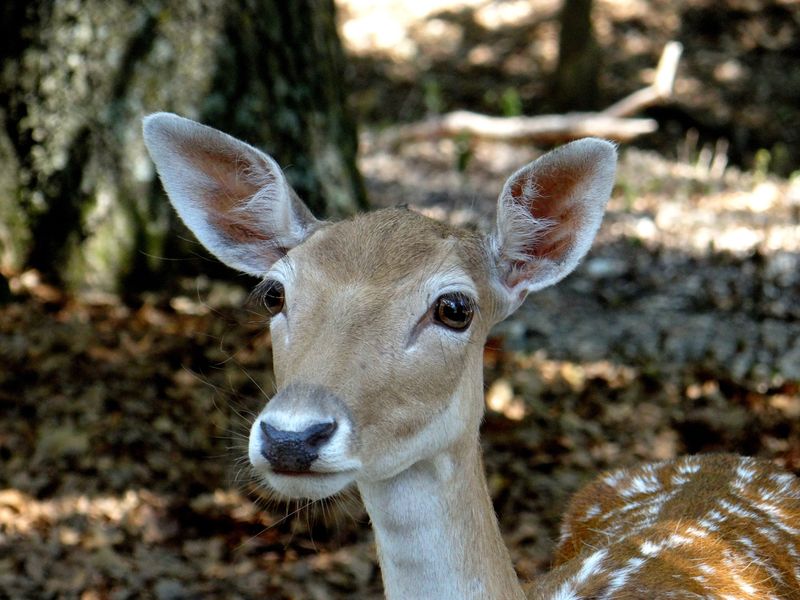
One sudden squirrel dash can pull a dog off course. Keep enough distance from wildlife that your companion can still respond to you.
Reward calm attention, and turn away before excitement builds.
Never allow chasing, even when the animal seems far away. Pursuit can carry dogs beyond trails and toward hunters or roads.
Avoid carcasses and animal remains, too. If your dog mouths something unknown, prevent further contact and call your veterinarian for advice about next steps.
10. Avoid Dawn And Dusk Walks During Busy Hunting Periods
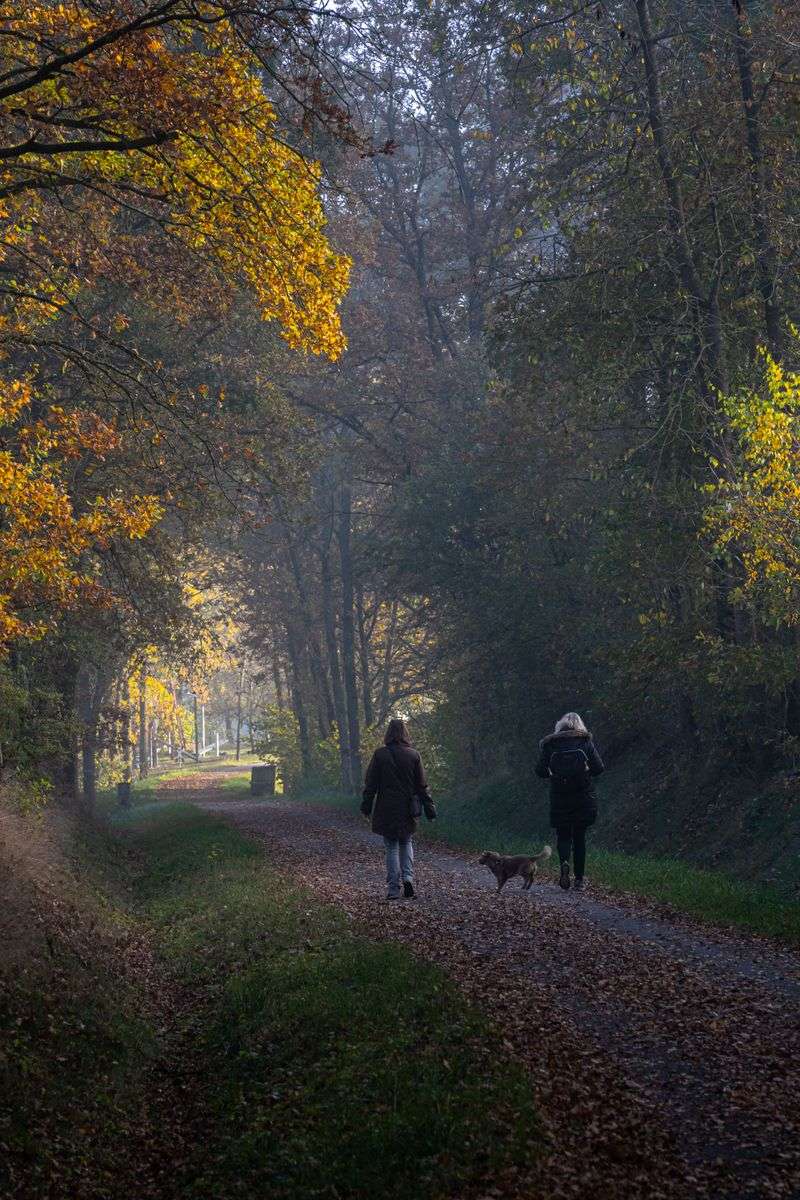
Dim light makes details harder for everyone to see. During busy hunting periods, consider walking later in the morning or earlier in the afternoon.
Better daylight can improve your view of paths and nearby activity.
Midday is not automatically free from hunting, and legal hours vary by season and species. Check the schedule and local conditions rather than trusting the clock alone.
If daylight fades sooner than expected, shorten your route and return while visibility remains comfortable.
11. Watch For Hunting Equipment And Ground Hazards
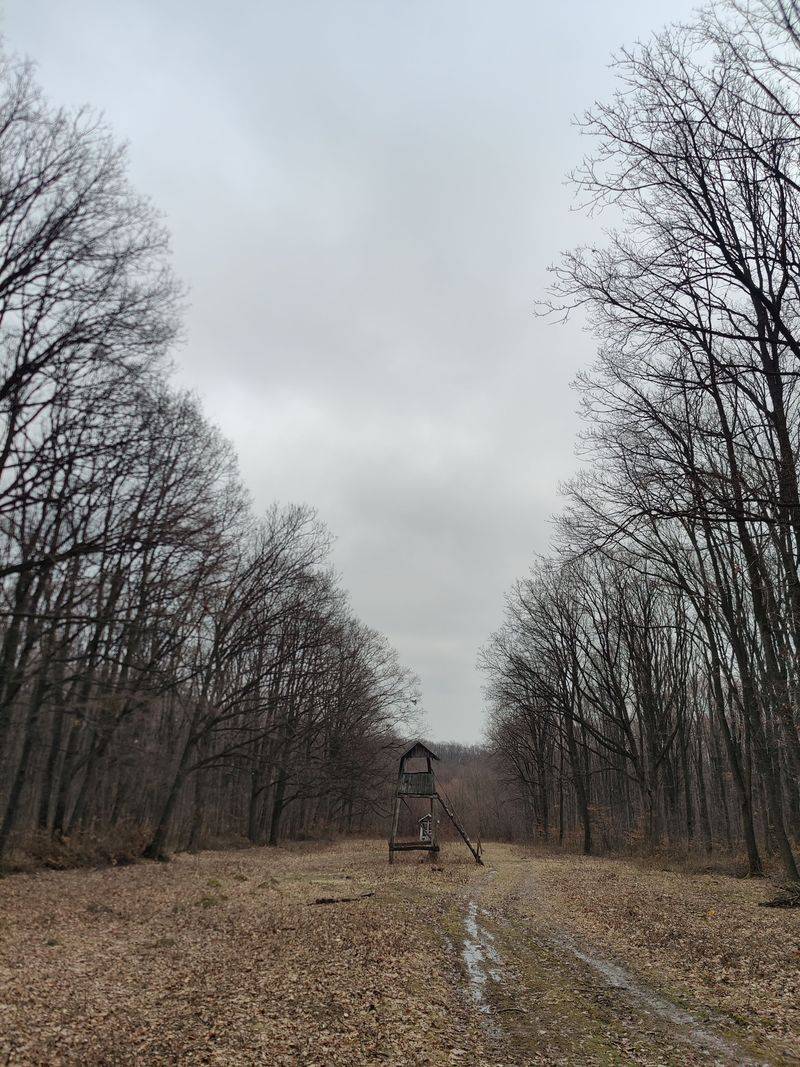
Fallen leaves can hide more than slippery roots. Scan ahead for wire, holes, discarded gear, and equipment near your route.
Give hunting stands and blinds space, and never climb or handle unfamiliar equipment.
Keep dogs away from traps or snares if you encounter them. Do not investigate with your pet beside you.
Back away and note the location from a safe distance. Report concerning equipment to the land manager, and seek professional help if your dog becomes caught.
12. Carry Your Dog’s Identification And Updated Contact Details
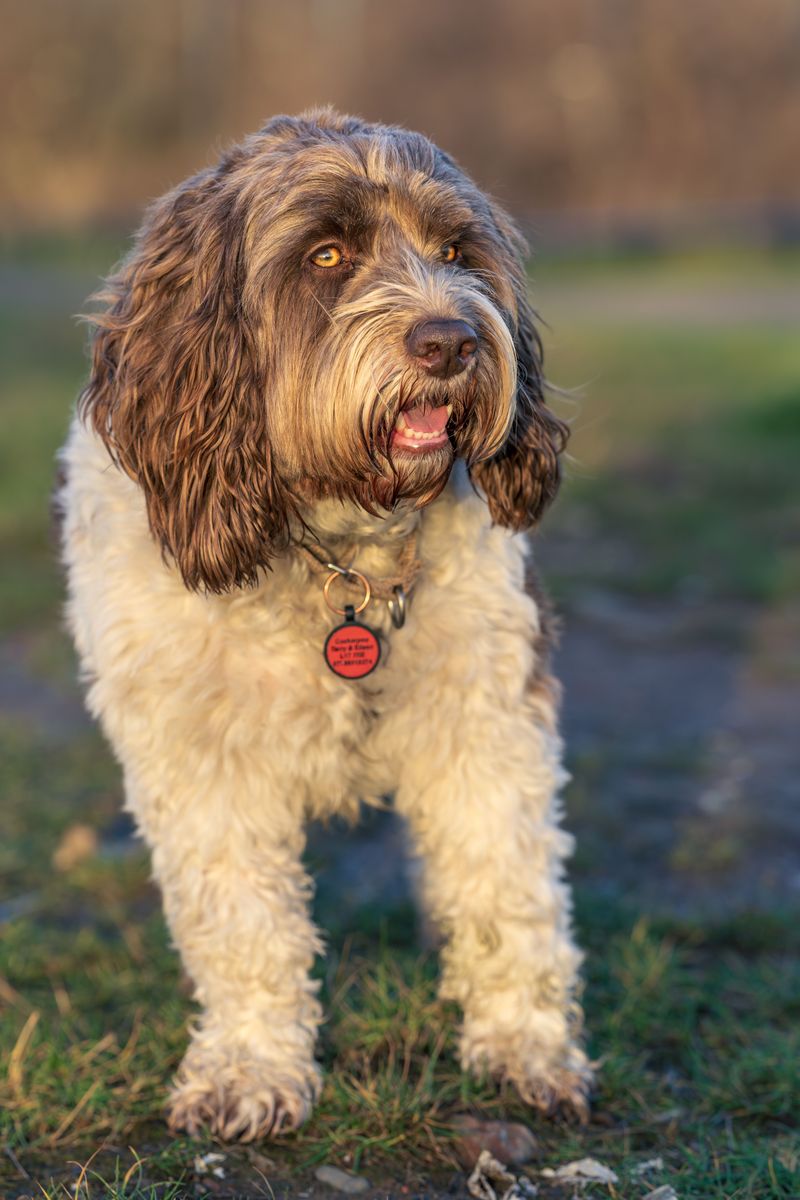
A readable tag gives a finder an immediate contact option. Check that your dog’s collar carries a current phone number before leaving.
Keep microchip registration details updated as another layer of identification.
Carry a recent photo and save your veterinarian’s number on your phone. Download useful details in case reception drops.
A GPS tracker may help locate a wandering dog, but coverage and batteries vary. Identification supports a reunion; it does not replace keeping your companion securely leashed.
13. Bring Water And A Basic First-Aid Kit
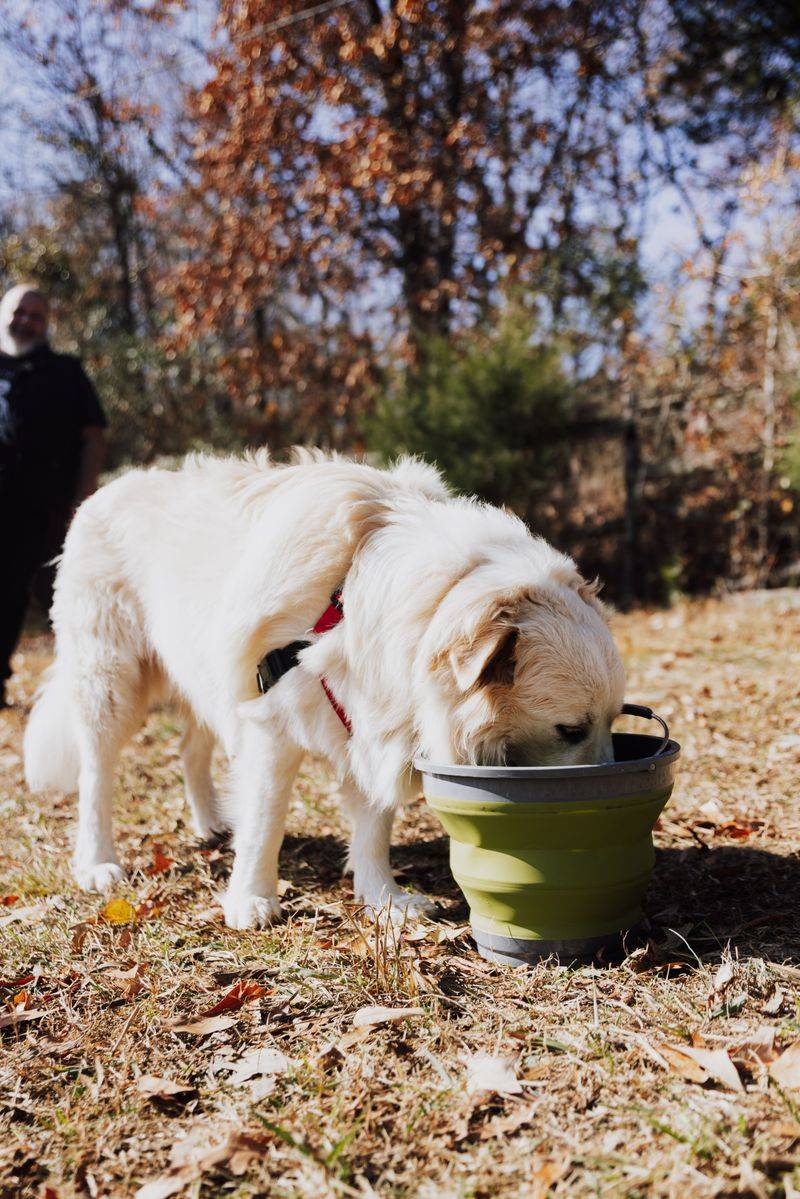
Cool weather does not remove your dog’s need for water. Pack drinking water, a bowl, and supplies for minor trail problems.
Gauze, saline, gloves, and a towel make useful additions to a basic kit.
Ask your veterinarian what else suits your dog’s health needs. Never give human pain medicine unless a veterinarian directs you.
Offer water during breaks instead of relying on puddles. For injuries or unusual symptoms, stop walking and contact a veterinarian for prompt guidance.
14. Be Careful Around Hunting Dogs
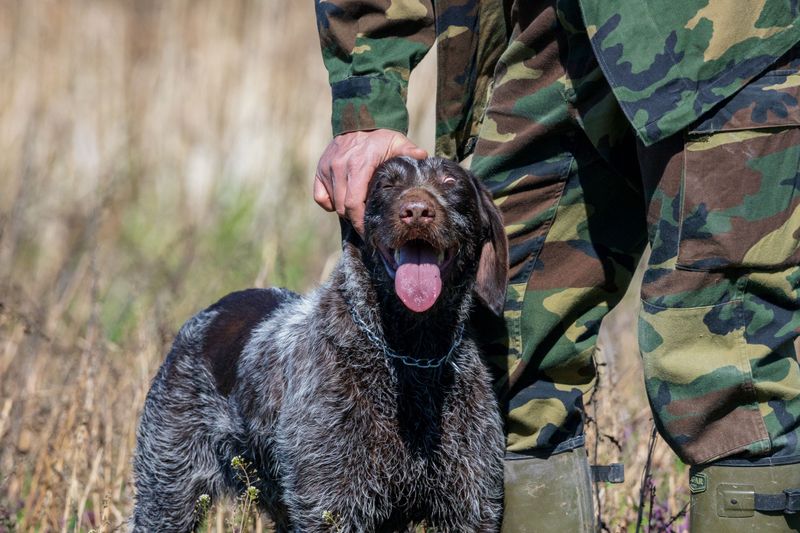
Working dogs may be focused on scents rather than greetings. Give them room, and keep your own dog close without allowing contact.
Ask the handler before approaching, even if both dogs appear friendly.
If an unfamiliar dog comes toward you, stay calm and avoid running. Move away slowly when possible, using distance rather than shouting.
Do not grab its collar or interfere with its work. Tell the handler about concerns, and leave if the encounter feels difficult to manage.
15. Leave The Woods If Hunting Activity Increases
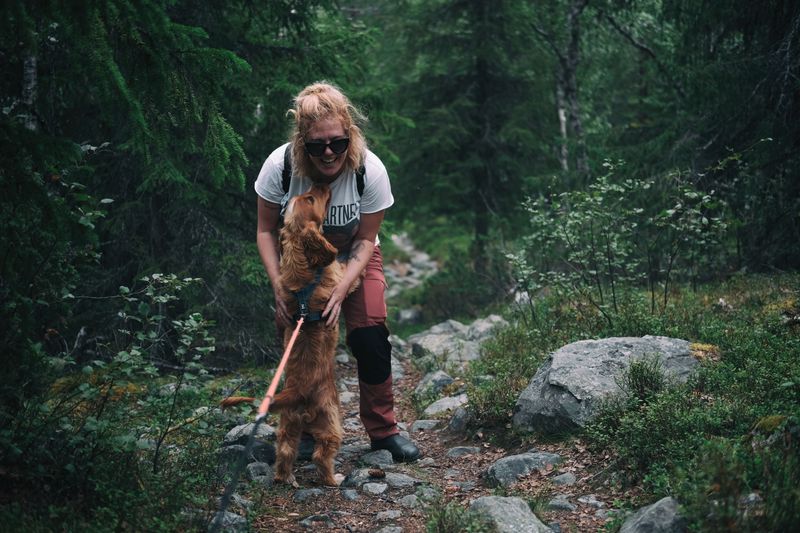
Changing plans is a sensible choice, not a spoiled outing. More nearby shots, arriving hunters, or unexpected activity can signal that another location would suit your walk better.
Calmly retrace a known, permitted route.
Keep your dog close and avoid shortcuts through cover. If the return route seems uncertain, contact area staff for guidance.
Finish with a neighborhood stroll instead. Bright colors, local knowledge, and a flexible plan help keep Missouri woodland adventures comfortable for both of you.