15 Livestock Guardian Dog Breeds For Working Farms In Upstate New York
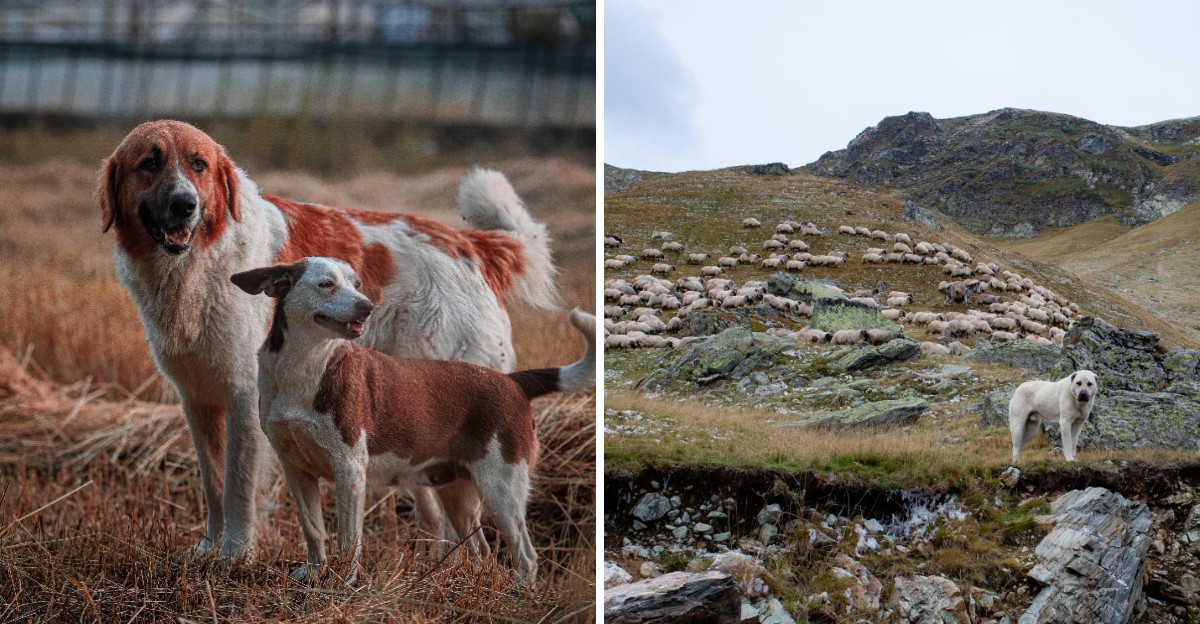
Coyotes slip along tree lines in the Adirondack foothills, and black bears wander through orchard country every spring. That is exactly why shepherds from Washington County to the Finger Lakes lean on big, watchful dogs instead of taller fences.
Upstate winters are long, pastures are wide, and the right guardian breed can patrol snow and mud without complaint. Some of these dogs bark all night on purpose.
Others work silently. Here are fifteen worth knowing before you pick one.
1. Great Pyrenees
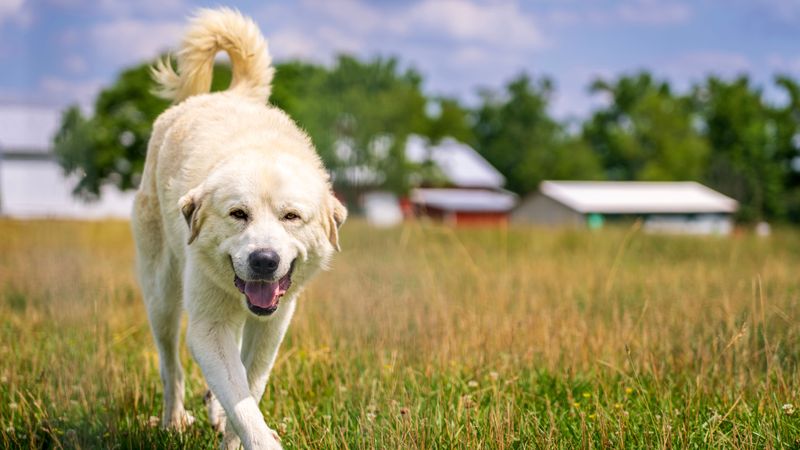
Ask almost any sheep farmer near Cooperstown which dog guards the flock, and a big white Pyr usually gets the nod.
Thick double coats shrug off January snow, and those famous double dewclaws help them cross icy ground. Expect deep night barking, a tool they use to warn coyotes off from a distance.
Fencing matters, because roaming instincts run strong. Brush weekly and they thrive on pasture year round.
2. Anatolian Shepherd
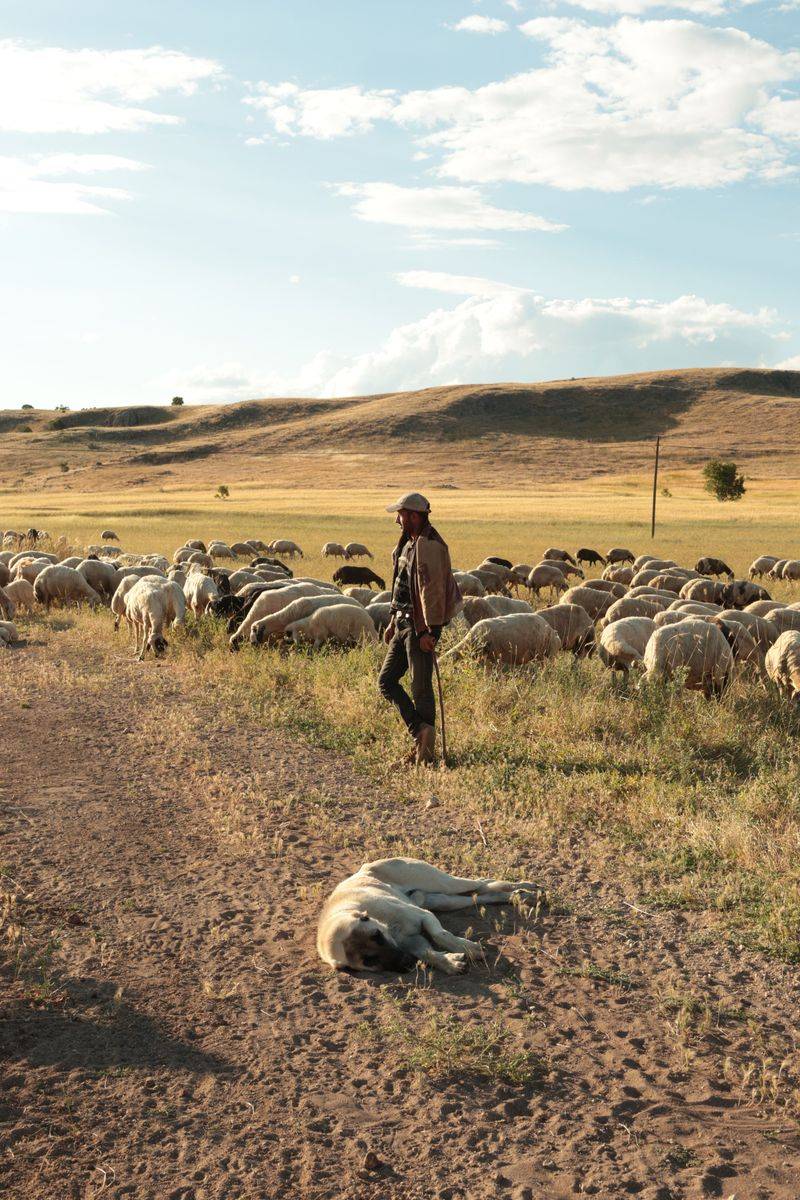
Turkish herders bred these tall, lean dogs to travel with flocks across dry plateaus, and the independence shows.
An Anatolian thinks first and obeys second, which frustrates owners expecting quick recall. Start training and handling early, while the pup still fits on your lap.
Short coats suit humid Hudson Valley summers, though a windbreak shelter helps in deep winter. Confident, territorial, and remarkably quiet until something truly matters.
3. Maremma Sheepdog
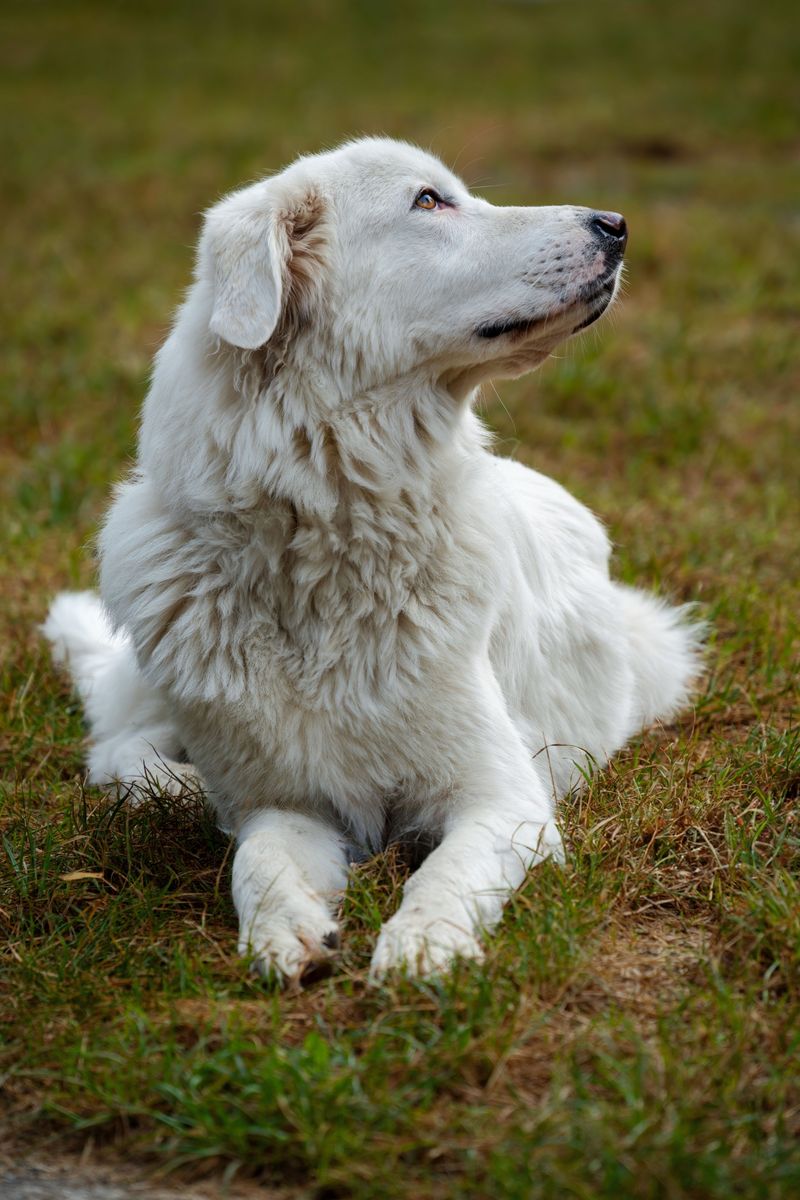
Italian shepherds have trusted Maremmas for centuries, and small dairy farms across the Finger Lakes have caught on.
Compared with some giants, they bond tightly to stock and stay closer to the herd. Poultry producers like them too, since many Maremmas guard chickens and turkeys reliably.
Friendly with family, reserved with strangers, they need honest introductions to farm visitors. Weekly grooming keeps that cream coat manageable.
4. Akbash
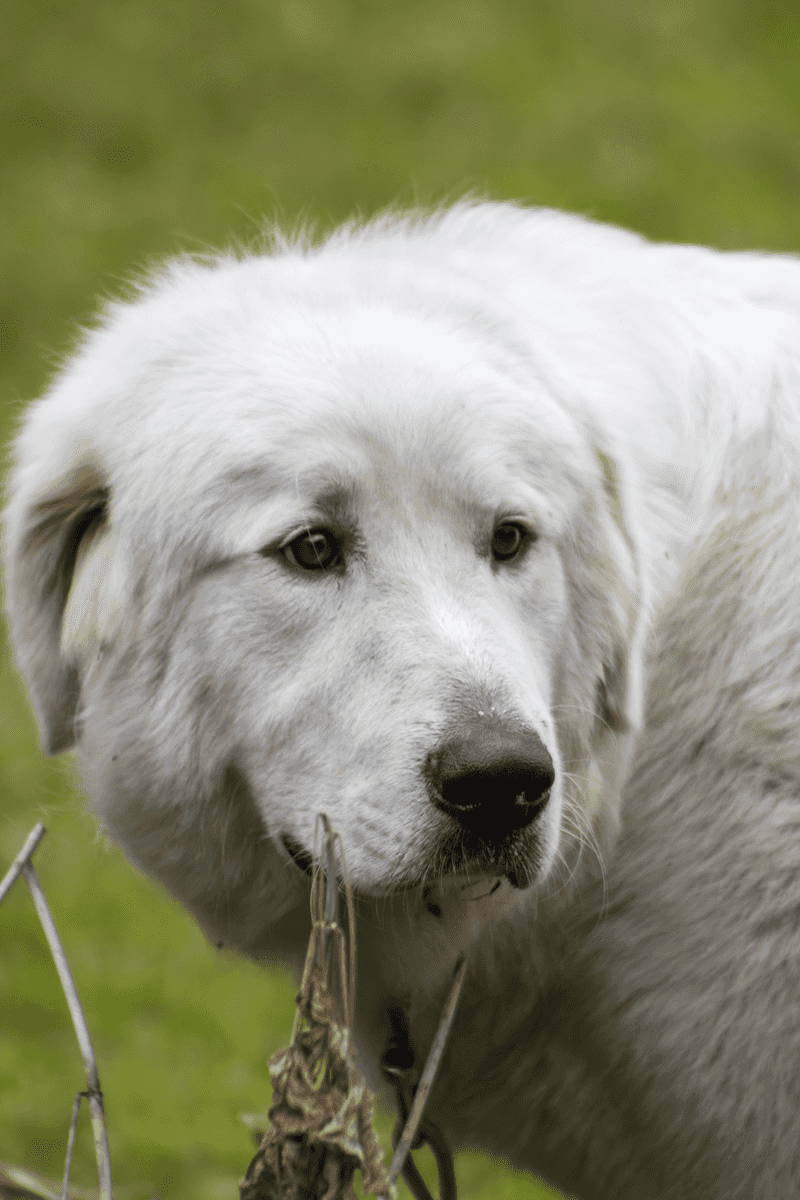
Long legs, white coat, and a sprinter’s build set the Akbash apart from its stockier cousins.
Bred in western Turkey, it patrols big acreage efficiently, which suits sprawling upstate hayfields. Owners describe a thoughtful dog that watches the treeline for long stretches before acting.
Less barking than a Pyrenees, more speed when needed. Give it a job, secure boundaries, and consistent handling from puppyhood onward.
5. Komondor
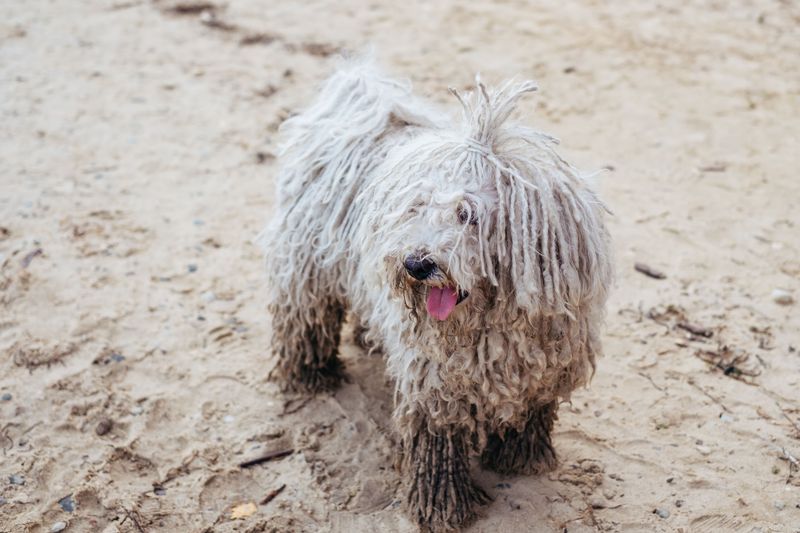
Yes, that is a dog under the mop. Hungarian shepherds bred those felted cords as armor and camouflage among white sheep.
Cord care takes real commitment, including separating them by hand and long drying times after baths.
Burdocks and mud, both plentiful upstate, complicate things fast. Still, few guardians match the Komondor’s courage or its startling ability to blend right into a flock.
6. Kuvasz
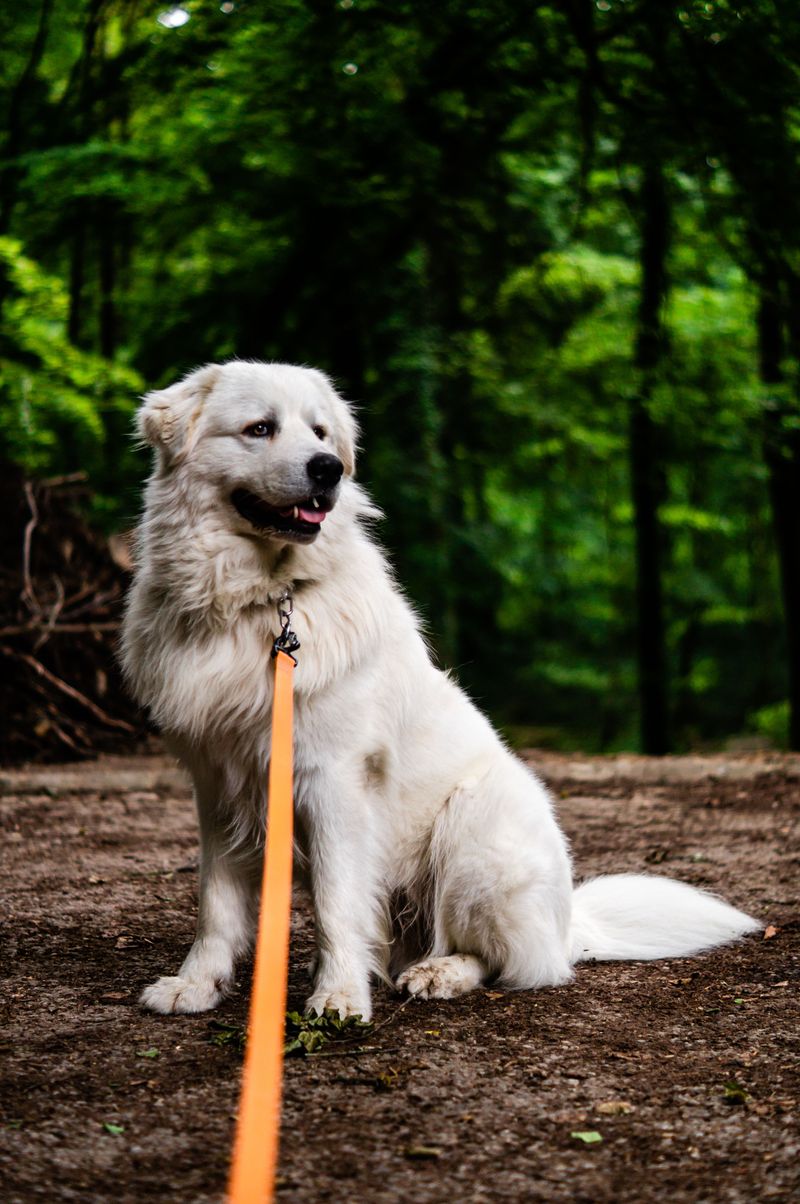
Hungarian royalty once kept the Kuvasz as a guard, and the regal streak never left.
Wavy white coats handle cold beautifully, making winter chores in the Mohawk Valley a non-issue. Sharper and more reactive than some guardians, this breed rewards owners who socialize heavily.
Bored Kuvaszok invent projects, usually involving digging or fence testing. Pair one with steady routines, real acreage, and plenty of pasture patrol work.
7. Caucasian Shepherd Dog
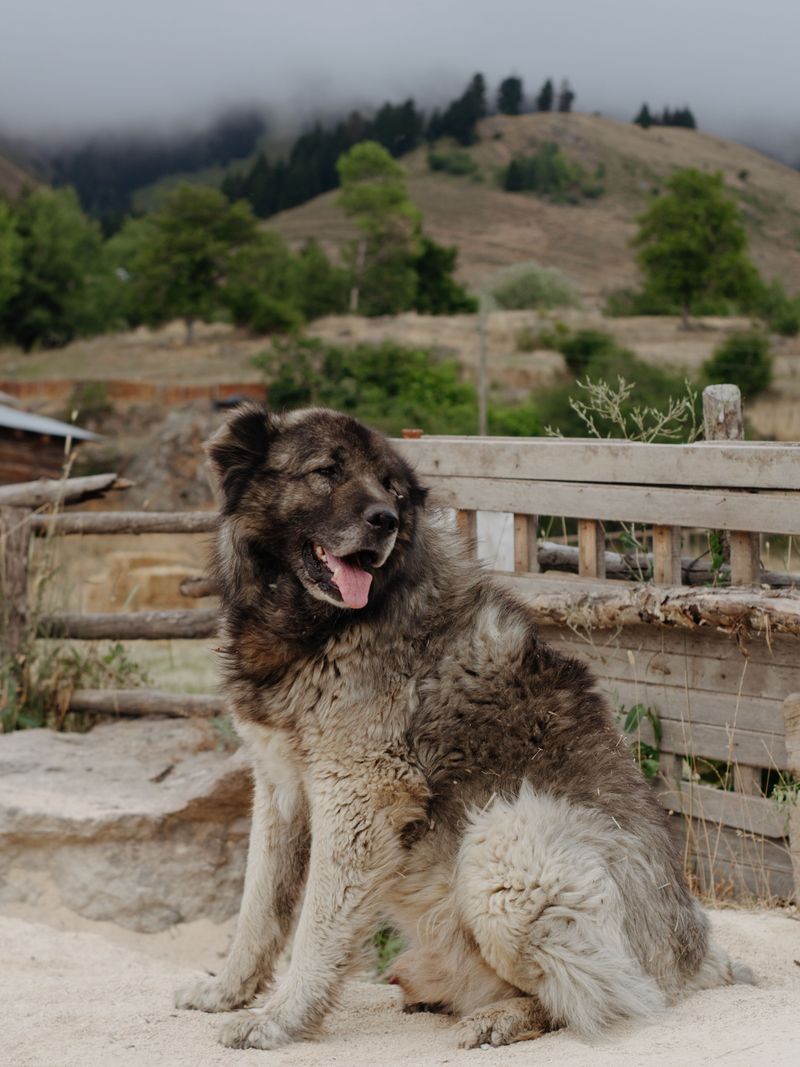
Bears and mountain wolves shaped this breed in the Caucasus, and the bone structure tells that story.
Heavy, maned, and deeply territorial, a Caucasian Shepherd treats its boundary as sacred. Serious fencing and experienced handling are non-negotiable, especially on farms with regular deliveries.
Cold weather suits them perfectly, so upstate winters feel like home. Best reserved for owners who have raised large guardians before.
8. Spanish Mastiff
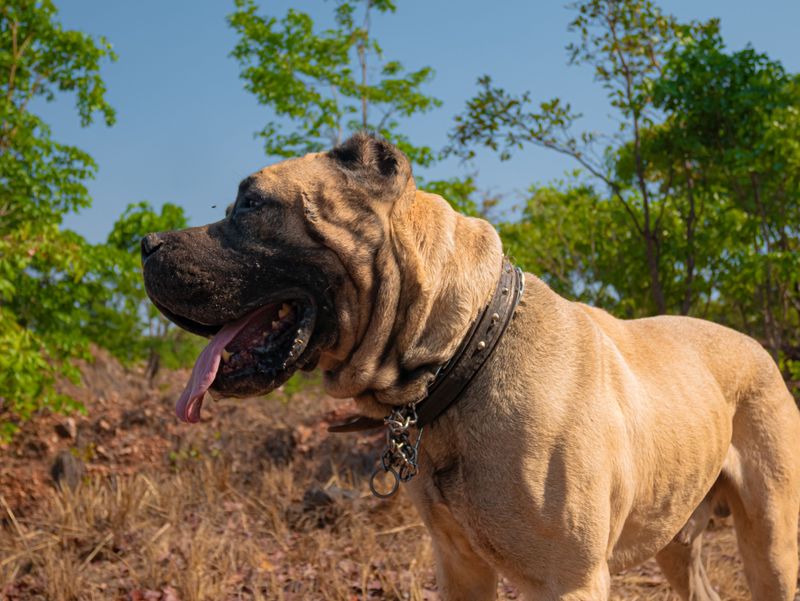
Picture a dog that moves like a slow avalanche and you have the Spanish Mastiff.
Bred to escort merino flocks along old droving routes, it conserves energy until trouble arrives. Growth is slow, appetites are large, and drool is part of the deal.
Calm around stock and unbothered by commotion, this mastiff suits quieter farms with generous pasture and patient owners who appreciate steady company.
9. Tibetan Mastiff
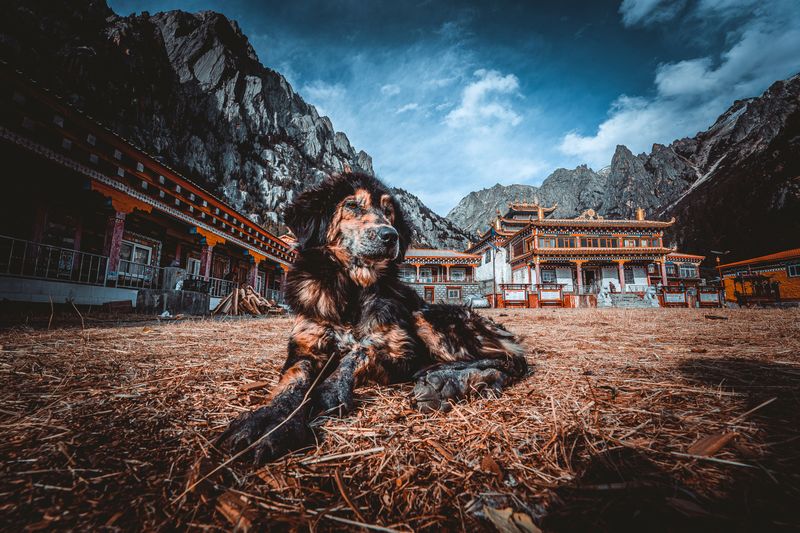
Himalayan villages once left these lion-maned dogs to guard homes and herds alone all night.
Nocturnal habits persist, so expect patrolling after dark and napping through afternoon chores. Coats blow out dramatically each spring, leaving enough fluff to stuff a pillow.
Independent thinkers, they respond poorly to repetitive drills and well to respect. Cold Catskill nights suit them, but heat and humidity require shade.
10. Central Asian Shepherd Dog
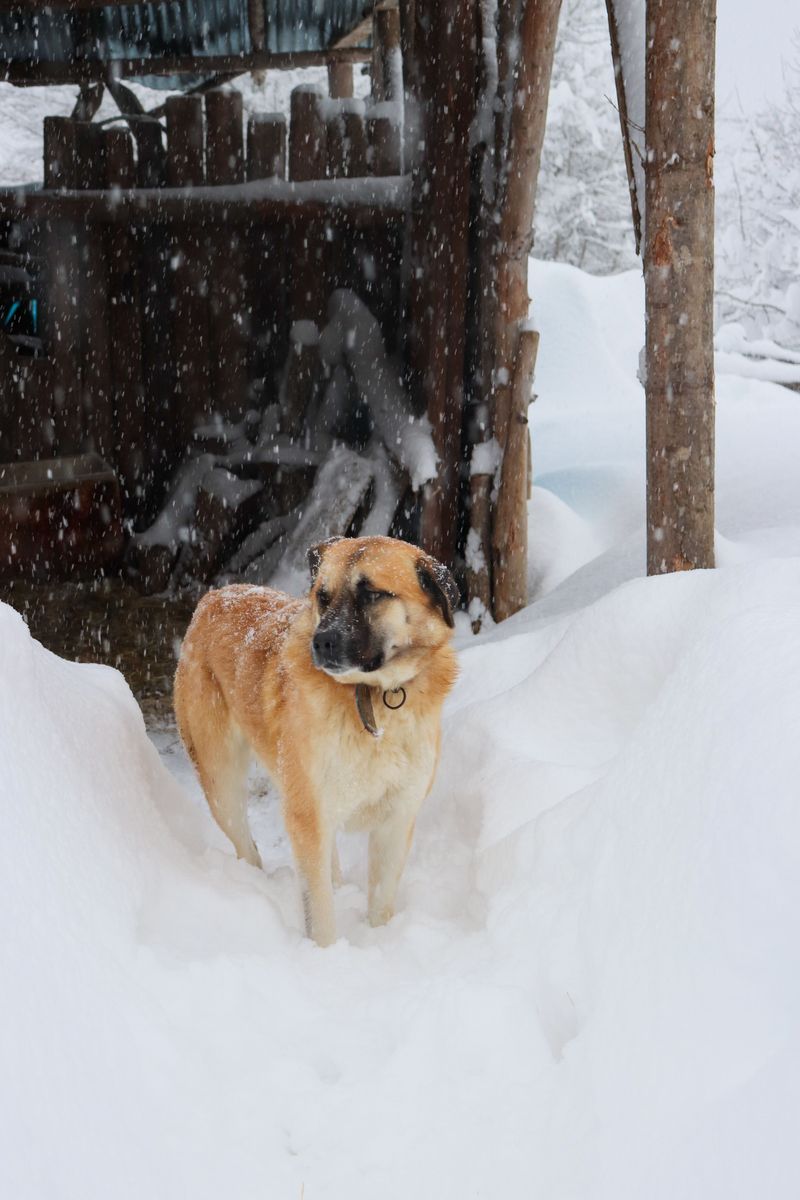
Ancient, unexaggerated, and remarkably sound, this steppe guardian comes with fewer health headaches than many giants.
Often called Alabai, it evaluates threats coolly rather than reacting to every rustle. Owners note strong same-sex dog tension, so careful pairing matters on multi-dog farms.
Short to medium coats handle wide temperature swings, from humid August to frozen February. Firm structure, early exposure, and sturdy fences keep everyone happy.
11. Pyrenean Mastiff
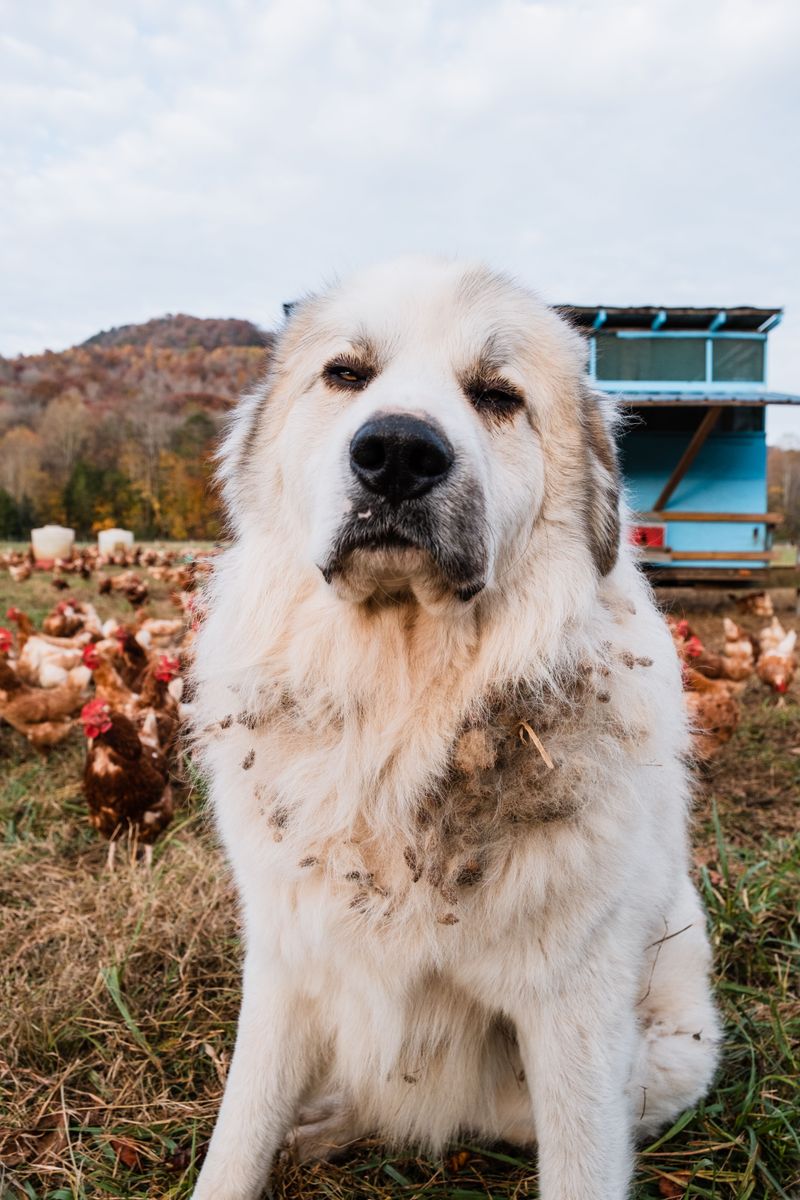
Spain’s gentle heavyweight often gets mistaken for a Great Pyrenees with extra padding.
Badger-marked patches, a broad head, and a notably tolerant attitude set it apart. Farmers value its low reactivity, which means fewer conflicts with visitors and livestock alike.
Barking tends to be purposeful rather than constant, a relief for neighbors. Plan for serious food bills, joint-friendly exercise, and shade during muggy summer stretches.
12. Polish Tatra Sheepdog
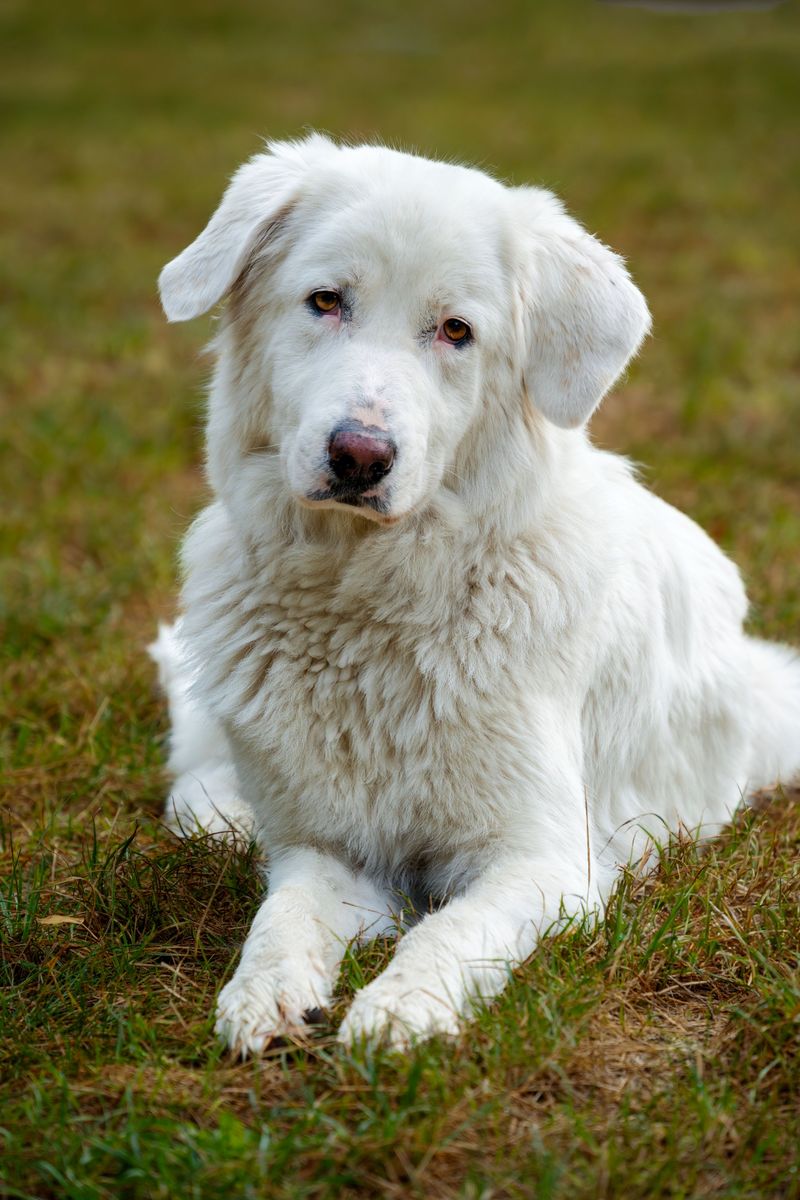
From the Tatra Mountains comes a guardian that balances calm manners with genuine grit.
Solid white coats, moderate size, and a lower-key temperament make it approachable for first-time guardian owners. Trainability ranks higher than many peers, which helps during vet visits and shearing days.
Cold tolerance is excellent, and shedding is seasonal but heavy. Small diversified farms near Ithaca would find this breed a practical fit.
13. Tornjak
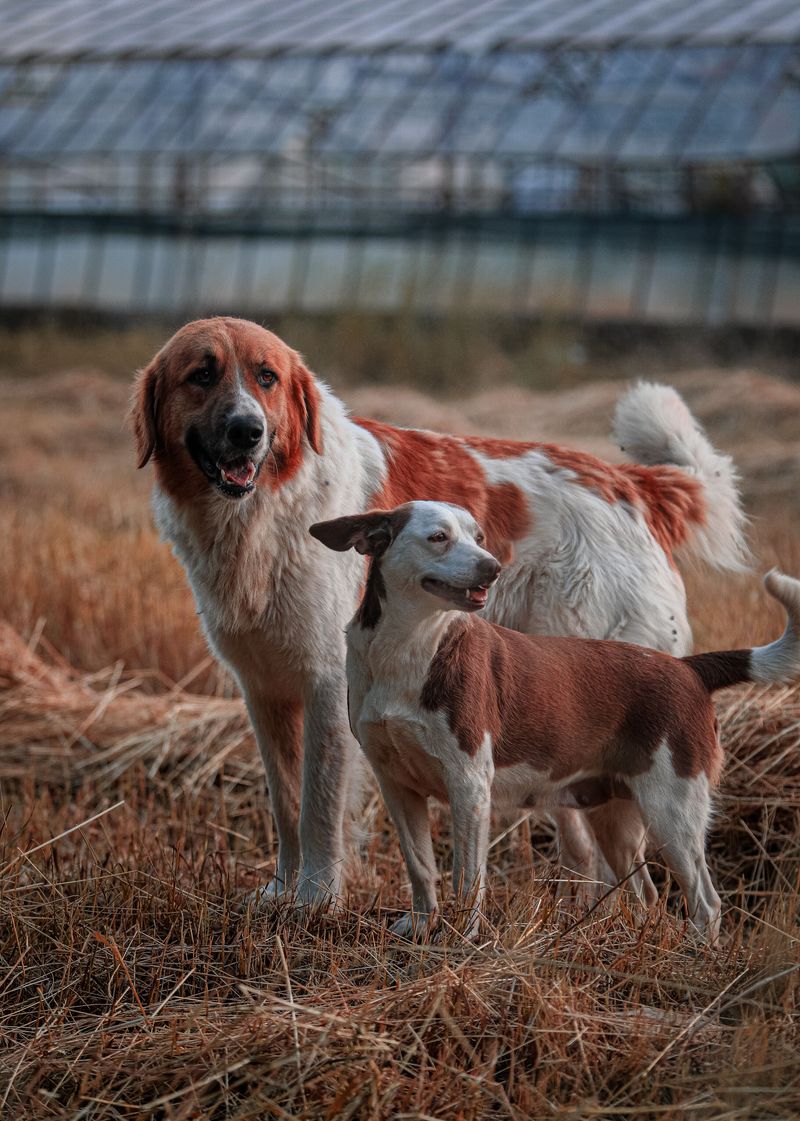
Bosnia and Croatia nearly lost this breed, then dedicated breeders rebuilt it from mountain working stock.
Striking piebald coats, a balanced build, and a famously steady head make the Tornjak a quiet achiever. Reports describe easy cohabitation with poultry, horses, and family dogs.
Availability in North America stays limited, so expect waiting lists. Anyone wanting a trustworthy guardian without extreme size should keep this name handy.
14. Karakachan Dog
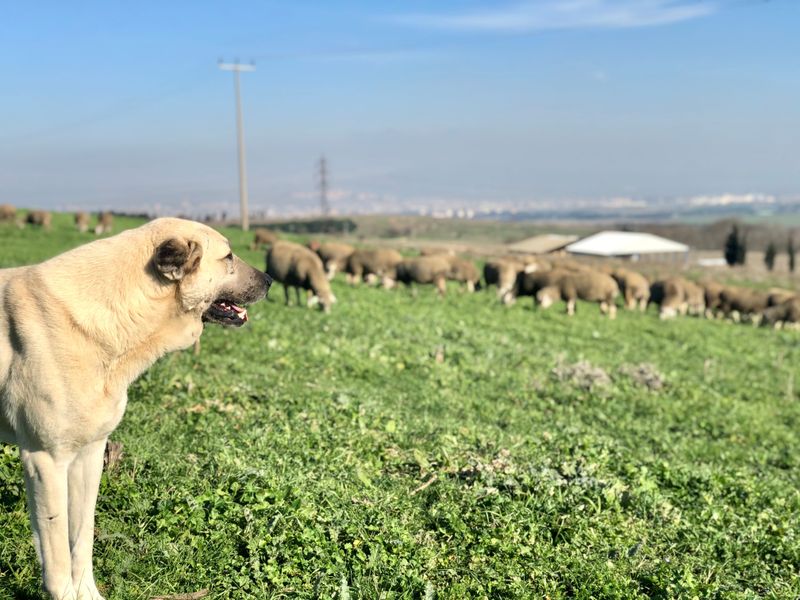
Bulgarian shepherds kept this breed rugged on purpose, and it shows in every compact, muscular line.
Karakachans work well in pairs, splitting patrol duties between flock and perimeter. Conservation projects in the Rockies have used them to reduce predator conflicts without harm.
Hardy feet, weatherproof coats, and strong instincts fit rough upstate terrain. Handling should begin young, since adults develop firm opinions about strangers.
15. Sarplaninac
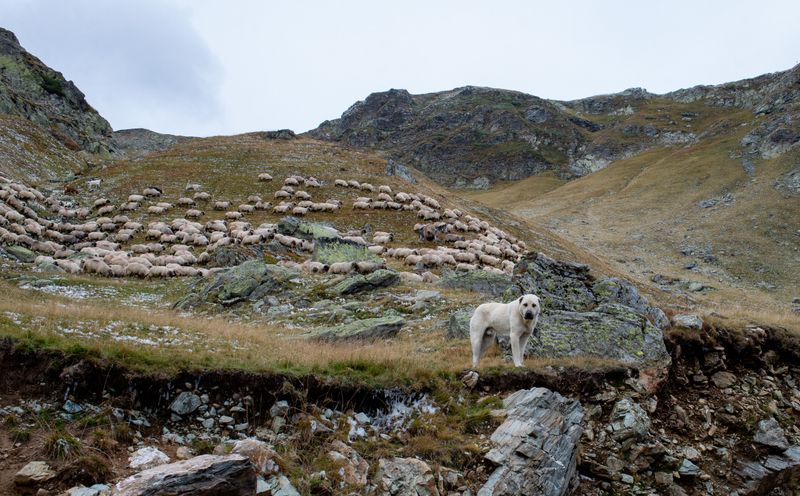
Rounding out the list is a Balkan mountain dog built like a boulder with fur.
The Sarplaninac guards with quiet confidence, rarely barking without cause, then standing firm when needed. Dense gray coats handle sleet, wind, and lake-effect snow without fuss.
Strong bonds form with stock rather than with fence lines, so it drifts less than some breeds. Experienced owners get the best results here.