15 New York Takeout And Apartment-Kitchen Habits Dog Owners Should Rethink Around Curious Dogs
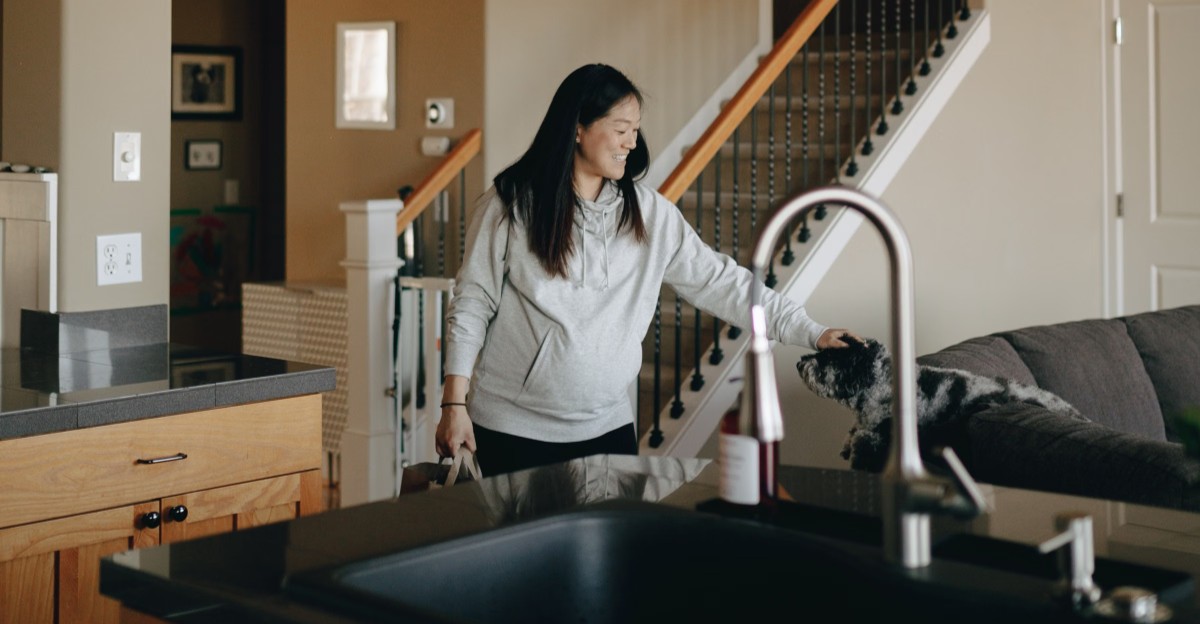
New York takeout nights can turn a tiny apartment kitchen into a busy landing zone for bags, boxes, and tempting smells. Your dog may notice every dropped noodle before you do.
A few simple changes can make meals safer without making your home feel strict or stressful. From delivery handoffs to cleanup, these everyday habits help you stay one step ahead of a curious nose.
1. Keep Takeout Bags Out of Your Dog’s Reach
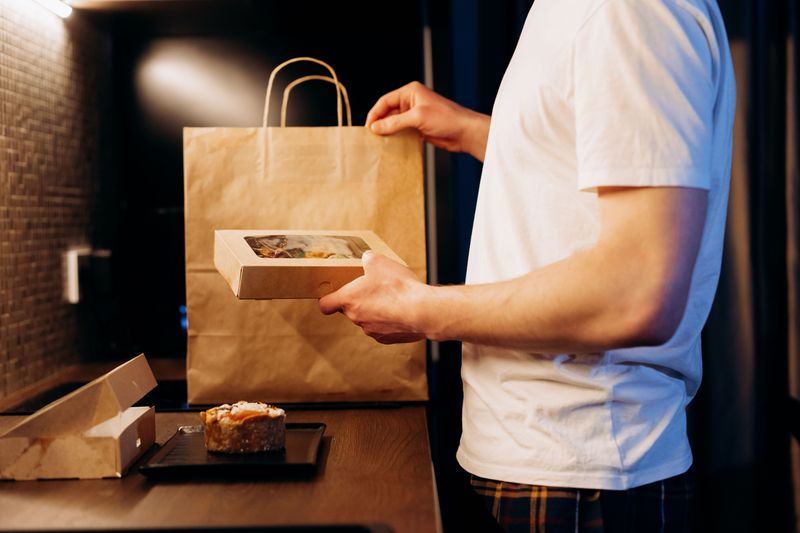
Dinner often lands beside the front door while you find your keys or remove your shoes. That brief pause gives a curious dog access to food, wrappers, and handles.
Carry the bag straight to a secure counter or closed room. Remember that chairs can become steps for determined dogs.
Unpack behind a gate if needed, then put the empty bag away. A consistent landing spot makes busy delivery nights easier for everyone at home, including guests.
2. Check Every Takeout Container Before Setting It Down
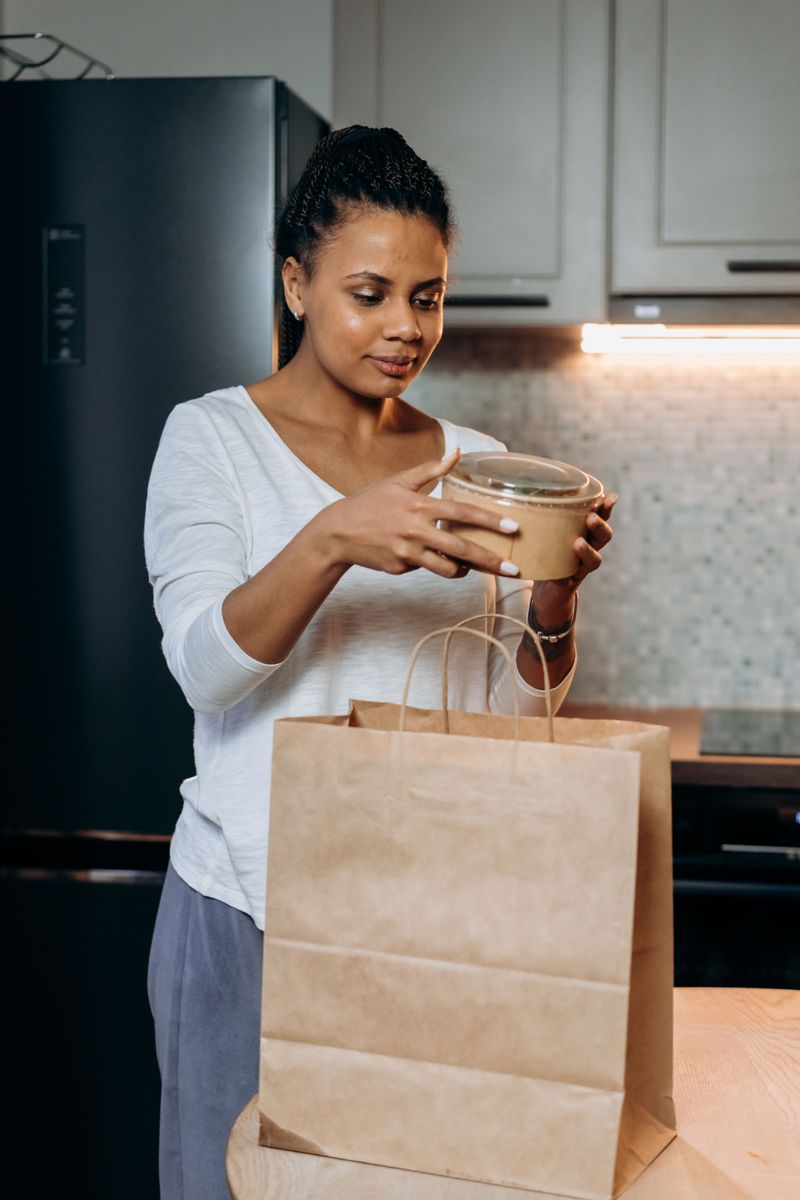
A loose lid can turn a quick handoff into an unexpected snack opportunity. Check each container for leaks, loose packaging, skewers, and small sauce cups before putting it down.
Ask the restaurant about ingredients when you are unsure. Appearance alone cannot tell you whether food contains onion, garlic, or other unsuitable ingredients.
Keep questionable dishes away from your dog while checking. Use a clean tray to catch spills and carry several containers without juggling them awkwardly.
3. Never Leave Chicken Bones in an Open Trash Can
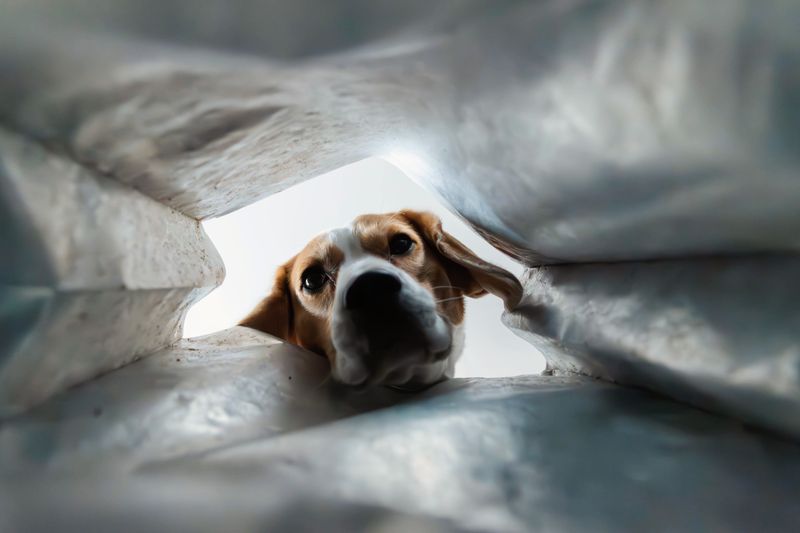
Chicken night leaves scraps that smell interesting long after your meal ends. Cooked bones can splinter, cause choking, or block the digestive tract if swallowed.
Place bones directly into a secured trash container your dog cannot open. Wrapping them first does not make an accessible bin safe.
If your dog swallows a bone, call your veterinarian promptly for advice. Do not induce vomiting unless specifically instructed.
Note what was eaten and when it happened, if possible.
4. Store Garlic and Onion Leftovers Carefully
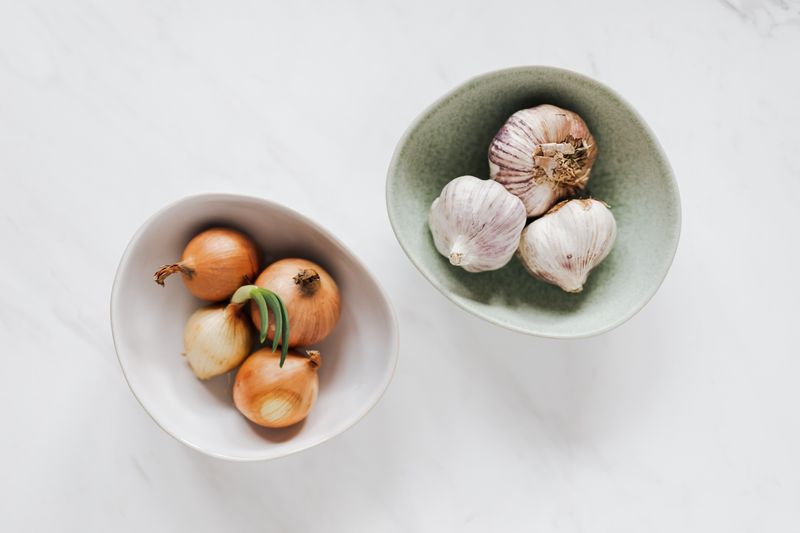
Garlic noodles and onion toppings belong on your plate, not in your dog’s snack routine. Onion, garlic, and related plants can damage dogs’ red blood cells.
Cooking does not remove that risk, and powders also count. Seal leftovers and place them in the refrigerator rather than leaving containers on a low table.
Contact your veterinarian if your dog eats these ingredients, even without immediate symptoms. Keep the ingredient list and estimate the amount eaten when possible.
5. Rethink Where You Leave Pizza Boxes
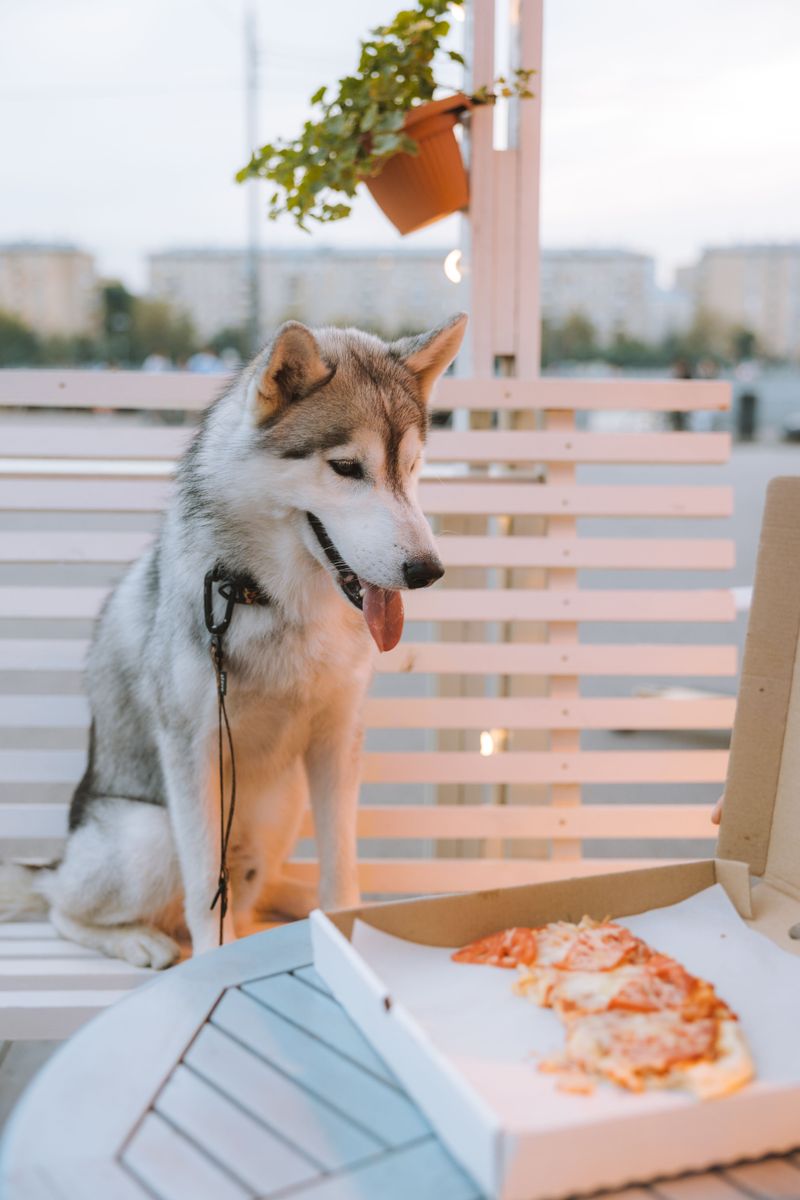
The coffee table feels convenient during a movie, but it also puts pizza within easy sniffing distance. Cheese, greasy crusts, and toppings can upset a dog’s stomach.
Some toppings, including onion and garlic, bring additional risks. Keep the box on an inaccessible surface and serve slices onto plates.
Move leftovers into closed containers once everyone finishes eating. Fold and secure the empty box promptly, because grease and crumbs can keep a curious dog interested for hours.
6. Keep Delivery Condiments Away From Curious Dogs
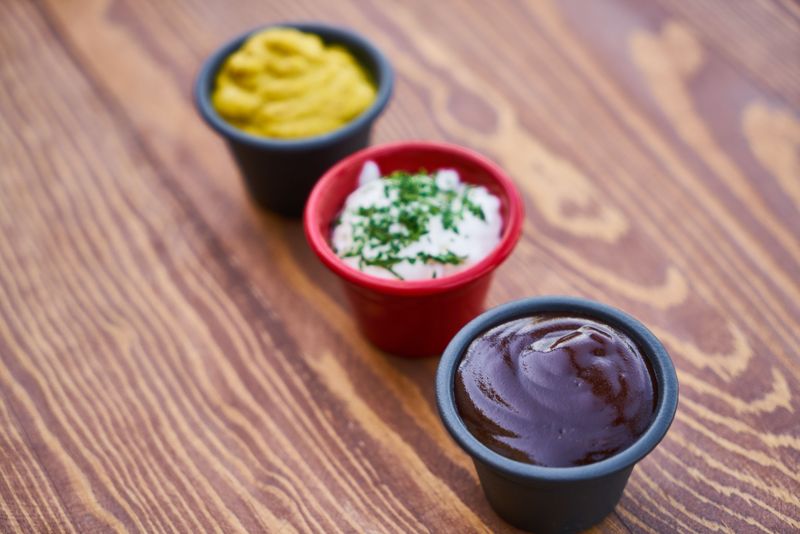
Those tiny sauce cups can roll under furniture before anyone notices. Dogs may chew the packaging along with whatever is inside.
Collect packets, butter portions, and sauce lids before serving dinner. Check ingredient labels, especially on sweet products that might contain xylitol, a sweetener toxic to dogs.
Store extras in a closed drawer rather than a bowl near the floor. If a packet disappears, identify its contents and contact your veterinarian for guidance about next steps.
7. Secure Hot Food While It Cools
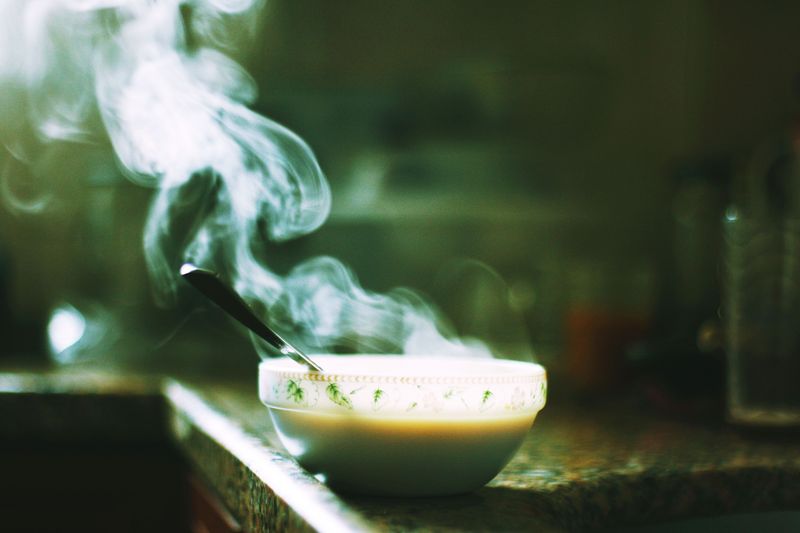
Steam rising from soup can attract a nose before dinner reaches the table. Hot food and spilled liquids can burn dogs, just as they can burn people.
Choose a stable, heatproof spot away from counter edges. Keep handles turned inward, and avoid using chairs or low stools as temporary cooling stations.
A gate helps when your kitchen offers little separation. Refrigerate perishable leftovers within two hours, or one hour when temperatures exceed 90 degrees Fahrenheit indoors.
8. Do Not Let Dogs Lick Takeout Containers Clean
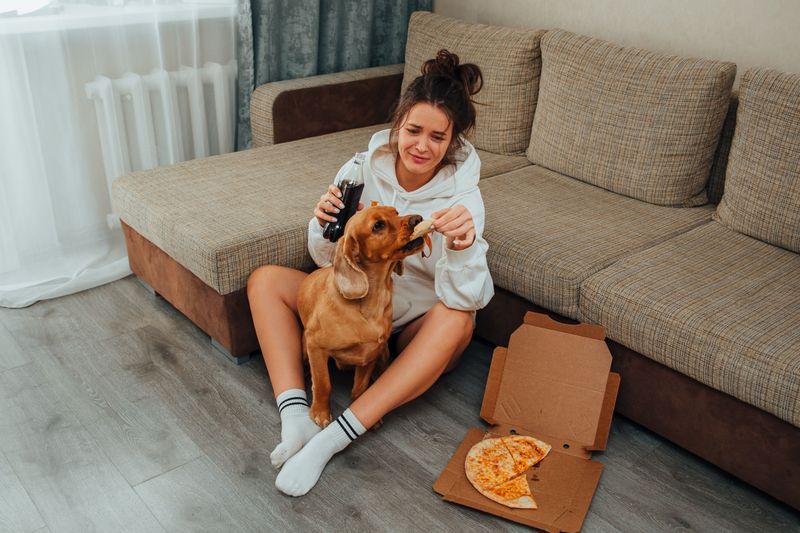
An almost empty carton is not necessarily a harmless treat. Sauce residue can contain unsuitable ingredients, while damaged packaging may leave pieces a dog could swallow.
Skip the cleanup job, even when your dog looks hopeful. Scrape leftovers into secured trash, then rinse recyclable containers according to local collection guidance.
Offer a familiar dog treat or food puzzle instead. Count those extras toward daily food intake so a new dinner ritual does not quietly become regular overfeeding.
9. Keep Plastic Utensils and Chopsticks Off Low Surfaces
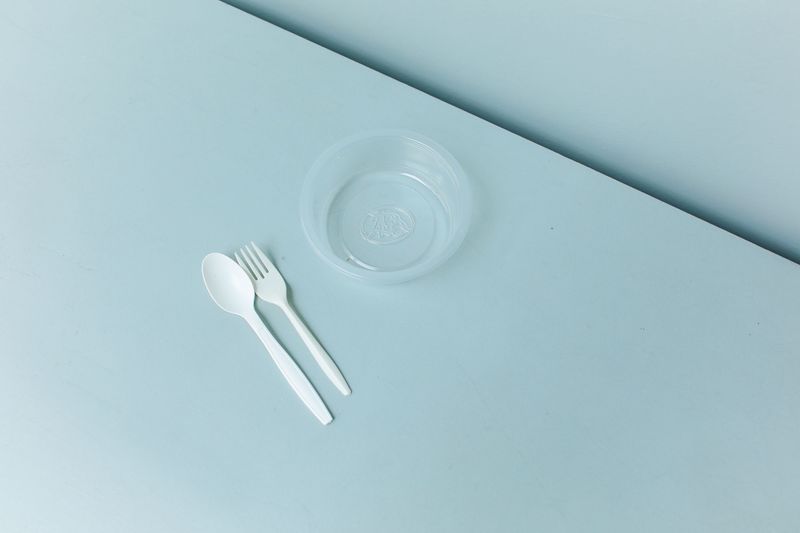
A dropped chopstick can look like an exciting new chew toy. Plastic forks, wooden sticks, and skewers may break into pieces or cause injuries when chewed.
Count utensils as you unpack, especially when eating on the couch. Put unused sets in a drawer and discard used ones immediately.
If something goes missing, check the floor before inviting your dog back. Contact your veterinarian if chewing or swallowing is suspected, rather than waiting for symptoms to appear.
10. Watch for Dropped Food in Small Apartment Kitchens
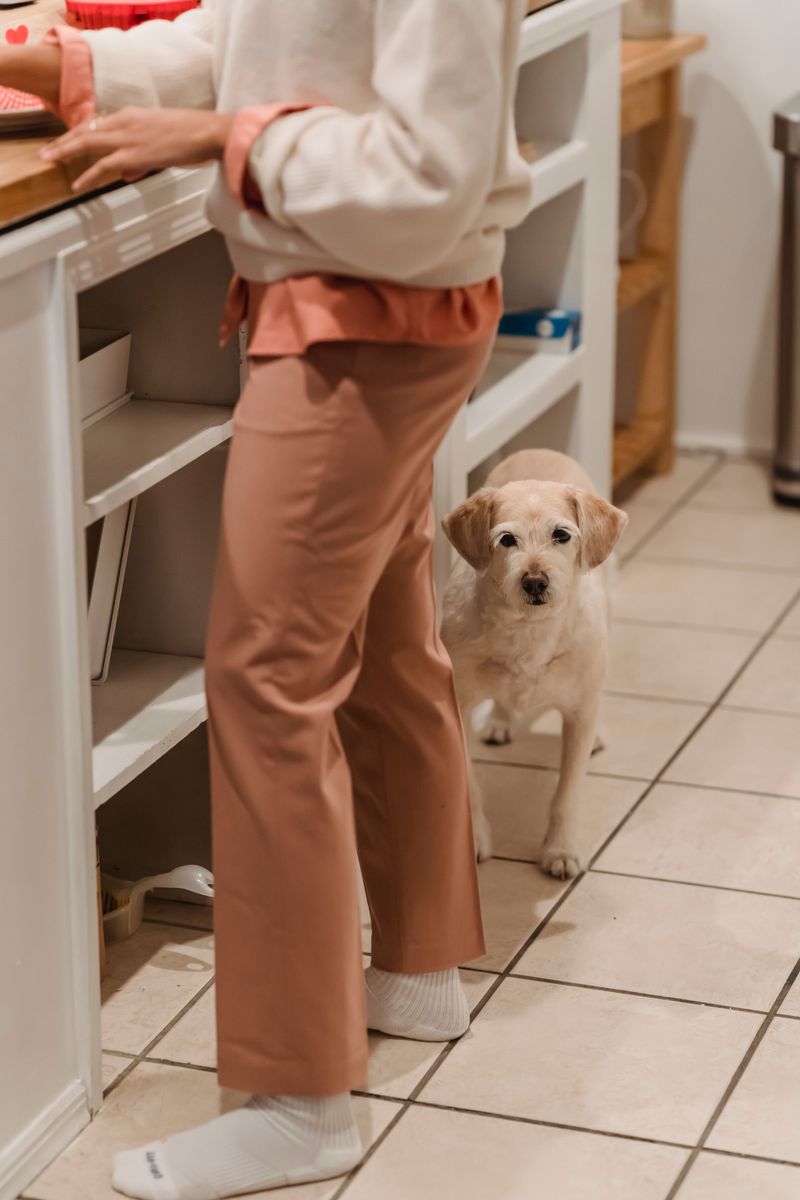
In a narrow galley kitchen, one dropped ingredient can disappear beside the fridge. Your dog may find it faster than a broom does.
Keep dogs outside the preparation area while chopping or unpacking groceries. Pick up spills immediately, especially grapes, raisins, chocolate, and foods containing onion or garlic.
Check under carts and along cabinet edges after cooking. A quick floor scan is especially useful before removing a gate or letting your dog return to the room.
11. Store Takeout Leftovers Before Settling In
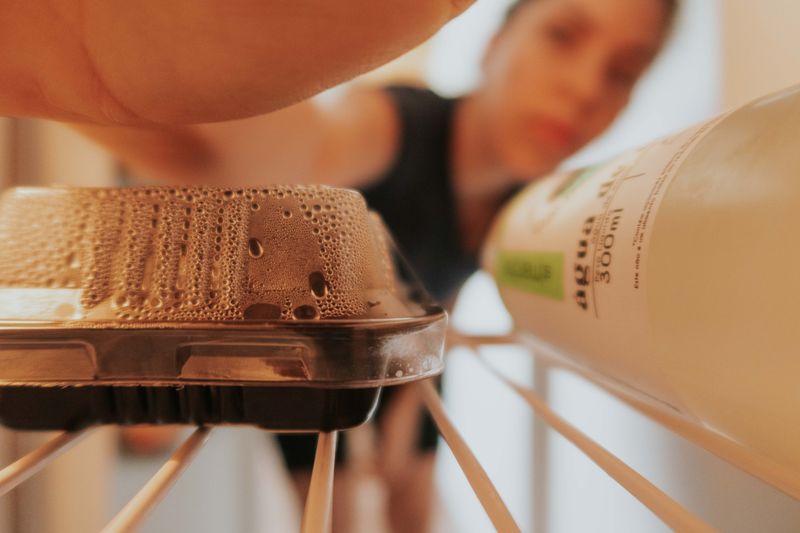
The couch gets comfortable quickly after a long subway ride home. Before settling in, give leftovers a secure place in the refrigerator.
Use shallow, covered containers so food cools efficiently. Perishable food should be refrigerated within two hours, sooner when surrounding temperatures exceed 90 degrees Fahrenheit.
Do not rely on a closed takeout lid to stop a determined dog. Clear plates and wipe the eating area first, then enjoy your evening without watching every curious glance.
12. Rethink Where You Place Grocery and Food Delivery Bags
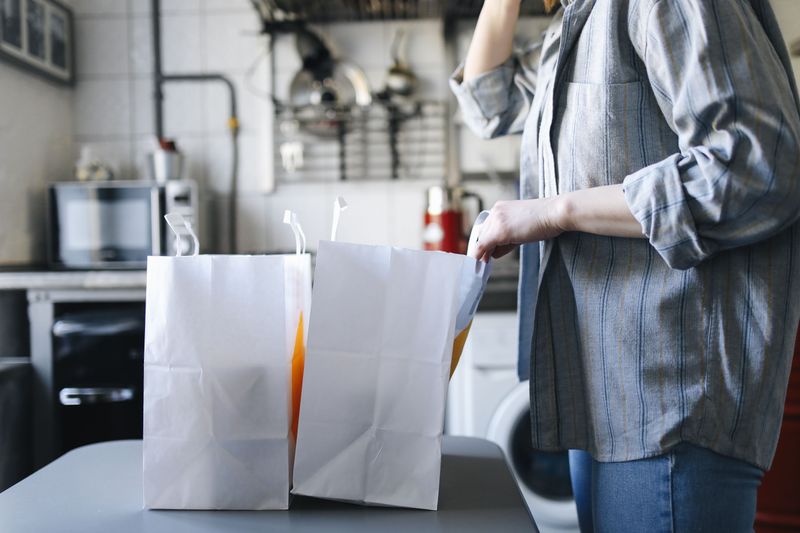
Grocery delivery creates a different challenge: several bags arriving at once. Raw meat, grapes, baking chocolate, and packaged snacks may sit within reach during unpacking.
Place your dog behind a gate before opening the apartment door. Move groceries onto a secure surface, then refrigerate perishables and put risky ingredients away.
Store empty bags where pets cannot reach them, including reusable totes. Handles and thin plastic are not suitable playthings, even after every grocery item is removed.
13. Keep Cooking Oil and Grease Away From Dog-Level Surfaces
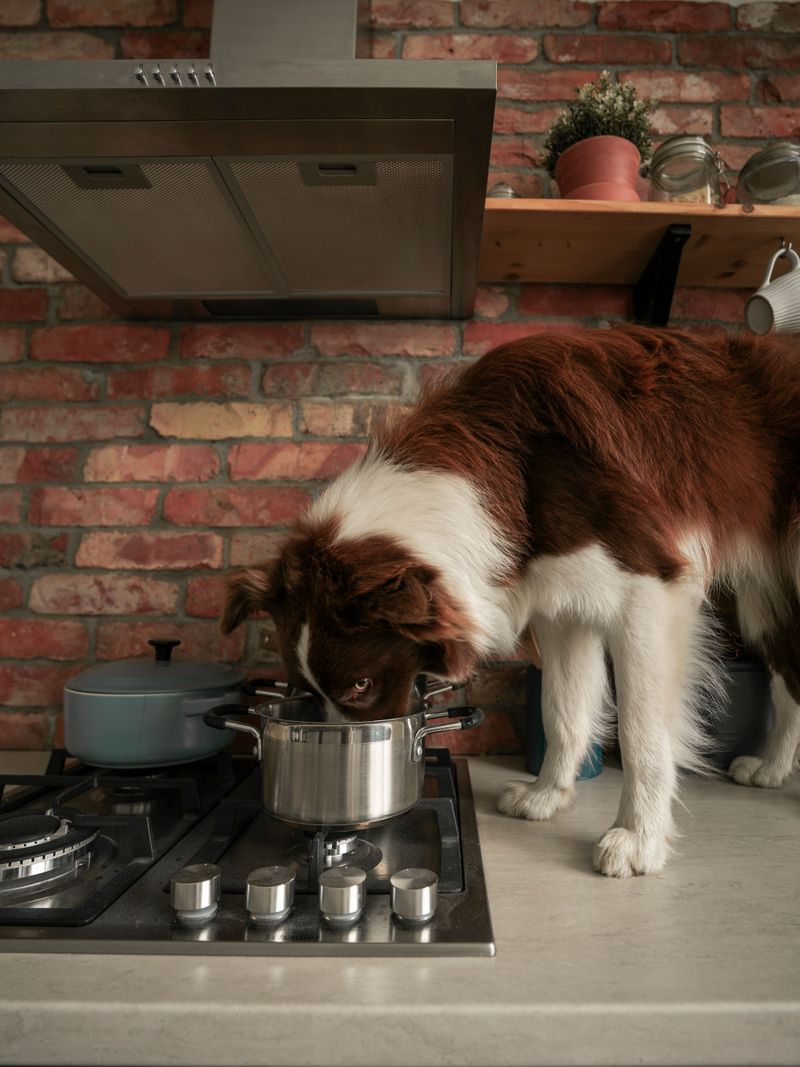
A pan waiting beside the sink may smell like a bonus meal. Rich grease and fatty scraps can cause stomach upset and may contribute to pancreatitis.
Keep pans, oil bottles, and drippings beyond your dog’s reach. Let grease cool safely, then place it in a sealed disposal container.
Wipe greasy splashes from cabinet fronts and floors. Avoid pouring cooking grease down drains, which can cause plumbing problems.
Follow your building’s disposal rules when handling collected cooking oil.
14. Make Kitchen Trash Harder for Dogs to Open
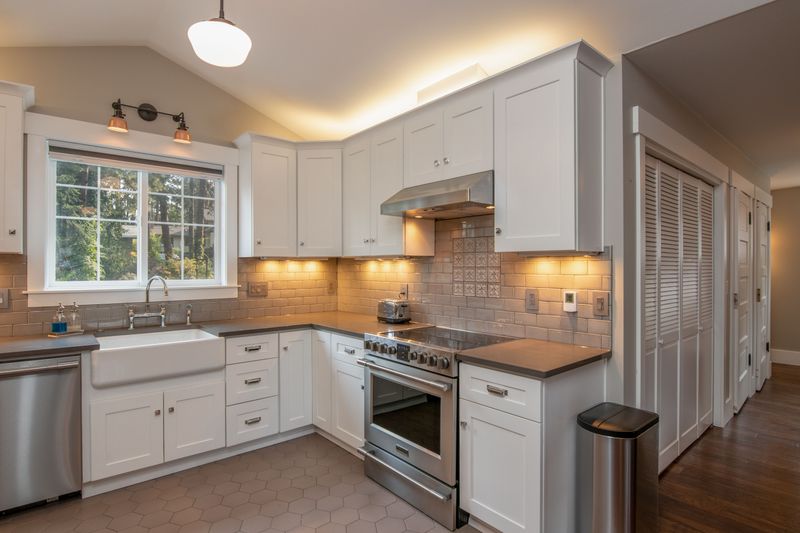
Some dogs learn a pedal bin faster than their owners expect. A lid alone offers little protection if paws or noses can lift it.
Choose a sturdy, locking container or keep trash inside a securely latched cabinet. Check that your dog cannot tip it over or reach bags hanging outside.
Empty food waste regularly and inspect latches for wear. In rental apartments, removable cabinet locks may help, provided they fit securely and follow your lease requirements.
15. Create a Safe Spot for Your Dog During Meal Preparation
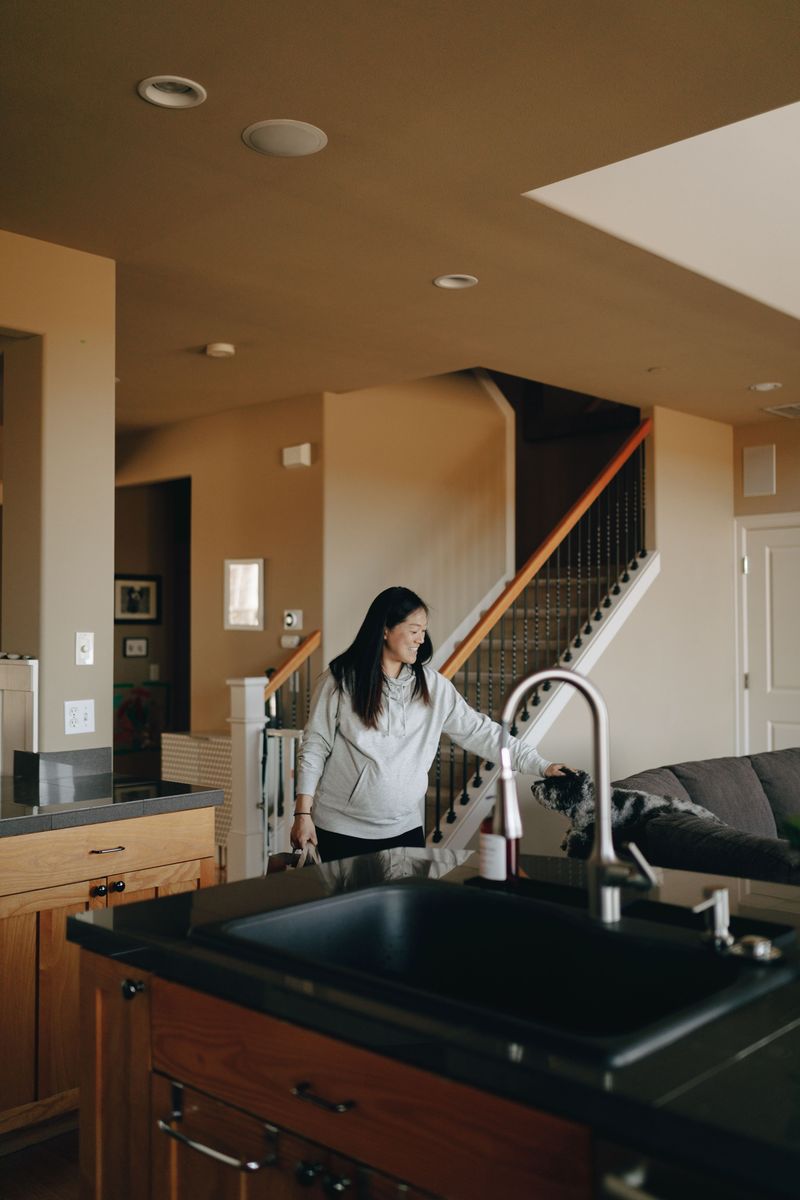
A comfortable waiting spot turns kitchen boundaries into something your dog can enjoy. Choose a mat outside the cooking area, with water and a suitable food puzzle.
Reward calm settling during short practice sessions before expecting patience through dinner. Use a secure gate when supervision alone is not enough.
Keep the spot away from hot appliances and busy doorways. Small routines make the difference: food secured, floors checked, and your dog comfortably included without being underfoot.