15 Pine Cone, Sap, And Burr Problems North Carolina Dog Owners Should Check After Woodland Walks
North Carolina woodland walks give your dog plenty to sniff, but some forest finds hitch a ride home. Pine sap, prickly burrs, and loose cone pieces can hide beneath fur or between toes.
A quick check after exploring helps you catch small problems before they become uncomfortable. Whether you walk through Piedmont pines or mountain trails, these simple habits can make cleanup easier and keep your dog comfortable.
1. Check Between Your Dog’s Toes for Stubborn Burrs
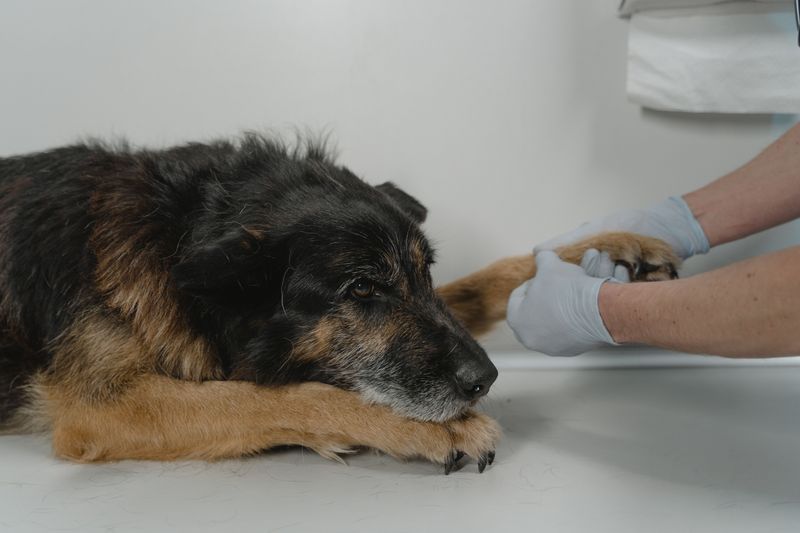
A tiny burr can make an otherwise happy dog stop and favor one foot. Gently spread each toe and check the fur, including the spaces underneath.
Hold nearby hair close to the skin while easing loose burrs out with your fingers. Avoid pulling hard or digging into tender areas.
If something appears embedded, leave it for your veterinarian. Persistent licking, swelling, or limping also deserves a call, even when you cannot spot the cause right away.
2. Look for Pine Sap Stuck in Your Dog’s Coat
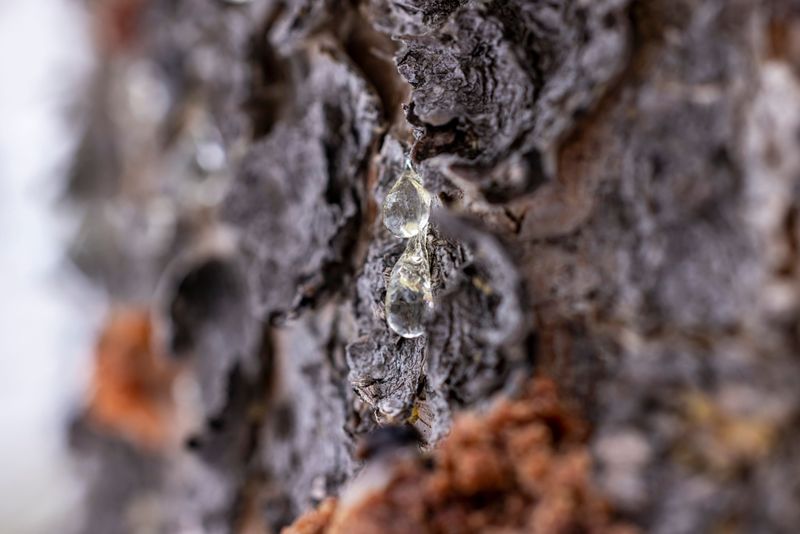
Sticky patches often reveal themselves when your fingers catch while stroking your dog. Pine resin can bind hairs together and collect grit during a walk.
Separate the surrounding coat gently, then assess how close the patch sits to skin. For small spots, a little plain vegetable oil may help loosen resin.
Prevent licking during cleanup, and wash away the oil with dog shampoo afterward. Ask your veterinarian about large patches or skin that already looks irritated.
3. Remove Pine Cones Before They Cause Paw Irritation
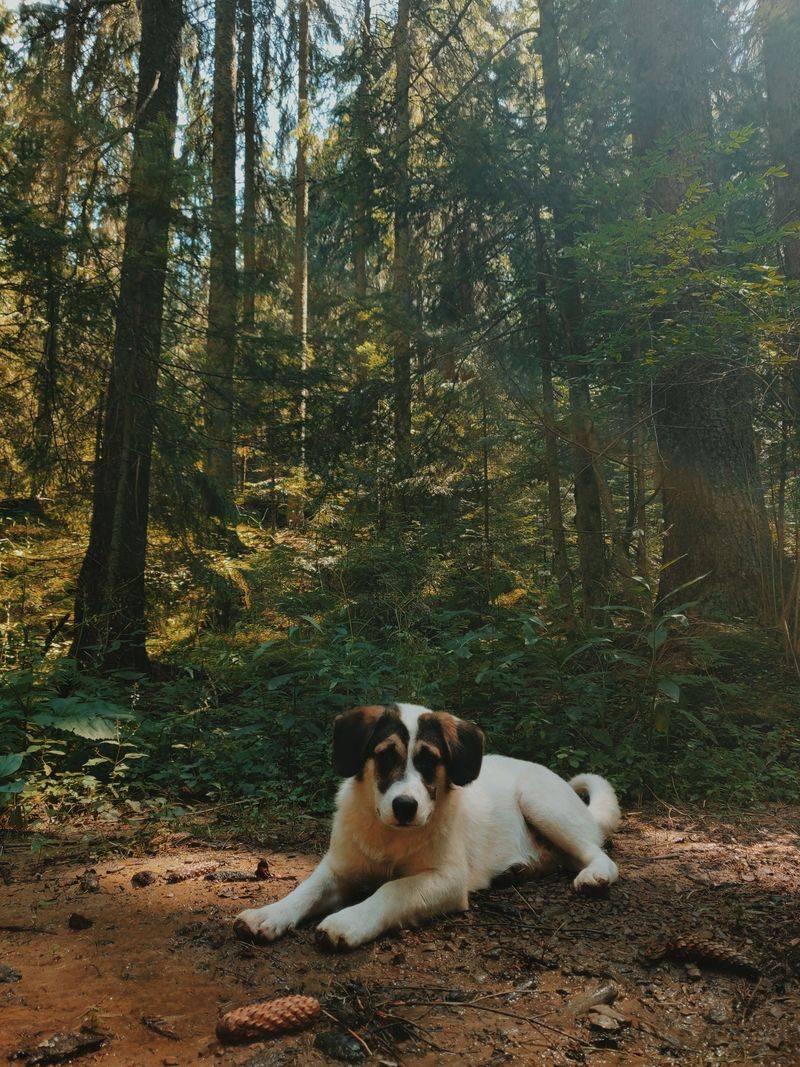
Crunchy cones may look like toys, but their stiff scales can bother sensitive feet. Check paws after your dog crosses piles beneath North Carolina pines.
Lift away loose cone pieces caught against pads or tangled in foot hair. Do not pry out fragments that seem lodged in skin.
Choose a clear patch for your next rest stop, and redirect cone chewing toward a suitable toy. Contact your veterinarian if tenderness or limping continues after removing debris.
4. Watch for Burrs Hidden Behind the Ears
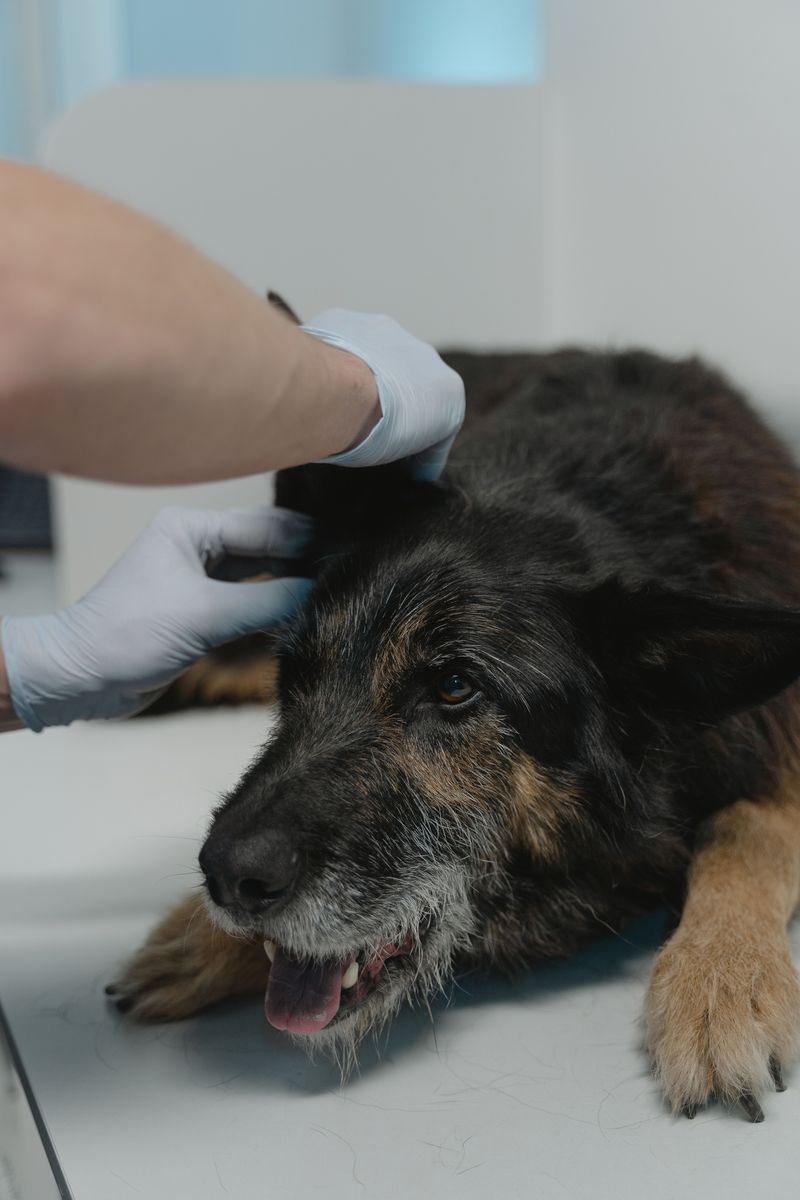
Behind each ear sits a soft hiding place that burrs seem especially good at finding. Fine hair there can twist around seeds quickly.
Lift the ear flap gently and feel the outside fur with your fingertips. Support the hair at its base before working out loose burrs.
Never cut close mats with scissors, since thin skin can hide inside them. A groomer can handle tight tangles, while redness or ear discomfort calls for veterinary advice instead.
5. Check Long Ear Fur for Woodland Debris
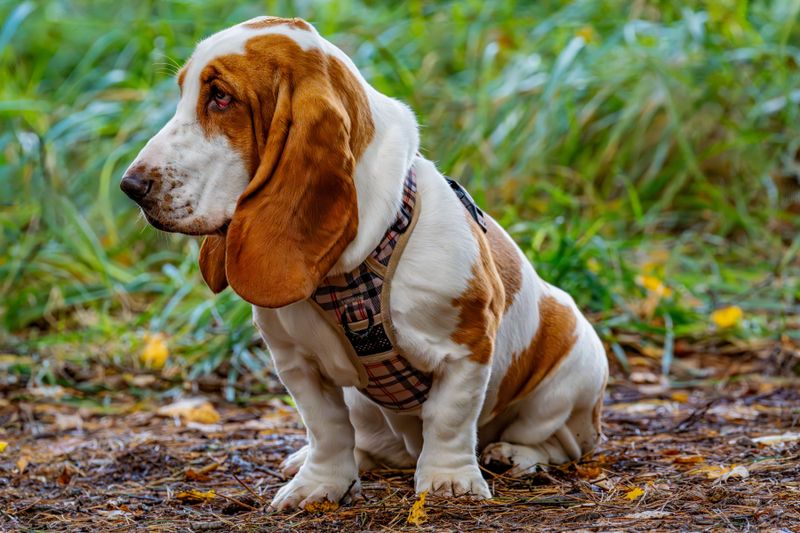
Long ears brush through trail edges like little feather dusters. Their fringes can gather seeds, pine needles, and tiny twigs without much notice.
Lay each ear across your palm and inspect the hanging hair in sections. Remove loose debris before using a comb, so you avoid dragging sharp pieces.
Keep tools and fingers outside the ear canal. Head shaking, repeated scratching, or a painful ear needs veterinary attention rather than a deeper search with cotton swabs.
6. Inspect Your Dog’s Tail for Sticky Sap and Seeds
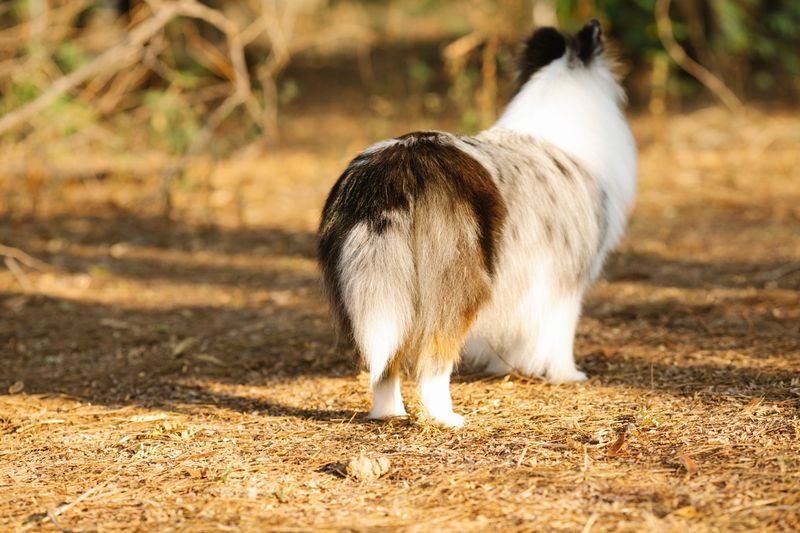
A cheerful tail can sweep low branches and collect a surprising trail souvenir. Check its underside, tip, and base for sticky spots or seeds.
Work from loose hair toward each tangle while supporting the tail without bending it. Pause if your dog pulls away or seems uncomfortable.
Debris near the rear deserves extra care because skin there is sensitive. Ask a groomer for difficult mats, and contact your veterinarian about soreness, swelling, or persistent tail chewing.
7. Look Under the Belly for Pine Needles and Burrs
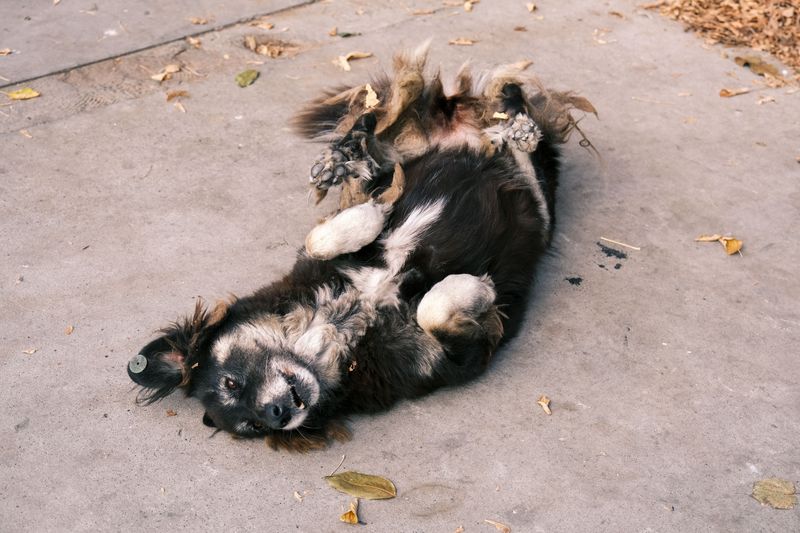
Low branches and grassy edges reach places you might miss during a quick back rub. Belly fur can hold needles and burrs against delicate skin.
Let your dog stand comfortably while you inspect underneath with good light. Include the armpits and groin, without forcing an awkward position.
Pick away loose material slowly and stop around tight tangles. Avoid scissors near skin folds or nipples.
A professional can safely manage debris that will not come free easily.
8. Watch for Pine Needles Trapped Around the Eyes
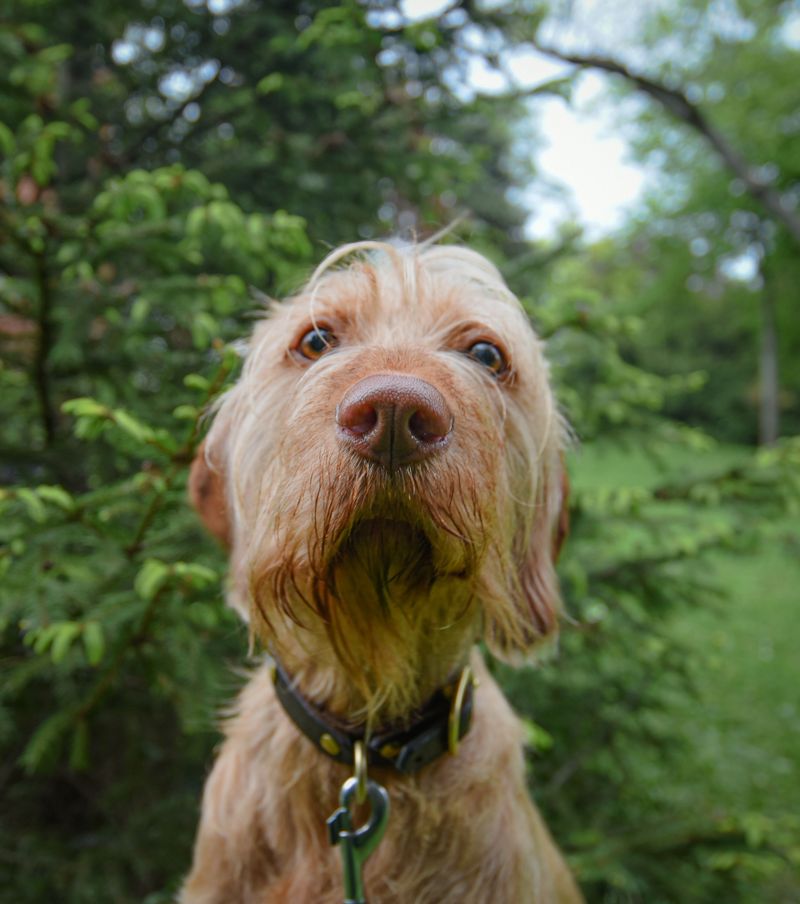
Face rubbing after a walk deserves a careful look around the eyes. A loose needle may catch in eyebrow hair or nearby facial fur.
Remove only debris clearly resting on fur, away from the eye itself. Never use tweezers near the eye or pull anything touching its surface.
Squinting, redness, tearing, or holding an eye closed needs prompt veterinary advice. Prevent rubbing while arranging care, since paws can make an already irritated eye feel much worse.
9. Check Between Paw Pads for Sap and Sticky Debris
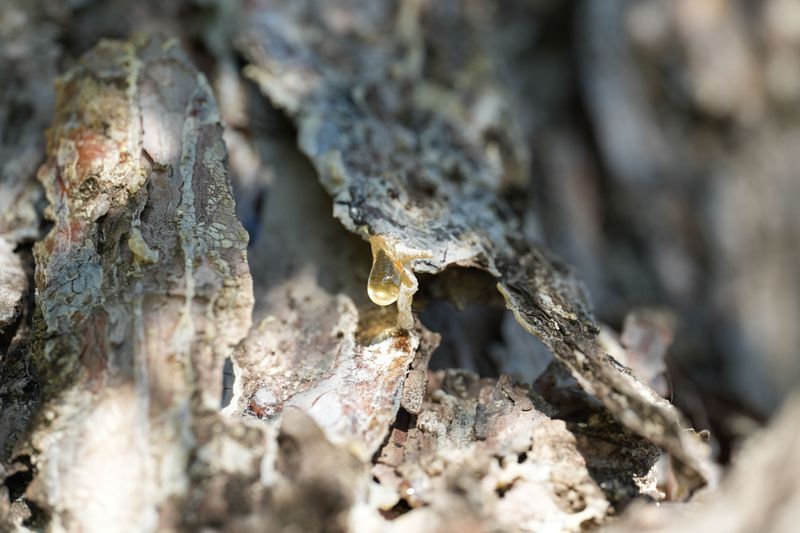
Resin underfoot can trap sand, needles, and small stones in one sticky clump. That buildup may make walking uncomfortable even without an obvious cut.
Support the paw and inspect between every pad under bright light. Loosen surface sap gently, using a small amount of plain vegetable oil if needed.
Wash with dog shampoo, rinse well, and dry between toes afterward. Keep your dog from licking during cleanup.
Cracks, swelling, or continued discomfort should reach your veterinarian.
10. Look for Cockleburs Tangled in Your Dog’s Fur
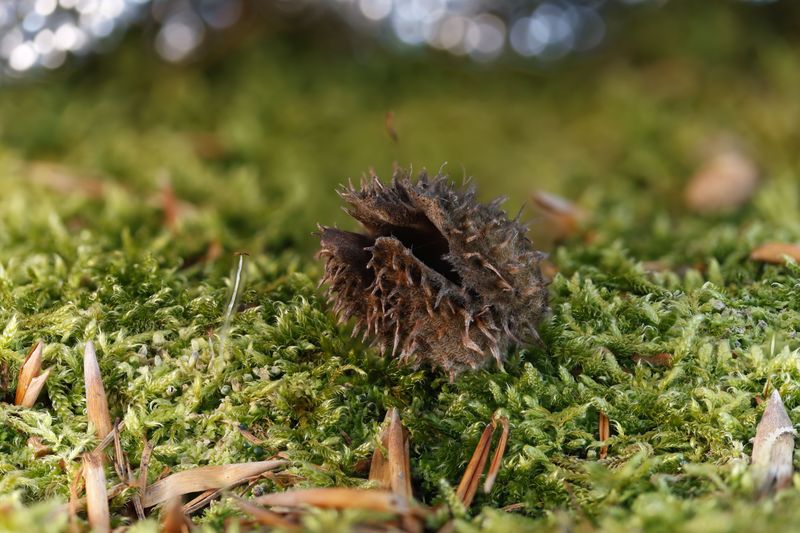
Cockleburs are hooked seed cases that can grab a coat with impressive staying power. You may encounter them along disturbed ground and weedy trail edges.
Keep your dog from chewing attached burs while you separate the surrounding hairs. Remove loose ones carefully, without crushing them against skin.
Some cocklebur plant parts are toxic if eaten, so suspected swallowing warrants prompt veterinary advice. Save a photo or sample for identification, and never assume every hooked seed is harmless.
11. Inspect for Beggar-Ticks and Other Clinging Seeds
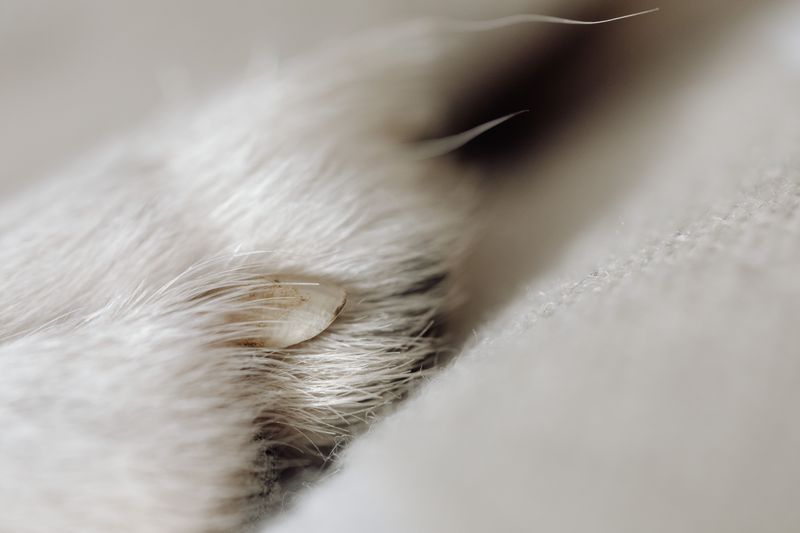
Those flat or slender hitchhikers scattered through leg hair may be beggar-ticks or other clinging seeds. Their shapes vary, so identification is not always obvious.
Scan the chest, legs, and feathered areas before brushing the whole coat. Pick off visible seeds, then comb small sections without scraping skin.
Collect removed seeds rather than dropping them beside the trail. If a pointed seed seems embedded, avoid digging.
Your veterinarian should assess swelling, drainage, or repeated licking afterward.
12. Watch for Skin Irritation After Removing Burrs
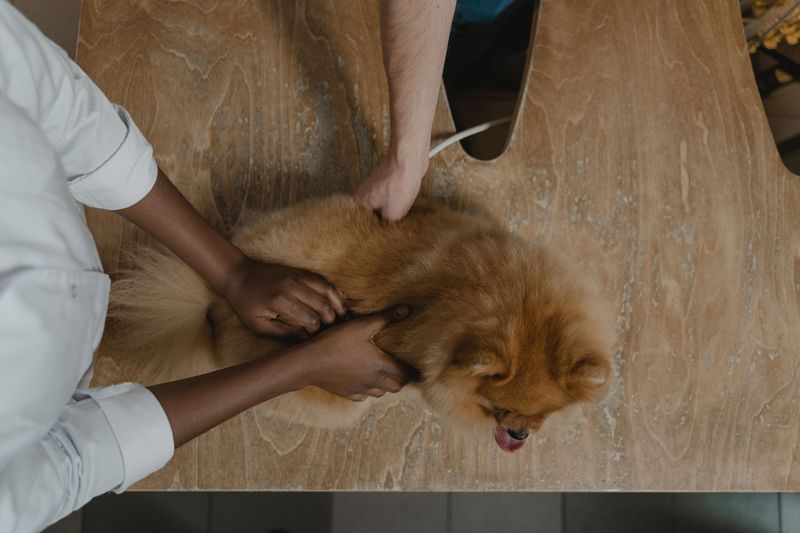
Once a burr comes out, the skin underneath still deserves attention. Friction, trapped grit, or repeated licking can leave the area looking pink.
Gently clean minor surface dirt with water and pat the spot dry. Avoid applying human creams or other treatments without checking with your veterinarian.
Look again later that day and watch your dog’s behavior. Increasing redness, warmth, swelling, discharge, or ongoing tenderness needs professional advice.
A photo can help you track changes clearly.
13. Know How to Handle Hardened Pine Sap Safely
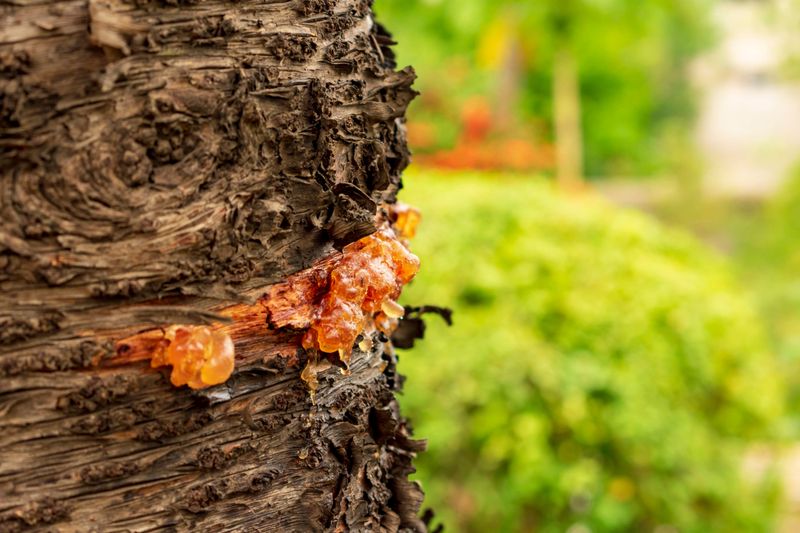
Dry resin can feel like a pebble glued into the coat. Pulling it straight out often tugs skin and makes cleanup unpleasant.
For a small patch, gently work plain vegetable oil into the hardened sap. Give it time to soften, then separate loosened hairs with your fingers.
Never use paint thinner, gasoline, or household adhesive removers. Wash away residue with dog shampoo and prevent licking.
Large clumps, sensitive locations, or unsuccessful cleanup call for professional help.
14. Check for Debris Your Dog May Have Tried to Eat
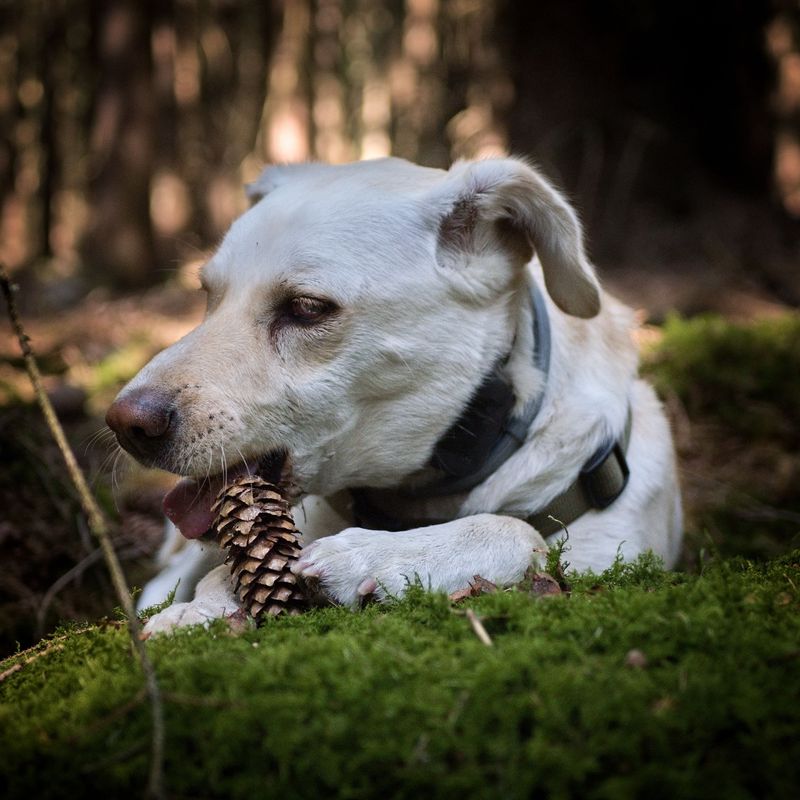
A dog carrying a cone may have sampled more than you noticed. Look for missing pieces and watch for drooling, gagging, or mouth discomfort.
Inspect only if your dog cooperates, and remove objects only when clearly loose and easily reached. Never reach blindly into the throat.
Call your veterinarian about swallowed cone pieces, burrs, or unknown plant material. Do not induce vomiting unless instructed.
Trouble breathing requires immediate emergency veterinary care, while repeated vomiting also needs attention.
15. Give Your Dog a Final Paw-to-Tail Check Before Heading Home
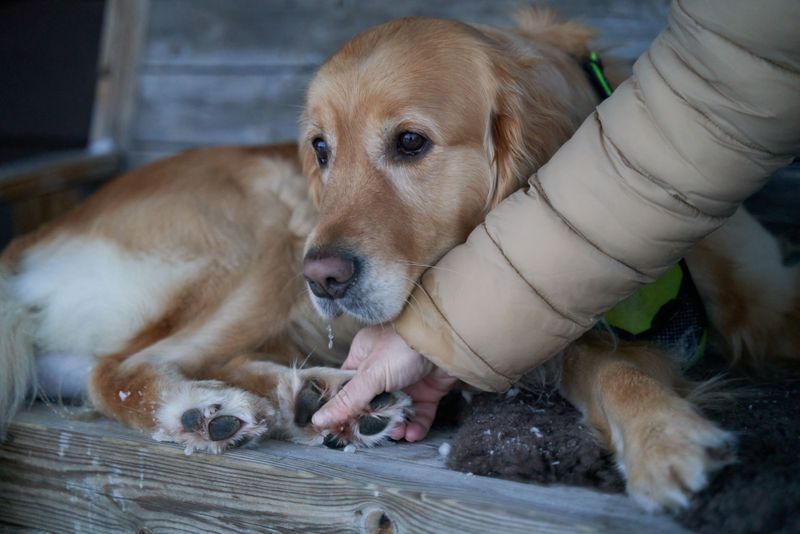
Before your dog jumps into the car, choose a quiet spot for one final check. Good daylight makes small hitchhikers easier to find.
Move from face and ears to belly, legs, paws, and tail. Offer breaks and rewards, especially if handling makes your dog uneasy.
Keep a towel, comb, and water handy for simple cleanup. Leave embedded objects and painful tangles to professionals.
A few calm minutes now can make the ride home much more comfortable.