15 Signs of Heatstroke in Dogs Every Minnesota Owner Should Know
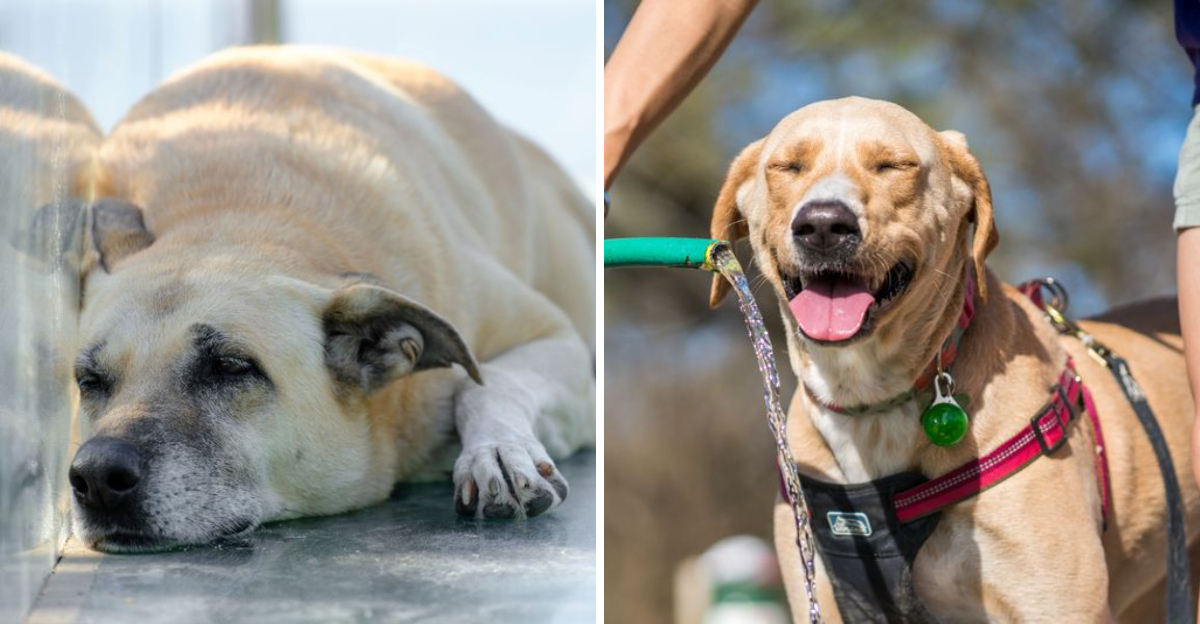
Minnesota summers can catch dog owners off guard. One day it is a breezy 65 degrees, and the next it is humid and pushing 90.
Dogs cannot tell you when they are overheating, so knowing what to watch for can make all the difference. Whether you are hiking a trail near Duluth or playing fetch in your backyard, understanding heatstroke signs helps you act fast and keep your best friend safe.
1. Excessive or Heavy Panting
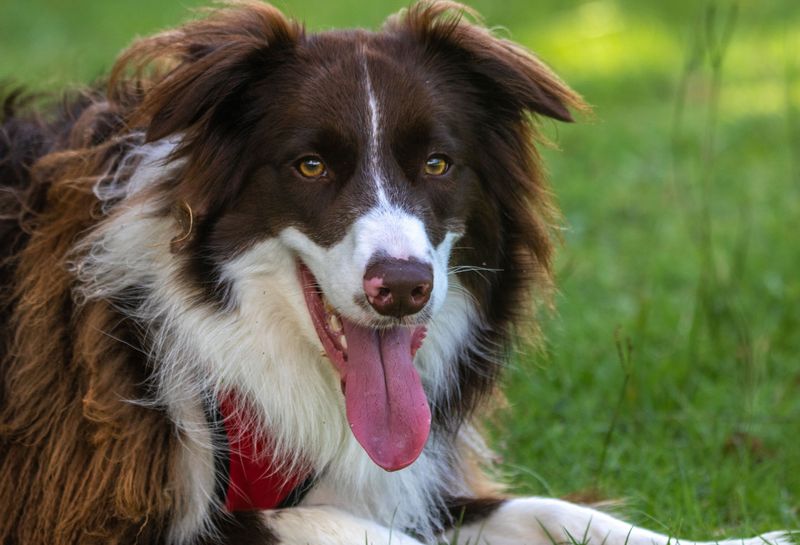
Panting is normal after a good run, but something feels different when it just will not stop. A dog panting nonstop, even while resting in the shade, is telling you its body is struggling to cool down.
Dogs regulate heat through their breath, and heavy continuous panting means that system is working overtime.
Move your dog somewhere cool right away. Offer fresh water and watch closely for other symptoms appearing alongside the panting.
2. Difficulty Breathing
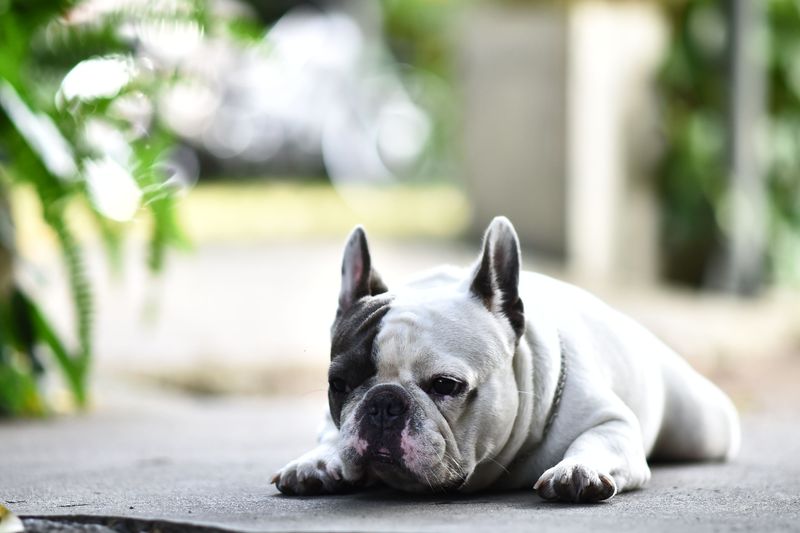
Labored breathing goes beyond typical panting. You might notice your dog making noisy, raspy, or strained sounds with each breath.
This can signal that fluid is building in the lungs as the body responds to extreme heat, a condition called pulmonary edema.
Flat-faced breeds like bulldogs and pugs face this risk faster than others. If breathing sounds wrong, treat it as urgent and contact a veterinarian without delay.
3. Excessive Drooling
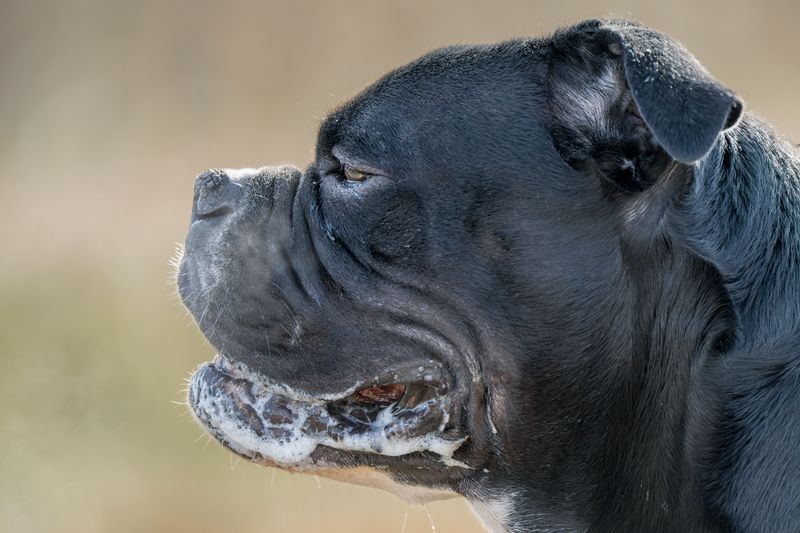
A little drool is expected from some breeds, but heatstroke drool looks different. The saliva becomes thicker, stickier, and more abundant than usual.
Your dog may look like it cannot keep up with the flow, leaving wet patches wherever it rests its head.
Thick drool is a clear sign the body is under heat stress. Combine it with any other symptom on this list and veterinary attention becomes the right next step.
4. Abnormally Colored Gums
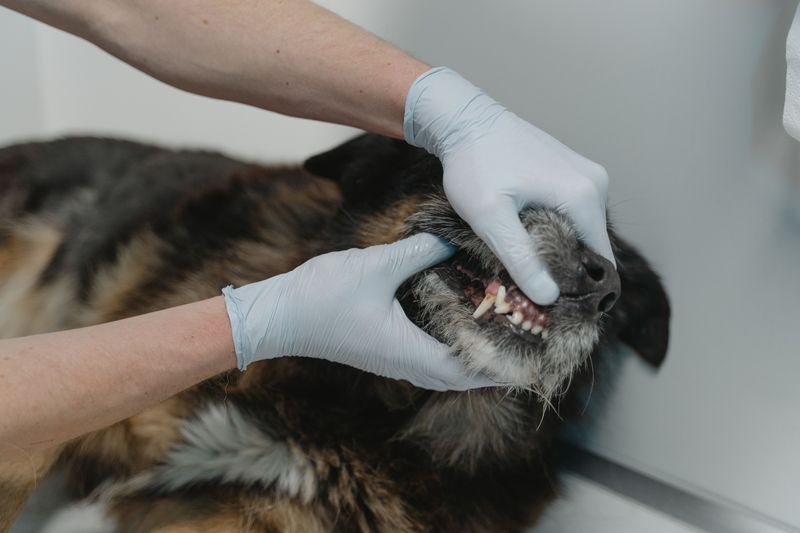
Healthy gums are bubblegum pink, and checking them takes only a second. During heatstroke, gum color can shift to bright red, dark red, pale, or even bluish purple.
Each color tells a different story about blood flow and oxygen levels, and none of those stories are good.
Make gum checks a habit on hot days. Press a finger gently on the gum, release, and watch how quickly the pink color returns.
Slow return or odd color means trouble.
5. Weakness
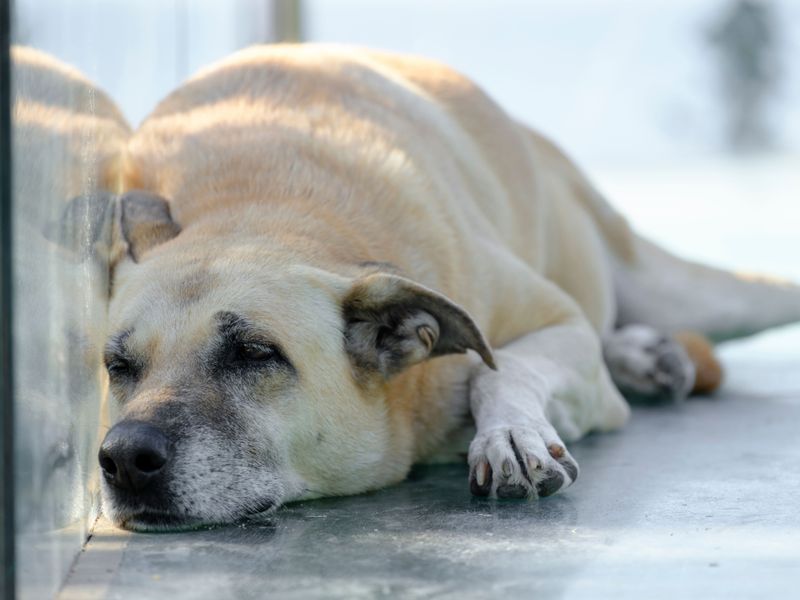
An overheated dog often loses its usual spark. You might notice it struggling to rise from lying down, moving slowly, or simply refusing to get up at all.
Muscles need proper blood flow and temperature balance to work well, and heat disrupts both.
Weakness that appears suddenly on a warm day is worth taking seriously. Get your dog into a cool space, offer water, and call your vet if the weakness does not improve within a few minutes.
6. Lethargy or Unusual Drowsiness
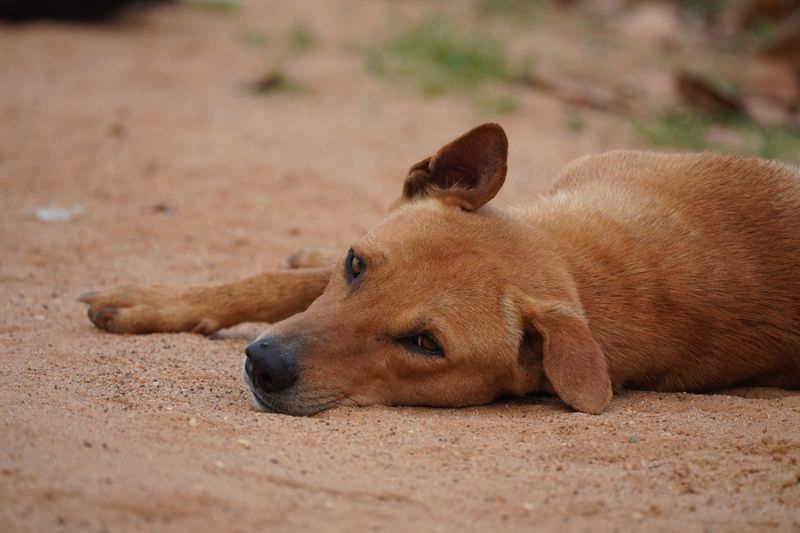
Every dog loves a good nap, but heatstroke lethargy feels different to anyone paying attention. Your normally curious, tail-wagging companion suddenly cannot be roused by its favorite treat or the sound of a leash.
It may stare blankly or barely lift its head when you call its name.
Sluggishness paired with heat exposure is a combination that warrants quick action. Move the dog to a cooler area and monitor its breathing and gum color closely.
7. Disorientation or Confusion
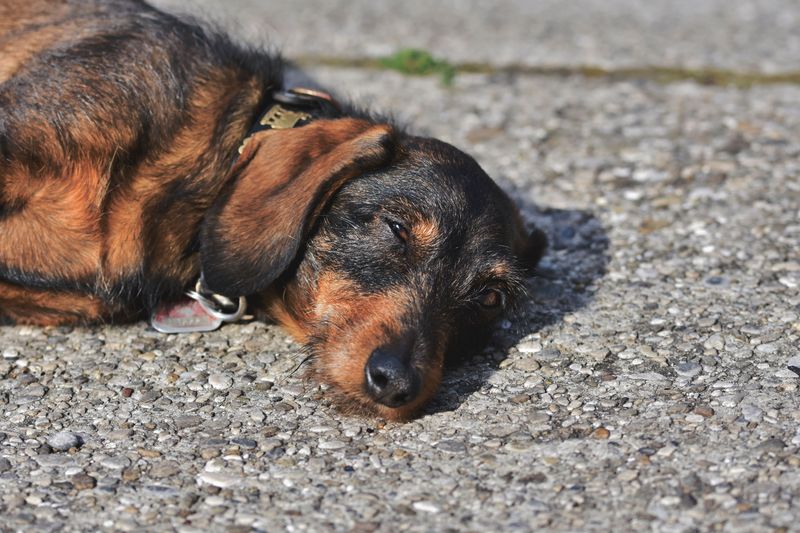
Heat affects the brain faster than most people realize. A dog experiencing disorientation may stare at nothing, seem unaware of familiar surroundings, or fail to respond to its name.
Some dogs appear delirious, walking in circles or bumping into objects they would normally avoid.
Neurological symptoms like these signal that heatstroke has moved beyond mild. Keep the dog calm, reduce stimulation, and get to a veterinary clinic as quickly as you safely can.
8. Stumbling or Loss of Coordination
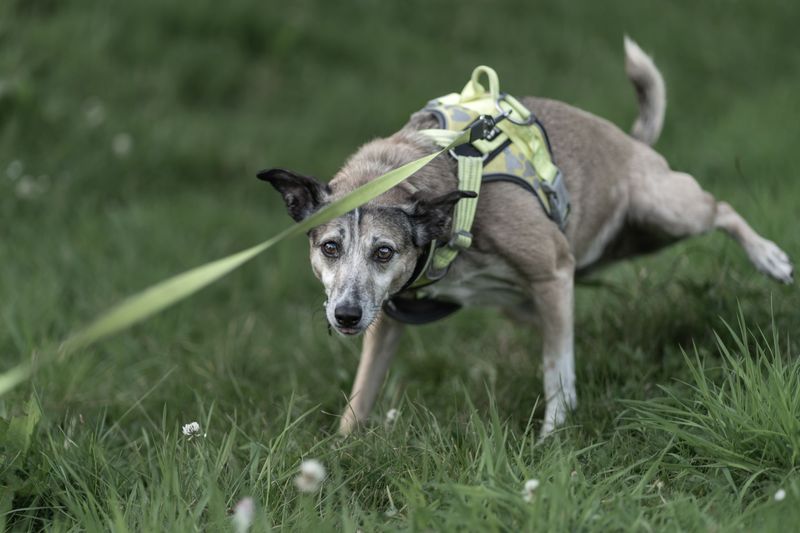
Watching a dog suddenly lose its footing on flat ground is unsettling. Heatstroke can cause ataxia, a breakdown in the nervous system’s ability to coordinate movement.
Your dog may weave from side to side, trip over its own paws, or fall when trying to turn.
This symptom often appears alongside confusion and weakness. If your dog cannot walk in a straight line on a hot day, cool it down immediately and call your veterinarian right away.
9. Vomiting
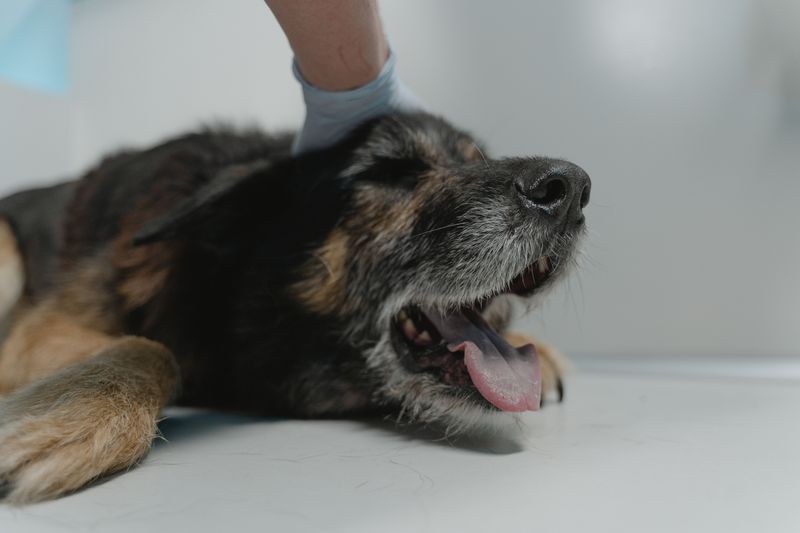
Vomiting during or after heat exposure is not just an upset stomach. The body is responding to a serious internal crisis.
In milder cases, a dog may retch once or twice. As heatstroke worsens, vomiting can become more frequent or include blood, which signals damage to the digestive tract.
Keep your dog still and calm. Do not offer large amounts of water right after vomiting.
Small sips are safer, and professional veterinary care should follow promptly.
10. Diarrhea
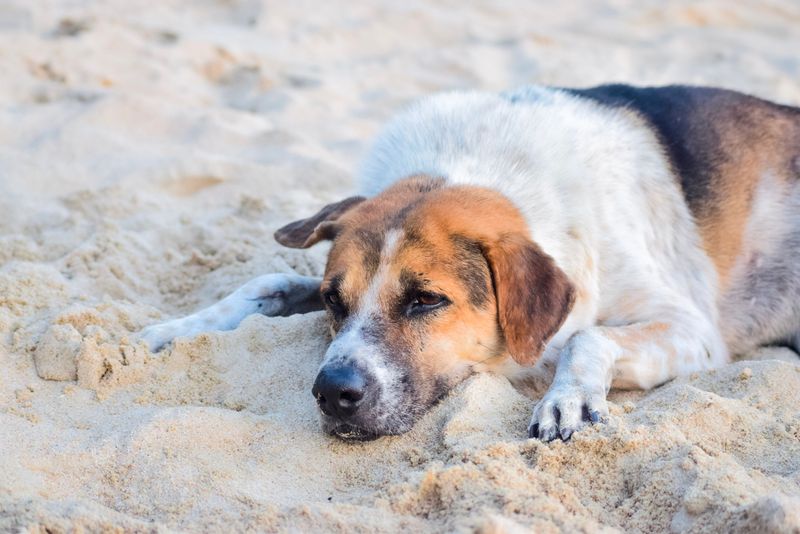
Diarrhea alongside heat exposure is a warning the body is in real distress. Like vomiting, it reflects the digestive system reacting to dangerous internal temperatures.
Bloody diarrhea is a more severe indicator and means the situation has escalated significantly.
Fluid loss from diarrhea makes dehydration worse, and dehydration makes heatstroke harder to recover from. Keep the dog calm and still, avoid forcing food, and seek veterinary help without waiting to see if things improve on their own.
11. Increased Heart Rate
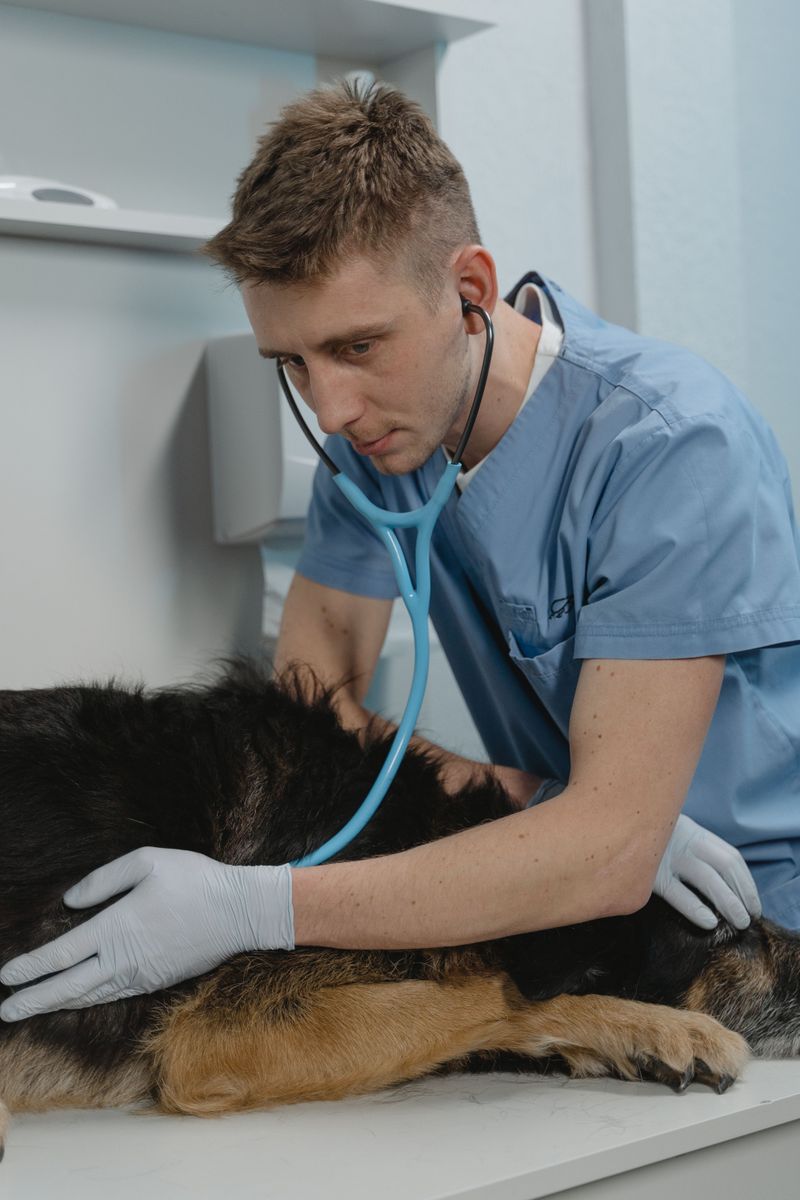
You can check your dog’s heart rate without any equipment. Place your hand flat against its chest, just behind the left front leg.
A normal resting rate for most dogs falls between 60 and 140 beats per minute depending on size. During heatstroke, the heart races trying to compensate for overheating.
A rapid, pounding heartbeat on a hot day is a sign the body is under serious stress. Pair this with cooling efforts and a call to your vet.
12. Collapse
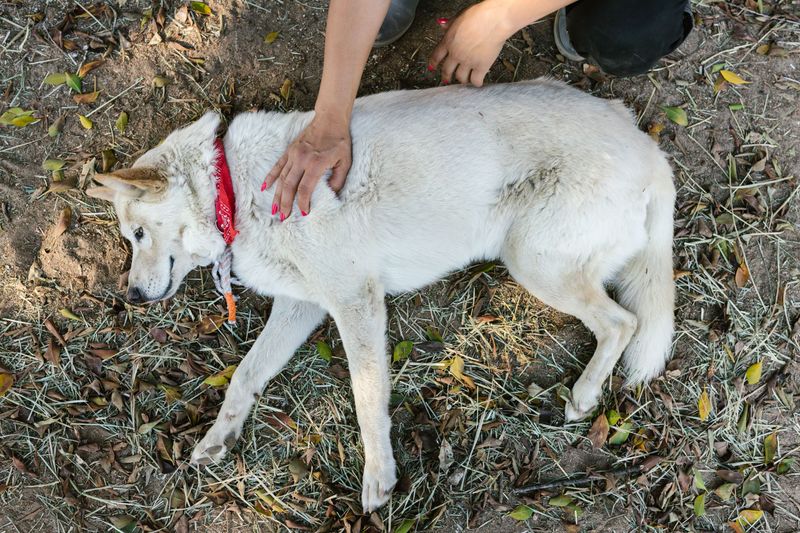
Sudden collapse is one of the most alarming things a dog owner can witness. When heatstroke advances rapidly, the body simply cannot keep functioning and the dog drops.
This is a full medical emergency, not a moment to wait and see what happens next.
If your dog collapses in the heat, move it to a cool shaded area immediately. Apply cool, not ice cold, water to the paws and neck.
Call an emergency veterinary clinic while you are doing this.
13. Seizures
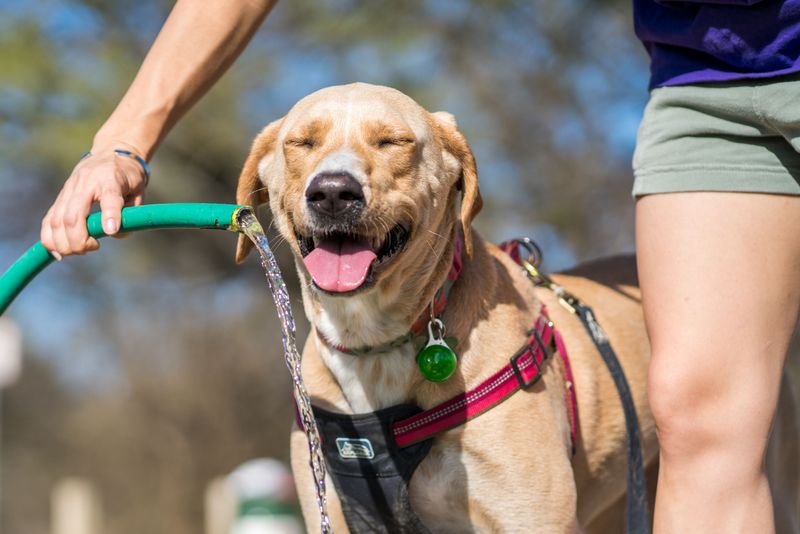
Seizures during heatstroke mean the brain is under severe strain. They may appear as significant body movements or localized twitching in one limb or the face.
Either form is serious and indicates the central nervous system is in crisis from extreme heat exposure.
Stay calm and keep your dog away from sharp edges or hard surfaces during the episode. Do not restrain it forcefully.
Time the seizure if you can, and head to an emergency vet immediately after it ends.
14. Loss of Consciousness
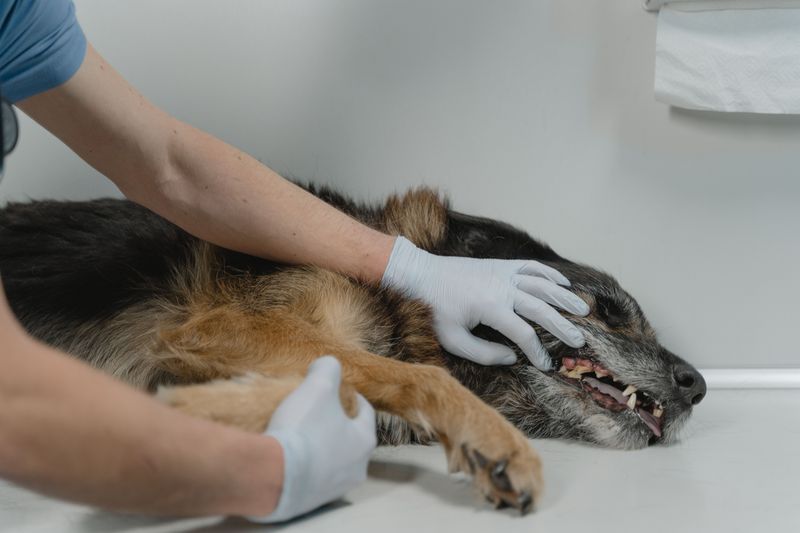
Loss of consciousness can range from extreme unresponsiveness to a very serious unconscious state. At this stage, the central nervous system has been severely affected by heat.
Every minute without cooling and treatment increases the risk of lasting organ damage.
Check for breathing, keep the airway clear, and apply cool water to the body while someone else drives to the nearest emergency animal hospital. Do not leave the dog unattended, even briefly.
15. Abnormally High Body Temperature
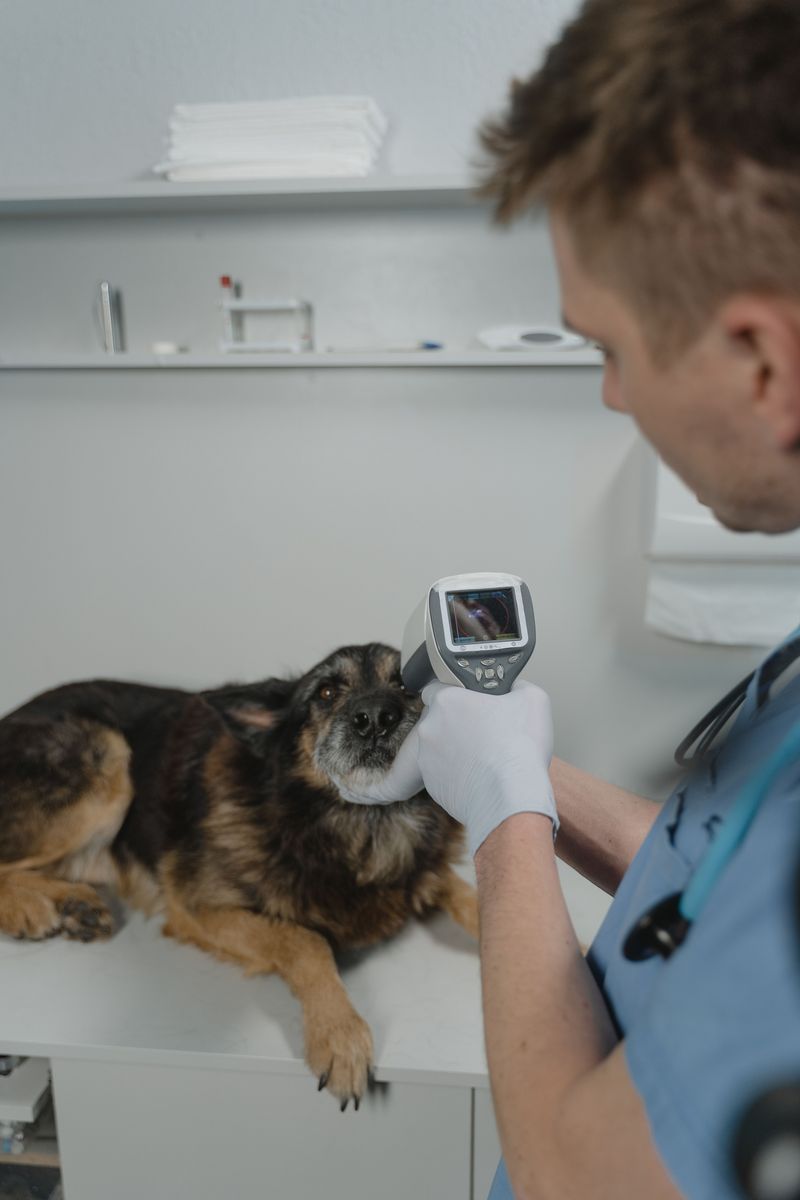
A dog’s normal body temperature sits between 100 and 102.5 degrees Fahrenheit. Anything above 103 degrees is a red flag.
Heatstroke typically begins around 104 degrees, and temperatures climbing toward 107 to 109 degrees can cause severe damage to multiple organs.
A rectal thermometer gives the most accurate reading. If you measure a temperature above 104 degrees, begin cooling the dog with cool water and contact a veterinarian immediately.
Never use ice, as it can cause blood vessels to constrict and slow the cooling process.