What Indiana Dog Owners Should Know Before Taking A Dog To The Dunes
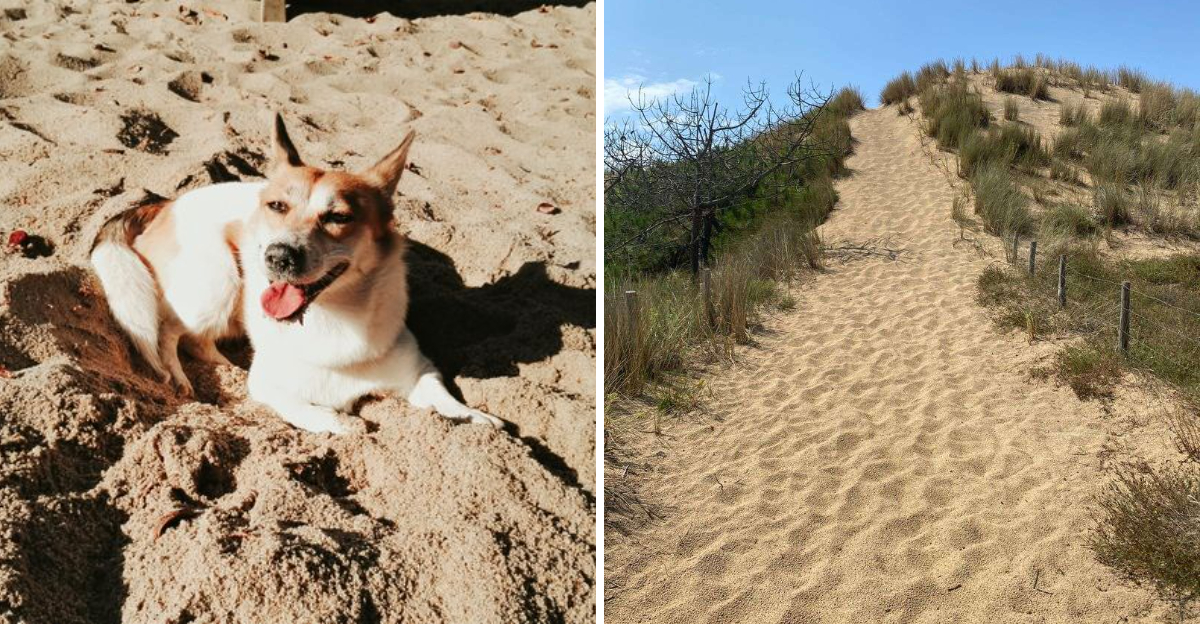
Sand gets everywhere. In your shoes, your snack bag, and somehow behind your dog’s ears.
That is part of the charm of the Indiana Dunes, where Lake Michigan meets ridges of golden sand and shady woodland trails. But dune country comes with rules, hot surfaces, sudden weather swings, and habitat that needs protecting.
A little planning turns a sandy scramble into a genuinely great day for both of you. Here is what smart Indiana dog owners sort out before the leash ever clips on.
Check The Park’s Pet Rules First
Two parks share this shoreline: Indiana Dunes National Park and Indiana Dunes State Park. Their pet policies are not identical, and they can shift by season.
Pull up the official park page the night before your drive. Look at trail notes, beach access, and any seasonal restrictions listed.
Five minutes of reading saves a long, disappointing turnaround at the gate. Rules also change with management decisions, so last summer’s info may be outdated.
Know Where Dogs Are Allowed
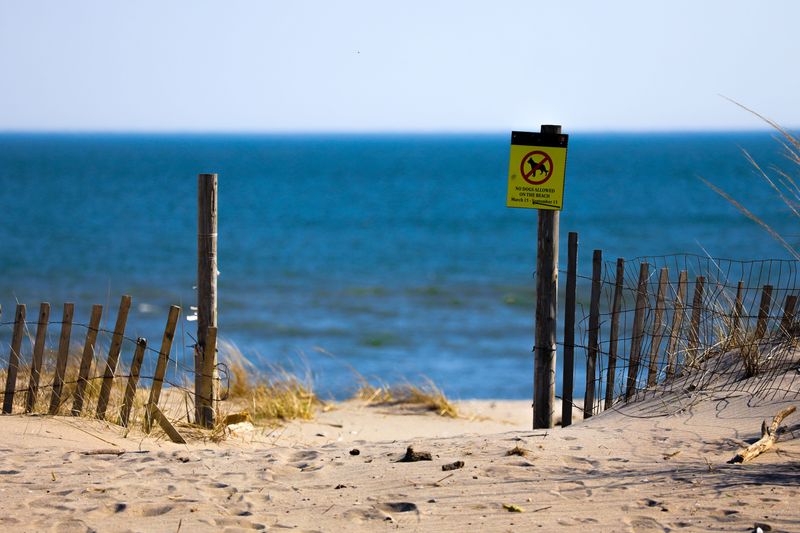
Access is patchy, not universal. Some trails welcome dogs happily, while certain beaches, nature preserves, and buildings do not.
Indiana Dunes State Park, for example, keeps pets off its nature center areas and restricts them on parts of the beach seasonally.
Read posted signs at every trailhead and parking lot you use. When a sign says no pets, believe it.
Choosing an approved route first keeps the whole outing relaxed and friendly.
Keep Your Dog Leashed
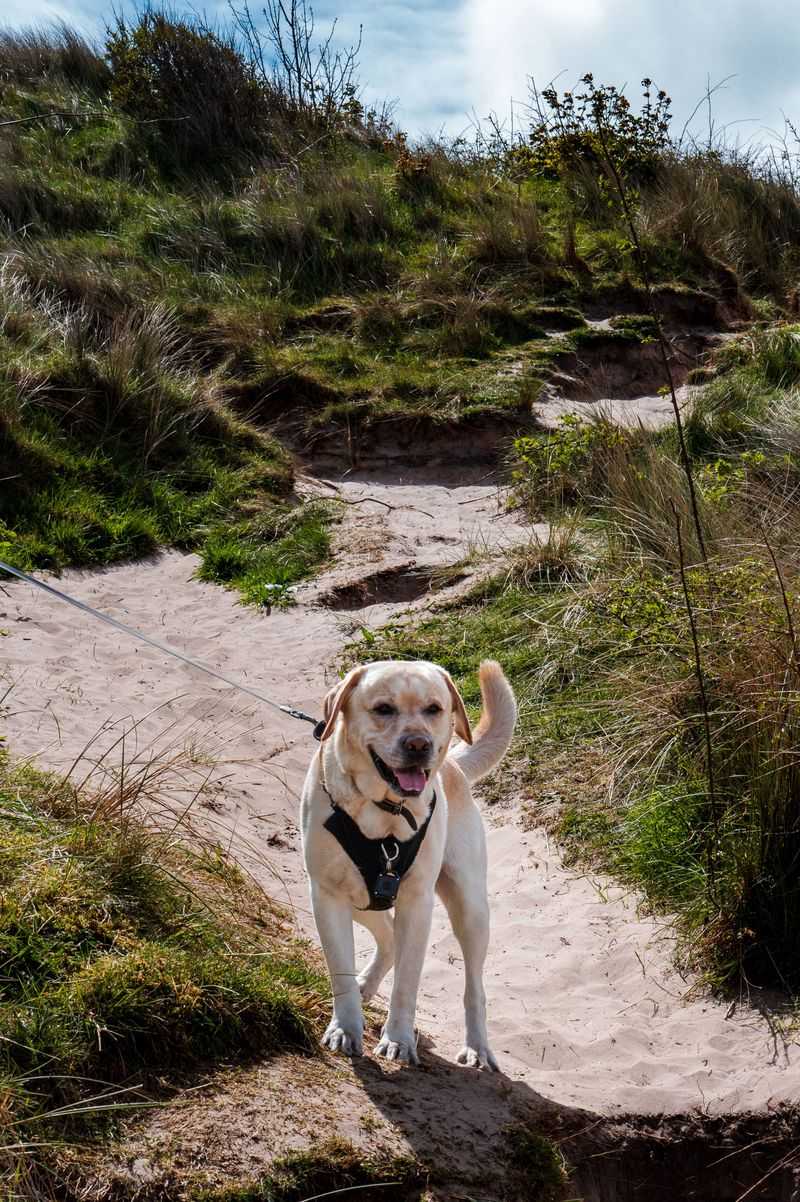
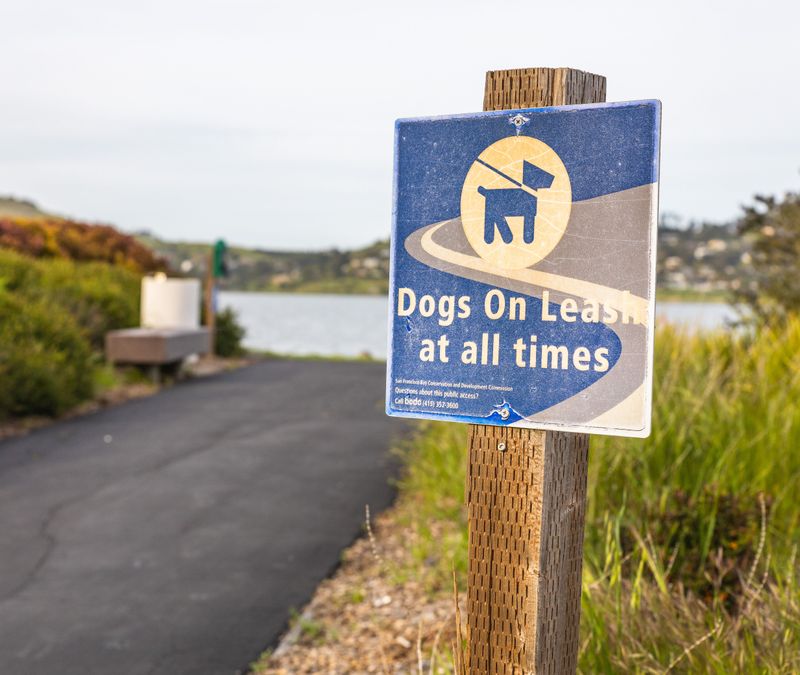
Both Indiana Dunes parks require pets on a leash, generally six feet or shorter. That length is not arbitrary.
Short leashes give you real control when a cyclist zips past, a chipmunk darts out, or another dog appears around a bend.
Retractable leads let dogs drift into trouble before you can react. Clip on a sturdy standard leash and a well fitted harness, then enjoy the walk without wrestling.
Stay On Marked Trails
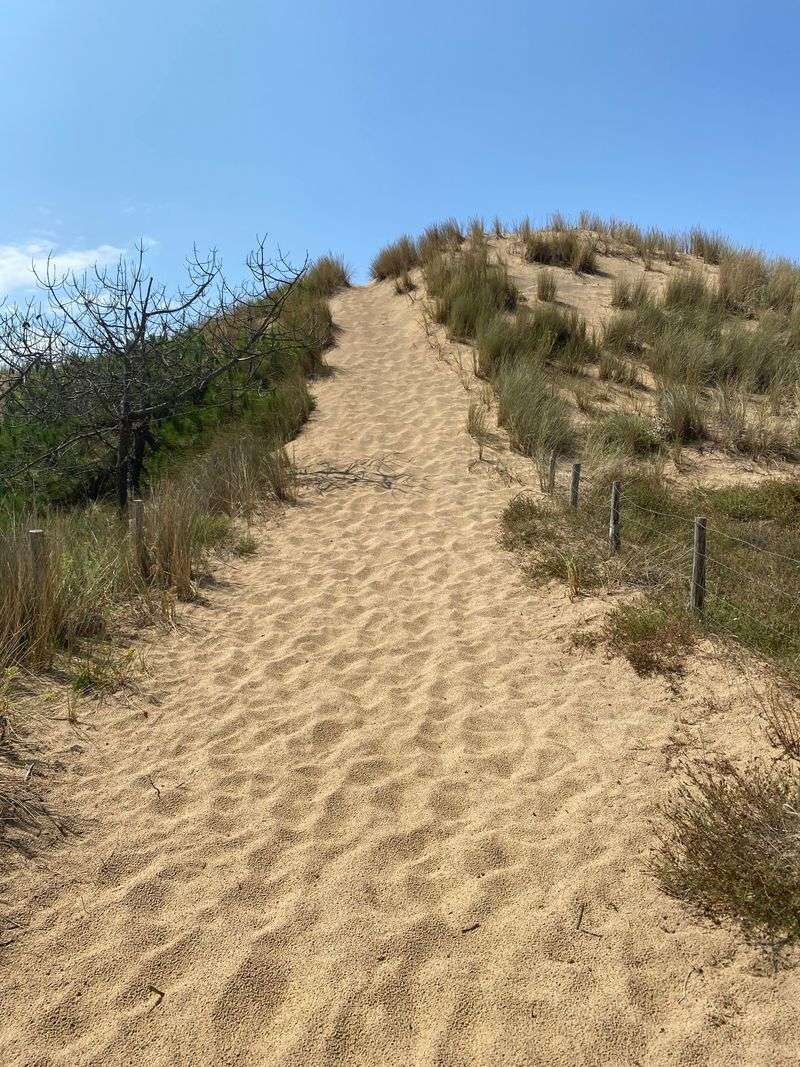
Those grassy tufts holding the dunes together are working hard. Marram grass helps stabilize the dunes, so staying on designated trails helps protect this important vegetation.
Once vegetation goes, wind carves the dune apart. Restoration takes years, sometimes decades.
Keep your dog on established paths and steer clear of shortcuts up bare slopes. If a route is roped off or closed for repair, choose another.
Trails exist to protect both the landscape and your ankles.
Prepare For Steep Dune Walks
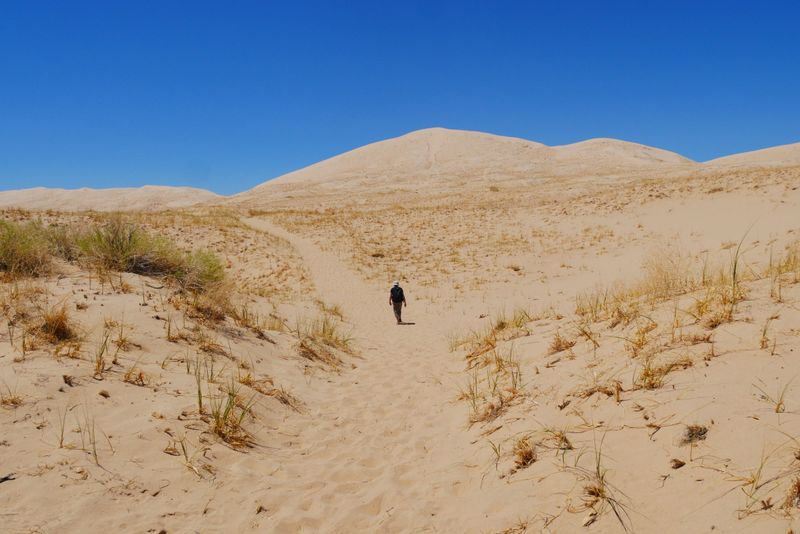
The Three Dune Challenge at the state park climbs Mount Tom, Mount Holden, and Mount Jackson. It is roughly 1.5 miles of loose, quad burning sand.
Fun for a fit young dog. Rough for a senior with stiff hips or a flat faced breed.
Be honest about your dog’s conditioning before committing. Gentler options like the Dune Succession Trail or Cowles Bog area offer scenery without the punishing grade.
Watch For Hot Sand
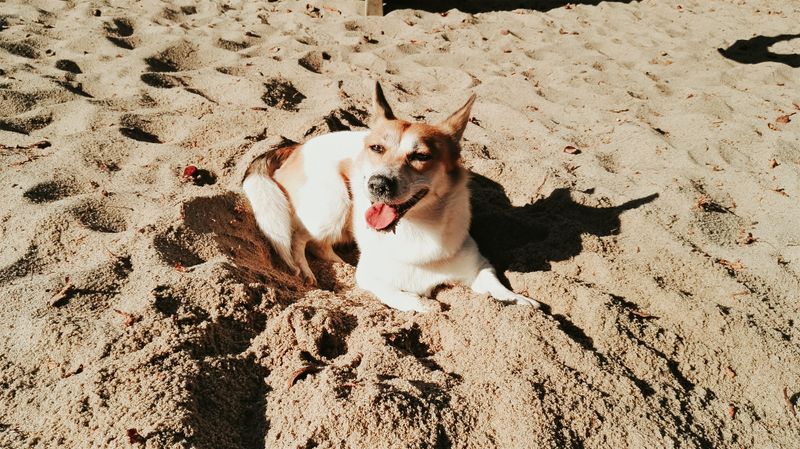
Midsummer sand can hit temperatures far above the air reading. Bare paws feel every degree of it.
Press the back of your hand to the surface for seven seconds. If you want to pull away, your dog does too.
Go early morning or late afternoon in July and August. Route your walk along damp shoreline sand or shaded woodland trails, and let paws cool between stretches.
Bring Plenty Of Fresh Water
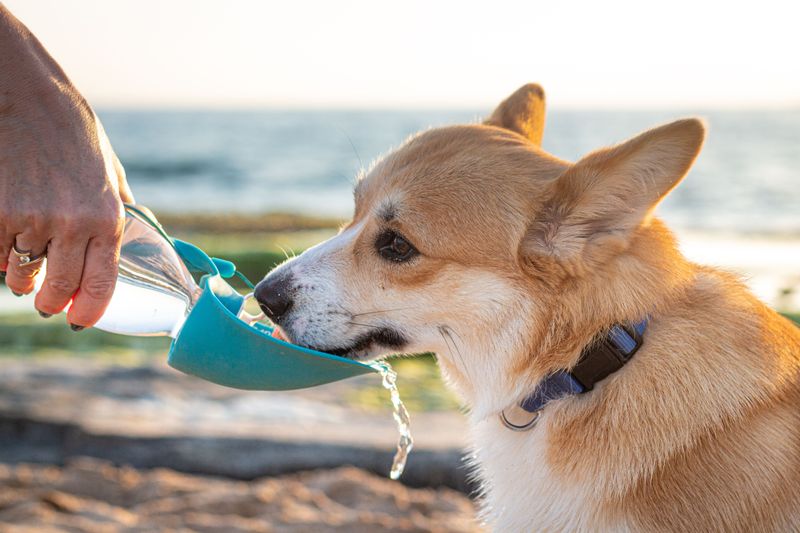
Sand walking burns energy fast, and Lake Michigan water is not a good substitute for what your dog actually needs.
Bring enough fresh water for the planned hike, with extra available on warm days or for longer, more strenuous routes.
A collapsible bowl weighs almost nothing and clips to a pack strap. Offer small drinks often instead of one big gulp at the end.
Hydrated dogs hike happier and recover quicker.
Be Careful Near The Water
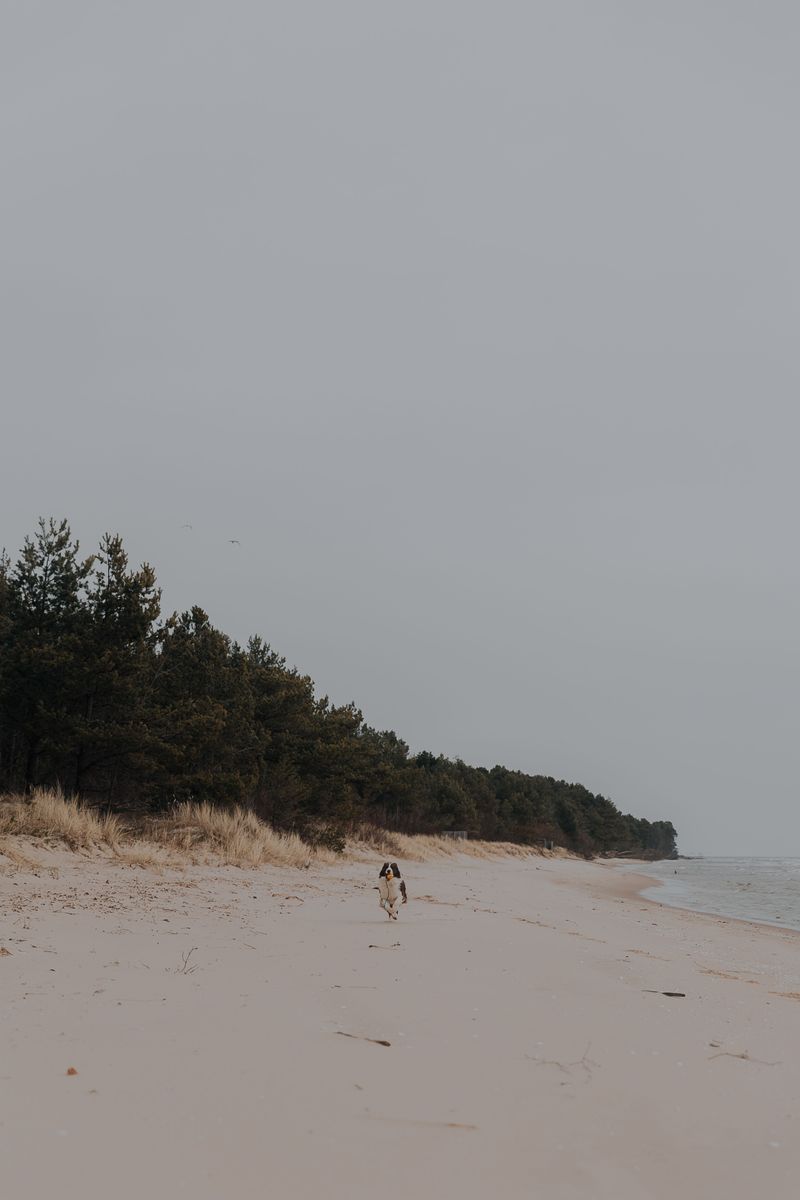
Lake Michigan looks calm and then it is not. Rip currents and structural currents near piers form quickly on windy days.
Many designated swimming beaches also prohibit pets outright during the busy season.
Stick to dog friendly stretches and keep the leash on at the shoreline. Discourage gulping lake water, which upsets stomachs.
Watch the beach flag system, and skip the water entirely when waves are rolling in high.
Watch For Changing Weather
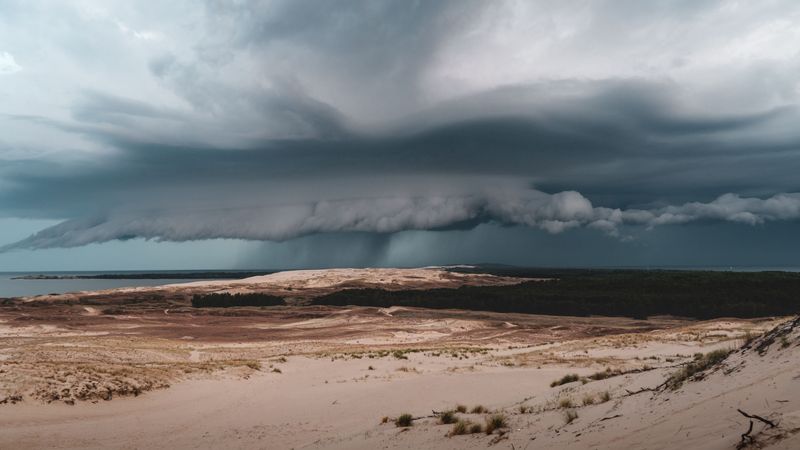
Lake effect weather has a flair for the dramatic. Bright sunshine can turn into wind whipped sand and rumbling clouds within an hour.
Glance at the marine forecast, not just the city one, before you leave home.
Open dune tops offer zero shelter, so head down early if the sky darkens. Extreme heat warnings deserve the same respect.
There is no shame in a short visit and an ice cream stop.
Keep An Eye On Wildlife
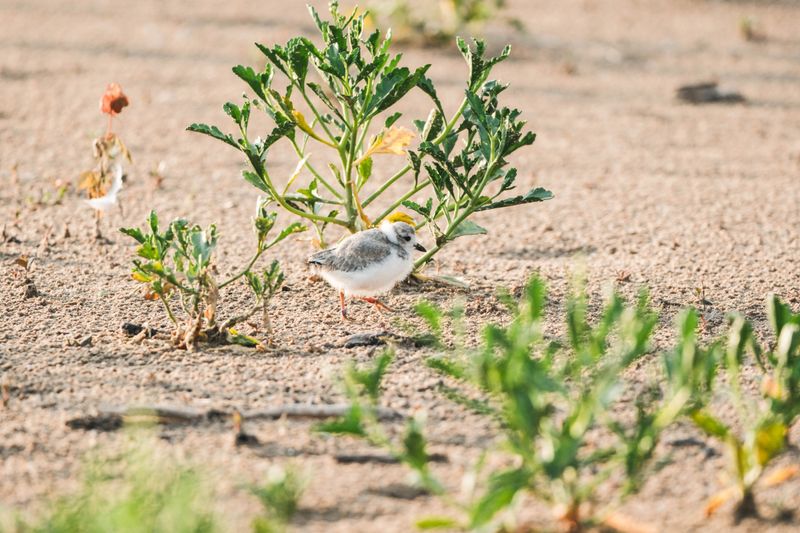
Over 350 bird species have been recorded around Indiana Dunes, which makes it a birding hotspot of national reputation.
Add turtles, foxes, snakes, and nesting shorebirds, and the neighborhood gets busy.
A dog lunging after a plover can undo a whole nesting season. Keep the leash short near shoreline and marsh, redirect digging, and let wild residents carry on undisturbed.
Watching quietly is its own reward.
Give Other Visitors Space
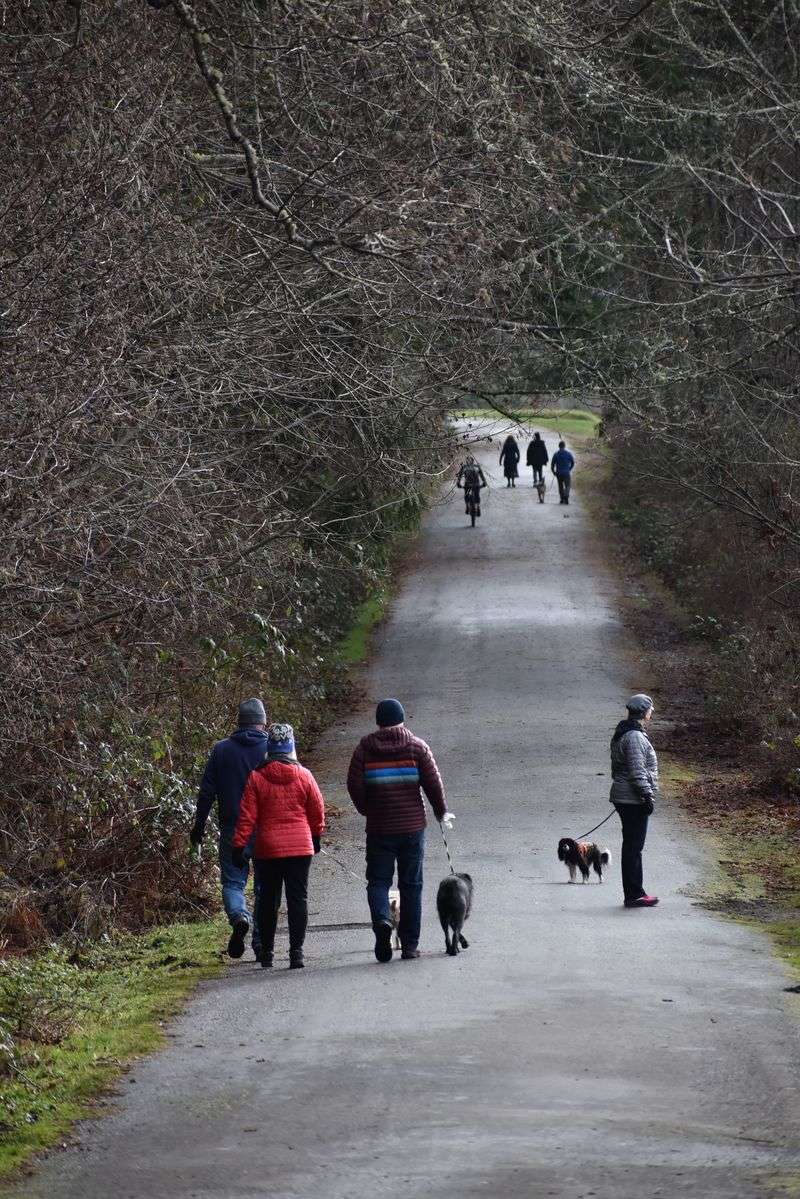
Weekend trails at Indiana Dunes fill with families, trail runners, birders with tripods, and plenty of other dogs.
Not everyone is comfortable around a curious nose, and some dogs need distance to stay calm.
Step aside on narrow paths, shorten your leash, and let others pass without a meet and greet. Ask before allowing dog introductions.
Courteous handlers are the reason dogs stay welcome in shared spaces.
Bring Waste Bags
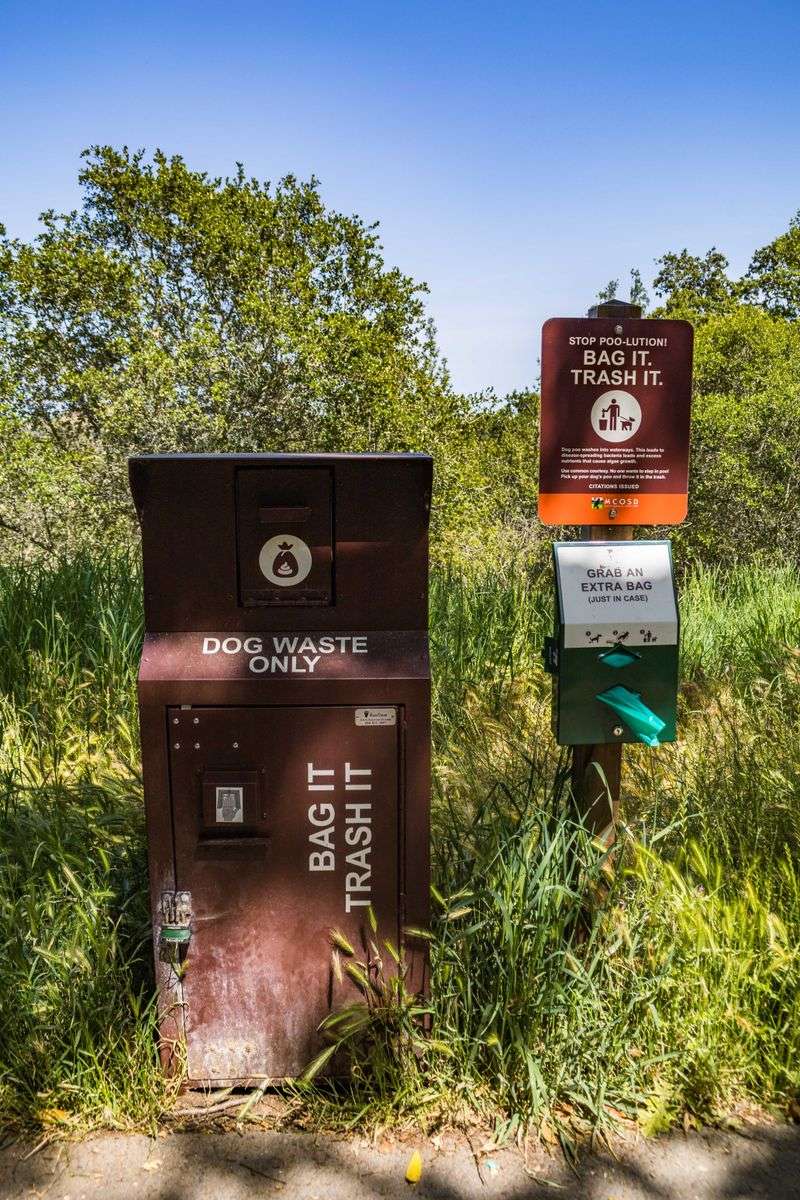
Nothing spoils a dune view faster than what someone left behind. Burying it in sand does not count as cleanup.
Bring more bags than you think you need, then tuck a spare in the car.
Waste washes into wetlands and the lake, carrying bacteria with it. Carry it to a proper trash bin at the trailhead or parking area.
Simple habit, big difference for everyone downstream.
Check For Ticks After Your Walk
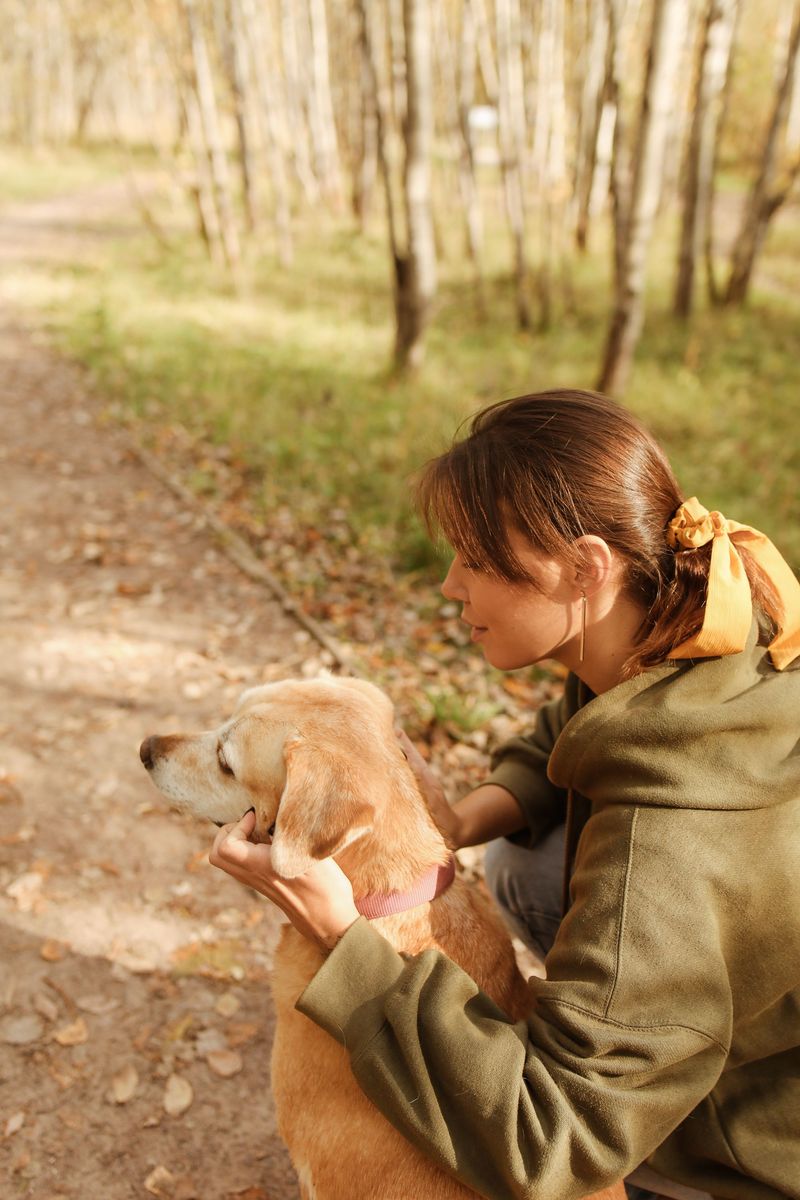
Dune country is not all sand. Trails like Cowles Bog wind through grasses, marsh edges, and oak woods where ticks wait patiently.
Before your dog hops in the car, run your hands over the coat.
Focus on ears, armpits, between toes, under the collar, and around the tail. Prompt removal lowers disease risk considerably.
Talk with your vet about preventives if the dunes become a regular stop.
Protect Your Dog’s Paws
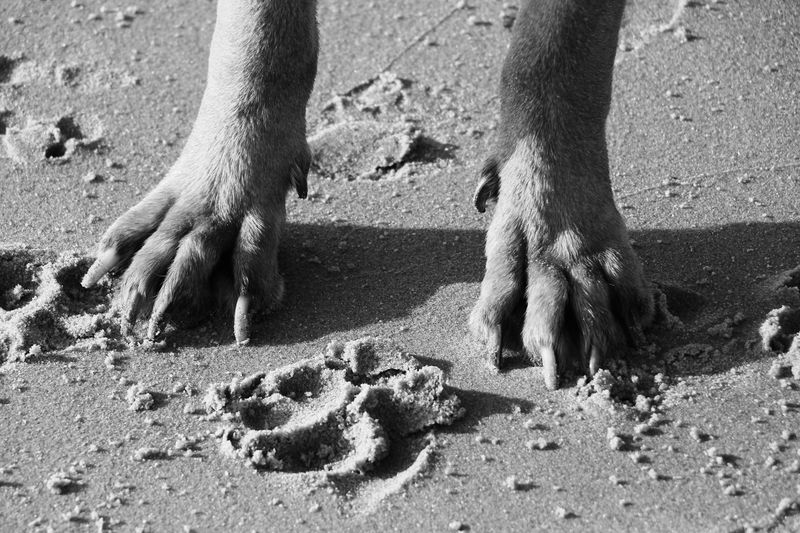
Sand acts like fine sandpaper on soft pads, especially over a few miles.
Add hidden shells, broken sticks, and sun baked surfaces, and tender feet can get sore quickly.
Check paws at every water break, looking for redness, grit between toes, or cracked pads. Booties help dogs who tolerate them.
Rinsing feet afterward removes abrasive sand, and a paw balm at home soothes any lingering roughness nicely.
Bring A Towel For The Ride Home
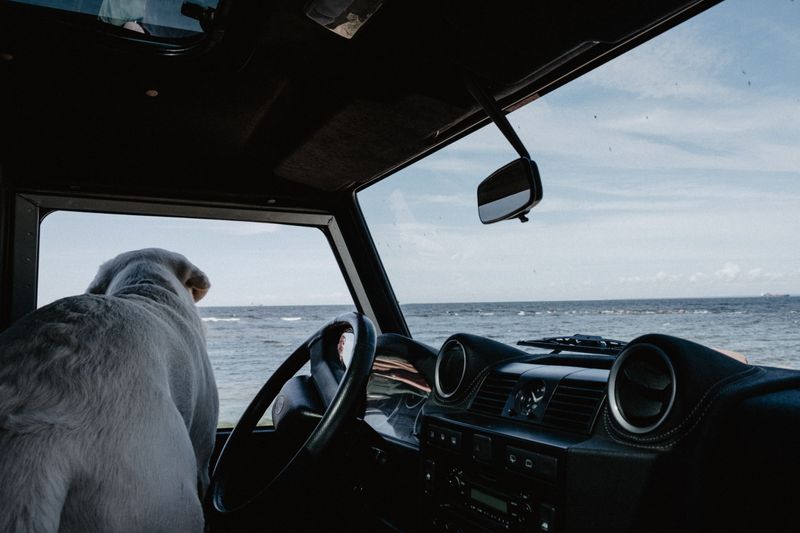
Sand is a master of infiltration. It rides home in ear folds, tail fur, seat seams, and cup holders.
Stash an old towel and a washable blanket in the trunk permanently.
A gallon jug of water for rinsing paws works wonders too. Dry the belly and legs before loading up, then let your happily tired dog sprawl out.
Your upholstery will quietly thank you for years.
Know Your Dog’s Limits
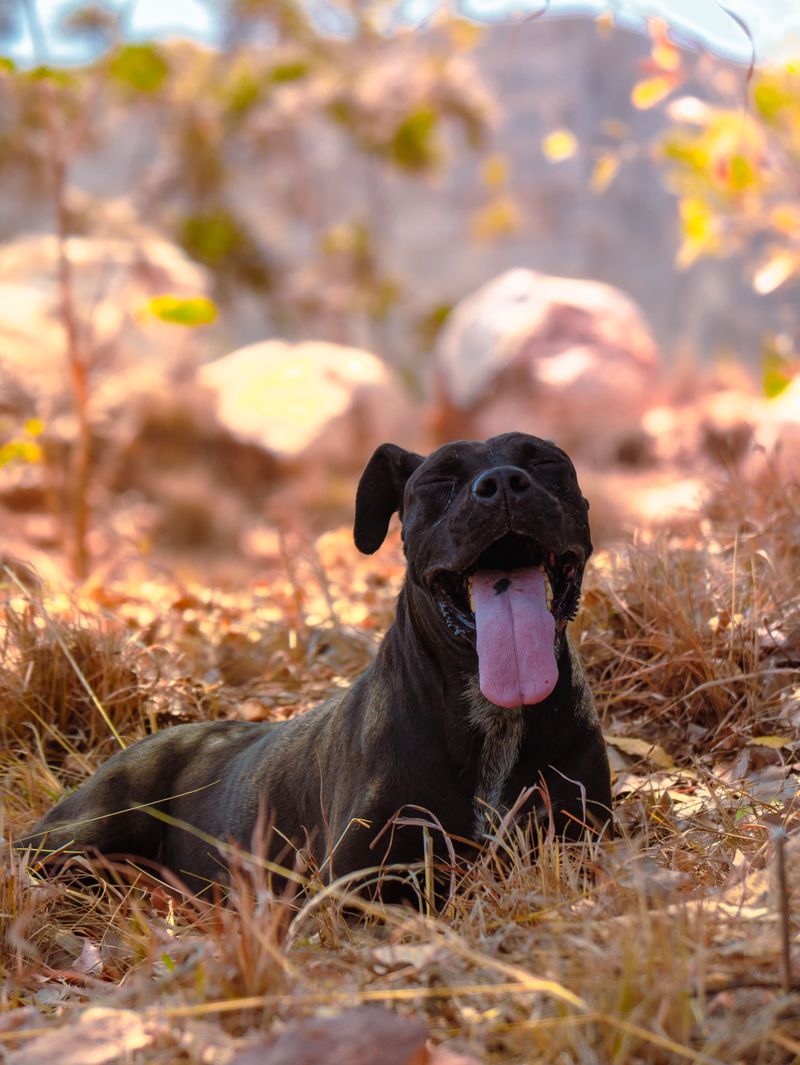
Climbing sand asks far more of muscles than a flat neighborhood stroll. Effort doubles without feeling like it.
Watch for heavy panting, lagging behind, wide eyes, wobbly legs, or a sudden sit down protest.
Those are requests, not stubbornness. Move to shade, offer water, and cut the route short.
Puppies, seniors, thick coated breeds, and short muzzled dogs tire fastest. Turning back early is a win.
Respect Wildlife Closures And Leave No Trace
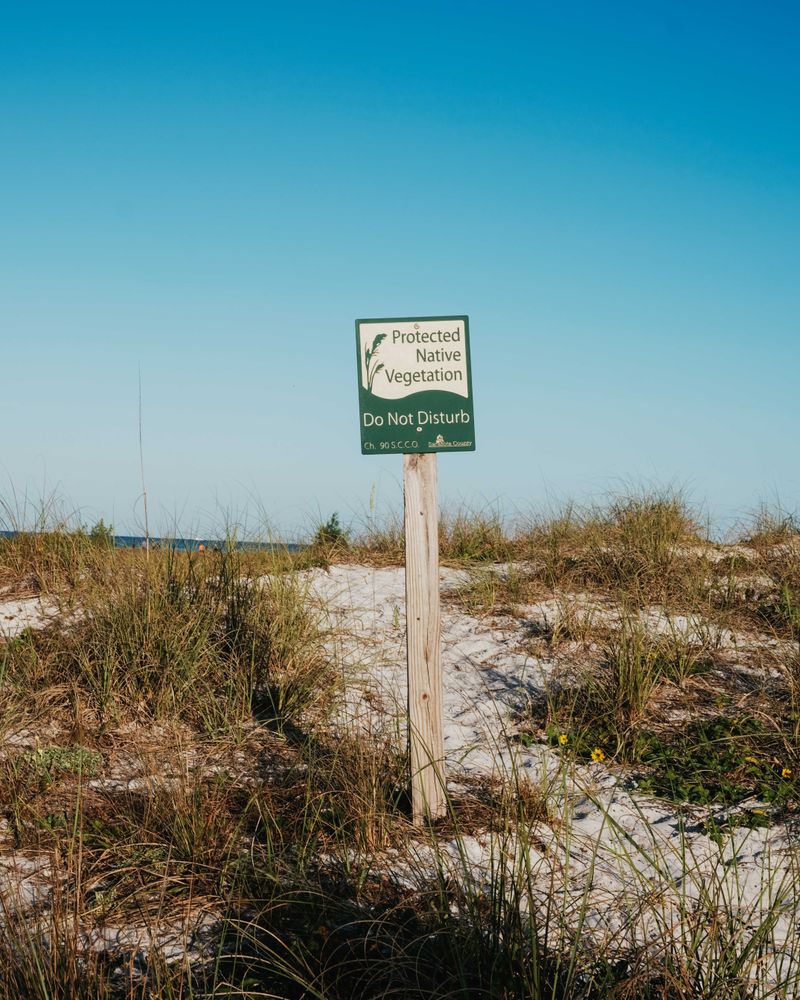
Ropes and closure signs may mark areas set aside for nesting birds, habitat restoration, erosion control, or other park-management needs.
A familiar path being blocked simply means conditions changed. Step around it, not through it.
Pack out every wrapper, bag, and bottle you carried in. Leave shells, driftwood, plants, and rocks exactly where they sit.
Dogs stay welcome here because owners keep it that way. Grab the leash, fill the water bottle, and go make some sandy memories.