15 Sporting Dog Breeds For Texas’s Bird Fields And Hunting Traditions
A Texas bird hunt can mean dry quail country, a breezy dove field, or a chilly morning beside duck water. Each setting asks something different of a dog, from careful pointing to patient retrieving.
Choosing a breed means matching those skills with your pace, your home, and the weather. The best partnership starts with knowing what makes each dog tick, before boots ever touch the field.
1. German Shorthaired Pointer: Ready for Mixed Terrain
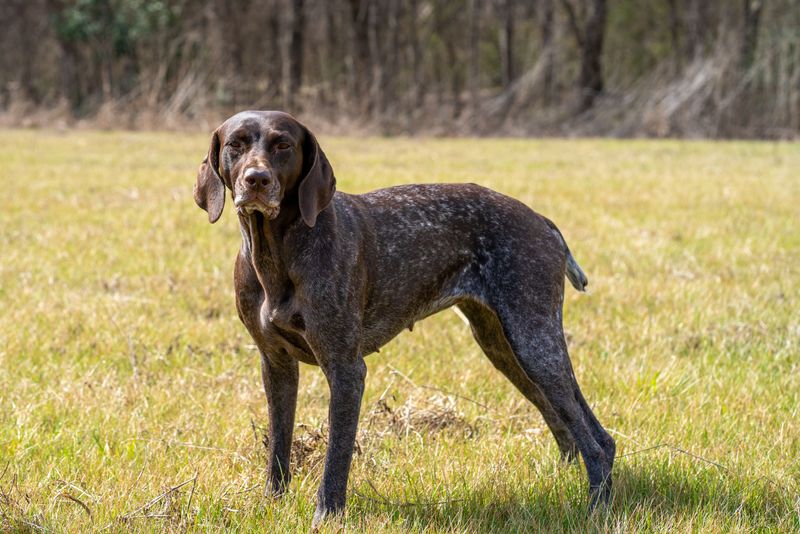
Morning miles barely seem to register with an eager shorthair searching the grass. Developed in Germany, this versatile breed points birds and can retrieve on land or water.
Its athletic build suits active hunters covering varied Texas terrain.
Daily exercise and steady training are essential, even outside hunting season. Practice recall before allowing wider searches.
Carry water, schedule shade breaks, and check paws afterward, since enthusiasm never guarantees protection from heat or sharp ground cover.
2. English Setter: A Classic Quail Partner
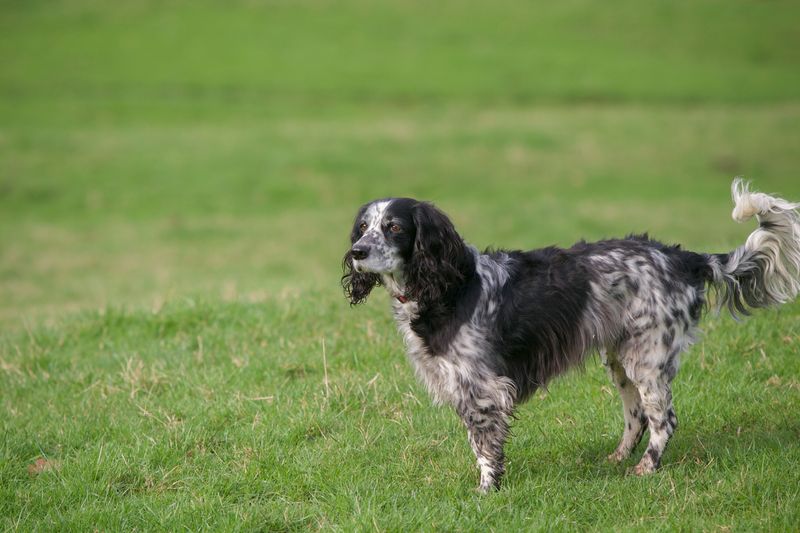
A feathered tail held steady can turn an ordinary grass patch into the morning’s main event. English Setters use their noses to locate birds, then point rather than flush them.
Field lines often suit hunters who enjoy covering open country.
Ask breeders about working range, since individuals and bloodlines differ. Their silky feathering collects burrs, so pack a comb.
Gentle, consistent lessons help build cooperation, while regular conditioning prepares them for long Texas quail walks.
3. Brittany: Compact Size, Plenty of Spark
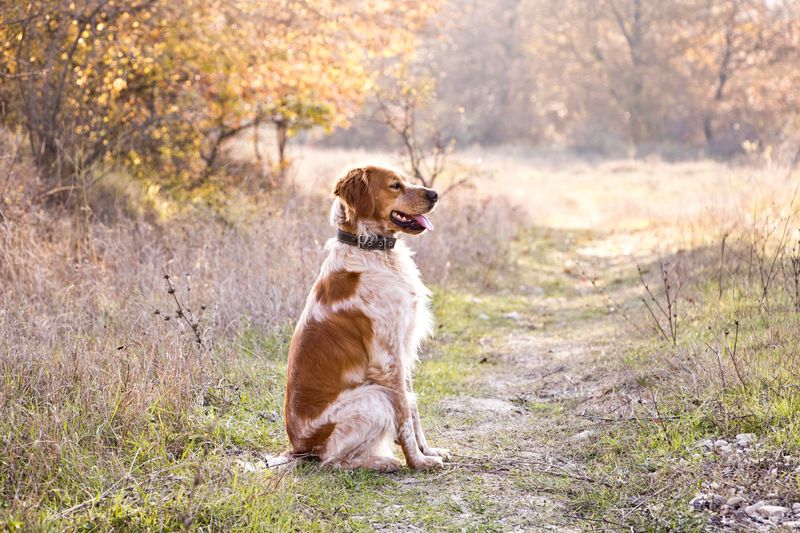
Small enough to travel easily, yet lively enough to keep your boots busy, the Brittany packs impressive energy. Despite its spaniel roots, it works primarily as a pointing dog.
Many also retrieve willingly with patient instruction.
A responsive partnership matters more than simply letting that energy loose. Build recall, reward regular check-ins, and introduce field distractions gradually.
Its manageable size can suit smaller homes, but only when daily exercise and mental work remain household priorities.
4. Labrador Retriever: Dependable Around Dove Fields
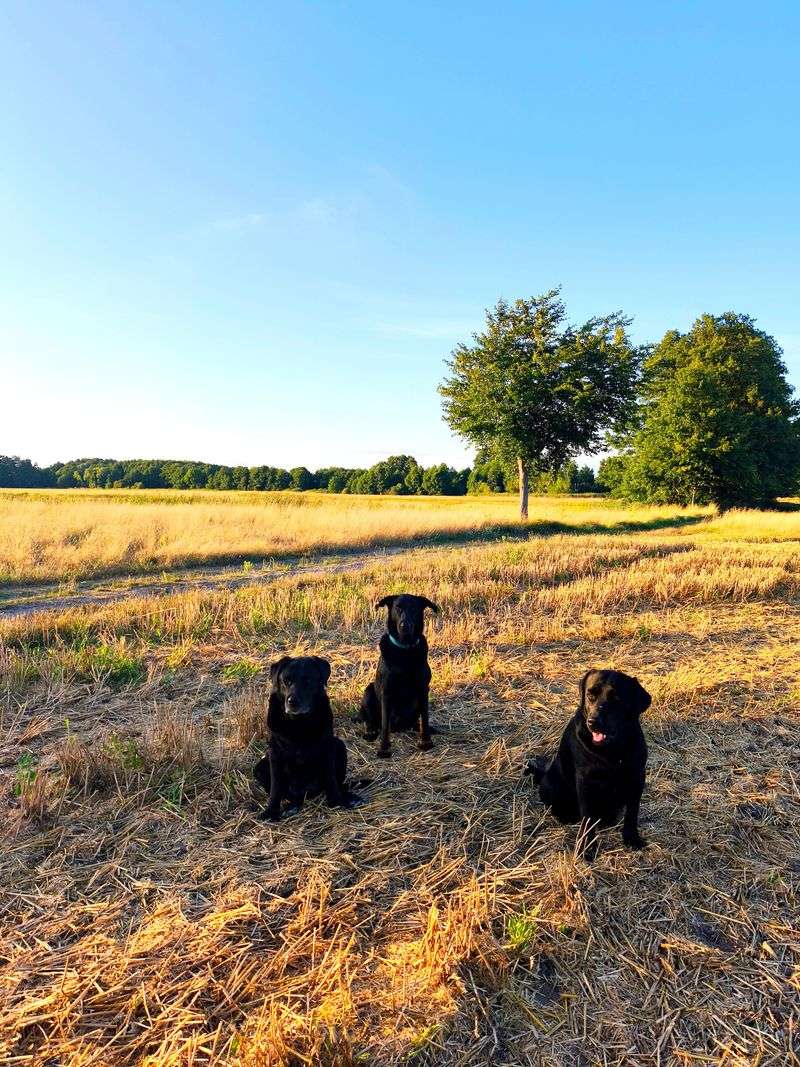
Waiting calmly beside a dove field takes practice, even for a dog that loves bringing things back. Labradors are known for retrieving, swimming, and learning useful routines.
They also can flush upland birds when trained for close work.
Start with short sessions that reward patience before adding exciting distractions. Texas dove seasons can bring warm conditions, so provide shade and frequent water.
A thick double coat helps in cooler water, but does not prevent overheating.
5. English Springer Spaniel: Busy in the Brush
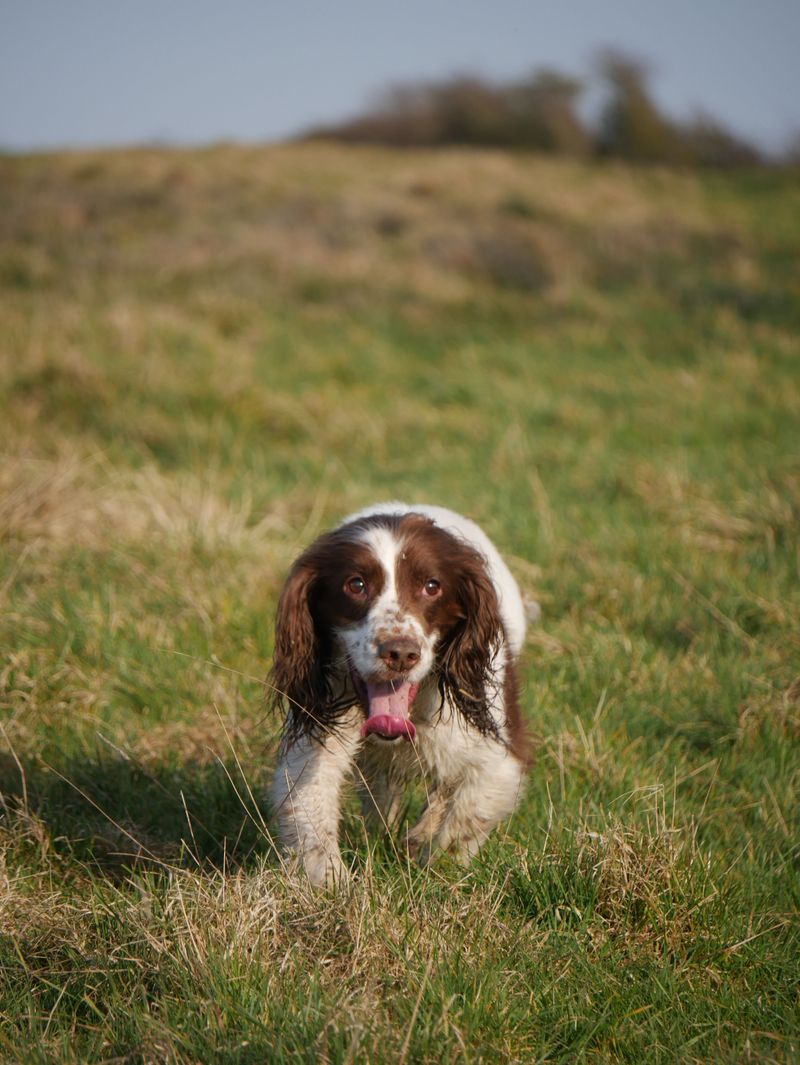
Grass parts, ears bounce, and suddenly the brush seems much more interesting. A working Springer searches back and forth ahead of its handler, encouraging birds into flight.
Unlike pointing breeds, it needs to stay within suitable flushing distance.
Teach whistle responses and stopping cues early, using rewards and clear repetition. Choose proven working lines if hunting is your goal.
After outings, inspect ears, feet, and feathering for grass seeds, burrs, and other unwelcome hitchhikers carefully.
6. English Cocker Spaniel: Small Dog, Serious Nose
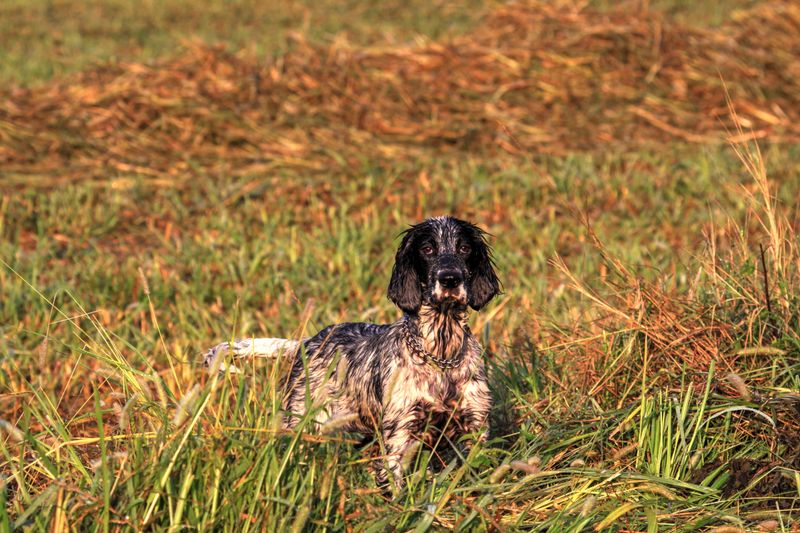
Low brush is no small challenge, but a working Cocker approaches it with cheerful determination. This compact flusher searches cover and retrieves, often showing lively tail movement when scent becomes interesting.
Working lines differ noticeably from show lines.
Ask about field experience, health testing, and the parents’ temperaments before choosing a puppy. Keep searches close through regular training.
Long ears deserve routine checks, while coat care helps prevent tangles after a busy morning outdoors together.
7. Wirehaired Pointing Griffon: A Thoughtful Foot Hunter
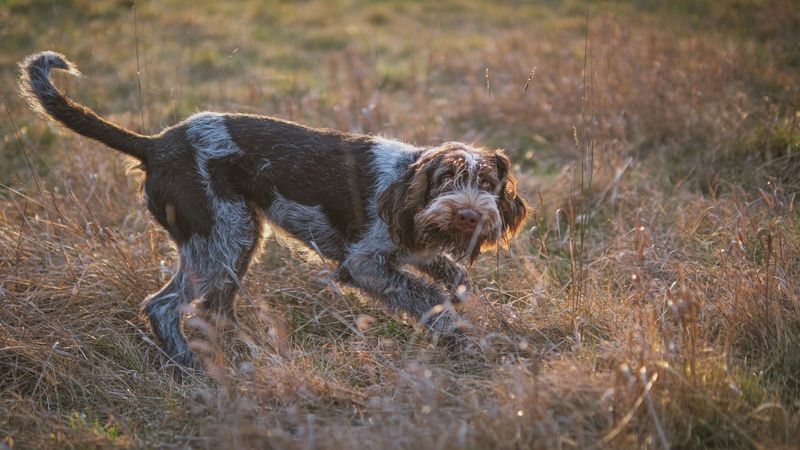
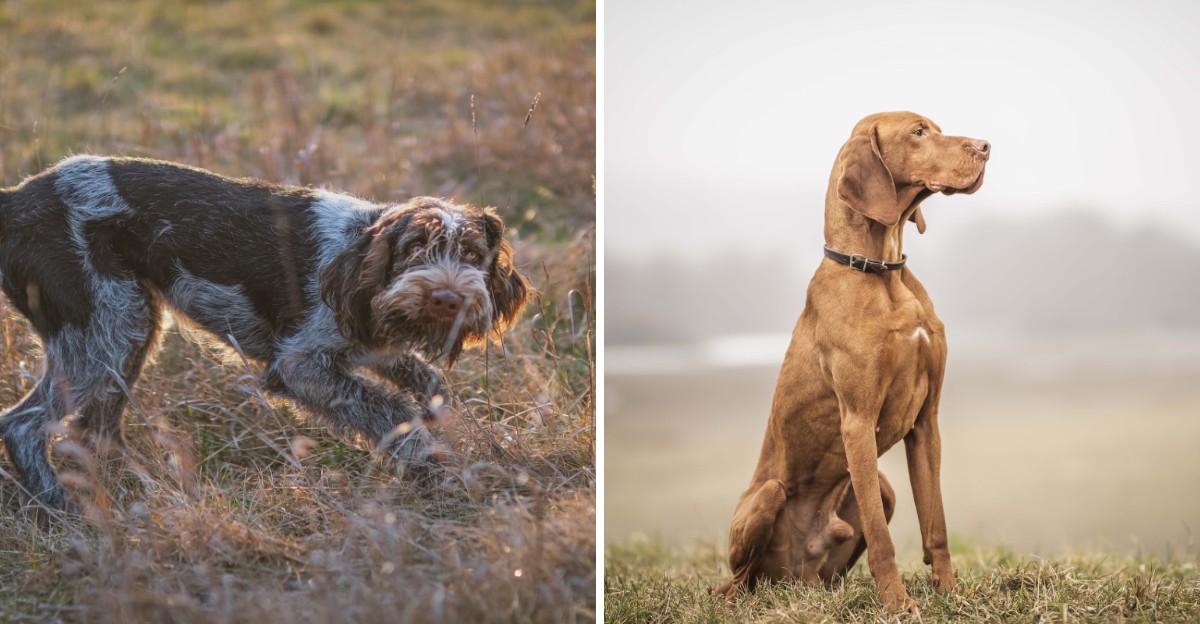
Those shaggy eyebrows give this versatile worker the look of a thoughtful field guide. Griffons point upland birds and retrieve on land and water.
Many work at a comfortable distance for hunters traveling on foot.
The wiry coat offers useful protection, but still needs grooming and checks for lodged seeds. Practice water entries gradually rather than expecting instant confidence.
In Texas warmth, plan shorter sessions and generous breaks, especially when the cover becomes thick.
8. Vizsla: Close Bonds and Quick Feet
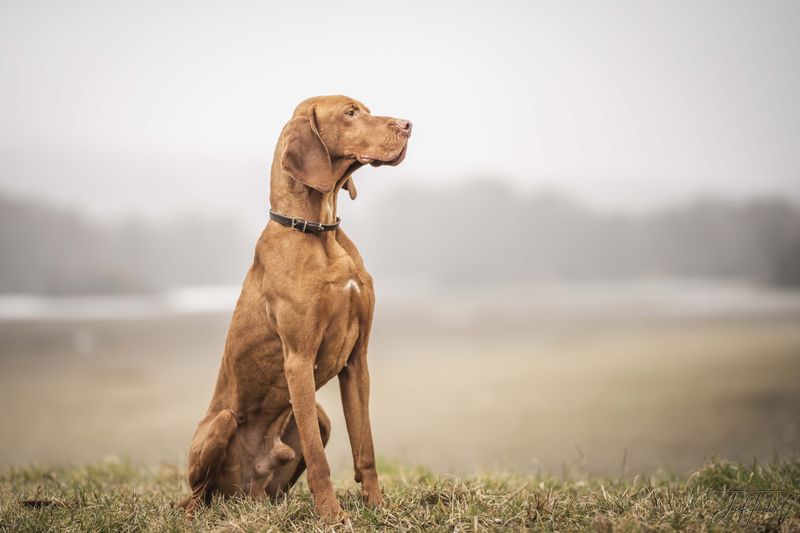
Rust-colored movement across pale grass makes a Vizsla easy to admire and harder to tire. This Hungarian pointing breed combines athletic ability with a strong desire for human company.
Many enjoy retrieving when training builds confidence.
Harsh handling can undermine a sensitive learner, so keep lessons clear and encouraging. Plan meaningful exercise rather than relying on backyard time.
Its short coat offers limited insulation, making cold water and chilly mornings worth extra caution during outings.
9. Weimaraner: Brains Behind the Silver Coat
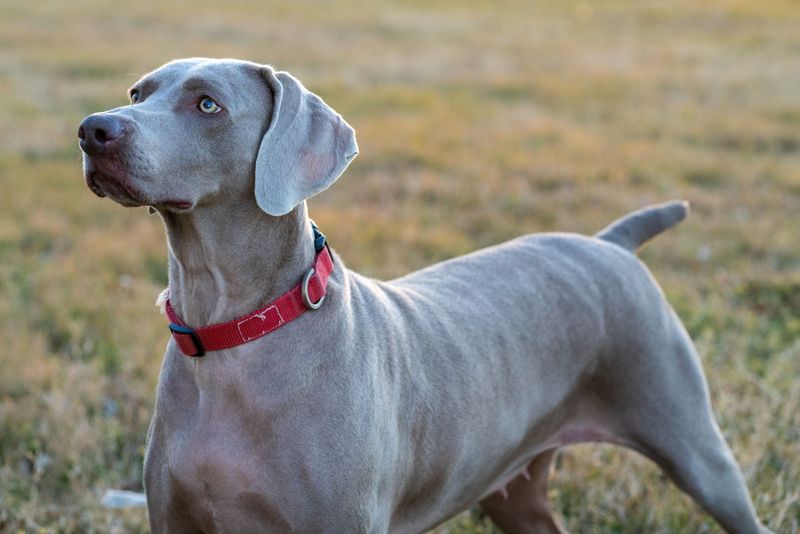
Silver fur may catch your eye first, but a busy brain keeps this breed interesting. Weimaraners were developed as versatile hunting dogs and can point and retrieve birds.
Their size and energy call for thoughtful preparation.
Look for breeders who actively prove their dogs in the field. Begin with recall, calm waiting, and manageable retrieving tasks.
Without regular activity and company, boredom can become creative household mischief. A tired mind matters alongside well-exercised legs daily.
10. English Pointer: Built for Big Quail Country
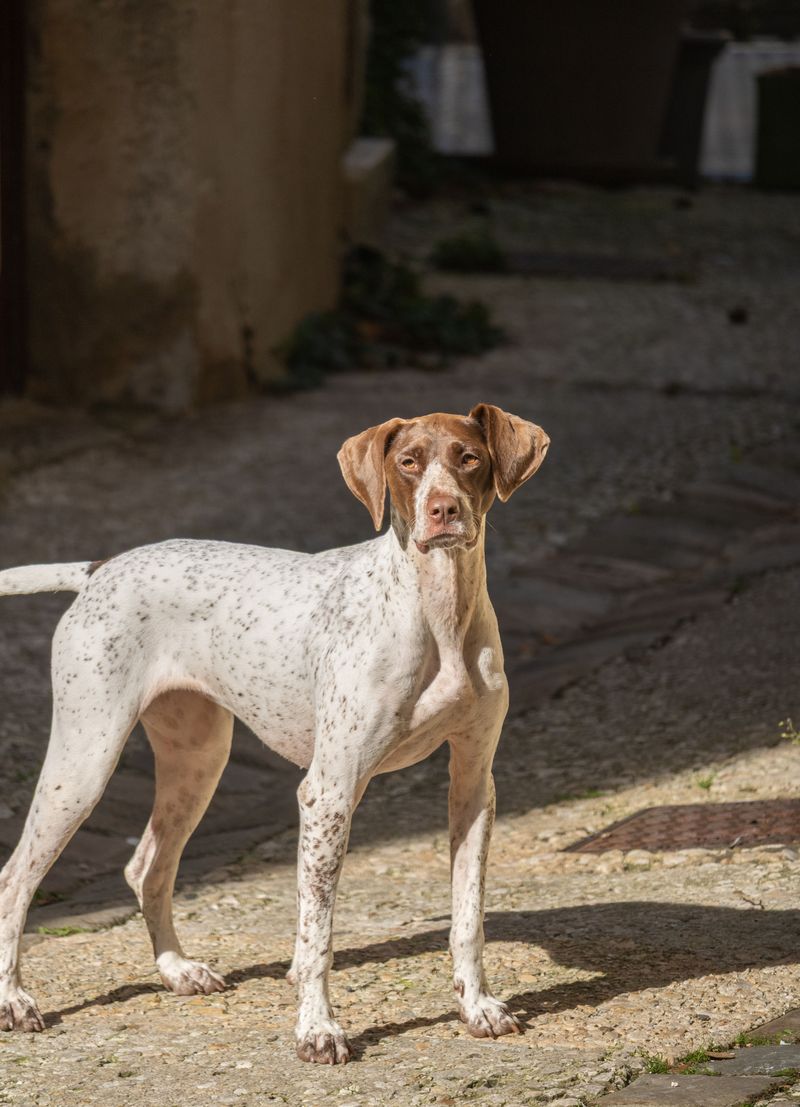
Across wide quail country, a Pointer’s ground-covering stride begins to make immediate sense. Often called the English Pointer, this breed specializes in finding birds and holding a point.
It has deep ties to American upland hunting.
Range varies, so match the bloodline to your terrain and walking style. Reliable recall and location awareness deserve early attention.
Retrieving may need deliberate teaching. Even an athletic, short-coated dog requires water, conditioning, and sensible limits during Texas heat.
11. Boykin Spaniel: A Handy Brown Retriever
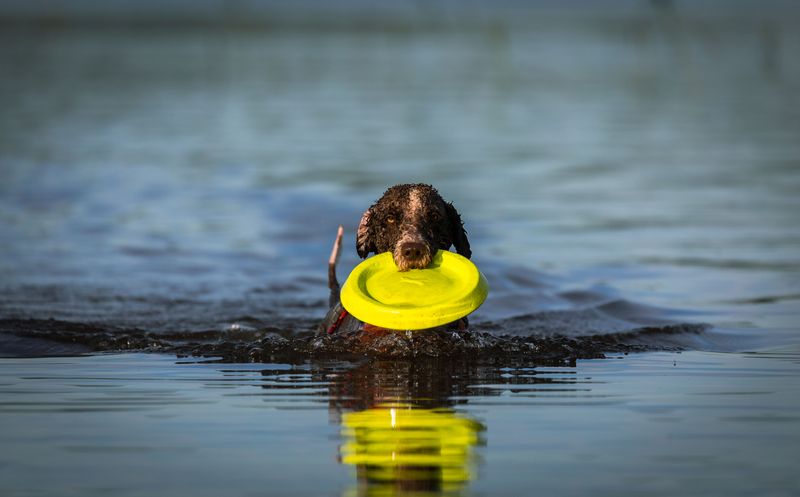
A little brown dog can bring a surprising amount of enthusiasm to a pondside morning. Developed in South Carolina, the Boykin works as both a flusher and retriever.
Its handy size appeals to hunters with limited space.
Introduce swimming safely in calm, shallow water before attempting harder retrieves. Avoid assuming a smaller dog can manage strong currents or long distances.
Ask breeders about recommended health screening, including hips, eyes, and exercise-induced collapse, before choosing yours.
12. Chesapeake Bay Retriever: Confidence in Cool Water
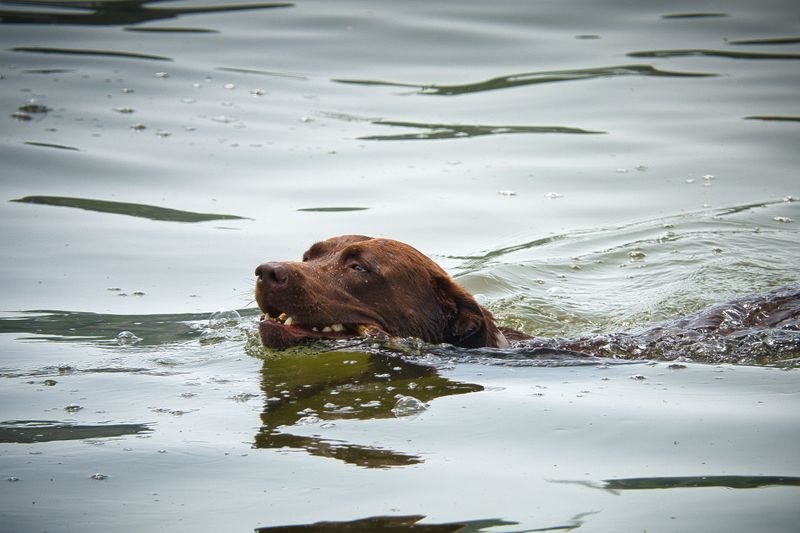
Cool wind over open water is where the Chesapeake’s sturdy build starts making sense. Developed around Chesapeake Bay, this retriever has a dense, oily double coat.
Strong swimming ability supports its traditional role in waterfowl hunting.
Independent thinking can be useful, but it makes consistent training especially valuable. Build trust through fair, patient lessons rather than repeated pressure.
Texas weather still demands caution: protective coats do not remove heat risks, and water conditions always matter.
13. Irish Setter: Red-Coated Field Flair
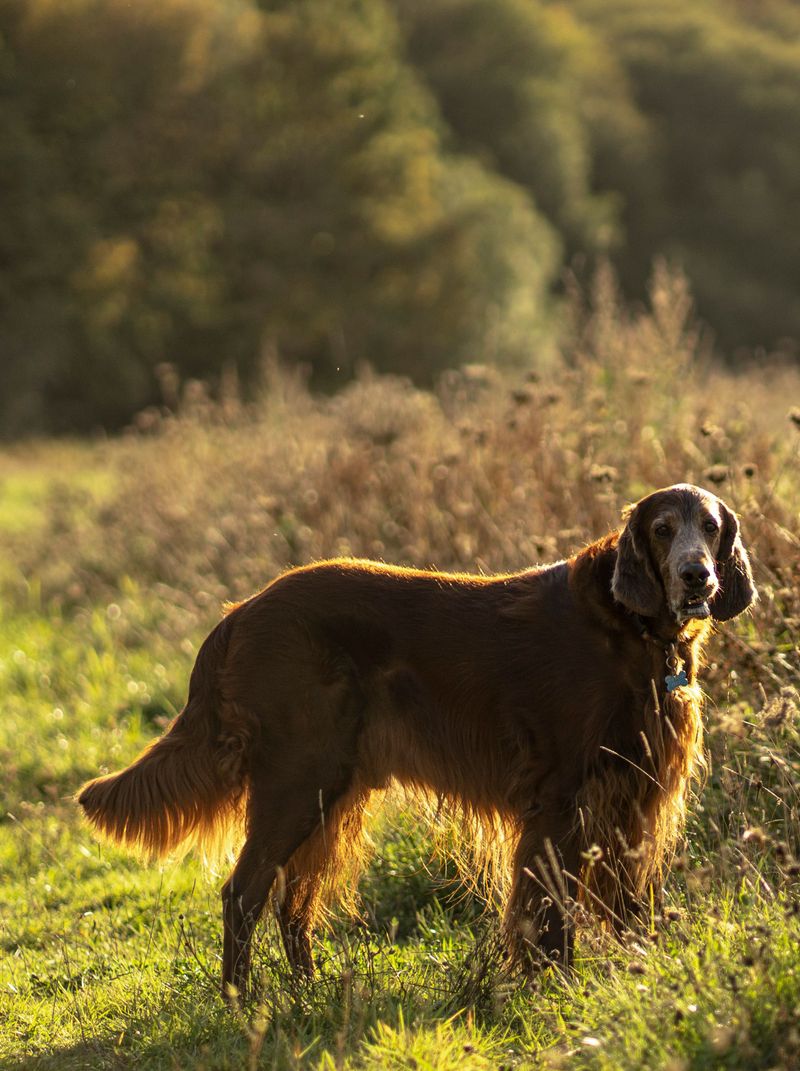
Red feathering against golden grass gives an ordinary field walk a touch of theater. Irish Setters were bred to locate birds and point them.
For hunting, seek established field lines rather than choosing by appearance alone.
These lively dogs need room to exercise and patient lessons that reward cooperation. Ask to watch related dogs work whenever possible.
Comb feathering after brushy outings, and practice recall regularly. Their cheerful spirit benefits from structure, not endless repetition.
14. Spinone Italiano: Steady Steps Through Cover
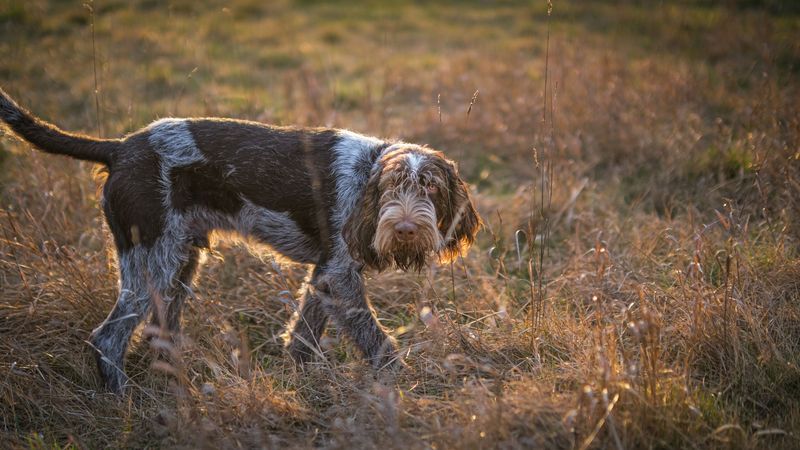
Not every good bird dog needs to treat the field like a racetrack. Italy’s Spinone is known for a steady working style, along with pointing and retrieving ability.
Its sturdy frame suits deliberate travel through rough cover.
That measured pace can appeal to hunters who prefer walking without rushing. The coarse coat still needs maintenance, and the beard often brings water indoors.
Build endurance gradually, watching closely for fatigue during warm Texas mornings and afternoons.
15. Flat-Coated Retriever: Finish With a Happy Fetch
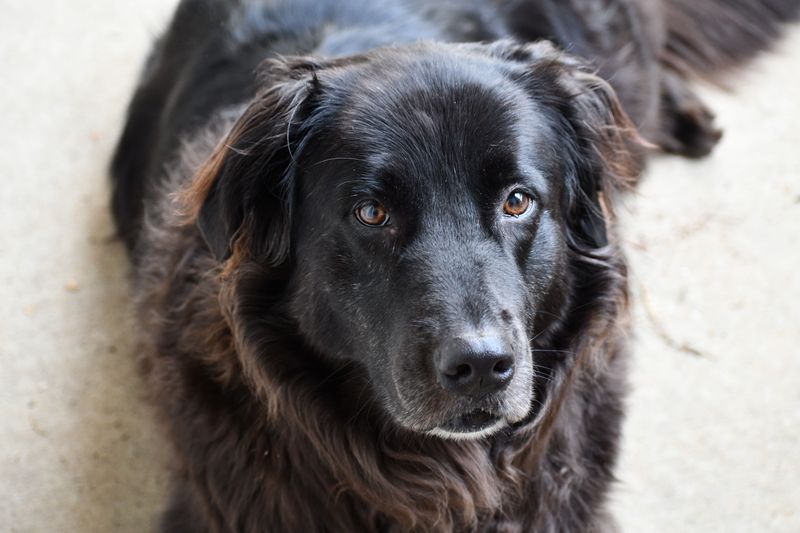
A bright expression and an eager return can make training feel like the day’s best game. Flat-Coats retrieve on land and water, and can also work as upland flushers.
Their playful outlook often lasts well into adulthood.
Keep lessons upbeat while steadily teaching patience and control. Ask breeders about health history, including cancer concerns within the breed.
Whatever dog you choose, check current Texas regulations, pack water, and make the next field day a partnership.