15 Sporting Dog Breeds Suited To North Carolina’s Quail Fields And Coastal Marshes
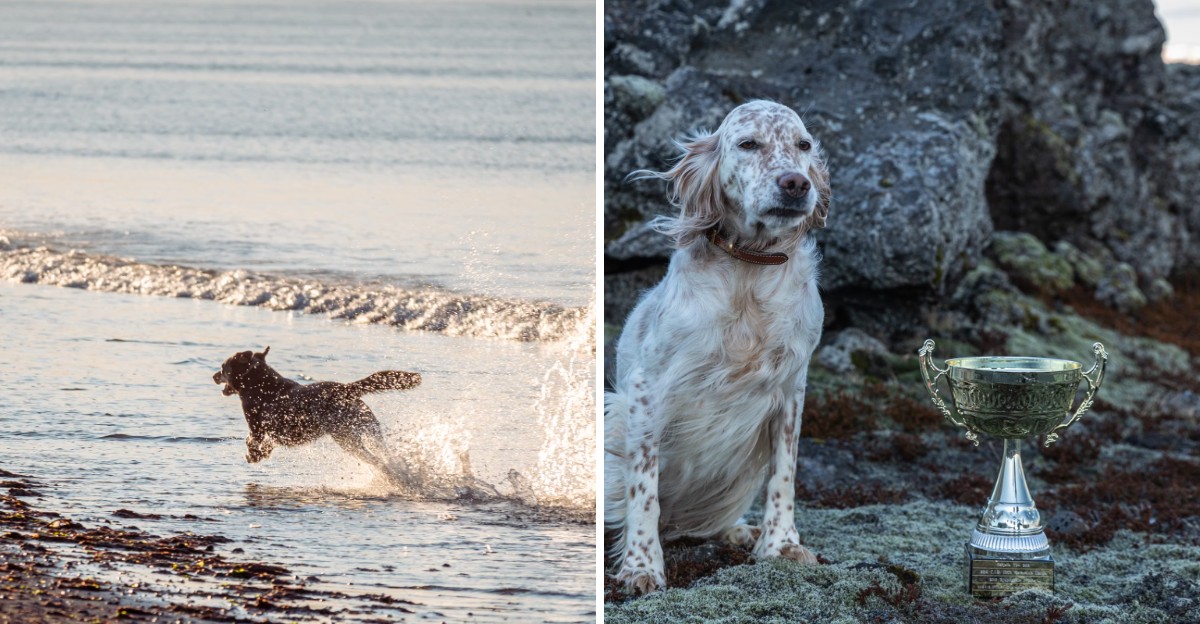
A quail field and a coastal marsh ask very different things of a dog. One rewards a sharp nose and steady pointing, while the other calls for confident swimming and patient retrieving.
North Carolina offers both settings, but matching a breed to your usual terrain matters more than choosing a familiar face. Coat, working style, training needs, and weather tolerance can help you find your kind of field partner.
1. English Pointer: Built for Open Quail Country
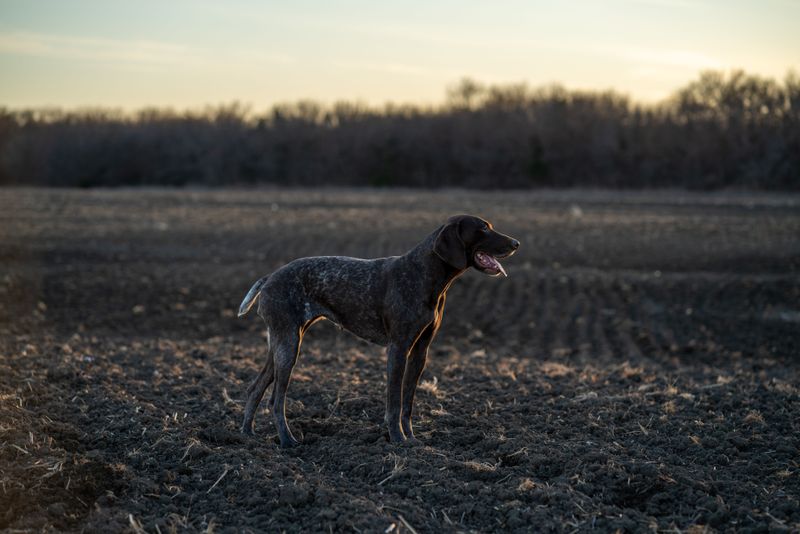
A lifted paw can say plenty when birds are nearby. Bred to locate game and hold a point, English Pointers shine in open quail country.
Their speed and stamina suit active handlers who enjoy covering ground.
Practice recall and checking in before exploring large fields together. A short coat needs little brushing but offers limited protection during chilly marsh outings.
Choose this athlete mainly for upland work, rather than expecting a dedicated cold water retriever.
2. English Setter: A Feathered Field Specialist
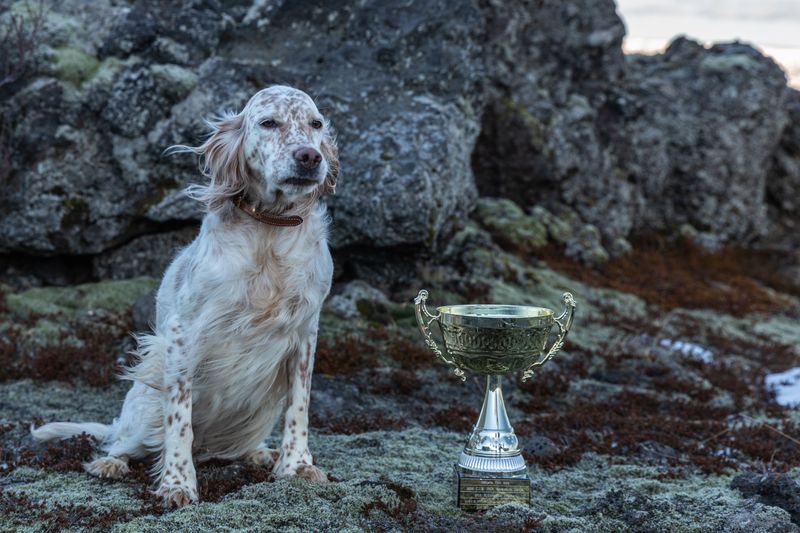
Feathered legs brushing through grass give this bird finder unmistakable style. English Setters combine a keen nose with the pointing skills prized by quail hunters.
Many are affectionate housemates, provided their daily exercise needs receive proper attention.
Comb the coat after field trips, especially around ears, feet, and tail. Grass seeds and burrs can hide surprisingly well.
Look for working lines matching your preferred pace, since searching range varies between individual dogs and breeding programs.
3. Brittany: Big Field Energy in a Smaller Package
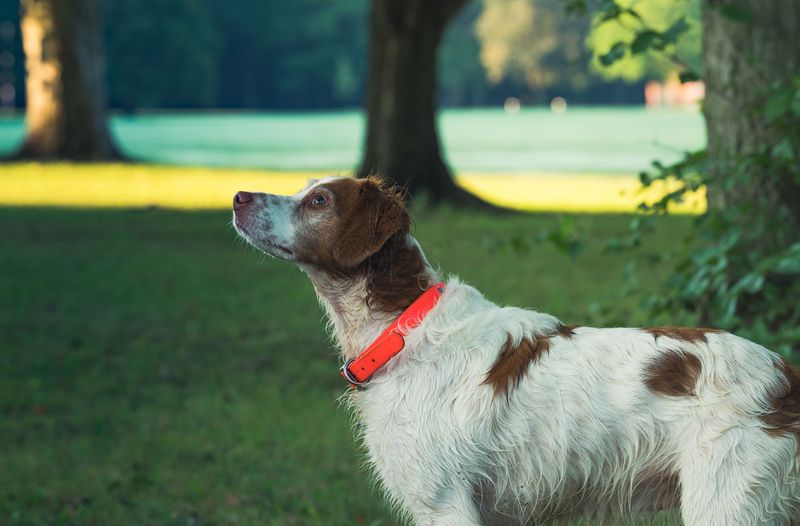
Small enough for easier transport, yet brimming with field energy, the Brittany makes every outing feel lively. This pointing breed often appeals to people wanting an athletic dog without a larger frame.
Quail fields offer excellent opportunities for its searching instincts.
Build steady responses with short, upbeat training sessions. Daily walks alone may not satisfy an energetic youngster.
Add scent games and controlled field practice, then check ears and paws after exploring grassy North Carolina cover.
4. German Shorthaired Pointer: The Versatile Field Athlete
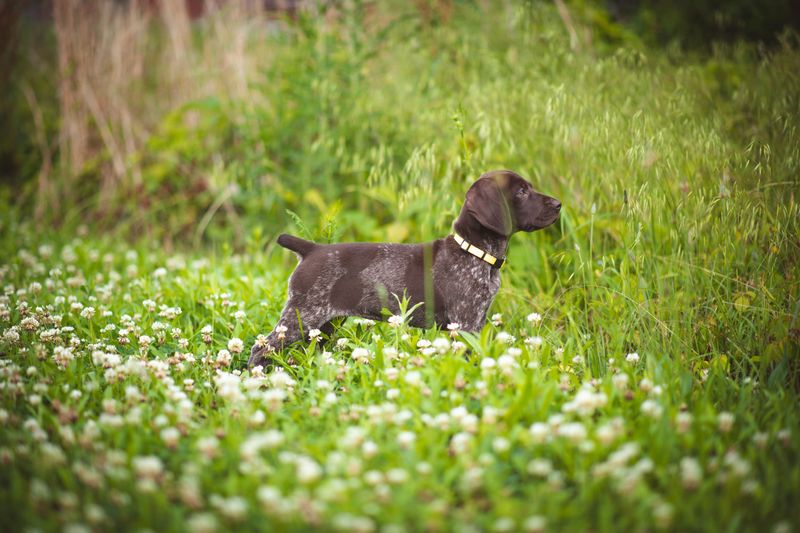
Few dogs approach an open field with more obvious enthusiasm. German Shorthaired Pointers bring pointing, retrieving, and swimming ability to a versatile sporting package.
Their enthusiasm suits owners who genuinely enjoy frequent training and vigorous exercise.
Teach patience as carefully as recall, especially near water and other dogs. The short coat dries quickly but provides less insulation than heavier retrieving coats.
Plan shorter swims during cool weather, and never assume athletic confidence replaces water safety training.
5. German Wirehaired Pointer: Ready for Rough Cover
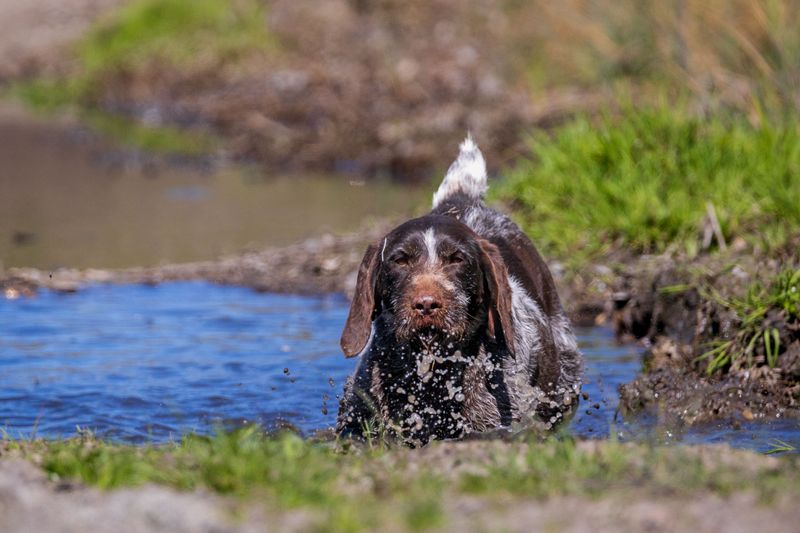
That scruffy beard belongs to a serious outdoor worker. German Wirehaired Pointers were developed for varied field tasks, including pointing and retrieving from water.
Their harsh outer coat helps protect them in brush and damp conditions.
Expect plenty of exercise, consistent boundaries, and regular opportunities to use that busy nose. Coat care may include hand stripping, depending on texture.
Rinse away salt after coastal outings, and inspect the beard, feet, and ears for trapped plant material.
6. Vizsla: Close Company with Plenty of Go
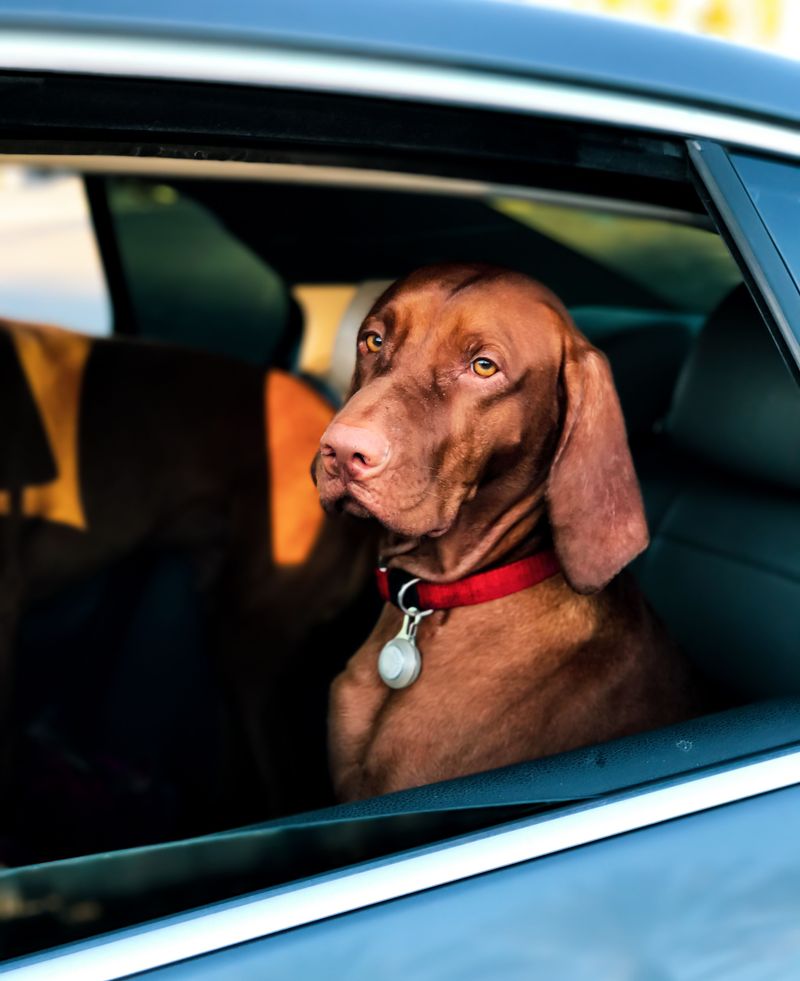
A copper coat catches the sunlight before the nose finds anything interesting. Vizslas often form strong bonds with their people and respond well to thoughtful training.
Their pointing ability and athletic movement suit active days in quail habitat.
Keep lessons encouraging, varied, and clear rather than harsh. These dogs need companionship alongside exercise, not simply time outdoors alone.
Because their coat offers little insulation, choose mild conditions and avoid prolonged exposure to cold marsh water during outings.
7. Wirehaired Vizsla: A Rugged Rust-Coated Partner
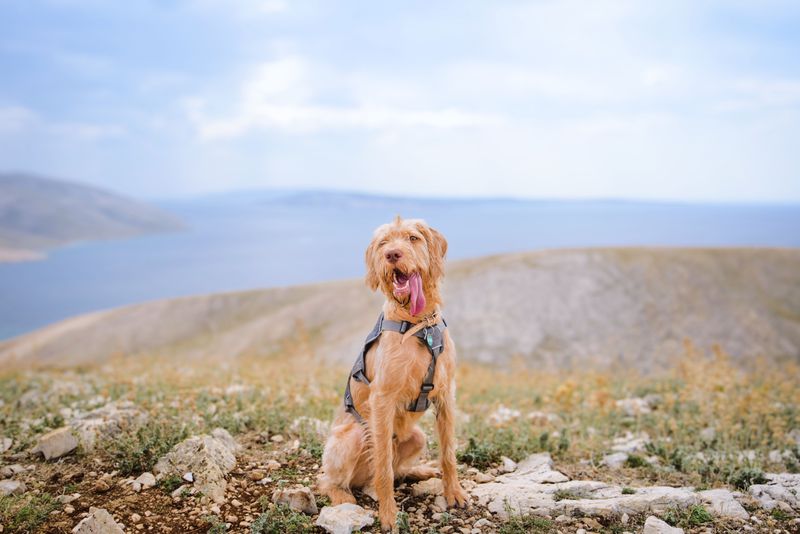
Eyebrows and whiskers add character, but the coat serves a practical purpose. Wirehaired Vizslas carry a denser covering than their smooth coated relatives.
Developed in Hungary, they offer pointing and retrieving skills for varied terrain.
Give swimming lessons gradually, using easy entries and calm water before tackling more challenging conditions. Regular coat checks help catch burrs early.
Although the wiry covering offers protection, monitor comfort closely during chilly coastal weather and provide warm rest breaks afterward.
8. Spinone Italiano: A Thoughtful Nose at Work
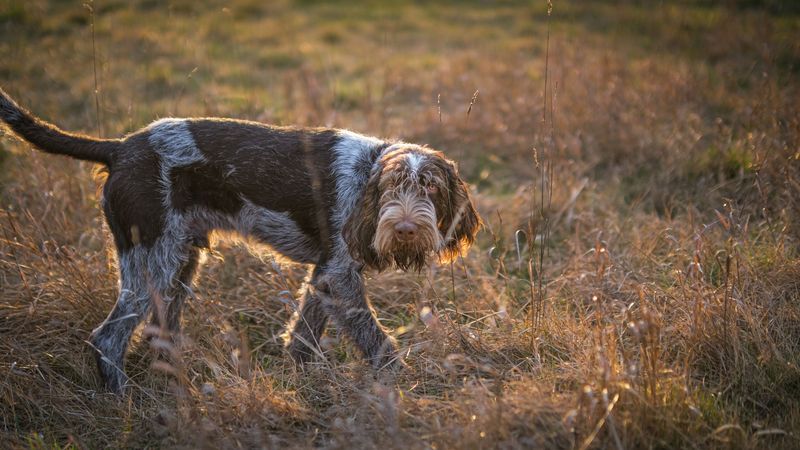
Not every field partner needs to race across the horizon. Spinoni often work at a more measured pace than faster pointing breeds.
Their sturdy build and rough coat suit varied cover, while their background includes retrieving from water.
Patient, consistent teaching helps this thoughtful breed understand each task. Allow time for scent work instead of judging progress by speed alone.
Maintain the coat and beard regularly, and remember that a substantial dog still needs careful conditioning.
9. English Springer Spaniel: Keeping the Action Nearby
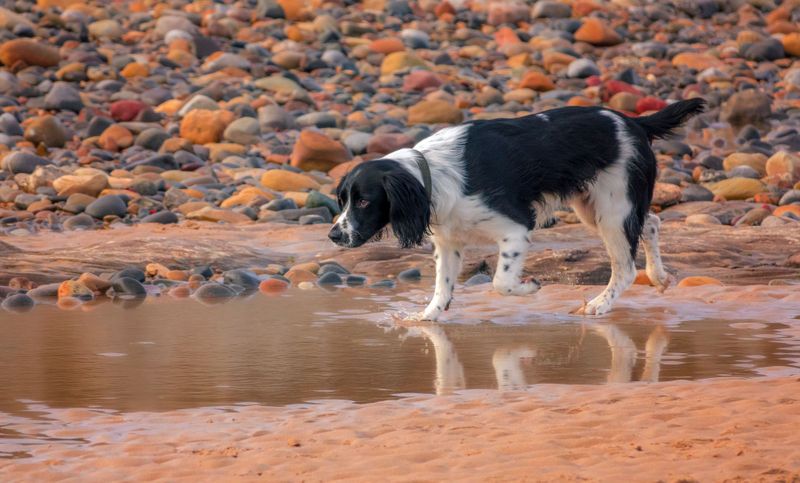
Brushy edges become much more interesting with a busy spaniel nearby. English Springers flush birds rather than hold a point, usually working within practical shooting range.
Their retrieving instincts also make them useful around suitable water.
Teach a reliable stop cue and recall before adding exciting field distractions. Working lines often bring considerable energy, so choose carefully for your household.
After outings, comb feathering and dry the ears to keep grooming from becoming tomorrow’s bigger project.
10. Boykin Spaniel: A Southern Marsh Favorite
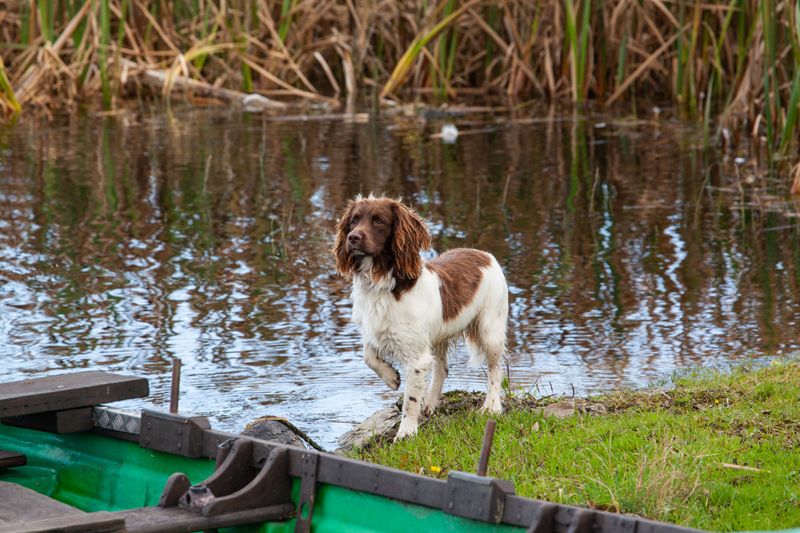
Boat space feels less crowded with a compact brown spaniel aboard. Developed in South Carolina, Boykins have strong ties to Southern waterways and sporting traditions.
They can flush upland birds and retrieve, making them appealing for mixed outings.
Introduce boats and safe boarding slowly, always using a properly fitted canine flotation vest. Their wavy coats need brushing after marsh trips.
Ask breeders about recommended health testing, including hips, eyes, heart concerns, and exercise induced collapse screening.
11. American Water Spaniel: Compact and Capable
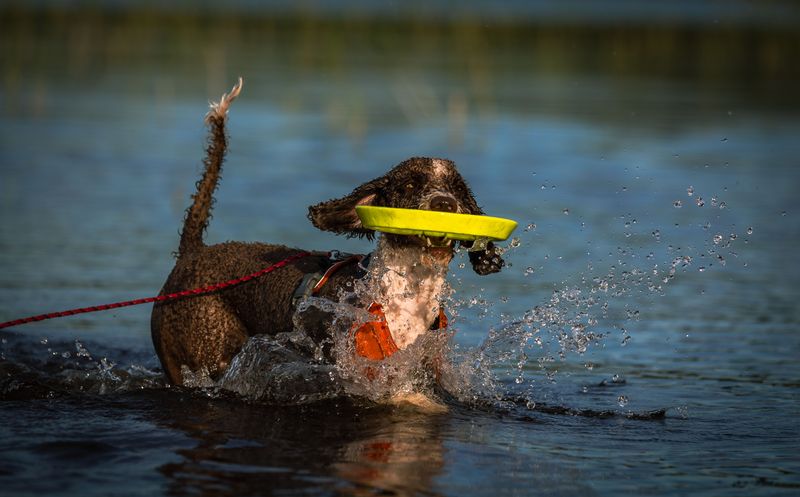
Curly brown fur hints at a long relationship with water. American Water Spaniels developed in the Midwest as versatile sporting dogs suited to boats.
Their manageable size and retrieving background can translate well to sheltered North Carolina waterways.
They can also flush upland birds, adding flexibility beyond the marsh. Provide patient training and regular exercise without overlooking quiet household manners.
Brush the coat, inspect ears, and plan ahead because finding a responsible breeder may take time.
12. Chesapeake Bay Retriever: Built Around Water Work
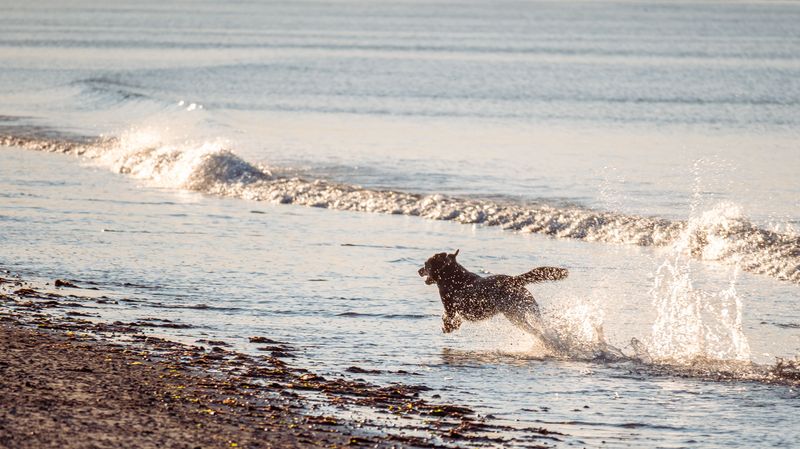
Cool water is where this powerful retriever’s heritage makes sense. Chesapeake Bay Retrievers developed for demanding water work around their namesake bay.
Their dense, oily coats help insulate them, though no coat makes a dog immune to cold.
Prioritize steady training, early social experiences, and safe water entries. Many show an independent streak that rewards clear, fair handling.
For mostly quail outings, a pointing breed may fit better; choose a Chesapeake when retrieving is the priority.
13. Labrador Retriever: A Flexible Field Teammate
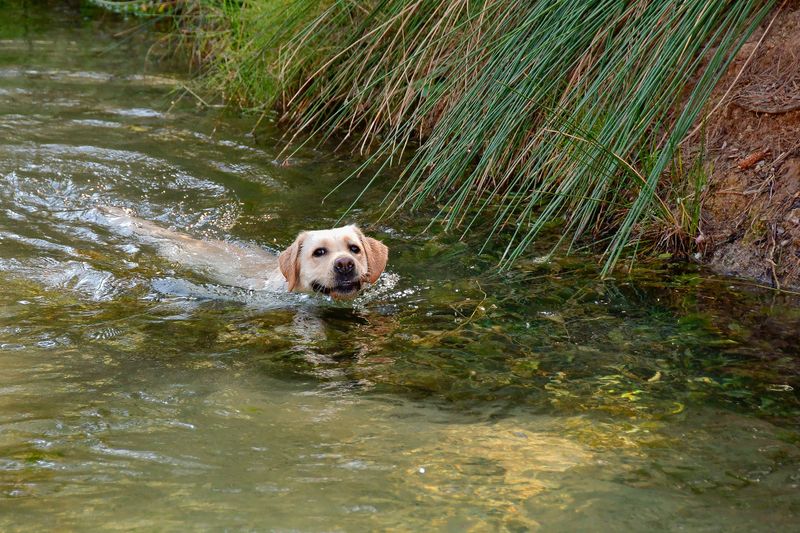
A training dummy and a shoreline can make a Labrador’s morning. This familiar retriever combines swimming ability with a strong history of working alongside people.
Labs can retrieve in marshes and flush birds in upland cover.
Match breeding lines to your energy level, since field bred dogs may be especially lively. Keep meals measured and build fitness gradually.
Reliable recall, calm waiting, and controlled water entries matter more than enthusiasm when navigating North Carolina’s changing coastal conditions.
14. Golden Retriever: More Than a Sunny Smile
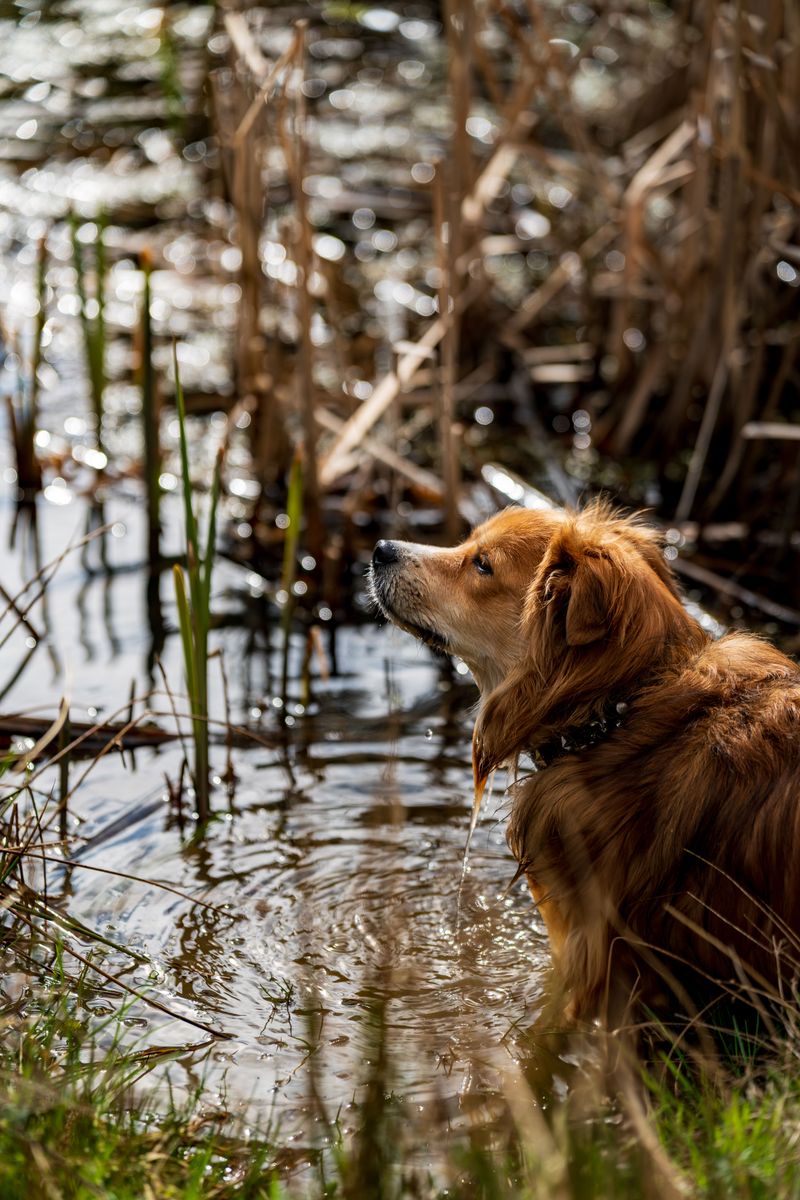
Behind that cheerful expression sits a genuine working retriever. Goldens can handle retrieving tasks on land and water when properly trained and conditioned.
Dogs from working backgrounds may offer a practical fit for active sporting households.
Longer feathering collects burrs, so carry a comb and check the coat after field sessions. Dry thoroughly following swims, paying attention to ears and skin.
Keep outings comfortable during warm weather, with fresh drinking water and regular shaded breaks available.
15. Nova Scotia Duck Tolling Retriever: Small Retriever, Big Enthusiasm
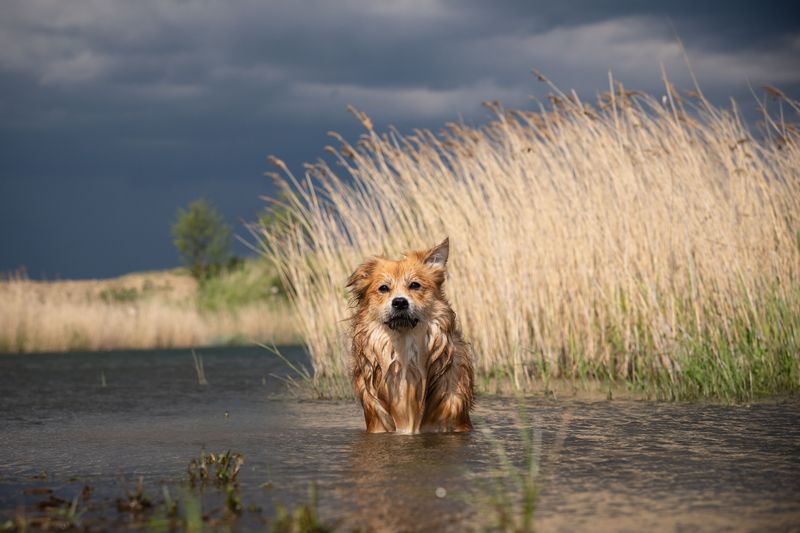
Bright red fur and quick reactions make this smaller retriever hard to overlook. Tollers were developed to lure waterfowl within range and retrieve them.
Their clever minds and lively energy need purposeful outlets beyond an occasional shoreline stroll.
Use varied lessons, reward calm behavior, and introduce water work step by step. They are generally better matched to retrieving than specialized quail pointing.
Check access rules, tides, and weather, then grab the leash for a sensible outing.