15 Summer Water Safety Tips Every California Dog Owner Should Know
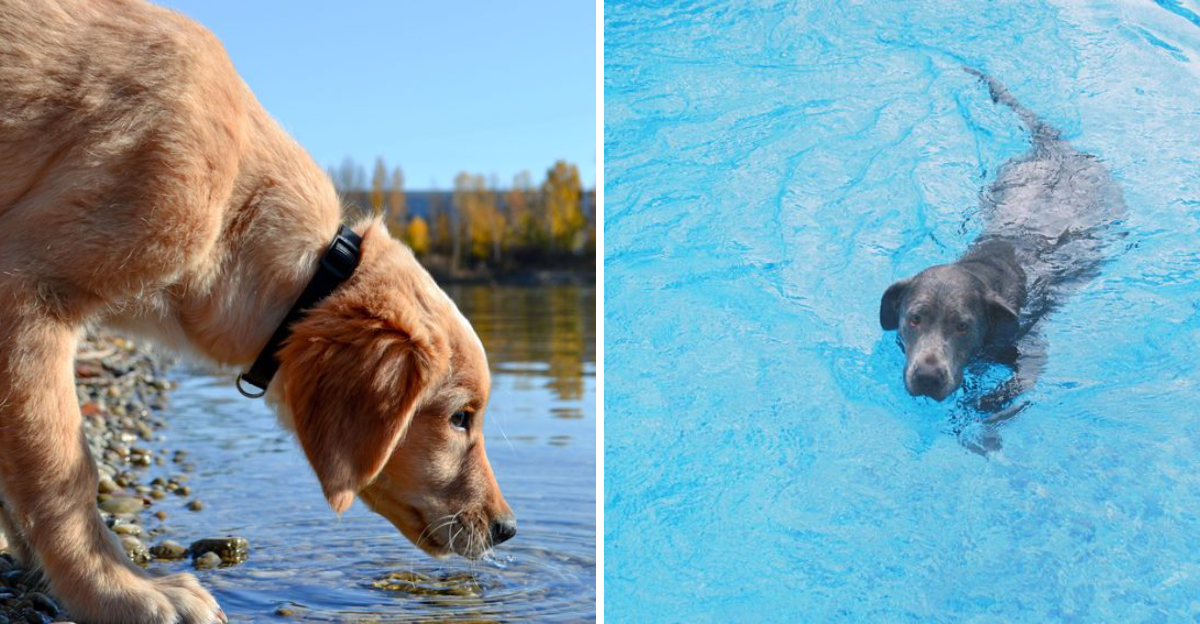
Summer in California means sunny days, outdoor adventures, and plenty of chances to cool off near the water with your dog. Whether you’re heading to the coast, a lake, or your backyard pool, keeping your pup safe around water takes a little planning.
Dogs can get into trouble quickly near water, even strong swimmers.
Think of this guide as advice from a friend who wants every outing to end with a happy, tail-wagging ride home.
1. Keep Your Dog Within Sight Around Water
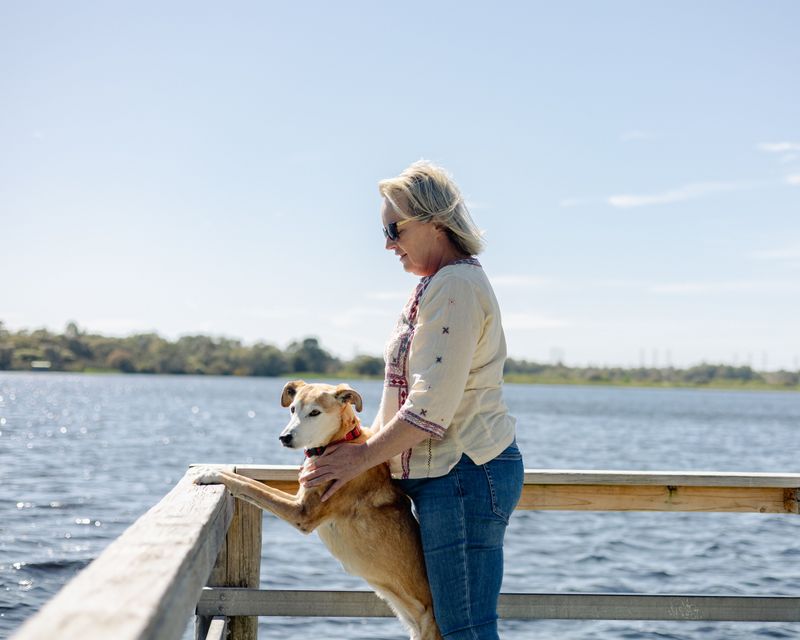
Even the most confident swimmer can run into trouble when no one is watching. Dogs can tire fast, get caught in unexpected currents, or find hazards below the surface.
Staying within arm’s reach, or at least clear eyeline, is your first line of defense.
Put your phone away and stay focused. A few seconds of distraction near water can turn a fun outing into an emergency.
Your full attention is the simplest and most powerful safety tool you have.
2. Use a Properly Fitted Life Jacket for Boating and Open-Water Outings
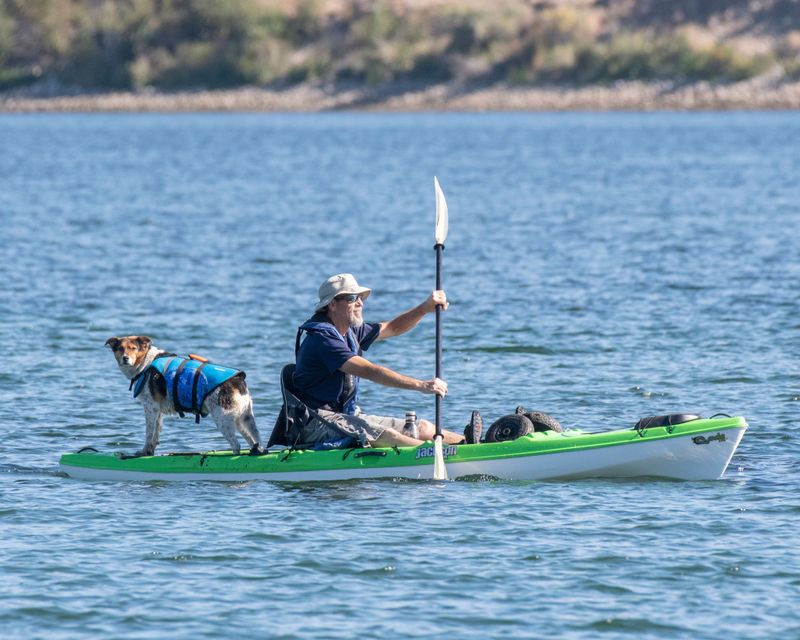
Not every dog is built for the water. Bulldogs, Pugs, and other short-nosed breeds have a harder time staying afloat due to their body shape.
Even athletic breeds can tire out faster than you expect on open water or during long boat rides.
A properly fitted canine life jacket adds buoyancy and helps your dog conserve energy. Look for one with a handle on top so you can lift your dog quickly if needed.
Always check the fit before heading out.
3. Introduce Inexperienced Swimmers to Shallow Water Gradually
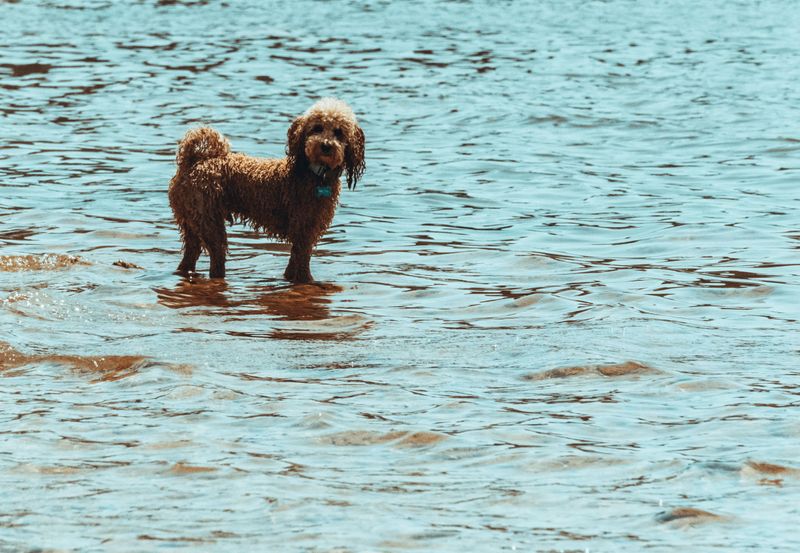
Many dogs love water instantly, but others need time to warm up to it. Rushing a nervous dog into deep water can create lasting fear that makes future outings stressful for both of you.
Start at the edge of calm, shallow water where your dog can feel the ground beneath its paws. Use encouraging words and let your dog move at its own pace.
Patience here pays off, turning hesitation into genuine confidence over time.
4. Never Force or Throw Your Dog into the Water
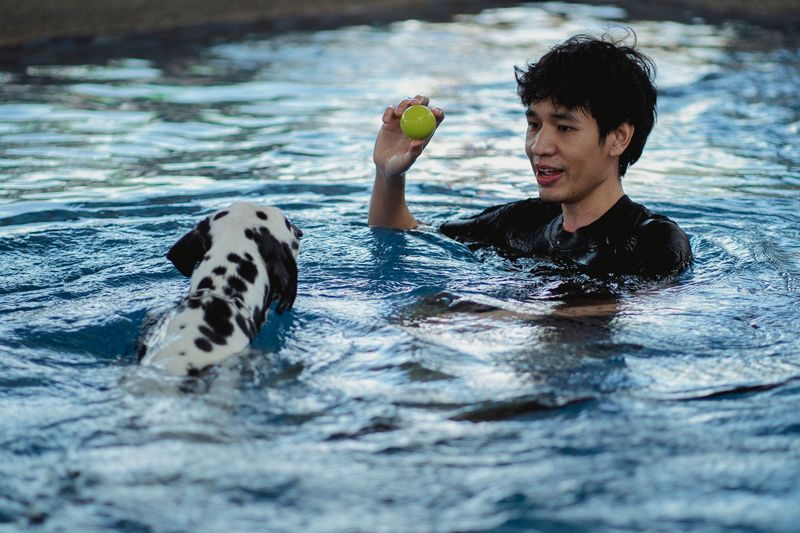
Forcing a dog into water, even with good intentions, can cause real psychological harm. A dog that is thrown or pushed in may develop a lasting fear of water, making future outings difficult or even impossible.
Positive reinforcement works far better. Toss a favorite toy just at the water’s edge, wade in yourself, or simply sit nearby and let curiosity do the work.
Trust builds slowly, and a willing swimmer is always a safer one.
5. Keep Dogs Away from Strong Currents, Rough Surf, and Dangerous Tides
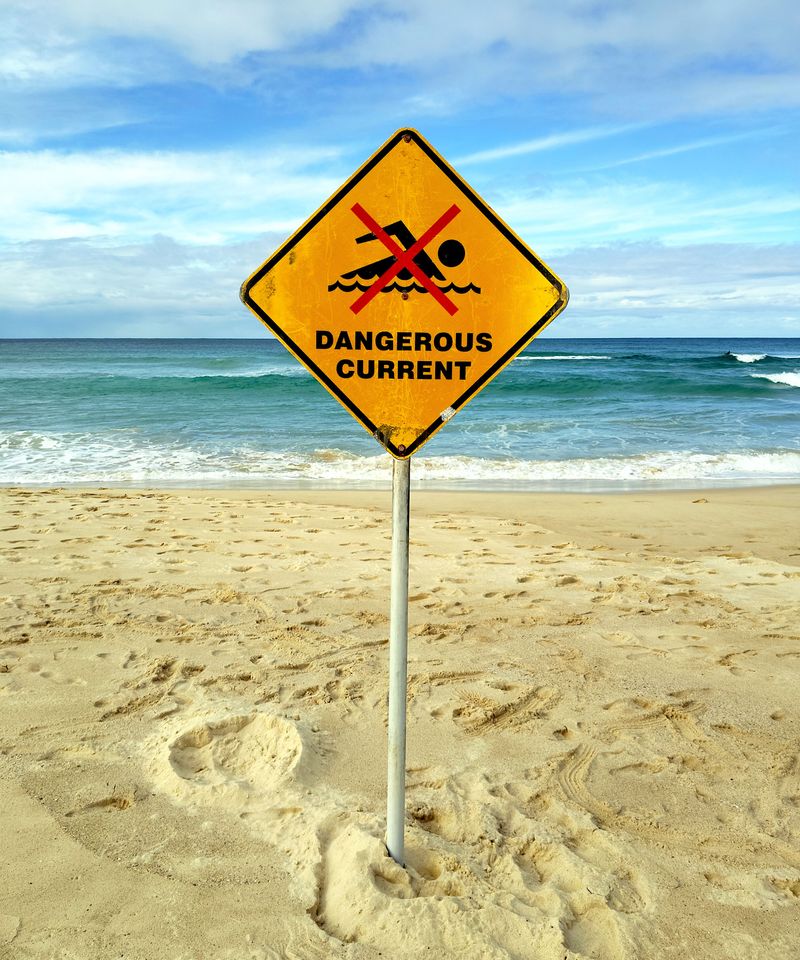
California’s coastline and rivers can look calm on the surface while hiding powerful forces underneath. Strong river currents, rip currents at beaches, and surging tides can overpower even large, athletic dogs within seconds.
Check surf reports and river conditions before any outing near moving water. If you see warning flags at a beach, respect them for your dog just as you would for yourself.
When in doubt, keep four paws firmly on dry ground.
6. Bring Plenty of Fresh Drinking Water
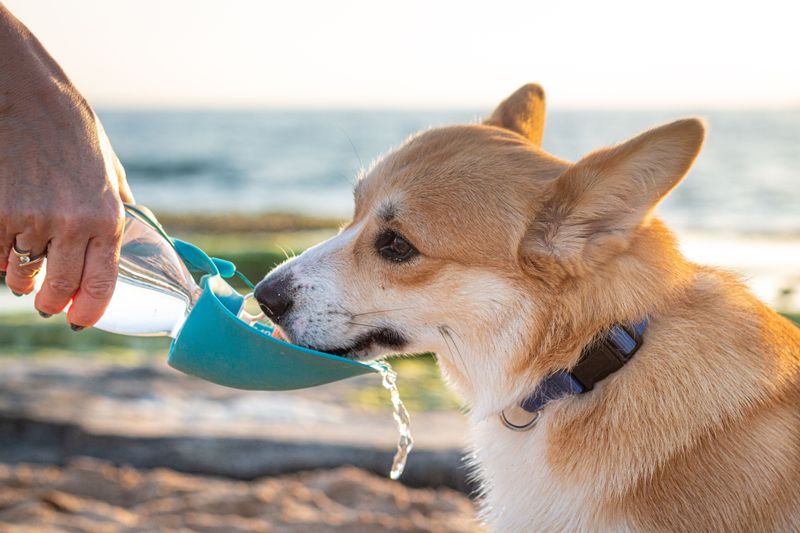
A swimming dog is an active dog, and active dogs get thirsty fast. When fresh water is not available, dogs will often drink whatever is nearby, including ocean water, river water, or pond water, none of which are safe.
Pack a collapsible bowl and a dedicated water bottle just for your dog. Offer water every 15 to 20 minutes during outdoor activities.
Keeping your dog well hydrated also reduces the chance they will seek out unsafe water sources on their own.
7. Do Not Let Your Dog Drink from Lakes, Rivers, Streams, or Ponds
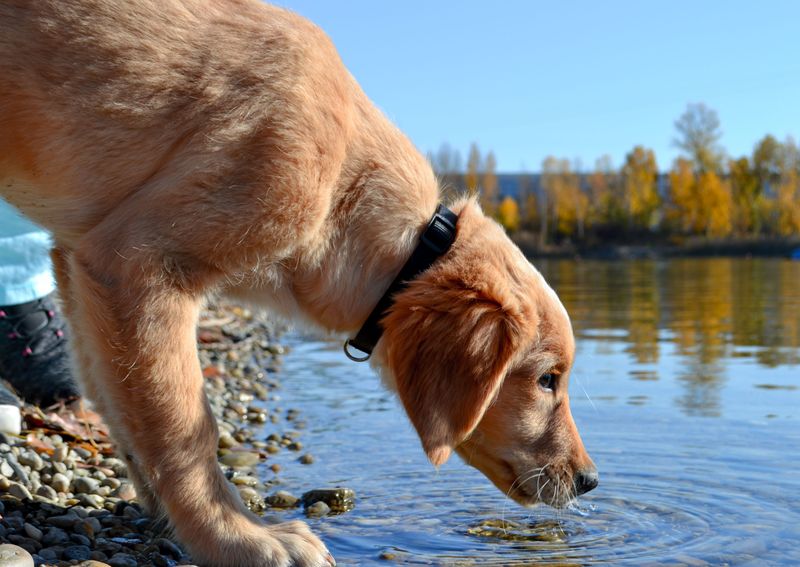
Natural water sources across California can carry bacteria, parasites, and other harmful organisms. Giardia and Leptospira are two common threats found in lakes, rivers, and ponds.
Both can cause serious illness in dogs and, in the case of Leptospira, can also affect people.
Symptoms may not appear right away, which makes prevention even more important. Keep your dog well supplied with fresh water so thirst never becomes a reason to drink from a questionable source.
Talk to your vet about Leptospirosis vaccination options.
8. Watch for Blue-Green Algae and Keep Dogs Away from Suspected Blooms
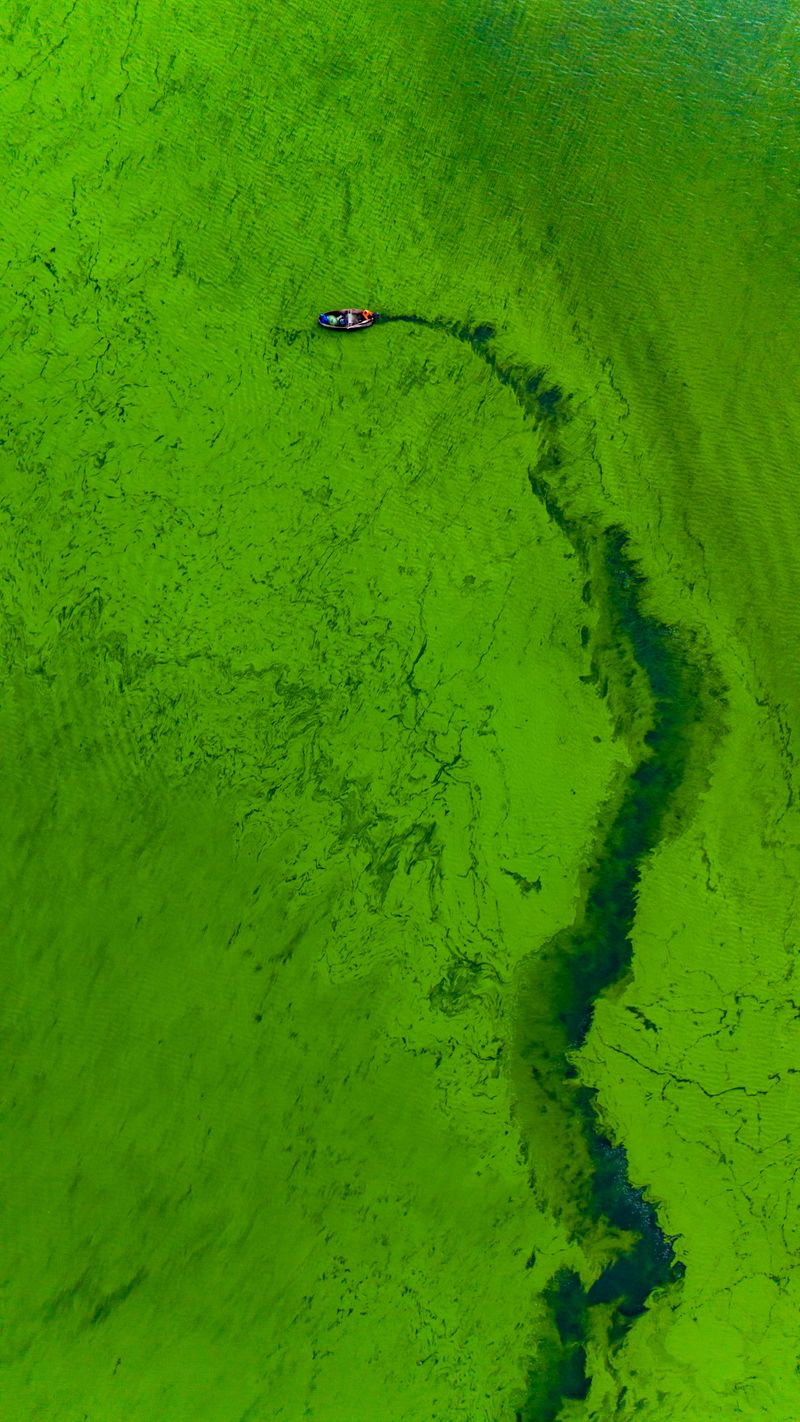
Blue-green algae, technically a type of bacteria called cyanobacteria, thrives in warm, slow-moving freshwater during California summers. Blooms can look like green, blue, or brownish scum floating on the surface.
Some blooms are not visible at all, making caution even more important.
The toxins produced by these blooms can cause serious liver problems or neurological symptoms in dogs. Even a small amount of exposure can be dangerous.
If water looks discolored or smells musty, keep your dog well away and contact your vet immediately if exposure occurs.
9. Follow Posted Water-Quality Warnings and Closures
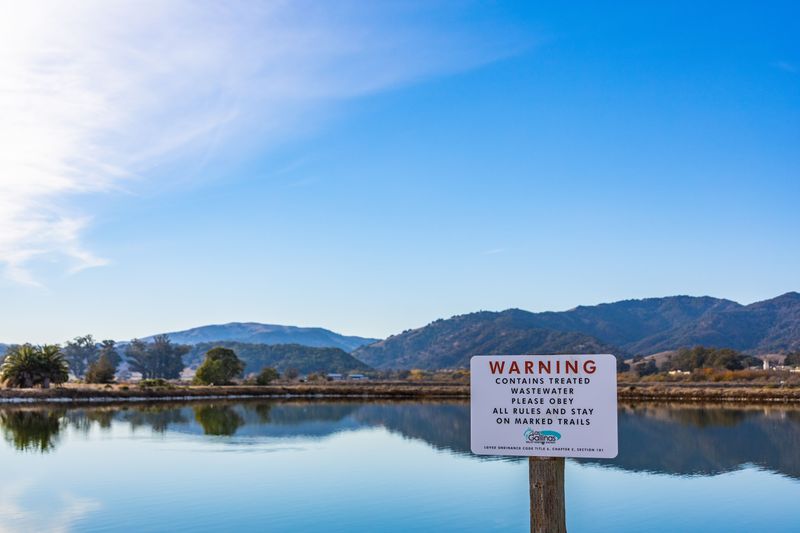
State and local health agencies in California regularly test water at beaches, lakes, and reservoirs. When levels of bacteria or toxins exceed safe thresholds, they post advisories or close the area entirely.
Signs are placed for good reason, and they apply to your dog as much as to people.
Before any outing, check the California Water Boards website or your county health department’s page for current conditions. A quick search before you leave can save your dog from exposure to something serious.
10. Rinse Your Dog with Fresh Water After Swimming
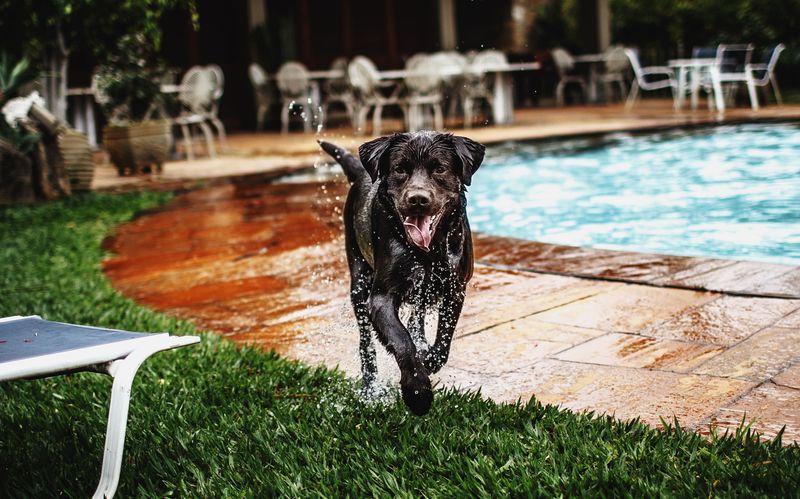
Salt, chlorine, algae, and bacteria can all linger in your dog’s coat long after a swim. Left unrinsed, these residues can irritate the skin, cause itching, or lead to hot spots and ear infections, especially in dogs with dense or floppy-eared breeds.
A simple rinse with clean, fresh water right after swimming does a lot to prevent these issues. Pay extra attention to the underbelly, paws, and ears.
Drying the ear canals gently with a soft cloth helps reduce moisture-related infections.
11. Prevent Your Dog from Swallowing Excessive Water While Playing Fetch
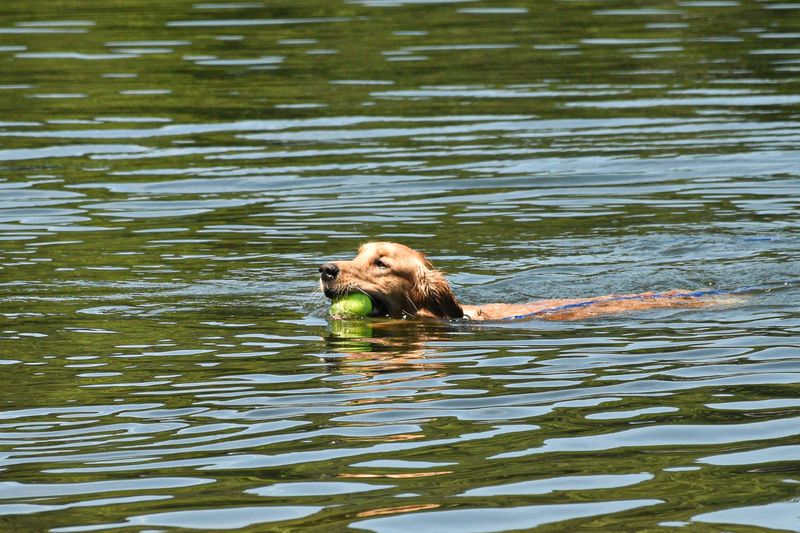
Water fetch is a favorite summer game, but it comes with a hidden risk called water intoxication, or hyponatremia. When a dog swallows large amounts of water repeatedly during play, sodium levels in the blood can drop to dangerous levels.
Symptoms include bloating, lethargy, loss of coordination, and in serious cases, significant neurological symptoms.
Limit fetch sessions to short rounds with breaks in between. Opt for flat or solid toys that are harder to gulp water around.
If your dog seems off after water play, contact a vet right away.
12. Give Your Dog Regular Breaks from Swimming to Prevent Exhaustion
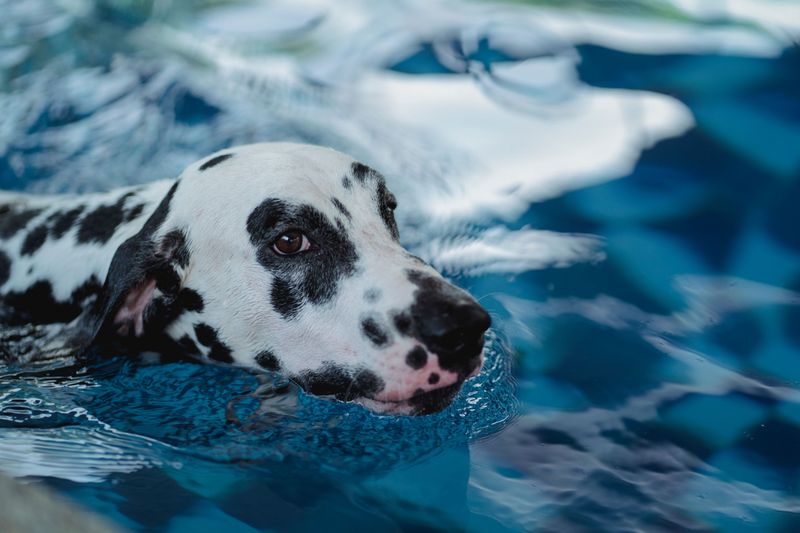
Swimming looks effortless, but it is genuinely hard physical work for dogs. The constant paddling engages nearly every muscle group, and dogs often push through fatigue because they are having too much fun to stop on their own.
Watch for signs like slower paddling, heavy panting, or your dog riding lower in the water. Plan breaks every 10 to 15 minutes, especially on hot days.
Give your dog a chance to rest in the shade and rehydrate before heading back in.
13. Keep Dogs Supervised Around Backyard Pools and Ensure Safe Exit Points
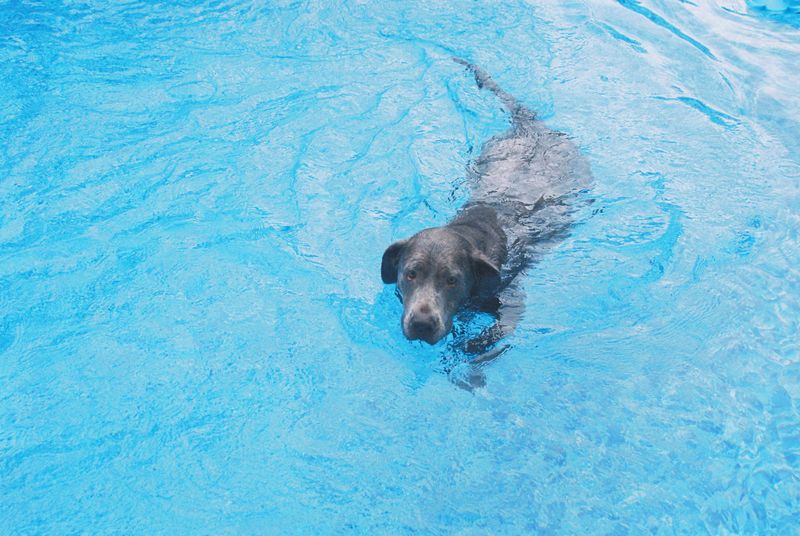
Backyard pools can pose a serious water-safety risk for dogs. A dog that falls in may not be able to find the steps or ramp to get out, especially when panicked.
Even good swimmers can exhaust themselves trying to climb out of a pool with vertical walls.
Teach your dog where the exit is and practice using it regularly. Pool ramps designed for dogs are widely available.
A self-latching fence gate adds another layer of protection when the pool is unsupervised.
14. Keep Dogs Away from Contaminated or Stagnant Water
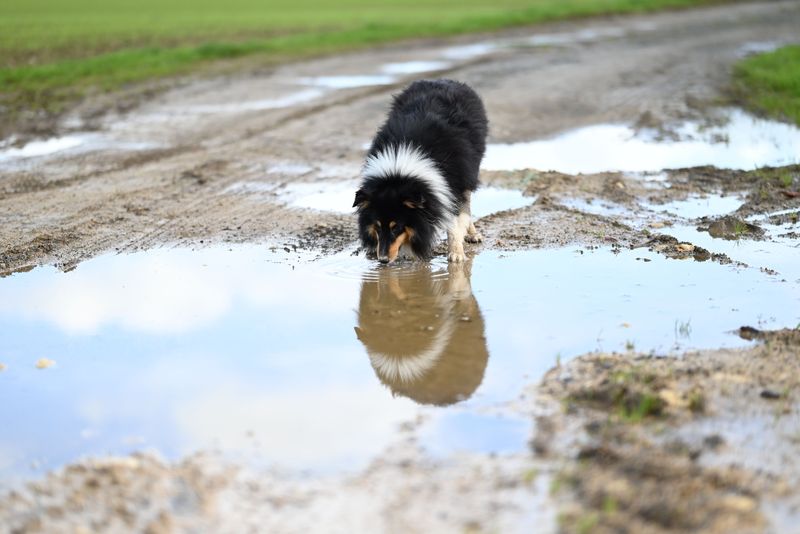
Standing water collects more than just rain. Puddles, drainage ditches, and stagnant ponds can harbor Leptospira bacteria, which survives in moist soil and water for weeks or even months.
Runoff from roads or agricultural areas can also introduce chemicals and heavy metals into standing water.
If water is not moving and does not look clean, treat it as off-limits for your dog. Leptospirosis can be serious, but it is also preventable.
Ask your vet whether a Leptospirosis vaccine makes sense for your dog’s lifestyle.
15. Check Local Beach Rules and Water Conditions Before You Go
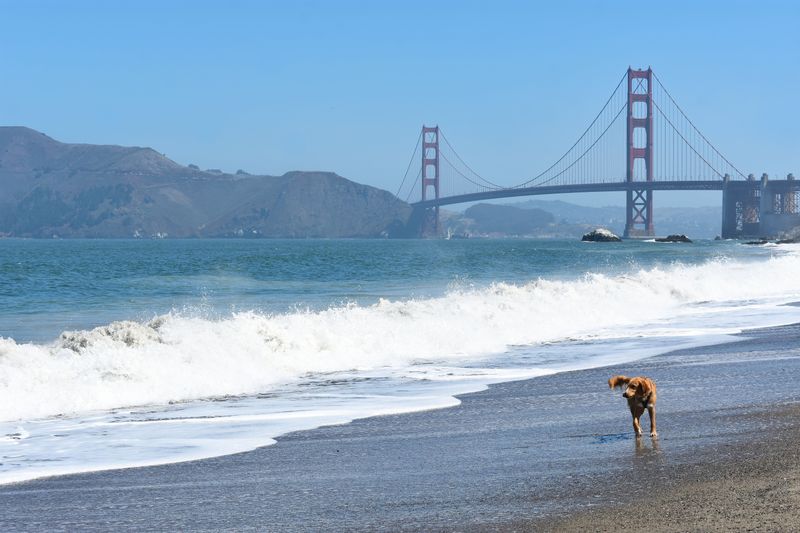
California has hundreds of miles of coastline, but not all of it welcomes dogs. Rules vary widely by county, city, and even by section of beach.
Some areas allow dogs only during certain hours or require leashes at all times. Heading out without checking can mean turning around at the gate.
Visit your destination’s official parks or county website before leaving home. Look for dog-friendly designations, leash rules, and any active water-quality advisories.
A few minutes of research sets the whole trip up for success.