15 Surprising Dog Laws Still on the Books in New York

If you walk a dog anywhere in New York, you are following more rules than you probably realize. Some come from state law, others from your own town, city, or village.
Most are simple, sensible, and easy to meet once you know they exist. The tricky part is that requirements can shift the moment you cross a municipal line, which surprises plenty of longtime owners.
A leash length that works in one park may not match the rule posted at the next one. A waste cleanup rule enforced in a big city may look different in a rural town.
None of this needs to feel stressful. Think of it as basic homework that protects your dog, your neighbors, and your wallet.
Below you will find fifteen rules and legal ideas that shape daily life for dog owners across the state, explained in plain language. Where things vary locally, that is noted clearly.
When in doubt, a quick call to your town clerk, animal control office, or veterinarian will confirm what applies to you. Read through, tuck away what matters, and head out on your next walk feeling steady and prepared.
1. Dog Licensing Is Required
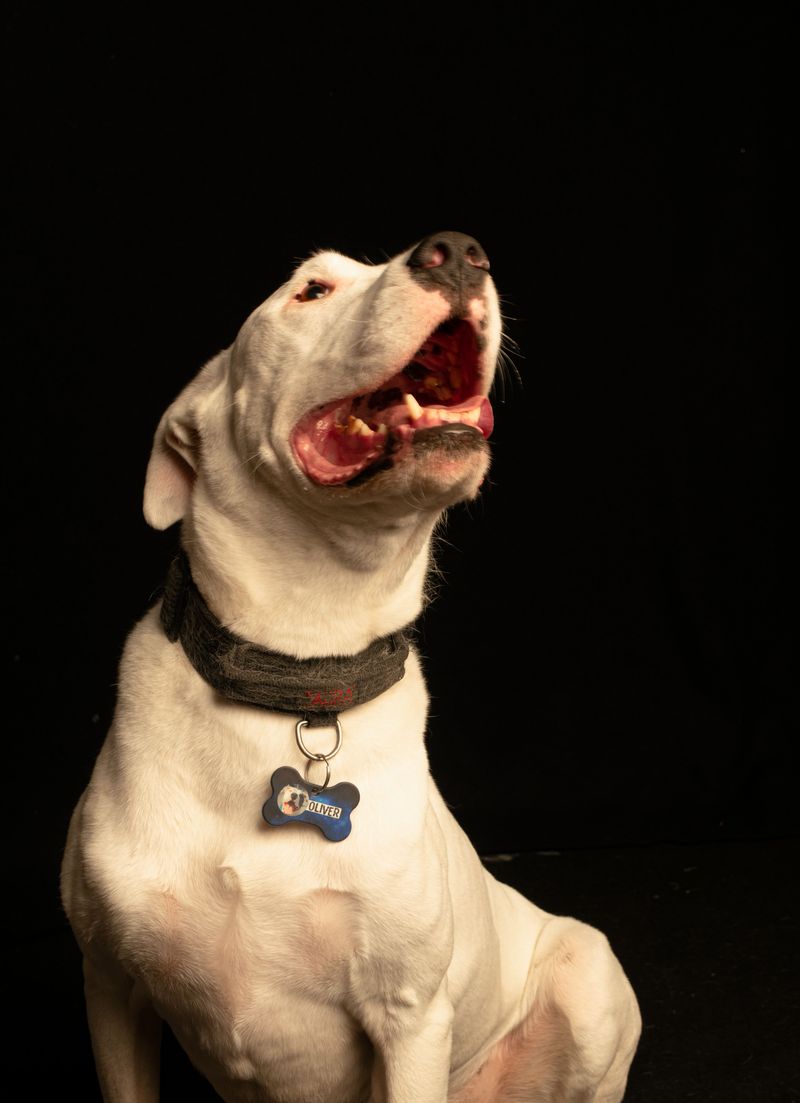
That little metal tag on your dog’s collar is not just decoration. New York requires owners to apply for a license when a dog reaches four months of age, with limited exceptions, and licenses are issued through local clerks.
Owners need to keep the license current and have the dog wear its tag as required. New York City also requires licenses for dogs in public spaces.
Renewal reminders get lost easily, so set a phone alert each year.
2. Rabies Vaccination Comes With the License
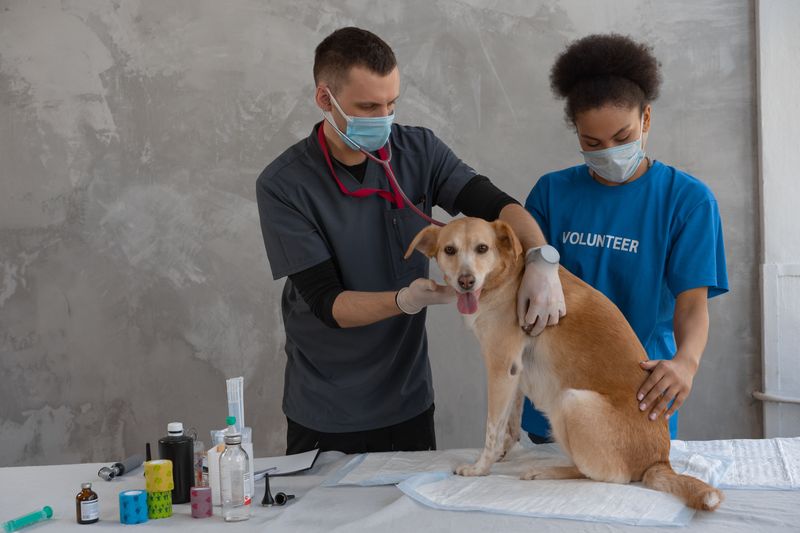
Vaccination and licensing go hand in hand across the state. Dogs in New York must receive their initial rabies vaccination by four months of age, with a second vaccination required within one year.
After that, additional vaccinations follow the schedule required for the vaccine being used and current public health rules.
Keep your dog’s rabies certificate with other important records. Proof of current vaccination may be needed when applying for or renewing a local license.
3. Leash Rules Can Apply Even in Public Parks
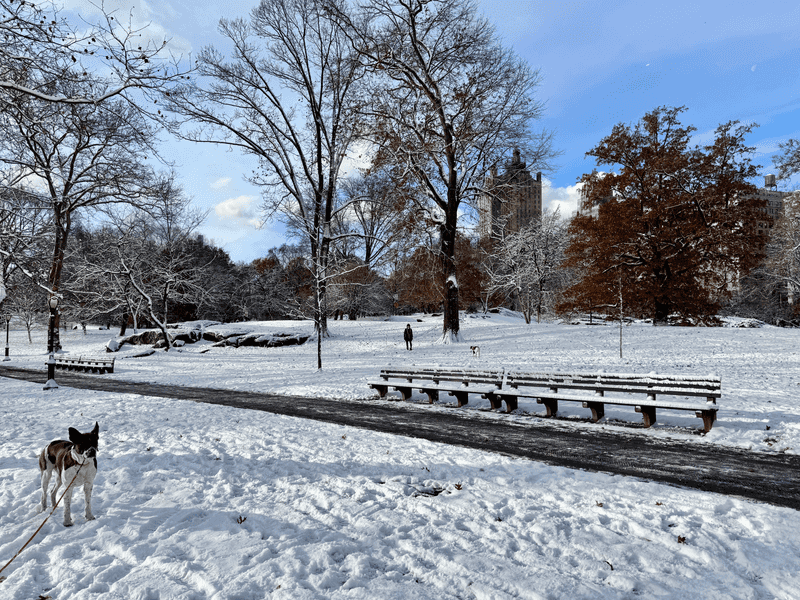
Here is a detail that trips people up: New York has no single statewide leash law. Instead, local governments hold authority to set their own dog-control rules.
Many New York State parks require leashes no longer than six feet. Some locations offer designated off-leash areas, occasionally with set hours.
Your dog may have flawless off-leash manners at home and still need restraint in a public park. Check posted signs first.
4. Owners Can Face Trouble Over a Dog That Runs Loose

A quiet street can feel like a safe place to let a dog roam. Local ordinances often say otherwise, and letting a dog run at large may be a violation.
New York law gives dog-control and certain law-enforcement officers authority to seize dogs in specific circumstances, including some dogs that are unlicensed or not under their owner’s control when there is probable cause to believe the dog poses a danger.
Assumptions can cost money here, since penalties may include fines. Look up the specific rules for your town, city, or village.
5. Dogs Can Be Considered a Public Nuisance
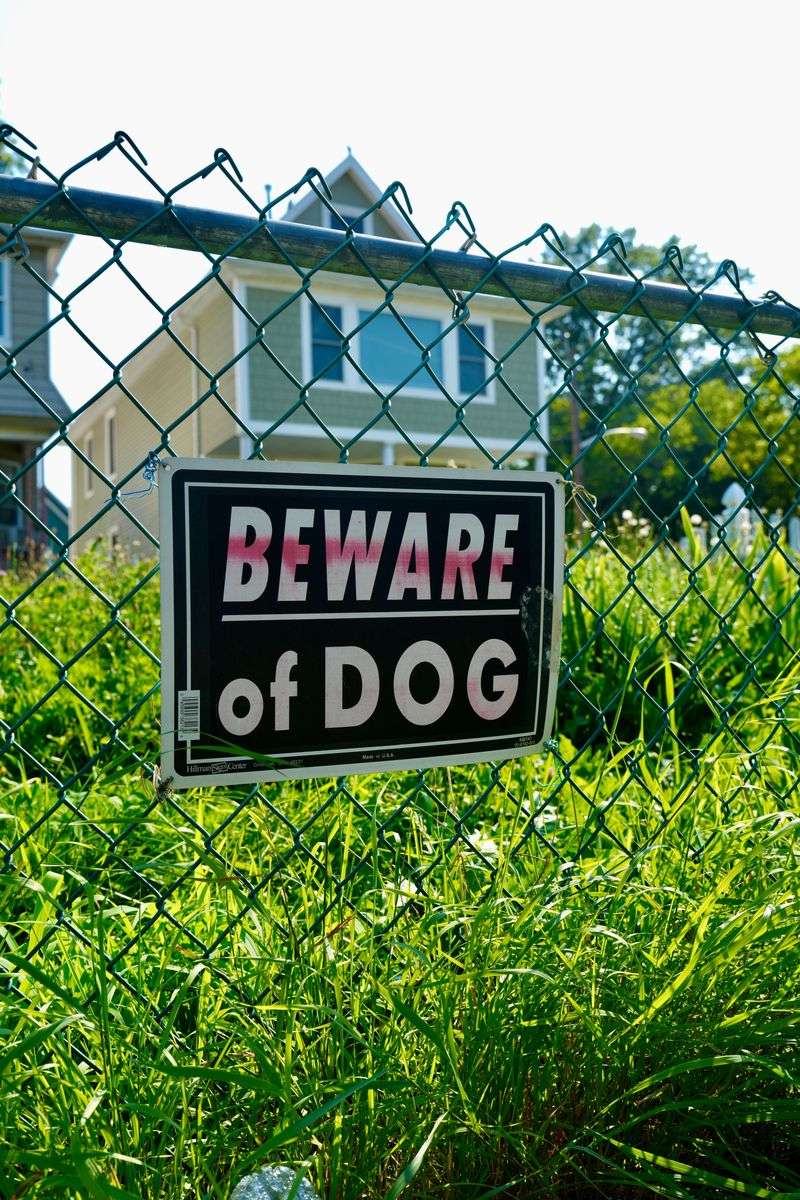
Nuisance is a legal term, not just a complaint word. New York’s dog-control framework allows municipalities to address dogs that create certain nuisance conditions in their communities.
Behaviors that repeatedly disturb neighbors can fall under local nuisance rules.
Once complaints stack up, animal control officials may step in. A friendly conversation with the neighbor can often resolve things long before formal action becomes necessary, so start there whenever possible.
6. Barking Can Become a Legal Problem
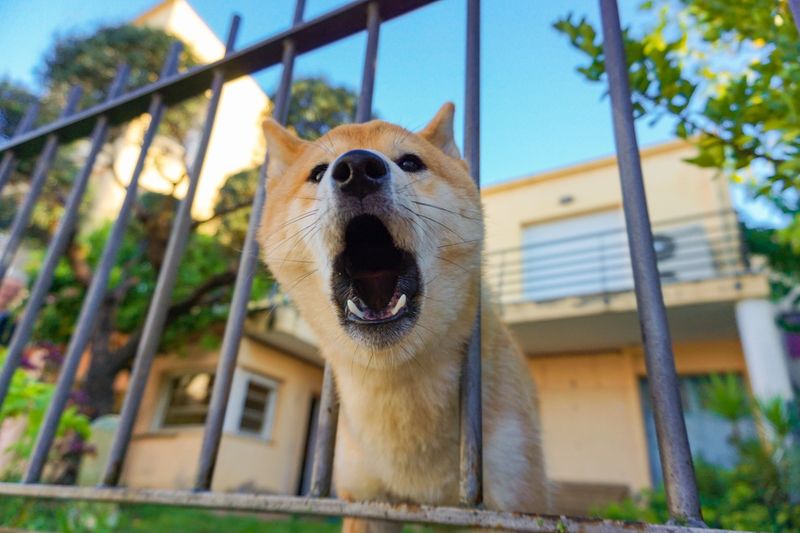
Every dog barks. Constant barking that disturbs the neighborhood is a different matter, and many municipal codes regulate excessive noise directly.
Persistent noise can bring animal control officials into the conversation, since local nuisance rules often cover repeated disturbances.
Practical fixes help: more exercise, blocked window views, enrichment toys, or a trainer’s guidance. Addressing the cause early keeps the issue between you and your dog.
7. Owners Must Clean Up After Their Dogs in Many Places
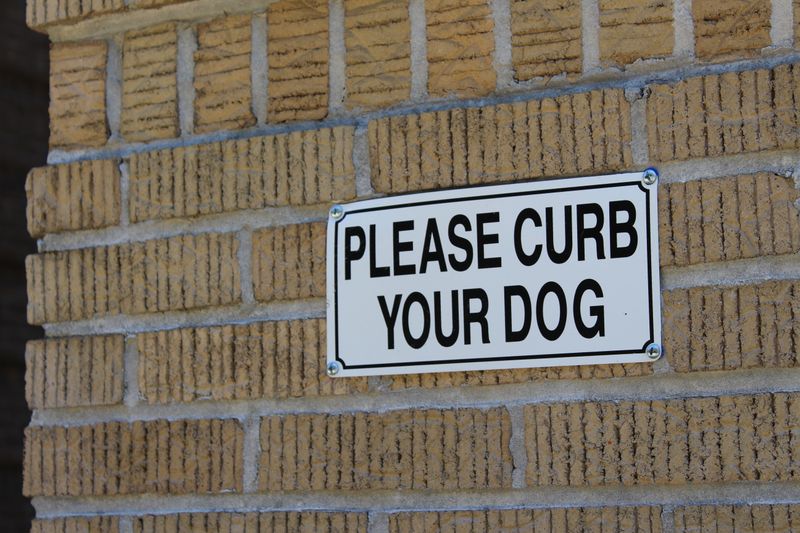
New York’s well-known pooper scooper law requires owners to remove waste left by their dogs on sidewalks, gutters, streets, and other public areas in cities with populations of 400,000 or more, as well as Yonkers and Albany.
A violation can carry a fine or civil penalty of up to $250.
Guide dogs, hearing dogs, and service dogs accompanying a person with a disability are exempt under the state provision. Two bags in your pocket is cheap insurance against an awkward moment on a busy block.
8. Dangerous Dogs Get Special Legal Attention
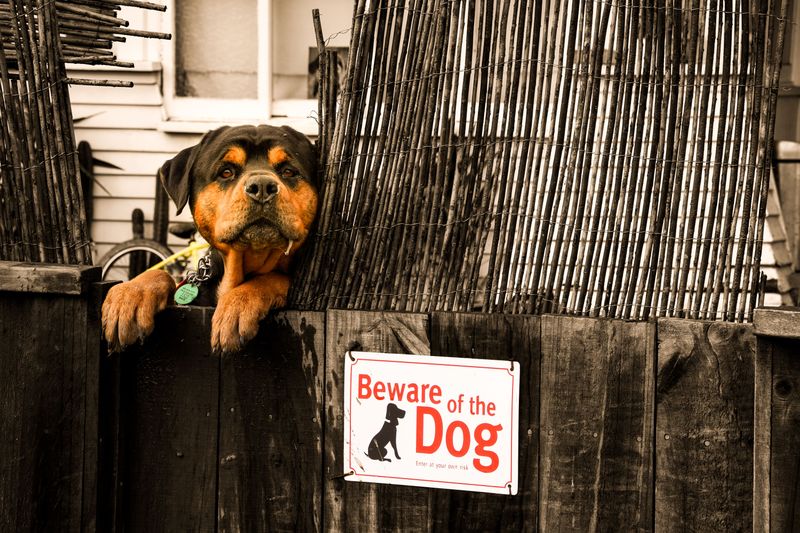
State law includes specific provisions for dogs found to be dangerous. A dog may be subject to a dangerous-dog proceeding after an attack or threatened attack involving a person, companion animal, farm animal, or domestic animal.
If a court determines that a dog is dangerous, the judge or justice can impose conditions such as confinement, leash or muzzle requirements, training, and liability insurance.
Careful handling, appropriate training, and responsible supervision can help owners avoid reaching this point.
9. A Dog Bite Can Trigger Reporting Requirements
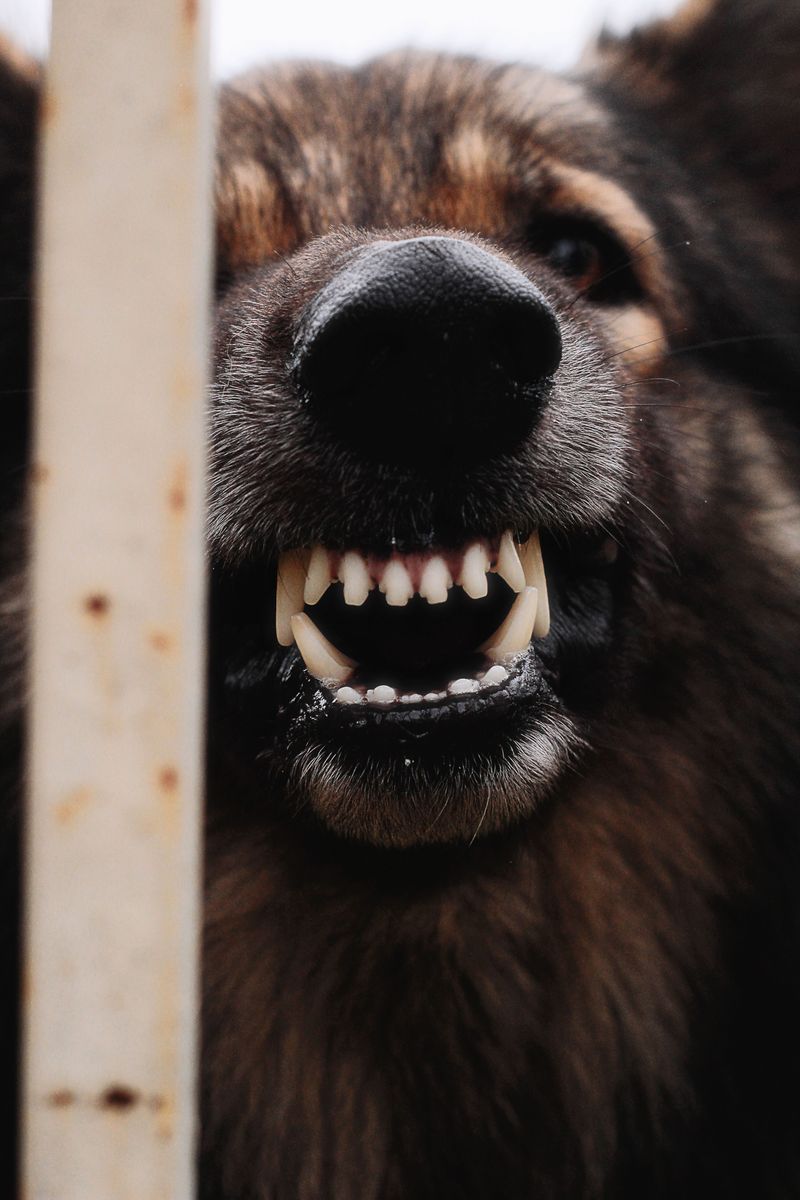
Bites can involve more than a private conversation between two owners. Reporting requirements vary by jurisdiction, and New York City requires all animal bites to be reported to the Health Department within 24 hours.
When a healthy dog has potentially exposed a person to rabies, the animal can be confined under county health department direction and observed for 10 days.
Cooperating promptly keeps the process straightforward and helps health officials determine what follow-up may be needed.
10. Dogs Cannot Be Left Unrestrained in Vehicles Under Certain Conditions
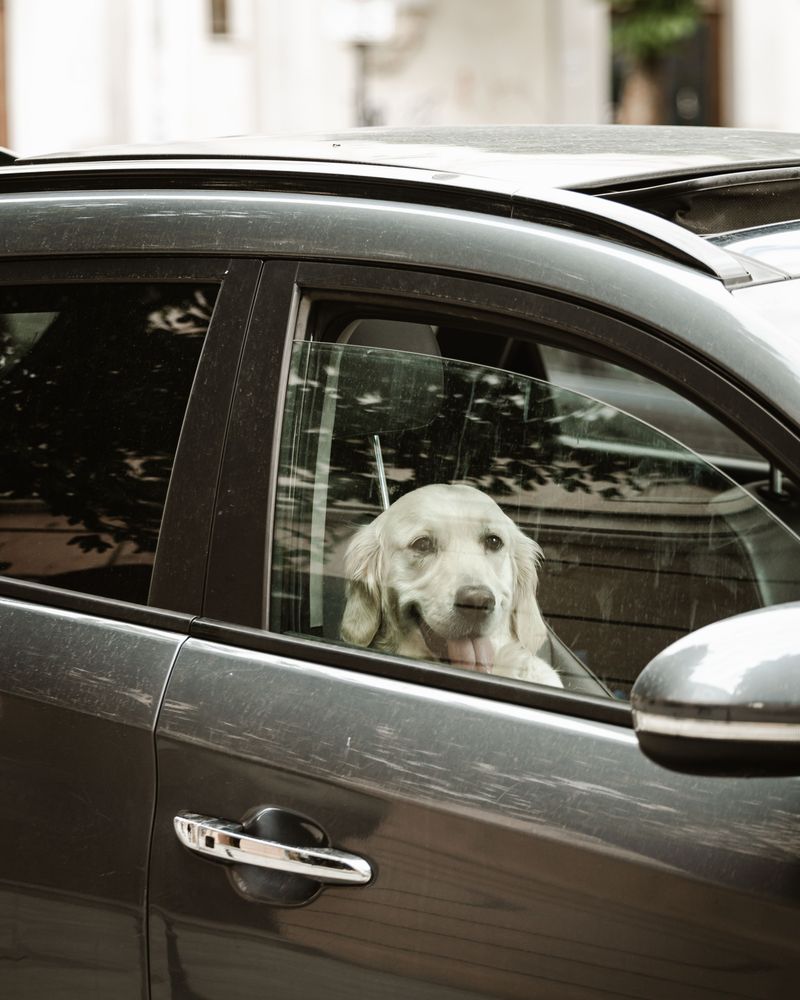
Agriculture and Markets Law section 353-d addresses confining an animal in a vehicle under conditions that threaten its health or safety.
Extreme heat and extreme cold are the main concerns. Police officers and first responders may legally remove an animal in imminent danger.
Fines are possible for violations. A five minute errand can turn dangerous fast, so bring your dog inside or leave it home.
11. Dogs Must Be Properly Confined on Their Owner’s Property
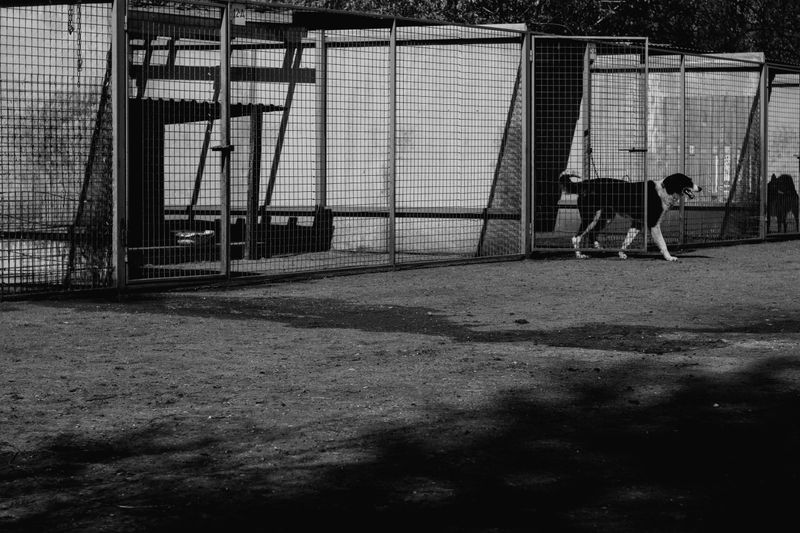
Responsibility for keeping a dog under control rests with the owner, while specific restraint requirements can depend on state and local rules. A dog that can wander freely may create problems even when it remains close to home.
Fences, enclosures, leashes, and other restraint methods may be appropriate depending on the situation and local requirements.
Wandering escape artists deserve extra attention, including gate latches that actually stay shut. Preventing a getaway is far easier than answering for one afterward.
12. Service Dogs Have Different Access Protections

Trained service animals hold legal protections in New York that ordinary pets do not receive.
Access to public places and businesses can be broader, and businesses generally cannot treat a qualifying service animal like an ordinary pet.
Some laws also provide specific exemptions for guide, hearing, and service dogs. Those protections are tied to legitimate service work, not simply calling a pet a service animal.
13. Local Dog Rules Can Be Stricter Than State Rules
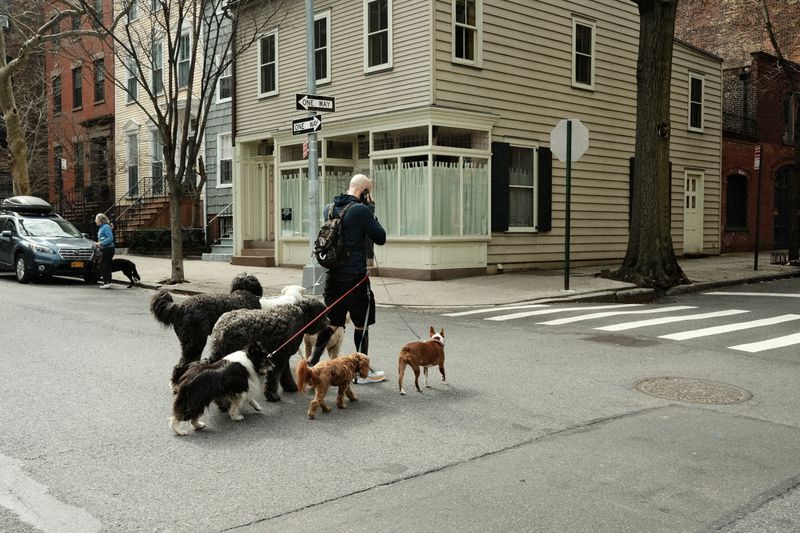
Municipalities across New York have substantial authority to write their own dog-control regulations. Those rules can be stricter than statewide requirements.
Leash specifics, licensing details, and off-leash areas often differ from one town to the next.
A practice that is perfectly fine at home might be prohibited a few miles down the road. Your town clerk’s website is the fastest place to confirm current ordinances.
14. Dog Owners Can Be Responsible for Certain Damages
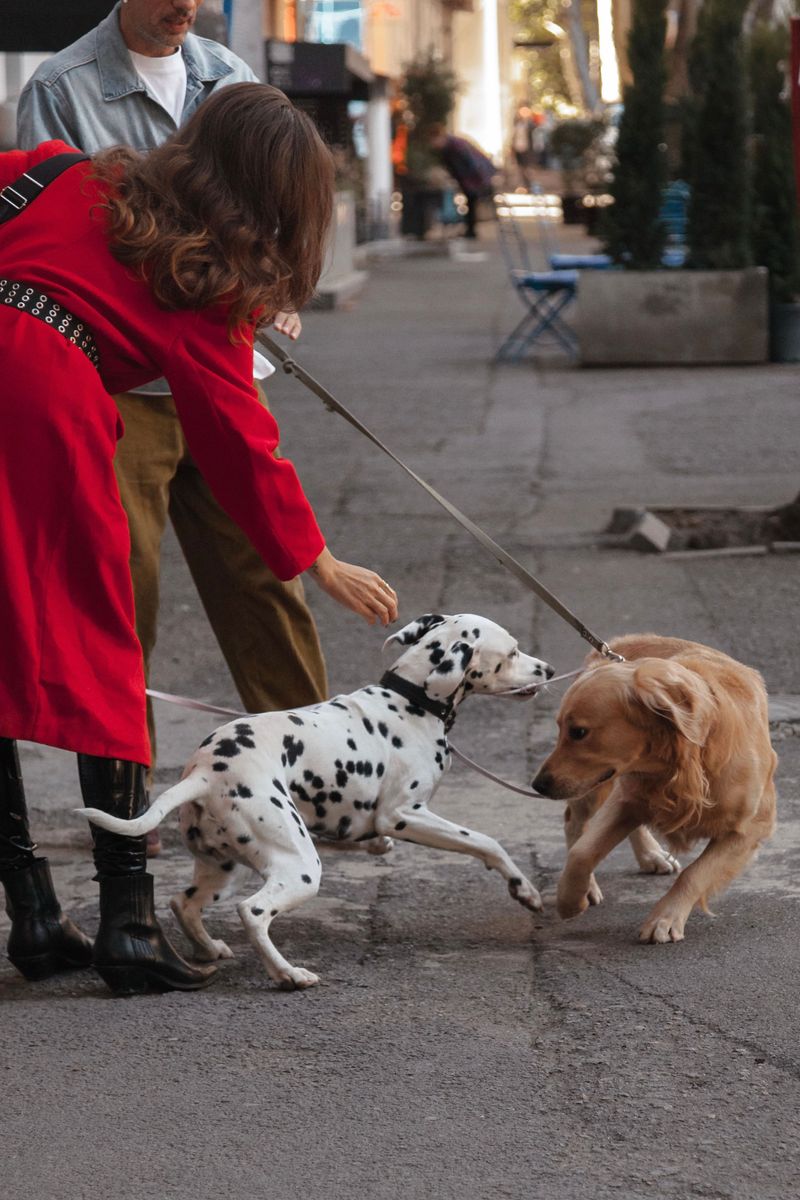
Liability in New York is more nuanced than one simple rule. Under the state’s dangerous-dog law, an owner or lawful custodian of a dog found to be dangerous can be strictly liable for certain medical costs resulting from an injury caused by the dog.
New York case law also recognizes strict liability when an owner knew or should have known that a domestic animal had relevant dangerous propensities. Depending on the circumstances, a person seeking compensation may also pursue a claim based on ordinary negligence.
Homeowner and renter insurance policies vary, so ask your agent what your coverage includes.
15. Animal-Control Violations Can Lead to Fines
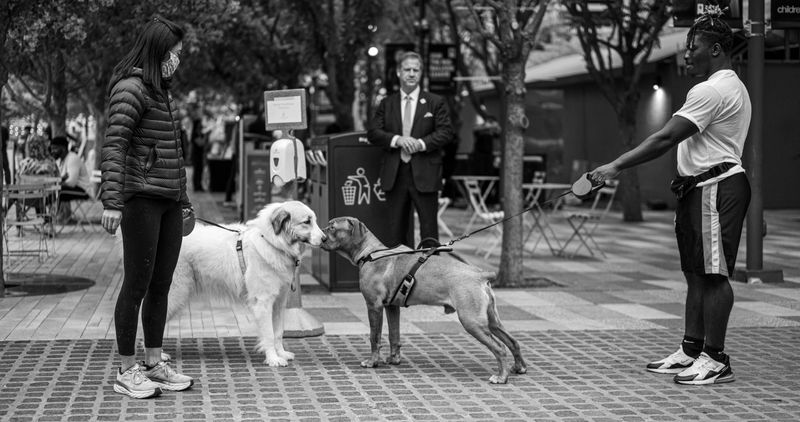
Warnings are not the only outcome when dog-control rules are broken. Depending on the violation and the local law involved, owners may receive citations or fines.
Some violations can also bring additional restrictions involving the dog itself.
The good news is that many common problems are avoidable with a current license, updated vaccines, a leash where required, and waste bags. Knowing the rules before you head out can make everyday dog ownership much easier.