18 Questions Michigan Cottage Owners Should Answer Before Adopting A Dog
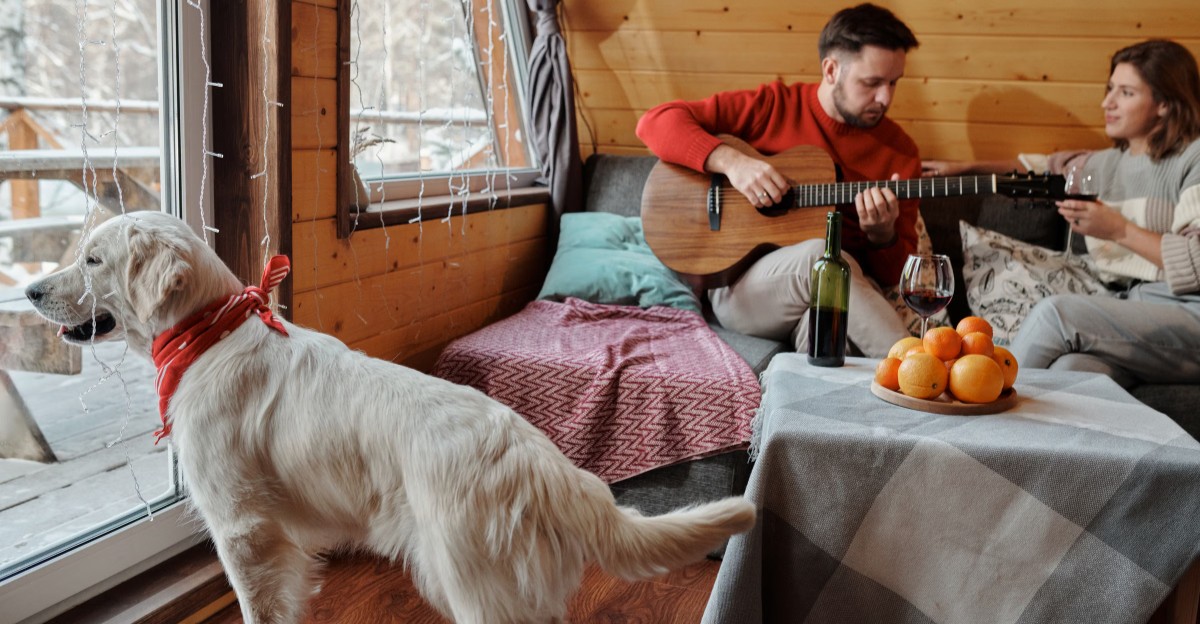
A dog can make cottage life even sweeter, from quiet dock mornings to snowy winter walks. Still, a Michigan cottage brings its own mix of lakes, woods, wildlife, and long drives.
Answering a few honest questions now helps you choose the right dog and prepare your place. Think of this as friendly advice from someone who wants your new companion to feel safe and happy.
1. Does the Dog Fit Your Space and Pace?
Picture a tiny two-room cabin with a young herding dog bouncing off the walls. That mismatch happens more often than people expect.
Size matters, but energy matters even more. A calm senior dog may suit a small cottage perfectly.
A high-drive breed needs daily runs, games, and mental work to stay content.
Walk your property with fresh eyes. Ask whether the yard, rooms, and your own routine can truly meet that dog’s needs.
2. Full-Time Home or Weekend Getaway?
Many cottages sit quiet from Monday to Friday. Dogs, however, need care every single day.
Be honest about your schedule. Will the dog live with you at a main home and travel up on weekends?
Or will someone stay at the cottage year-round?
Frequent moves suit some easygoing dogs just fine. Others struggle with change or being alone.
A dog should never stay at an empty cottage without daily human care.
3. Which Local Pet Rules Apply?
Here is a surprise for many owners: rules can change from one township line to the next.
Michigan sets statewide basics, but townships, counties, and cities may add their own ordinances. Lake associations and condo boards often have extra rules about leashes, pet limits, or beach access.
Call the township office and read your association bylaws before adopting. A quick check now can prevent awkward conversations with neighbors or board members later.
4. Is Licensing and ID Ready to Go?
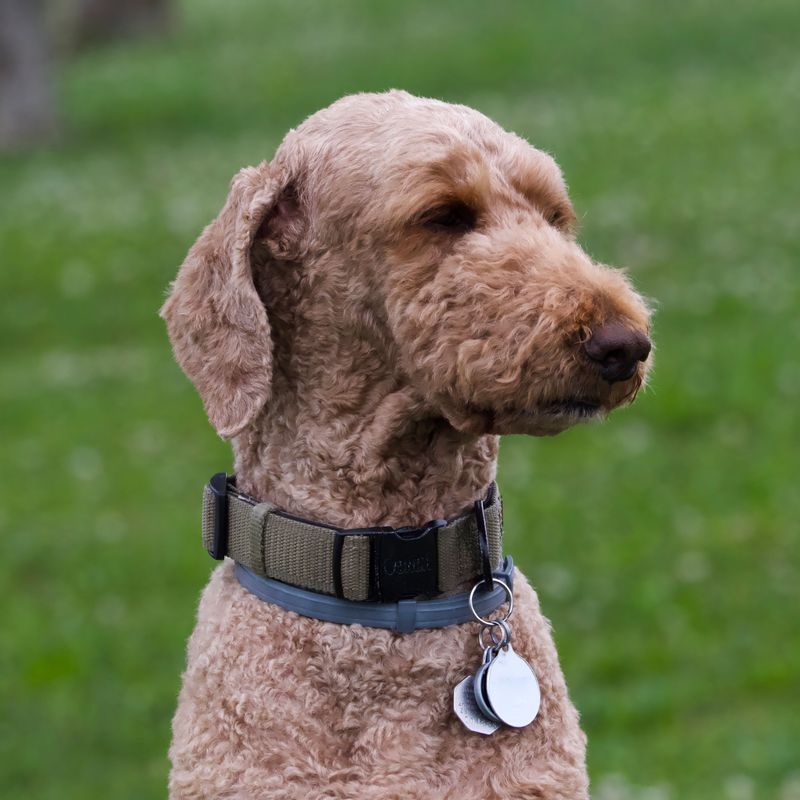
Michigan law expects dogs four months and older to carry a current license. A valid rabies vaccination is required to get one.
Licenses are handled by your county or local unit, so deadlines and fees vary. Some counties renew yearly, while others tie licenses to the rabies date.
Add a name tag with your cell number, and consider a microchip. Keep the chip registration updated with both your home and cottage addresses.
5. How Will You Keep Your Dog Contained?
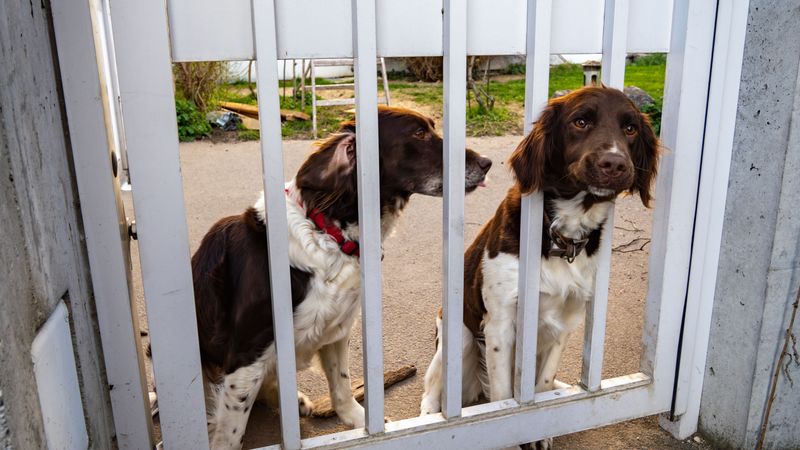
Open lots with no fences are part of cottage charm. They also make it easy for a curious nose to wander off.
A sturdy fence offers the most peace of mind. If fencing is not allowed or practical, plan on leashes, long lines, or a secure tie-out used only with supervision.
Electronic boundary systems work for some dogs, but they do not keep wildlife out. Check association rules before installing anything.
6. Where Are the Escape Hazards?
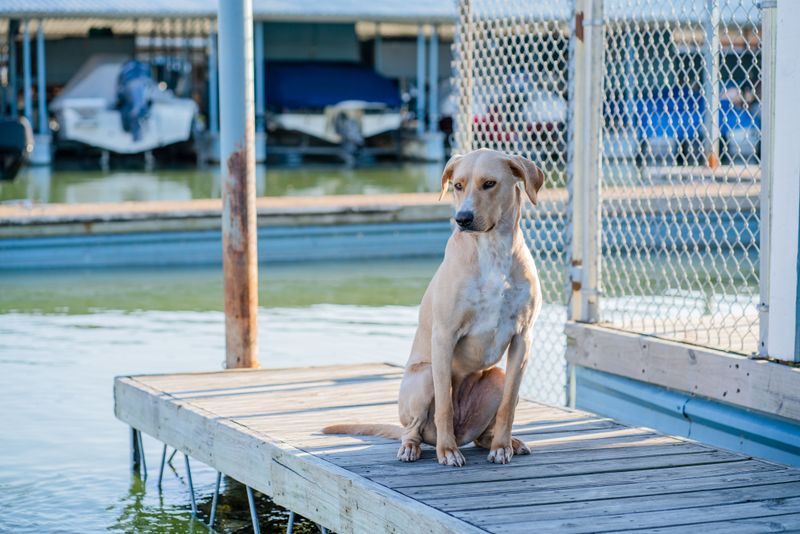
Stand at your front door and look around. Do you see a county road, a busy boat launch, or a long dock?
Each spot deserves a plan. Summer traffic brings faster cars and distracted drivers.
Docks can be slippery, and boats coming in may startle a dog.
Walk the area during peak weekends to see real conditions. Then set clear house rules, like leashing on the dock and closing gates every time.
7. Can Your Dog Swim Safely?
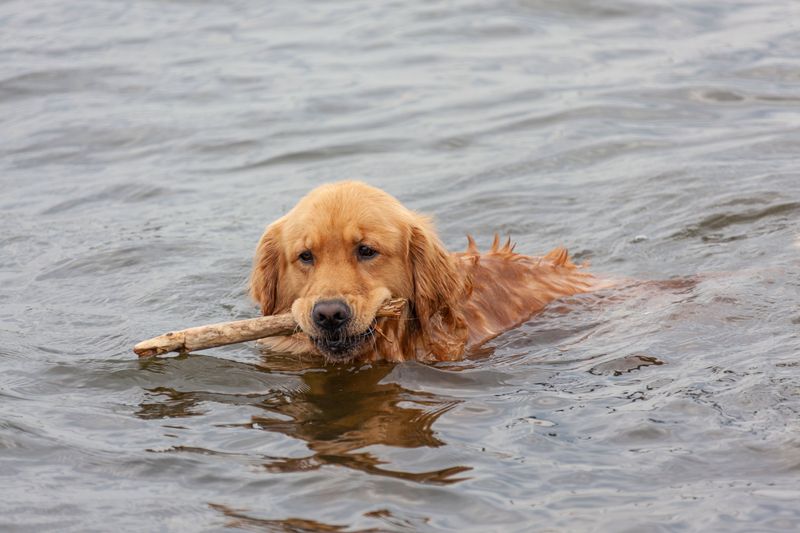
Not every dog is a born swimmer. Bulldogs, pugs, and short-legged breeds often tire quickly or sink easily.
Introduce water slowly in shallow, calm spots. Watch for drop-offs, weeds, and debris near shore.
Some Michigan lakes develop blue-green algae blooms in warm months. Keep dogs out of scummy or discolored water, and check state or local advisories.
Bring fresh drinking water so your pup is less tempted to sip the lake.
8. Do You Have a Well-Fitted Life Jacket?
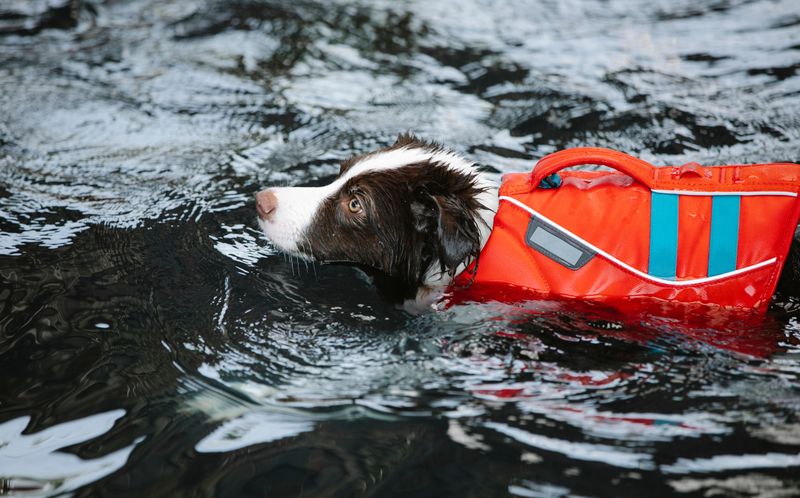
Pontoon rides are a cottage classic, and dogs love the breeze. A canine life jacket makes those trips far safer.
Look for a snug fit, bright color, and a sturdy top handle. That handle makes lifting a wet dog back aboard much easier.
Let your dog wear it around the yard first. Even strong swimmers benefit from one in choppy water or on long outings far from shore.
9. Are You Ready for Tiny Pests?
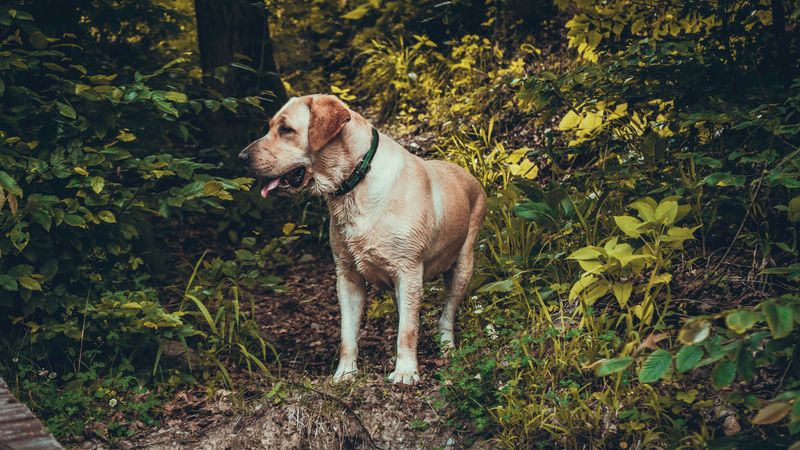
Ticks love the tall grass and woods around many cottages. Blacklegged ticks, which can carry Lyme disease, are spreading across Michigan.
Fleas and mosquitoes are also common in warm months. Mosquitoes can spread heartworm, so prevention matters.
Ask your veterinarian which products fit your dog and region. Many vets recommend year-round coverage.
Do a quick tick check after every walk, especially around ears, toes, and armpits.
10. What About the Wild Neighbors?

Dusk at the cottage often brings visitors. Deer stroll by, skunks dig for grubs, and coyotes may call in the distance.
Porcupine quills and skunk spray are classic cottage dog stories. Quills usually need a vet visit, so avoid pulling them yourself.
Keep dogs close at dawn and dusk. Store trash and pet food securely.
Ask your vet whether rabies boosters or a leptospirosis vaccine make sense for your area.
11. Will Your Dog Come When Called?
A rabbit darts into the brush, and your dog spots it first. What happens next depends on training.
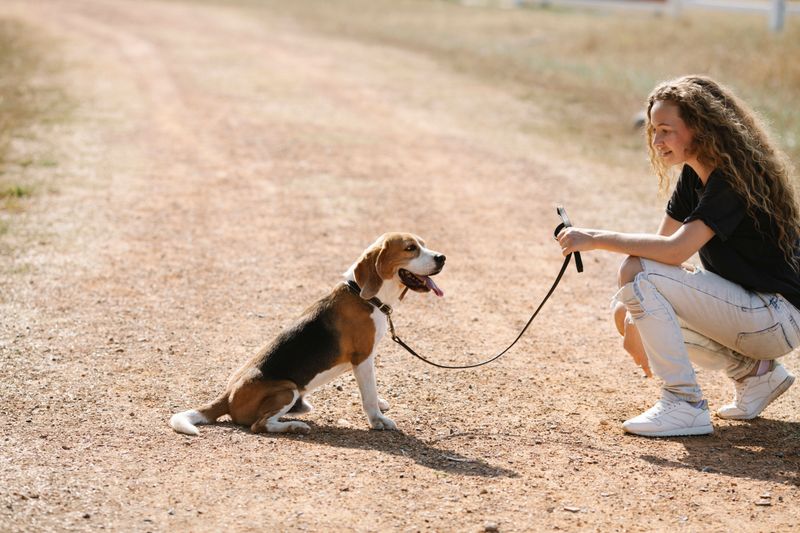
Solid recall takes patient practice with treats, short sessions, and gradual distractions. Loose-leash walking helps on narrow cottage roads.
Many Michigan areas require leashes off your own property, and rules vary locally. A long training line lets your dog explore while you stay in control.
Neighbors will thank you, too.
12. Who Is Your Up-North Veterinarian?
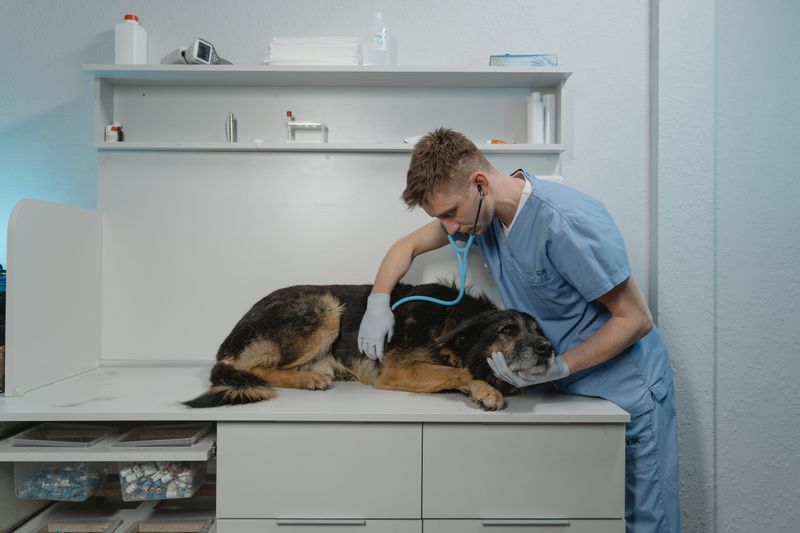
Your hometown vet may be hours away. That is why a cottage-area clinic is worth finding early.
Look up the nearest general practice and the closest 24-hour emergency hospital. Larger hubs like Traverse City and Grand Rapids have emergency options, but rural coverage varies.
Save numbers in your phone and post them on the fridge. Schedule a meet-and-greet visit so the clinic has your dog’s records on file.
13. How Long Is the Drive in a Pinch?
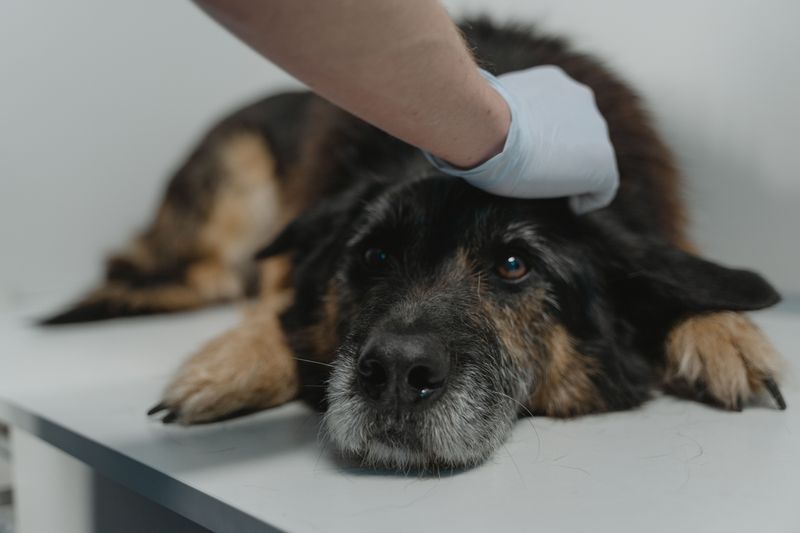
Try this exercise: time the actual drive to the nearest emergency vet. Add extra minutes for winter roads or summer traffic.
Keep a crate or seat harness ready in your vehicle. A basic pet first aid kit is helpful, too.
If you rely on boats or seasonal roads, plan a backup route. Calling ahead while driving lets the clinic prepare.
Small steps like these bring real calm.
14. Is Your Dog Winter-Ready?

Snow-covered pines look magical, yet Michigan winters can be tough on paws and short coats.
Thick-coated breeds often enjoy the cold. Small or thin-coated dogs may need a sweater and shorter outings.
Ice, road salt, and de-icers can irritate paws. Booties or paw balm help, and a warm towel wipe-down after walks works wonders.
Bring dogs indoors during bitter cold, and watch for shivering or lifted paws.
15. How Will You Beat the Summer Heat?
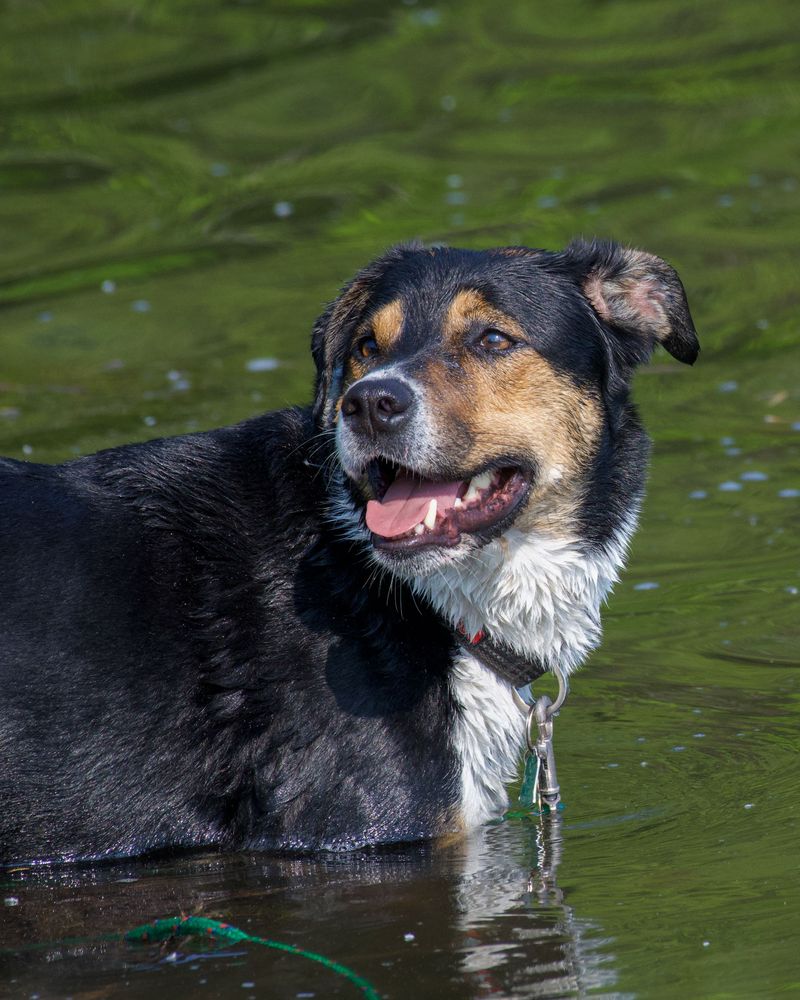
July afternoons by the lake can turn sticky fast. Dogs cool themselves mostly by panting, which has limits.
Offer shady resting spots and fresh water at all times. Plan walks and play for early morning or evening.
Never leave a dog in a parked car, even briefly. Watch for heavy panting, drooling, or sluggishness.
Those can signal overheating, so move your dog somewhere cool and call your vet.
16. Are Nearby Parks and Beaches Dog-Friendly?
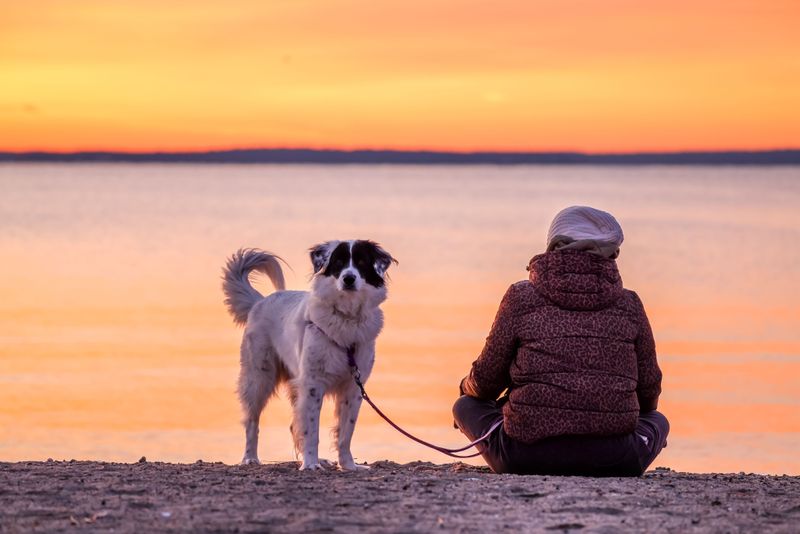
Fun fact: several Michigan state parks offer designated pet-friendly beach areas along the Great Lakes.
Generally, state parks allow leashed dogs on six-foot leashes. Pets usually stay out of designated swim beaches and buildings.
Local township parks, county trails, and national lakeshores each set their own rules. Check websites and posted signs before you go.
Knowing the spots ahead of time makes weekend adventures smooth and stress-free.
17. Will You Be a Good Neighbor?
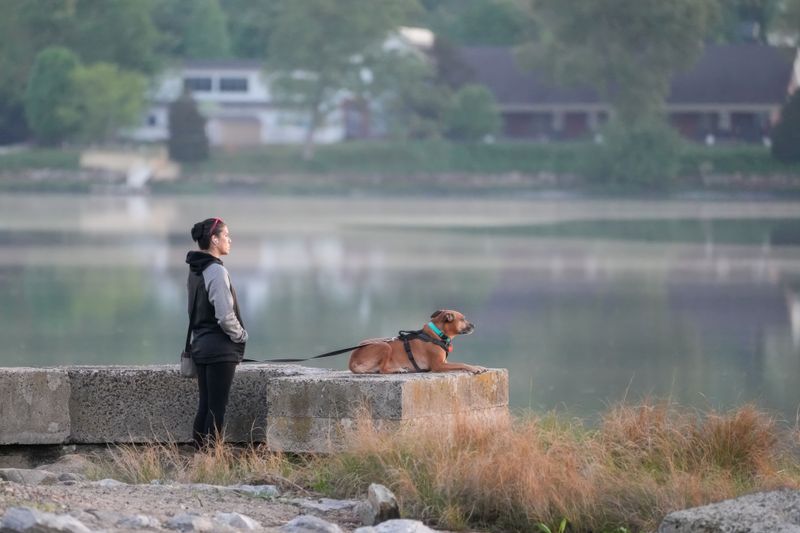
Sound travels far across quiet water. A dog barking at dawn may wake the whole cove.
Many townships have nuisance or barking ordinances, and roaming dogs often break local leash rules. Details differ, so check locally.
Give your dog exercise and enrichment to curb boredom barking. Supervise outdoor time and never let your pet wander onto other docks.
A friendly hello and your phone number build goodwill fast.
18. Does the Budget Stretch Far Enough?

Love is free, but dog care is not. Food, vet exams, vaccines, and parasite prevention add up each year.
Cottage life brings extra costs, too. Think life jackets, winter gear, fencing, and boarding or pet sitters when you cannot bring your dog.
Emergency visits can be costly, so consider pet insurance or a savings fund. Write a simple yearly budget before adopting.
Clear numbers make confident decisions.