15 Tidewater Storm-Debris Hazards Virginia Dog Owners Should Clear From Yards
After a Tidewater storm, your yard may look familiar until your dog starts exploring it. Wind and floodwater can leave hazards in grass, garden beds, and favorite sniffing spots.
A careful walk around the property can help you spot trouble before your dog does. Keep your dog inside or on a leash while you check, and leave anything involving wires or unstable structures to trained workers.
1. Fallen Tree Limbs Across Fences And Walkways
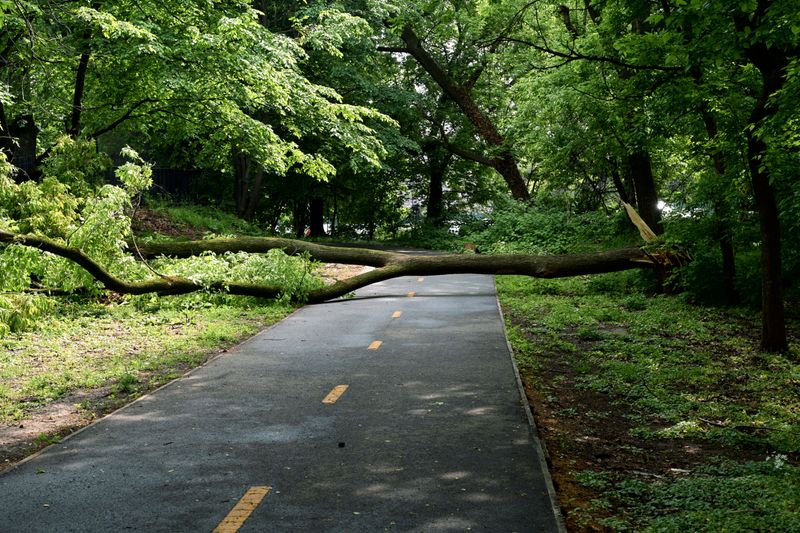
A familiar path can change overnight when branches fall across it. Limbs may shift under a dog’s weight, while smaller twigs can catch between paw pads.
Check walkways and fence lines before opening the yard for play.
Move only branches you can handle safely, wearing sturdy gloves and shoes. Keep your dog away from hanging limbs and trees leaning toward structures.
For heavy or suspended wood, call a qualified tree service rather than trying to pull it free.
2. Broken Fencing With Sharp Edges
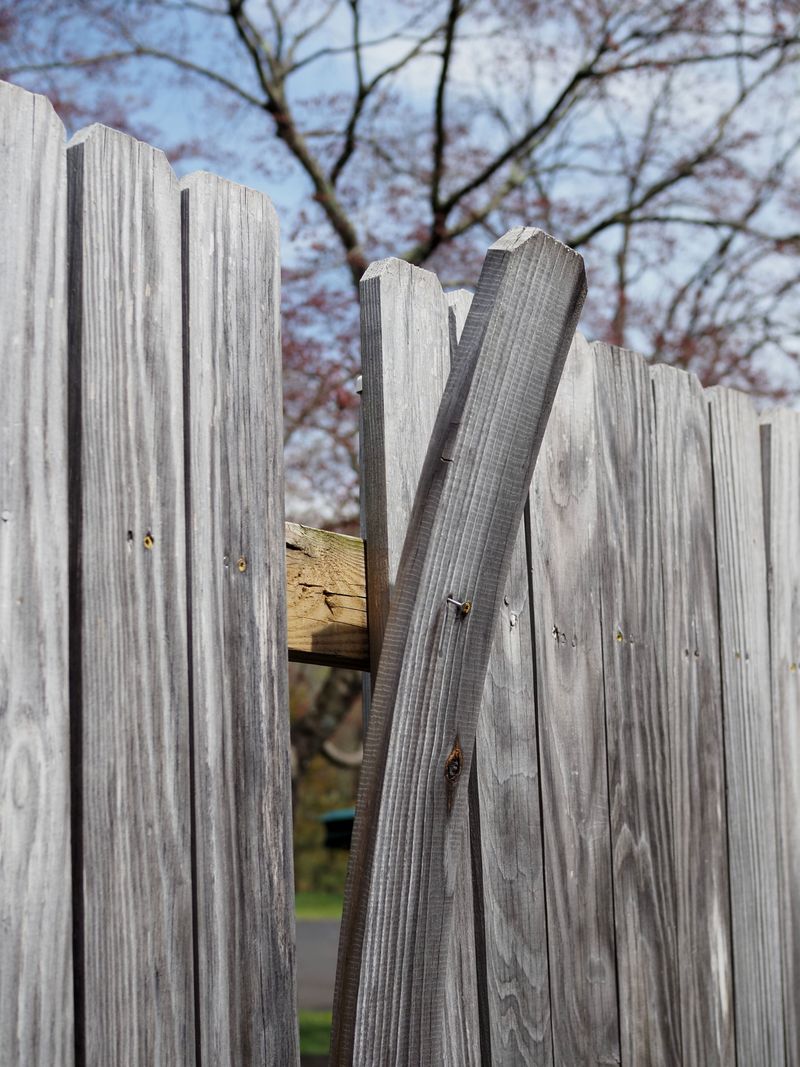
One loose fence board can turn a secure yard into an escape route. Bent wire, cracked wood, and exposed fasteners can also scrape a curious dog.
Walk the entire fence line, including corners hidden behind plants.
Keep your dog leashed until gaps are repaired and sharp pieces are removed. Check that gates still latch firmly after shifting soil or strong wind.
If a shared fence is damaged, coordinate repairs with your neighbor and supervise outdoor time meanwhile.
3. Uprooted Trees And Loose Root Balls
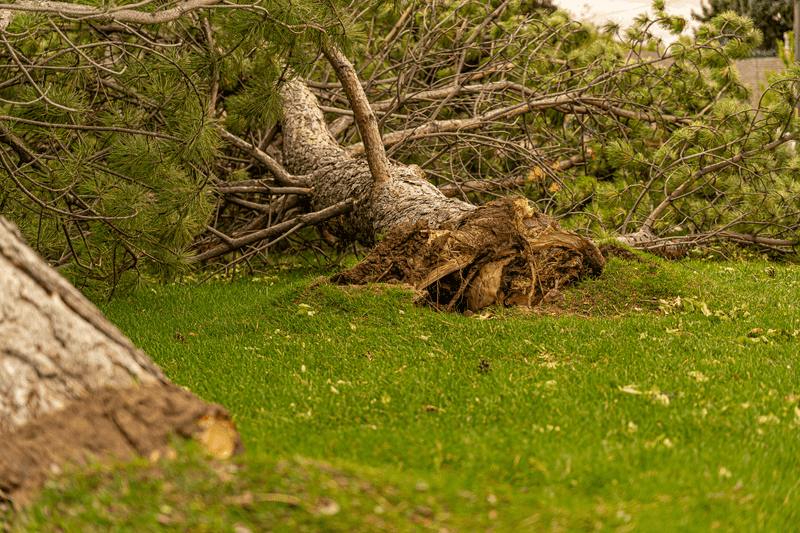
An uprooted tree can look still while its exposed roots remain unstable. A dog digging nearby may loosen soil or slip into a hollow beneath the root ball.
Give the whole area a wide boundary.
Do not cut branches from a leaning tree without professional advice. Changes in weight may cause the trunk or roots to move.
Ask a qualified tree service to assess removal, then fill any remaining holes before allowing your dog to roam there.
4. Splintered Deck Boards And Porch Debris
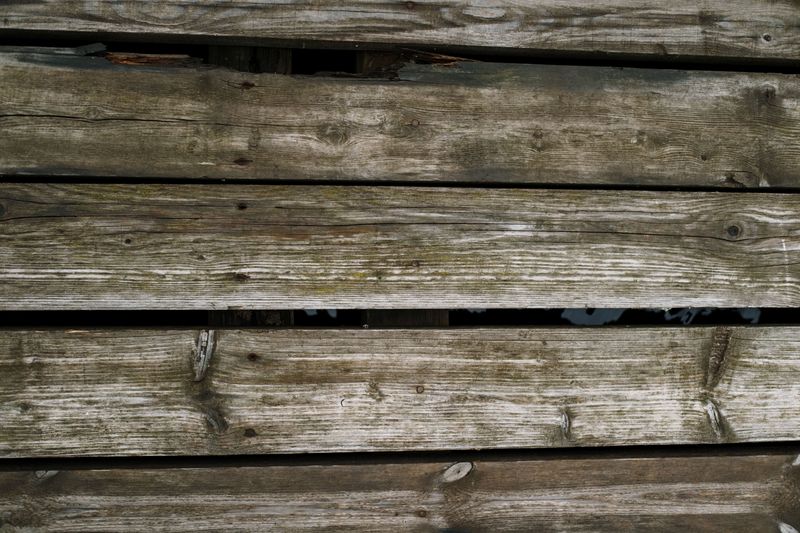
Deck steps deserve a closer look after heavy wind and rain. A board that seems intact may flex, while splinters can lodge in paws or skin.
Scan the porch, stairs, and the ground underneath.
Block access to loose boards until repairs are complete. Collect fragments with gloves, then sweep small pieces from cracks and nearby grass.
If supports shifted or the deck feels uneven, ask a qualified contractor to inspect it before anyone uses it again.
5. Nails And Screws Hidden In Wet Grass
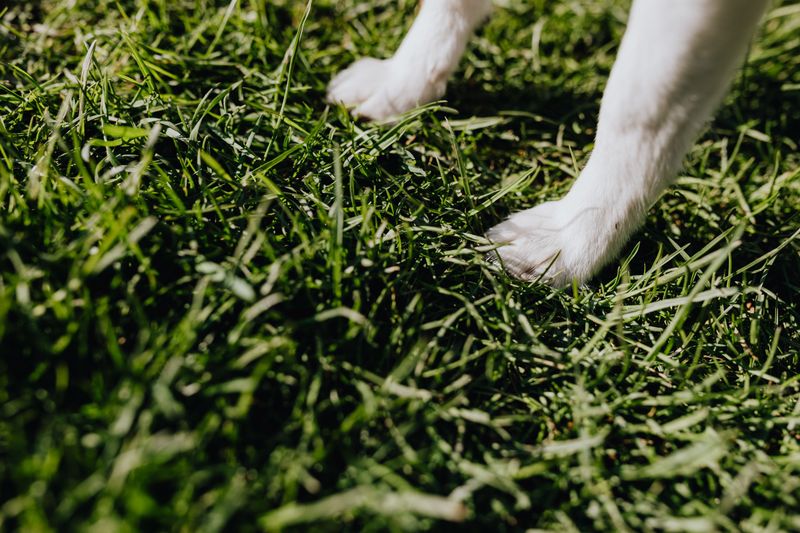
Wet grass can hide tiny hardware dropped from fences, sheds, or roofs. Dogs may not notice where they step, so search areas around damaged structures carefully.
A slow pass with a magnetic pickup tool may help find ferrous metal pieces.
Magnets will not catch every fastener, so inspect by sight too. Wear sturdy shoes and gloves, and place findings in a closed container.
If your dog develops a limp or paw wound, contact your veterinarian for guidance.
6. Flood-Soaked Trash And Household Debris
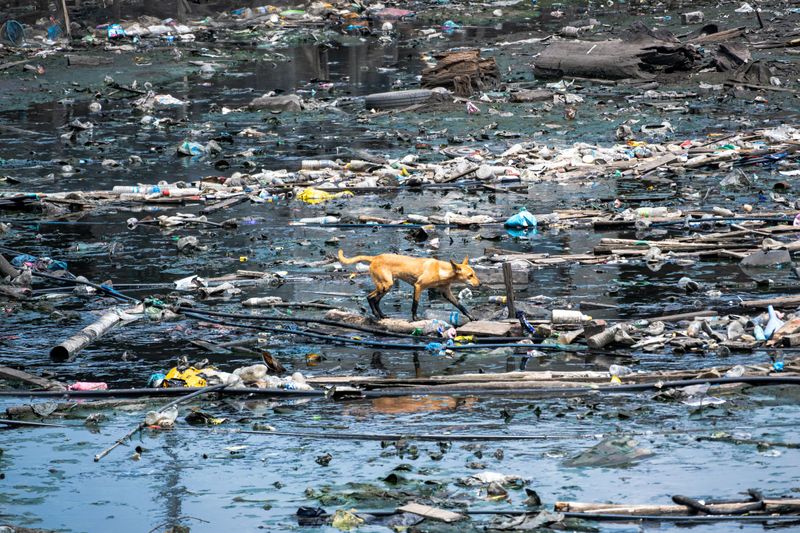
Floodwater can carry someone else’s trash into your yard. Food wrappers, containers, and damaged household items may tempt a dog to investigate.
Treat anything soaked by floodwater as potentially dirty, even when it looks ordinary.
Keep your dog away while you sort debris with gloves and sturdy shoes. Bag small items according to local collection rules.
Ask your city or county about bulky debris pickup, since procedures vary. Wash your hands and clean reusable tools afterward.
7. Broken Glass After Coastal Storms
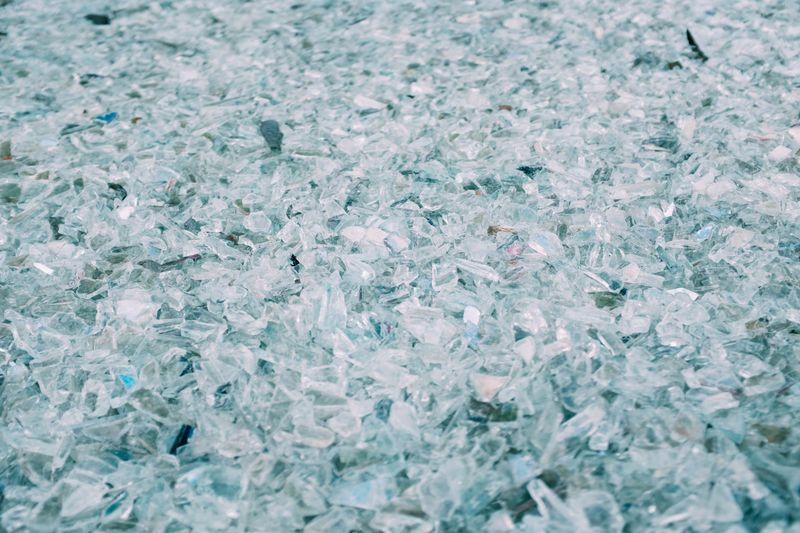
A toppled lantern or broken window can leave glass far beyond the obvious pile. Rain may press small pieces into soil, gravel, or patio joints.
Keep paws away until you inspect the surrounding area in good light.
Use gloves, a dustpan, and a rigid container for cleanup. Never sweep glass into grass.
Check again after the ground dries, when reflections may reveal missed pieces. Ask your veterinarian about cuts or possible swallowed glass rather than attempting home treatment.
8. Downed Wires Near Virginia Yards
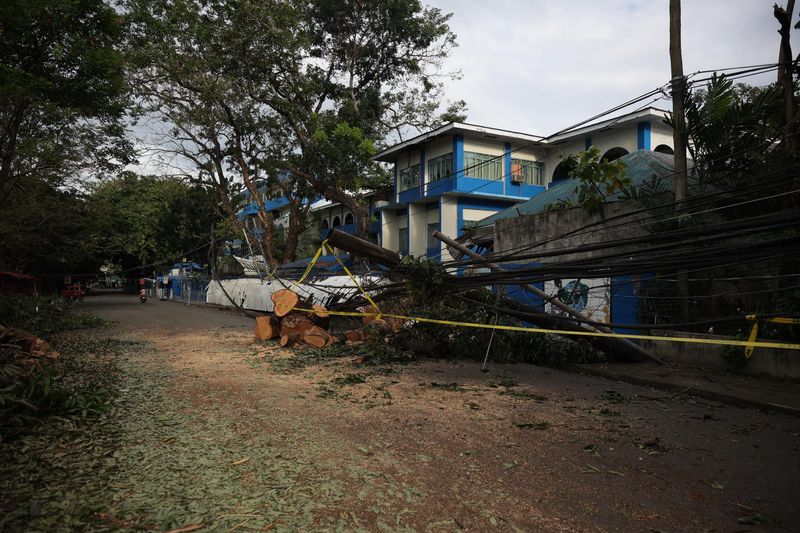
A wire on the ground is never yard debris you should clear yourself. It may be energized even if it looks quiet or appears to be a cable line.
Keep your dog and everyone else well away.
Do not touch the wire, nearby branches, fences, or standing water. Call your electric utility or local emergency services from a safe location.
Let trained crews identify and handle the line, then wait for their clearance before entering the area.
9. Standing Water Mixed With Storm Debris
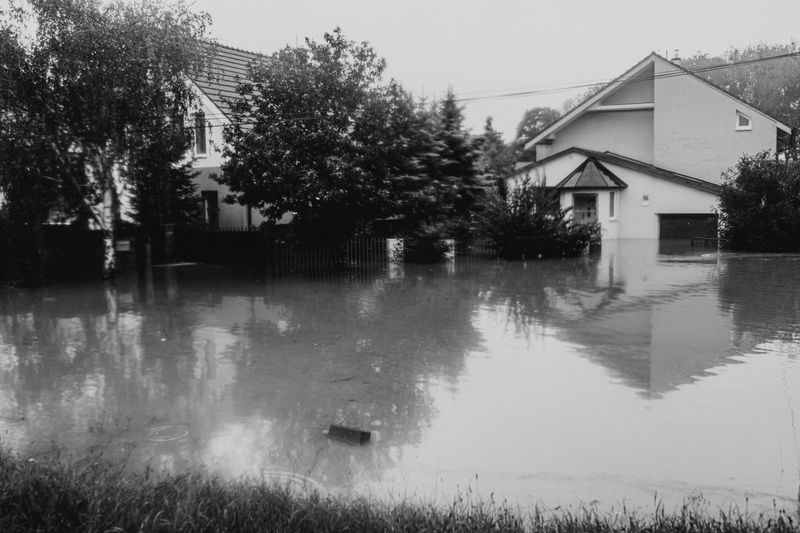
Puddles after a coastal storm may contain more than rain. Hidden litter, sharp fragments, and floodwater contamination make wading or drinking risky for dogs.
Redirect your dog to clean drinking water and a dry place to play.
Wait for water to recede before removing visible debris with protective gear. Avoid pumping water toward neighboring property or storm drains without checking local guidance.
If your dog drank floodwater or seems unwell, call your veterinarian and describe the exposure.
10. Mud Piles Hiding Sharp Objects
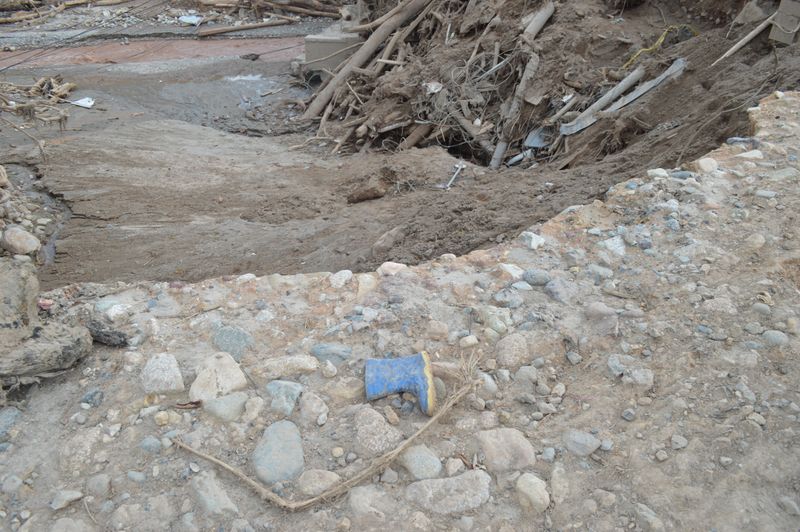
Fresh mud piles can seem like excellent digging spots to a dog. They may also conceal scraps carried by runoff, including metal, glass, and broken plastic.
Check deposits near downspouts, fence bottoms, and low corners.
Keep your dog back while you inspect and remove debris with a shovel and gloves. Spread clean soil only after the area is clear.
If mud came from floodwater, avoid handling it barehanded. Rinse dirty tools and wash your hands afterward.
11. Loose Roofing Materials In The Yard

Roofing scraps often land farther from the house than expected. Shingles can contain sharp granules, while flashing and loose nails can hurt paws.
Search along fences, beneath bushes, and beside parked vehicles.
Gather reachable pieces from the ground with gloves and sturdy shoes. Do not climb onto a damaged roof or pull material still attached above you.
Keep your dog indoors during roof repairs. Follow local disposal instructions for larger loads or materials you cannot identify.
12. Damaged Outdoor Furniture And Equipment
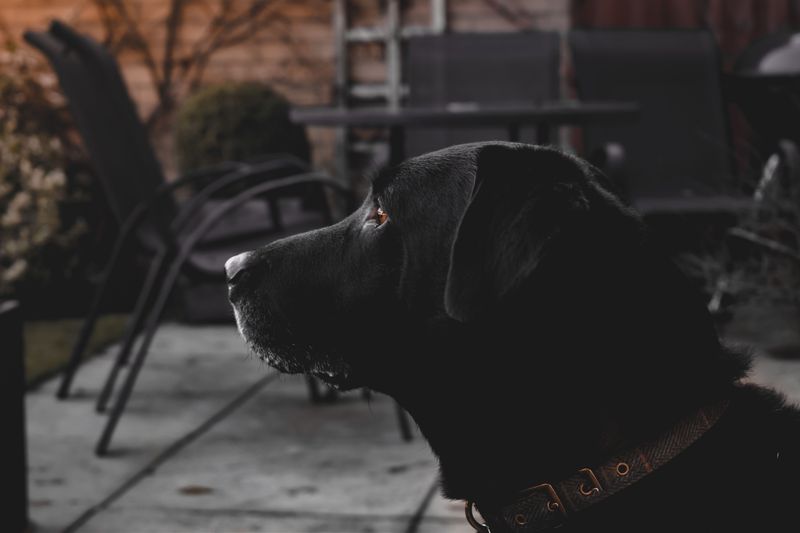
A patio chair blown across the lawn may have cracks you cannot see immediately. Broken plastic, loose bolts, and exposed metal edges can pose hazards to a dog.
Check furniture, grills, planters, and garden equipment before setting them upright.
Remove detached pieces and secure anything that could tip again. Leave damaged propane equipment untouched if you notice a gas smell.
Move away and contact your gas supplier or local emergency services. Replace unstable items rather than trusting a quick fix.
13. Saltwater And Flood-Damaged Vegetation
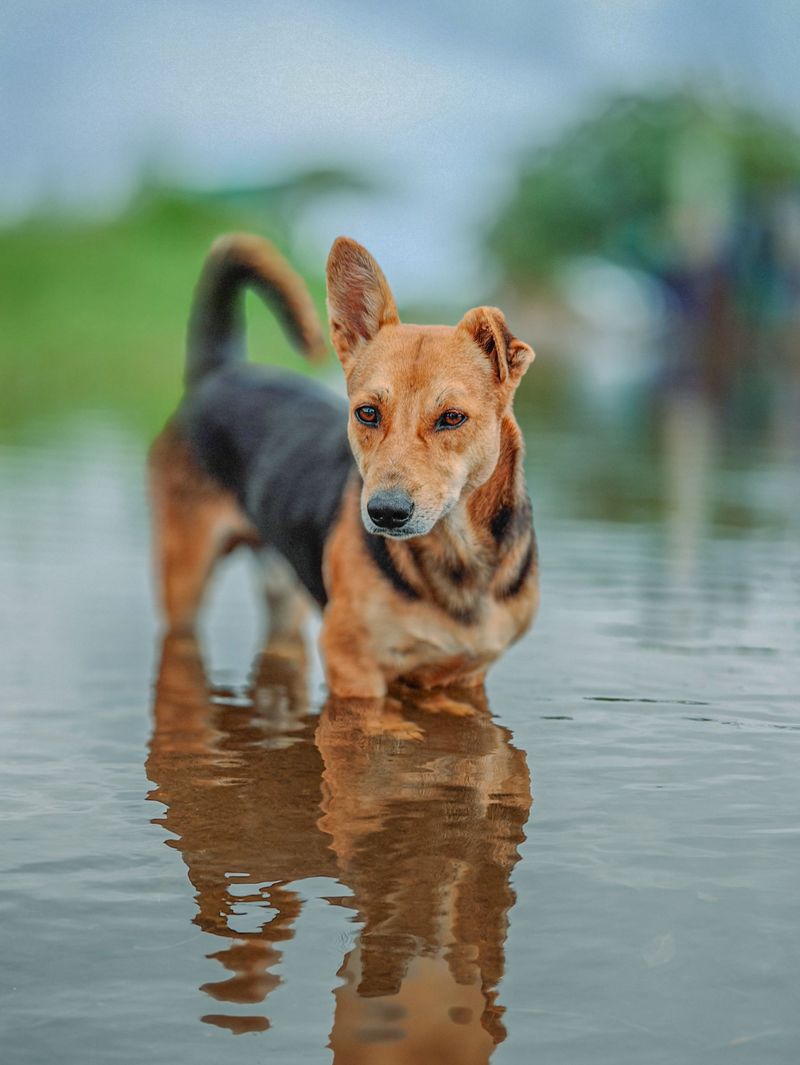
Coastal flooding can leave plants wilted and garden beds scattered with leaves. Dogs may chew unfamiliar vegetation or drink salty puddles while exploring the changes.
Remove washed-up plant matter and block access to standing water.
Do not assume every damaged plant is safe to eat. Identify unknown plants before handling them, and ask a veterinarian about any chewing you observed.
Rinse reusable garden tools after cleanup. For salt-affected landscaping, seek advice from a local extension office.
14. Clogged Drains And Stormwater Grates
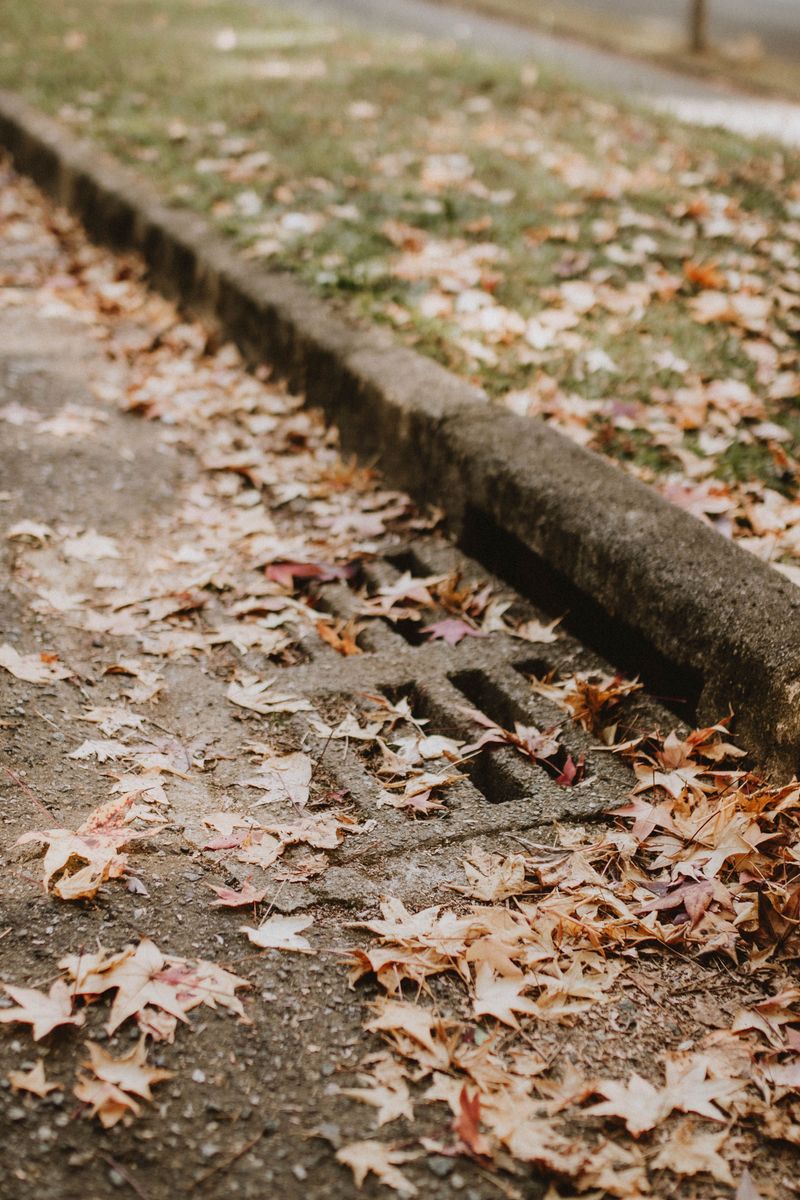
Leaves and sticks piled over a drain can keep water in your yard longer. A dog may also nose through the pile and find sharp scraps underneath.
Check visible drains and grates without stepping into moving water.
Clear only debris you can reach safely from stable ground. Never lift a public grate or reach into an opening.
Report blocked public drains to your city or county, since maintenance responsibilities vary. Keep your dog away until runoff slows and the area is clear.
15. Hidden Debris Beneath Shrubs And Sheds
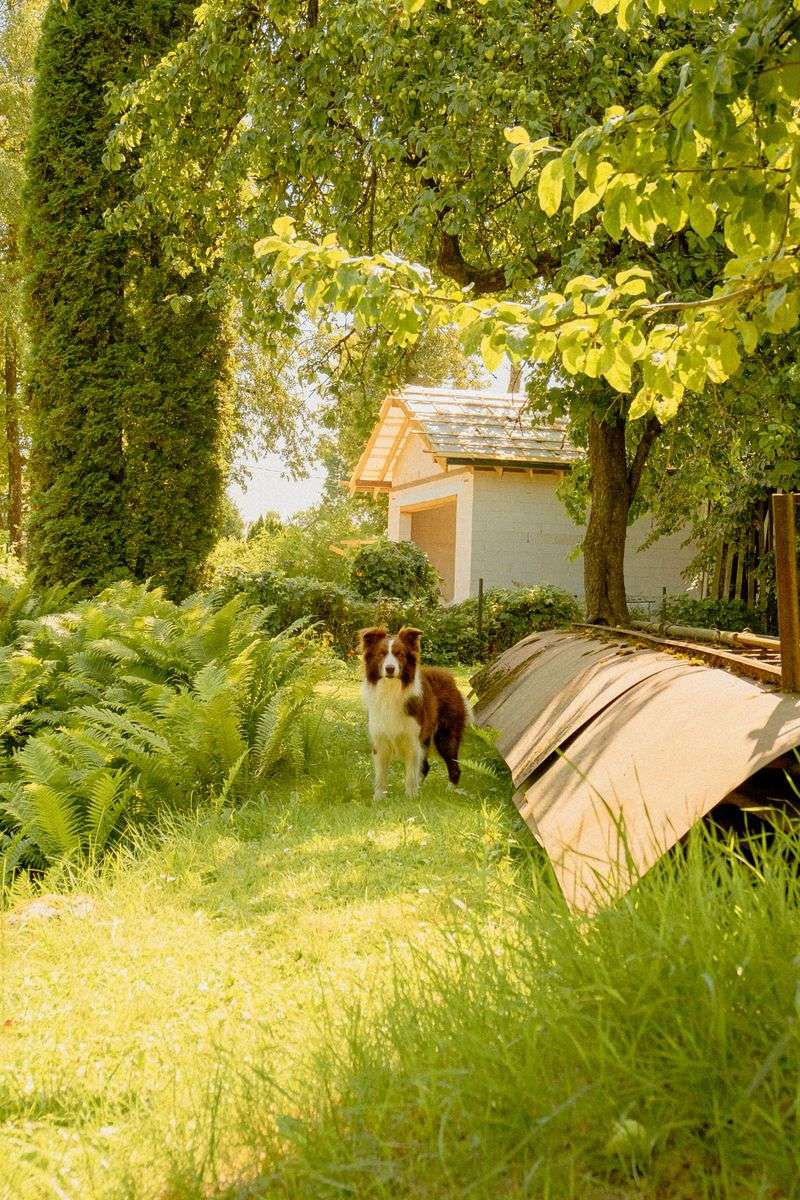
Your dog’s favorite sniffing corner may hide the last pieces of a storm. Wind pushes wrappers, splinters, and small hardware beneath shrubs and sheds.
Shine a flashlight into low spaces before letting your dog investigate.
Use a long-handled tool to pull reachable debris into view. Avoid reaching where you cannot see, especially around damaged structures.
Once the fence, paths, and tucked-away corners are clear, your dog can return to the yard. A final slow walk offers welcome peace of mind.