20 Working Dog Breeds Suited To Rural Illinois Farms
Illinois farm life asks a lot from a dog. Summers bring sticky heat, winters bring wind that whips across open corn and soybean fields, and coyotes roam the fence lines year round.
The right breed shrugs off all of it and still shows up eager for chores. Some dogs gather sheep, some guard goats, and some clear the barn of rats.
Matching the job to the dog makes all the difference.
1. Border Collie: The Sheep Whisperer
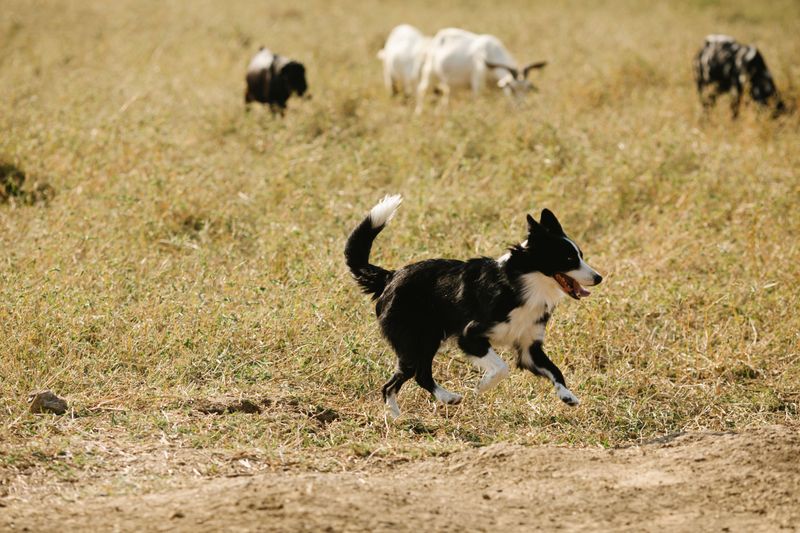
One hard stare, and a whole flock shuffles politely toward the gate. That famous look is called the eye, and Border Collies use it like a quiet superpower.
Bred along the Scotland and England border, they gather sheep with speed and smarts. Many also learn to move cattle and even poultry.
Give one daily work, though. A bored collie may start rounding up your kids at the bus stop.
2. Australian Cattle Dog: Heel-Nipping Hustler
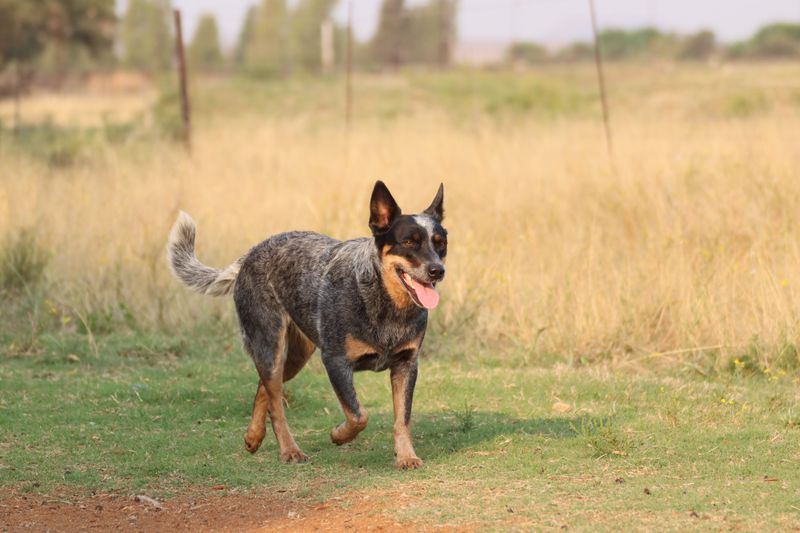
Stubborn steer refusing to budge? A Blue Heeler has an answer, and it involves a quick nip to the heel.
Bred in Australia with Dingo roots, these sturdy dogs handle big herds with little direction. Fun fact: puppies are born white and gain their color within weeks.
They are loyal to family but cautious with strangers. Plan on steady training, because that independent streak runs deep.
3. Australian Shepherd: The American Ranch Star
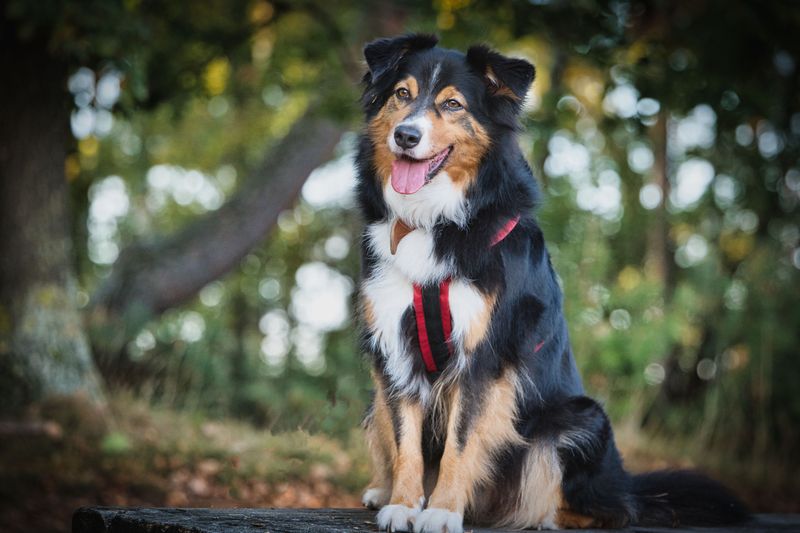
Surprise, the Aussie is really a Yankee. Despite the name, this breed was shaped on ranches in the American West.
Aussies flush cattle from brush and keep calm in tight chutes and alleys. They work loose-eyed, using movement and a bossy bark.
Expect a confident, devoted shadow who needs serious daily exercise. Keep in mind they herd animals, but they are not livestock guardians.
4. Great Pyrenees: The Fluffy Night Watch
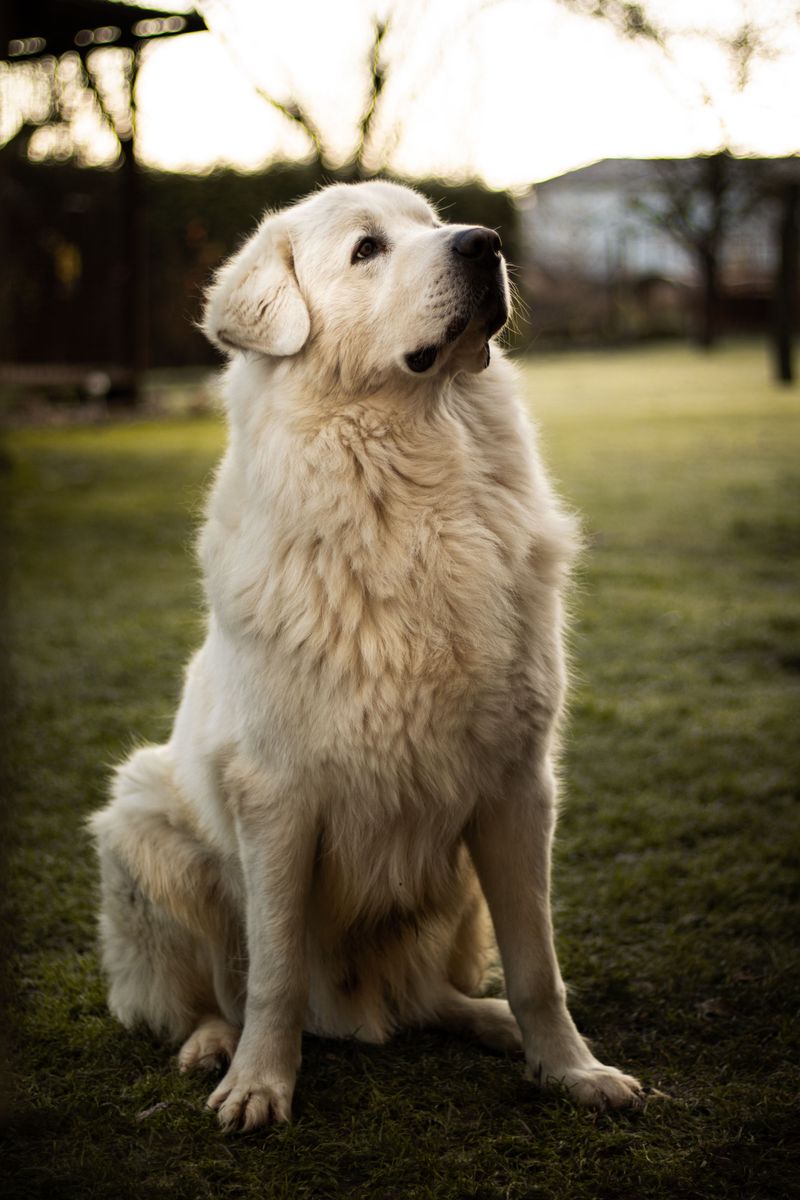
Picture a snowbank that barks at coyotes. That is a Great Pyrenees on a winter night in central Illinois.
These mountain dogs were bred to guard sheep and goats, not herd them. They live with the flock and make their own calls.
Calm by day, they turn fearless when trouble shows up. Neighbors should know one thing, though.
Pyrs love to bark after dark.
5. Anatolian Shepherd: Ancient Turkish Sentinel
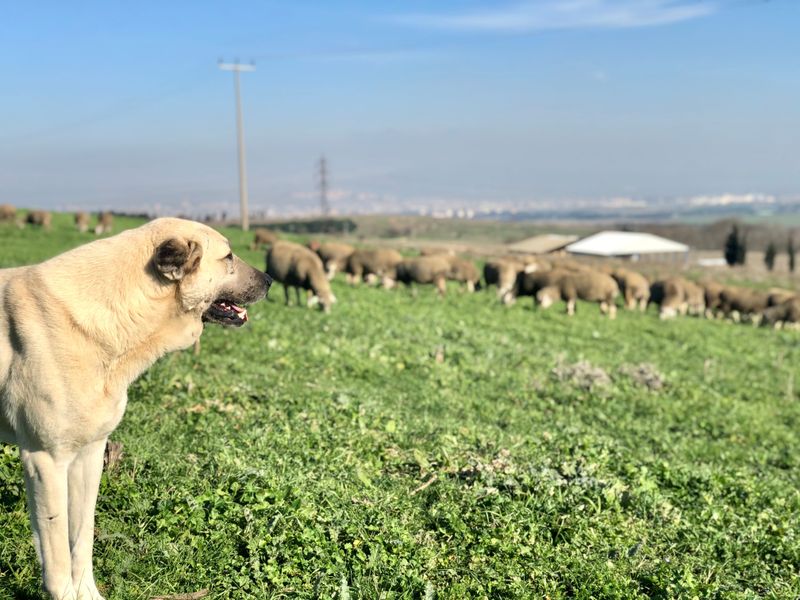
Some family trees reach back a few generations. The Anatolian Shepherd’s may stretch back to the Bronze Age in central Turkey.
Big, athletic, and surprisingly nimble, these guardians warn off predators with size and a booming bark. They think for themselves out in the field.
That independence makes training a firm, patient project. Raised with children, though, they become loving protectors of the whole household.
6. Maremma Sheepdog: Italy’s Pasture Protector
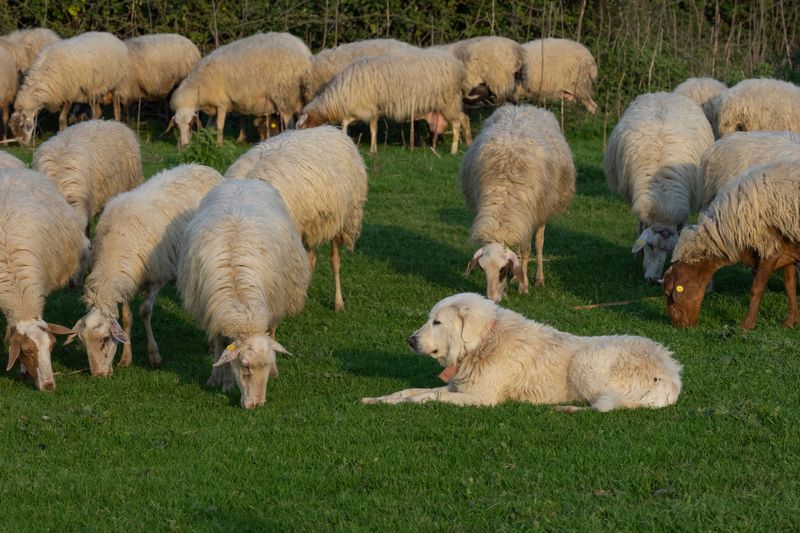
Straight from the Italian countryside comes a white-coated guard with centuries of practice. The Maremma has protected sheep for generations.
Its thick double coat handles Illinois sleet and July humidity alike. Calm and watchful, it keeps an eye on both animals and property.
Early socialization matters, since strangers get the cool shoulder. An experienced handler will help this strong-willed sweetheart shine.
7. English Shepherd: America’s Heritage Farmhand
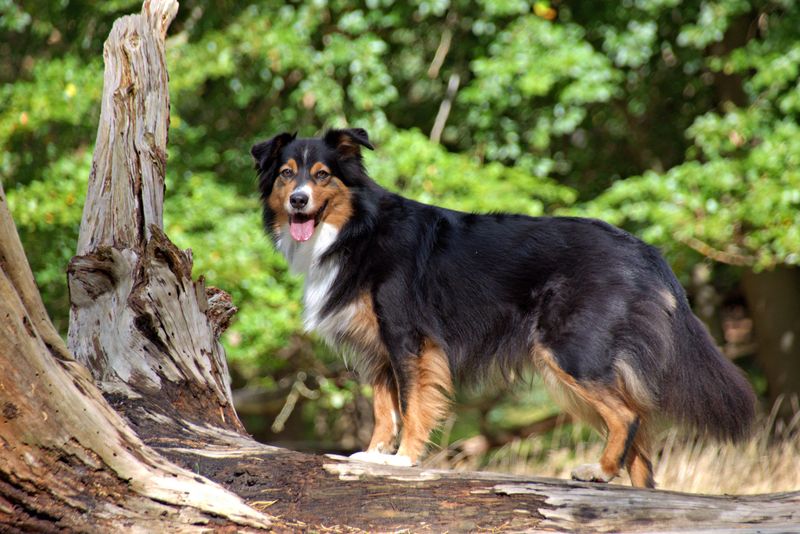
Grandpa’s farm dog might well have been one of these. Known as America’s Heritage Farm Dog, it descends from British farm collies.
English Shepherds herd cattle, sheep, hogs, and poultry. They chase off vermin and even track down lost stock.
Patient with children and tender with baby animals, they fit a mixed Illinois farm beautifully. They also take initiative, which feels like having an extra helper.
8. Belgian Malinois: Rocket-Fueled Guardian
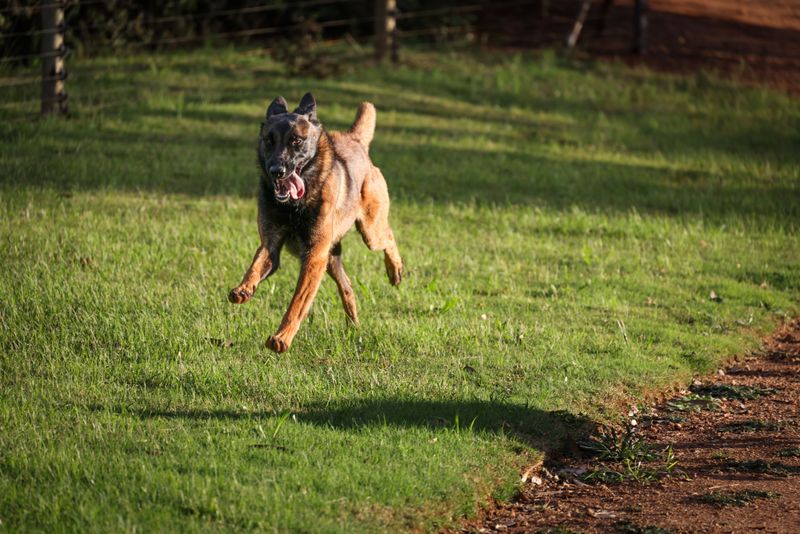
Fans call them Maligators for good reason. A Malinois runs on endless energy and lightning reflexes.
Named for the city of Malines, the breed began as a Belgian sheepdog. Today it shines in police and rescue work, yet it can still herd.
This is not a couch buddy. Seasoned owners with plenty of chores and training time will find a fiercely loyal partner.
9. German Shepherd: Classic All-Rounder
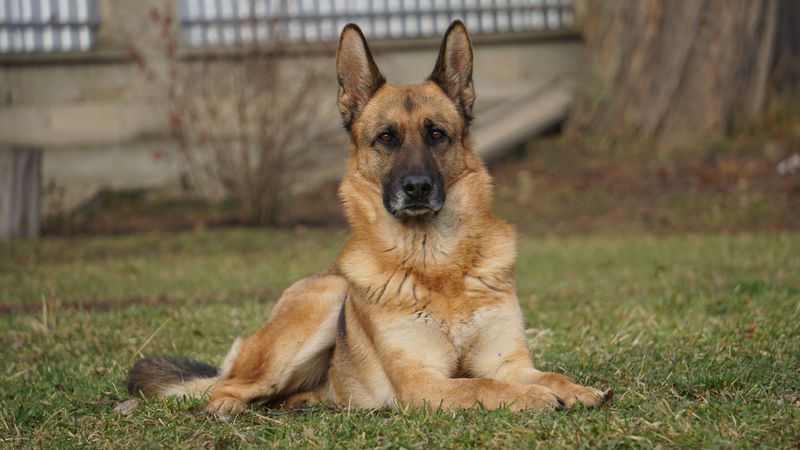
Long before police badges, German Shepherds tended flocks across German farmland. The breed was standardized in 1899.
They kept sheep together and fended off predators. Modern shepherds still herd, guard, and even hunt rats in Barn Hunt events.
Here is a tip. Some have a strong prey drive toward chickens, so train early.
With firm guidance, you gain a brave, brainy protector.
10. McNab Dog: California’s Speedy Secret
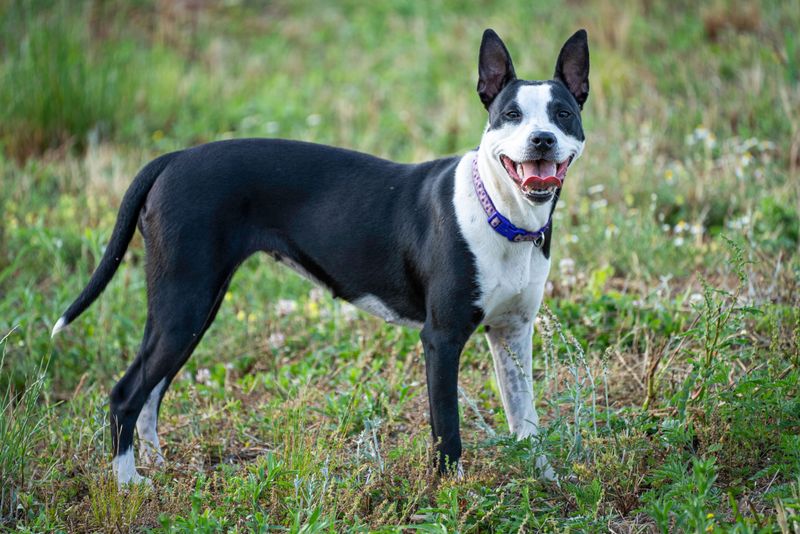
Ever heard of a McNab? Plenty of folks haven’t, but ranchers rave about them.
A Scottish rancher developed the breed in northern California. McNabs work cattle, sheep, and poultry with a well-timed bark and serious speed.
Their cat-like feet grip rough ground, and the short coat sheds burrs easily. That is handy after a stroll through Illinois fencerows.
Keep them busy, and they are thrilled.
11. Pembroke Welsh Corgi: Small Legs, Big Job
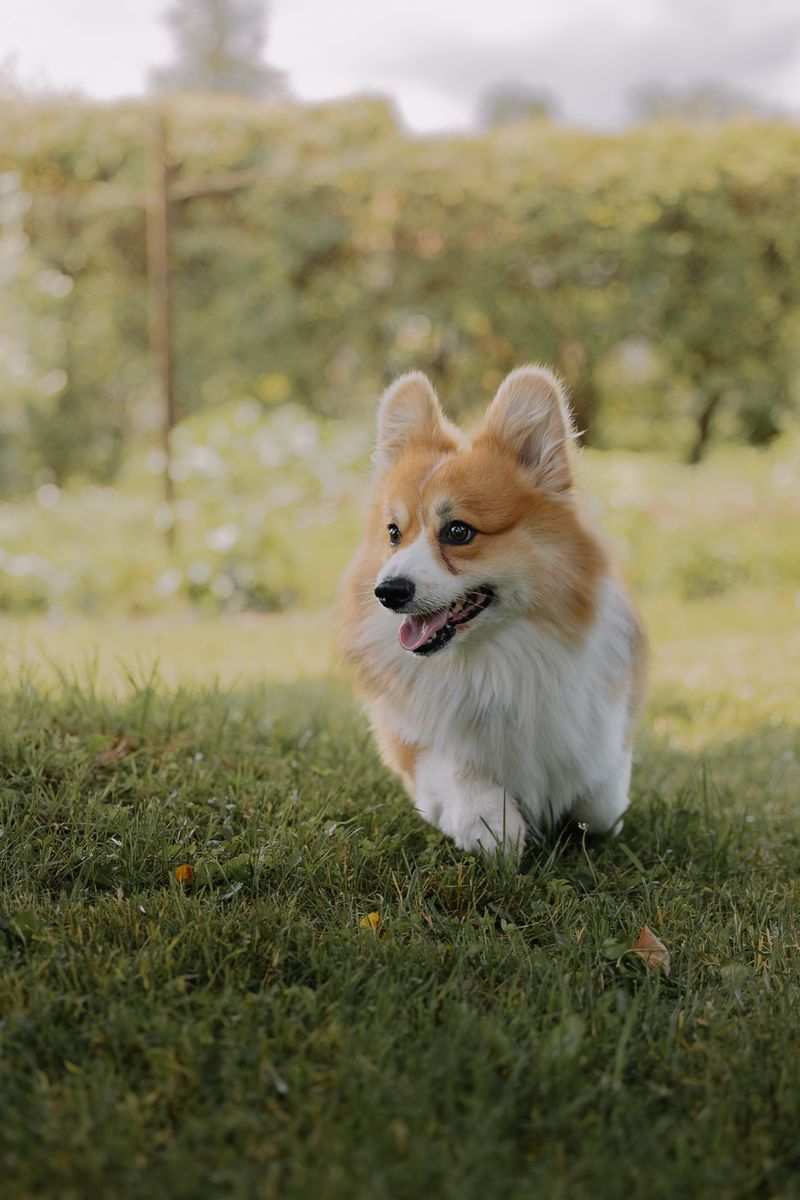
Don’t let the loaf-shaped body fool you. Corgis were born for barnyard business in Wales.
They nipped at cattle heels and ducked under kicks thanks to their short height. They also herded sheep and ducks and kept rodents in check.
Call it a big dog on little legs, complete with a deep bark. Queen Elizabeth II adored them, but they happily trade palaces for pastures.
12. Rough Collie: Lassie Goes to Work
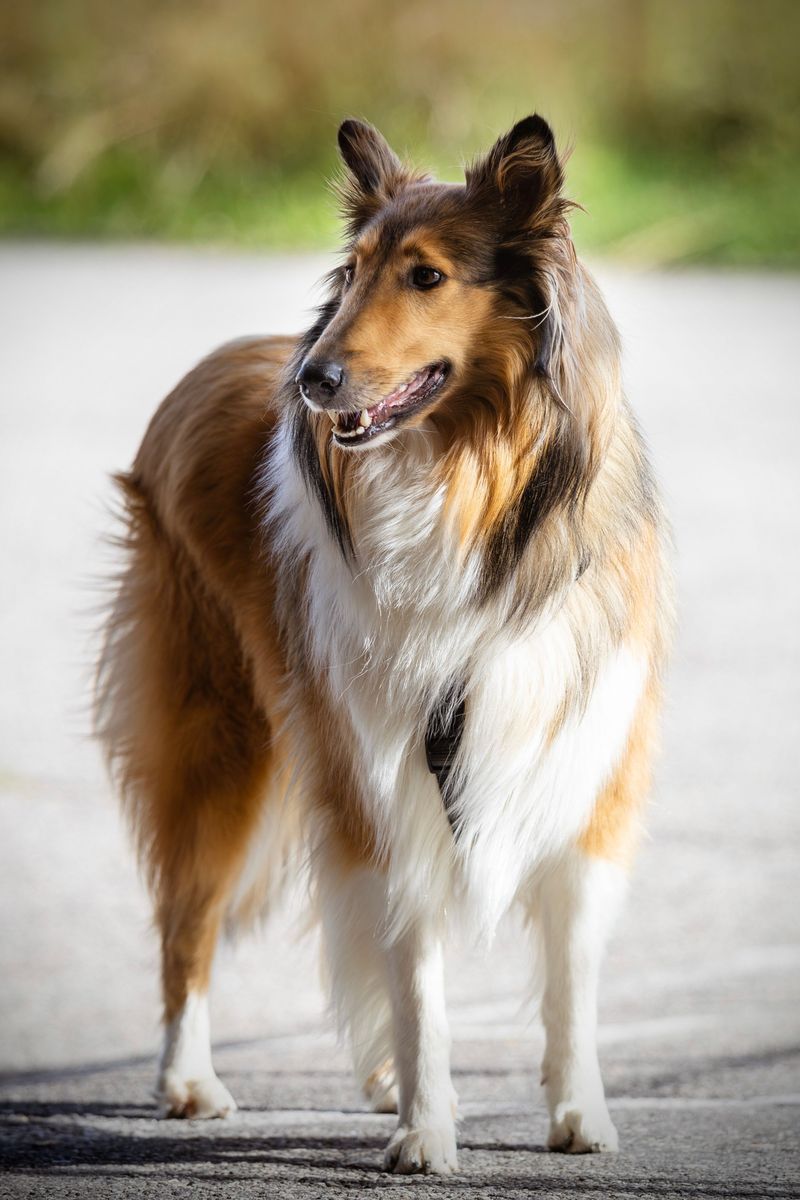
Yes, Lassie had a real job description. Rough Collies come from the Scottish Highlands, where they herded and guarded sheep.
They work upright and loose-eyed, guiding stock with movement and voice. They also searched for lost lambs.
Sensitive and sweet, they learn fast with praise and treats. Out in the pasture they stay lively, then settle peacefully inside.
Families with kids often find them a dream.
13. Akbash: The White-Headed Watcher
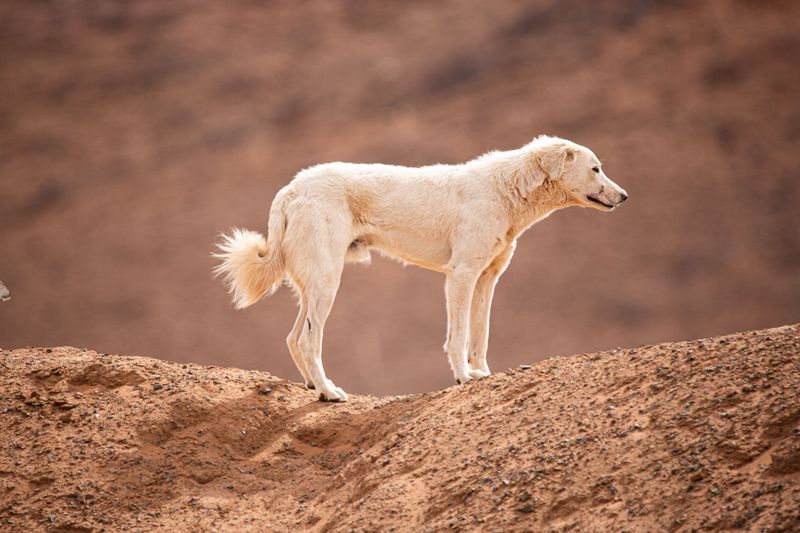
In Turkish, Akbash means white head. That pale coat helps the dog blend with sheep and stand apart from predators.
Leaner and quicker than many guardians, the Akbash patrols from western Turkish roots. Some even guard against hawks circling overhead.
Expect alarm barking and a strong independent streak. A steady, patient owner earns a devoted friend who treats the flock like family.
14. Kuvasz: Hungary’s Noble Guardian
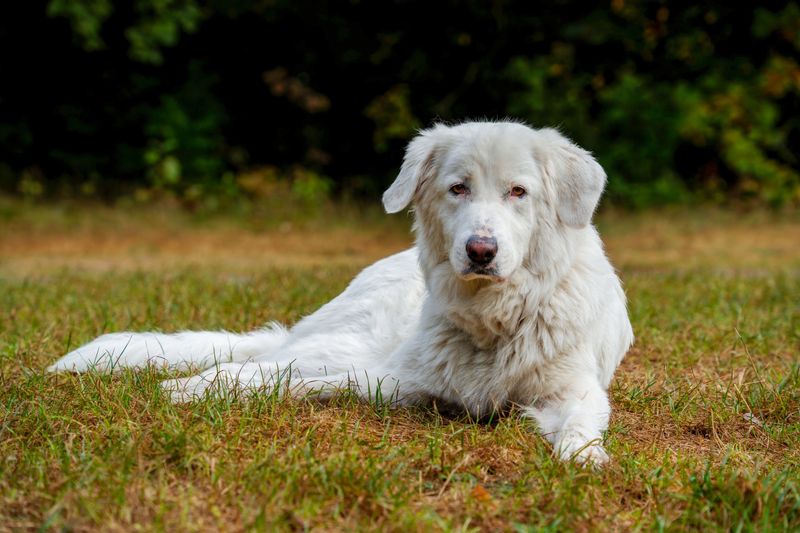
The name comes from a Turkish word meaning guardian. Fitting, since the Kuvasz has protected Hungarian sheep, goats, and horses for centuries.
Its luminous white coat helped shepherds tell it apart from wolves. Owners also praise how clean and nearly odorless it stays.
Patience pays off here. These dogs mature slowly, often around age three.
Early socialization helps them welcome friendly visitors to the farm.
15. Australian Kelpie: The Tireless Musterer
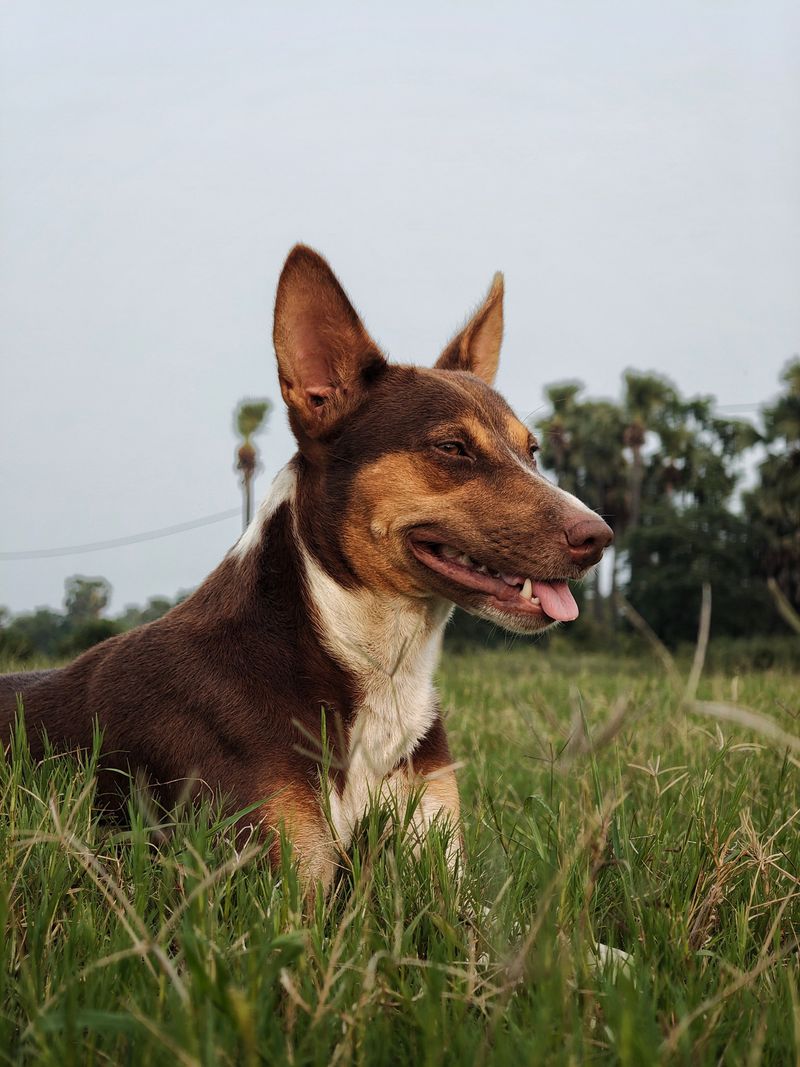
Relentless worker is the nickname, and Kelpies earn it daily. Developed from Scottish collies, they toughened up in the Australian Outback.
They muster sheep, cattle, and goats across huge spaces with little human input. They even solve problems on the run.
Bigger Illinois operations will love that stamina. Small farms beware, though.
Without enough work, a Kelpie may invent its own noisy hobbies.
16. Rat Terrier: The Barn’s Pest Patrol
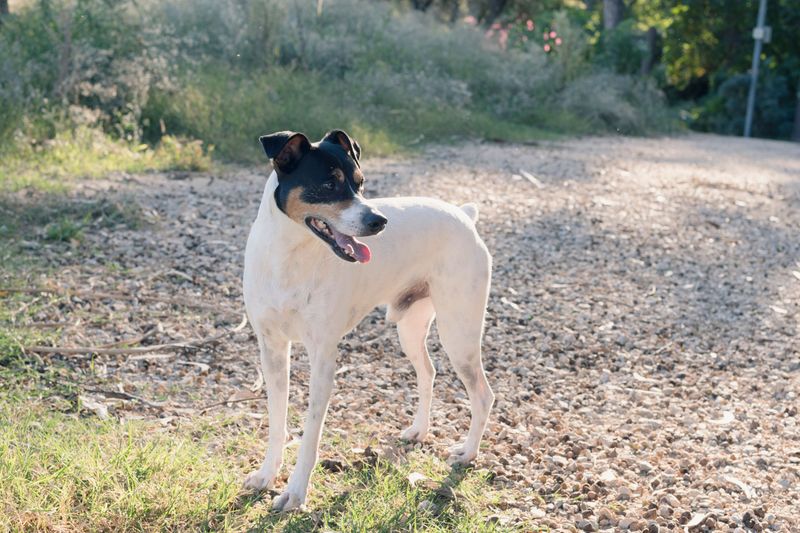
Legend says Theodore Roosevelt named this breed after his terriers cleared White House rats. True or not, the name sure fits.
Rat Terriers are an American original, built for vermin control. Corn cribs and grain bins are their happy hunting grounds.
Bonus: many live 15 to 18 years. Just watch the barn cats, since their prey drive is strong.
Secure fencing keeps adventures in check.
17. Standard Schnauzer: The Bearded Brainiac
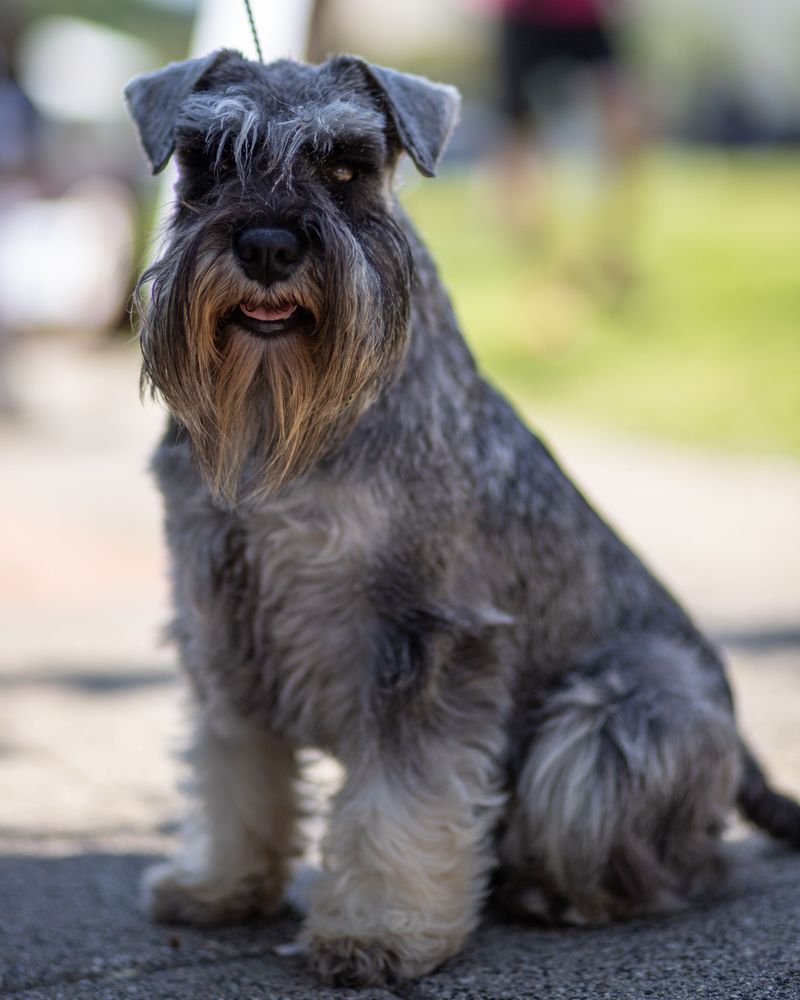
Bushy eyebrows, a whiskered chin, and a mind that seems almost human. Meet the original Schnauzer.
Its roots trace to 14th-century Germany, where it guarded farms, drove cattle, and cleared rodents. Miniature and Giant Schnauzers came later.
Lively and playful with family, it can stay aloof with strangers. Early socialization and daily challenges keep that clever head busy and content.
18. Airedale Terrier: King of the Varmint Hunt
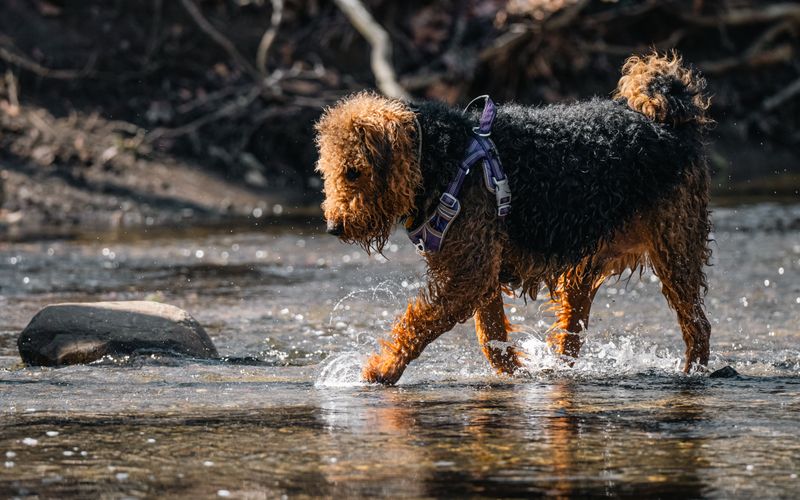
Groundhog digging under the shed again? Call the King of Terriers.
Airedales are the largest terriers, and they tackle raccoons, possums, and rats with gusto. Their tough double coat handles cold Illinois winters well.
Playful and a little mischievous, they keep chores fun. Careful training matters around chickens, though.
Here is a cute fact: puppies arrive nearly all black.
19. Dutch Shepherd: Striped Jack-of-All-Trades
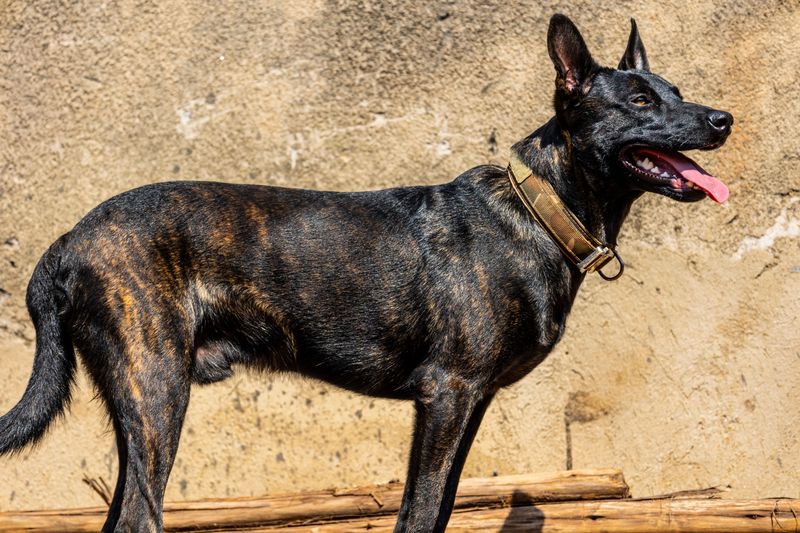
Those tiger stripes are not just for style. The brindle coat was standardized to set Dutch Shepherds apart from their German and Belgian cousins.
Dutch farmers used them to herd sheep, guard property, and pull carts. They even kept chickens out of gardens.
They are eager to please, yet a tad stubborn. With steady training and lots of activity, they adapt to almost any farm task.
20. Old English Sheepdog: The Shaggy Drover
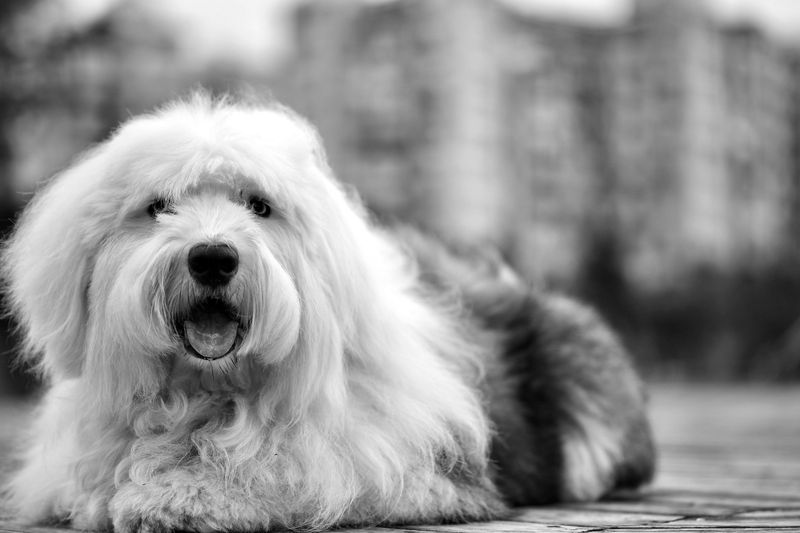
Watch one amble along, and you’ll notice a rolling, bear-like walk. It’s pure charm in a shaggy coat.
Over 200 years ago in western England, these Bobtails drove cattle and sheep long distances to market. Their weatherproof coat handled rough roads.
Jolly and even-tempered, they adore children. Grooming is a real commitment, but the reward is a cheerful, steady helper with slower livestock.