16 Sporting Dog Breeds Suited To Louisiana’s Marshes And Waterfowl Traditions
Louisiana’s coastal marsh runs on cordgrass, shallow ponds, and a canine partner who thinks cold water is a treat. Down here, the right dog matters as much as the right decoys.
Some breeds were shaped by icy northern bays, others by Italian hillsides or Irish bogs, yet all of them share webbed feet and serious drive.
Here are the sporting breeds that fit the flooded rice fields, pirogue trails, and duck traditions of the Bayou State.
1. Labrador Retriever
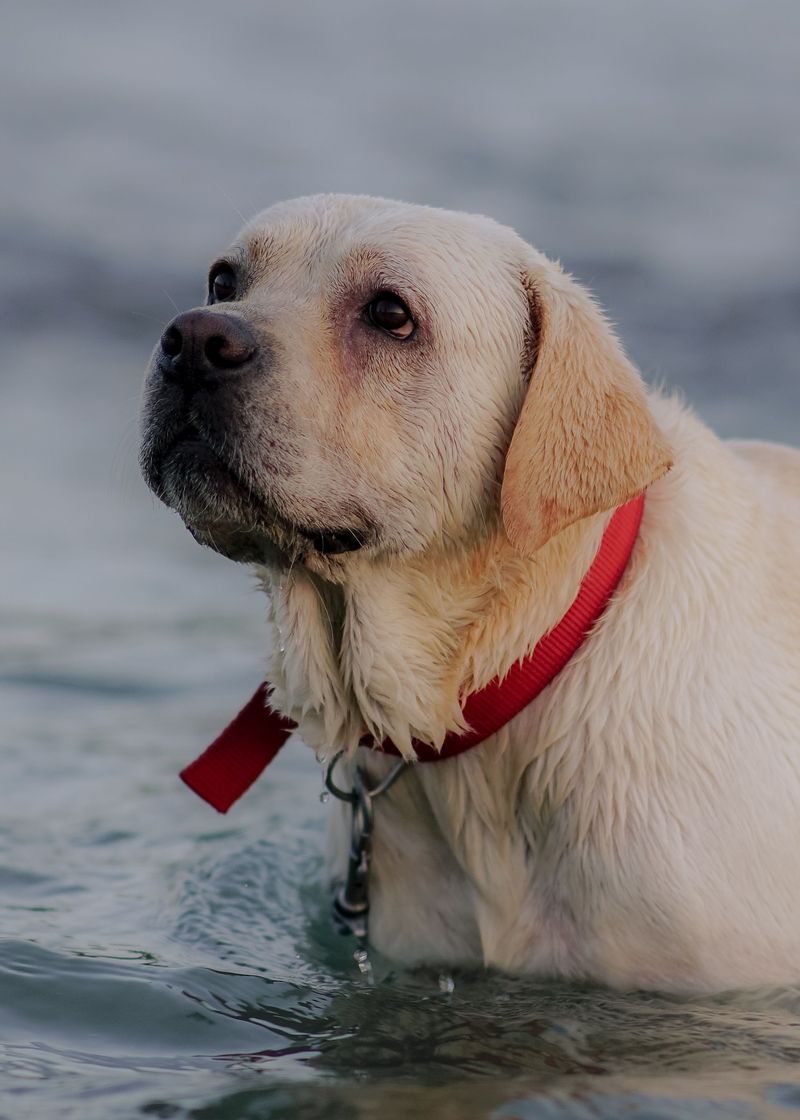
Ask almost any Louisiana guide which dog rides in the pirogue, and the answer wears a thick otter tail. Labs bring a water-repellent double coat, webbed feet, and a rudder-like tail built for steering.
That famous soft mouth delivers birds without a mark. Trainability is their superpower, so first-timers learn fast alongside them.
Best part: they flip the switch off at home and nap like champions.
2. Chesapeake Bay Retriever
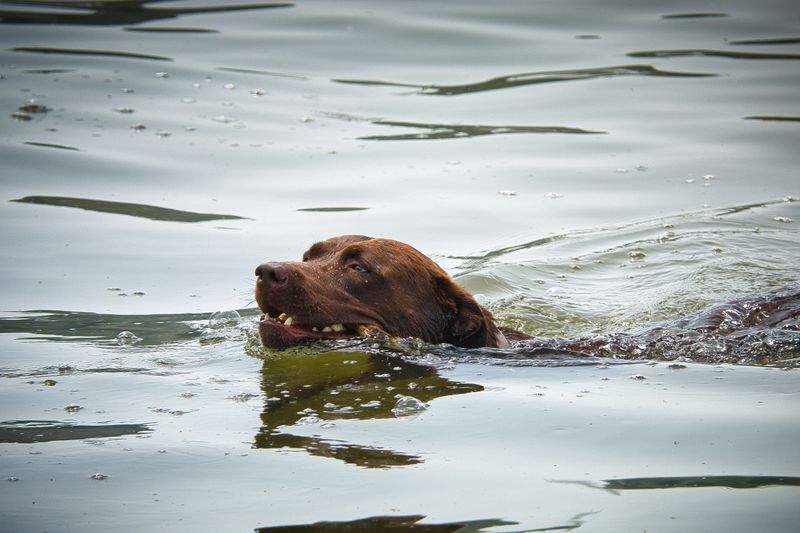
Born from the rough water of the Chesapeake, this retriever treats chilly January ponds like a spa day. The wavy outer coat sheds water fast, while a woolly undercoat keeps the engine warm.
Strong hindquarters push through mud, current, and skim ice without complaint. A wide muzzle carries big geese carefully.
Chessies run loyal and a bit reserved, a nod to their boat-guarding past. Their sedge coloring blends right into deadgrass.
3. Boykin Spaniel
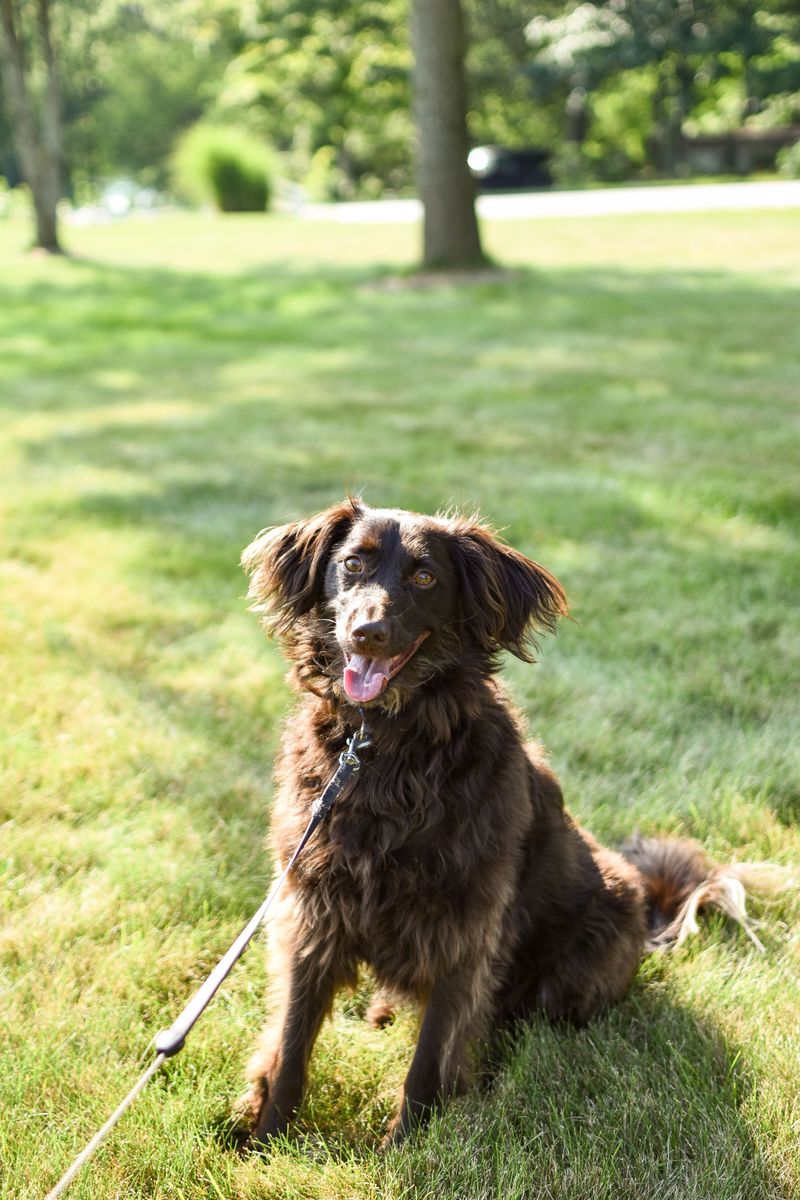
South Carolina’s state dog was bred small on purpose: it had to fit in a section boat without tipping it. That compact frame suits Louisiana pirogues and tight cypress sloughs beautifully.
Chocolate curls shed water, and the little body squeezes into flooded timber that bigger dogs bulldoze.
Doves in September, ducks in December, dove-field naps in between. Boykins hunt cheerfully and stay glued to their people afterward.
4. American Water Spaniel
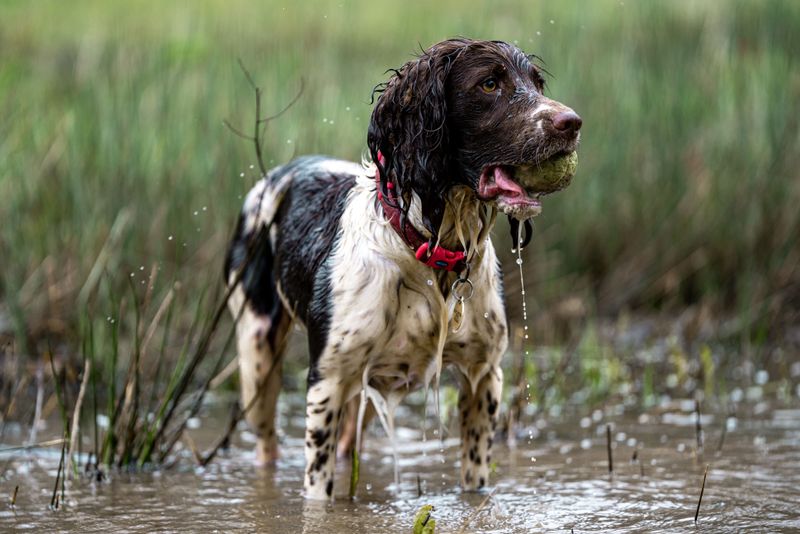
Wisconsin’s homegrown marsh dog weighs just 25 to 45 pounds, which means skiffs stay steady when it launches.
The dense waterproof coat and thickly padded, webbed feet were tailored for icy banks and reedy edges.
Spaniel flush plus retriever finish equals one dog covering rails, rabbits, and ringnecks. Scenting ability runs sharp and stubbornness runs close behind.
Give the little athlete a job and it hums along happily for hours.
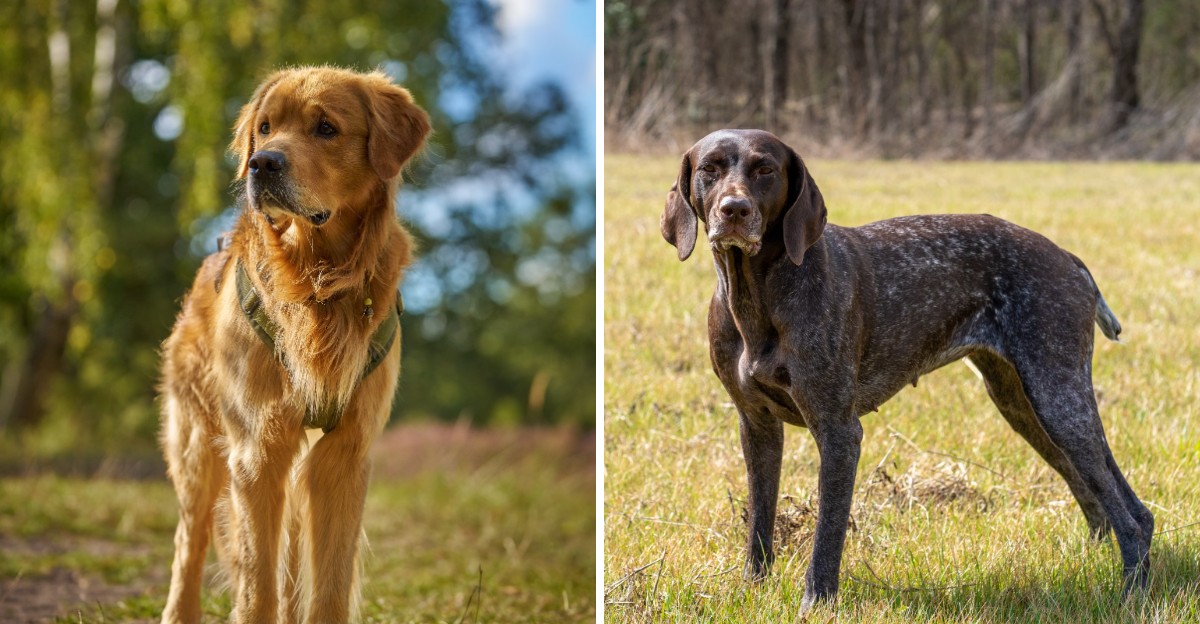
5. Golden Retriever
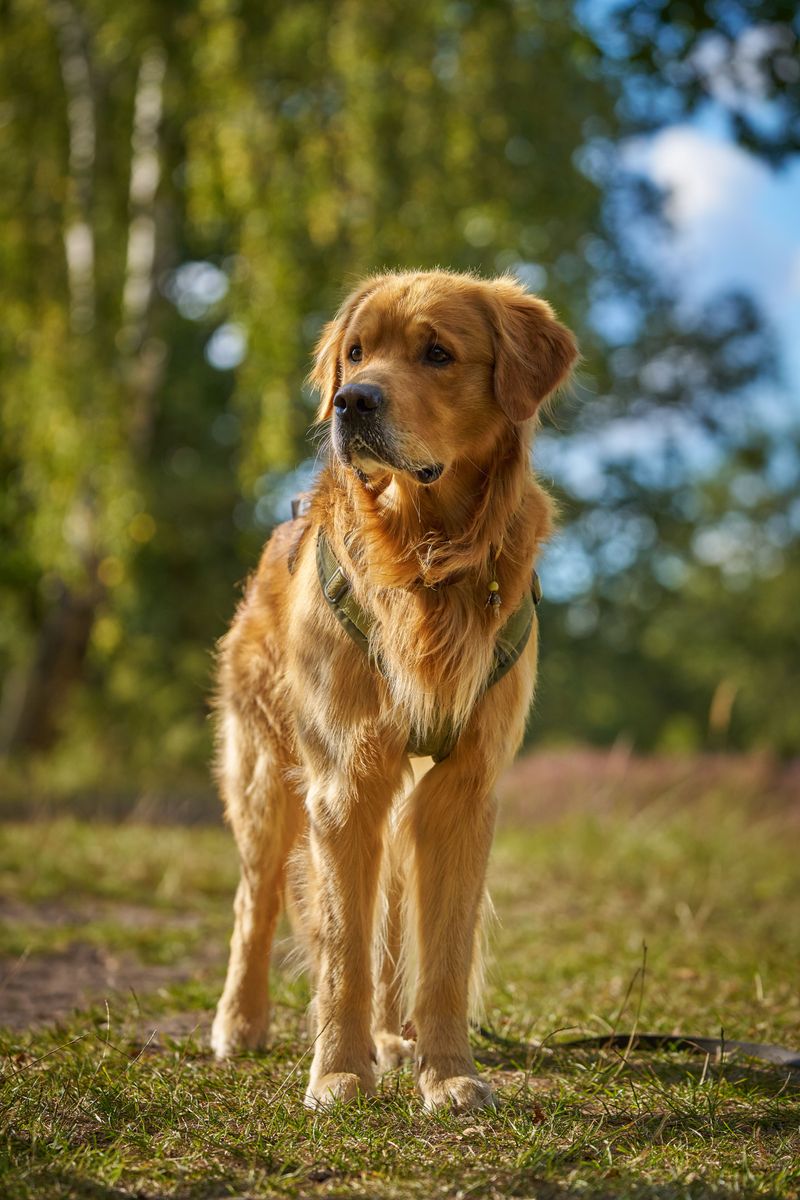
Scotland’s mid-1800s breeders wanted clean retrieves from land and water alike, and the result still shines in flooded rice fields.
A dense water-repellent double coat holds warmth, and that feathered tail works like a rudder.
Field lines run leaner and drivier than the show-ring version, pushing retrieves several hundred yards.
Gentle carrying keeps birds pristine. Eagerness to please makes training feel like a conversation instead of a wrestling match.
6. Irish Water Spaniel
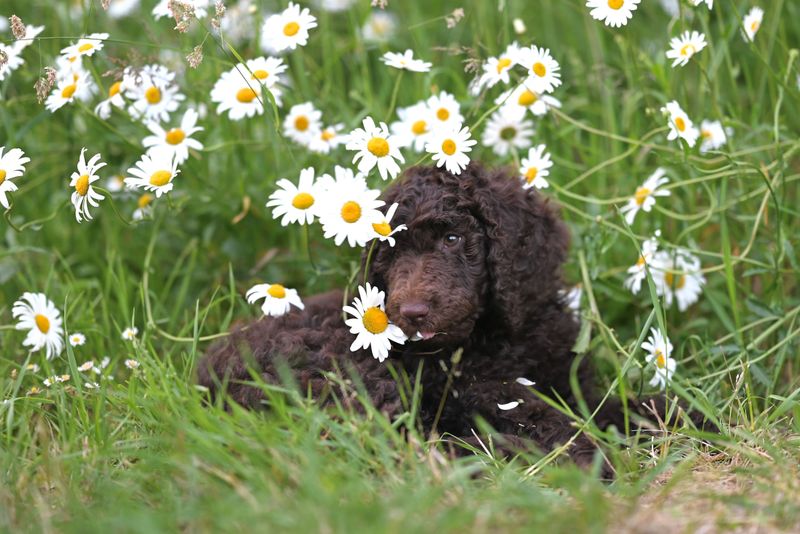
Nicknamed the bog-dog back home, Ireland’s tallest spaniel was made for wetlands that swallow boots.
Tight liver curls carry a natural oil, and webbed feet turn the dog into a small outboard motor.
Spot the smooth rat tail and that goofy topknot of ringlets.
Folks call them the clowns of the spaniel family, yet the retrieving drive is dead serious. Nose, eyes, and ears all rate excellent.
7. Flat-Coated Retriever
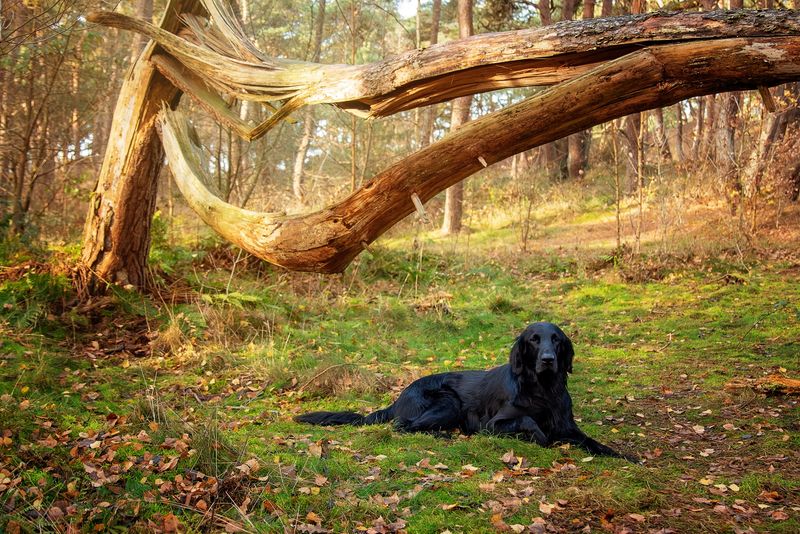
Forever young at heart, the Flat-Coat earned the nickname Peter Pan of retrievers and wears it proudly.
A sleek, glossy coat with light feathering handles rain and swim-outs while staying easy to towel dry.
Optimism is the breed signature, which makes long, slow marsh mornings feel shorter.
They work upland cover and water with the same bounce.
Patient, upbeat handling gets the most out of that sunny attitude.
8. Nova Scotia Duck Tolling Retriever
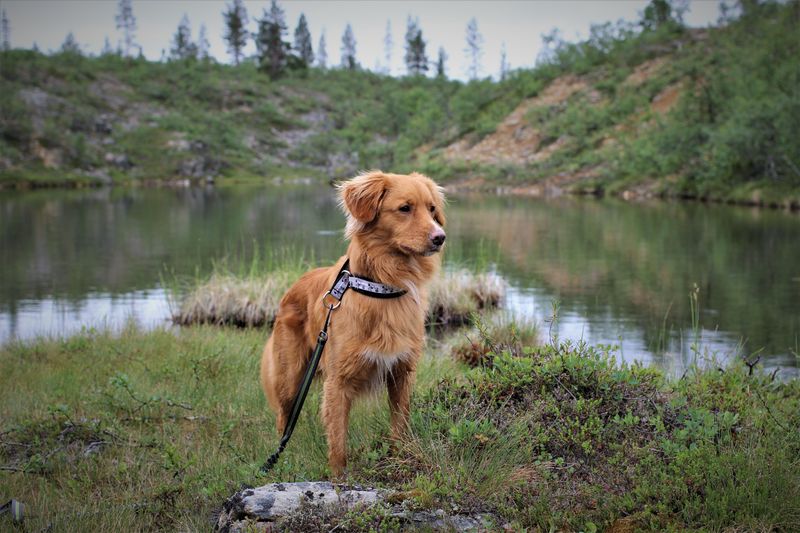
Canada’s only native retriever has a party trick: tolling. The dog dances along the bank until curious ducks swim closer, then retrieves what falls.
Compact and springy, Tollers carry a water-repellent double coat in deep orange to golden red, usually with white flashes.
Webbed toes handle swimming, and stamina handles the rest.
They also flush upland birds well. Smart, affectionate, and permanently set to enthusiastic.
9. German Shorthaired Pointer
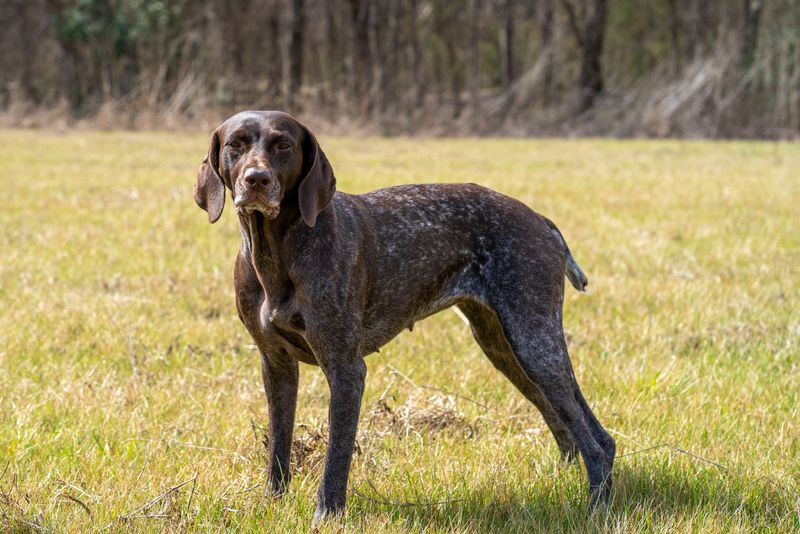
Versatility is the selling point here: point a covey at nine, retrieve a teal by noon.
Lean muscle and long legs cover ground, while big webbed paws make swimming genuinely easy.
The short, rugged coat repels water and refuses to collect burrs from thick cover.
Scenting power plus endurance keeps GSPs working all day.
Fair warning: that energy tank is huge, so daily hard exercise is nonnegotiable.
10. German Wirehaired Pointer
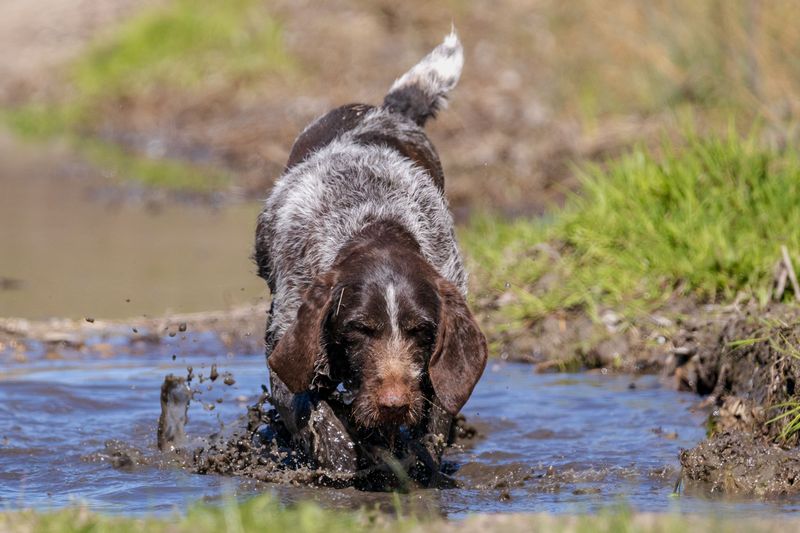
Bushy eyebrows, a proper beard, and a harsh wiry jacket built to laugh at briars and rain.
Germany wanted one dog for everything, and the GWP delivers: pointing, water retrieves, and tracking cripples.
In thick swamp cover, that tracking nose finds birds nobody else marks.
Muscle and grit handle nasty weather comfortably.
Strong-willed and people-focused, they thrive on real work and steady, consistent guidance from day one.
11. Wirehaired Pointing Griffon
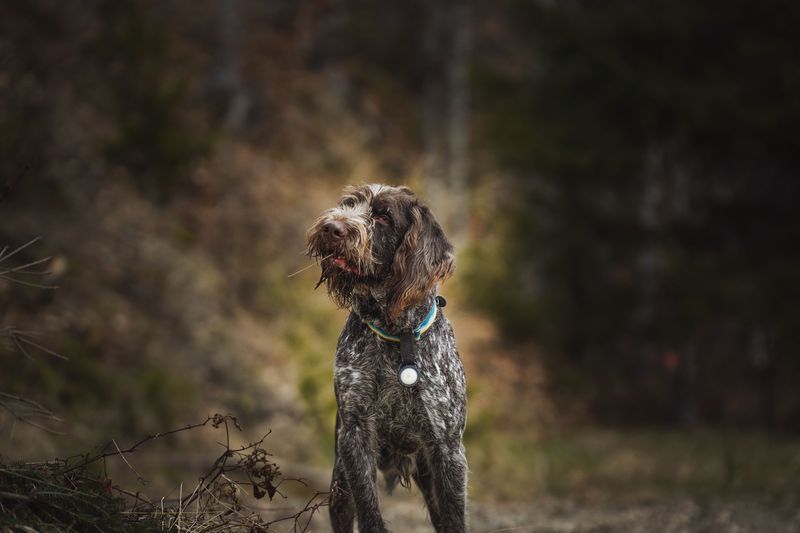
Picture a shaggy steel-gray dog with a beard full of marsh grass and zero regrets.
Developed in the late 1800s by a Dutch breeder working in France, the Griffon was designed as a close-working, all-terrain gun dog.
The double wire coat insulates in cold water and blocks thorny cover.
They hunt at a pace walkers appreciate, staying within sight.
Affectionate off duty, methodical on it.
12. English Cocker Spaniel
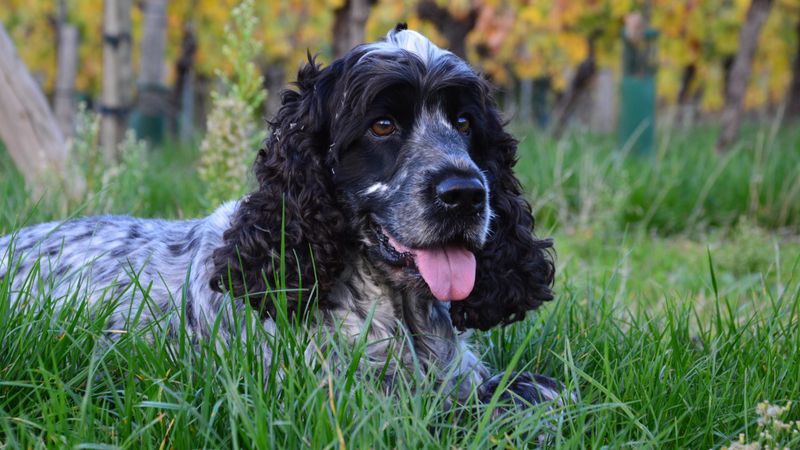
Small package, enormous motor. English Cockers were shaped for woodcock in tangled cover, and that agility transfers to marsh edges.
Natural retrieving, sharp marking, and genuine love of water make them surprisingly handy on back bays.
The silky coat soaks up moisture, so a neoprene vest and a warm blind matter.
Feisty flushing style, tenacious retrieves, and a habit of working within easy gun range.
13. Field Spaniel
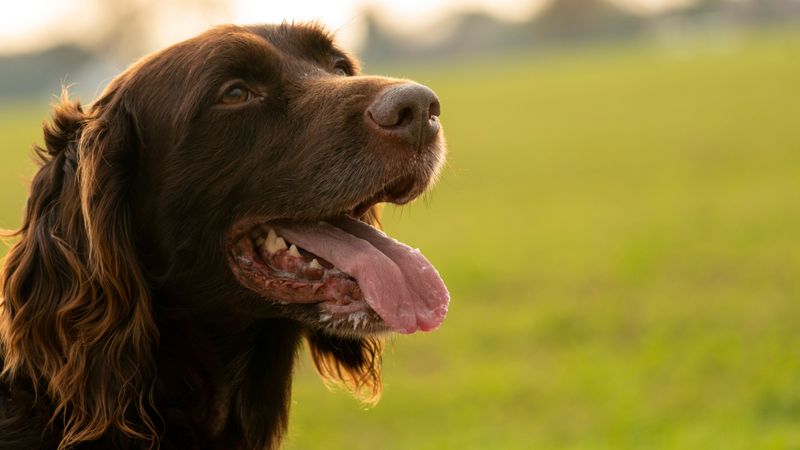
Here is the quiet one on the list, a rare spaniel with long ears, a solid liver or black coat, and calm eyes.
Once bred mainly for looks, the Field Spaniel was rebuilt into a practical, moderate hunting dog.
Steady pace suits walk-up hunts and small marsh ponds.
Sensitivity is real, so gentle, upbeat training wins every time.
Loyal, thoughtful, and refreshingly unhurried afield.
14. Pudelpointer
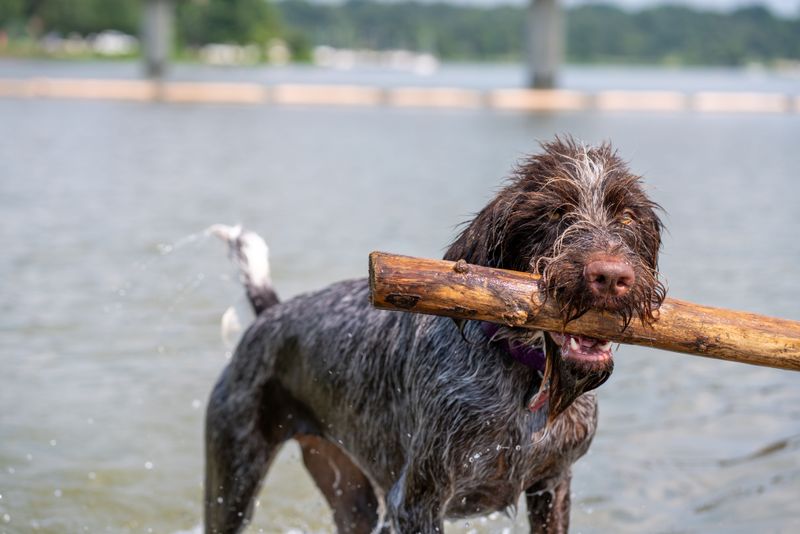
Cross a Poodle’s water brains with a pointer’s bird sense and you get Germany’s tidy answer to versatile hunting.
Created in the 1880s, the Pudelpointer points, tracks, and retrieves from water without drama.
The dense, wiry coat sheds water quickly and handles marsh cane.
Biddability is the hallmark: these dogs want direction and remember it.
Louisiana teal season suits them perfectly, and so does a September dove field.
15. Small Münsterländer
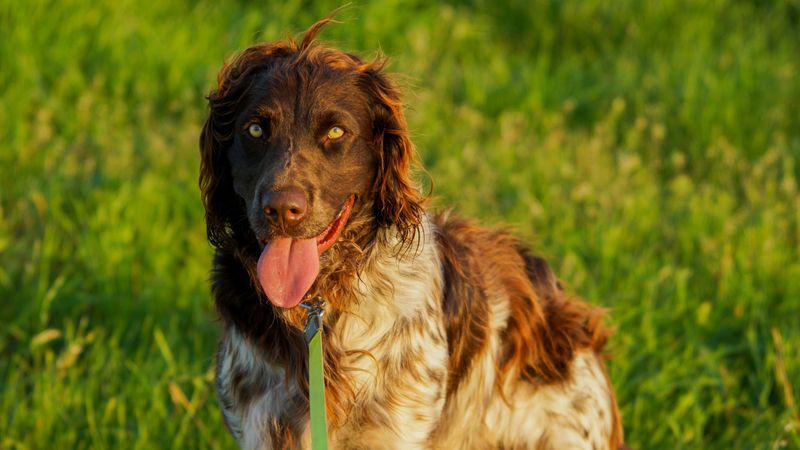
Long-haired, handsome, and seriously multi-talented, this German breed reads air scent for points and ground scent for tracking.
Retrieving delight plus water enthusiasm makes duck work a natural fit.
The medium-length, dense, flat coat protects against wet, cold conditions and rough cover.
Endurance holds up through long marsh days.
Attentive and devoted, though a stubborn streak shows up now and then. Consistency turns that persistence into an asset.
16. Spinone Italiano
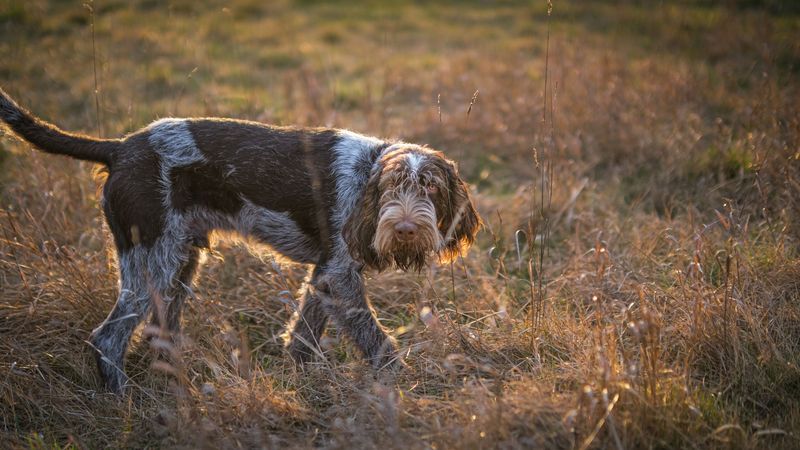
Last stop belongs to Italy’s shaggy gentleman, all beard, soft eyes, and unhurried confidence.
The Spinone was bred for swampy country in Piedmont, so mucky Louisiana ground feels like home turf.
A thick wiry coat handles thorns and cold water, and the loose-limbed trot conserves energy.
Patience in a blind is genuinely impressive for a big dog.
Grab a leash, a headlamp, and go make marsh memories.